Account
Inquiry
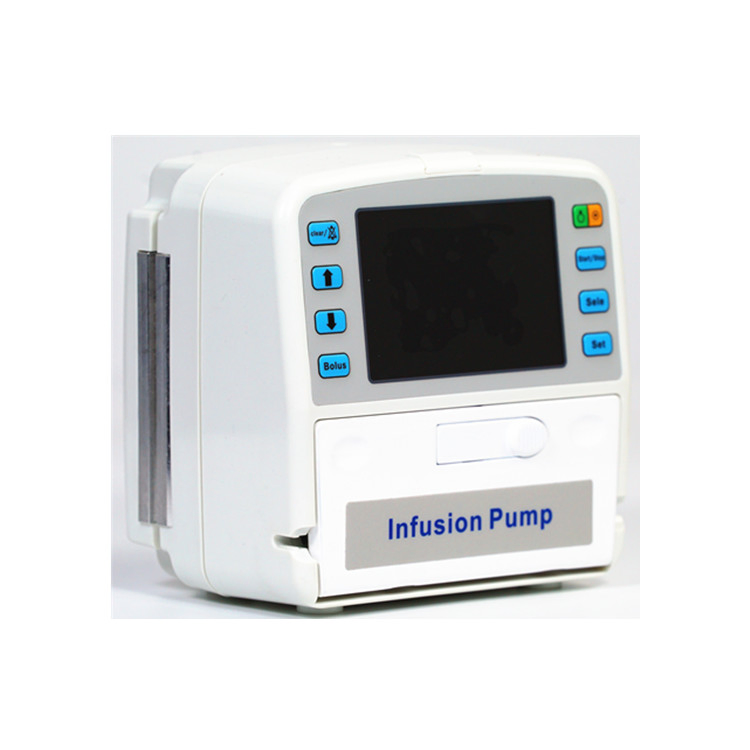
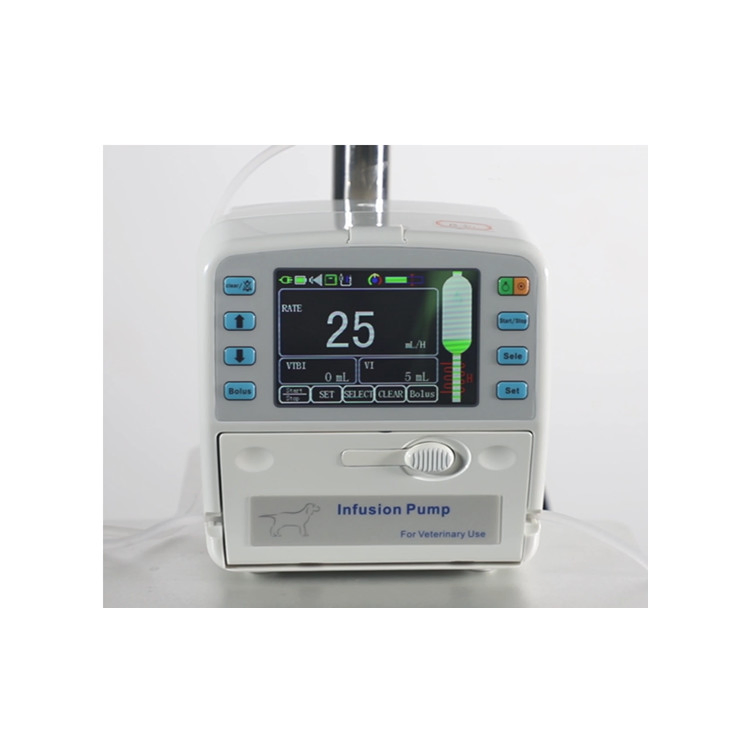
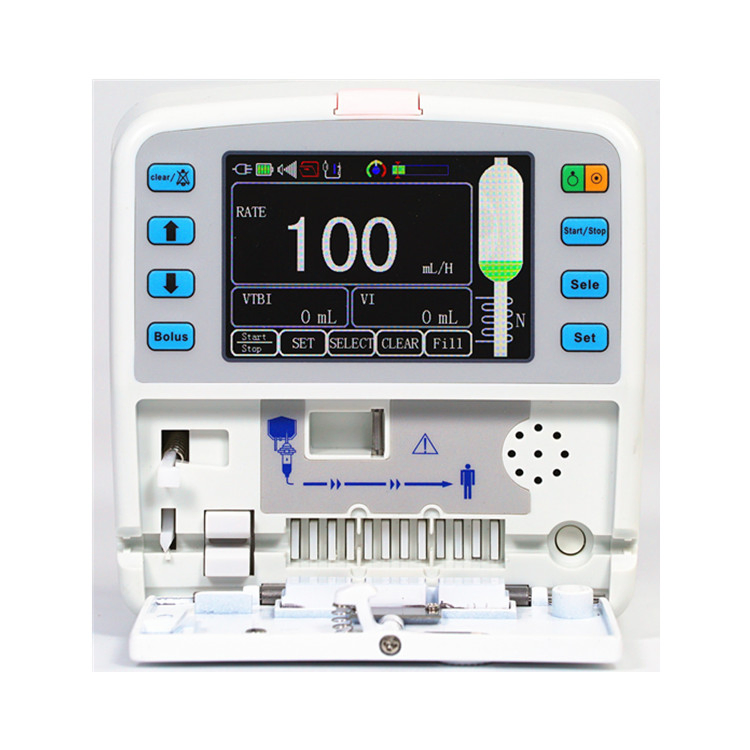
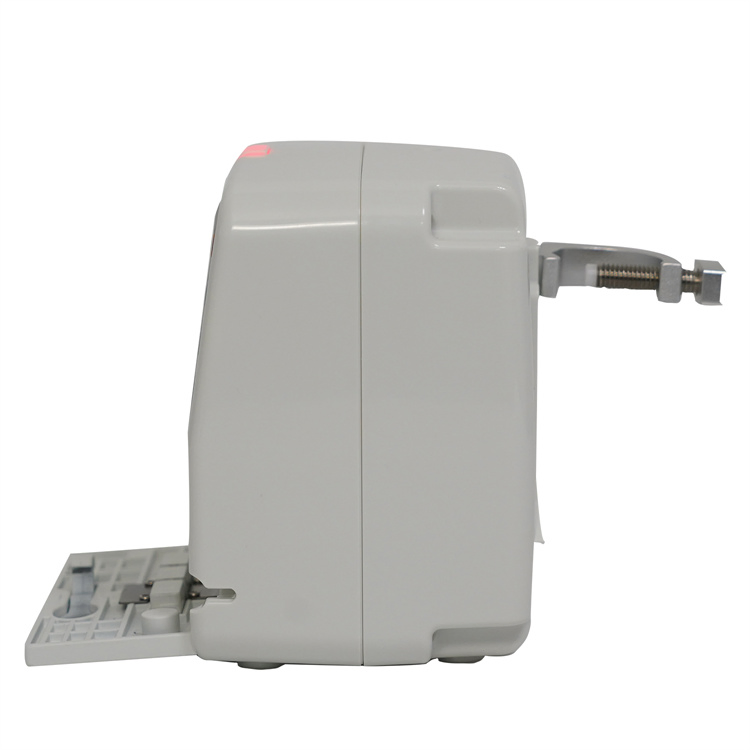
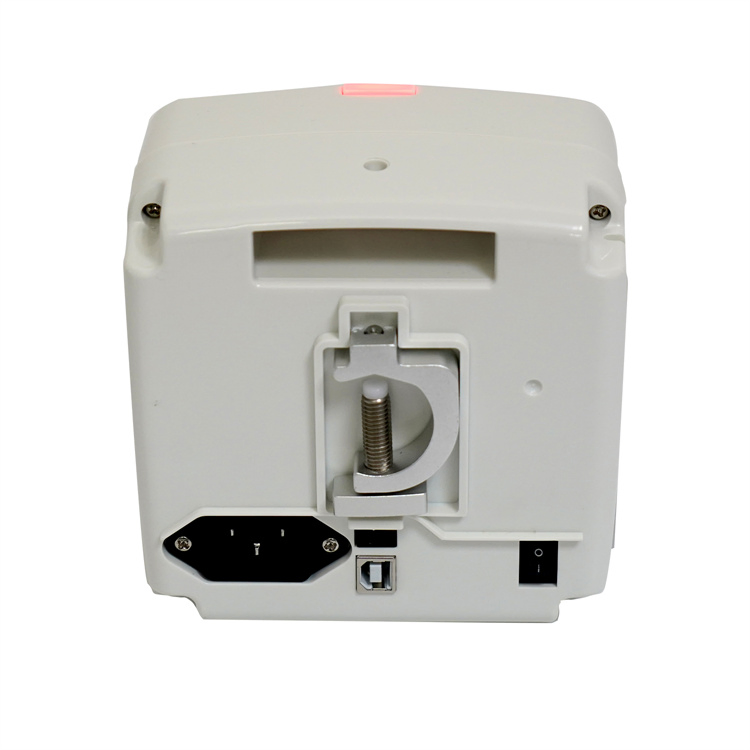
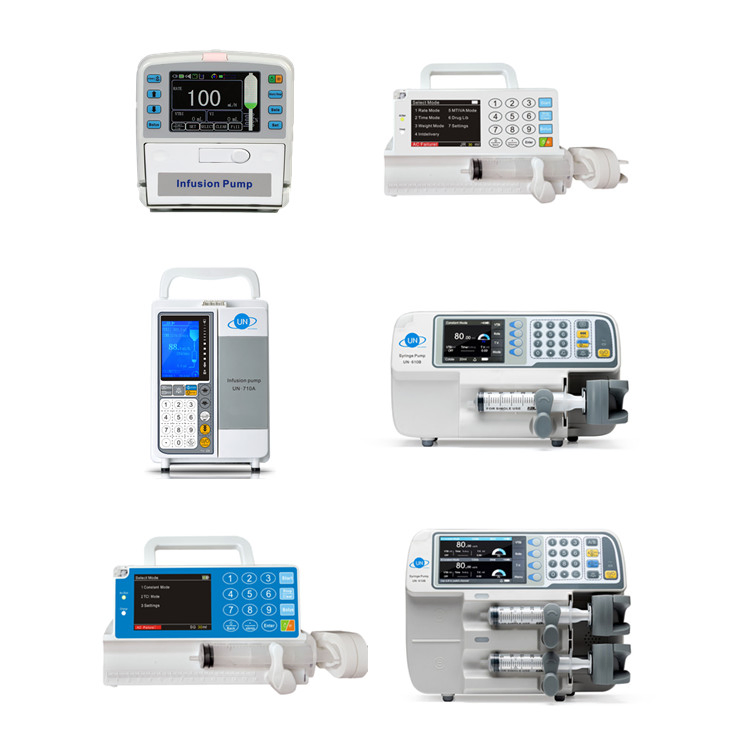
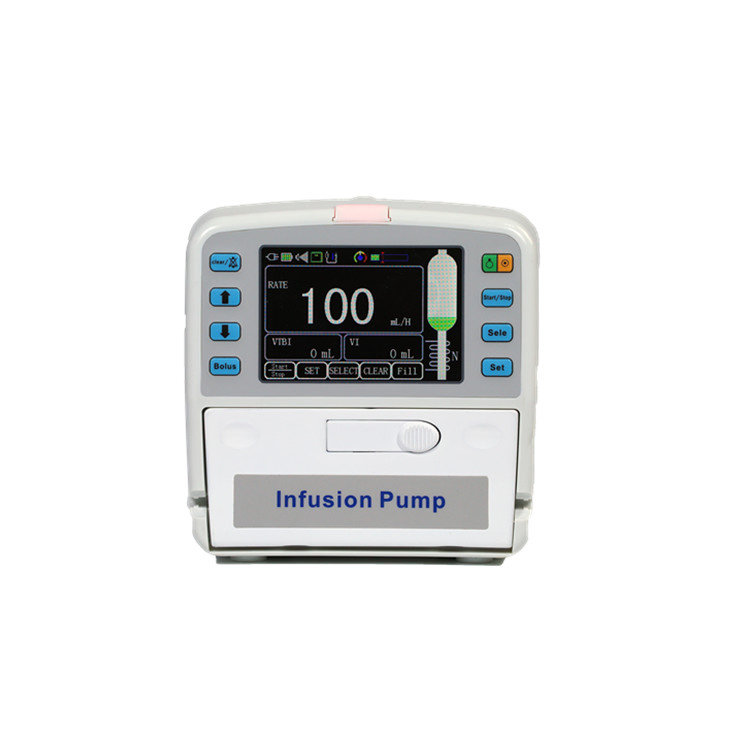
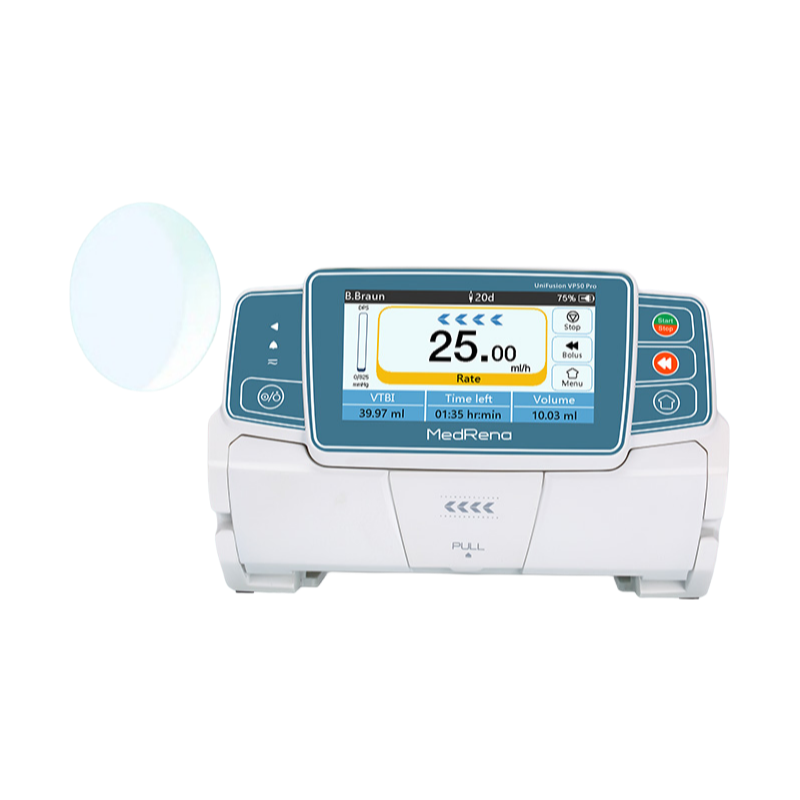
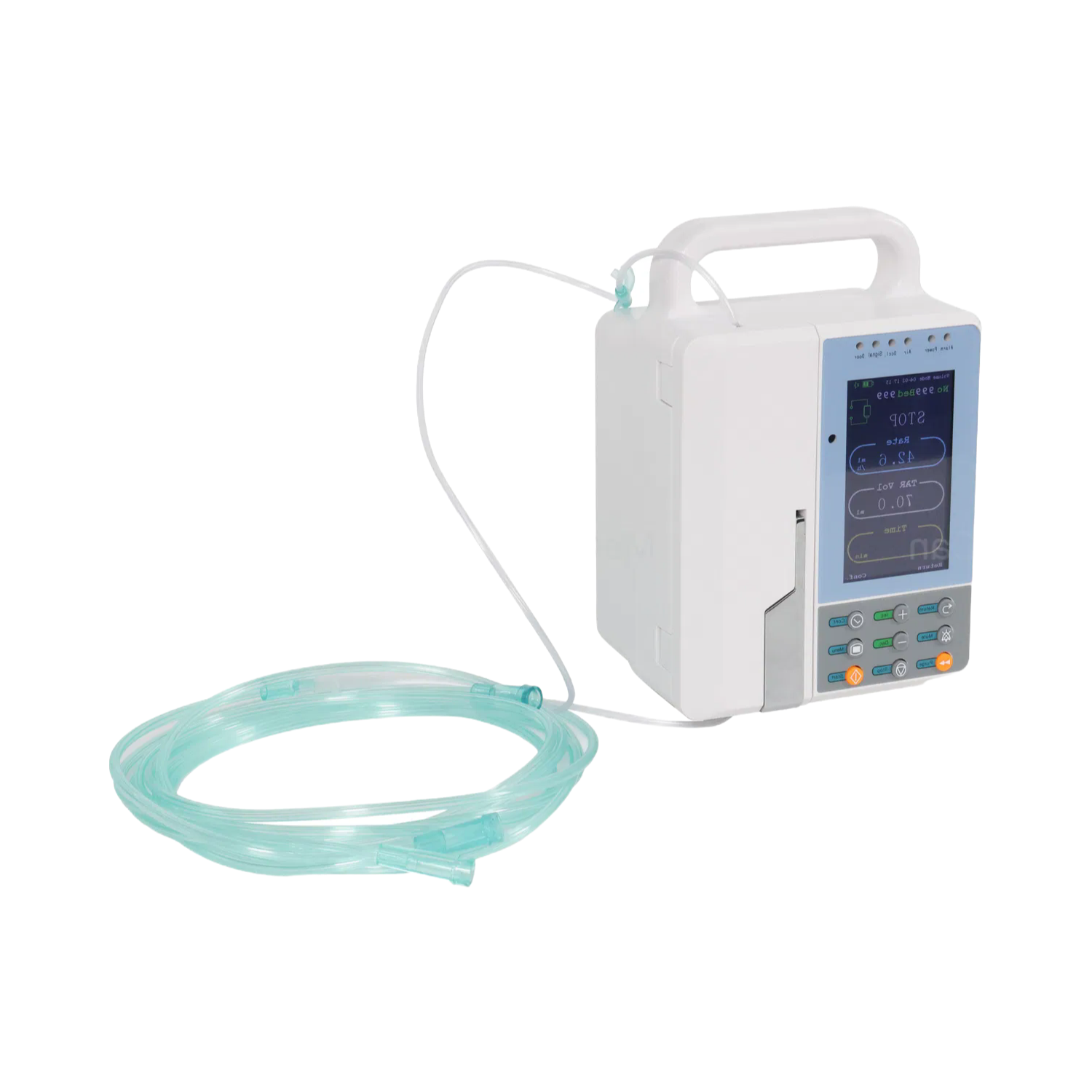
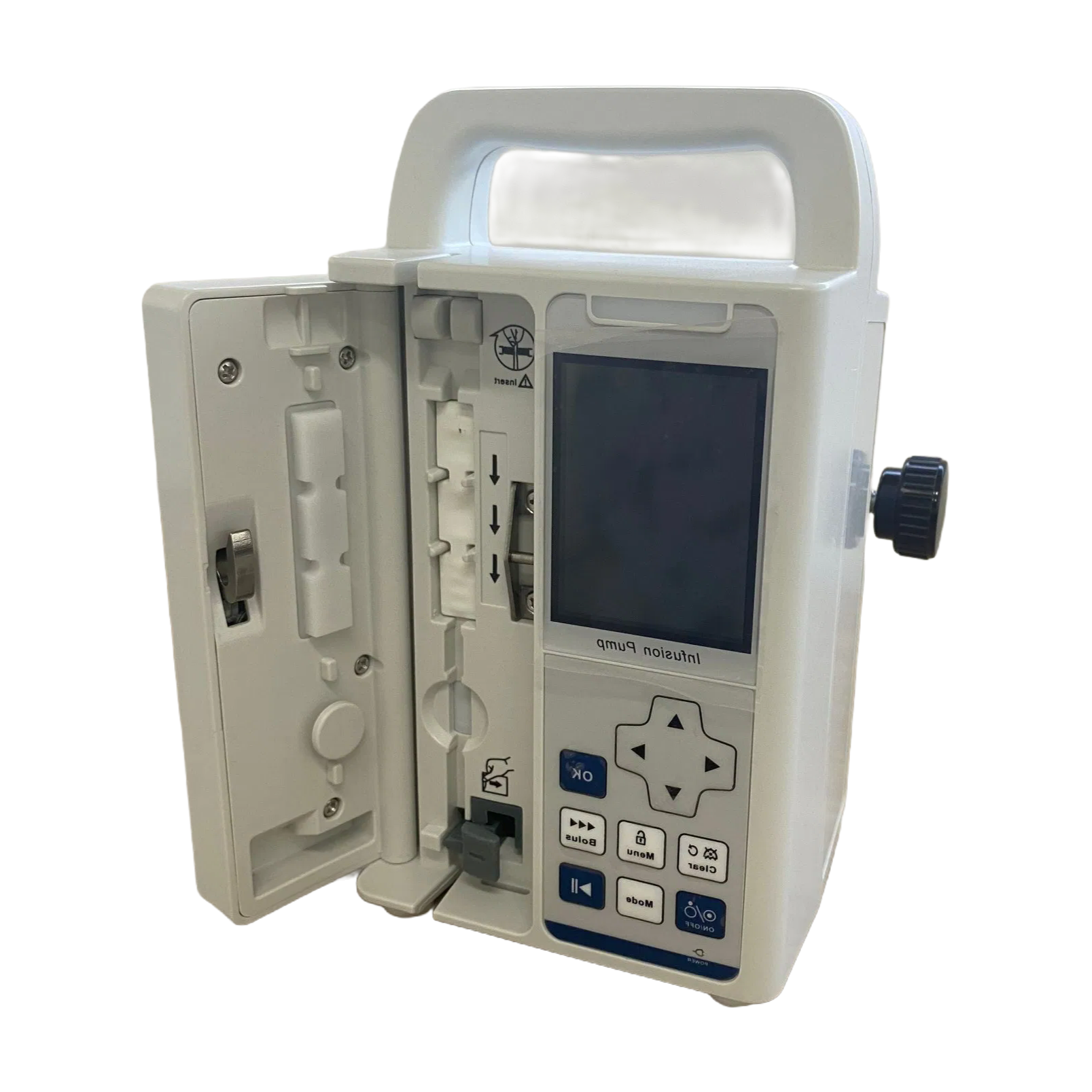
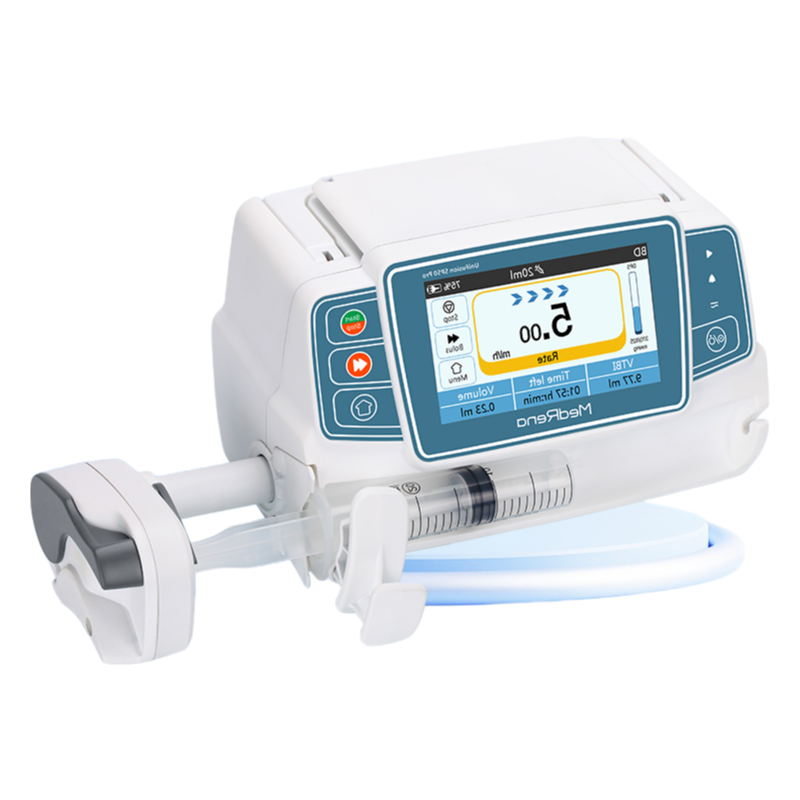
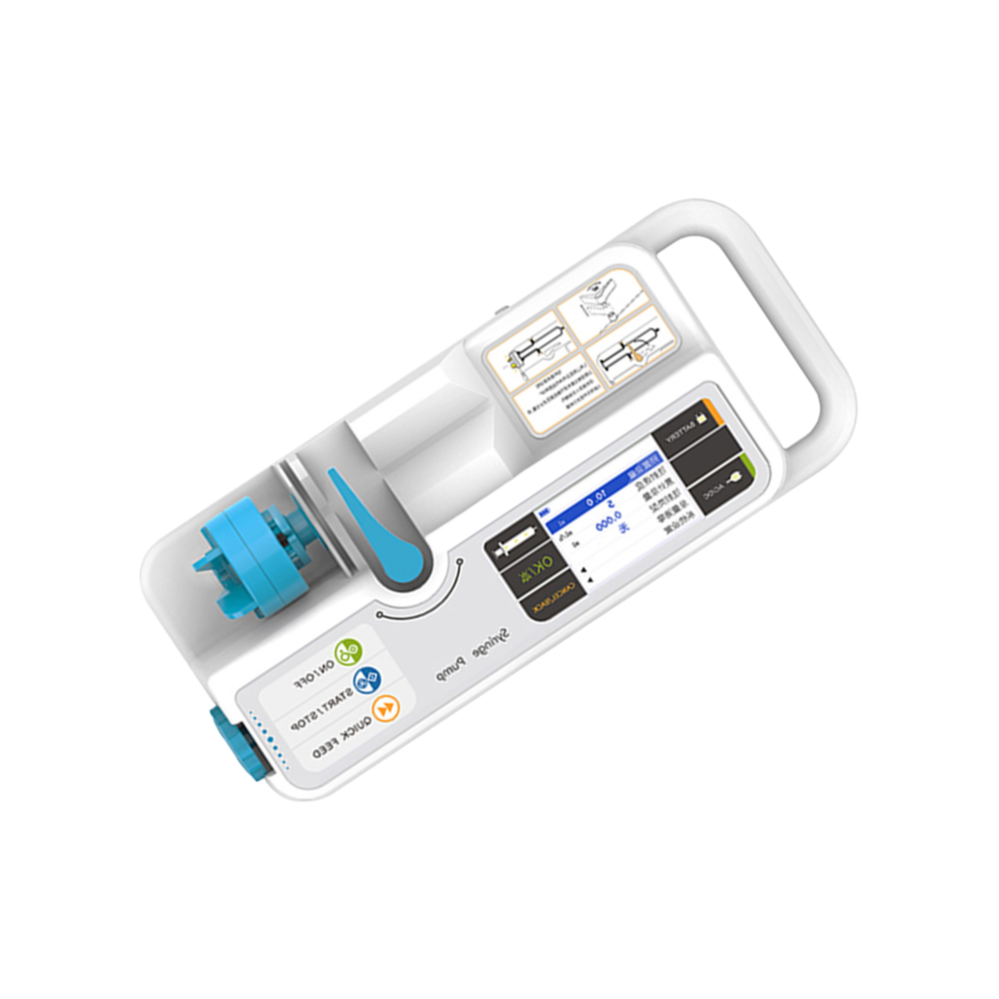
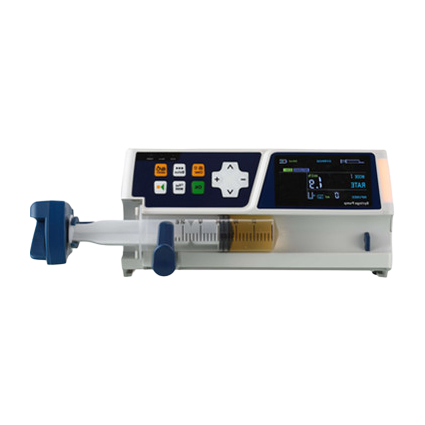
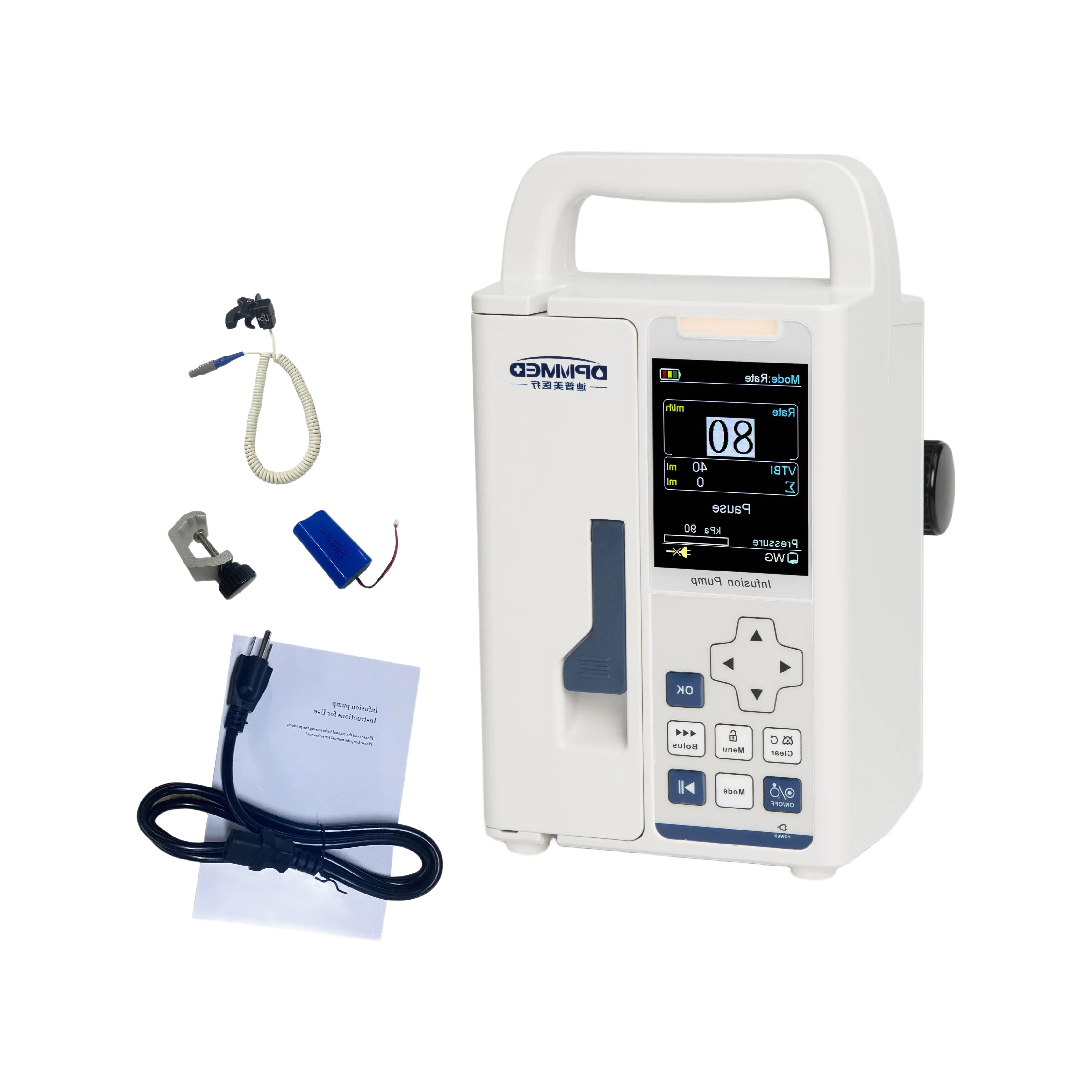
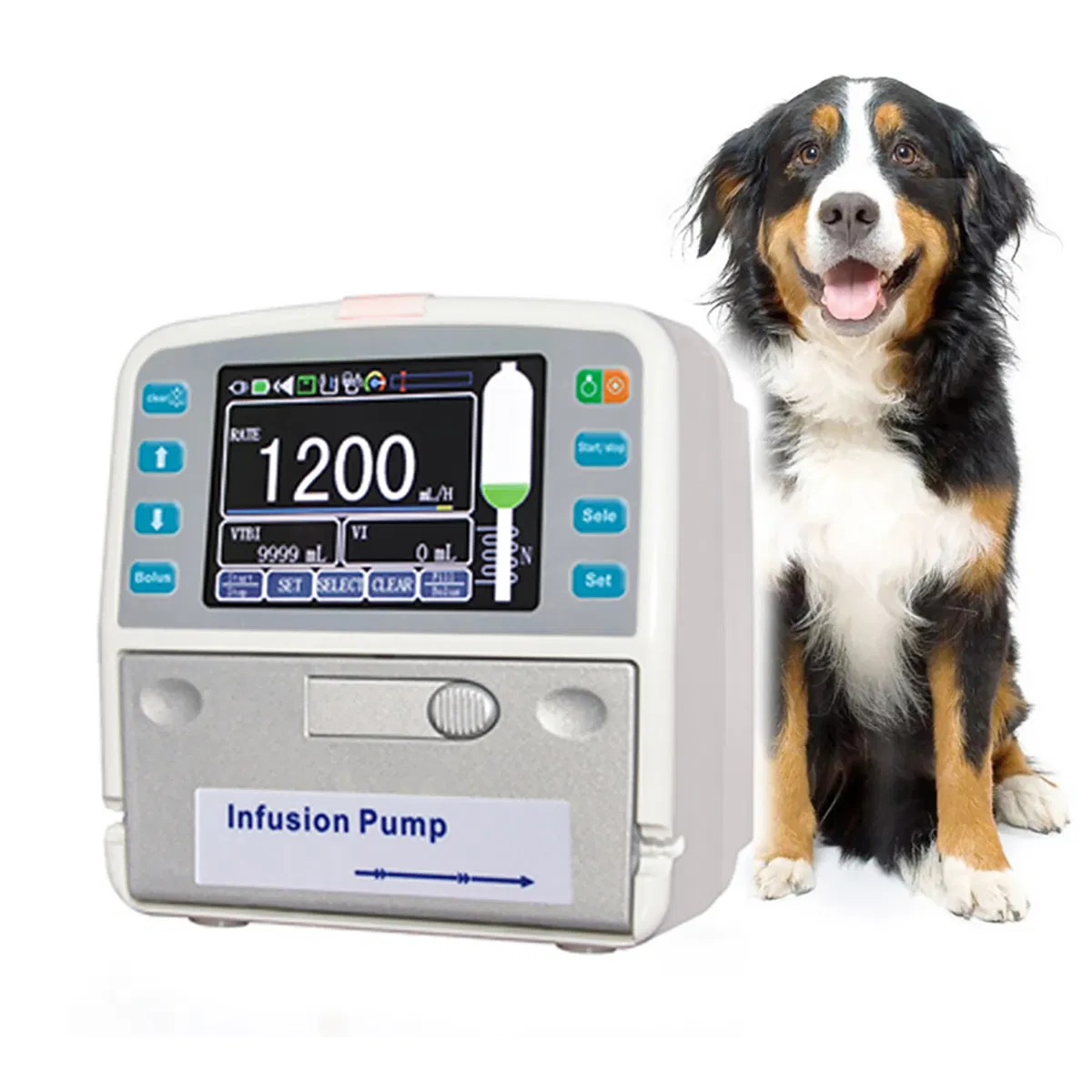
We needed something that could handle both human ICU cases and the veterinary side without swapping equipment, and this model with its three infusion modes—rate, drip, and micro—pretty much covered all scenarios for under 1.5kg. The 3.5-inch LCD touch screen isn't huge, but it's bright enough and the interface is straightforward; you don't need a manual for basic operation. What it does is combine heating with KVO and bolus functions, which most buyers actually go with the 10mg or similar for specific protocols, but here the heating is built into the pump itself rather than a separate add-on.
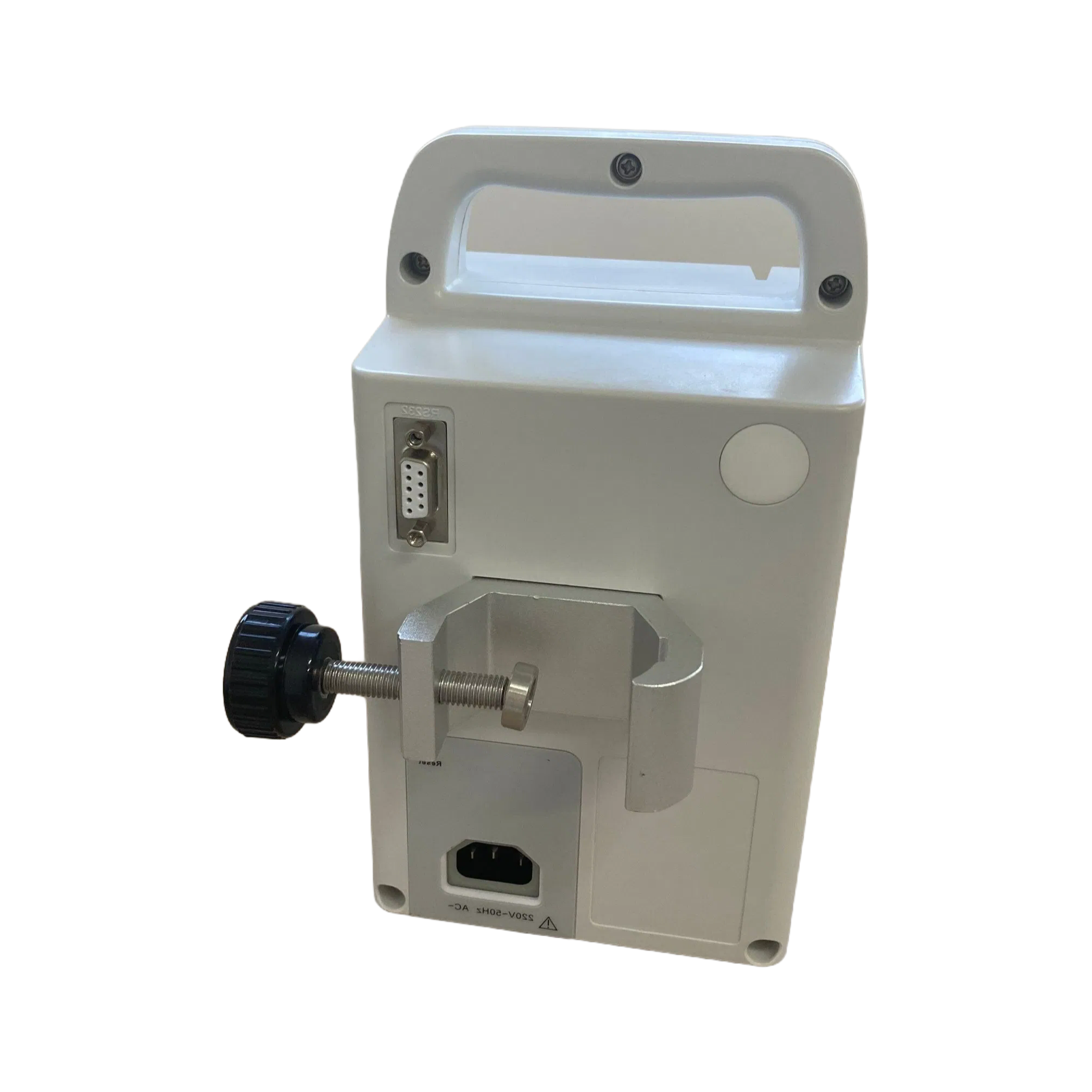
Accuracy is ±5% across the whole rate range of 0.1 to 1200 ml/h, which is tighter than some older models we've used for neonatal work, and the VTBI goes from 1 up to 9999 ml. Air bubble detection and occlusion alarms are standdard with three sensitivity levels—you can set it low for thin fluids or higher for thicker ones, though it's not suitable to very high-viscosity infusions like blood products without extra checks. Power is AC 100-240V with a 2400mAh lithium battery that runs about 3.5 hours at 25 ml/h, which is fine for transport but not a full shift, so we usually have stock of chargers to confirm lead time.
The IPX3 rating means it can handle splashes in the ER or a spill in the vet clinic, but don't dunk it—it's not waterproof for cleaning with a hose. CE and ISO13485 certifications were non-negotiable for us, and supplier provided COAs without us asking, so that saved some back-and-forth. One thing we didn't think to ask was the heating function's max tempearture, which is roughly 37°C, give or take, and it's more for maintaining fluid warmth than active warming of cold infusions.
Class II BF safety classification is what you'd expect for a device that connects to a patient, and the dimensions are 135x90x135mm—basically smaller than a lunchbox—so it fits on a pole or a bedside table without being in the way. The weight is under 1.5kg, and actually the packging was well-padded with foam inserts; we ordered 50 units or so and none arrived damaged.
Lead time was about 20 days from order, though the supplier mentioned they can rush if needed (usually 2-4 weeks depending on the batch). The MOQ was reasonable for a hospital-grade pump, and we got a TDS with full specs plus a quick demo video showing the heating function in action.
Our MOQ for the UNB12 is typically 50 units per model, but we can discuss lower quantities for initial trial orders or specific customization projects.
Yes, we include CE, EEC, and ISO13485 certification copies with every shipment. They're all valid and current—just let us know if you need them before dispatch.
Lead time is usually 15-25 working days after order confirmation and deposit, depending on the volume. We'll give you a firm timeline once we know your quantity.
The pump includes a built-in heater that gently warms the infusion fluid to a set temperature, helping prevent hypothermia during long infusions. It's adjustable via the touchscreen.
We can customize the logo, packaging, and interface language. For larger orders, we can also tweak alarm thresholds or infusion presets to match your hospital's protocols.
Delivery was exceptionally prompt and well-handled. The courier service provided real-time tracking updates, which made it easy to monitor the shipment’s progress from dispatch to arrival. The packaging was secure and professional, ensuring the item arrived in perfect condition without any delays or damage. Overall, the logistics experience was seamless and reliable.
Prompt delivery and excellent packaging. The pump arrived securely and on schedule, which was crucial for our clinic setup. The build quality feels robust and professional, exactly as described for hospital-grade equipment. Communication from the supplier was clear and helpful throughout the process. Overall, a very satisfactory procurement experience from logistics to the perceived quality of the item.
Logistics were handled exceptionally well. The shipment arrived ahead of the estimated schedule, which was a pleasant surprise. The packaging was robust and secure, ensuring the product was completely protected during transit. Every step of the delivery process was communicated clearly, providing constant updates and peace of mind. The carrier was professional and efficient. Regarding quality, the construction feels solid and reliable, exactly what one expects for professional medical equipment. The materials used appear durable and suitable for a clinical environment. The service provided was outstanding; the support team was responsive and knowledgeable, answering all pre-purchase inquiries promptly and accurately. The ordering process was straightforward and hassle-free. Overall, a very satisfactory experience from start to finish, focusing on the critical aspects of delivery, product integrity, and customer support.
Brilliant experience from start to finish. Beginning with the logistics, the delivery was remarkably prompt and handled with the utmost care. The courier service provided consistent updates, and the package arrived well ahead of the estimated schedule, which was a pleasant surprise. Everything was securely packaged, demonstrating a clear commitment to ensuring the product arrives in perfect condition. There were no signs of damage or mishandling whatsoever. Regarding quality, the product itself feels exceptionally robust and well-constructed. The materials used appear to be of a high standard, giving immediate confidence in its durability and suitability for professional environments. The finish is precise, and all components fit together seamlessly. As for service, the communication from the seller was outstanding. They were responsive, polite, and proactive in providing information. Any pre-delivery inquiries were answered thoroughly and without delay, creating a very smooth and reassuring purchasing process. The overall professionalism was impressive. This combination of efficient logistics, apparent high quality, and excellent customer service made for a completely satisfactory transaction. I would not hesitate to recommend this supplier based on this experience alone. The attention to detail at every stage is commendable and sets a high benchmark.
Outstanding experience from start to finish. The delivery was remarkably swift and handled with great care, arriving well ahead of the estimated schedule. The packaging was professional and secure, ensuring the equipment was perfectly protected. Regarding the product itself, the build quality is exceptional; it feels robust, durable, and precisely engineered, which is exactly what you need for hospital-grade equipment. The service provided by the team was equally impressive—responsive, knowledgeable, and very helpful throughout the entire process. They answered all my preliminary questions promptly and provided clear documentation. Overall, this was a seamless transaction for a critical piece of medical hardware. The attention to detail in logistics, the evident quality of the pump, and the superior customer support have all exceeded my expectations. I would not hesitate to recommend this supplier to other medical professionals seeking reliable infusion pumps.
Juggling multiple responsibilities at our veterinary clinic, we needed reliable equipment. The delivery of this infusion pump was impressively swift. It arrived well-packaged and ahead of the estimated schedule, which was a pleasant surprise during a particularly busy week. The logistical handling was seamless from tracking to final receipt. Upon unboxing, the build quality is immediately apparent. It feels robust and well-constructed, suitable for a clinical environment. The materials seem durable, and the LCD display is clear and bright. The overall craftsmanship aligns with what one would expect from professional-grade medical equipment. Our initial interactions regarding the order were handled efficiently and professionally. Any pre-shipment inquiries were answered promptly and courteously. The service aspect provided a smooth and reassuring experience from start to finish. This combination of efficient logistics, solid construction, and attentive service makes for a very satisfactory procurement process.
Came across this syringe infusion pump and was impressed by the swift delivery; it arrived much earlier than anticipated, which was a pleasant surprise. The packaging was secure and ensured the product reached in perfect condition. As for quality, the build feels robust and reliable, suitable for professional settings. Customer service was responsive and helpful, promptly addressing my queries with clear information. Overall, a smooth experience from order to receipt, making it a trustworthy choice for medical equipment needs.
Rapid and reliable delivery made this purchase stress-free, with the package arriving ahead of schedule and in perfect condition. The build quality is exceptional, featuring durable materials that feel sturdy and well-crafted for demanding environments. Customer service was outstanding, providing prompt and helpful responses to all my inquiries. Overall, a highly satisfactory experience that I would recommend to others.
Rapid delivery was a pleasant surprise; the package arrived earlier than expected, which was crucial for our setup timeline. The build quality feels robust and reliable, exactly what we need for demanding hospital environments. Customer service was responsive and helpful, addressing all my queries promptly and professionally. Overall, a smooth and satisfactory experience from start to finish.