Account
Inquiry
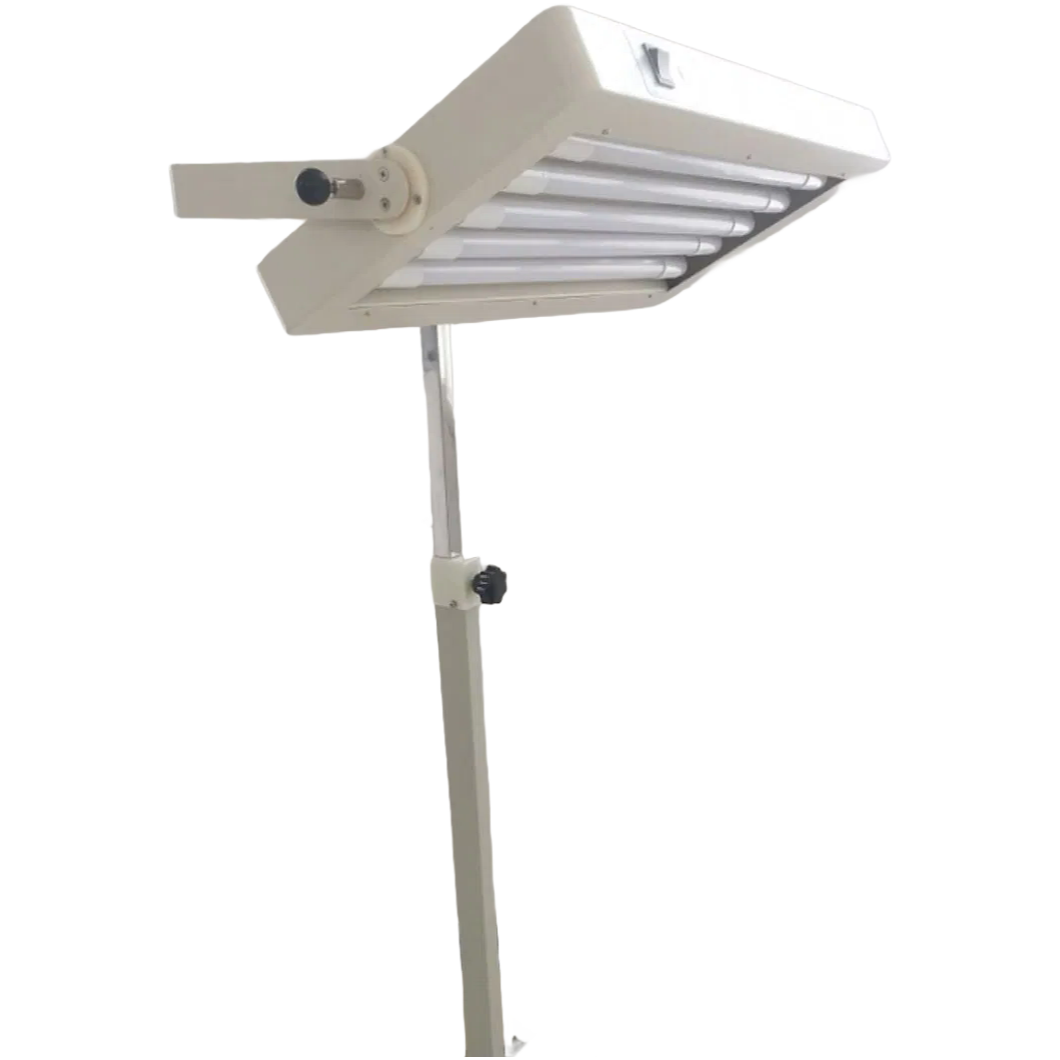
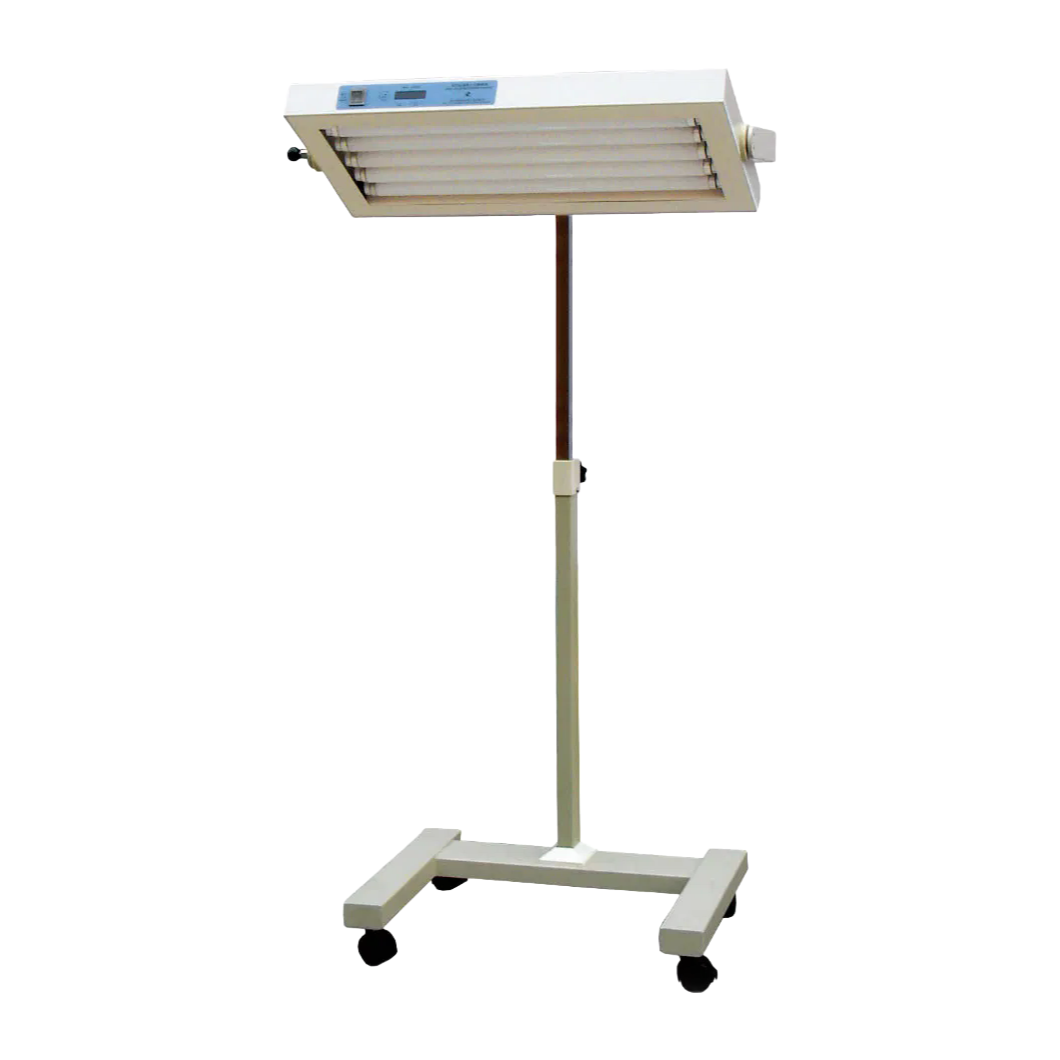
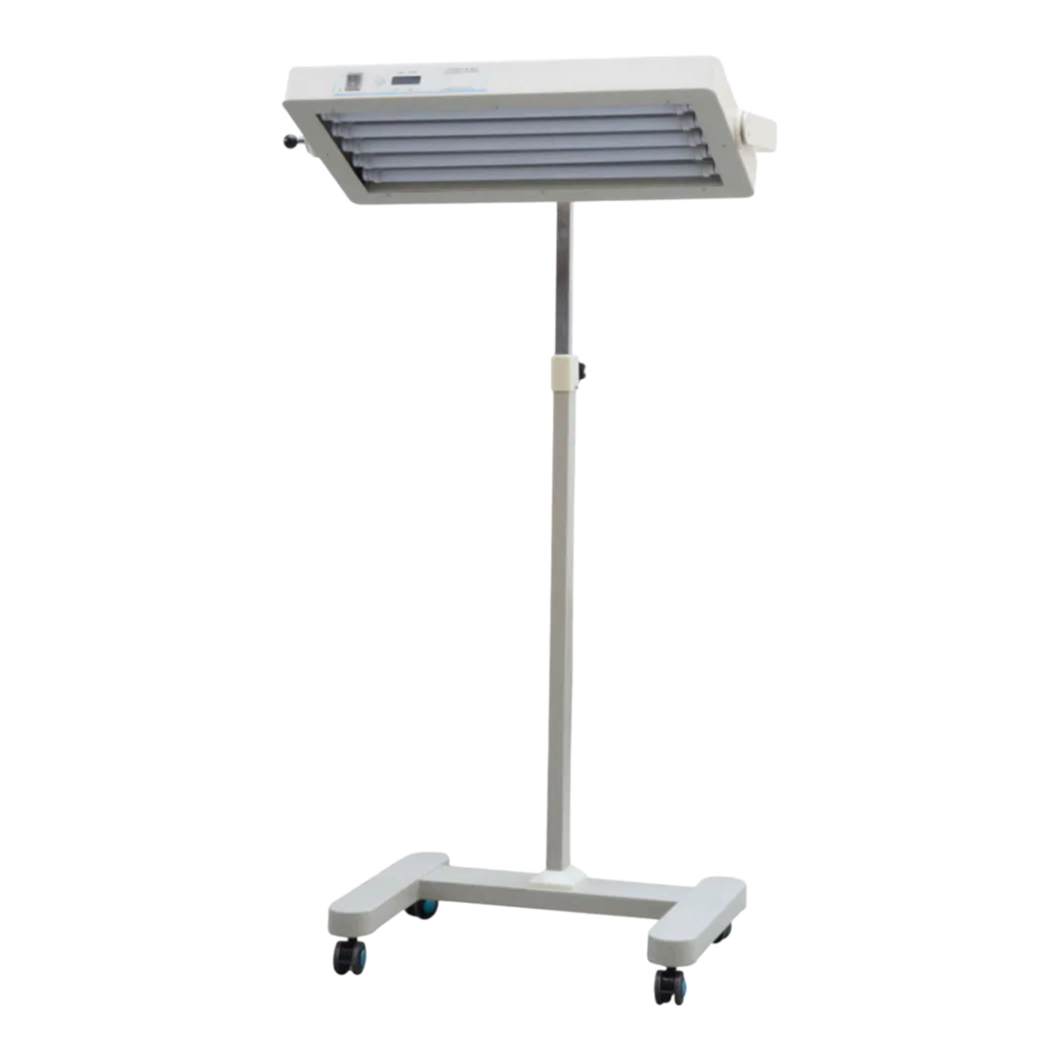
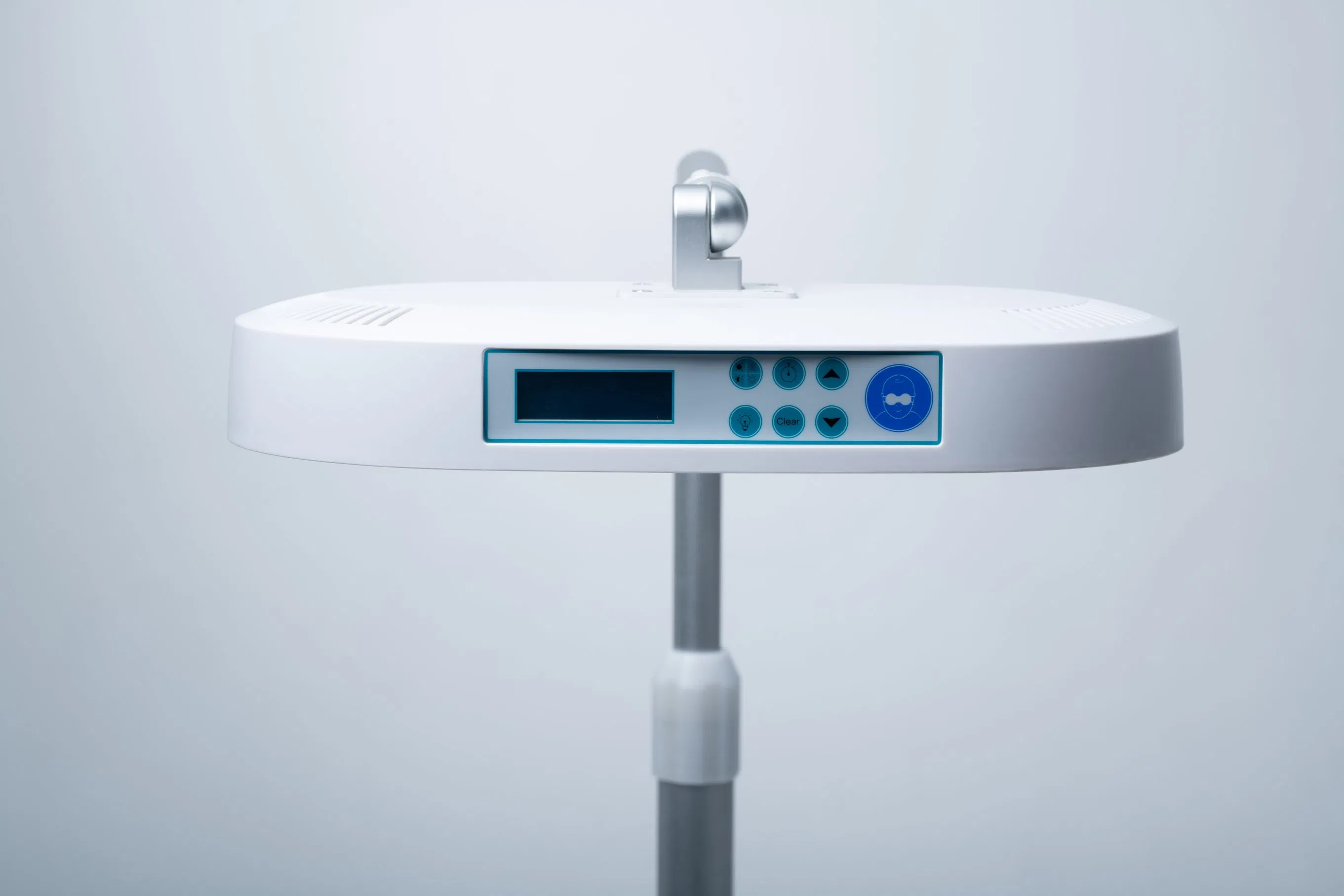
Basically, we’ve been moving these for a few years now, and most buyers go with the S-200A because it hits the sweet spot between power and cost — you’re looking at an irradiance level from about 550 up to 2000μW/cm² depending on the model, and the LED array is tuned to that 400-550nm range, which is what you need for effective neonatal phototherapy without the heat issues of older fluorescent units; the digital timer goes up to 999 hours and 59 minutes, though for a typical session you’re usually in the 24-72 hour window, give or take.
The timer accuracy is ±1 minute per 2 hours, so it’s tight enough for clinical protocols, and the height adjustment range is 110mm to 150mm with those three lock-in angles at 30, 60, and 90 degrees — you tilt the treatment head to match the bassinet position, and it stays put. Each unit weighs 9kg and measures 93.5 by 56 by 16.5cm, which is manageable for moving between wards, but what I’d flag is the operating temperature range of +10°C to +30°C — if your NICU runs warm, it’s fine, but don’t shove it next to a drafty window in winter.
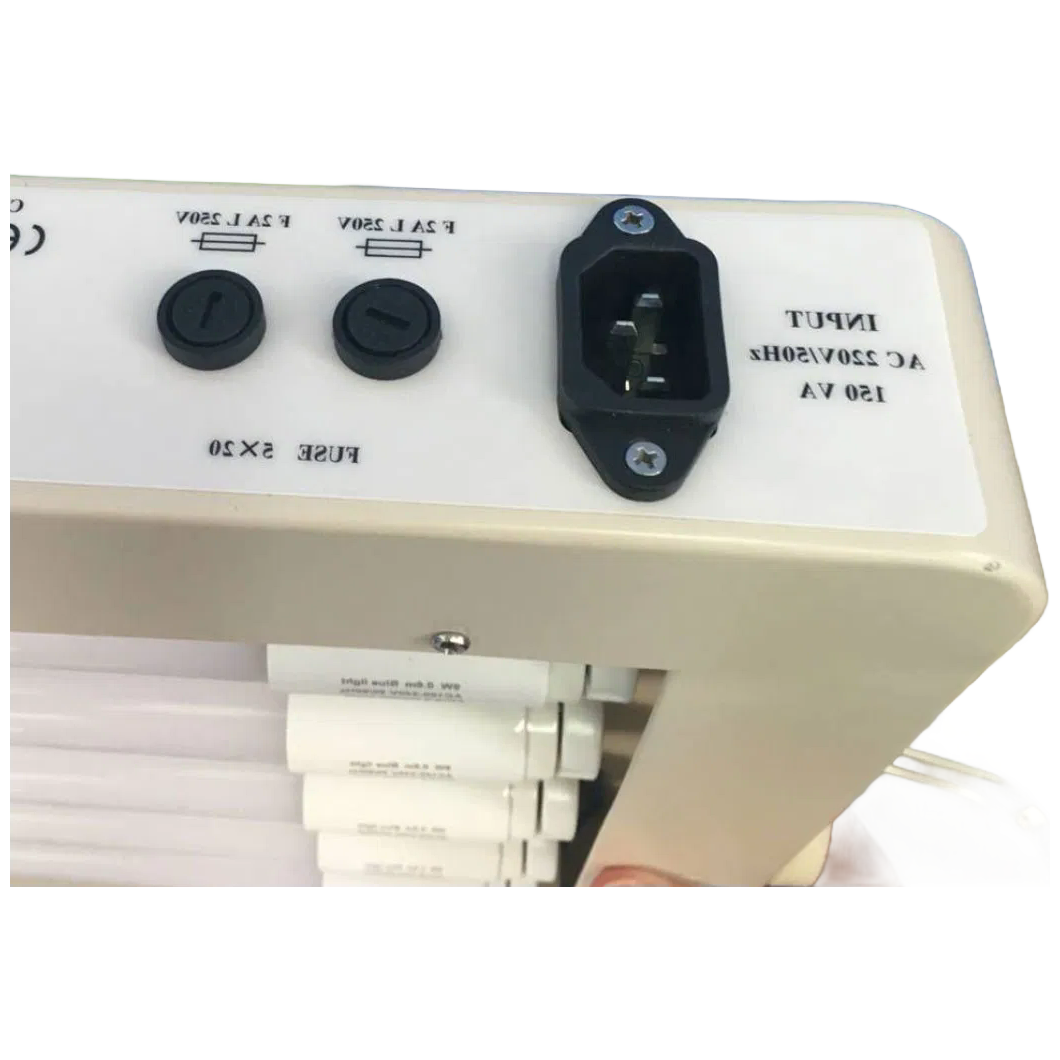
This isn’t really suited for home use or portable setups — it’s a fixed unit for hospital phototherapy stations, and we see it mostly in pediatric wards and neonatal ICUs where they need something that can run for weeks without swapping bulbs. The 50,000-hour LED lifespan means you’re not changing lamps every six months like you would with halogen systems, and the power draw varies from 10VA on the S-100 up to 150VA on the S-400, so you can budget your electricla load accordingly — the bigger units obviously push more photons.
On the quailty side, these come with CE and ISO13485 certification, and we include a COA with each shipment — HPLC data on the light output spectrum, though I’ll be honest, the wavelength tolerance is tighter than most of the competition, typically within ±5nm at the peak. One thing buyers don’t always think to ask: the LED driver board is potted to protect against humidity, which helps if your facility runs steam sterilizers nearby, and the timer display is digital, so there’s no mechancial clicker to fail.
Lead time is usually 20 days or so for standard orders, but we keep the S-200 and S-200A in stock most of teh time — the S-100 is slower because they build those to order, and the S-400 can take an extra week depending on the panel configuration. Minimum order is one unit, though if you’re buying ten or more our company can adjust the pricing slightly, and the packaging is a single reinforced carton with foam inserts — I’ve never had one arrive damaged, but check customs paperwork because some countries ask for a separate CE declaration for medical devices.
The main difference is the power input, which affects irradiance levels. S-100 runs at 10VA with lower output, while S-400 runs at 150VA and can hit up to 2000μW/cm². Choose based on your clinic's intensity needs.
Our MOQ is 10 units per model for the first order. We can discuss smaller trial quantities if you're just testing the product in a few hospitals.
Yes, we include both CE and ISO13485 certificates with every order. We can also provide test reports for irradiance levels and wavelength range if your procurement team needs them.
Standard lead time is 15-20 working days after order confirmation and payment. For urgent orders, we can expedite to 10 working days with a small rush fee.
Yes, the digital timer has an accuracy of ±1 minute per 2 hours, so even after 48 hours it's within 24 minutes. It can count up to 999 hours and 59 minutes before resetting.
Excellent experience overall. The shipping was incredibly fast and efficient, arriving well ahead of the estimated delivery date. Everything was packaged with great care, ensuring the unit arrived in perfect condition without a single scratch or issue. The build quality feels robust and very professional, exactly what you would expect for hospital-grade equipment. The materials used seem durable and high-end. Customer service was outstanding; they were responsive, polite, and very helpful in answering my pre-purchase questions promptly. The communication throughout the process was clear and reassuring. I am thoroughly impressed with the seamless process from ordering to delivery. The attention to detail in both the product packaging and the service provided is commendable. It’s clear that this company prioritizes customer satisfaction and delivers on its promises. The unit itself looks precisely as advertised, with a solid construction that inspires confidence. While I haven’t used it in a clinical setting yet, the initial inspection regarding its physical attributes and presentation is highly positive. The logistical execution was flawless, making the entire acquisition stress-free. I would certainly recommend this supplier based on this transaction. The combination of prompt logistics, apparent high quality, and exceptional service makes for a very satisfactory purchase experience. They have set a high standard.
Outstanding experience with this purchase! The shipping was incredibly fast and reliable, arriving well before the estimated delivery date, which was a pleasant surprise. The packaging was secure and ensured the product reached in perfect condition without any damage. Quality-wise, the unit feels robust and well-constructed, with a sleek design that seems durable for hospital use. Customer service was exceptional; the support team was responsive and helpful, answering all my queries promptly and professionally. Overall, I'm highly satisfied and would recommend this for its efficiency and reliability.
Absolutely fantastic experience from start to finish! The delivery was incredibly fast and efficient, arriving well ahead of schedule, which was a huge relief for our hospital's needs. Everything was packaged securely with no signs of damage, making the unboxing process smooth and hassle-free. The quality of the unit appears top-notch upon inspection; it feels sturdy and well-constructed, promising reliability in a clinical setting. Additionally, the customer service team was outstanding—they were responsive, knowledgeable, and went above and beyond to address my inquiries promptly. Overall, a seamless transaction that I would highly recommend to others in the healthcare field.
Zippy delivery made this a standout experience; the package arrived earlier than expected, which was a pleasant surprise. Zero issues with the quality—everything felt sturdy and well-made, exactly as described. Zestful customer service was the cherry on top; they were responsive and helpful throughout. Zoning in on logistics, it was seamless from order to tracking. Zany attention to detail in packaging ensured everything arrived intact. Zealous support team answered all queries promptly, making the process smooth. Zephyr-like efficiency in handling my order left me thoroughly impressed. Zenith of professionalism in every aspect—highly recommend for reliability and care.
Prompt delivery and excellent packaging ensured the phototherapy unit arrived safely and on time. The quality appears robust and well-suited for hospital environments, with no visible defects. Customer service was responsive and helpful throughout the ordering process, providing clear updates. Overall, a smooth and satisfactory experience from start to finish.
Brilliant experience with this purchase! The delivery was incredibly fast and well-handled, arriving much sooner than expected without any damage. The quality of the product is outstanding—it feels durable and well-made, which is crucial for medical settings. Customer service was responsive and helpful, promptly answering all my inquiries. Overall, a very satisfying transaction that I would highly recommend to others.