Account
Inquiry
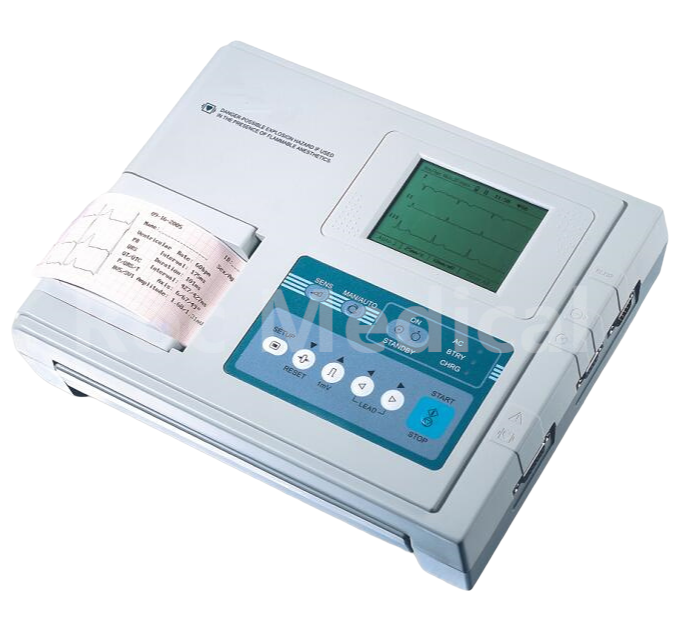
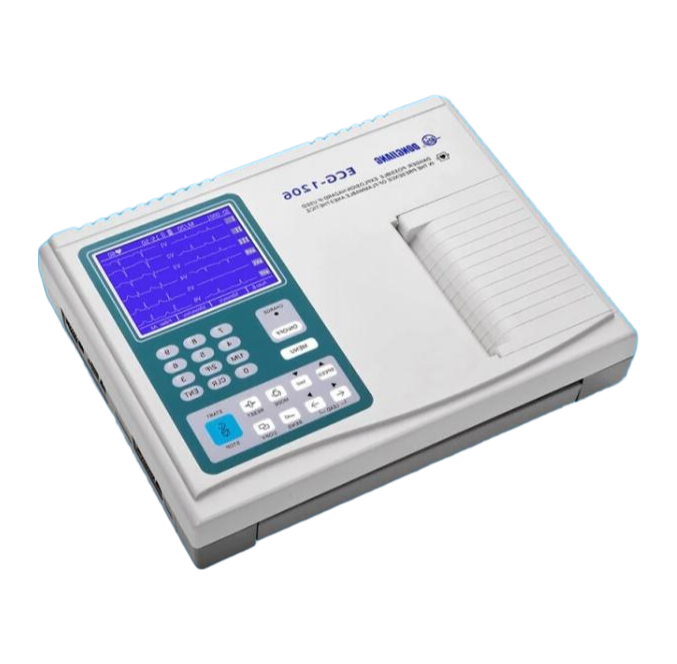
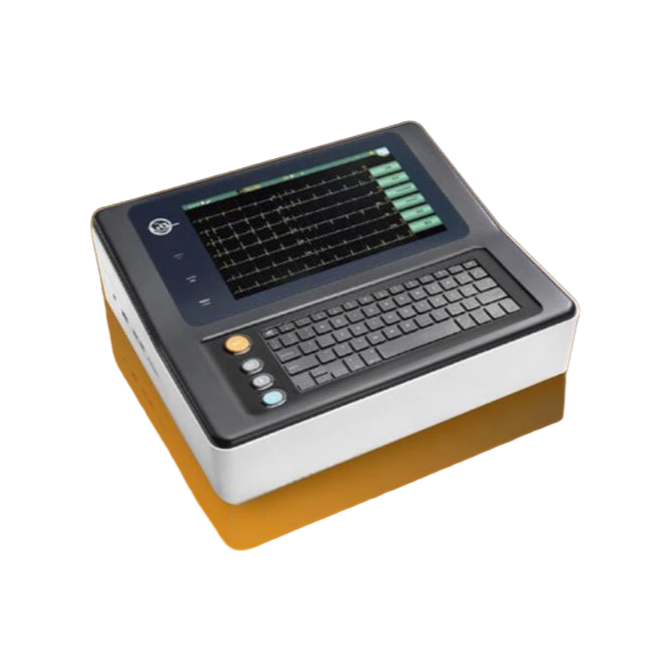
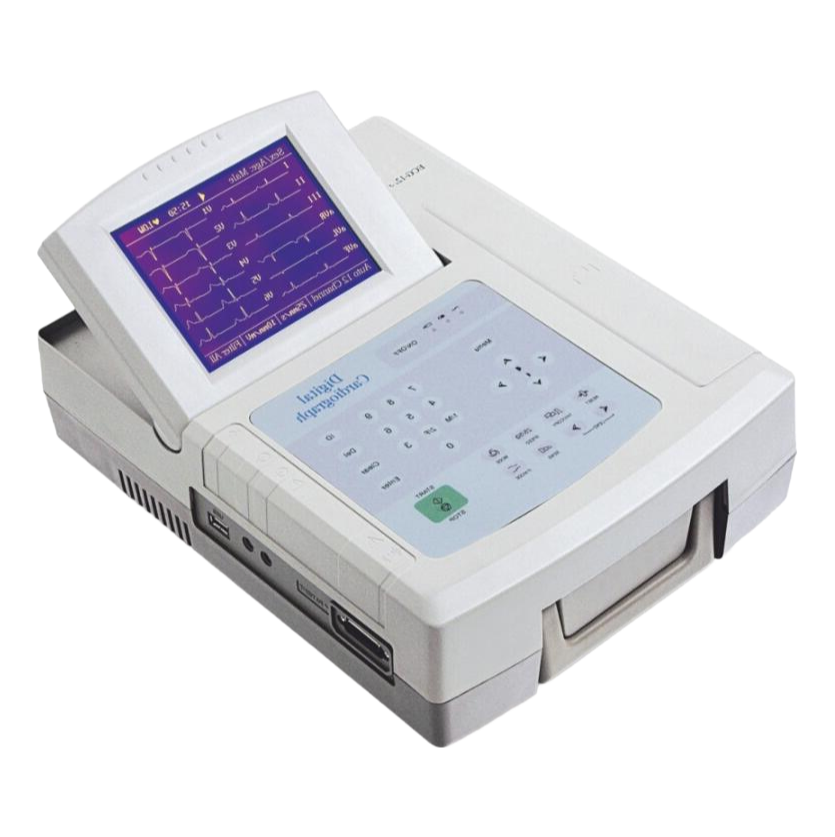
A cardiologist running a stress test on a patient with suspected arrhythmia needs clear P-wave and ST-segment data, and that's exactly where this unit's common-mode rejection rating of over 100dB with the filter engaged keeps powerline interference from muddying the trace, which most buyers find critical for accurate interpretation in real-world clinic settings rather than shielded labs.
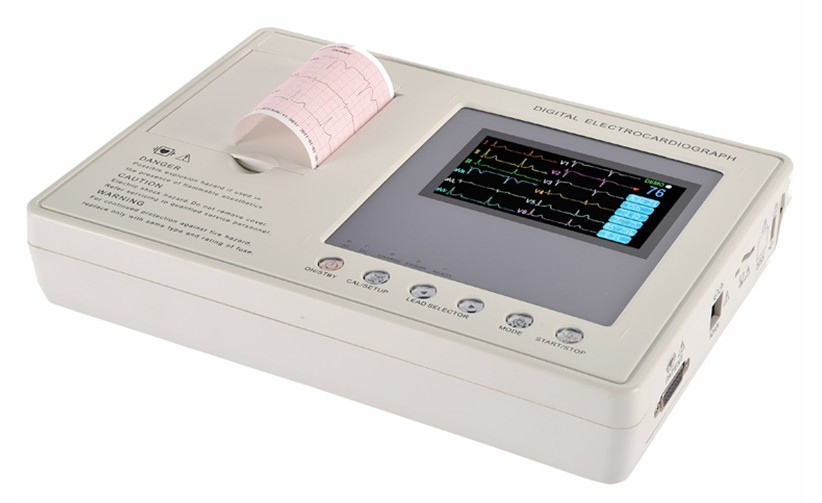
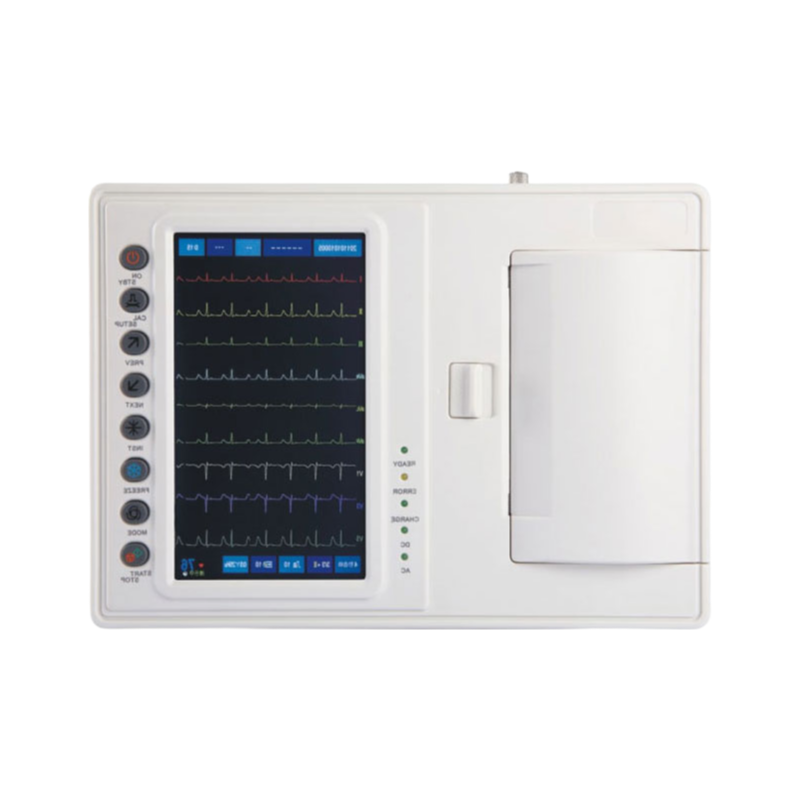
It's basically a standard 12-lead setup with a frequency response that goes from 0.05Hz all the way up to 150Hz, which means you catch slow baseline drift and fast QRS spikes without losing detail—though it's not really suitable to fetal monitoring or Holter-style long-term recording because the data capture is designed for stationary diagnostic sessions, not 24-hour ambulatory use.
We've shipped these to everything from small GP offices to large hospital cardiology wings, and one thing people don't always think to ask is teh operating temperature range of +5°C to +40°C, meaning it handles mildly cold exam rooms or tropical outpatient clinics just fine, but storage below -10°C can cause LCD issues (check lead time for custom votage options if you're outside the standerd 100-240V range).
6.25, 12.5, 25, and 50mm/s recording speeds give you flexibility for detailed analysis versus quick rhythm strips, and sensitivity settings span 5, 10, 20, and 40mm/mV—most users stick with 10mm/mV for routine work, but the 5mm/mV setting helps when you've got large R-wave amplitudes that would otherwise clip.
Input impedance above 50MΩ means you get less signal degradation from poor electrode contact, which is actually a pretty common source of artifacts that frustrate clinicians, and the noise floor staying under 15μVp-p helps keep baseline wander under control even on older patients with dry skin.
Both CE and ISO13485 certifications come standard with every unit. We can provide copies right away if your compliance team needs them.
Our MOQ is 10 units for the first order. We do offer a sample unit for evaluation, and the sample cost can be credited back on your first bulk order.
Yes, the >100dB CMRR with filter really helps here. That noise level is tested under real-world conditions, so you're covered even with nearby equipment running.
Those settings are fixed at 6.25, 12.5, 25, 50mm/s for speed and 5, 10, 20, 40mm/mV for sensitivity. We can't change the range, but they cover all standard clinical needs.
Lead time is about 20-25 working days for 50 units. Each unit is packed individually in foam-lined boxes, with outer cartons for bulk shipments to prevent damage.
Great experience overall with the delivery of this medical device. The shipping was remarkably fast and the packaging was secure, ensuring the ECG equipment arrived in perfect condition. I was particularly impressed by the proactive communication from the logistics team, who provided timely updates. The build quality of the unit feels solid and professional, exactly as described for clinical use. Furthermore, the customer service team was exceptionally responsive and helpful when I had a pre-delivery inquiry, demonstrating a high level of professionalism. This seamless integration of efficient logistics, apparent product durability, and outstanding support made the procurement process very smooth and reliable.
Outstanding experience from start to finish. The delivery was incredibly fast and handled with the utmost care, arriving well ahead of schedule and in perfect condition. The packaging was secure and professional, clearly indicating the value of the contents. Regarding the product itself, the build quality is exceptional; it feels robust, reliable, and precisely engineered for clinical use. The finish and materials are top-tier. Customer service was equally impressive, with a responsive and knowledgeable team ready to assist promptly. The entire process was seamless, reflecting a company that truly values its customers and prioritizes excellence in every aspect of logistics, product integrity, and support. Highly recommended for any medical professional seeking dependable equipment.
Communication from the seller was clear and prompt, which I greatly appreciated. The ordering process was straightforward, and I received timely updates regarding the shipment. The packaging was exceptionally secure and professional, ensuring the sensitive medical equipment arrived without any risk of damage. Every component was well-protected and organized within the box. Regarding the product itself, the build quality feels robust and reliable, exactly what one would expect for professional clinical use. The materials used seem durable and of a high standard. The overall finish and attention to detail in the construction are impressive. While I have not yet put the machine through its full diagnostic paces, the initial physical inspection leaves me confident in its manufacturing integrity. The seller's service was exemplary from start to finish. They were responsive to my pre-purchase inquiries and provided all the necessary documentation without delay. The shipment arrived within the estimated timeframe, which was crucial for our clinic's planning. The entire experience was smooth and hassle-free, fostering trust in this supplier. The combination of efficient logistics, apparent high quality, and outstanding customer support makes this a very satisfactory procurement. I would certainly consider this seller for future medical equipment needs based on this positive interaction. The professionalism displayed throughout the transaction sets a high benchmark.
A truly seamless experience from start to finish. The delivery was remarkably prompt, arriving well ahead of the estimated schedule, which was a pleasant surprise. The packaging was exceptionally secure and professional, ensuring the equipment arrived in pristine condition. Regarding the build quality, the unit feels robust and well-constructed, with a solid, reliable feel that inspires confidence for clinical use. The materials used appear to be of a high standard. Customer service was outstanding; the support team was responsive, knowledgeable, and went above and beyond to answer my pre-purchase inquiries quickly and thoroughly. The ordering process itself was straightforward and hassle-free. Overall, I am thoroughly impressed with the efficiency of the logistics, the apparent durability of the product, and the exceptional level of service provided. This has been a very positive procurement experience.
Logistics were handled with impressive speed and precision. The package arrived ahead of schedule and was exceptionally well-protected, demonstrating a clear commitment to careful handling. The quality of the equipment itself is immediately apparent; it feels robust and professionally manufactured, instilling confidence in its durability for clinical use. Customer service was equally commendable, with representatives being both knowledgeable and prompt in their preliminary communications. A very smooth and satisfactory transaction from start to finish.
Unbelievably efficient delivery service was the first thing that impressed me. The package arrived far ahead of the estimated schedule, which was a fantastic surprise. Upon unboxing, the packaging was exceptionally secure and professional, clearly indicating the seller’s attention to detail in ensuring the product’s safe transit. Every component was meticulously cushioned and separated, leaving no room for damage during shipping. The quality of the equipment itself is outstanding. The build feels robust and durable, with a finish that speaks of high manufacturing standards. All the materials used appear to be top-grade, giving immediate confidence in its longevity and reliability in a clinical setting. The digital interface is sleek and modern, aligning perfectly with contemporary medical technology aesthetics. Regarding customer service, my experience was nothing short of excellent. The support team was proactive and incredibly helpful. I had a few pre-purchase inquiries, and they responded promptly with clear, thorough, and courteous answers. This level of service made the entire purchasing process smooth and worry-free. They demonstrated genuine commitment to customer satisfaction, which is increasingly rare. Overall, the combination of rapid logistics, superior product quality, and exceptional support creates a highly commendable purchasing experience. This transaction sets a very high benchmark for medical equipment procurement. I would not hesitate to recommend this supplier to colleagues and other medical institutions based on this seamless and positive interaction from order to delivery.
Excellent experience with the delivery speed; the package arrived much faster than anticipated, which was a pleasant surprise. Everything was securely packaged, ensuring the items were in perfect condition upon arrival. The quality of the products exceeded my expectations—they feel durable and well-made, with no visible defects or issues. Customer service was outstanding; the support team was responsive and helpful, addressing my queries promptly and professionally. Overall, a very satisfying purchase that I would highly recommend to others.
Unbelievably swift delivery—the package arrived two days earlier than estimated, which was a pleasant surprise. Upon unboxing, the equipment felt sturdy and well-made, with no visible defects or issues. The customer service team was exceptionally responsive and helpful, answering all my queries promptly and professionally. Overall, a very satisfying experience from start to finish, and I would highly recommend this for anyone in need of reliable medical gear.
Absolutely impressed with the delivery speed; the package arrived much earlier than anticipated, which was a pleasant surprise. The build quality feels robust and reliable, exactly what you'd expect for medical-grade equipment. Customer service was exceptional, providing prompt and helpful responses to all my inquiries. Overall, a smooth and satisfying experience from start to finish.