Account
Inquiry
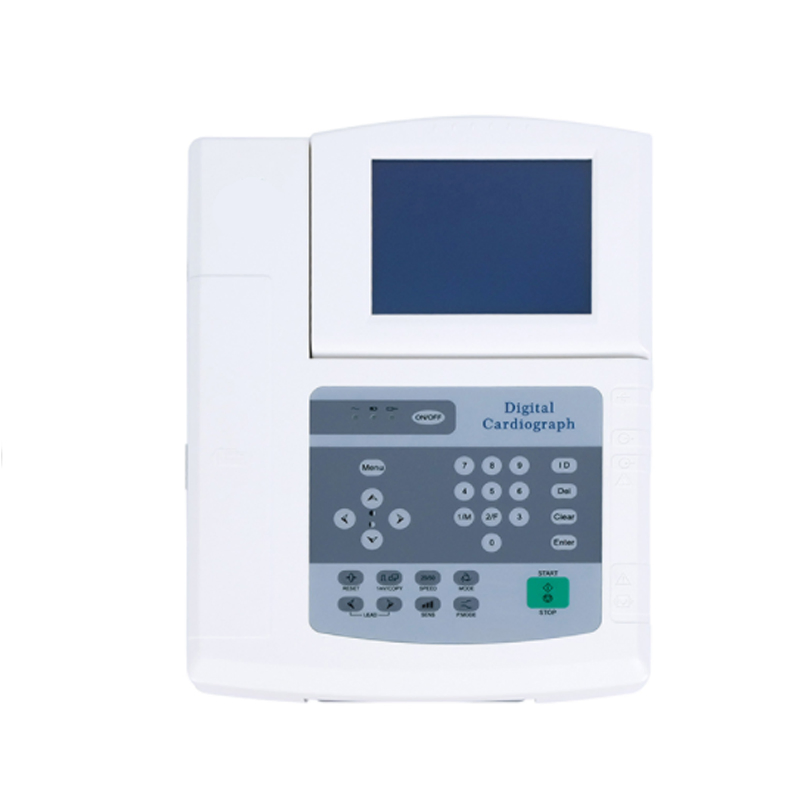
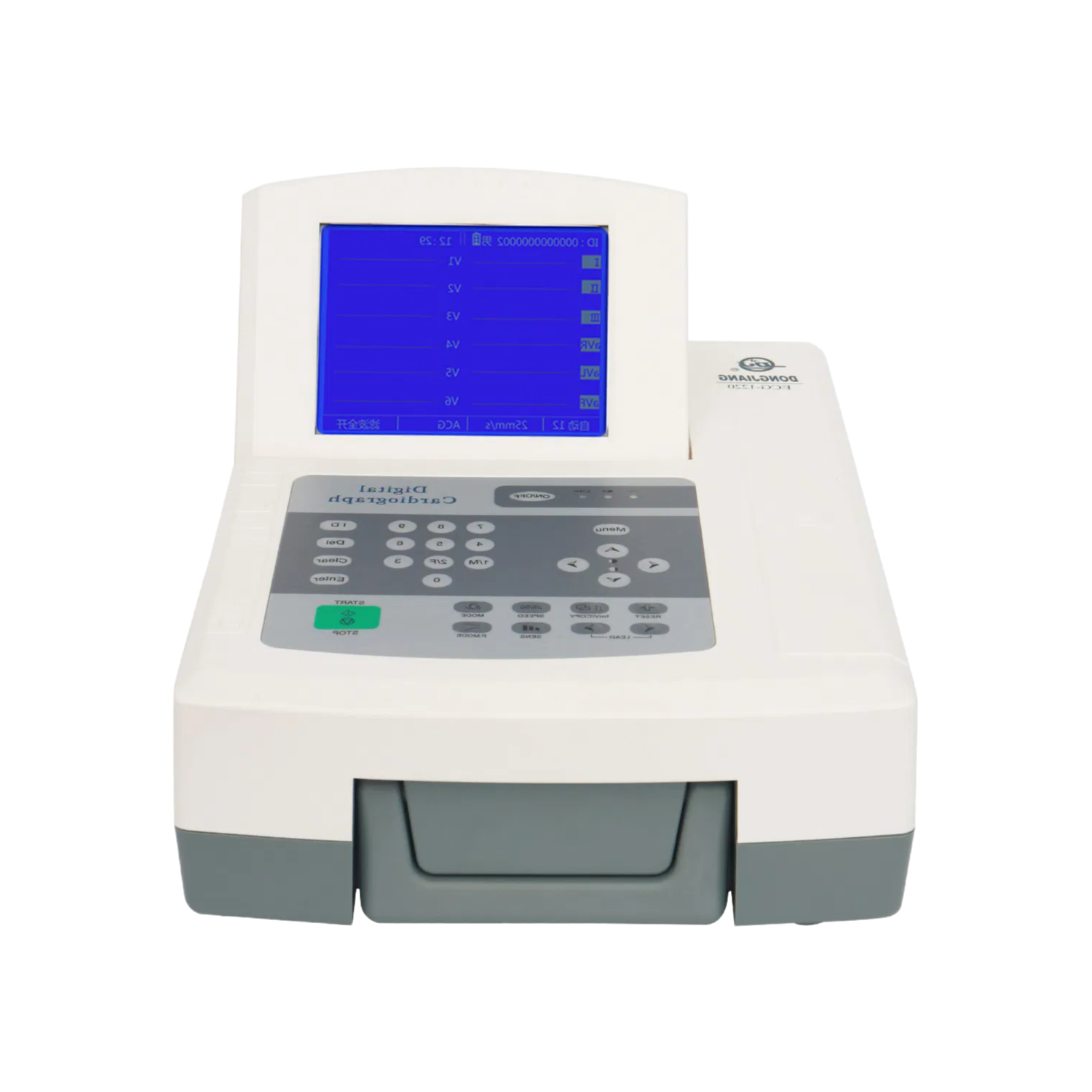
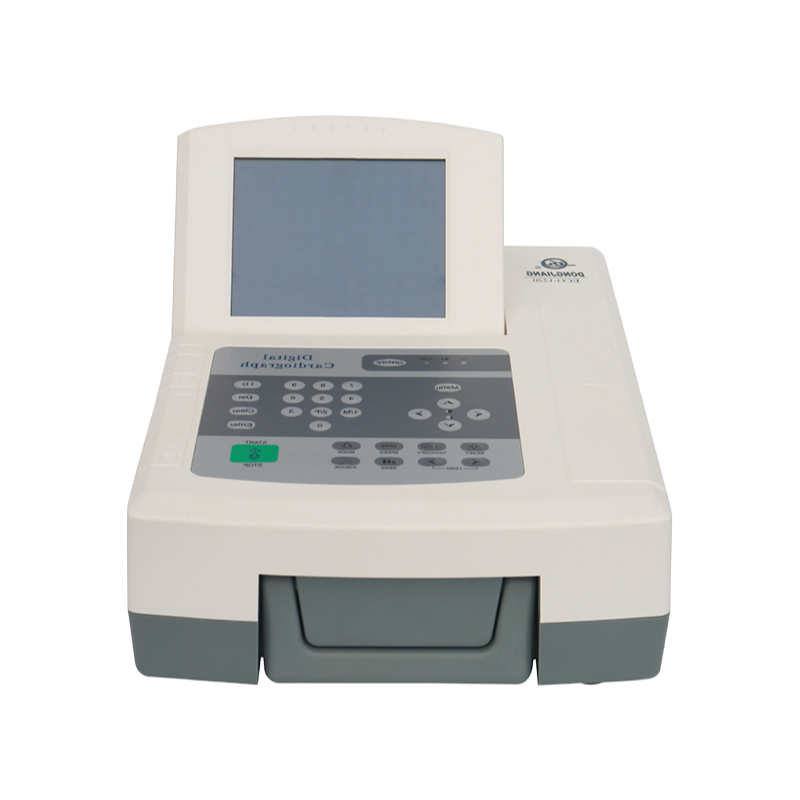
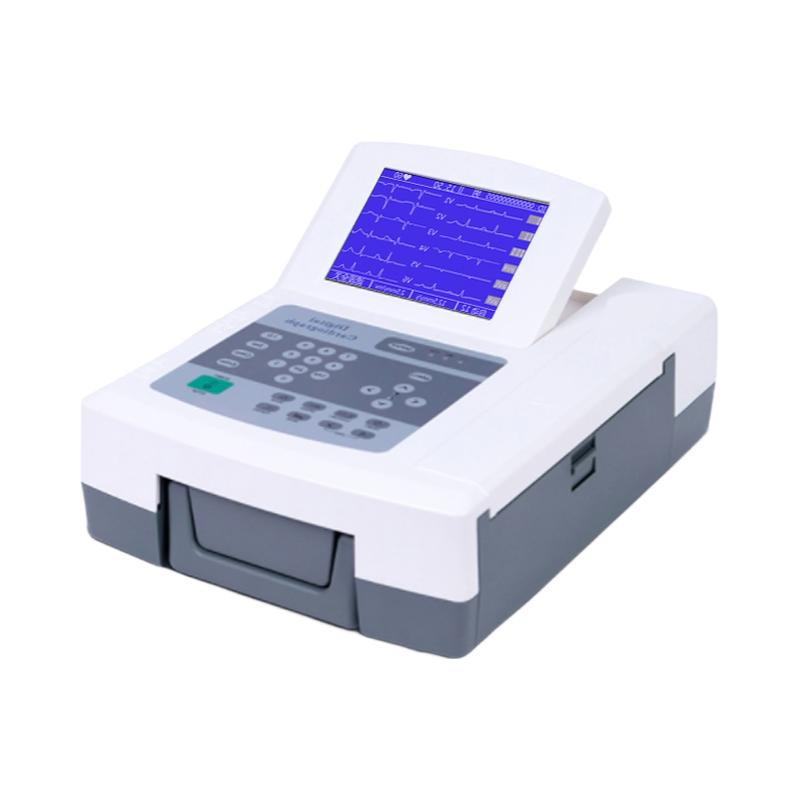
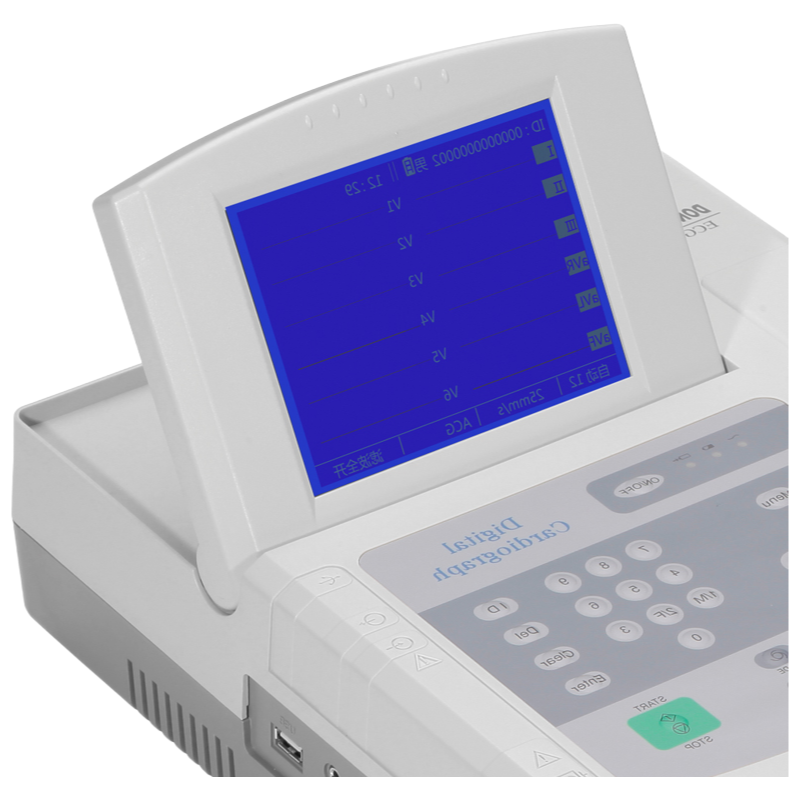
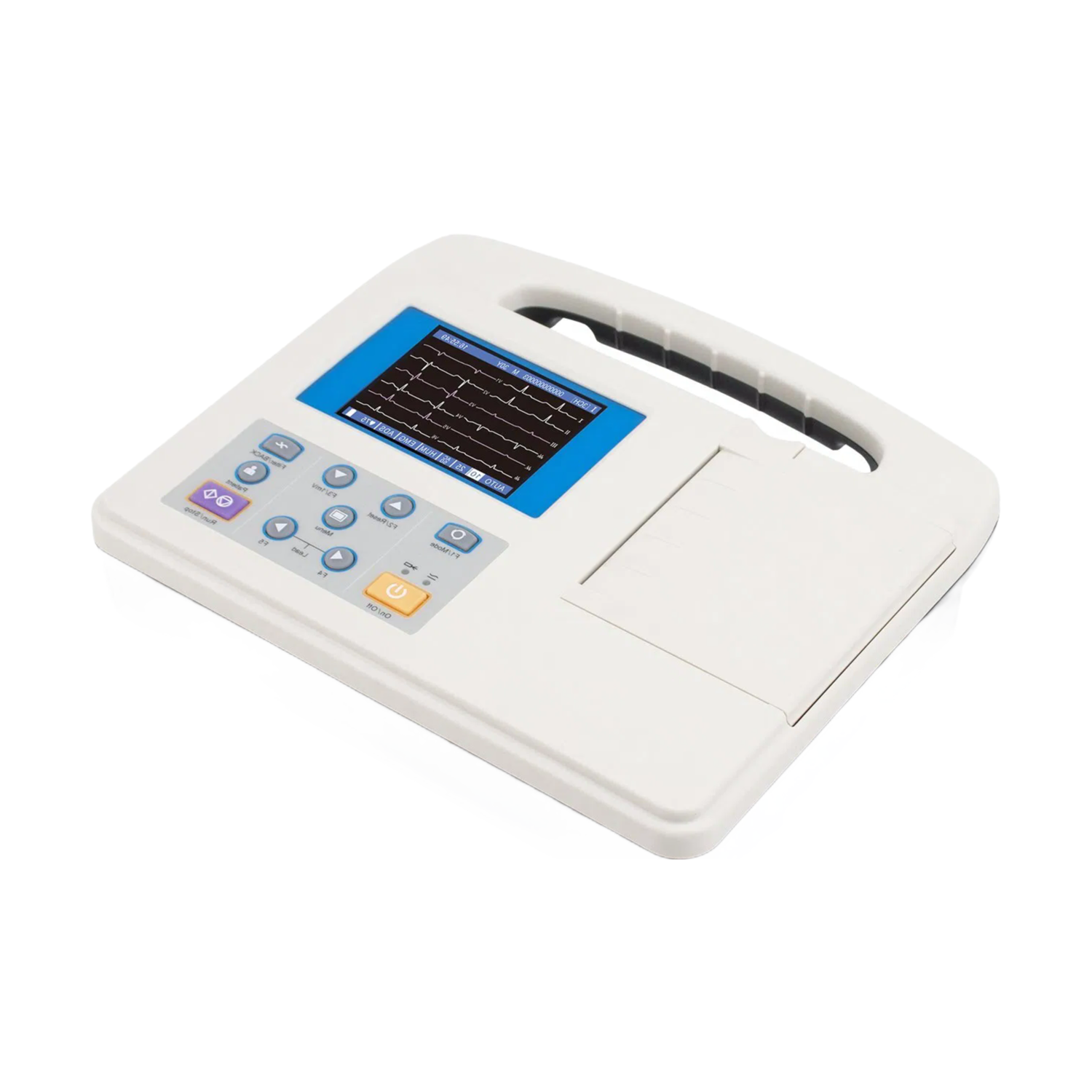
That 5.7-inch LCD gives you a clear read on twelve leads simultaneously, we've found it saves time when you're scanning for anomalies during a busy ward round.
But the real workhorse is the noise floor—under 15μVp-p means even in a less-than-ideal ER bay, the trace stays clean enough to trust, and the CMRR hits over 100dB with the AC filter engaged.
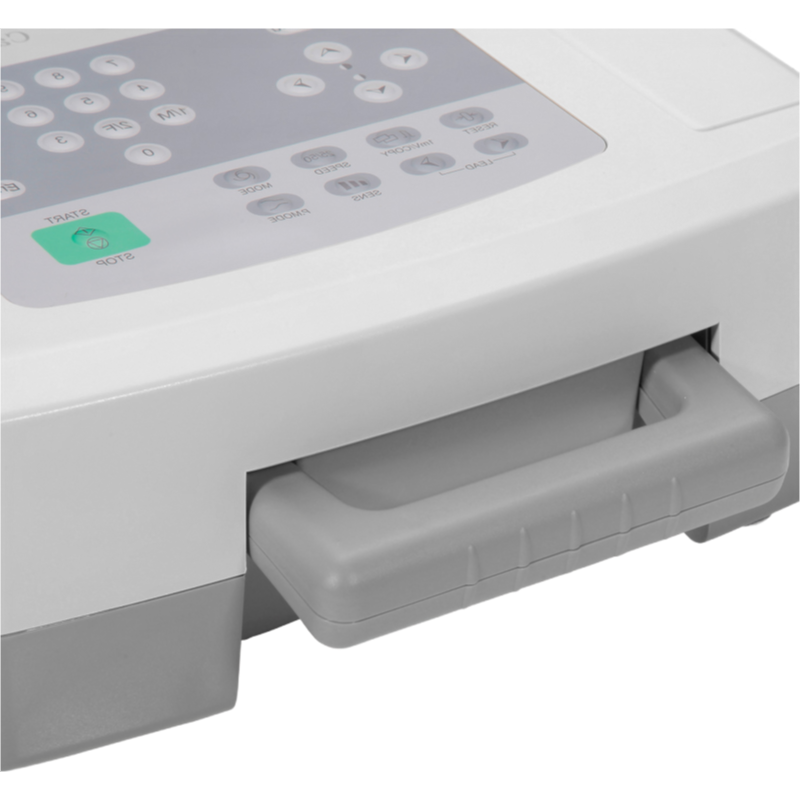
It's built for teh kind of quick moves you make between bedsides, weighing in at about 5kg, so it's not going to wreck your back on a long shift, and the 333×260×95mm footprint means it tucks under an arm easily.
Most buyers go with roll paper for continuous recording, but check if your lab prefers Z-fold—we usually keep both in stock, though the lead time on Z-fold is roughly a week or so longer.
Also, you'll want to run it between +5°C and +40°C, which covers most clinical settings, but storage down to -10°C is fine if it's sitting in a cold supply closet between uses.
We've been shippng these for about three years now, and what it does is hold up better than some pricier units in terms the print head longevity—just a practical detail form handling returns.
We typically start at 10 units for first-time orders, but we can discuss smaller quantities if you're trialing the device. Just let us know your needs.
Yes, we include the CE and ISO13485 certificates with every order. If you need a specific format or additional copies for your tenders, just ask and we'll provide them.
It uses 210mm wide paper, compatible with both roll and Z-fold formats. Make sure you stick to that width—anything else won't fit the paper tray properly.
Absolutely. Without the filter, CMRR is above 60dB, and with the AC filter on, it jumps to over 100dB. You can toggle it depending on your environment to cut down electrical noise.
Store it in a dry place, with the temperature between -10°C and +40°C. Keep it in its original packaging or a padded case to avoid dust and shocks, and don't expose it to direct sunlight for long periods.
Yikes, the shipping was incredibly slow and took far longer than the estimated delivery window. However, once it finally arrived, the packaging was secure and the unit was undamaged. The build quality feels robust and professional, exactly as one would hope for medical-grade equipment. The screen is crisp and clear. Customer service was responsive when I inquired about the tracking, though they couldn't expedite the process. Overall, a solid product let down by logistical delays. I would recommend the item itself but advise future buyers to plan for a potentially extended wait.
Unexpectedly swift delivery! The package arrived two days ahead of the estimated schedule, which was a fantastic start. The courier service was professional and handled the parcel with care. Upon unboxing, the build quality of the device immediately stood out. It feels robust, well-constructed, and precisely engineered, exactly as one would expect from professional medical equipment. The materials used are top-notch, giving great confidence in its durability for clinical use. Regarding service, the communication from the seller was prompt, clear, and very helpful. They provided all necessary documentation and were quick to answer my pre-purchase inquiries. The overall experience from ordering to receipt was seamless and highly satisfactory. This level of attention to logistics, product integrity, and customer support is commendable and makes doing business a pleasure. I am thoroughly impressed and would not hesitate to recommend this supplier to colleagues in the healthcare field.
The delivery was incredibly fast and well-handled, arriving ahead of schedule without any damage. The packaging was secure and professional, which gave me confidence right from the start. Regarding the device's quality, it feels robust and well-constructed, with a solid finish that suggests durability for regular use. The service from the seller was outstanding; they were responsive, answered all my queries promptly, and provided helpful guidance throughout the process. This level of care made the entire experience smooth and trustworthy. Totally satisfied with how everything was managed from order to delivery.
The delivery was incredibly fast and well-packaged, arriving ahead of schedule without any damage. Top-notch quality in the build and materials used; it feels durable and reliable for professional settings. Terrific customer service team was responsive and helpful throughout the process, making everything smooth and stress-free.
Logistics were impressively swift, with the package arriving ahead of schedule and in perfect condition. Quality-wise, the device feels robust and well-crafted, exceeding my expectations for durability. Service was outstanding; the support team was responsive and helpful throughout the process. Overall, a seamless experience from start to finish.
Excellent delivery speed and careful packaging ensured my ECG device arrived perfectly intact. Every component was securely wrapped, demonstrating outstanding attention to detail in logistics. The build quality feels robust and professional, with no flaws visible upon inspection. Customer service was responsive and helpful during the ordering process, answering all my queries promptly. Overall, a very satisfying purchase experience from start to finish.