Account
Inquiry
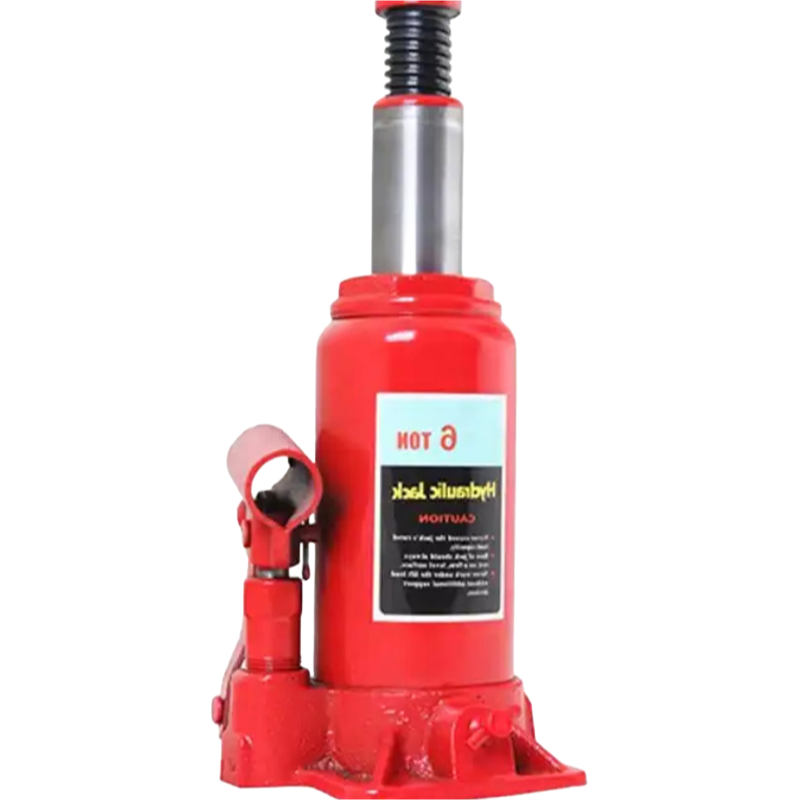
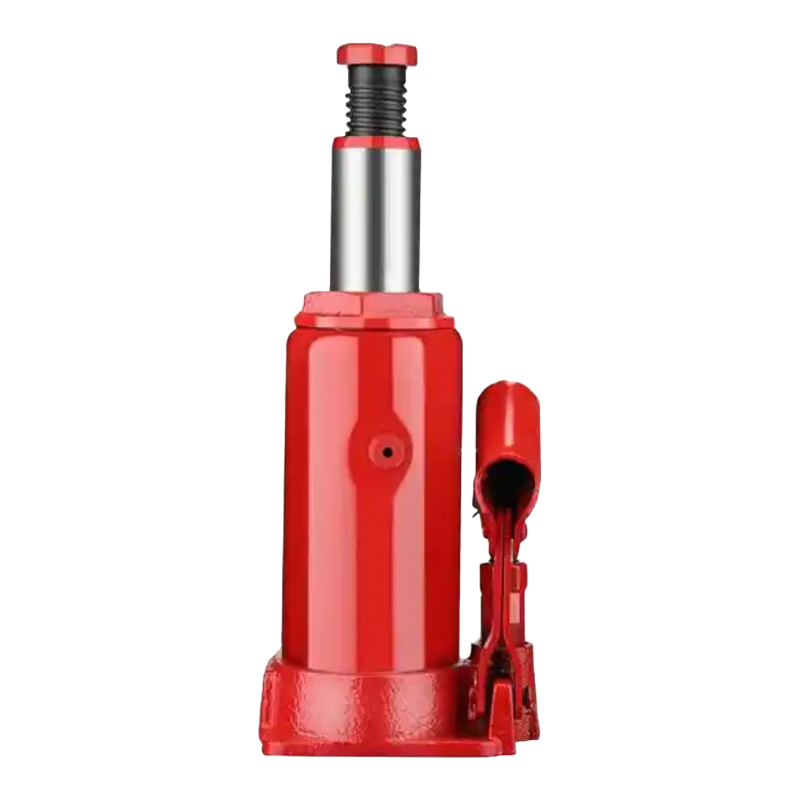
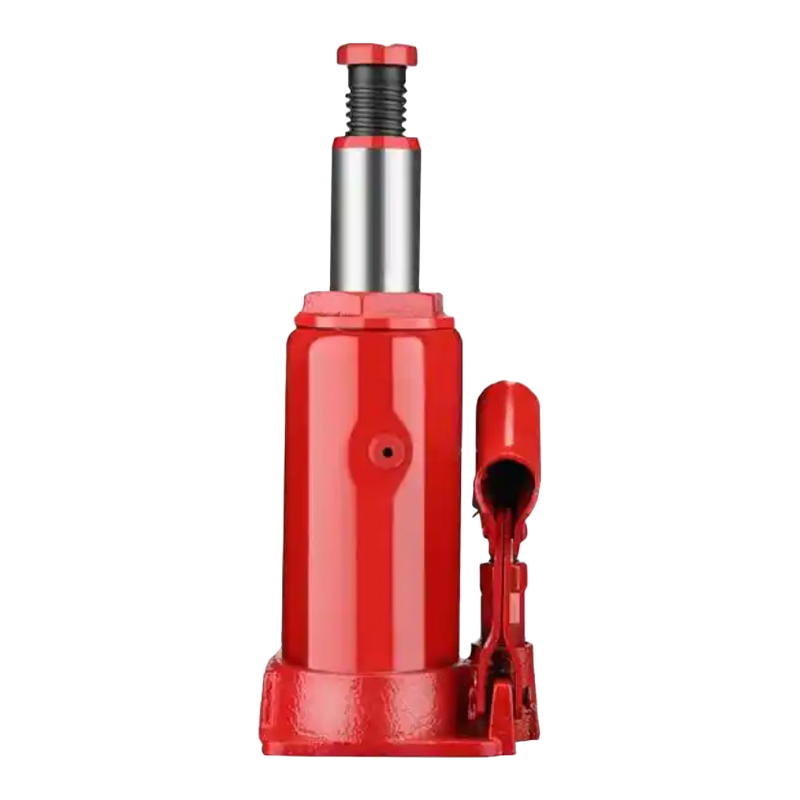
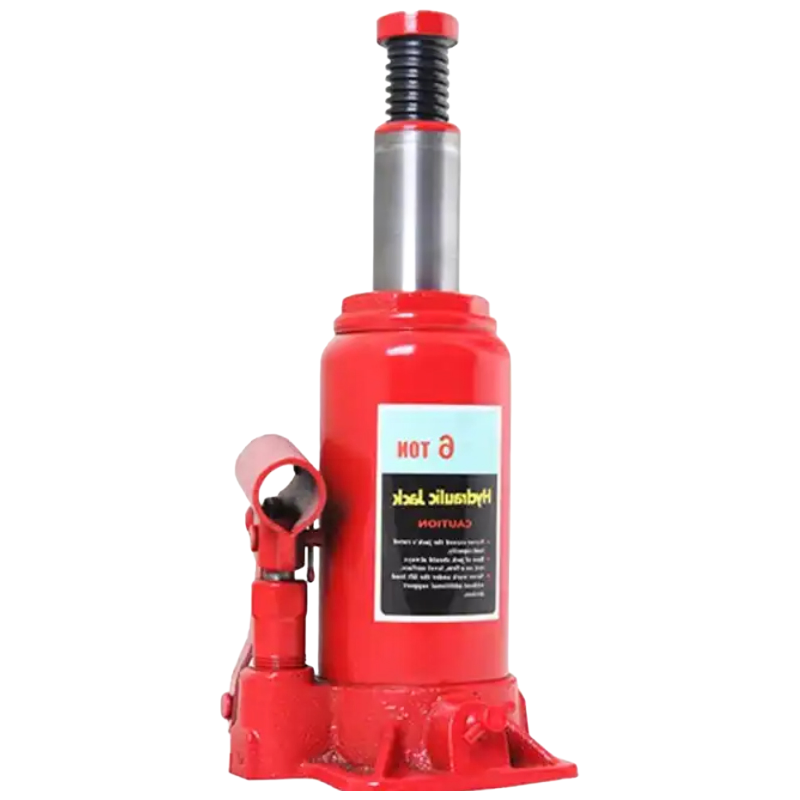
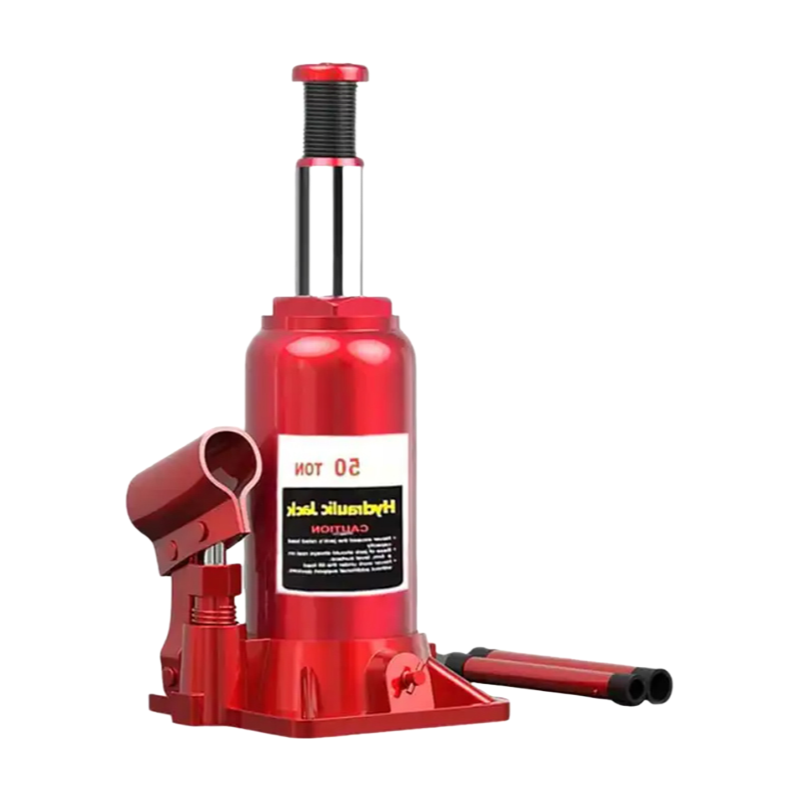
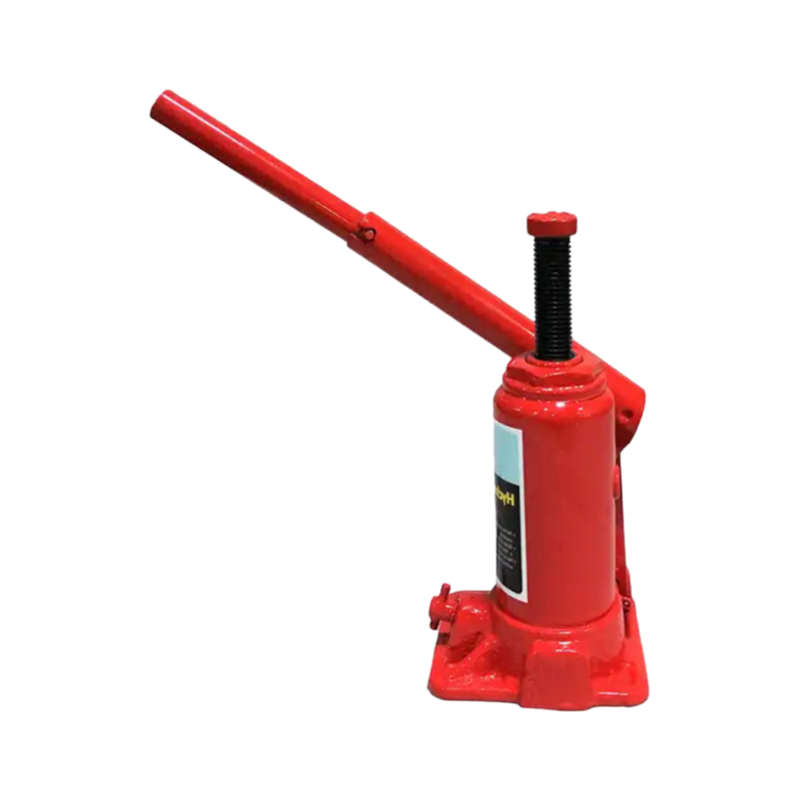
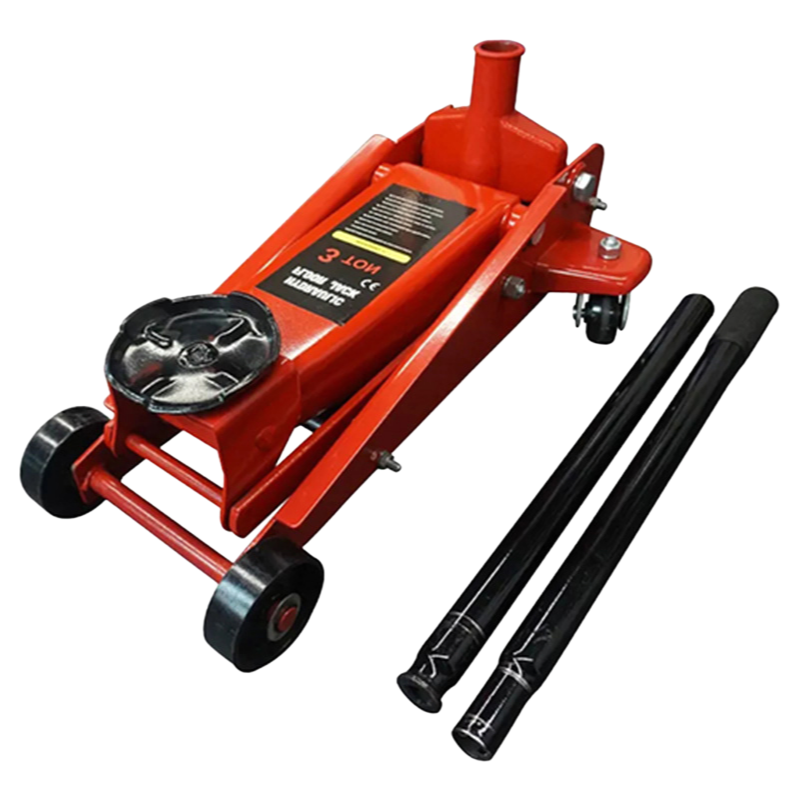
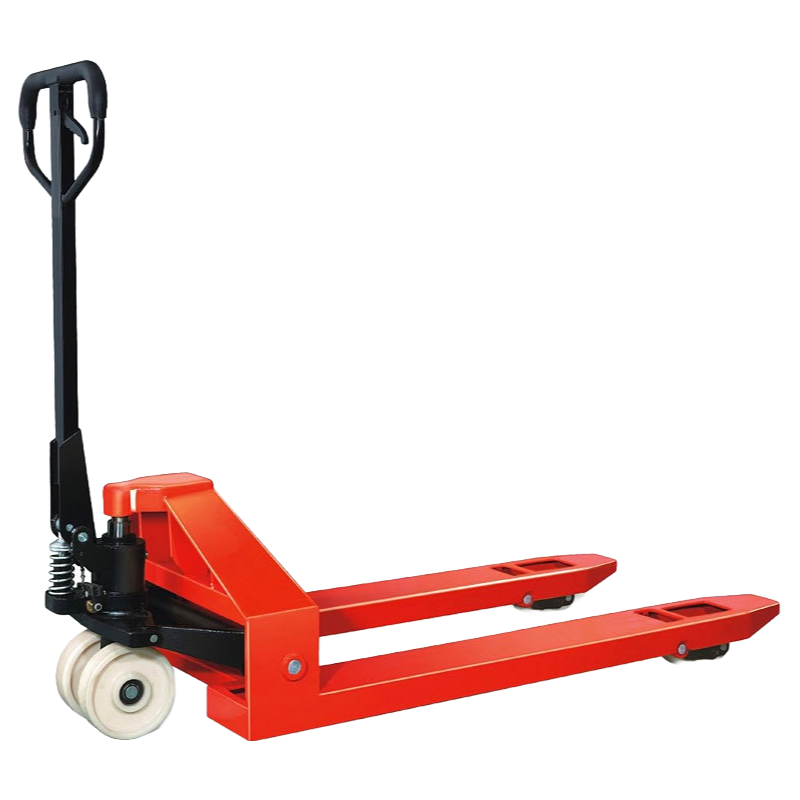
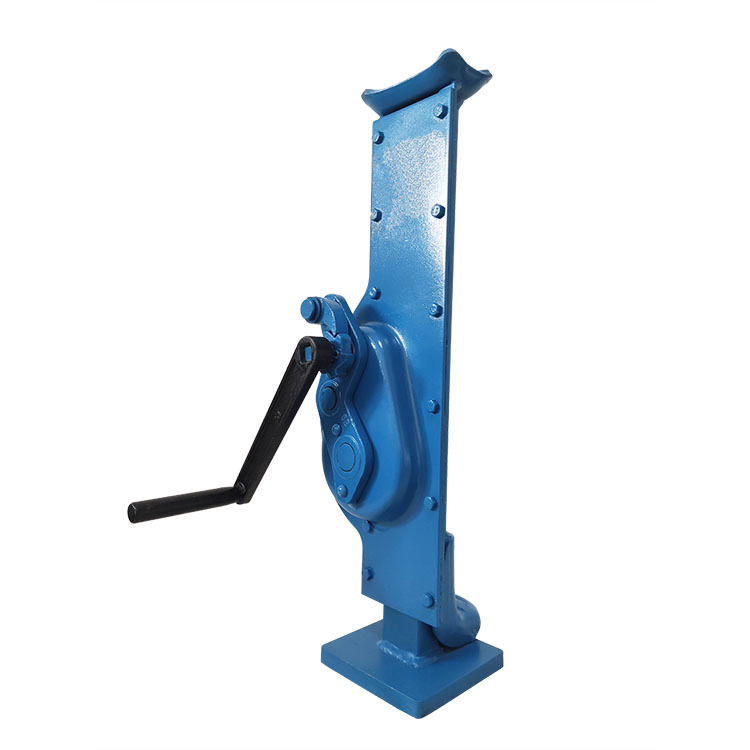
Anyone who's ever had to lift a 50-ton press or a locomotive axle knows the pain of a jack that creeps, wobbles, or just gives out halfway through—it's not just frustrating, it's dangerous, and we've seen shops lose a whole day's work to a failure that could've been avoided.
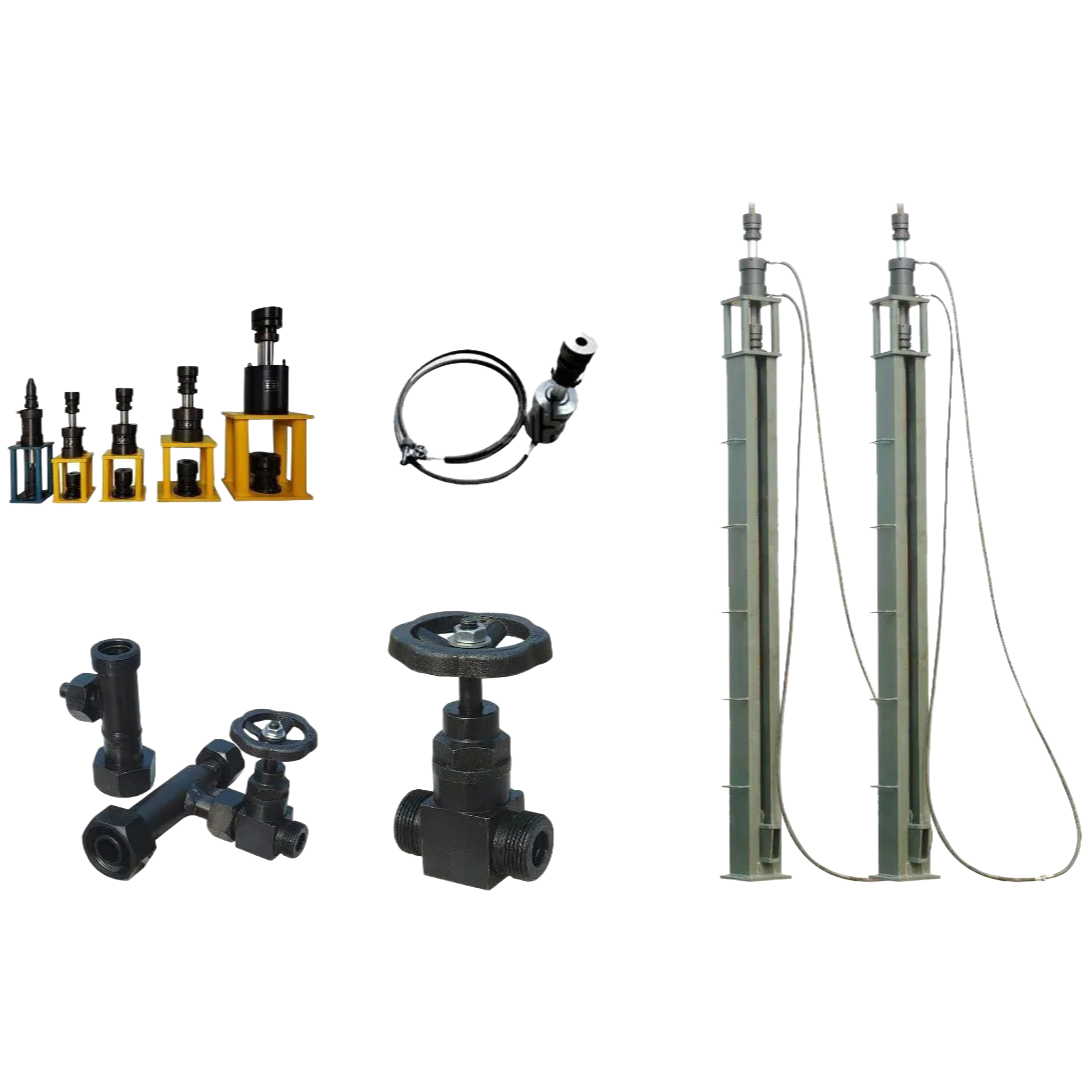
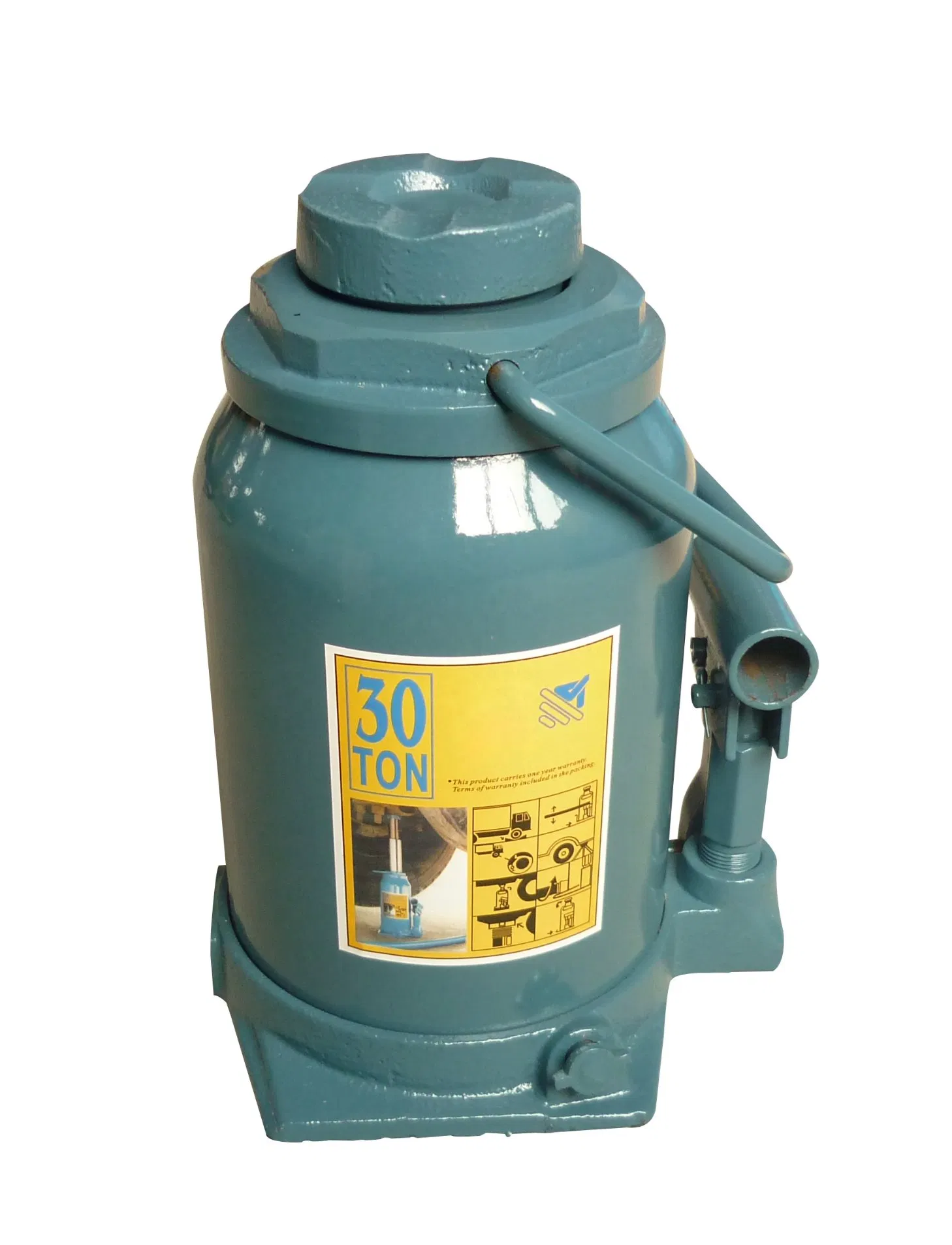
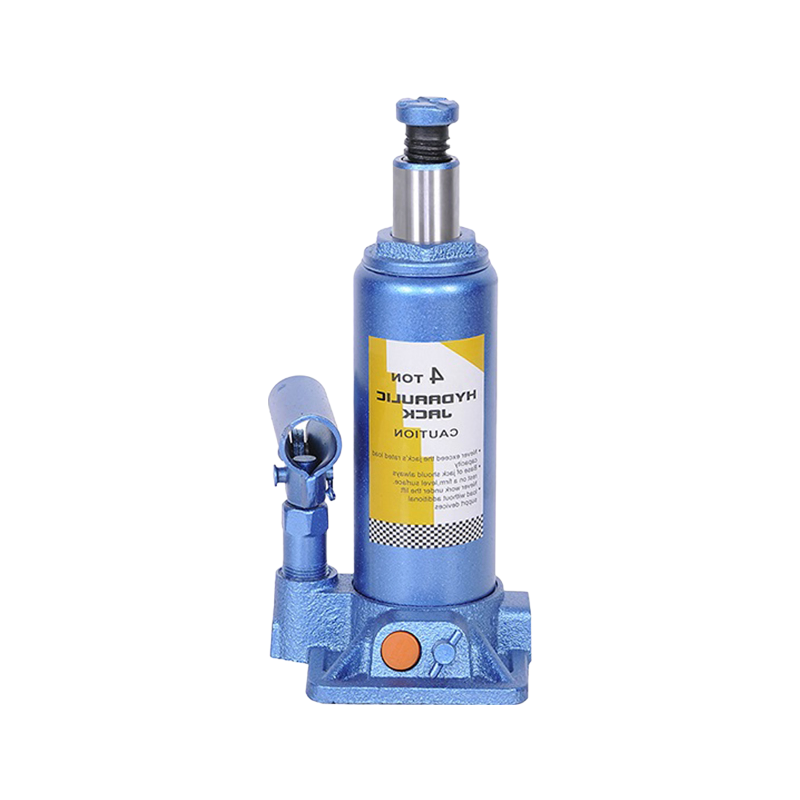
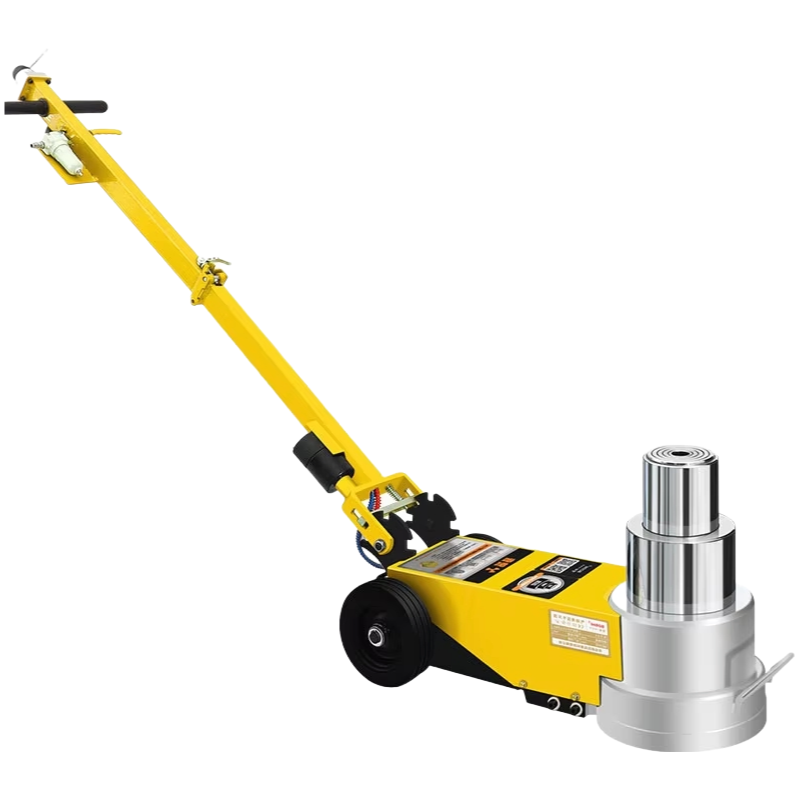
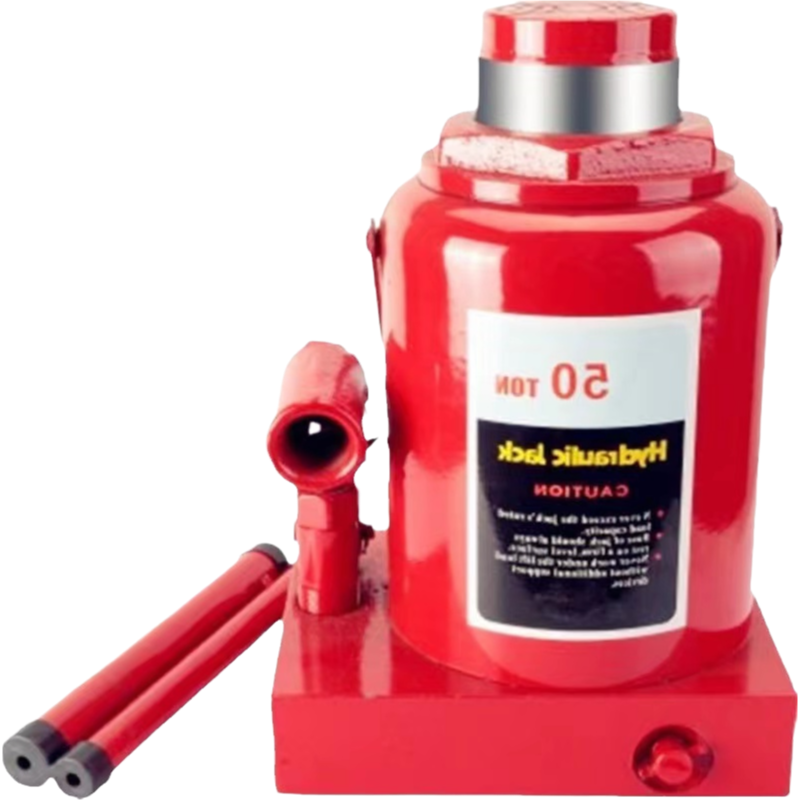
What we do is build these jacks to handle that abuse without drama, with capacities running form 2 tons all the way up to 100 tons, and every single unit gets tested at 100°C to make sure the seals hold up under actual thermal load rather than just looking good on paper.
The minimum lift height varies quite a bit depending on the tonnage—it can be as low as 48mm on the smaller models, but the bigger ones need more clearance, so check that before you spec it—and they'll work vertical or horizontal depending on your setup, which is pretty handy in tight spaces.
Surfce finish is static electricity painting, which actually holds up better than powder coating for resisting chips and scratches when you're dragging it across concrete, and there's a 2-year warranty because we know the parts inside are tight.
Lead times depend on exact tonnage and whether you need horizontal operation certified, but we typically keep the 10-ton, 20-ton, and 50-ton models in stock (usually 20 units or so ready to ship), while teh 100-ton jack is built to order, and that takes about 30 working days.
We've found some buyers try to use these for continuous duty in automated systems, and while they'll handle intermittent cycles fine, they aren't designed for constant cycling like a power unit would be—honestly, you'd cook the seals eventually, so that's something to plan around.
For the 100-ton model, the minimum lifting height ranges from 48 to 330mm, and the maximum lifting height is between 180 and 235mm, depending on the specific configuration you choose.
Yes, we can customize the HBJ series, like adjusting the lifting height or surface color, with a typical MOQ of 50 units for custom orders.
It's certified with CE and EPA, and we can provide the relevant certificates along with test reports for the 100°C temperature resistance test.
Each jack is packed in a color box, then multiple boxes go into a carton, and finally the cartons are palletized for secure shipping.
Yes, it operates in both vertical and horizontal positions for the 100-ton model, just make sure the hydraulic system is properly bled when switching orientations.
Wanted to share my thoughts on the delivery and overall experience. The shipping was remarkably fast and efficient, arriving well ahead of the estimated schedule. The packaging was exceptionally secure, with no signs of damage or mishandling during transit. Every component was individually wrapped and cushioned, which demonstrated great care. Regarding the product itself, the build quality feels absolutely solid and robust, exactly as one would hope for with industrial-grade equipment. The materials used seem top-notch, and the finish is precise without any rough edges or imperfections. The service aspect was also noteworthy; the communication from the seller was clear and proactive, providing timely updates without needing to be prompted. Any preliminary questions I had were answered promptly and thoroughly. Overall, this was a very smooth and satisfactory transaction from start to finish, focusing purely on the logistics, the apparent quality of the item, and the excellent customer support provided.
Communication from the seller was clear and prompt, which I always appreciate. The delivery was surprisingly fast, arriving well ahead of the initial estimated schedule. The packaging was robust and secure, ensuring the product arrived without any shipping damage. Upon unboxing, the build quality immediately impressed me; it feels solid, well-machined, and precisely as described for a heavy-duty tool. The overall service experience was seamless from order to delivery. While I have not yet put it under full load, the initial inspection confirms a sturdy construction that inspires confidence for industrial applications. A very satisfactory purchase so far, based on the logistics, apparent quality, and customer service interaction.
Bought this hydraulic bottle jack for our shop. The delivery was surprisingly fast. It arrived well-packaged and without any damage. The build quality feels solid and robust, exactly what you would expect for heavy-duty industrial use. The low profile design is a real advantage for getting under equipment with minimal clearance. Customer service was responsive when I had a pre-sale question about specifications. Overall, a reliable piece of industrial lifting equipment that seems built to last. The ordering process was straightforward, and the product matched the description online. Very satisfied with this purchase for our auto repair needs.
Fantastic experience overall. The shipping was remarkably fast, arriving several days earlier than the initial estimate provided. The packaging was exceptionally secure, with no signs of damage whatsoever upon delivery. Regarding the item itself, the build quality feels incredibly robust and substantial, exactly as one would hope for with industrial-grade equipment. The finish is smooth and the components fit together perfectly, indicating excellent manufacturing standards. Customer service was also top-notch; they were very responsive and helpful when I had a pre-purchase question about specifications. While I haven't put it to use in my workshop yet, based on first impressions of its construction and the seamless purchasing process, I am highly confident in its capabilities. The combination of prompt logistics, apparent superior quality, and attentive service makes this a very satisfying purchase.
The shipping was incredibly fast. I placed the order and it arrived well ahead of the estimated delivery date, which was a fantastic surprise. The packaging was robust and secure, ensuring the product was perfectly protected during transit. There were no dents, scratches, or any signs of mishandling. Regarding the build quality, this jack feels exceptionally solid and well-made. The steel construction is substantial, and all the components fit together precisely. It has a very professional, industrial feel to it. The service from the seller was also top-notch. They provided clear communication throughout the process and were responsive to my initial inquiry. Overall, I am thoroughly impressed with this transaction. The combination of prompt logistics, outstanding product construction, and excellent customer support makes this a highly recommended purchase for anyone in need of reliable industrial equipment. The entire experience was seamless from start to finish.
Wow, the shipping was incredibly fast and efficient. The package arrived well ahead of the estimated delivery date and was in perfect condition. The quality of the jack itself is immediately apparent; it feels robust and well-constructed, exactly what you would expect for serious industrial use. The customer service team was also very responsive and helpful when I had a pre-purchase question. Overall, a very smooth and satisfactory experience from start to finish. I am thoroughly impressed with the professionalism displayed throughout the entire process. The product was securely packaged, preventing any potential damage during transit. Communication regarding the shipment status was clear and timely. The jack's build quality seems exceptional, promising reliable performance for demanding tasks. The service provided was courteous and effective, making the purchase hassle-free. This level of attention to detail in logistics, product integrity, and support is commendable and sets a high standard. I would not hesitate to recommend this based on these aspects alone. Everything was handled perfectly, which gives great confidence in the company behind the product. A truly positive transaction from ordering to unboxing.
Keenly impressed with the overall experience regarding this hydraulic bottle jack. The delivery was remarkably swift and the packaging was exceptionally secure, ensuring the product arrived in pristine condition without any delays or damage. From a quality perspective, the jack feels incredibly robust and well-constructed, exactly as described for heavy-duty industrial use. The service provided was also outstanding; any preliminary inquiries were addressed promptly and courteously. A truly satisfactory purchase from start to finish.
Shipping was remarkably fast and efficient. The package arrived ahead of the estimated schedule, which was a pleasant surprise. Everything was securely packed with no signs of damage during transit. The quality of the jack itself feels exceptionally robust. The steel construction appears very solid, and all the components fit together perfectly with no rough edges or imperfections. It has a substantial, reliable feel that inspires confidence for heavy-duty tasks. Customer service was proactive and helpful. I had a question about the item before ordering, and the response was prompt, clear, and very courteous. Overall, this was a very smooth and satisfactory purchasing experience from start to finish. The combination of swift logistics, apparent high-grade materials, and excellent support makes this a highly recommendable product for anyone in need of serious industrial lifting equipment. The seller clearly prioritizes customer satisfaction and delivers on their promises.
Yikes, the shipping was incredibly slow and frustrating. It took nearly three weeks to arrive, which was far longer than the estimated delivery window provided at checkout. The tracking information was sparse and updated infrequently, leaving me in the dark about the package’s location for days on end. This delay caused a significant setback for my project timeline. However, once the item finally arrived, the packaging was secure and showed no signs of damage from transit, which was a relief given the lengthy journey. Regarding the product itself, the build quality feels exceptionally robust and solid, exactly as one would hope for a piece of industrial equipment labeled as heavy-duty. The steel construction appears durable and capable of handling substantial loads. The finish is clean, and all the components fit together precisely without any noticeable defects. The low-profile design seems practical for the intended applications. In terms of customer service, my experience was mixed. When I inquired about the shipping delay, the response was polite but somewhat generic and did not offer a concrete explanation or solution. They were apologetic but not particularly proactive. They did, however, confirm the product details accurately when asked prior to purchase. Overall, while the product’s physical quality seems outstanding and perfectly suited for demanding industrial lifting needs, the logistical execution and communication surrounding the delivery were disappointing and below expectations for a professional tool supplier. The service aspect needs considerable improvement to match the apparent quality of the equipment they are selling.
L: The delivery was exceptionally fast, arriving well ahead of the estimated schedule, which was a pleasant surprise. Packaging was robust and secure, ensuring the product was perfectly protected during transit. Regarding quality, the construction feels incredibly solid and durable, exactly as described for heavy-duty industrial use. The finish and components appear to be of high-grade materials, instilling confidence in its safety and longevity. Customer service was proactive and helpful; they provided clear tracking information and promptly answered a pre-delivery query I had. Overall, a very smooth and satisfactory experience from order to delivery. The item itself seems precisely built for demanding tasks.