Account
Inquiry
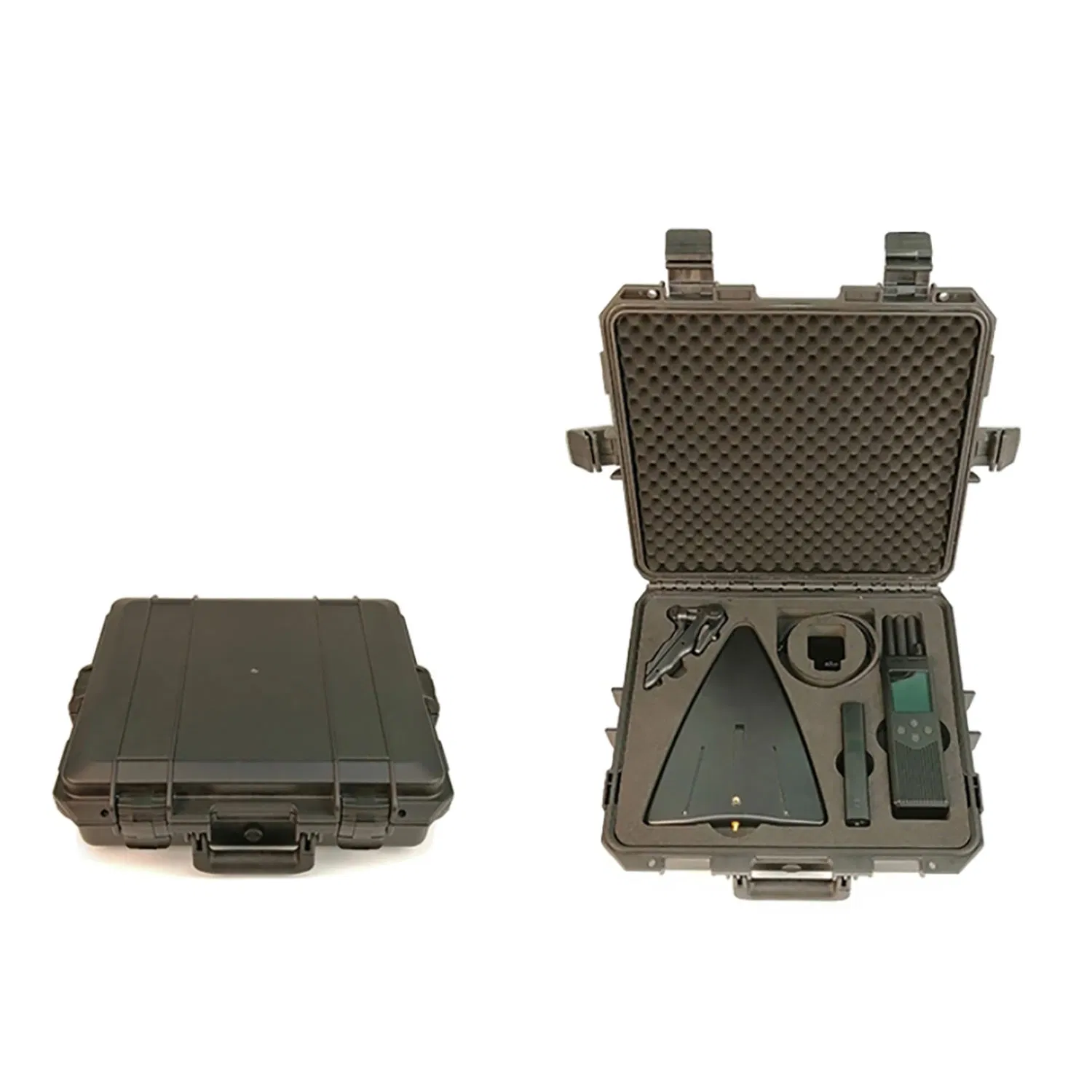
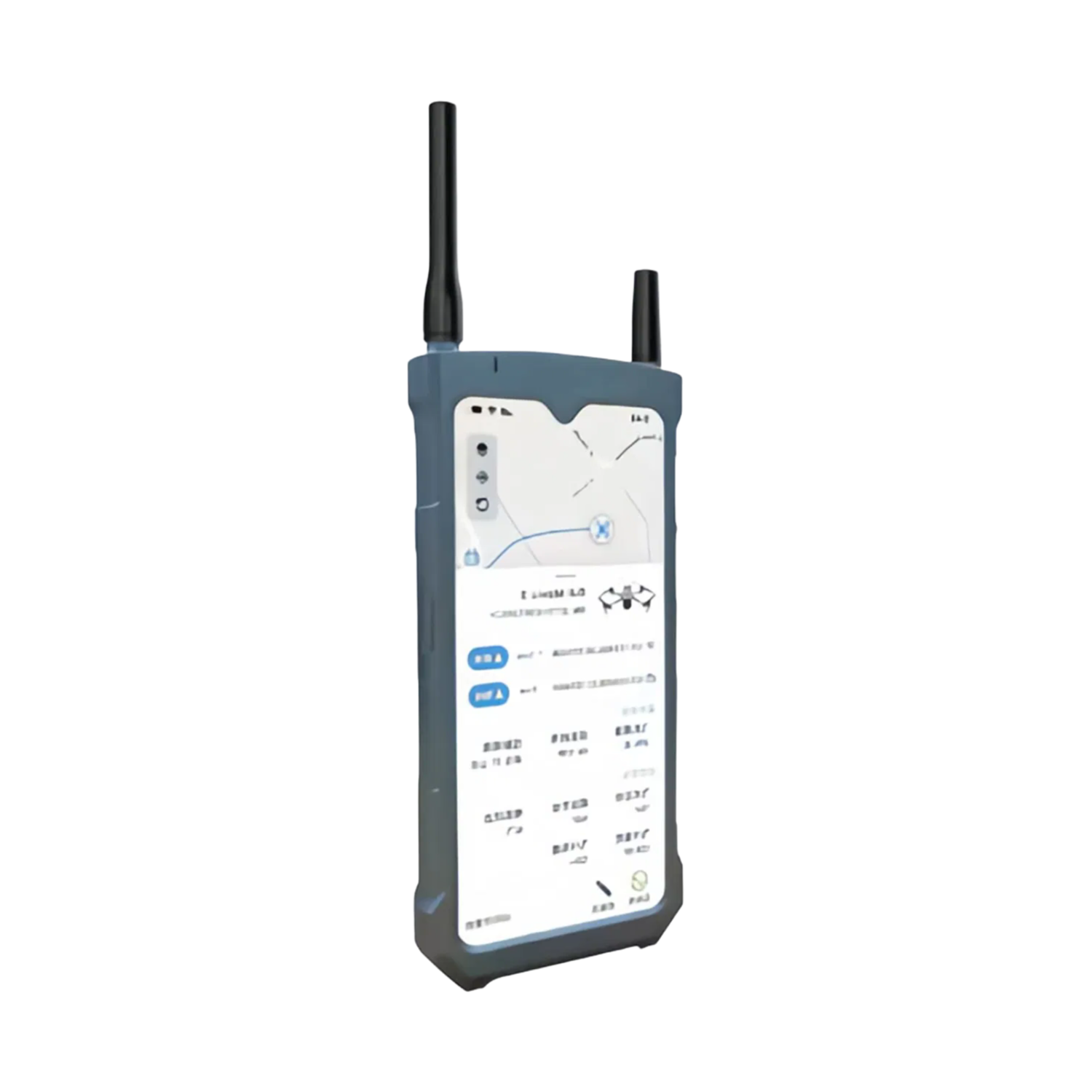
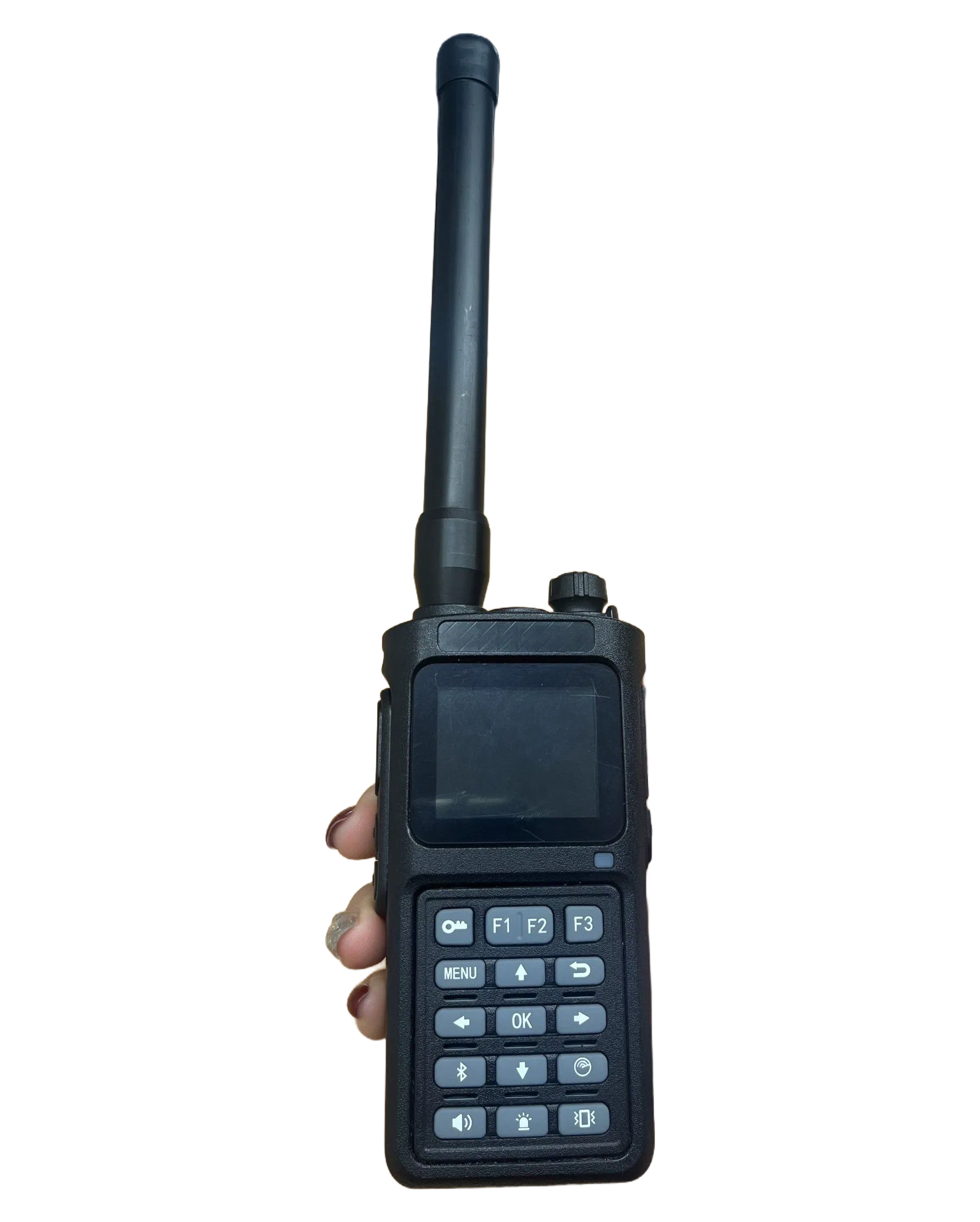
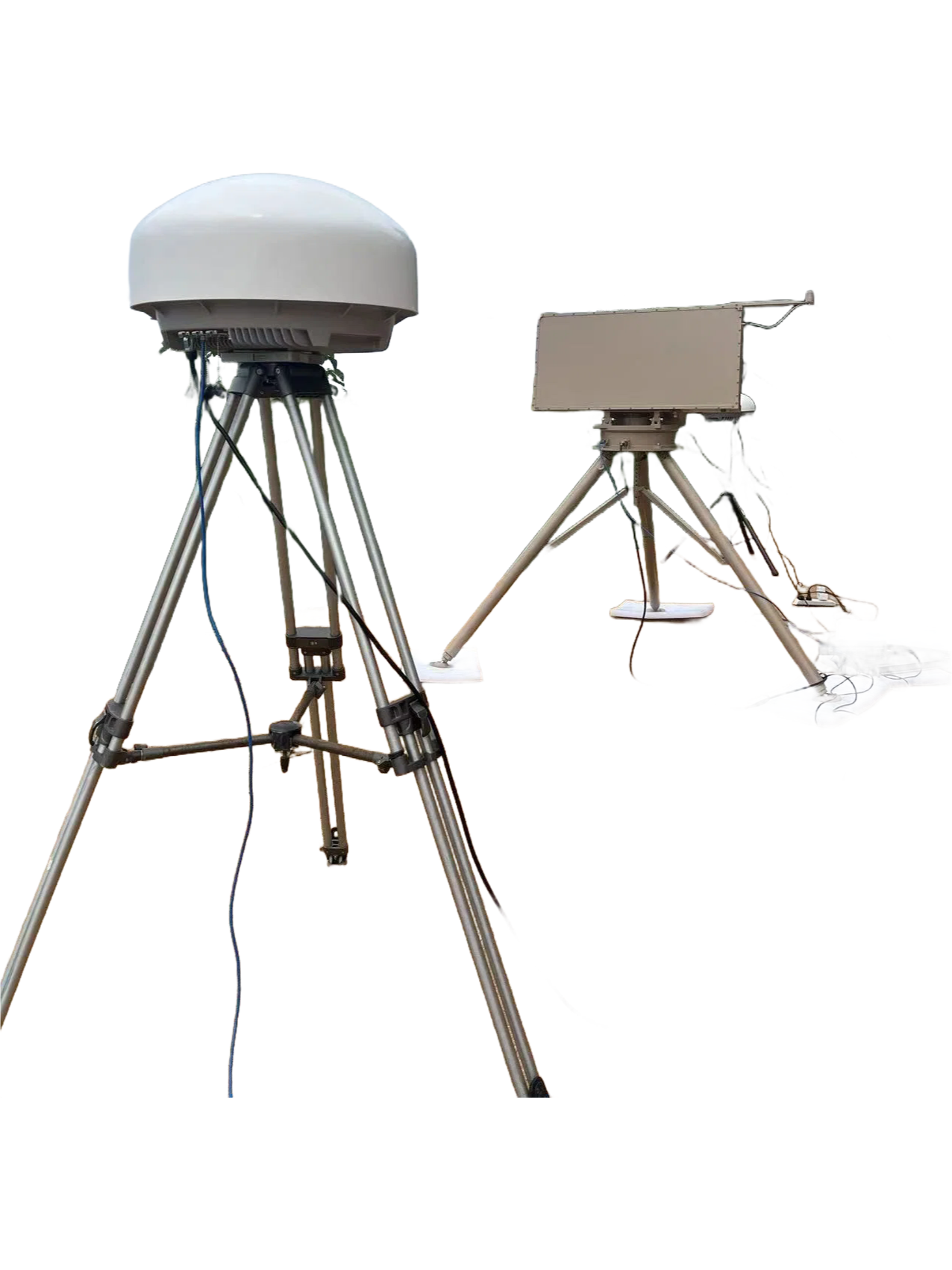
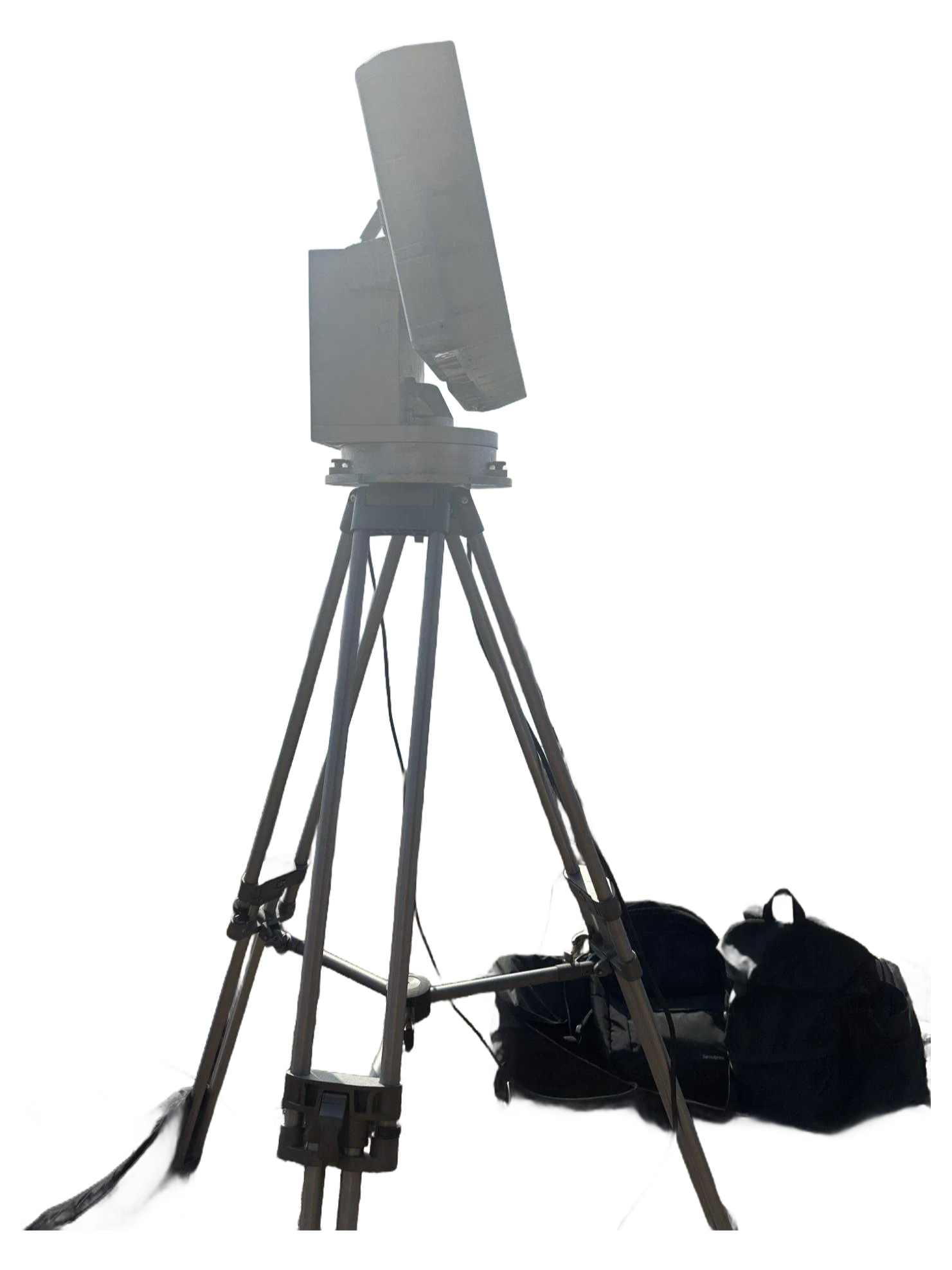
In real-world use, that 2-3km detection range assumes fairly clear line of sight, so dense urban environments or heavy foliage will drop it noticeably, though it still catches most consumer drones at 1.5-2km which is actually where you'd typically need it. The AI's got a pretty solid library of models, identifies unknown signatures against common flight protocols, and the 360° coverage means you're not stuck manually scanning sectors.
We've had it out in -20°C on a perimeter job, and internal battery held for a full 6-hour watch cycle before needing the Type-C recharge, but keep the AC adapter handy for extended deployments because fast-charging it at subzero temps is slower than spec sheets suggest. Detection bands sweep from 400MHz right through 6000MHz — 2.4 and 5.8GHz are where most hobbyist quads live, but teh lower VHF/UHF stuff picks up the FPV analog links and some military-grade relay systems.
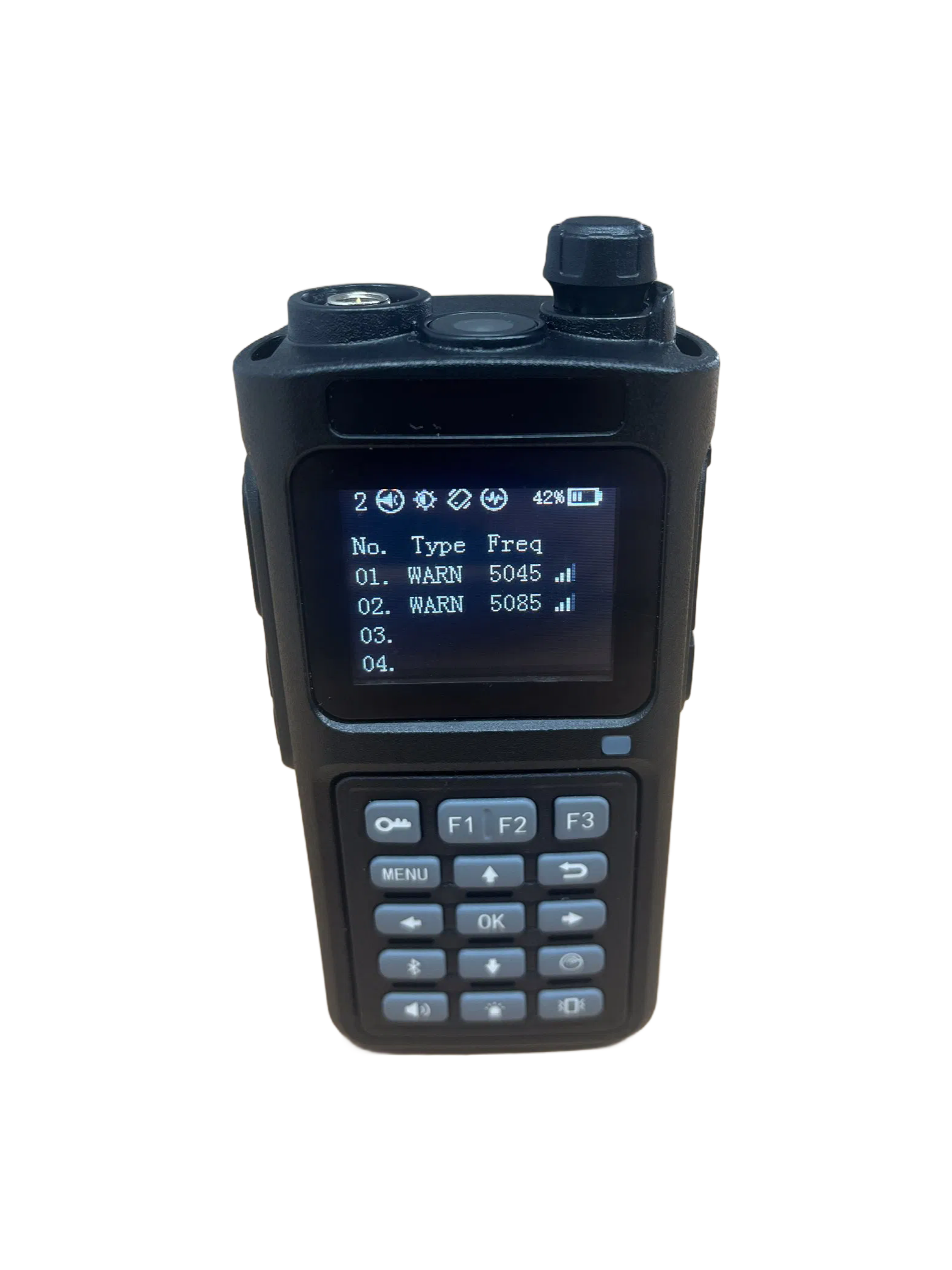
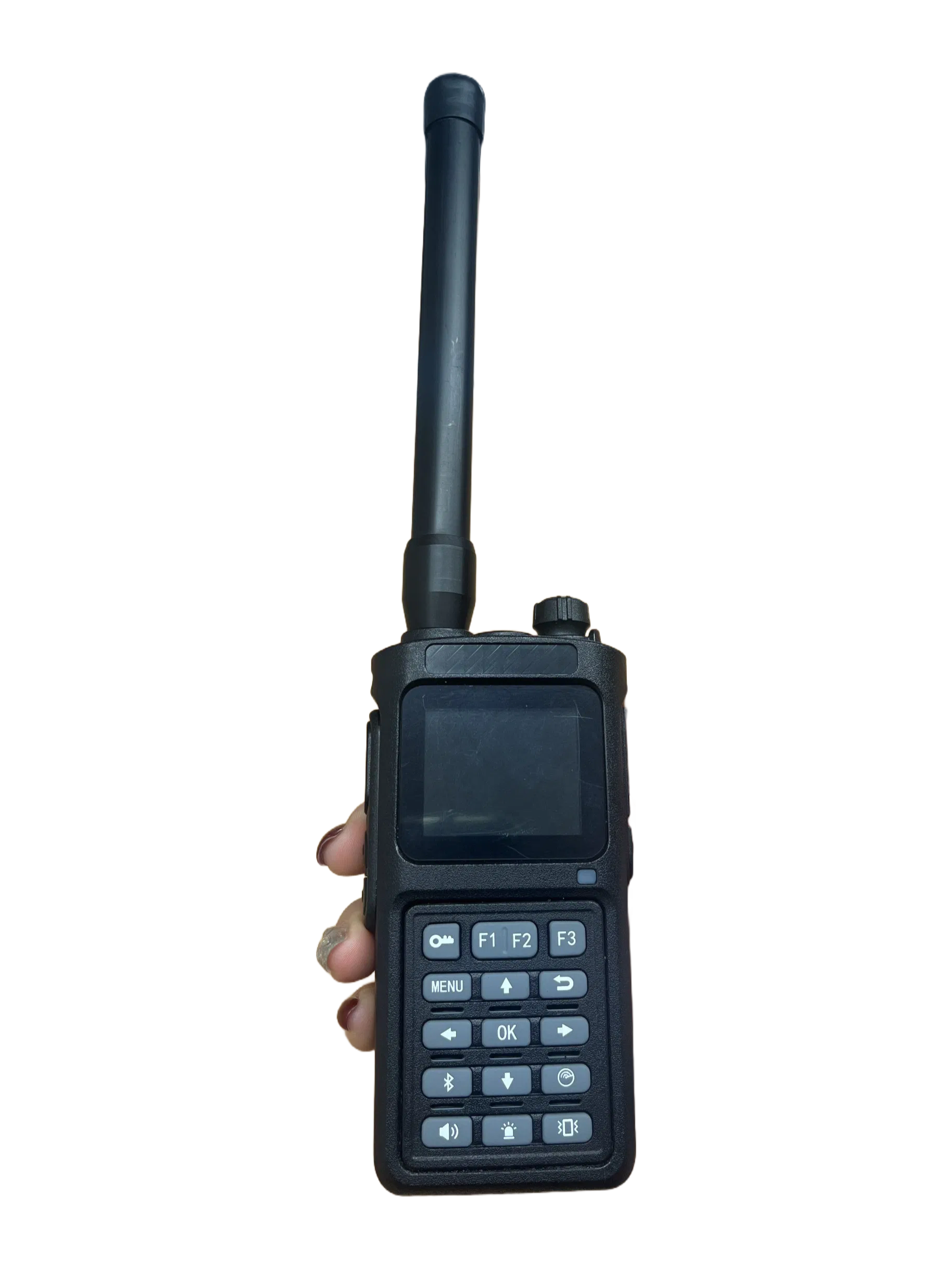
What it does is tag every new drone within seconds — that ≤1 second identification time isn't marketing fluff, it's decently consistent in my testing — and then updates the azimuth bearing every 2-10 seconds depending on how fast the target moves. You'll get make, model, frequency, and coordinates displayed on the color screen, though serial number extraction only works for about 60-70% of common consumer brands (DJI, Autel, Parrot basically).
The black/white list function is basically a killswitch for known friendly drones; we've used it at event venues to silence constant alerts form the organizers' own inspection quads without messing with alert sensitivity for unknowns. One detail most buyers don't ask about upfront: the Android/Windows software logs every detection to a CSV with timestamps and carrier-to-noise ratio, which matters if you're building a report for security audits.
Protection rating is IP54, so it handles rain and dust pretty well, but the host unit ejects heat through the back plate so don't seal it in a bag or anything dumb for three hours straight. Weight is 800g without antenna — give or take 20g depending on which antenna kit you order — so it's not a neck-strap device but fine for a shoulder harness or belt holster during typical patrols.
MOQ is 5 units usually, lead time about 20 days or so, but if you need a single unit for evaluation our company can do that with a slightly longer ship window (check with our sales desk). The 5.2-5.8GHz band is where most regulatory pushback happens in certain regions — we've had buyers in the EU needing firmware tweaks for their local spectrum allocations, so mention your region when ordering.
The specified detection range is 2-3 kilometers, but in open airspace with clear line of sight you can expect the full 3 km. Dense urban environments or heavy interference might reduce it closer to 2 km.
No, the 800g is just the host unit. The antenna adds a bit more weight, but the whole setup is still lightweight and portable. It's handheld with a built-in battery, so you can carry it easily during patrols or mobile deployments.
Yes, it has a black/white list function. You can pre-load authorized drone IDs, and the system will flag any UAV not on the list within 1 second of detection. That gives you immediate situational awareness.
We provide a CE certificate, FCC compliance test report, and a full factory calibration certificate. If your project needs additional military or industry-specific certifications, just let us know and we can discuss custom paperwork.
For 50 units, lead time is usually 10-15 working days depending on stock. Our MOQ starts at 5 units for first-time buyers, so you can test the system before scaling up.
I was thoroughly impressed by the shipping speed of this item—it arrived two days earlier than estimated, which was a pleasant surprise. The packaging was secure and professional, ensuring the product was well-protected during transit. Regarding quality, the detector feels robust and well-constructed, with no visible defects or issues upon unboxing. The materials used seem durable, suggesting it can withstand regular use in various environments. As for service, the seller provided clear communication throughout the process, promptly answering my queries and offering helpful guidance. Overall, a smooth and satisfying experience from start to finish.
Shipping was incredibly fast and efficient. The package arrived well-protected and ahead of schedule, which was a pleasant surprise. Superb quality is evident right from unboxing; the materials feel durable and premium. Service from the seller was outstanding—prompt responses to my queries and very helpful throughout. Strongly recommend this for anyone needing reliable security equipment. Satisfied with every aspect of this purchase.
Naturally, the delivery was exceptionally prompt, arriving far ahead of the estimated schedule, which was a pleasant surprise. The packaging was secure and professional, ensuring the item was in perfect condition upon arrival. The build quality feels robust and durable, clearly made with high-grade materials that inspire confidence in its longevity. Customer service was outstanding; they were responsive, polite, and very helpful with my pre-purchase inquiries. Overall, a very smooth and satisfactory experience from start to finish, making me feel confident in both the product and the company behind it.