Account
Inquiry
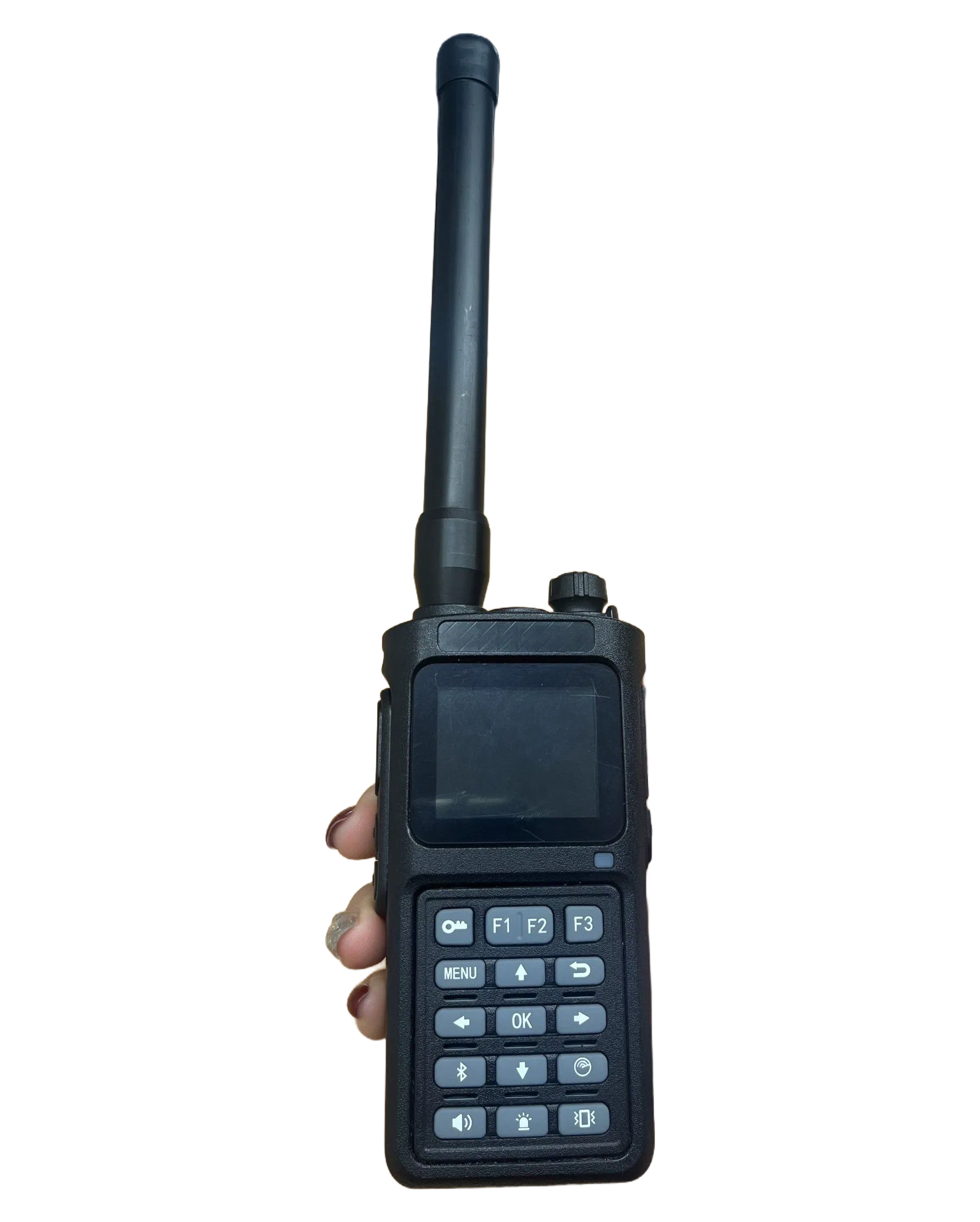
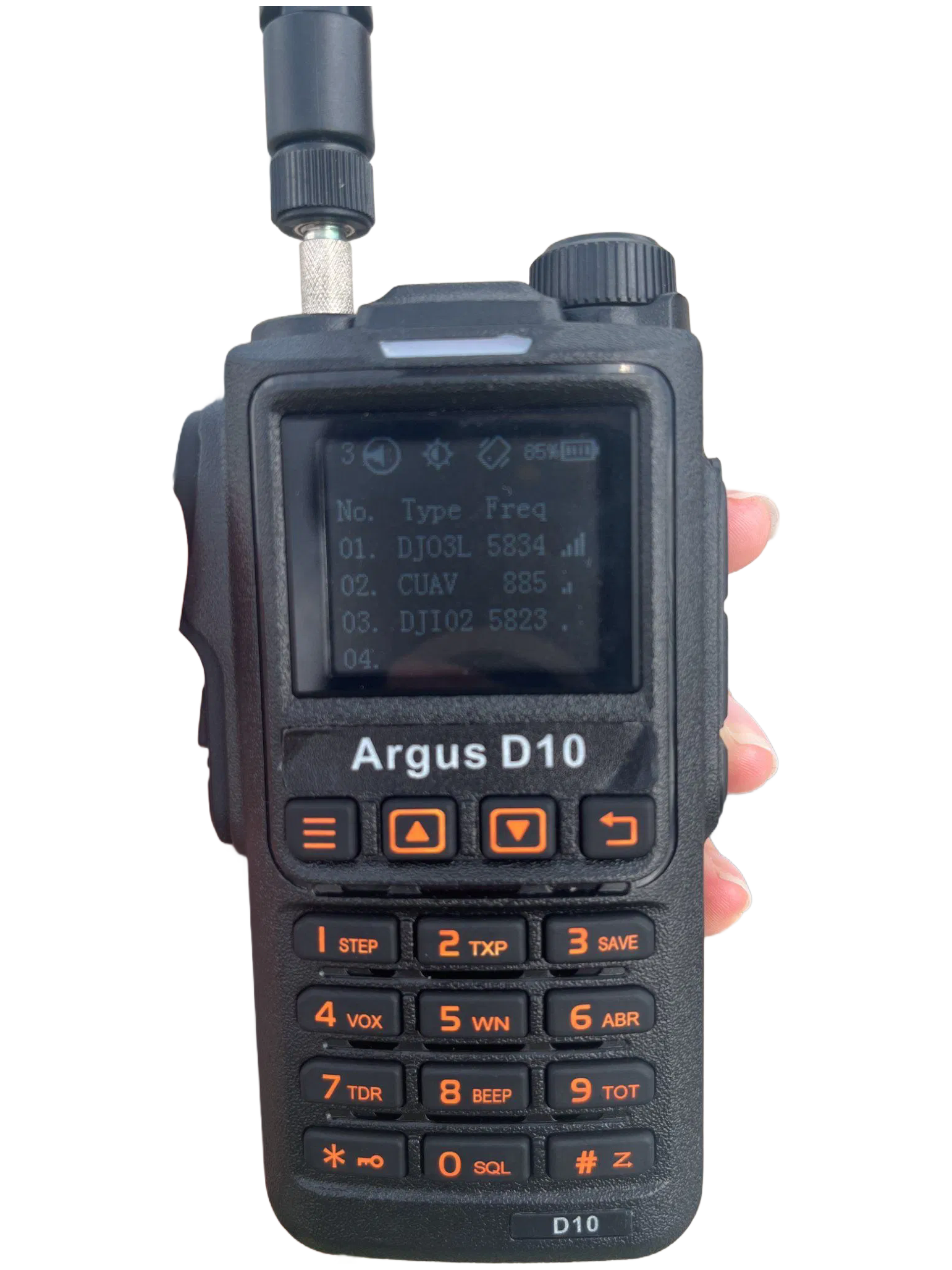
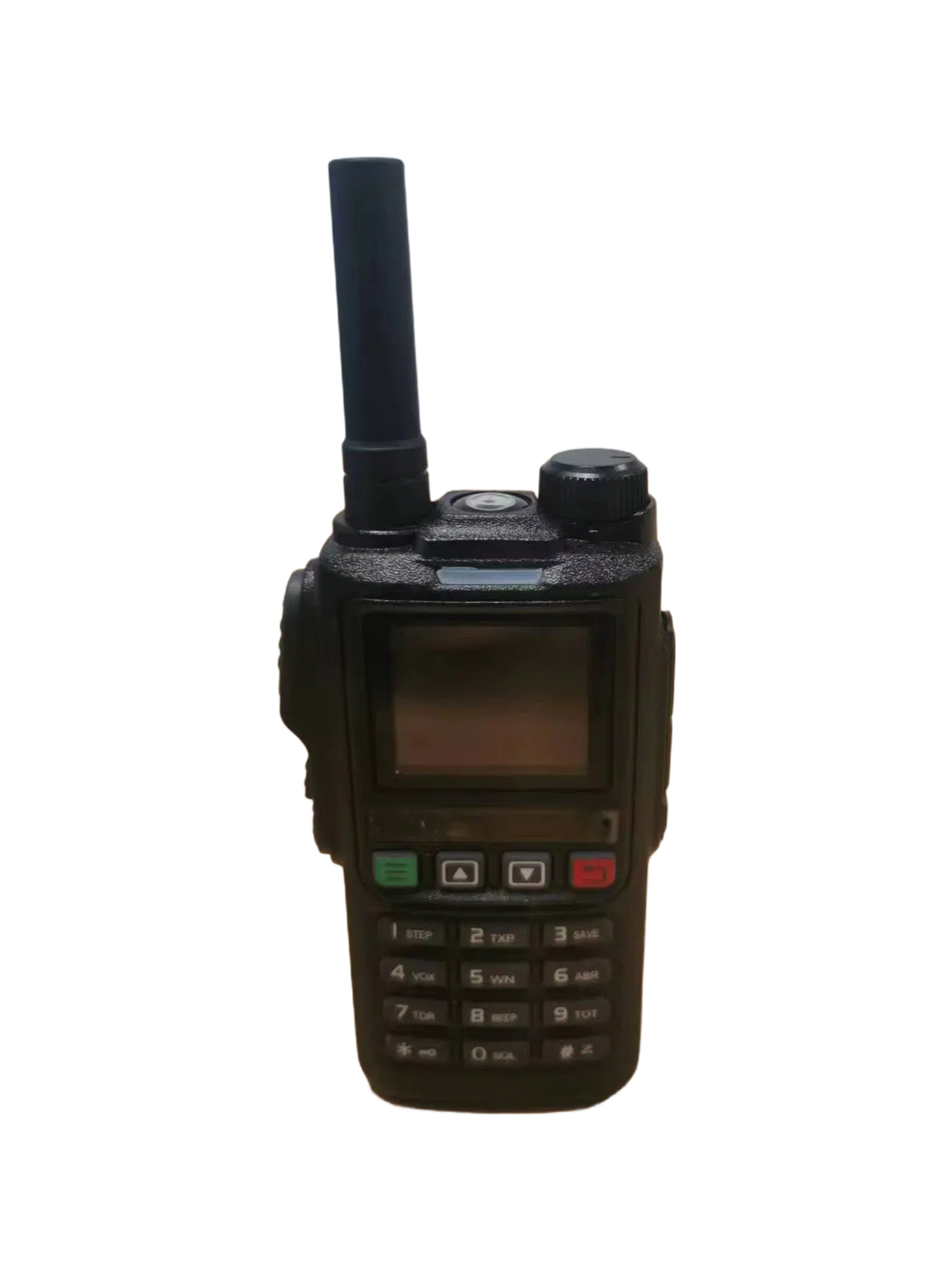
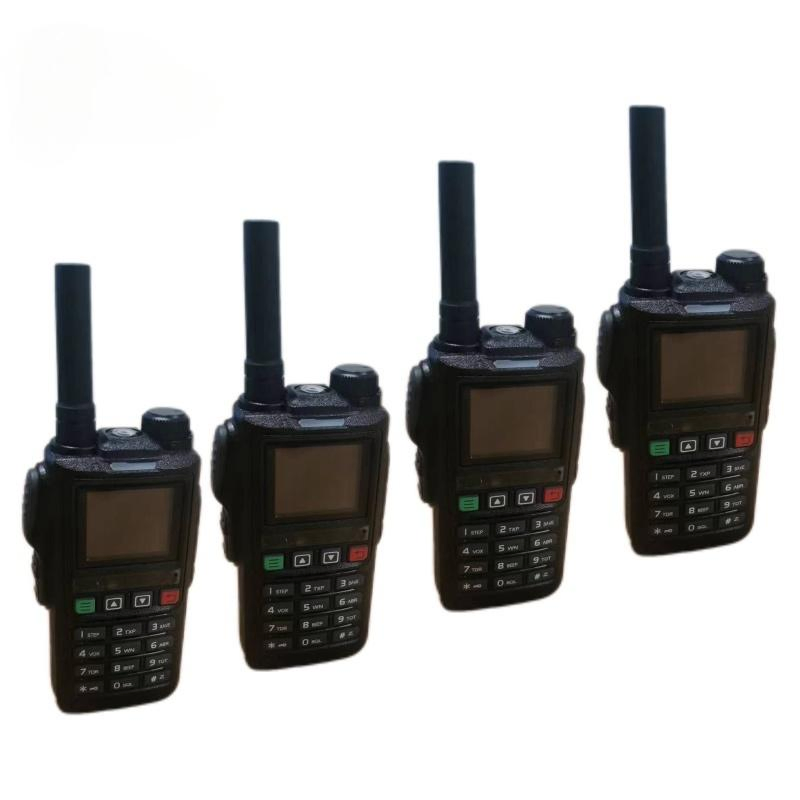
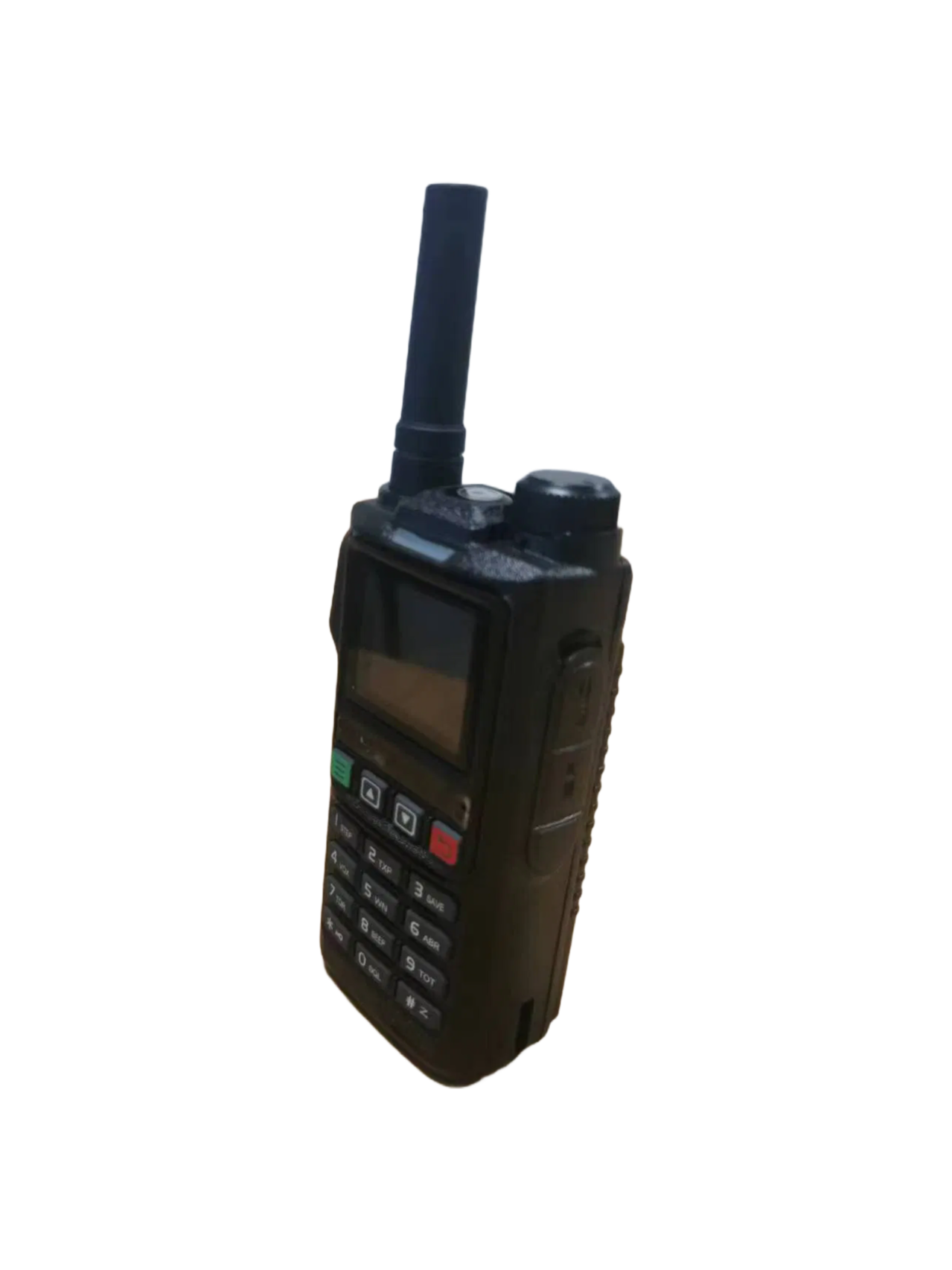
It scans passively across 300MHz to 6.2GHz, so it picks up everything from a DJI Mavic to a custom racing quad without emitting any signal itself—that’s a big deal for sites that can’t afford to advertise their position. Response time is under 3 seconds, and it’ll track multiple UAVs at once, which is basically mandatory if you’re covering a perimeter in the UK or US where drone incursions often come in pairs or swarms.
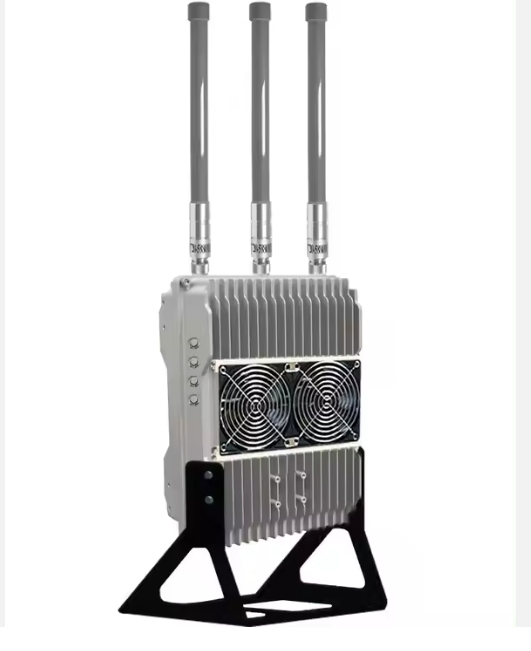
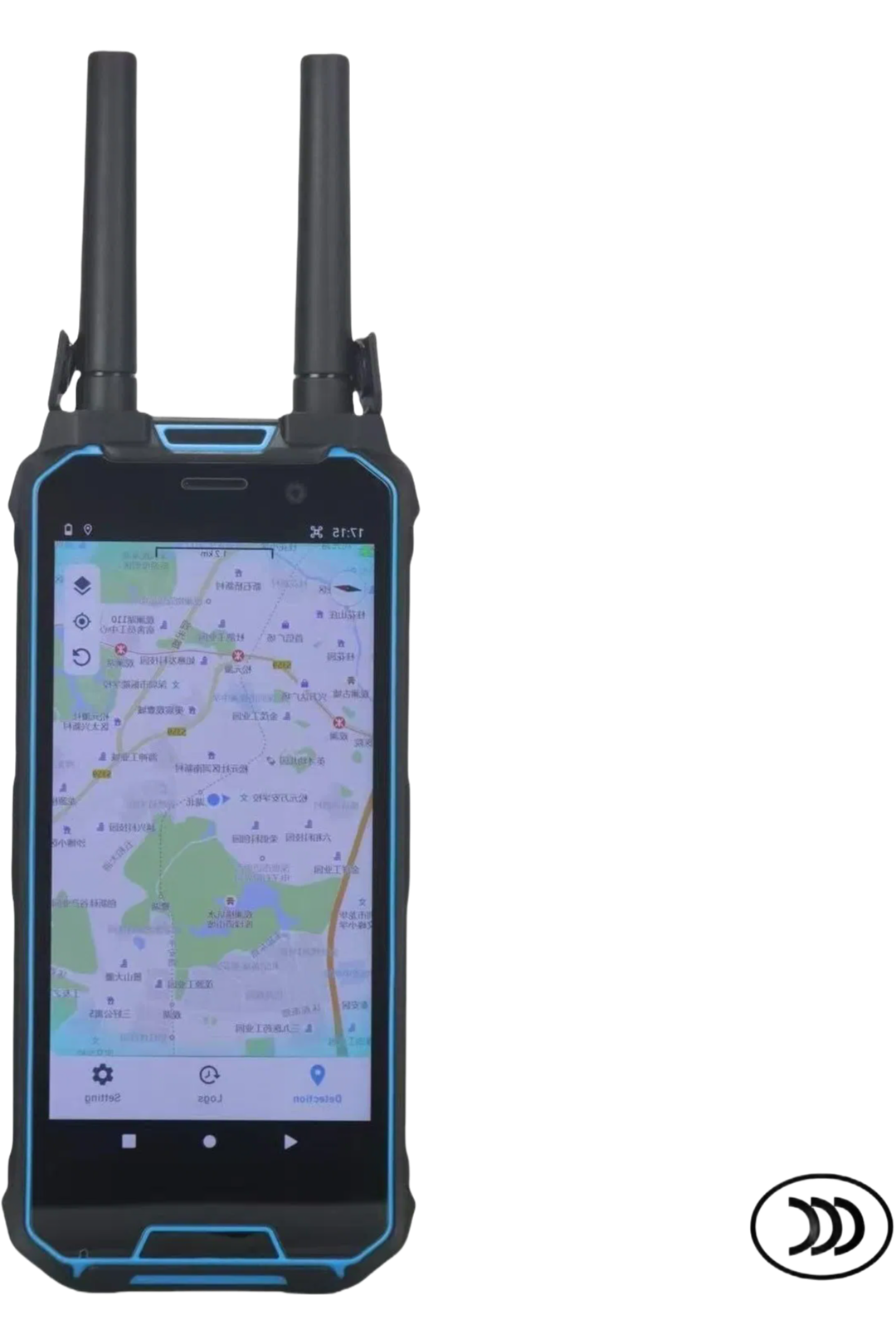
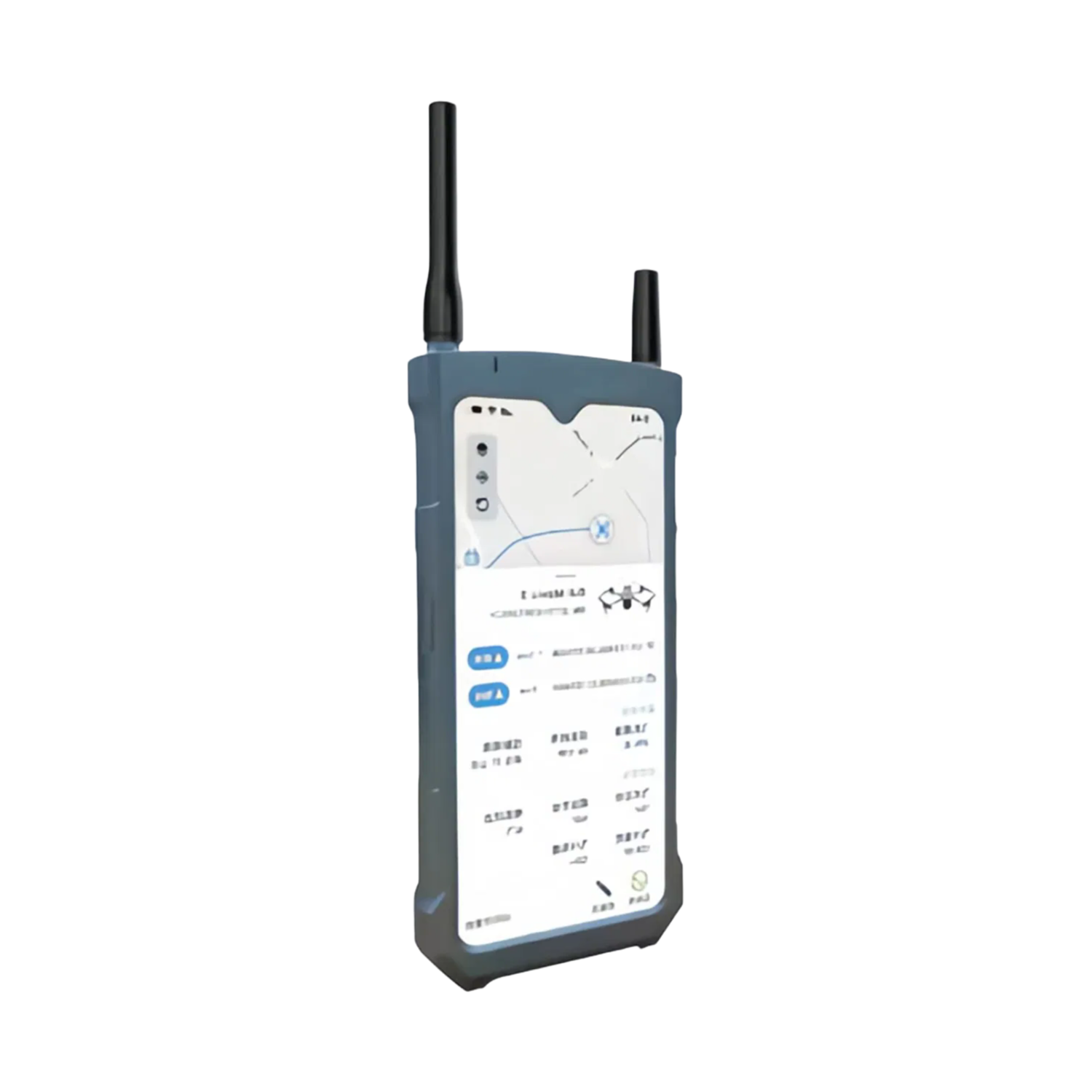
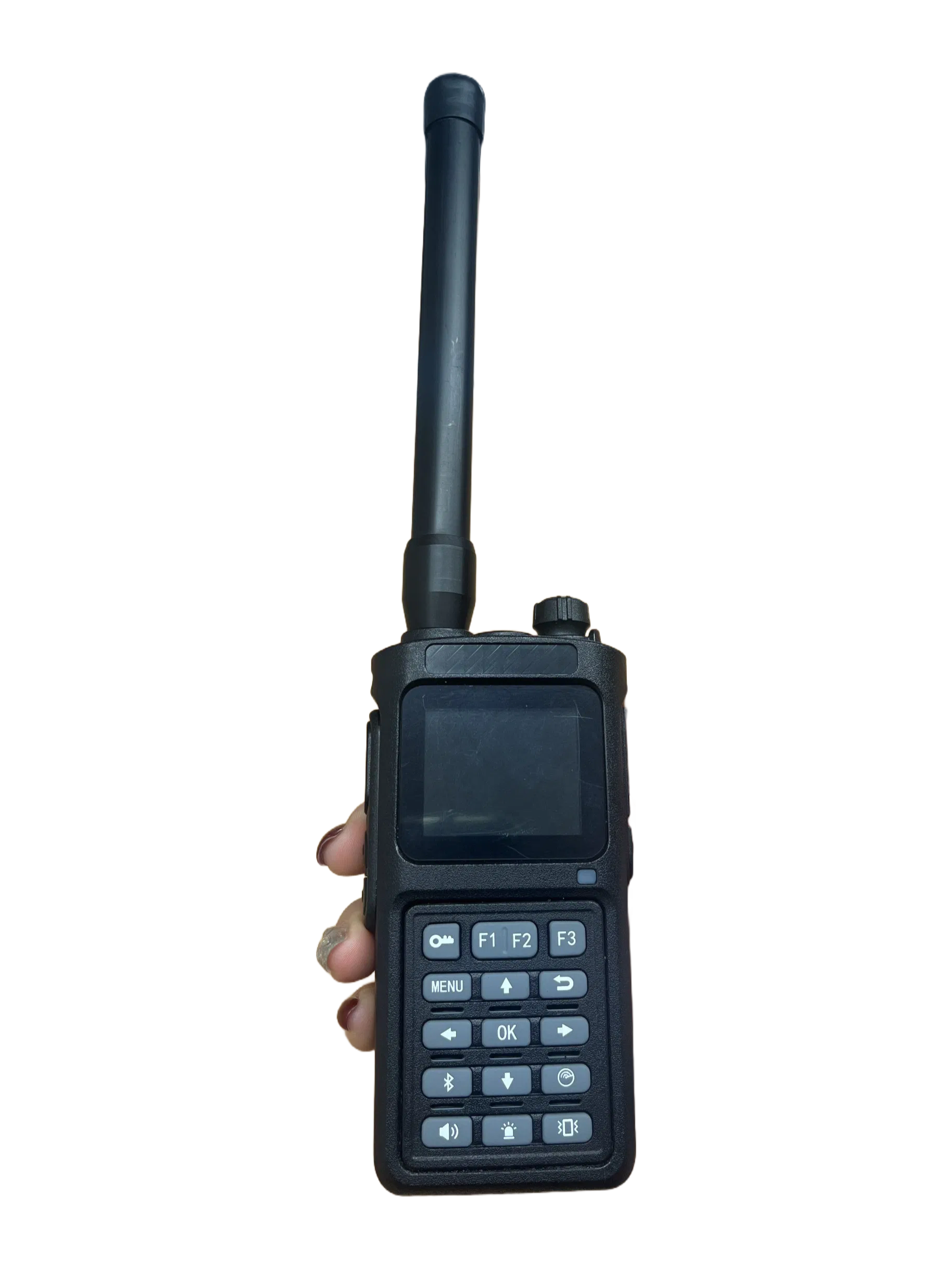
We’ve shipped these into EU airports and US military bases, and the 360° omnidirectional detection means you don’t need to worry about orientation or blind spots—just mount it and go. The 1.77-inch LCD shows direction and frequency bands, but most operators rely on the vibration and audible alerts for hands-free use during patrols. It’s not suited for indoor use, obviously—the passive analysis needs line-of-sight to the drone’s RF signal, so keep that in mind for urban canyons or dense foliage.
Dimensions are 135×69×50mm, and it weighs 450g with the standard 1800mAh battery that gives about 3 hours of run time—most buyers go with teh 5000mAh option for 8 hours, especially for overnight security shifts. Startup takes 15 seconds, which is faster than some competing units we’ve tested, and it handles -20°C to +50°C without issue. The frequency range covers 300MHz to 6.2GHz, so you’re good for all common bands, though we usually have stock but confirm lead time for custom frequency requests.
For US and EU customers, our company provide full import documentation including CE and FCC compliance paperwork, plus a COA with each unit—no extra charge, and it’s all prepped for customs clearance. We typically ship within 20 days or so form order, and the MOQ is 10 units for standdard orders, though we can do smaller runs for evaluation. One detail you wouldn’t think to ask: the vibration alert is strong enough to feel through a thick jacket, which matters when you’re on a cold tarmac or rooftop in January.
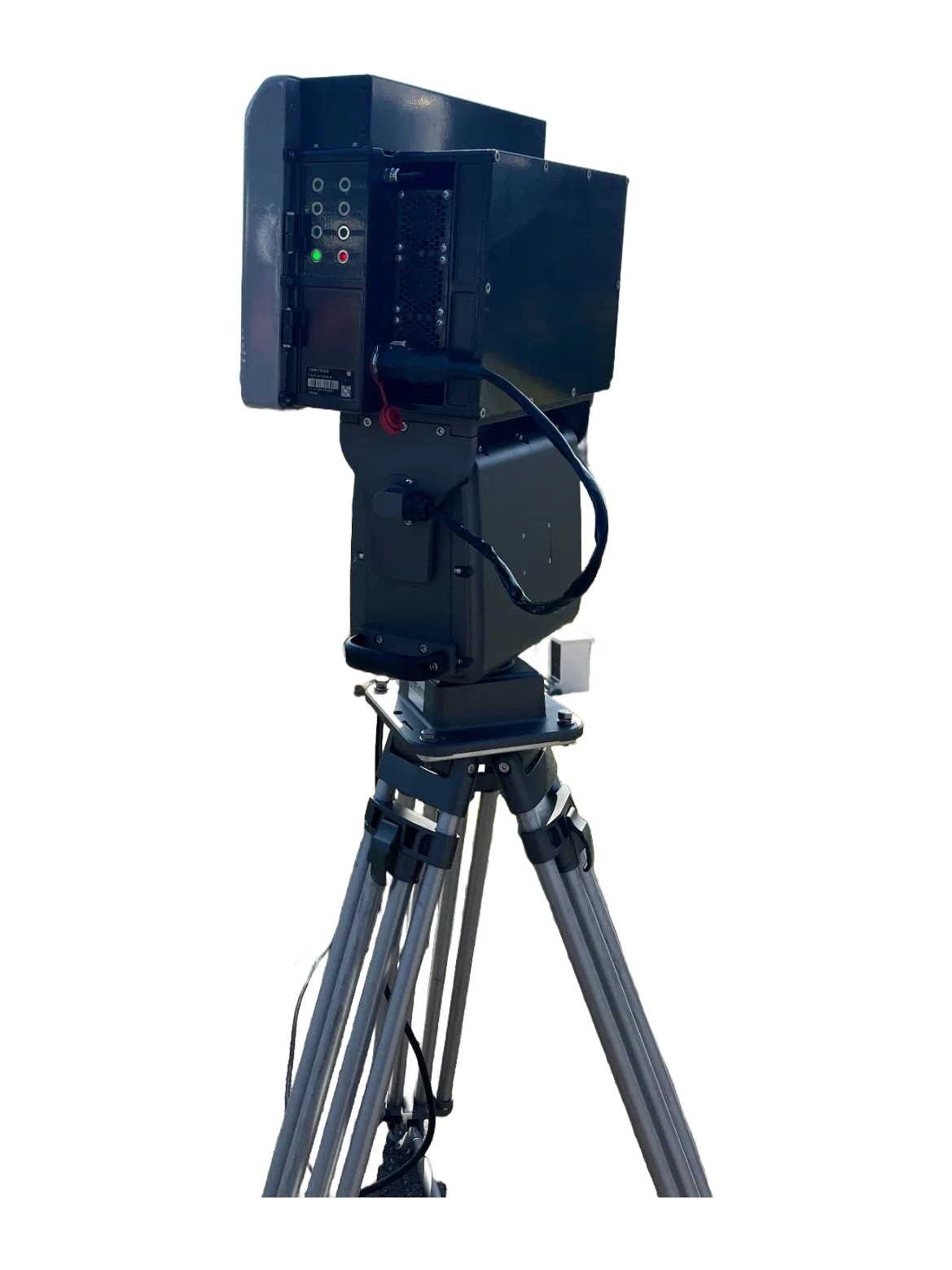
We’ve been supplying these to private security firms and government contractors for about two years now, and the passive detection method is actually better than radar for low-flying micro-drones because it doesn’t have ground clutter issues. It’s not a replacement for a full counter-UAS system—it won’t jam or spoof signals—but as a detection layer, it’s tight enough to hand off to a jammer or net gun within that 3-second window. Anyway, the 450g weight makes it easy to mount on a tripod or vehicle mast without special brackets.
No, it's a self-contained unit — the 360° omnidirectional detection is built in, so you just power it on and it covers up to 3km right out of the box.
We provide CE, FCC, and RoHS certification reports, plus a factory test report showing detection range and response time performance.
Yes, we offer both battery sizes — the 5000mAh gives you 8 hours of runtime, compared to 3 hours with the standard 1800mAh. Just specify which one you need when ordering.
MOQ is 10 units for stock orders. Lead time is usually 7–10 working days after payment, but we can negotiate smaller quantities for first-time trials.
It uses passive spectrum analysis across 300MHz to 6.2GHz, so it can detect any drone that transmits in that frequency range — even custom or racing drones not on the supported list.