Account
Inquiry
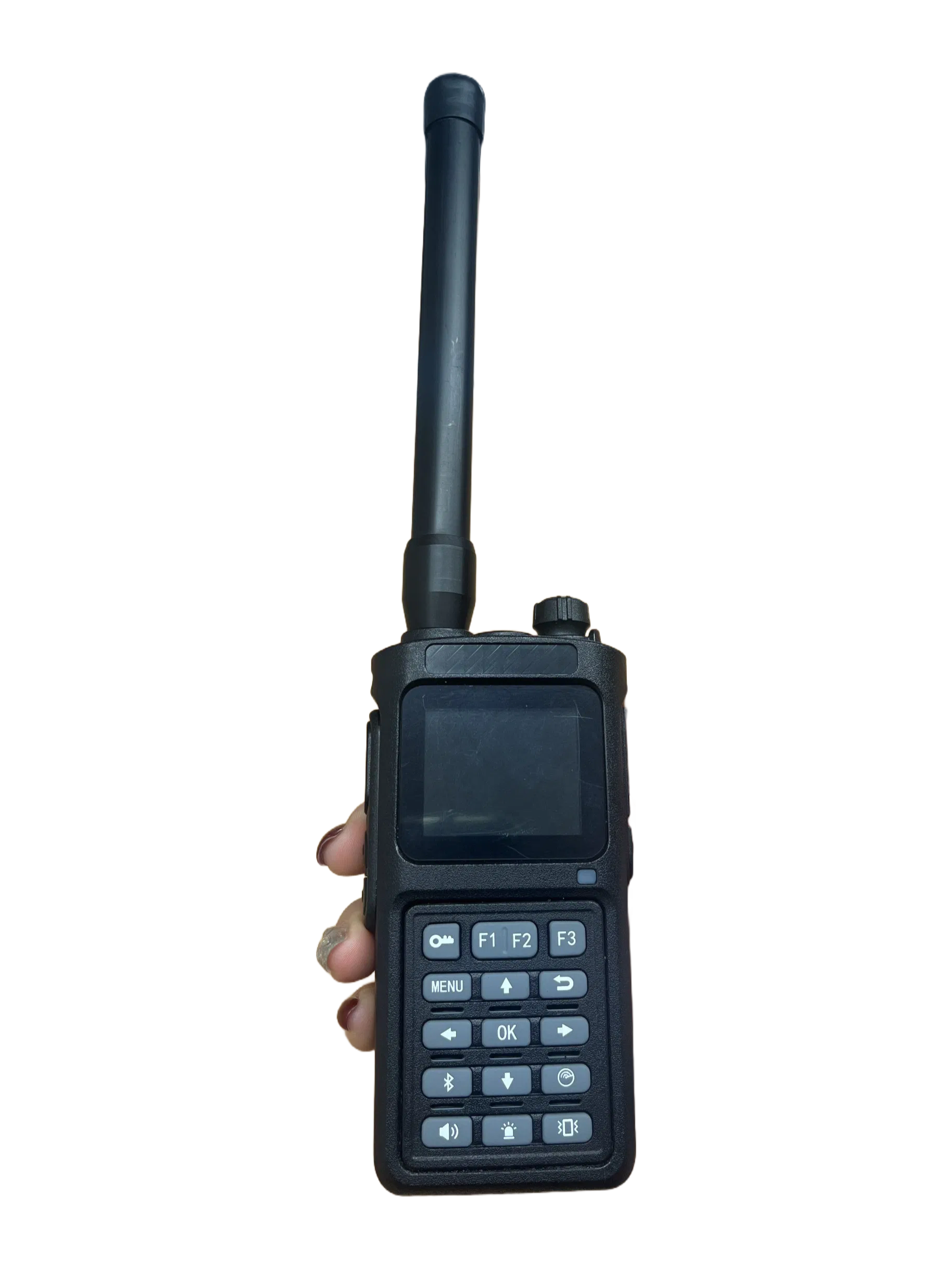
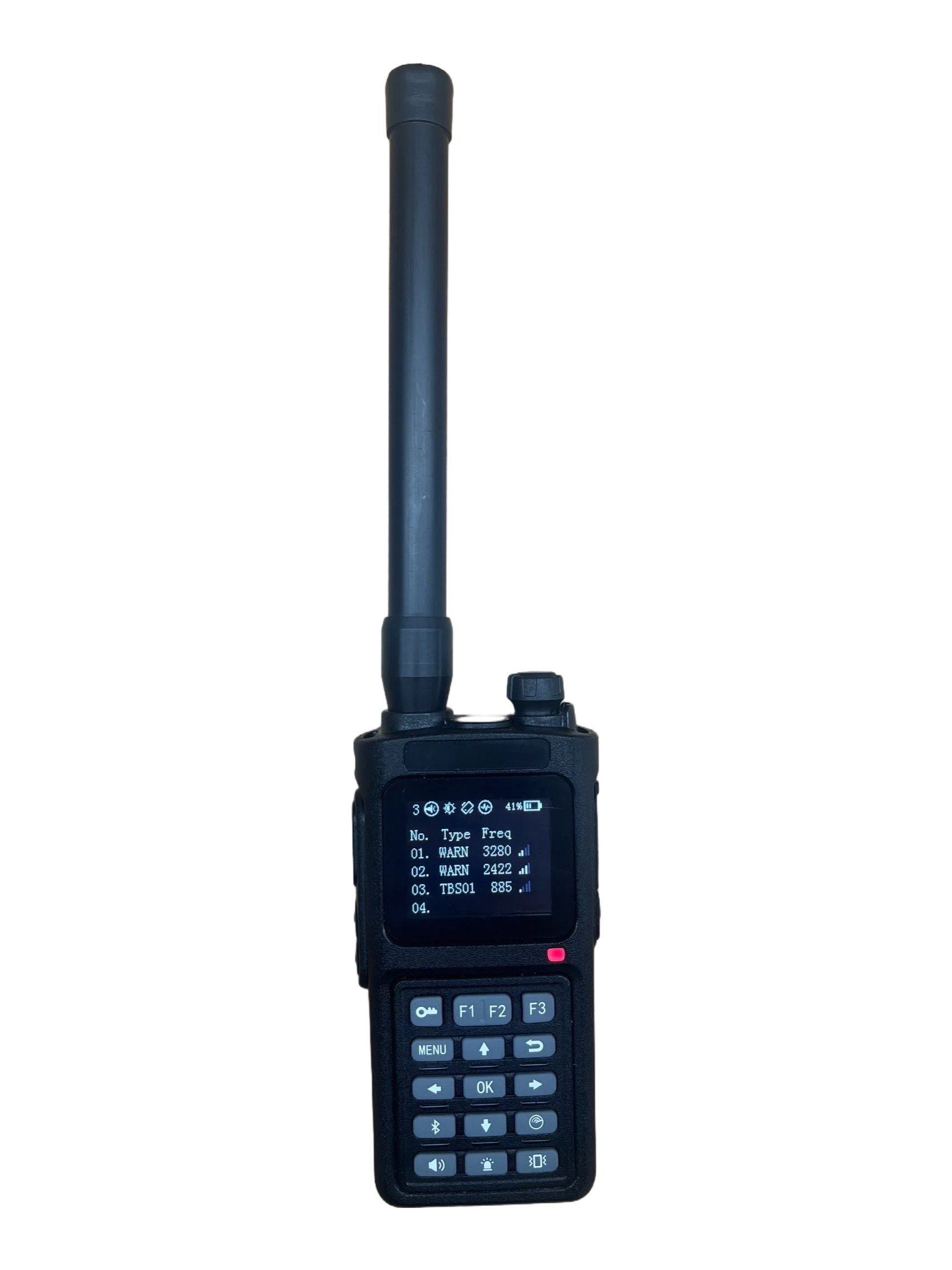
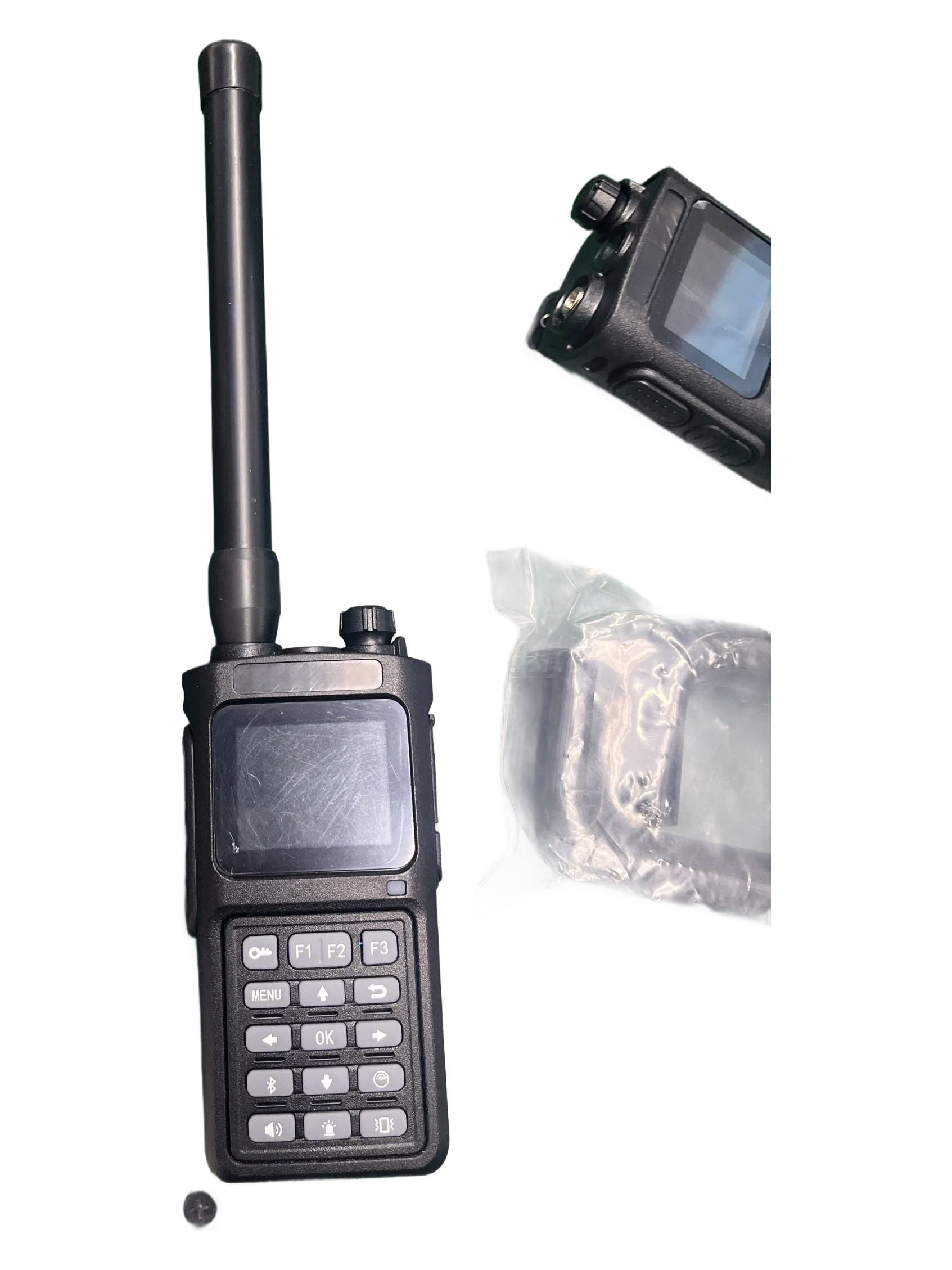
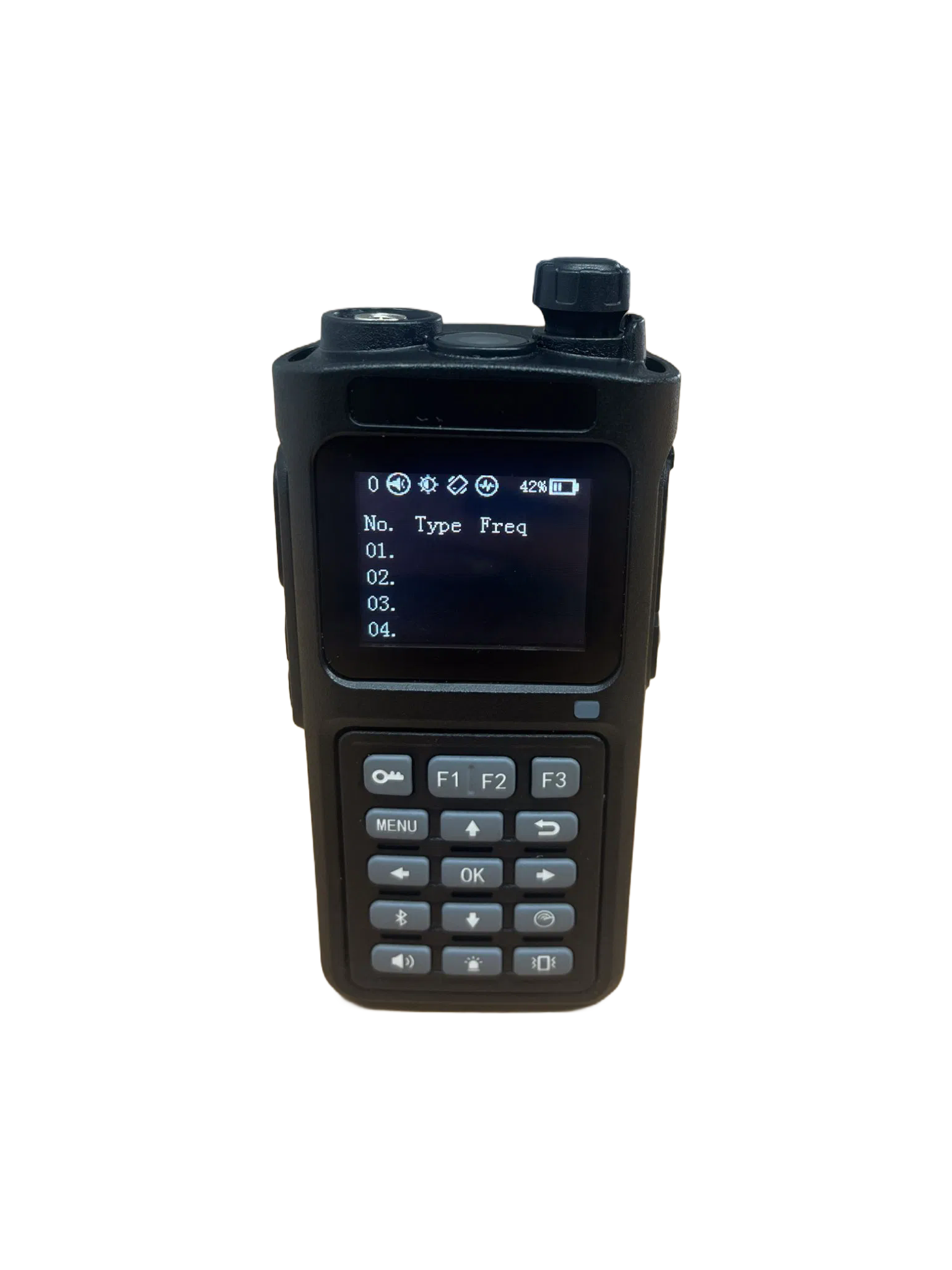
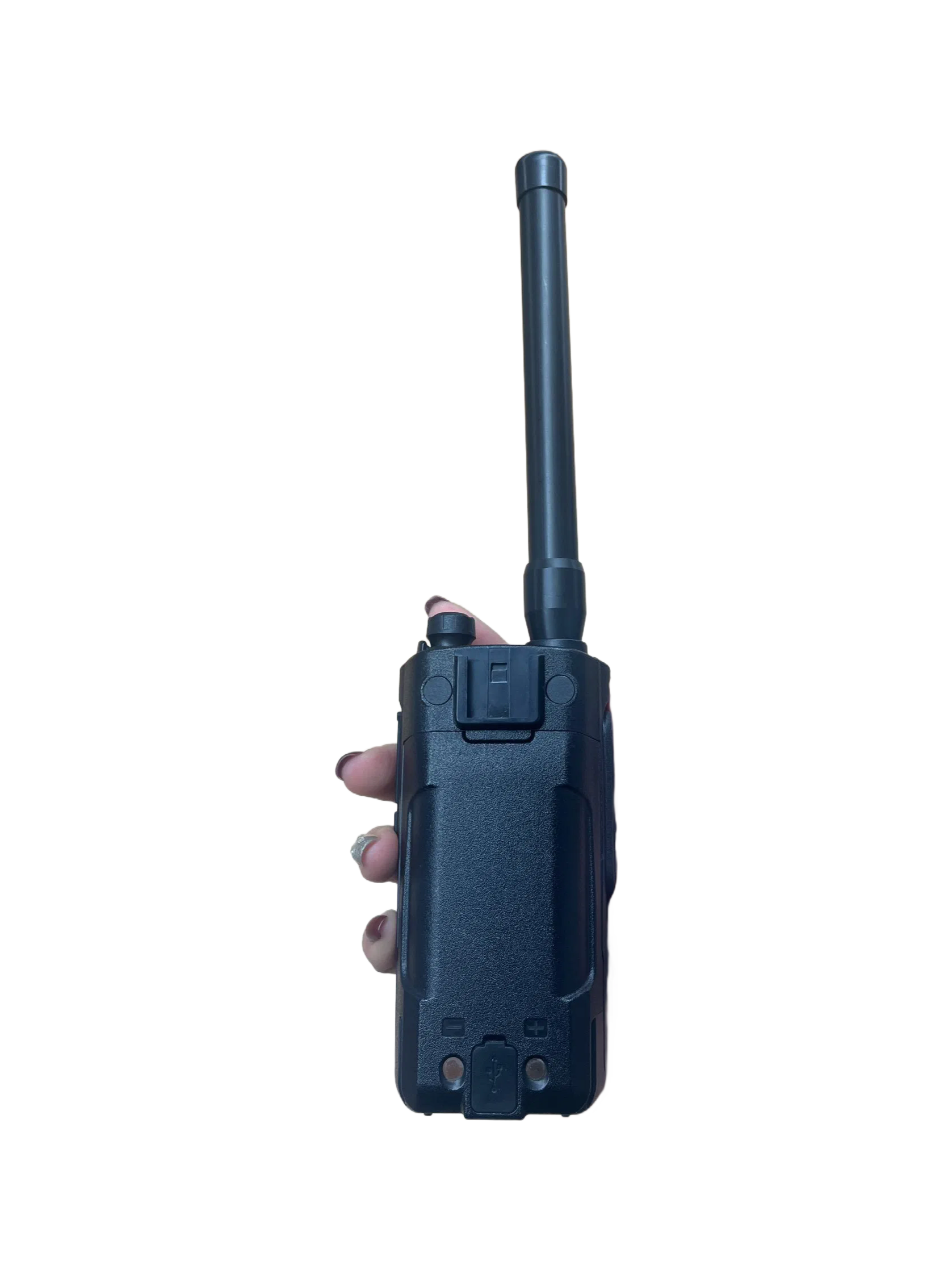
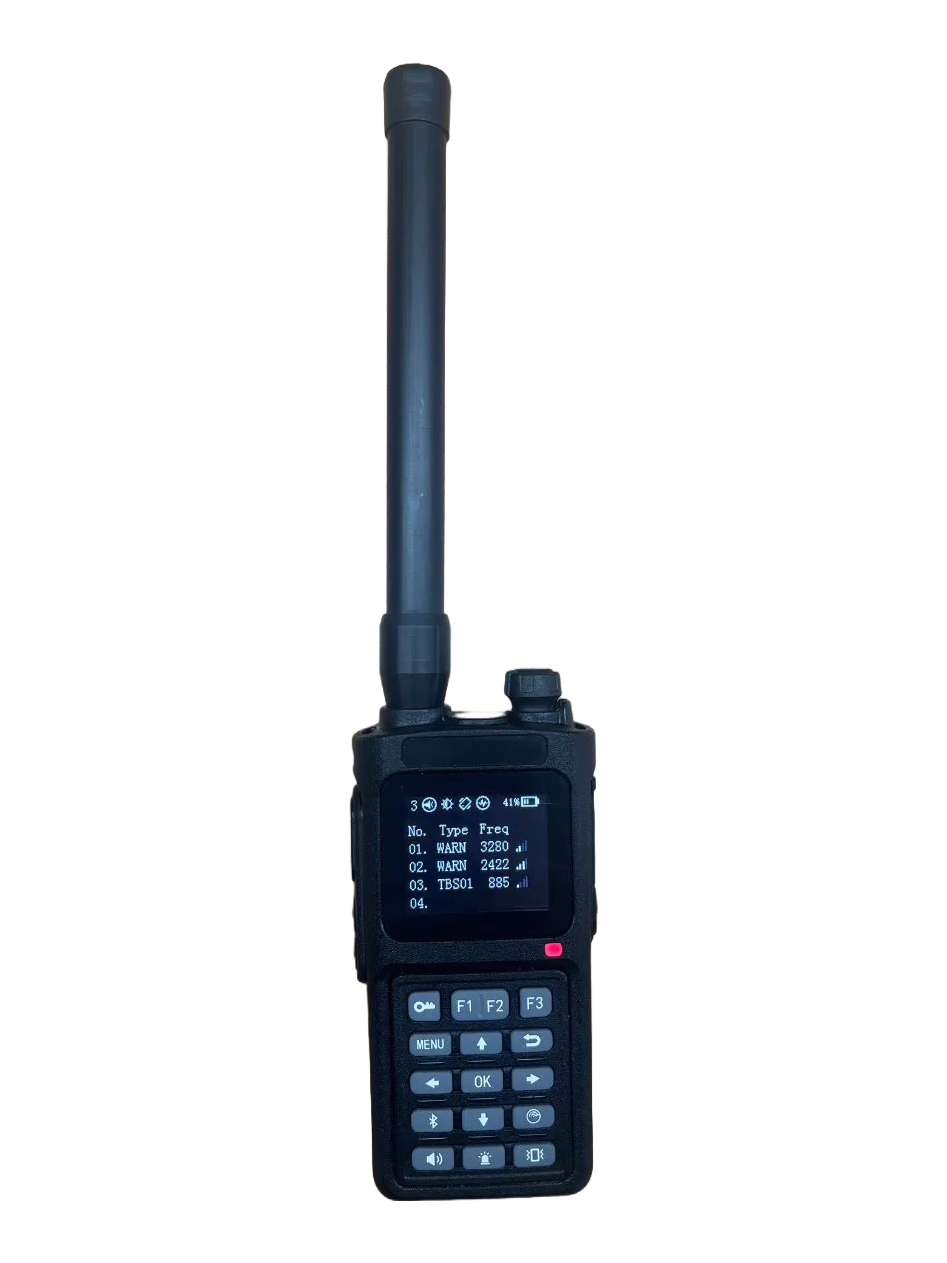
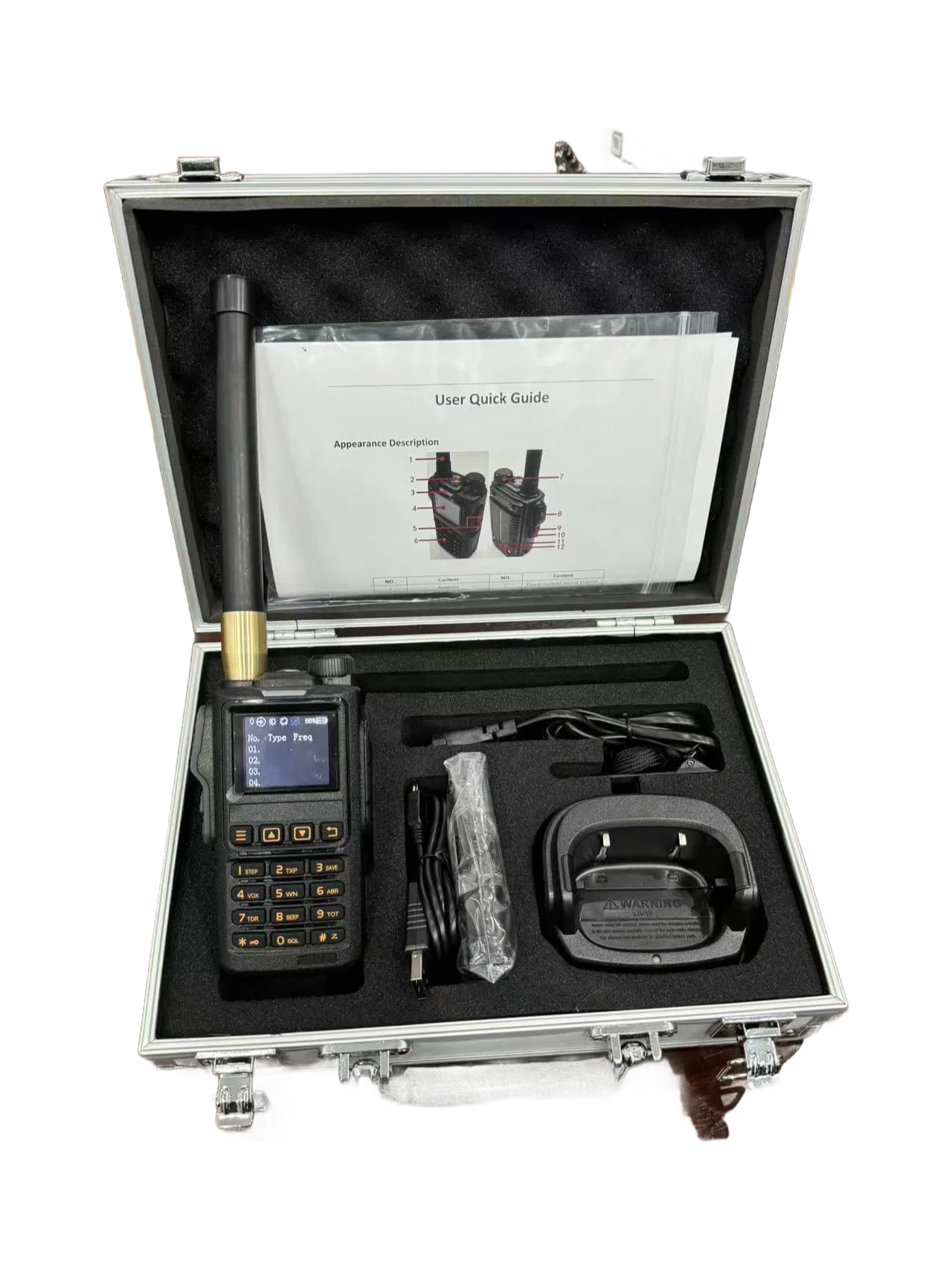
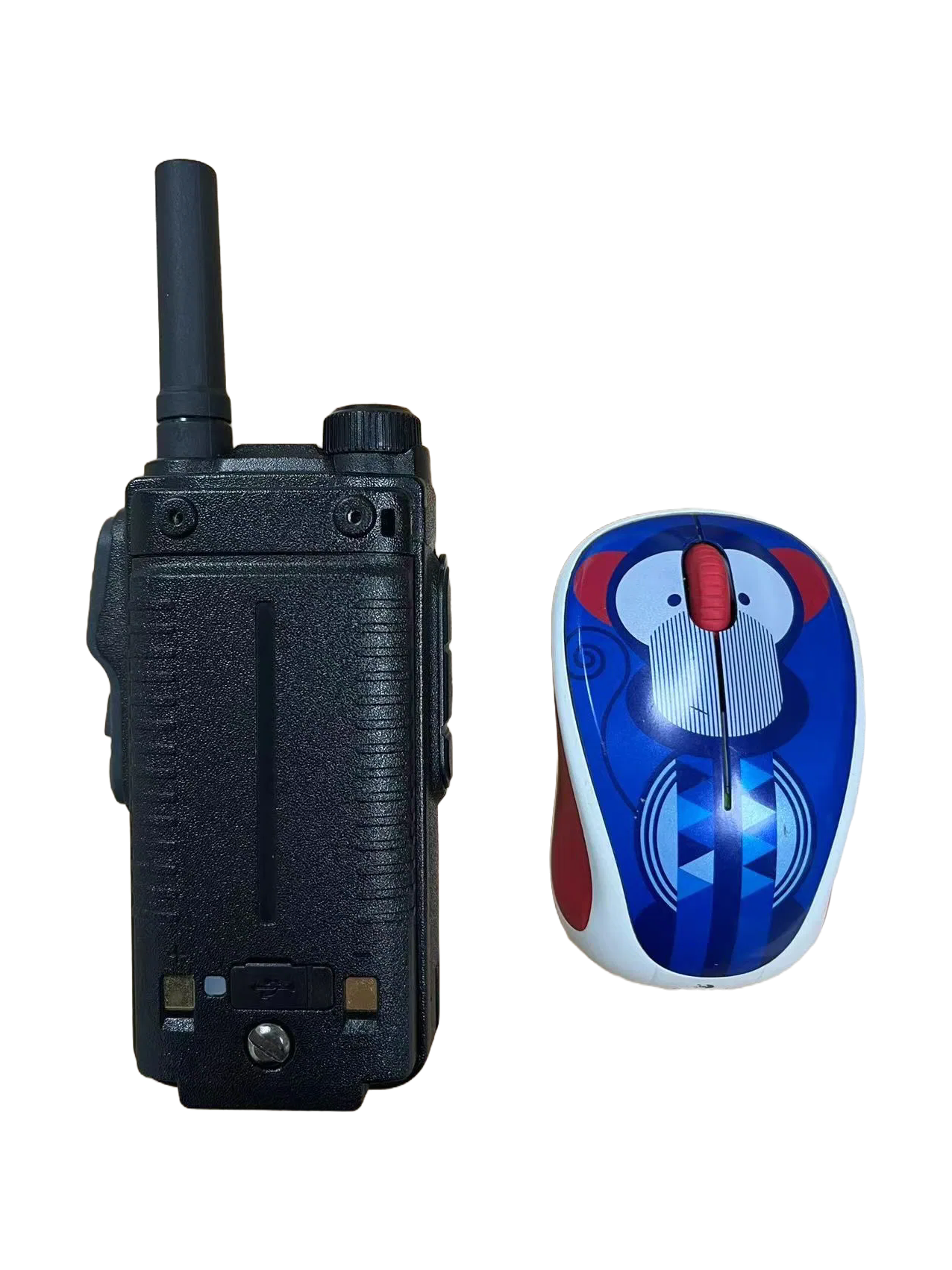
Arriving in about 15-20 working days on this order, we're taking a standard MOQ of 10 units for initial evaluation — the 1800mAh battery is standdard in the box, but our company can swap to the 5000mAh option if runtime matters more.
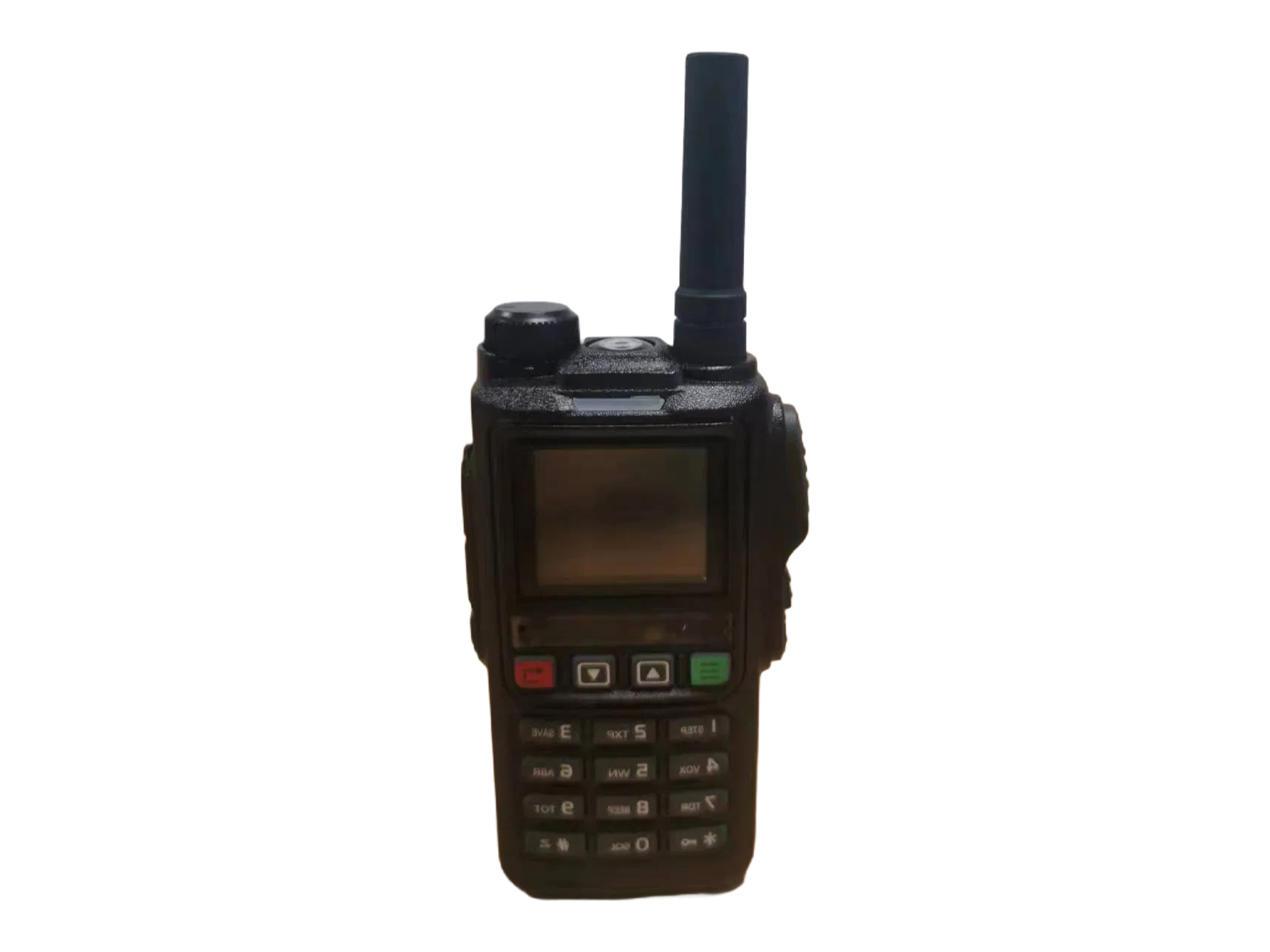
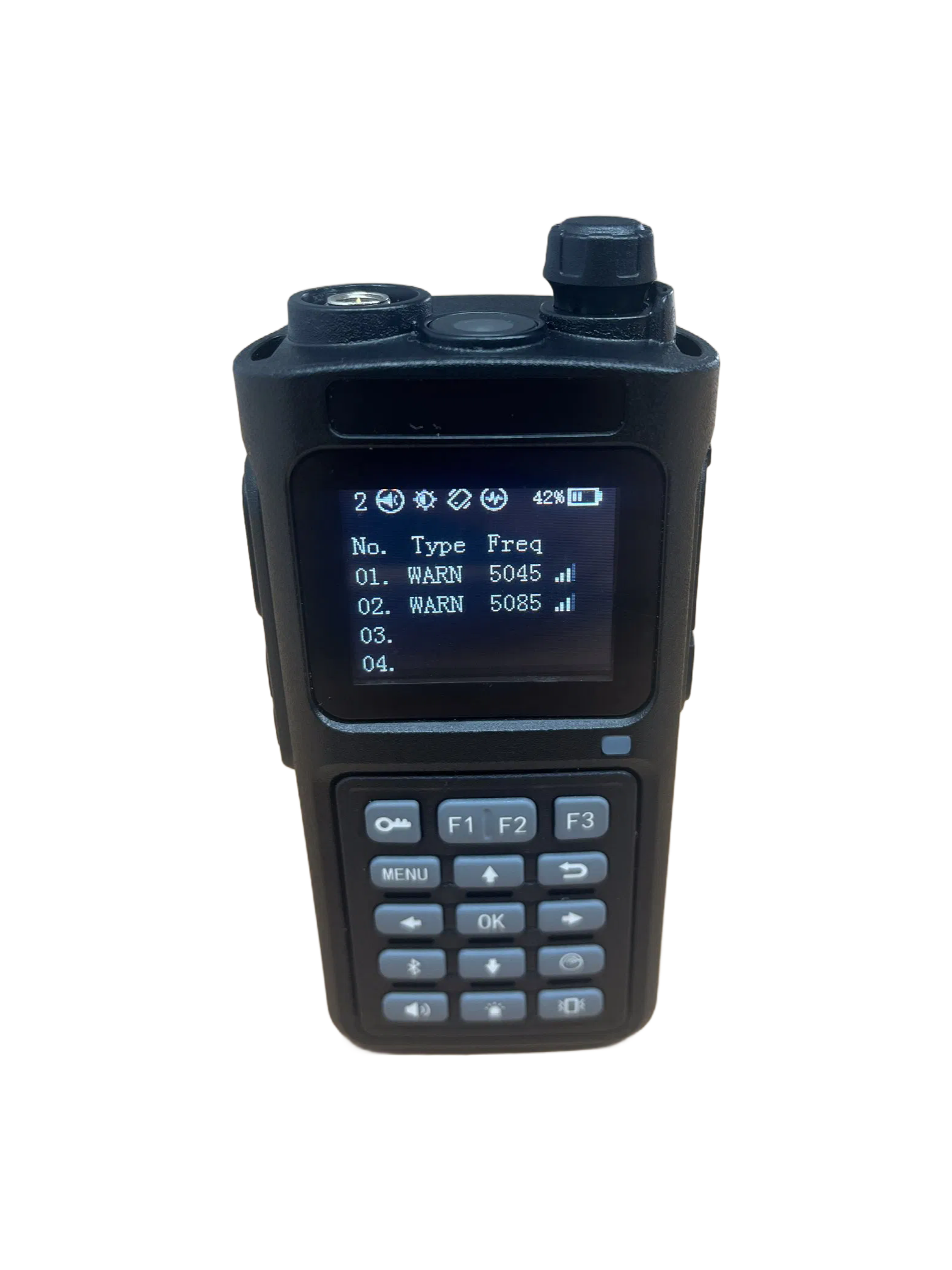
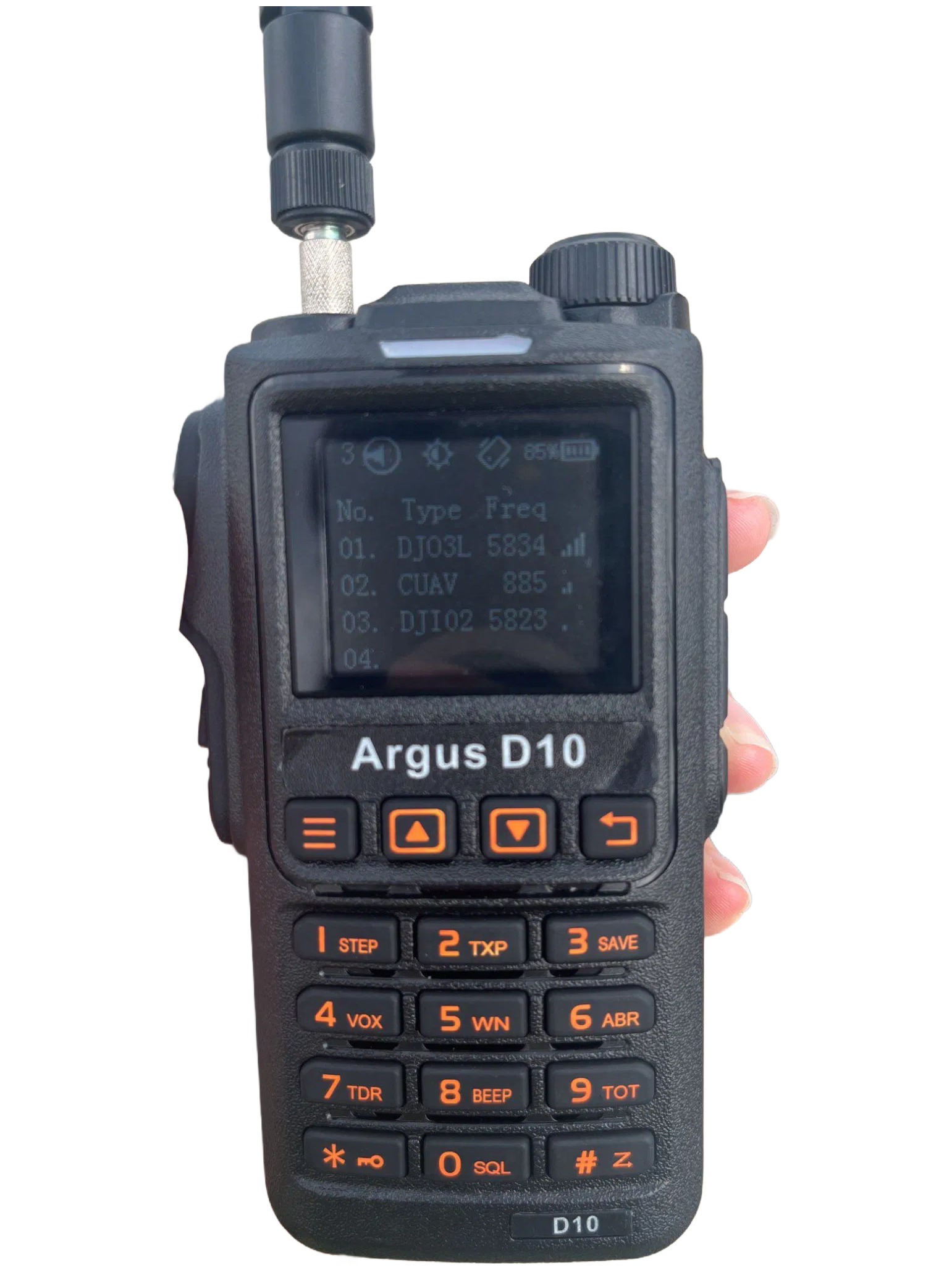
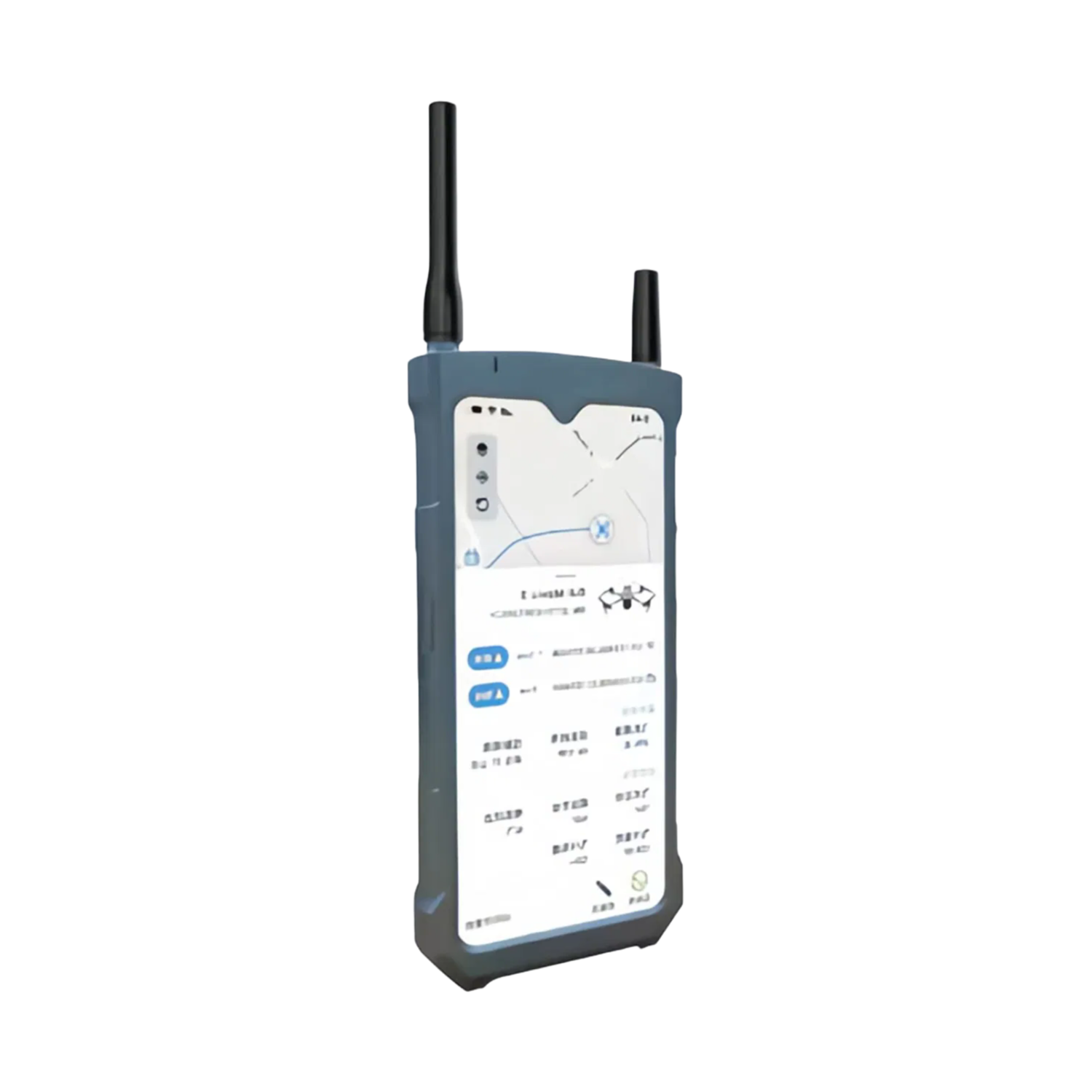
Anyway, what it does is passively sniff the air between 400MHz and 6GHz for drone control and video signals, covering DJI, Autel, Hubsan, and most racing drone bands up to 5.8GHz, and it'll hit you with visual, audible, or vibration alerts within 3 seconds of detecting a drone.
Honestly, unless you're mainly facing military-grade or tethered drones, this covers the bulk of what you'll see at events or near sensitive sites, and the 2km range is pretty much line-of-sight — expect maybe 1.2-1.5km in urban clutter.
We usually have stock for the default frequency set, but if you need specific bands scanned first (say, 1.4GHz for some older models), they can customize the presets on teh unit at no extra cost — but confirm lead time if you go that route.
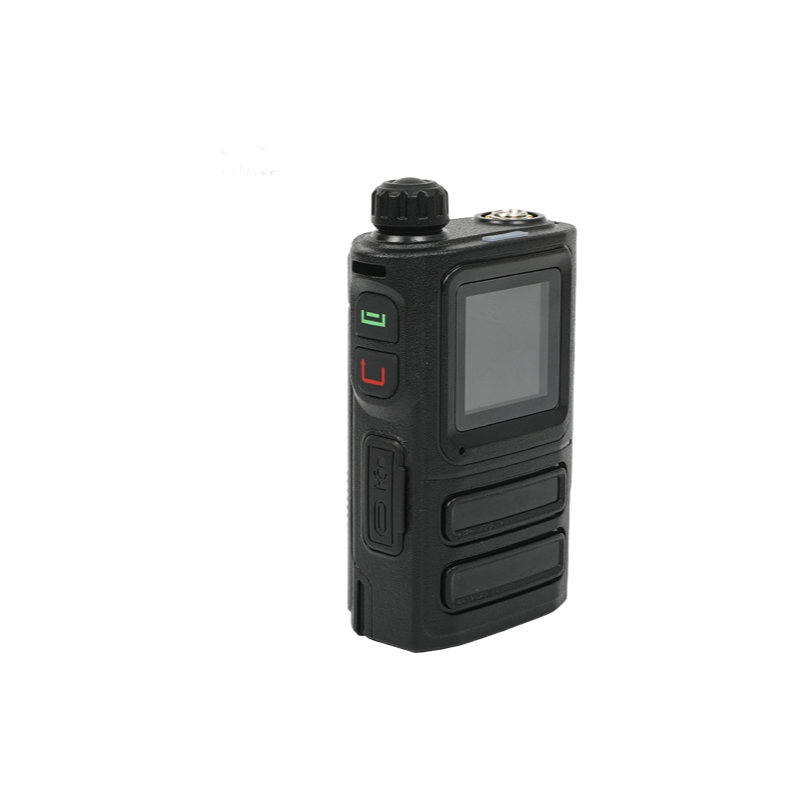
A detail you might not think to ask: the startup time is about 15 seconds form cold, so it's not instant-on, and the LCD screen is a 1.77-inch thing — adequate for field use but don't expect tablet-level clarity.
Also, the passive detection means zero emitted signals, so you won't tip off a drone operator that they've been spotted, which is actually the main reason most buyers go with this over active jammers.
It's designed for real-world use, so you'll get the full 2 km range in clear conditions. In heavy rain or dense fog, expect it to drop to about 1.2–1.5 km — still solid for most field ops.
You can swap it yourself — no tools required. Just pop off the back cover and replace the battery. The 5000mAh gives you 8 hours of continuous scanning, which is great for all-day shifts.
It's fully customizable within 400MHz–6GHz. You can add, remove, or prioritize specific frequencies via the menu. The defaults cover most consumer drones, but if you're tracking military or custom units, just tweak the scan list.
We provide a CE certificate, FCC test report, and a factory calibration sheet with each unit. If you need additional ISO or RoHS docs, just ask — we can supply those for your procurement file.
At -20°C, the 1800mAh battery will last about 1.5 hours instead of 3. We recommend using the 5000mAh battery in cold weather — it holds up better and still gives you around 5 hours. The LCD and alerts work fine down to that temp.