Account
Inquiry
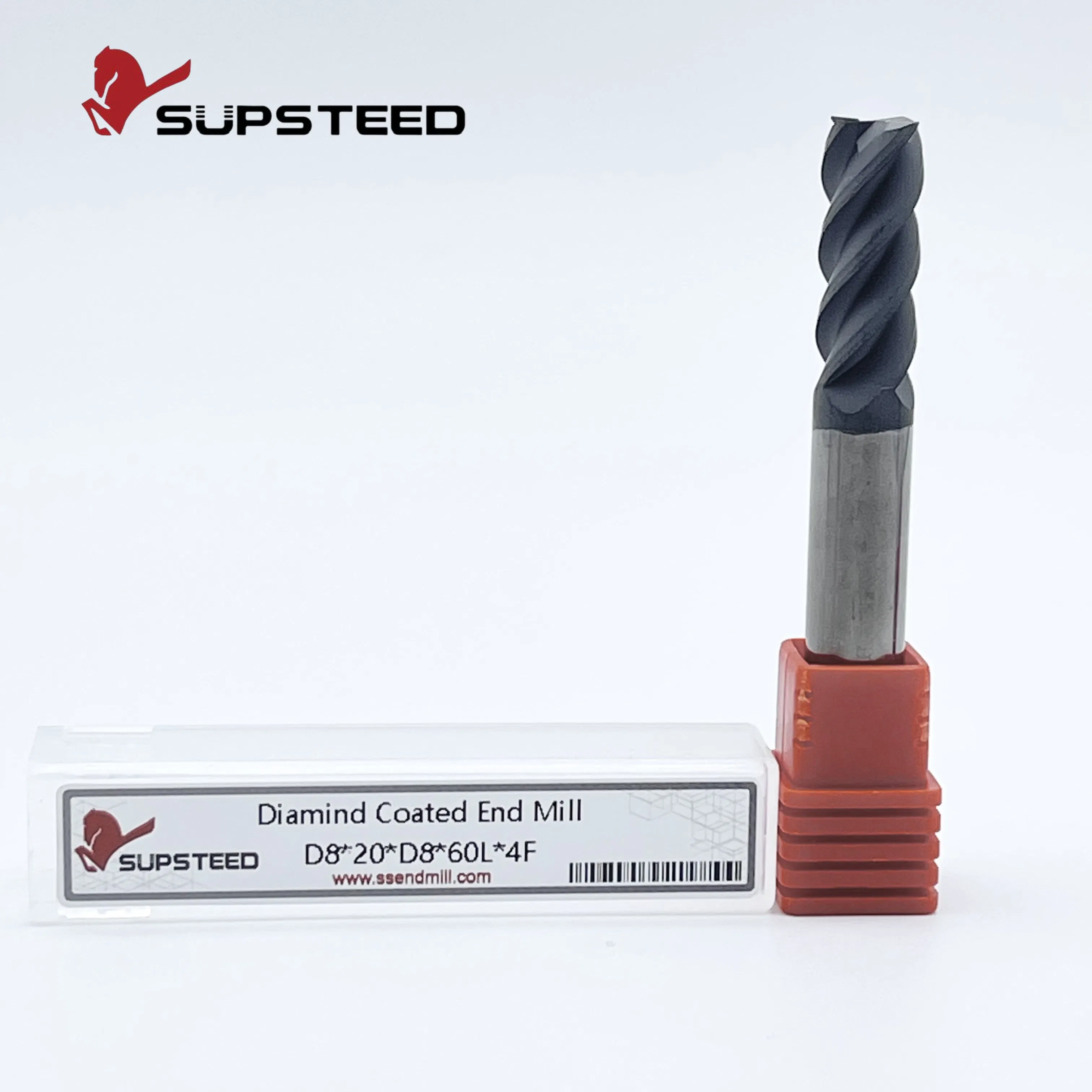
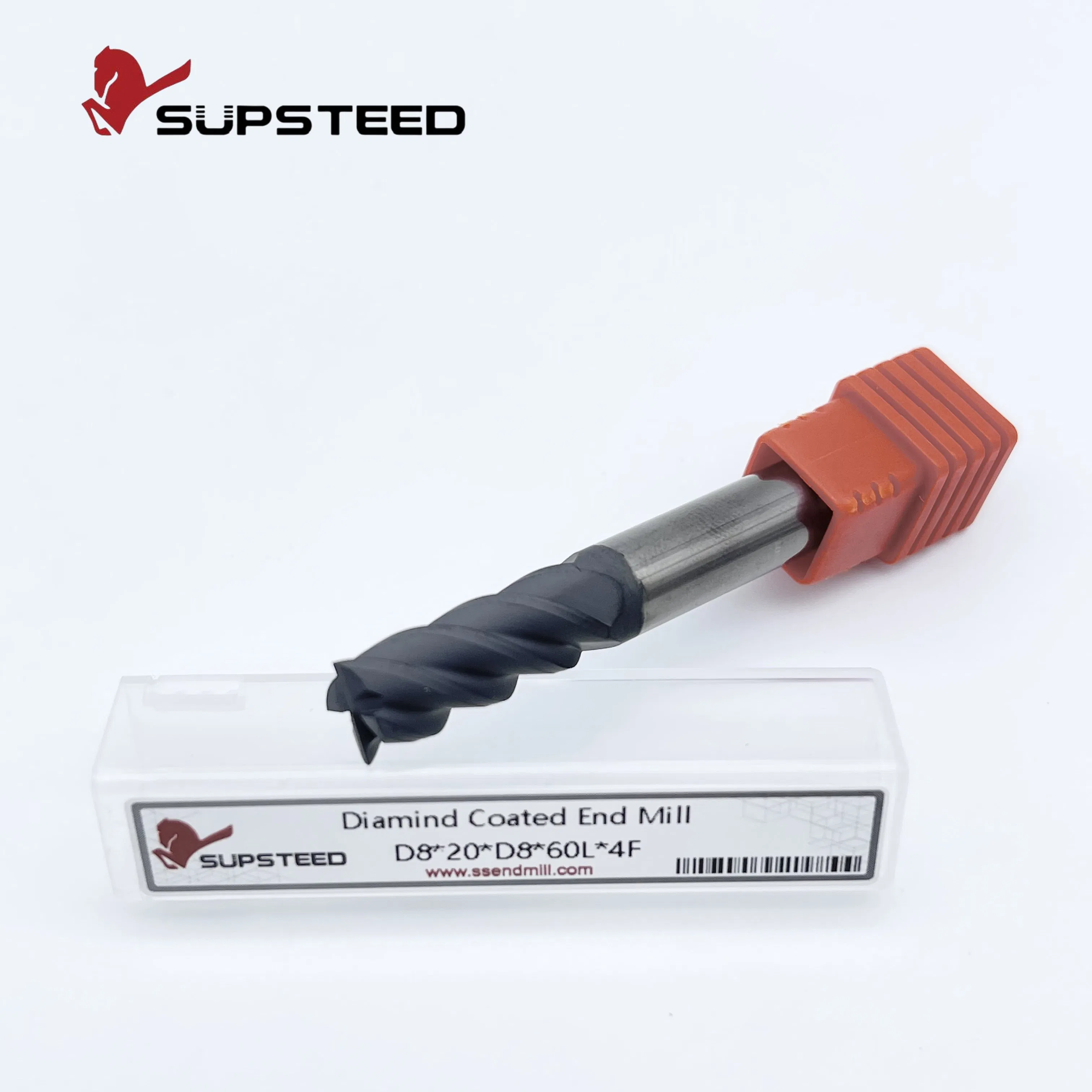
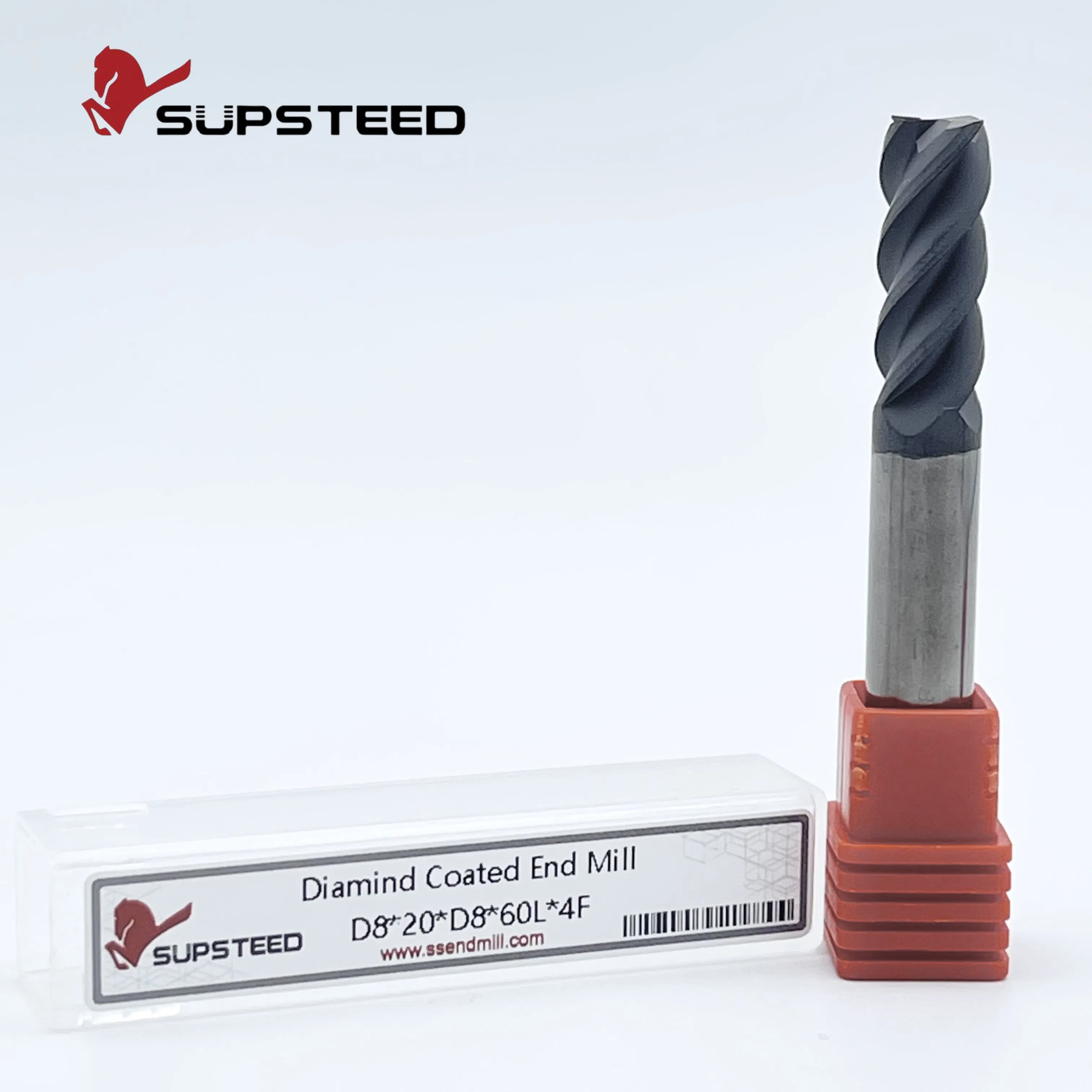
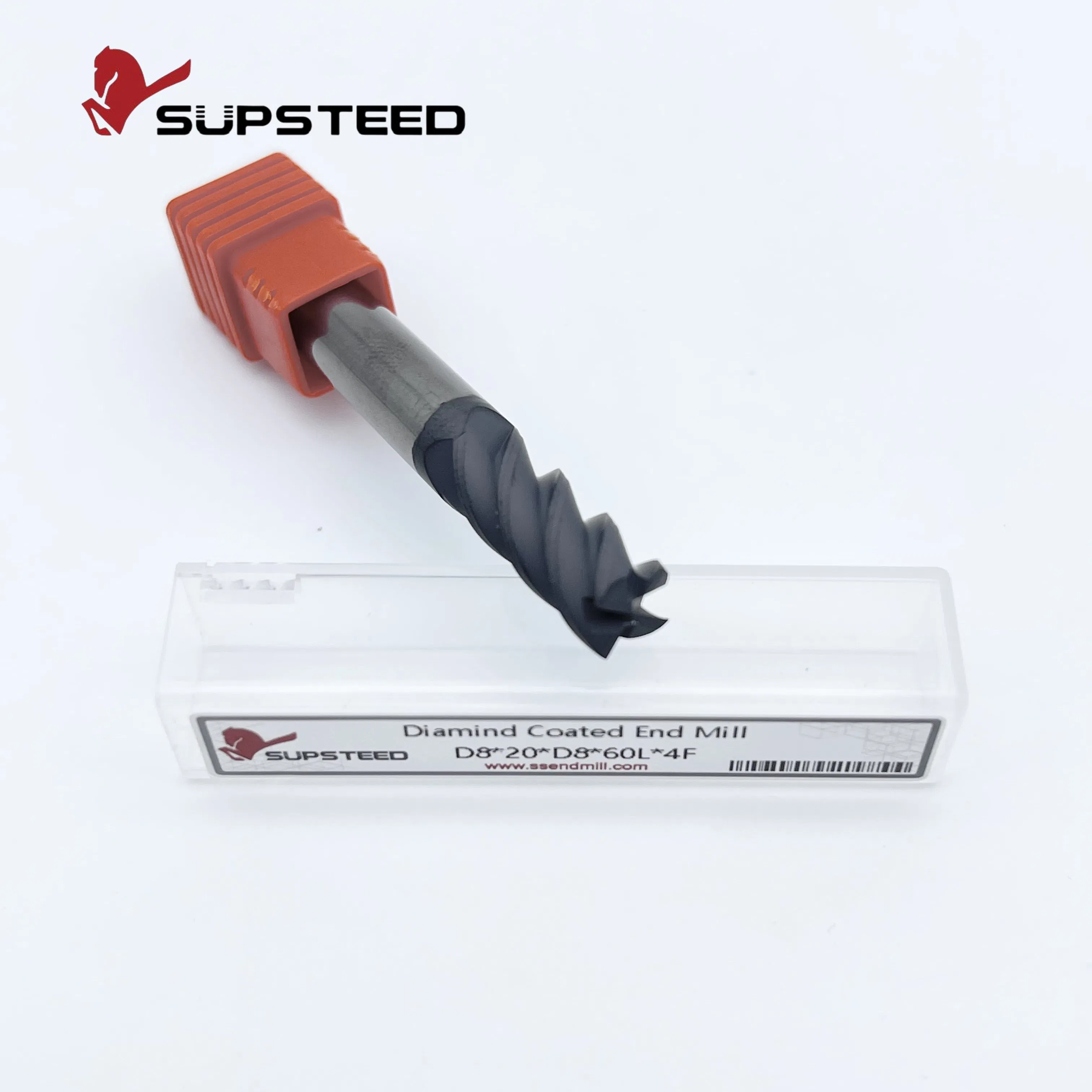
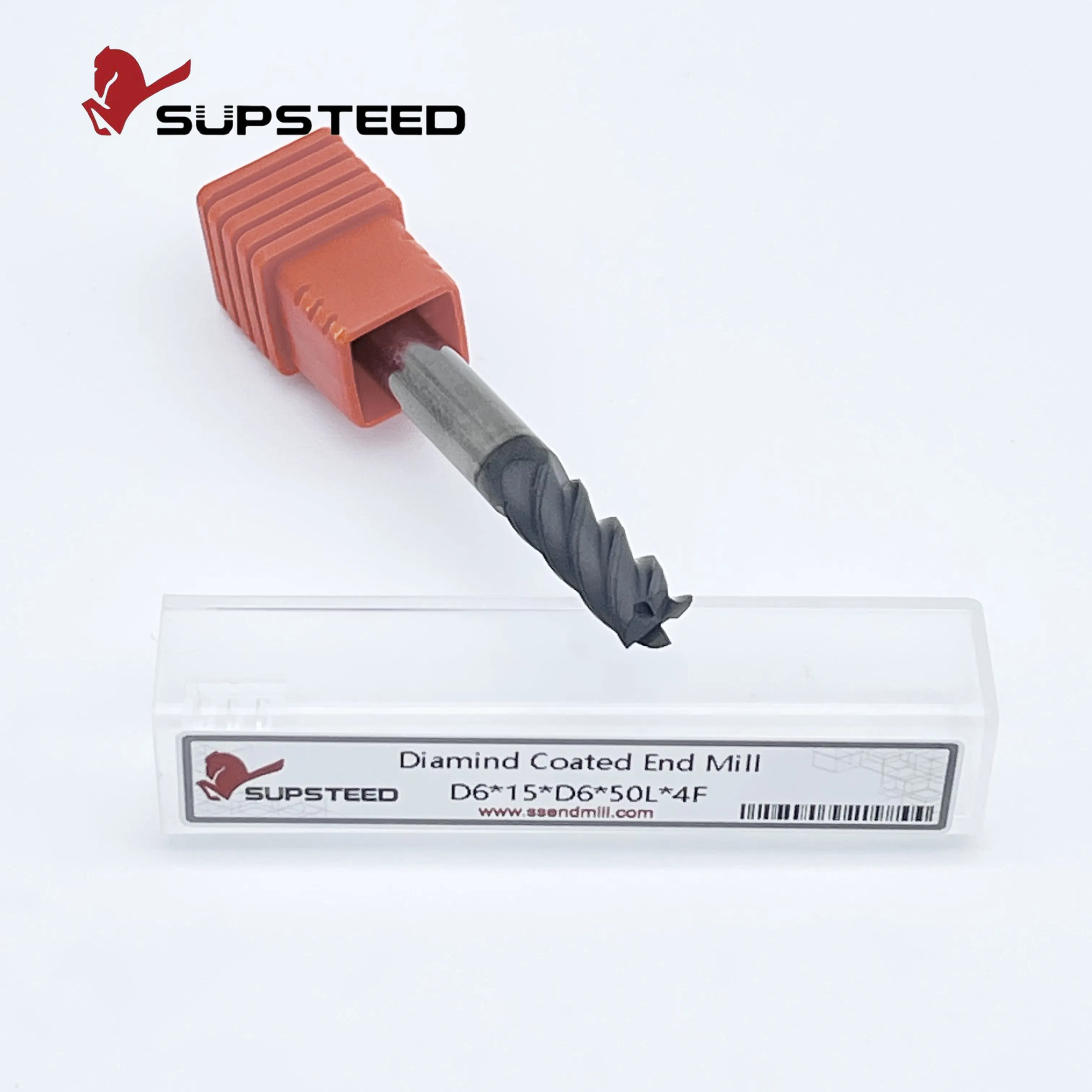
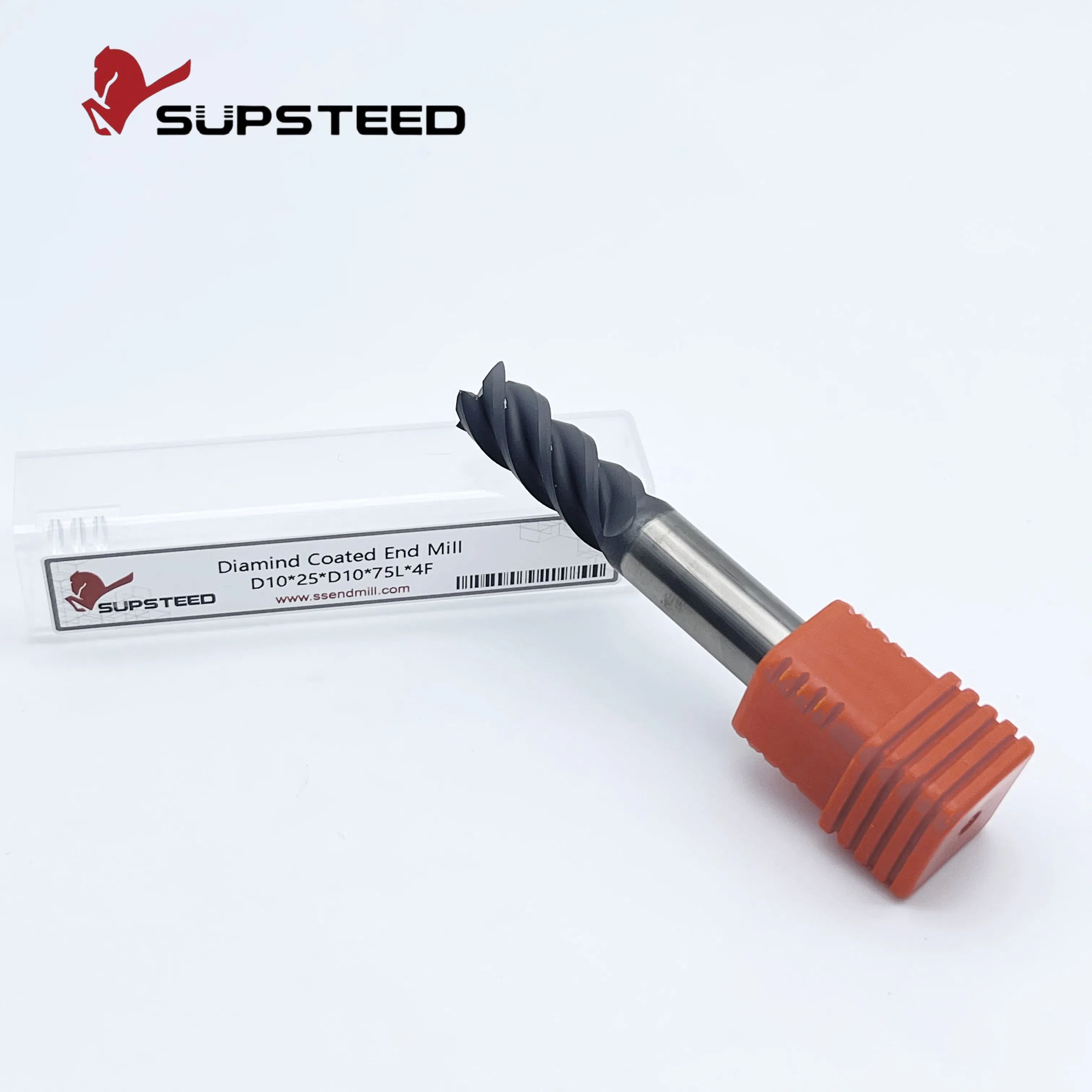
DCE104010100 is what you want for graphite and carbon fiber — that 4-flute spiral geometry clears chips way better than a standard 2-flute, and we've found the 30° helix angle gives good balance between finish and tool life on abrasive stuff like CFRP, though it's not ideal for stainles or anything over HRC 55.
4 flutes means smoother cuts at higher feed rates, basically, and the CVD coating at 8-12μm is thick enough to handle continuous runs on graphite without chipping. Most buyers go with air blast cooling since water-soluble coolant can sometimes cause edge delamination on thinner coatings, but we've had guys run it wet on ceramics with no issues.
It's a 10mm shank with 40mm length, overall 100mm — the honed edge prep helps control chip flow on carbon fiber, which is where a lot of mills just fray the matrial. Tight tolerance at ±0.005mm, so you don't get that annoying step wear pattern after a few parts.
Aerospace shops use these for graphite electrode machining, usually running at 12,000 to 18,000 RPM depending on depth of cut — we see about 300-500 parts per tool on EDM graphite (give or take depending on your feed). One thing nobody asks is that teh coating thickness varies slightly batch to batch, but it's always within that 8-12μm range.
Stock MOQ is 10 pieces for this model, but our company can do a trial order of 5 if you need to test first — lead time is typically 7-10 working days, though we've had some ship in 5 when the coating line is clear. The substrate is ultra-fine grain tungsten carbide at HRC 55, which is actually softer than some competitors but gives better fracture toughness for interrupted cuts.
18,000 max RPM is fine for graphite, but if you're pushing carbon fiber at full depth, you'll want to stay around 14,000 or so to avoid heat buildup — we usually have stock on the standdard size, but confirm lead time for anything custom.
We typically require a minimum order of 10 pieces for stock sizes like this 10mm diameter. If you need less for a sample, we can arrange that, but lead time may be a bit longer.
Each batch ships with a material certificate for the tungsten carbide substrate and a coating thickness report showing the 8-12μm CVD diamond layer. We can also provide a dimensional inspection report for the ±0.005mm precision grade if requested.
It works great with just an air blast to clear dust—no liquid coolant needed for CFRP or graphite. If you do use coolant, stick with water-soluble types and avoid oil-based ones that can gum up the chips.
Each tool comes in a fitted plastic tube with foam inserts to protect the cutting edges and coating. We recommend storing them in a dry, room-temperature environment—moisture can affect the carbide over time.
No, the 40mm is the usable flute length, but for graphite and CFRP, you'll usually want shallower passes—try 0.5-1mm per pass at full width. Deeper cuts risk chip packing or tool deflection, even with the honed edge for chip control.