Account
Inquiry
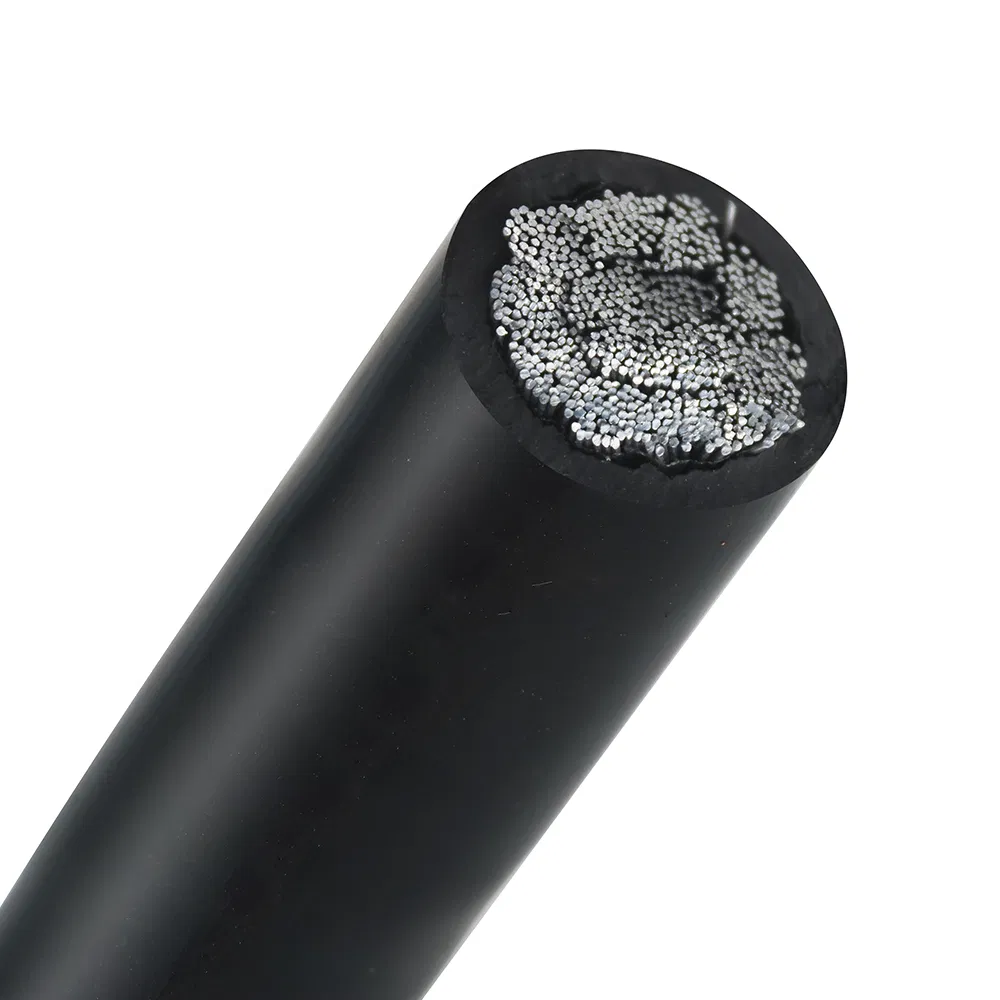
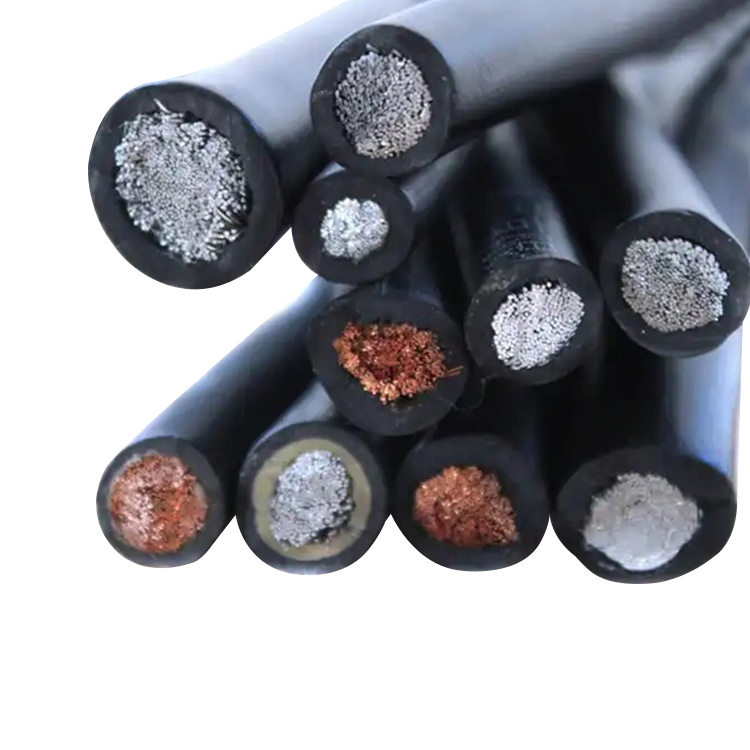
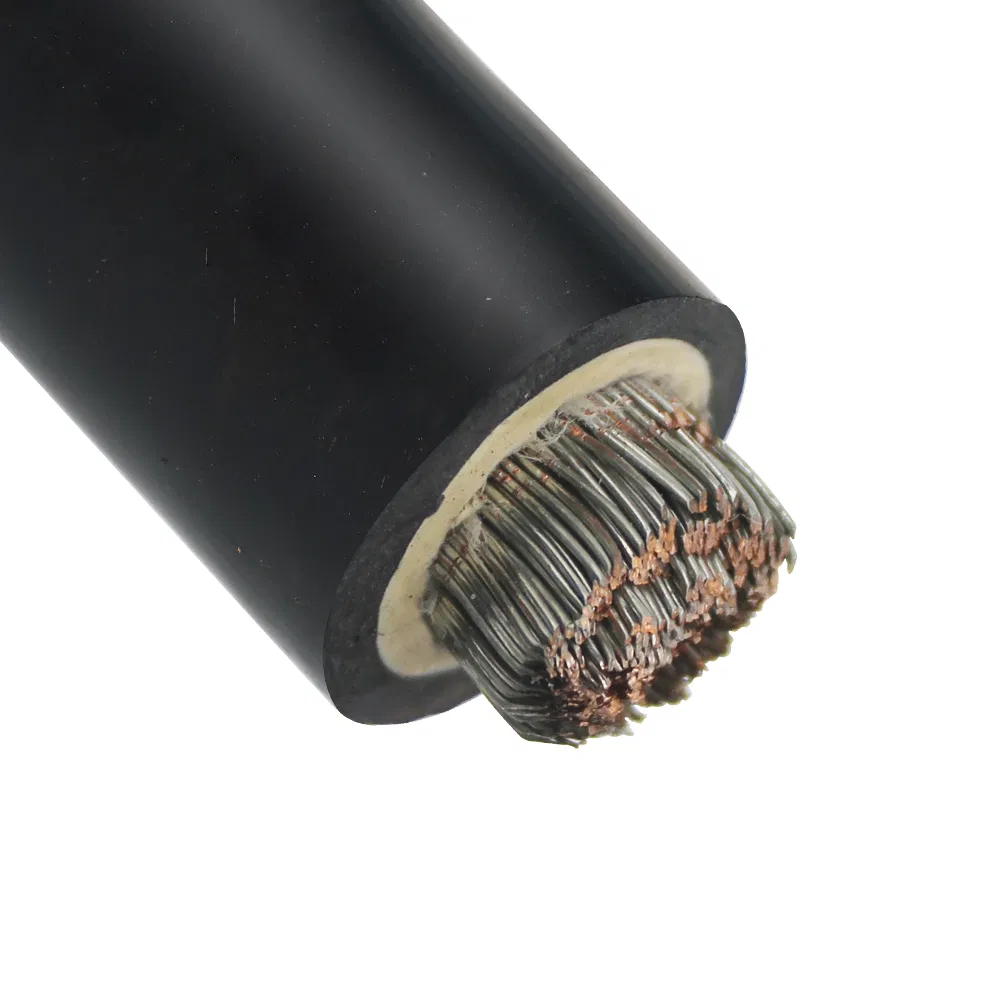
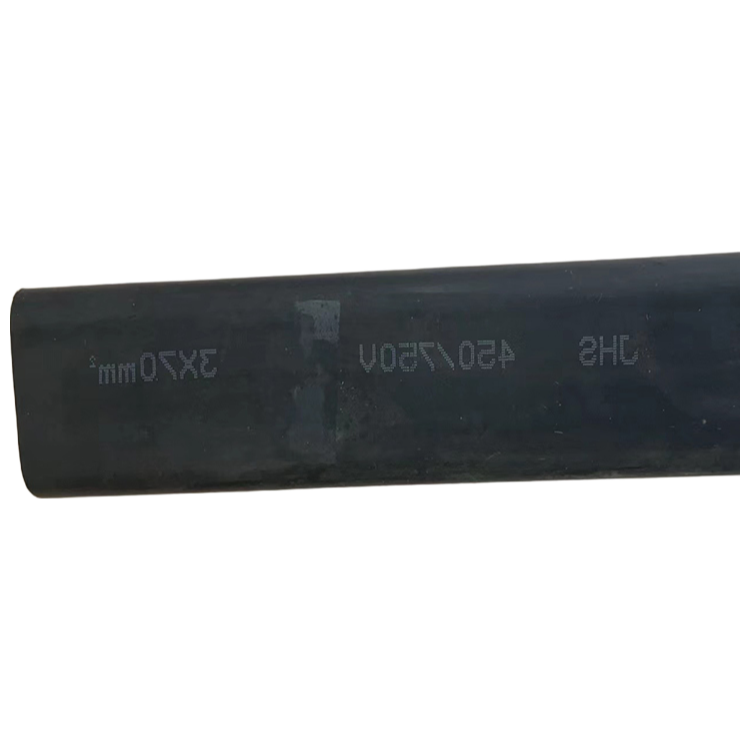
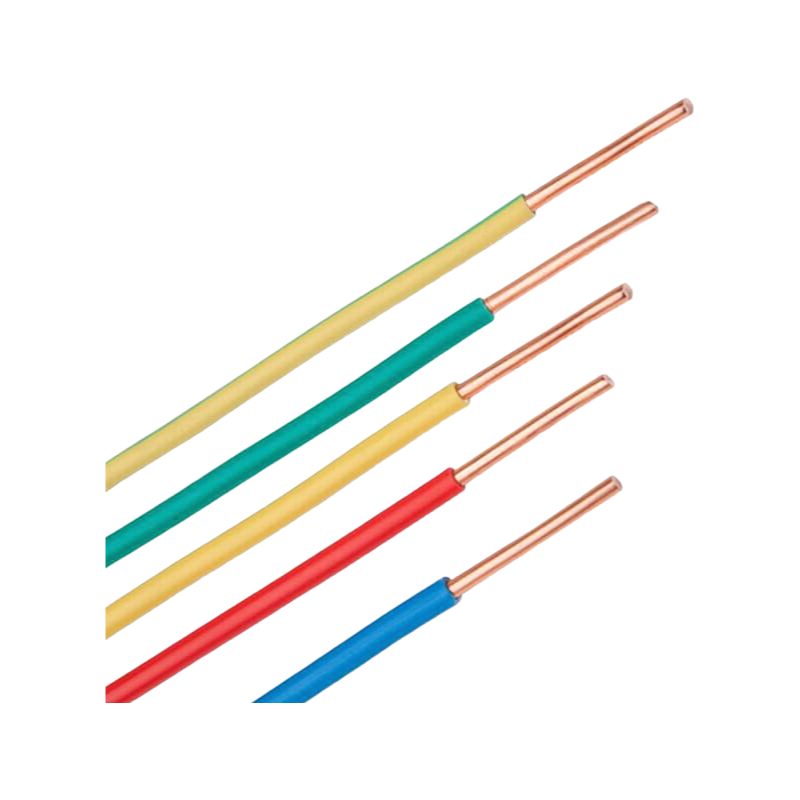
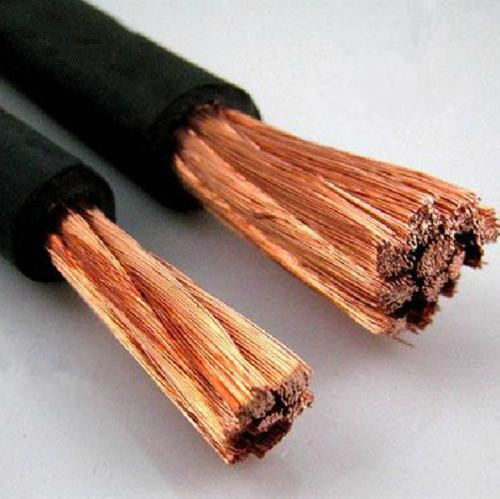
We're actually going with the YH model welding cable for the machine tool line and motor assembly stations, and the main reason is the custom color and size options—our company can get it in orange or custom, and they'll do 4/0 AWG or 70mm² without a minimum that kills us.
The 450/750V rating is fine for our welding machines, and the conductor resistance runs from 0.17 to 1.91 Ω/km depending on size, which is tighter than most generic cables we've tested, and that matters for consistent arc stability at the tool end.
We usually have stock on the common sizes like 2/0 and 50mm², but if you need the 120mm² version, confirm lead time—it's typically 20 days or so, and the 259 to 2146 strand count gives it that flexibility we need for tight cable trays.
For the trust side, they've got ISO, CCC, CE, and VDE certs, and the ASTM/IEC60245 standdard is what we've been using for years anyway, so the compliance paperwork is already locked in with our quality team.
One thing—these cables aren't great for continuous flexing in robotic arms; the rubber insulation (EPDM/CPE sheath) handles -20°C to 90°C fine, but the stranding is more about current capacity than cycle life, so keep that in mind for any moving parts.
Also, the current rating varies form 165 to 496A by size, but we're ordering the 3/0 AWG for the main feed, and the 25mm² for teh smaller tools, and they'll do custom lengths with no upcharge on the cut fee.
The YH cable is ISO, CCC, CE, and VDE certified, meeting ASTM/IEC60245 standards. All certifications are internationally recognized, so you can use them for export without issues.
Yes, we offer custom colors besides the standard red, black, and orange. The MOQ for custom colors is typically 500 meters, but we can discuss it based on your needs.
Lead time for 1000 meters of 4/0 AWG is usually 10-15 working days after order confirmation. If you need it faster, we can prioritize production for an additional fee.
You can choose either pure copper or aluminum alloy. Pure copper gives lower conductor resistance (down to 0.17 Ω/km) and higher current rating (up to 496A), while aluminum alloy is lighter and more cost-effective.
Store it in a cool, dry place away from direct sunlight, ideally at temperatures between -10°C and 40°C. This keeps the rubber and EPDM/CPE sheath in good condition for the rated -20°C to 90°C range.
Upon receiving the order, the shipping speed was unexpectedly quick. The packaging was secure and professional, which ensured the cables arrived in perfect condition without any signs of damage. Unpacking the items, the overall quality appears robust and meets the described standards, with the insulation feeling durable and suitable for industrial environments. The customer service team was responsive and helpful when I had a preliminary inquiry, providing clear information promptly. Ultimately, the transaction was smooth from start to finish, reflecting a reliable supplier for such specialized cables. Using these for our motor manufacturing setup should be straightforward given their certified specifications and noted flexibility. Understanding the importance of reliable components in our operations, this purchase seems promising based on initial impressions of logistics, product integrity, and support.
Excellent experience overall. The shipping was incredibly fast and efficient, arriving well ahead of the estimated delivery date. The packaging was secure and professional, ensuring the cable reels were in perfect condition upon arrival. Regarding quality, the cables appear to be very robust and well-constructed, with insulation that feels durable and suitable for demanding industrial environments. The flexibility mentioned in the description seems accurate based on initial handling. Customer service was responsive and helpful during the order confirmation process, providing clear communication. This combination of prompt logistics, apparent high-quality materials, and good service makes for a very positive procurement experience. I look forward to seeing how they perform in our long-term applications, but the initial impressions regarding delivery and product build are highly favorable.
Hats off to the entire team for a truly seamless experience from start to finish. The logistics were handled with impeccable precision; the cables arrived well ahead of the estimated delivery window, securely packaged and clearly labeled. This promptness was a pleasant surprise and greatly aided our project scheduling. Regarding quality, the cables immediately impressed upon inspection. The construction feels robust and durable, exactly as one would hope for industrial-grade materials specified for demanding environments like machine tools and motor manufacturing. The flexibility mentioned is certainly evident, which will facilitate much easier installation in our complex machinery layouts. The service aspect was equally commendable. Any preliminary inquiries were addressed promptly and professionally, with clear, knowledgeable communication. There were no complications with the order process, and everything proceeded smoothly. Overall, this was a highly satisfactory procurement. The combination of efficient logistics, apparent high quality, and responsive service makes this supplier a reliable partner for critical industrial components. We are confident in the product's performance based on its initial presentation and the professionalism exhibited throughout the transaction.
I am thoroughly impressed with the overall experience. The logistics were handled exceptionally well; the package arrived ahead of the estimated schedule and was in perfect condition upon delivery. This promptness and care in shipping are highly commendable and set a positive tone from the start. Regarding quality, the cables appear to be robust and well-manufactured, exactly as described and suitable for demanding industrial environments. The materials feel durable, and the construction seems precise, which instills confidence in their performance and longevity. As for customer service, the support team was responsive and professional, providing clear communication throughout the order process. Any preliminary inquiries were addressed promptly and courteously. This combination of efficient logistics, apparent high quality, and excellent service makes for a very satisfactory purchasing experience. I would certainly consider ordering from this supplier again for future needs, based on this positive interaction.
Yikes, the delivery was surprisingly fast! I placed the order with some hesitation, expecting the usual delays, but the package arrived well ahead of schedule. The courier service was efficient and the tracking updates were precise and timely. Regarding the product itself, the build quality seems robust and the materials feel durable, exactly as described. The insulation appears thick and resilient, which is crucial for our industrial environment. As for customer service, the few inquiries I had were addressed promptly and professionally. The support team was knowledgeable and courteous, making the post-purchase experience smooth. Overall, a very satisfactory transaction from start to finish. The combination of prompt logistics, apparent high quality, and responsive service makes this a vendor worth considering for future needs. While I haven't put the cables through their paces in the field yet, the initial inspection and the service aspects have certainly met, if not exceeded, my expectations for such a purchase. It's a relief to find a supplier that delivers on these fundamental aspects without complication.
Yikes, the delivery was incredibly fast and well-handled, arriving much sooner than expected with secure packaging that protected the items perfectly. The quality of the cables appears top-notch, with sturdy materials and excellent craftsmanship that give me confidence in their durability for industrial use. Customer service was outstanding too; the team responded promptly to my inquiries and provided helpful assistance throughout the process. Overall, a very satisfying experience from start to finish.
Excellent delivery speed and reliable packaging ensured the cables arrived in perfect condition without any delays. The quality of the materials feels robust and durable, meeting high standards for industrial use. Customer service was responsive and helpful, promptly addressing my inquiries with clear communication. Overall, a smooth and satisfactory experience from start to finish.
Zippy delivery made this purchase a breeze! The cables arrived much faster than anticipated, which was a pleasant surprise. Quality-wise, everything appears top-notch and durable, exactly as described. Customer service was responsive and helpful when I had a quick question. Overall, a smooth and satisfying transaction that I'd happily repeat.
Wrapping up my thoughts on this purchase, I must highlight the exceptional delivery speed; the cables arrived much sooner than anticipated, which was a pleasant surprise. The quality appears robust and durable, suitable for demanding industrial environments without any visible defects. Customer service was responsive and helpful, promptly addressing my inquiries with clear communication. Overall, a smooth and satisfactory experience that I'd recommend to others.
Hands down, the shipping was incredibly fast and reliable; my order arrived ahead of schedule without any delays or damages. The packaging was secure and professional, ensuring everything was in perfect condition upon arrival. Regarding quality, the materials feel durable and well-made, meeting high standards that I expected for industrial use. The customer service team was exceptionally helpful and responsive, promptly addressing my inquiries with clear and friendly communication. Overall, I'm thoroughly impressed with the entire experience and would highly recommend this to others.