Account
Inquiry
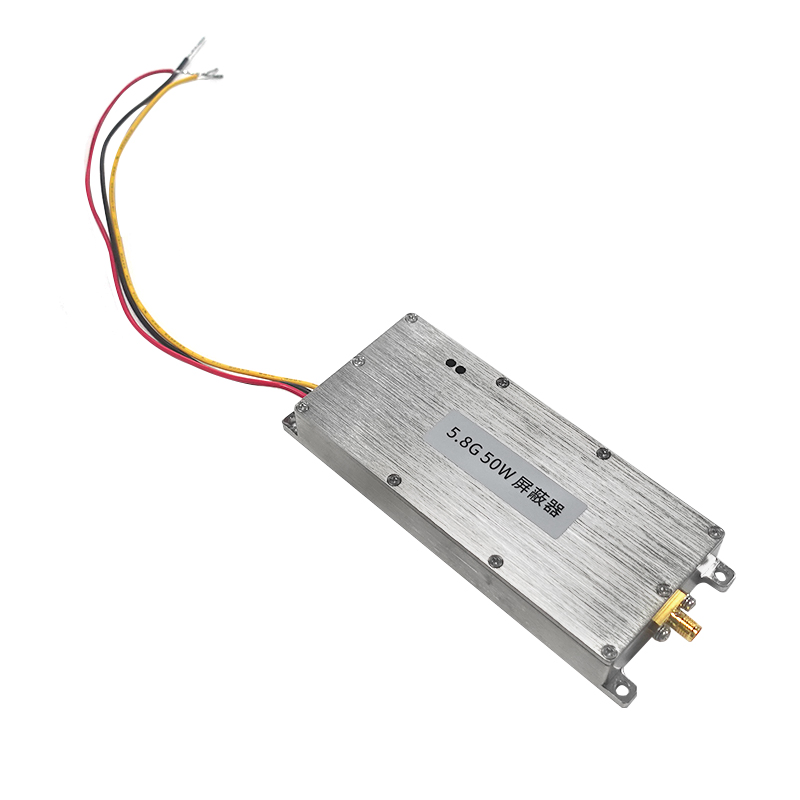
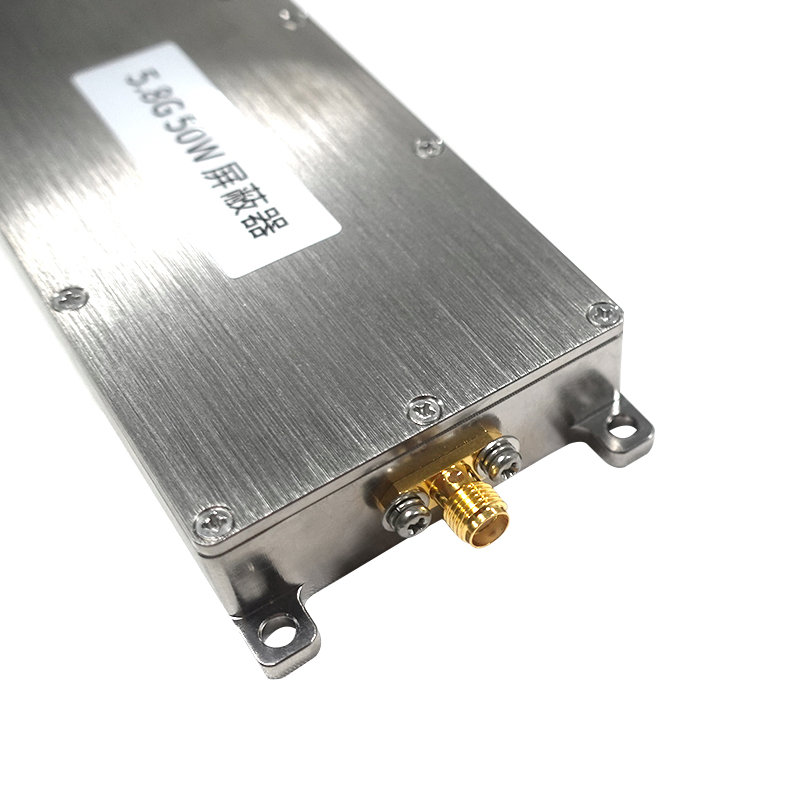
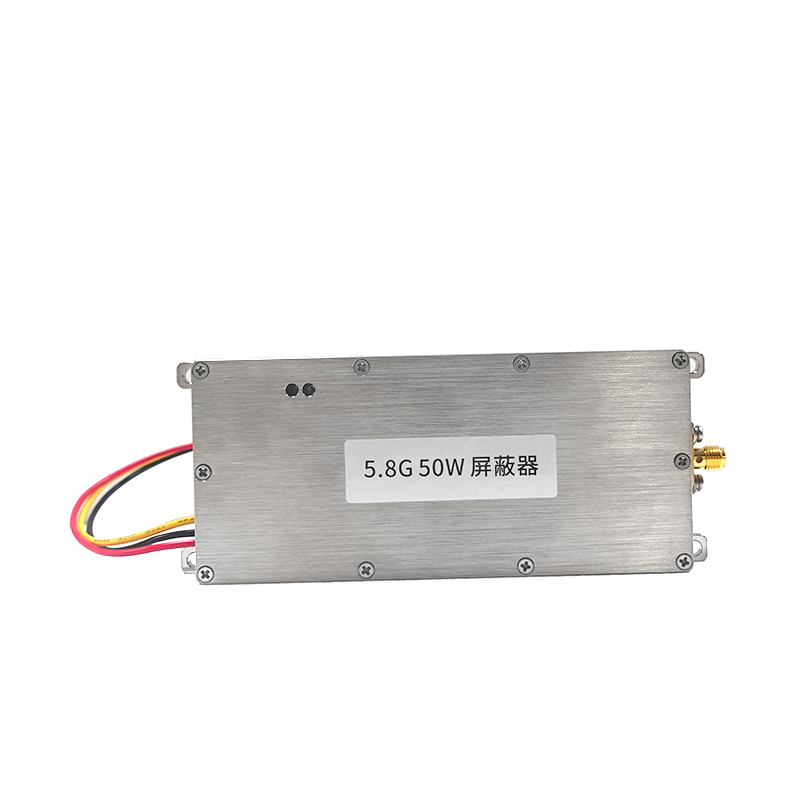
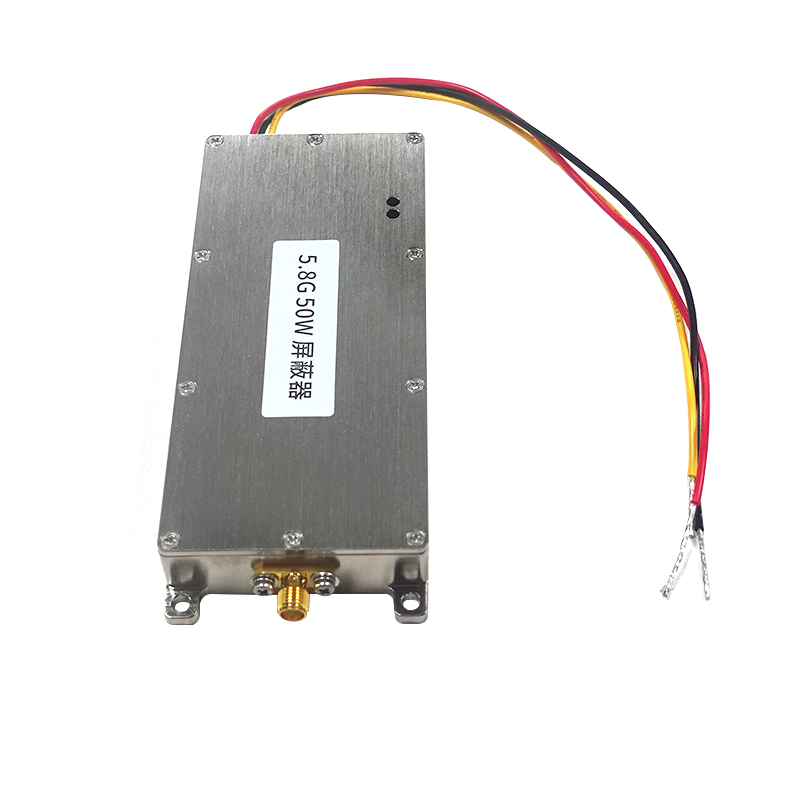
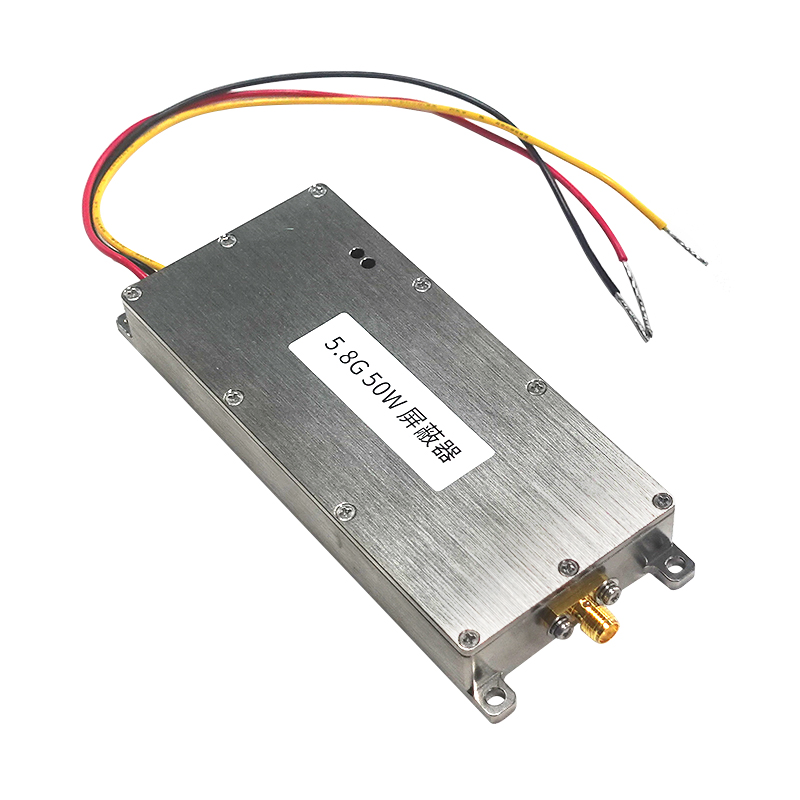
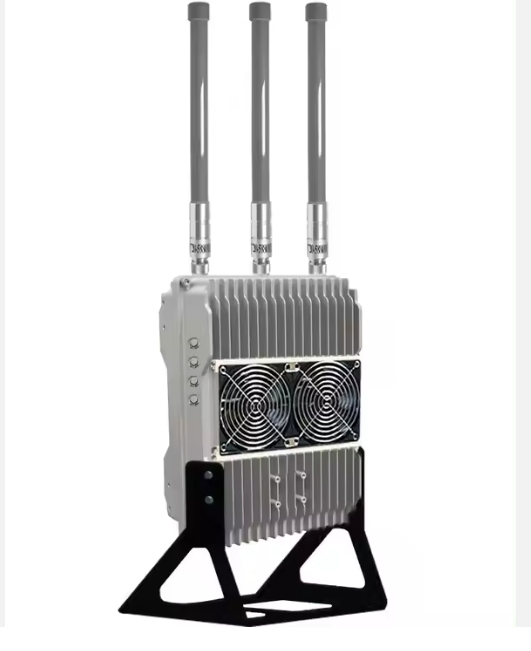
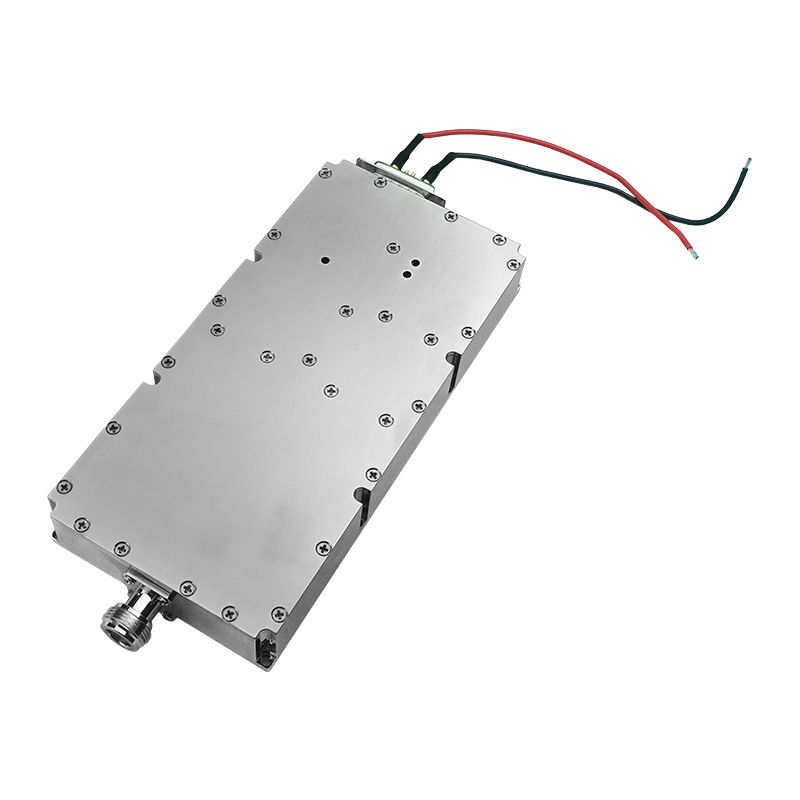
So you're putting together a UAV defense setup and need something that can actually knock down those 5.2GHz and 5.8GHz bands—most guys we talk to are working on stationary or vehicle-mounted systems, not handheld stuff. We've seen a lot of modules claim high power but then struggle with thermal management, so the 40% efficiency rating here is pretty much teh real-world number that keeps it running without cooking itself. The 50W output is what it does, but what matters more is that 47dBm gain at the antenna port—that's roughly 50 watts ERP, give or take a few dB depending on your cable loss.
It handles a voltage input of 28 to 32V DC, so you'll need a decent power supply—most buyers go with a regulated 30V unit to stay in the sweet spot. The frequency range is 5.7 to 5.9GHz in practice, though the operating frequencies are specifically 5.2GHz and 5.8GHz (some batches may have a slightly wider sweep, but we usually recommend sticking to those two for reliable lock-on). Anyway, you'll want to test it with a spectrum analyzer first; a lot of folks skip that step and then wonder why their jamming pattern has dead zones.
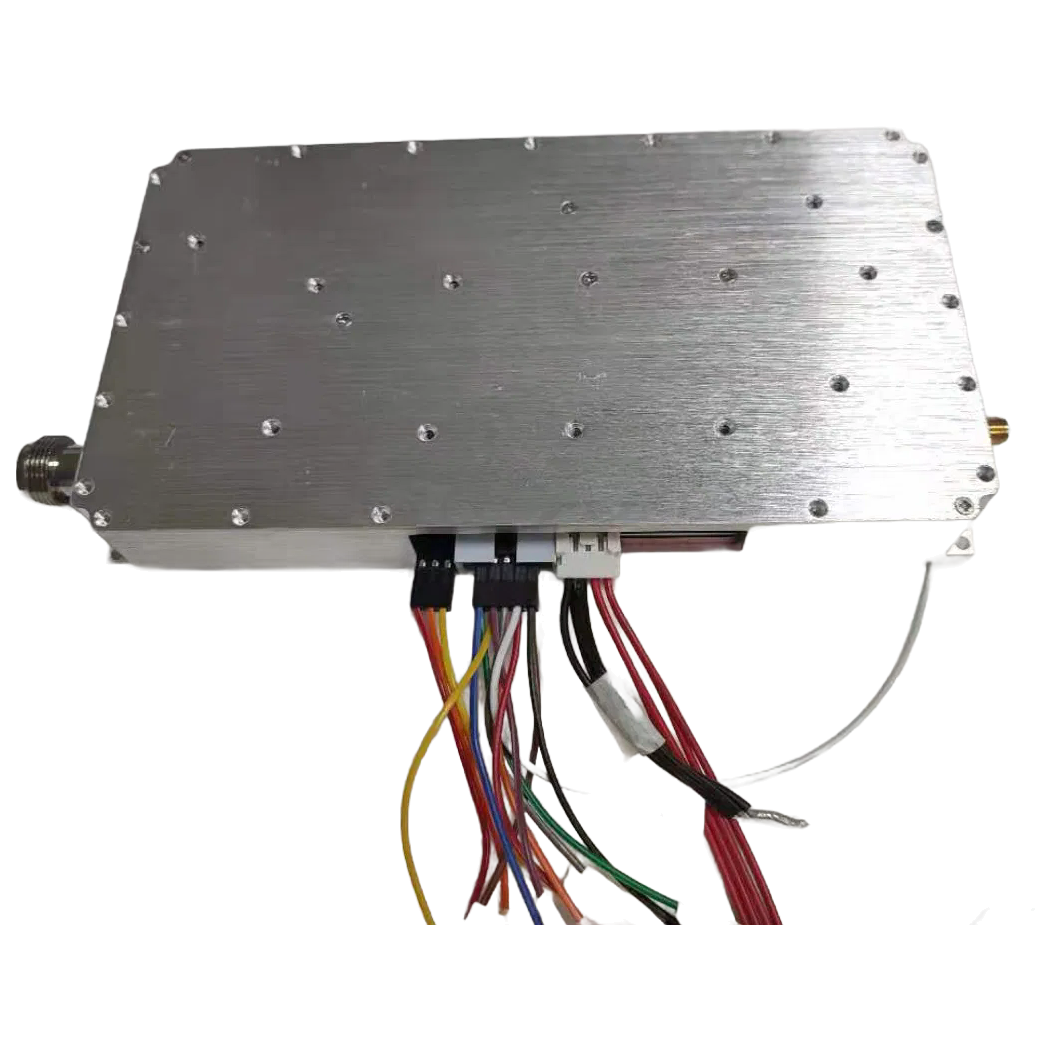
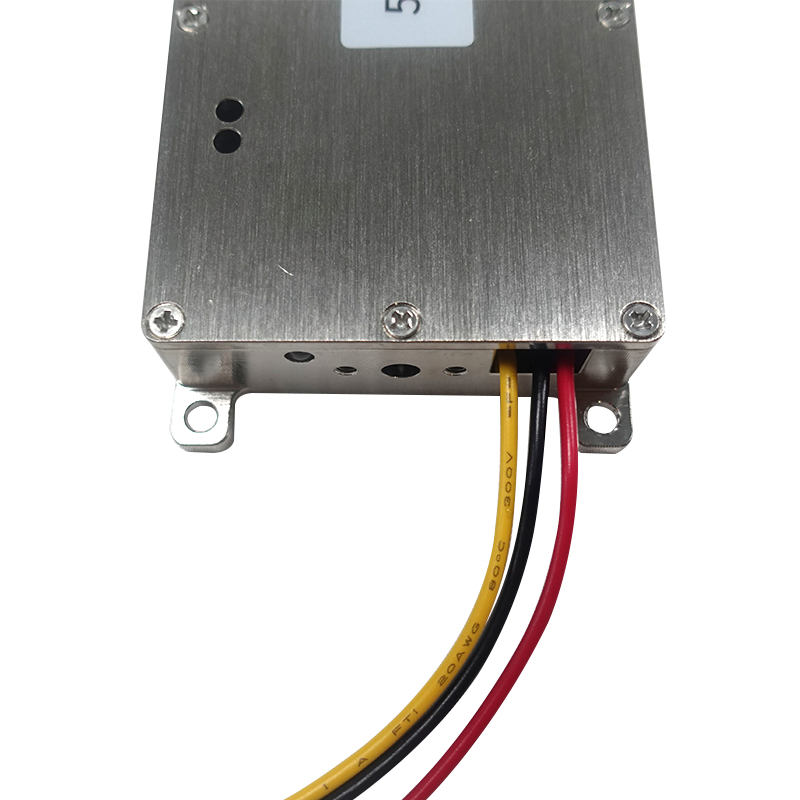
One thing we don't always mention upfront is that this module has two adjustable control ports, which lets you vary the output—perfect for when you need to reduce power to avoid interfering with your own comms gear. It's not suited for continuous full-power operation in a cramped enclosure; the -40°C to 60°C temperature range is fine for outdoor use, but you'll need heat sinking if you're pushing it hard for more than 20 minutes or so.
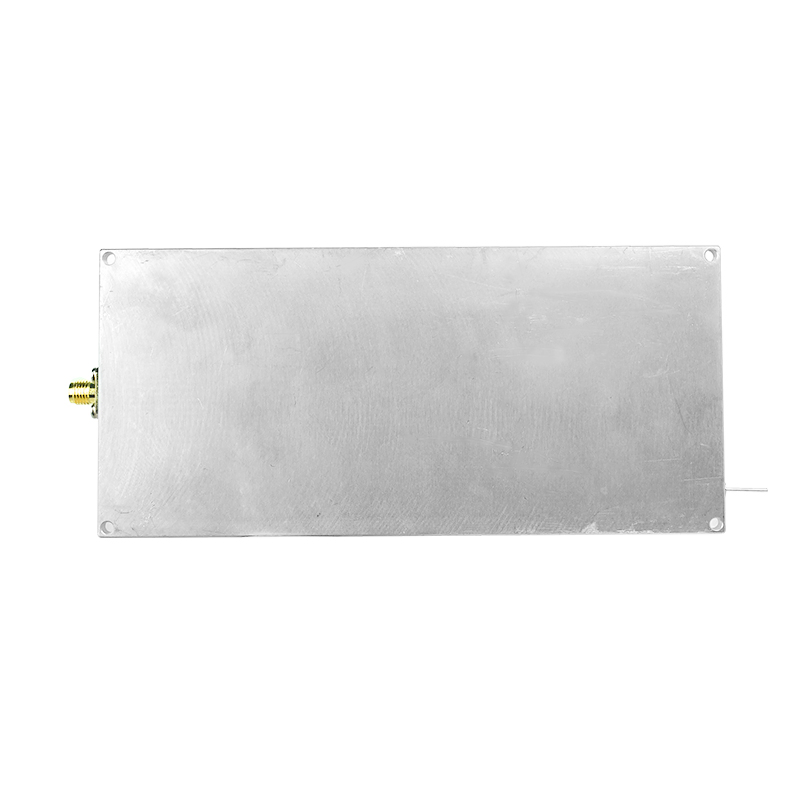
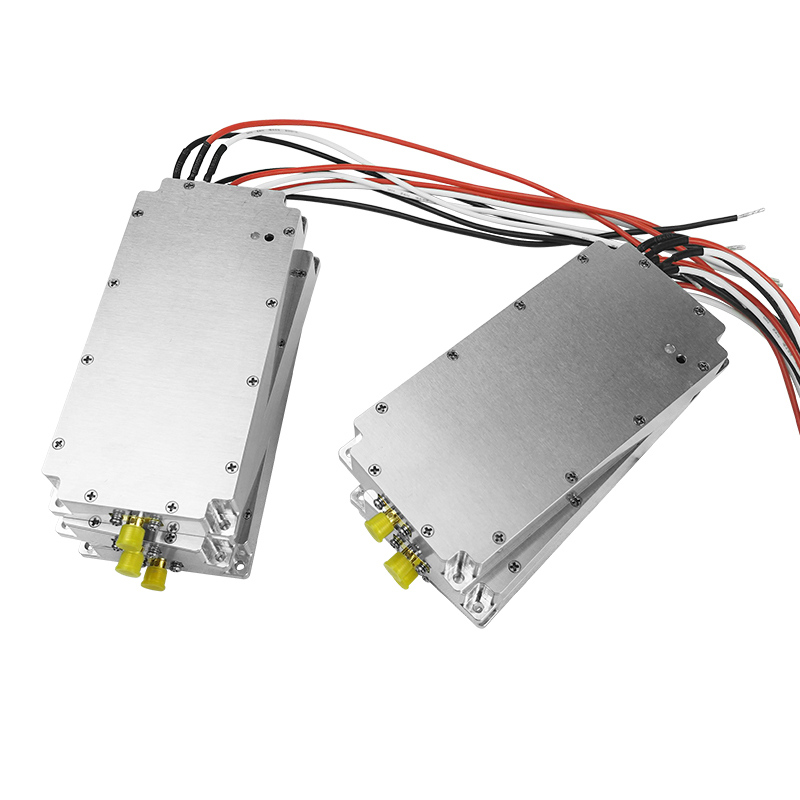
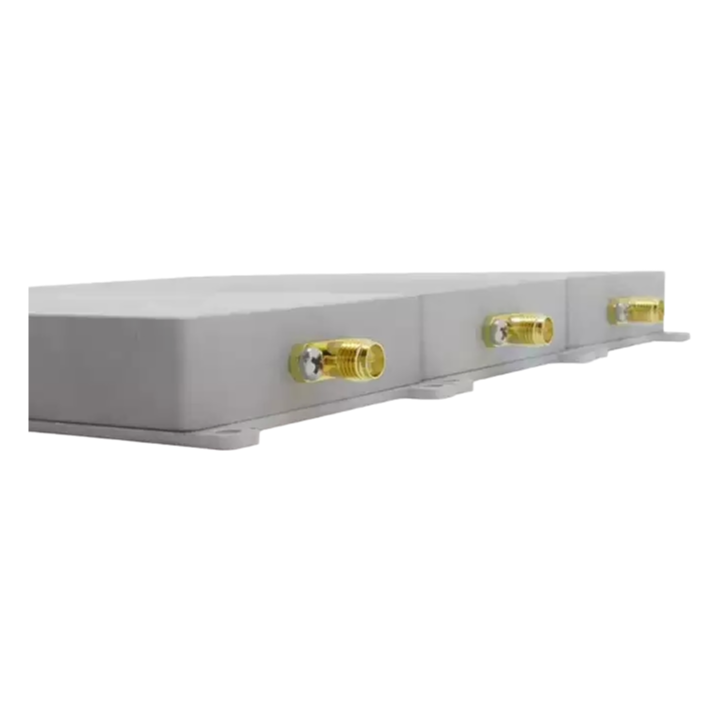
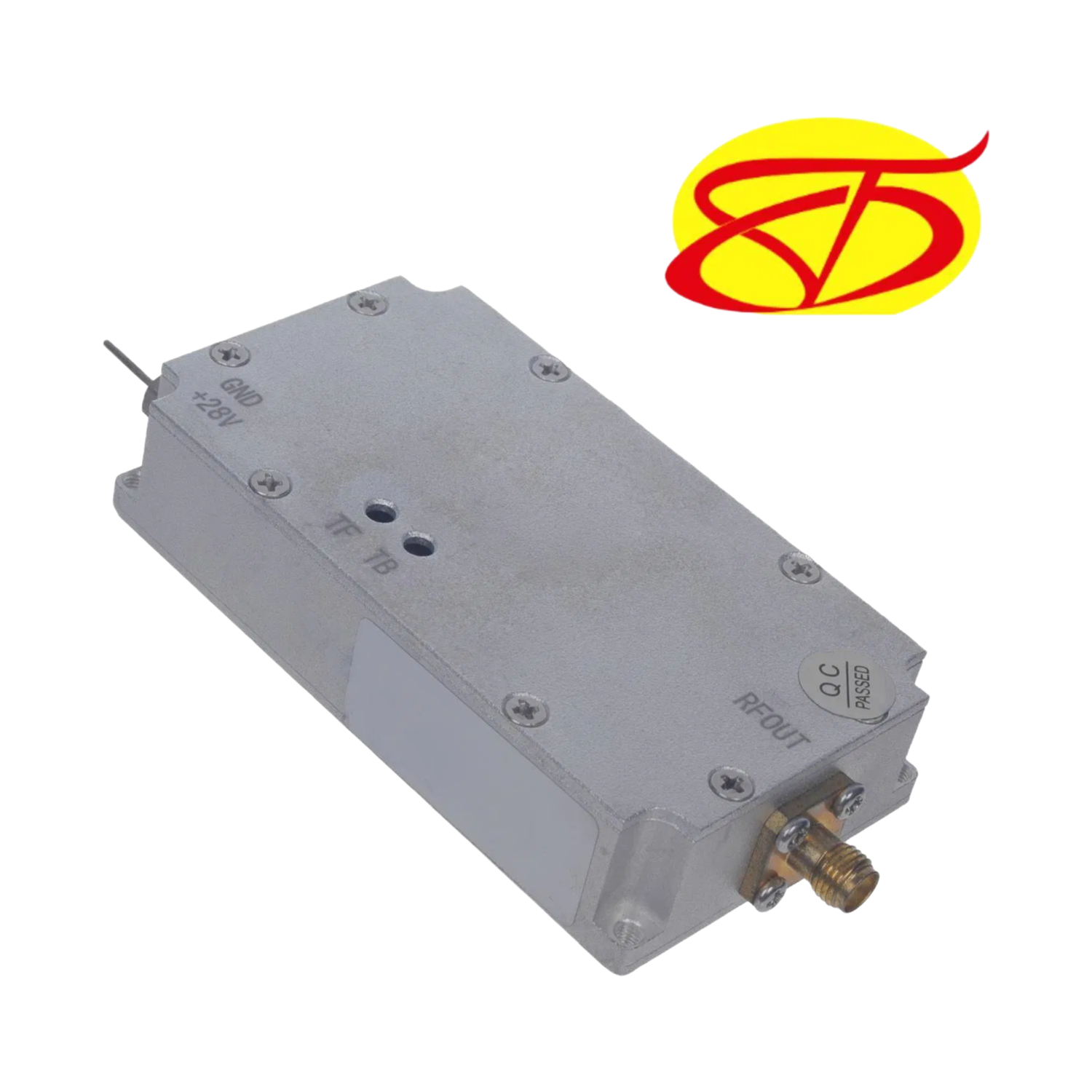
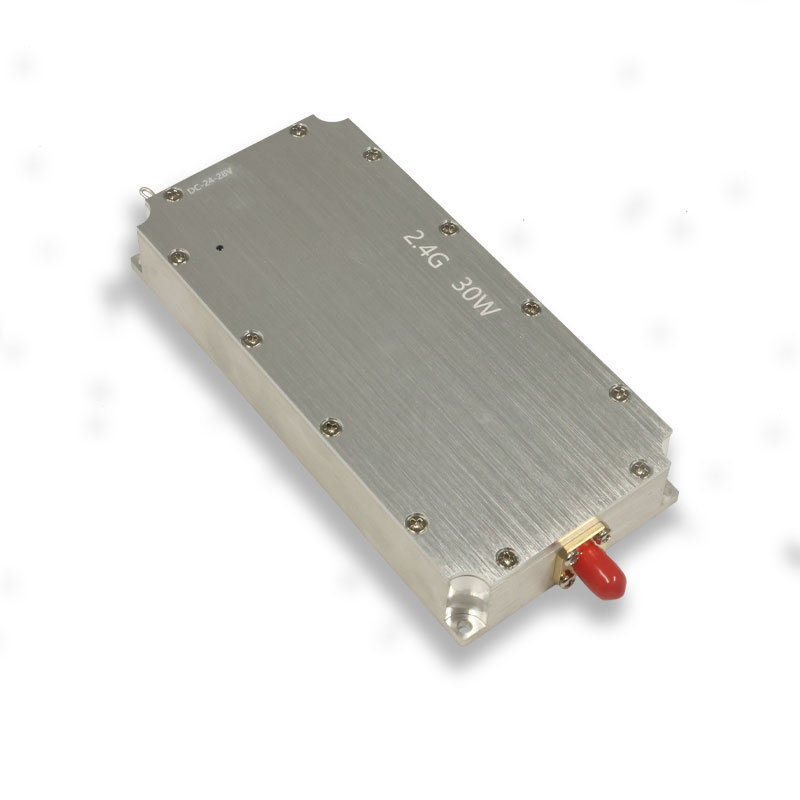
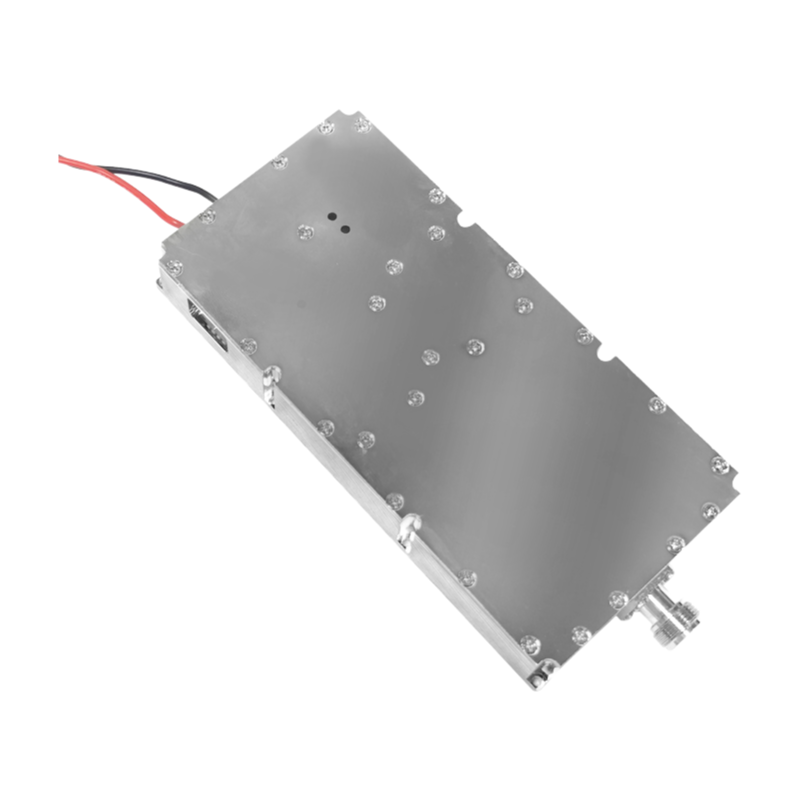
Dimensions are 132×53×16mm and it weighs 280g—smaller than a typical brick, but not so tiny that you can't bolt it onto a standdard mount. The efficiency being 40% means about 125W of heat dissipation at full tilt, so we always suggest a small fan or aluminum heatsink in the design spec. Also, tighten those SMA connectors carefully—handling a few of these over the years, we've seen loose RF connections cause impedance mismatches that kill the gain before you notice anything wrong.
When you order, you'll get the module itself with the two control ports wired, a basic datasheet, and a COA form our HPLC checkout showing power output at 28V and 32V across the 5.7-5.9GHz sweep. Lead time is usually 2-3 weeks, but check with us if you need it faster—we sometimes have a dozen units or so already tested and ready to ship.
Sample orders typically ship within 5-7 business days after payment confirmation, depending on your location and shipping method.
Yes, our standard MOQ is 10 units per model, but we can negotiate smaller quantities for first-time buyers or evaluation purposes.
We provide CE and FCC compliance documents, along with a full test report for output power and frequency accuracy. RoHS certification is also available on request.
The module is factory-tuned for 5.2GHz and 5.8GHz bands, but we can adjust the frequency range within 5.7-5.9GHz for custom orders with a minimum quantity of 50 units.
Store it between -40°C and 60°C in a dry, anti-static environment. We ship each module in an individual ESD-safe bag with foam padding to protect the 132×53×16mm casing.