Account
Inquiry
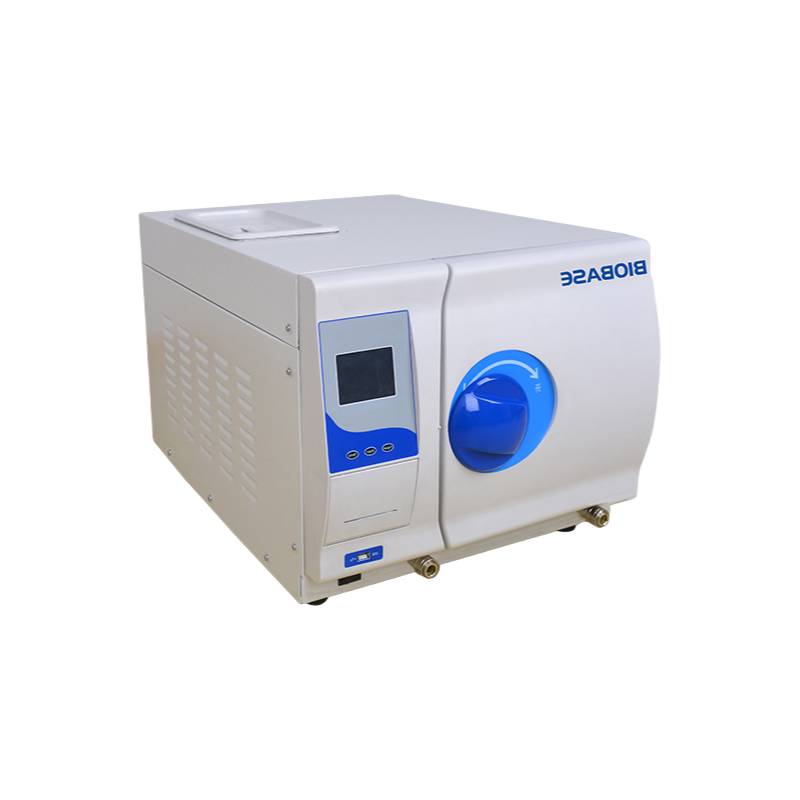
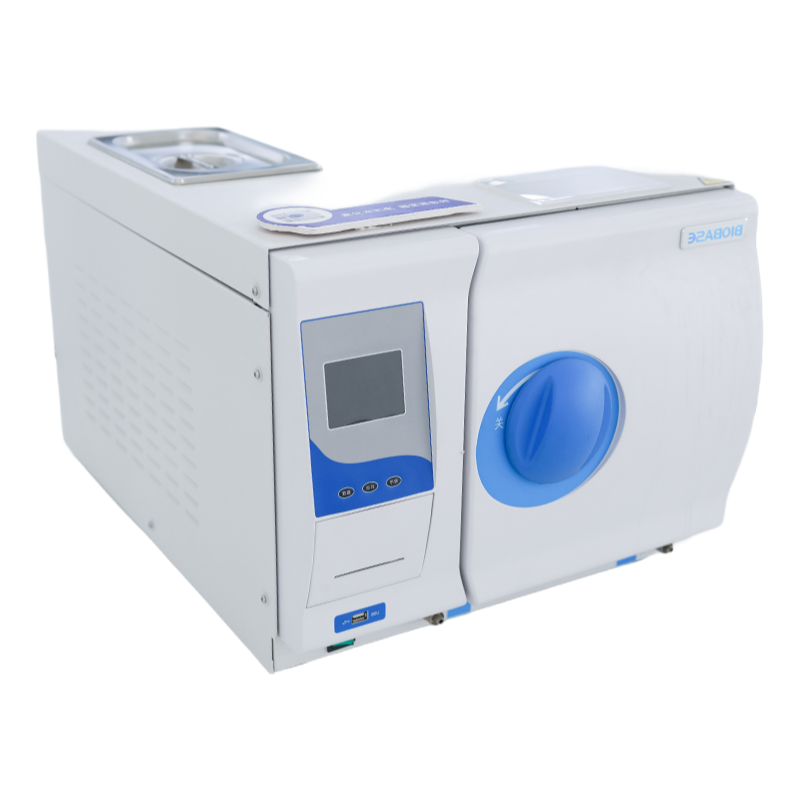
For sample orders, we're looking at roughly $1,800 per unit, mid-tier runs around $1,500, and bulk buys—50 units or so—drop to about $1,250 each, and that's where the real cost-effectiveness kicks in for larger clinics or hospital chains.
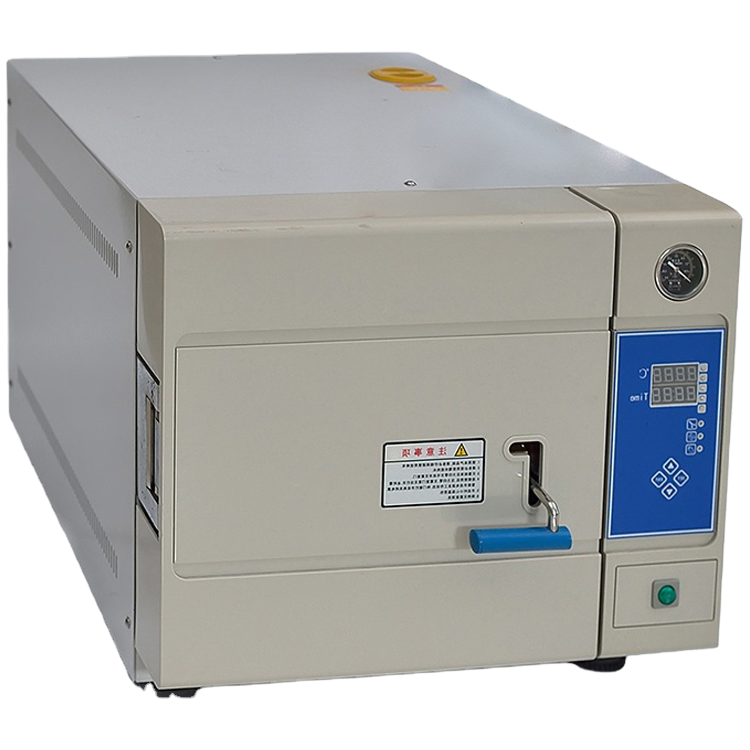
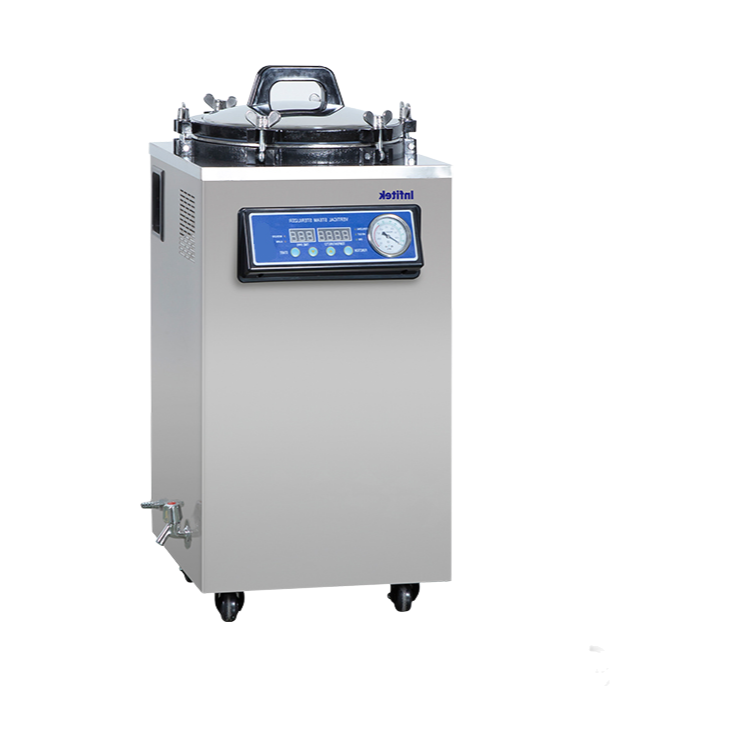
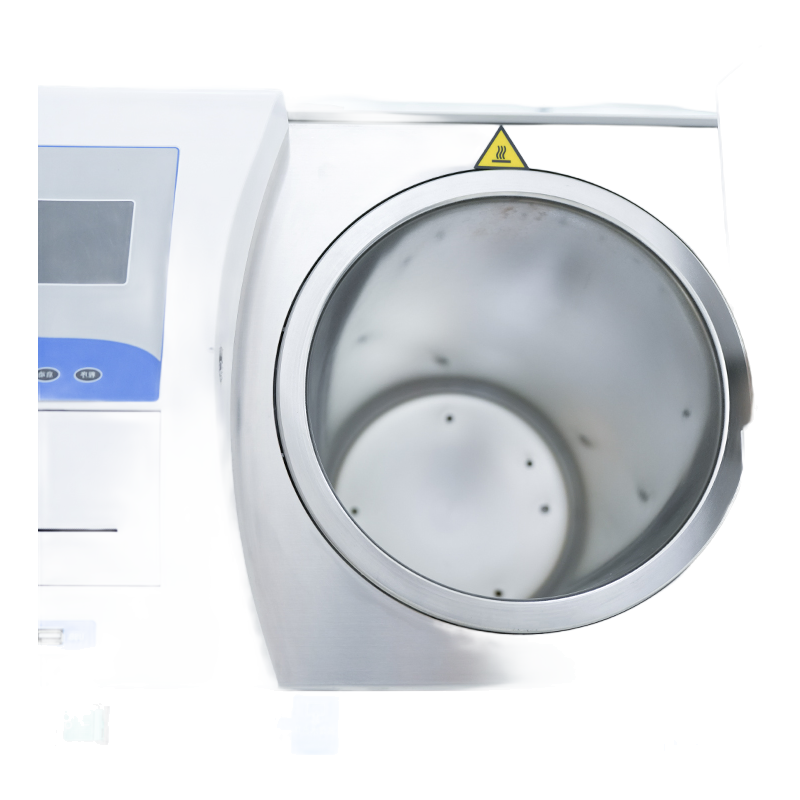
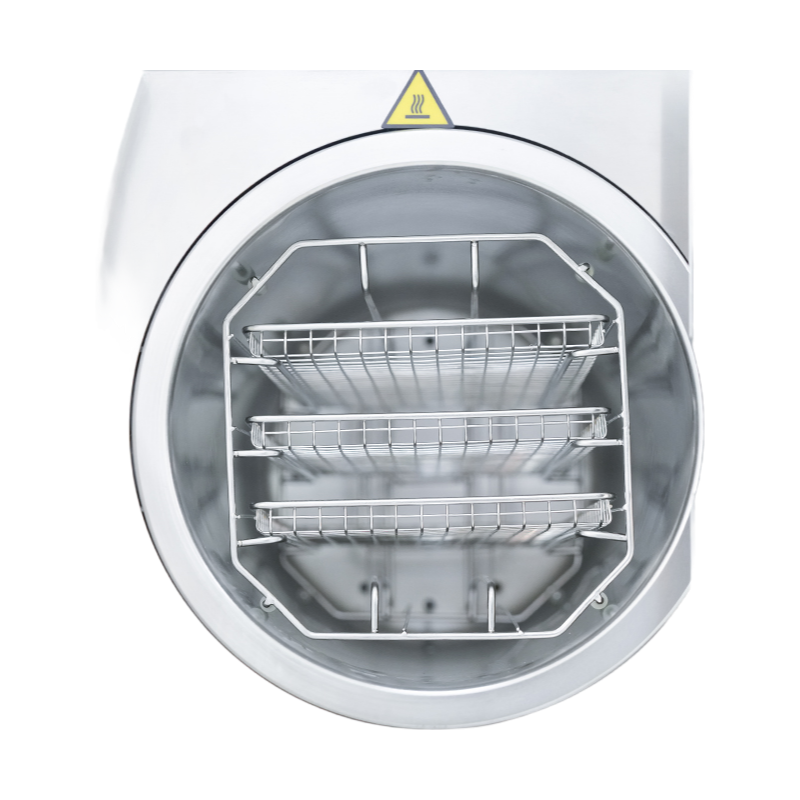
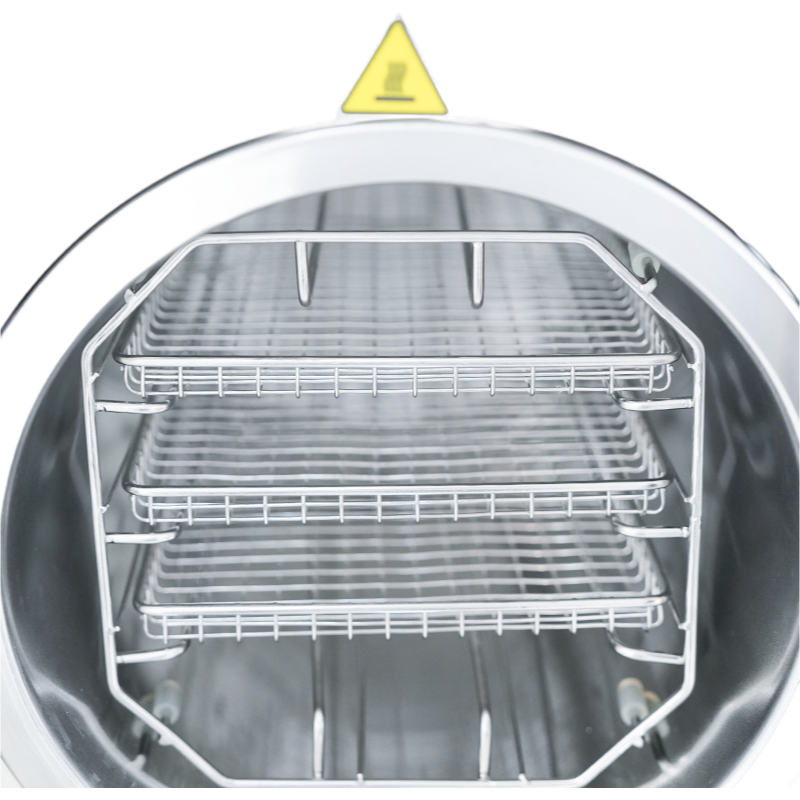
The 23L chamber is 304 stainlss steel, which basically handles repeated 134°C cycles without corroding, and vacuum drying system pulls moisture out faster than gravity-based units—most buyers go with the USB data export for compliance, though the optional printer adds about $200 per machine.
It's not suited for high-throughput labs running 50+ cycles a day; the 4L water tank needs refilling every few runs, and the 65kg weight means you'll want it on a sturdy cart if moving between rooms.
Noise stays under 50dB, so it won't disrupt a small office, and the HEPA filter (0.22μm) catches airborne contaminants before they hit the chamber—one detail we've seen buyers miss is teh 1950W power draw, which can trip older circuits if not accounted for.
Anyway, the HIV/HBV long-sterilization program is a nice add-on for clinics that handle biohazards, but the standdard 121°C/134°C cycles cover most wrapped instruments and fabrics just fine.
Our standard MOQ is 10 units per model, but we can discuss smaller trial orders depending on your market needs.
We provide CE and ISO 13485 certification, plus test reports for the 304 stainless steel chamber and HEPA filter. Full documentation is included with each shipment.
Yes, the USB port lets you export cycle data directly to a flash drive as a CSV file. The printer is only needed if you want paper printouts on the spot.
A full cycle at 134°C usually runs about 20-30 minutes, including vacuum drying. The built-in vacuum drying system removes moisture so instruments come out dry and ready to use.
Keep it in a clean, dry room between 5-40°C, and avoid stacking anything on top. The unit weighs 65kg, so use a cart or lift for moving—don't lift it manually.
Excellent experience overall. The shipping was incredibly fast and the item arrived well ahead of the estimated delivery date. Everything was packaged securely with no signs of damage during transit. The build quality of the unit itself feels very solid and robust, exactly as described. Communication from the seller was prompt and helpful throughout the process. They provided clear updates and were quick to answer my pre-purchase questions. While I haven't had a chance to put the equipment through its full operational paces yet, the initial setup was straightforward based on the included documentation. The physical presentation and packaging reflect a company that cares about its products. This positive experience with the logistics and the apparent quality of the item gives me great confidence in this purchase. I am very satisfied with the service and the product's initial impression.
Unbelievably fast shipping! The courier service was exceptional, delivering the autoclave ahead of schedule, which was a huge relief for our clinic setup timeline. Upon unboxing, the unit felt incredibly solid and well-made; the stainless steel construction is top-notch, and the LCD display is clear and responsive. The packaging was secure and professional, with no signs of damage during transit. Customer service was also outstanding—they were prompt and helpful in answering my pre-delivery queries. While I haven’t used the sterilizer yet for medical equipment, the initial impressions regarding build quality and the overall unboxing experience are extremely positive. The logistical handling and the apparent durability of the product have certainly met my high expectations. A very smooth and satisfactory purchase process from start to finish.
Logistics were handled exceptionally well; the delivery arrived ahead of schedule and was packaged securely to prevent any damage. Quality-wise, the autoclave appears robust and well-constructed, with a solid finish that suggests durability. Service from the seller was prompt and courteous, addressing my inquiries quickly and professionally. Overall, a very satisfying purchase experience without any issues.