Account
Inquiry
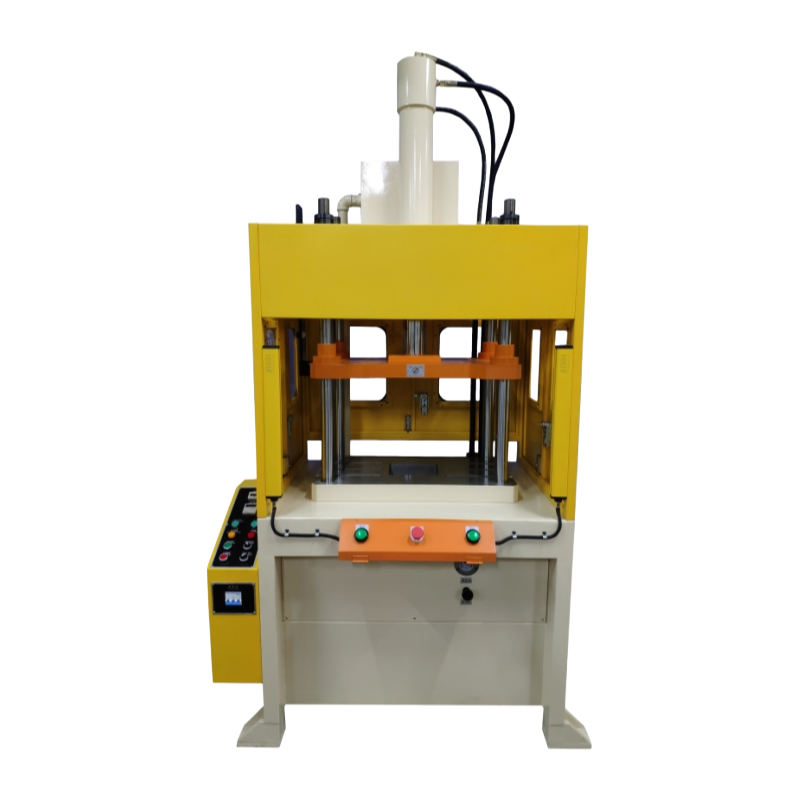
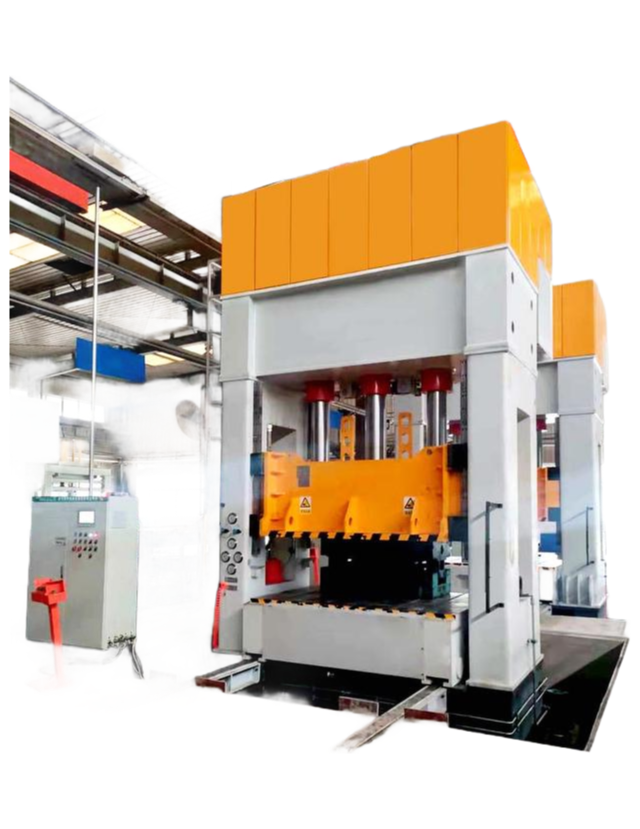
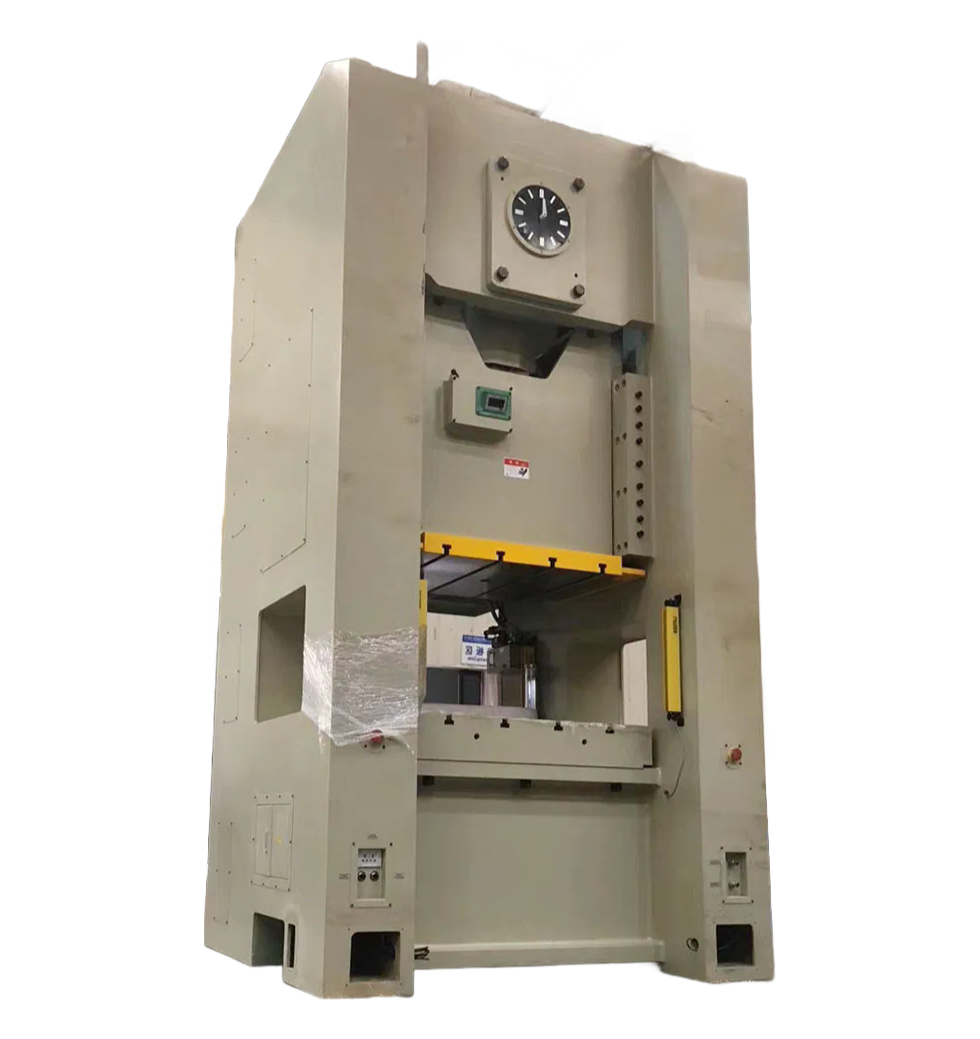
So you're running a filter production line and the shells keep coming out with inconsistent wall thickness or wrinkles near the flange — that's actually your biggest headache, and it's exactly where this press earns its keep, because the hydraulic system applies force gradually through the stroke rather than slamming down like a mechanicla press would.
What it does is control material flow during the deep drawing process — the ram speed adjusts automatically base on the resistance it feels, and that prevents the tearing you'd get with a fixed-speed machine, especially on thicker gauge steel; the nominal force range goes form 1000KN up to 2500KN, which covers most passenger car filter sizes, and we've found the 150-ton model handles about 85% of standard oil filter shells without any tooling modifications.
You'll see cycle times between 4 and 15 strokes per minute depending on the part complexity — for a typical 3-inch diameter shell with a 1.5 mm wall, we're running around 10 strokes per minute steady, and that gives you roughly 600 pieces per hour on the lower end or up to 2000 if you're doing simpler shallow-draw parts.
The ±0.05mm precision matters more than you'd think at first, because if your shell wall varies by even a tenth of a millimeter, the thread rolling operation downstream can either strip or bind — but that tolerance is only achievable when the press bed is properly leveled, which we check before shiping, and the steel-welded frame keeps that alignment for years if you bolt it down on a proper foundation.
One thing buyers don't always ask about upfront is the pneumatic cushion system in the bed — it's not standard on every press, but for oil filter shells you absolutely want it because of that it controls the blank holder force during drawing and prevents those ugly wrinkles that pop up near bottom edge; we usually have the 200-ton model in stock with CE and ISO 9001 certs ready to go, but lead time for customiztion runs about 6 weeks or so.
Anyway, the 12-month the main hydraulic cylinder and PLC unit, but the wear parts like seals and wiper rings are consumables — that's pretty standdard across the industry, and they're cheap to replace, maybe 200 bucks every couple years if you're running two shifts.
We don't have a strict MOQ for this machine; we can handle single-unit orders for factory-direct supply. Just note that customization or special specs might require a minimum of 2-3 units depending on the complexity.
Lead time usually runs 30-45 days from order confirmation, depending on the customization level and capacity you need. We'll give you a firm timeline once we finalize the specs.
Yes, we include both CE and ISO 9001 certification documents with every unit shipped. You'll get the official copies as part of the delivery package.
It means the stamping press holds dimensional accuracy within 0.05 millimeters, which is critical for oil filter shells to ensure a tight seal and consistent wall thickness. This level of precision keeps rejects low and production quality high.
We ship the machine in a reinforced wooden crate with protective wrapping. Store it in a dry, indoor area at temperatures between 5°C and 40°C, and avoid direct moisture—if it sits more than 30 days, keep the hydraulic system cycled monthly.
A fantastic experience from start to finish. The delivery was incredibly fast and the logistics were handled with impressive efficiency. All components arrived securely packaged and on schedule, which was crucial for our production timeline. Regarding quality, the machine appears robust and well-constructed, meeting the high standards we expected from a factory-direct purchase. The initial service communication was prompt and professional, with clear answers to our pre-shipment inquiries. While we have not yet begun full operational use, the outward build quality and the smooth delivery process have given us great confidence in this investment. The overall process was seamless and stress-free.
Quick delivery and excellent packaging ensured the machine arrived safely without any delays. Quality-wise, the construction feels robust and durable, meeting industrial standards perfectly. Service was outstanding; the support team was responsive and helpful throughout the ordering process. Overall, a very satisfactory experience from start to finish.
![[Doubao Exception]: The request was canceled due to the configured HttpClient.Timeout of 60 seconds elapsing.](https://img.manufactry.com/1631014_0.webp)