Account
Inquiry
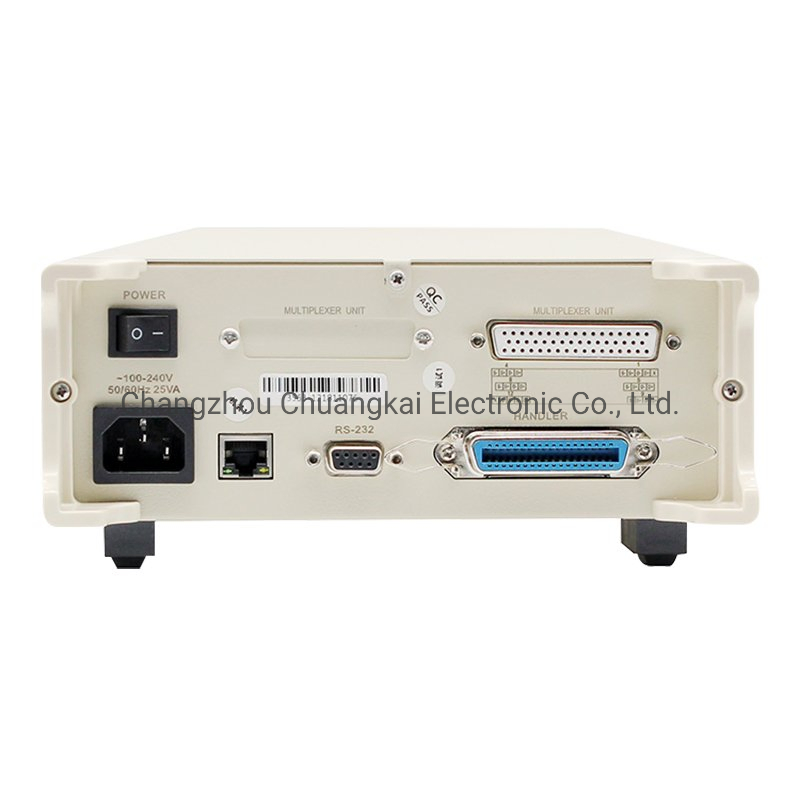
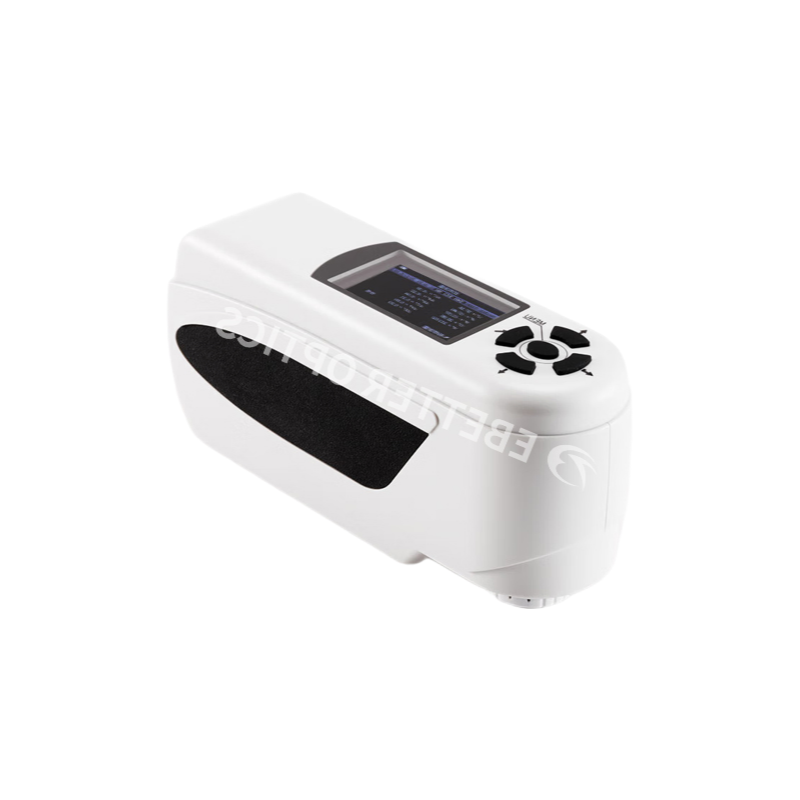
We've got three models in this series — CKT3563 base unit, then the -12H and -24H variants — and the main difference is really in the channel count and scanning capability, though honestly most buyers go with the 12H for production line work since it balances throughput with cost. It measures AC resistance down to 0.1mΩ and DC voltage up to 60V, with basic accuracy of ±0.3% on resistnce and ±0.01% on voltage, which is tighter than most handheld meters for this kind of low-resistance work.
You'll want to consider the measurement speed options — 100, 50, 20, or 3 measurements per second — and the fast 100 per second setting is pretty much essential if you're doing high-volume sorting of 18650 cells or small pouch packs on a conveyor. The 1kHz test signal is standerd for AC resistance measurement on lithium batteries, and we keep the open circuit voltage under 5V with test current below 100mA, so it won't accidentally trigger protection circuits in the battery management system.
Storage temp range is -20 to 70°C, but operating limits are 0-40°C at 20-80% humidity (non-condensing) — it's not a great fit for unconditioned factory floors in tropical climates unless you've got some environmental control in place, and that's just a fact. The 3.5-inch TFT shows resistance and voltage simultaneously, which helps when you're checking both parameters on a cell, and we usually have stock of the base model but the -12H and -24H might require a lead time of about 20 days or so depending on the quarter.
Interface options are RS-232/485, Ethernet, and a Handler port for automated test fixtures — basically you can a PLC or a data logging system without much hassle, and the Ethernet connection is handy for remote monitoring (check the protocol compatibility with your existing setup). It runs on 100-256VAC at 50/60Hz, weighs about 4kg, and the dimnesions are 325×215×96mm, so it's actually small enough to sit next to a workbench without dominating the space.
One detail a buyer might not think to ask: the Handler interface can be configured for both input triggers and output pass/fail signals, which is what it does — it makes binning cells by resistance grade pretty straightforward once you set the thresholds in software. We don't recommend this for high-voltage packs above 60V obviously, and the AC resistance measurement is better than a standard DMM for spot-weld qualiy checking since it catches subtle contact resistance changes that DC methods miss.
The CKT3563 can measure down to 0.1mΩ, so yes, it handles sub-milliohm connections like busbars, cell tabs, and weld spots just fine. It uses a 1kHz AC signal with less than 100mA test current, which keeps readings stable even at those low resistances.
Yes, each unit ships with a factory calibration certificate. We can also provide a third-party calibration report at an extra cost—just let your sales rep know when placing the order.
The -12H and -24H models come with preconfigured measurement speeds and interface settings, but we can adjust things like the trigger delay, comparison thresholds, or data output format on request. Contact us with your specific needs and we’ll quote accordingly.
Lead time is typically 10-15 working days for standard models. The MOQ is 1 unit, so you can order just one for testing or small-scale production.
Keep it in a dry, clean environment between -20°C and 70°C, with humidity below 80% non-condensing. Avoid direct sunlight and dust. If you’re storing it long-term, remove any connected cables and keep it in its original packaging if possible.
Xcellent experience overall. The shipping was incredibly fast and the item arrived well-packaged and in perfect condition. The build quality feels solid and durable, exactly as described. Customer service was responsive and helpful when I had a pre-purchase question. A very smooth transaction from start to finish.
![[Doubao Exception]: The request was canceled due to the configured HttpClient.Timeout of 60 seconds elapsing.](https://img.manufactry.com/1631014_0.webp)