Account
Inquiry
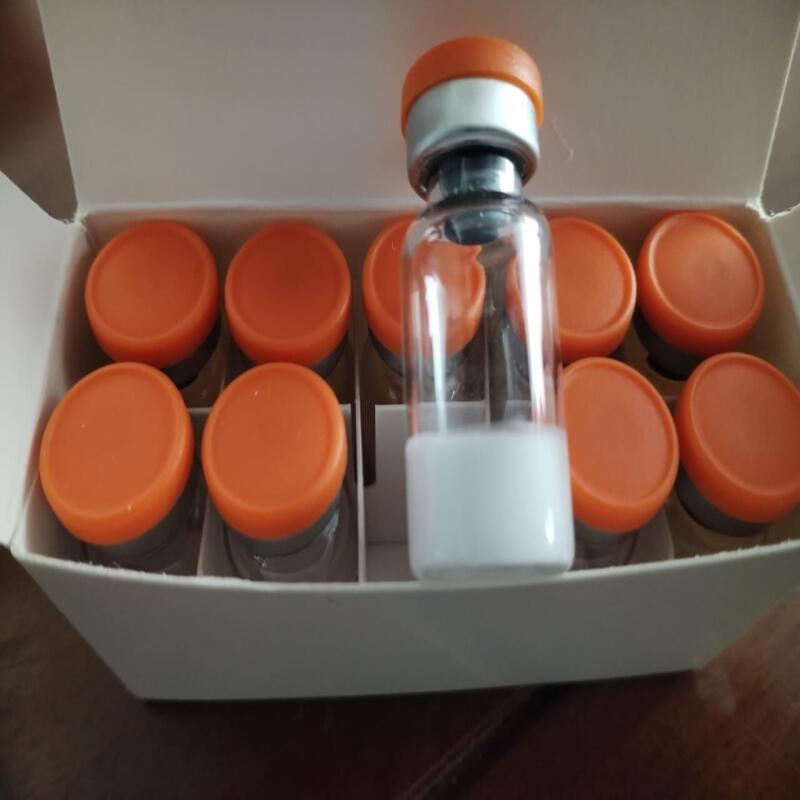
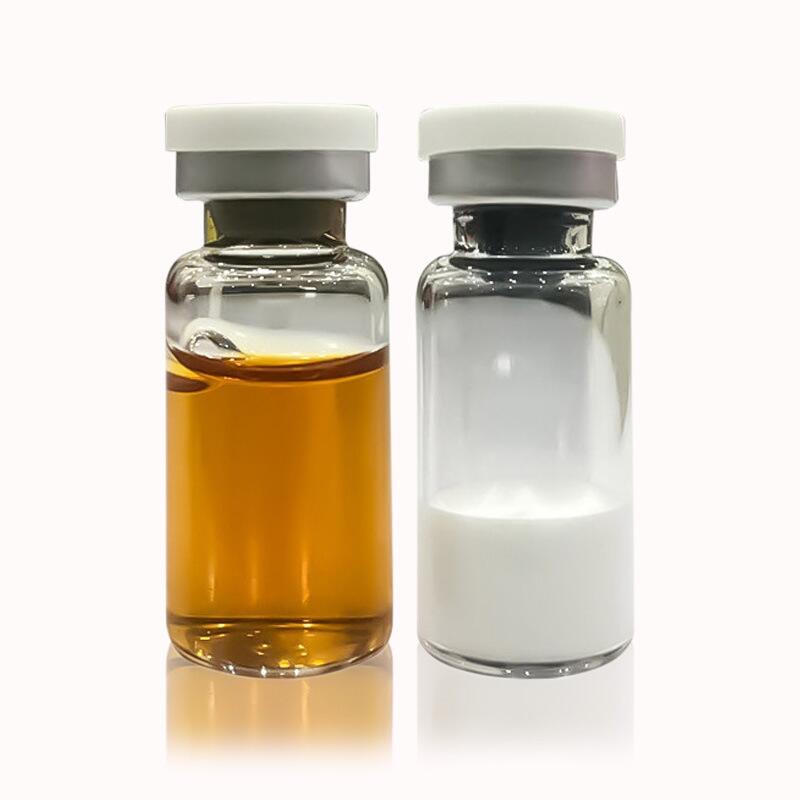
The purity threshold is ≥99% by HPLC, which is the standard we hold for every batch, and we run a full COA for each production lot that includes the chromatogram and sequence confirmation—you’ll get the actual data, not just a summary sheet, and we’ve found most researchers want to see the retention time and peak area for themselves.
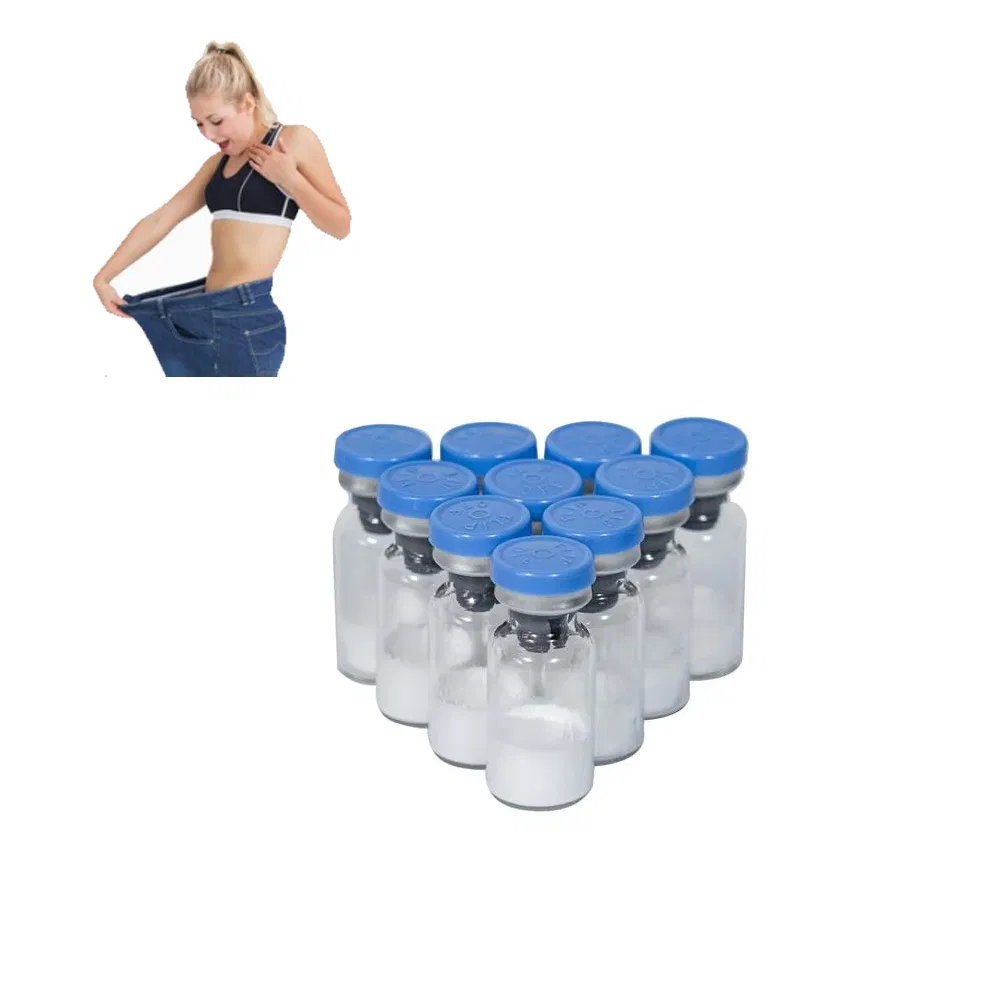
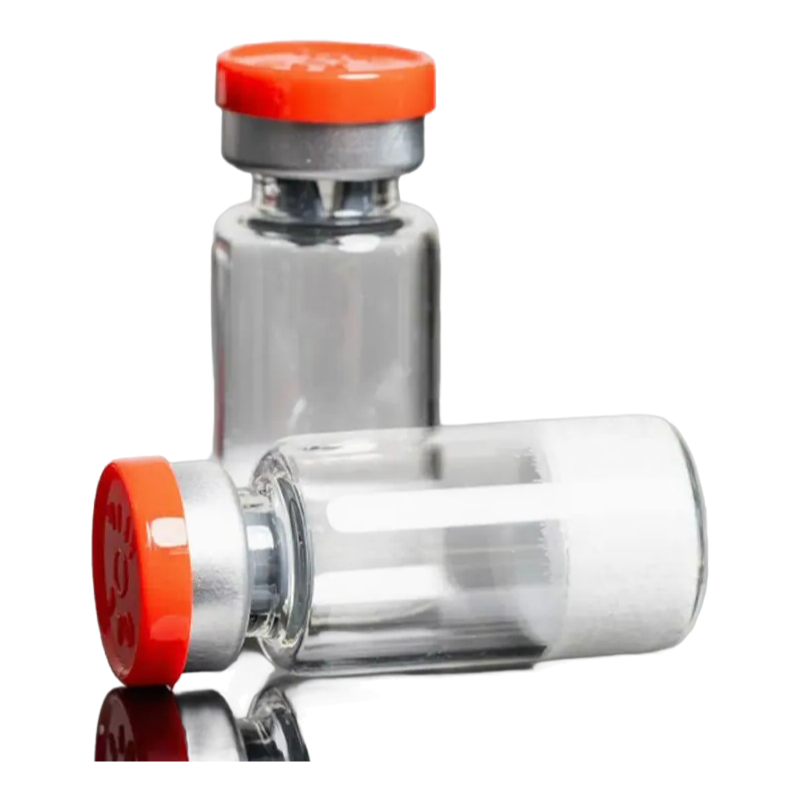
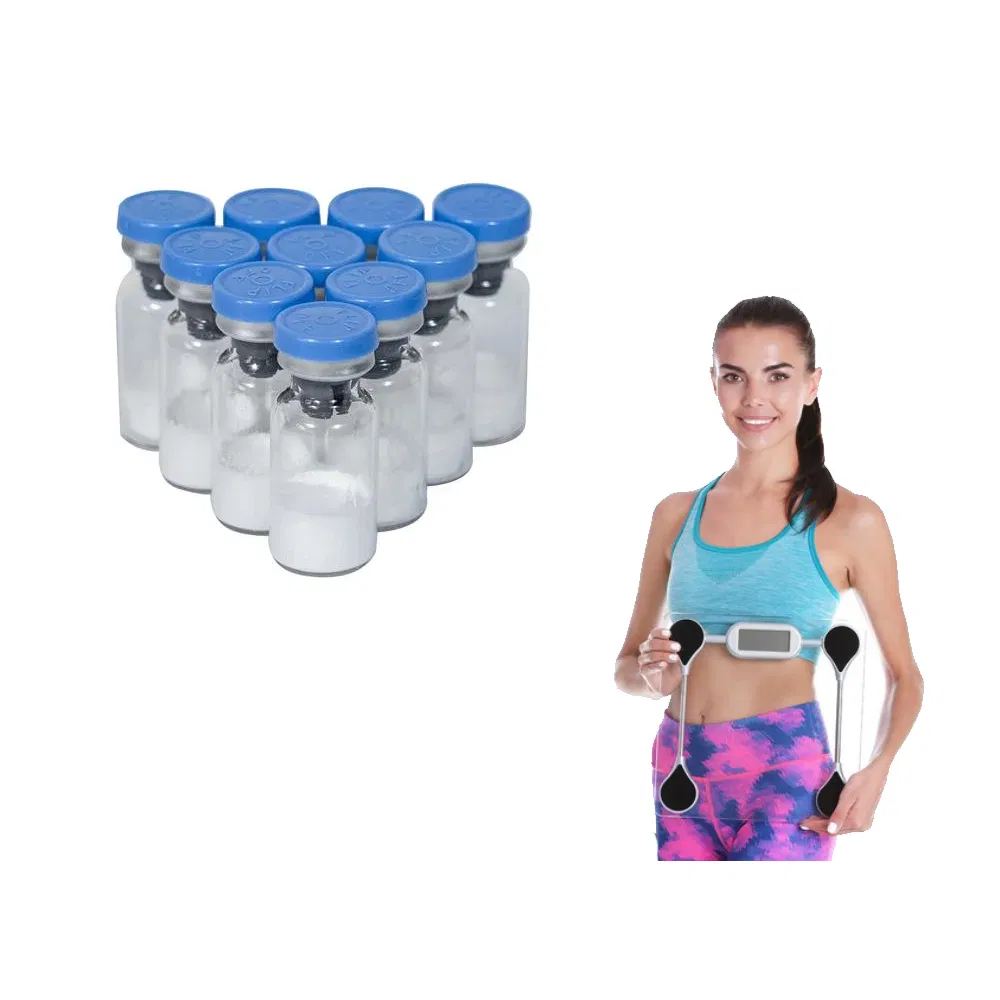
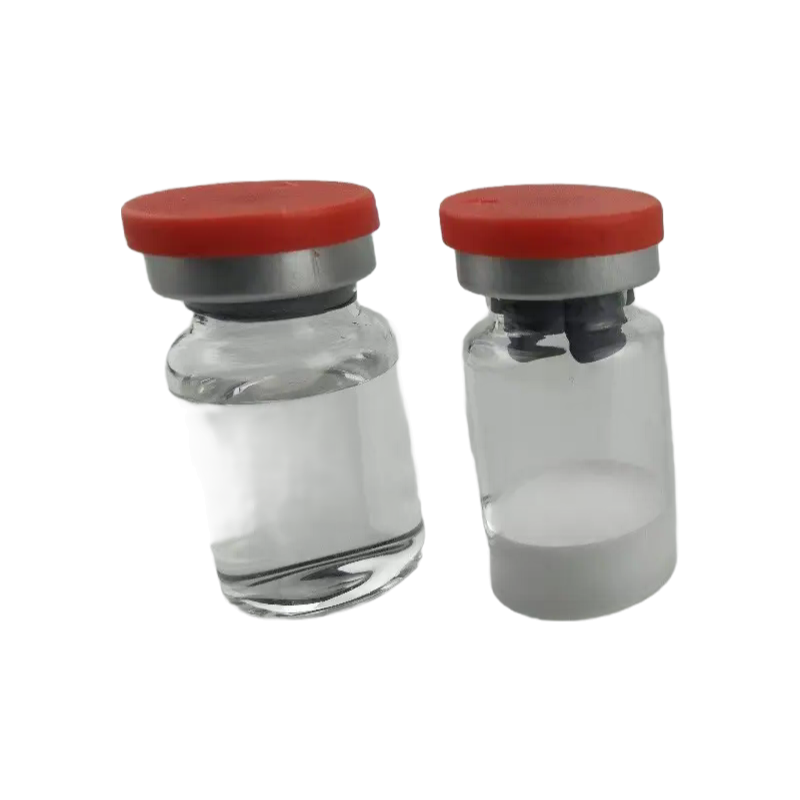
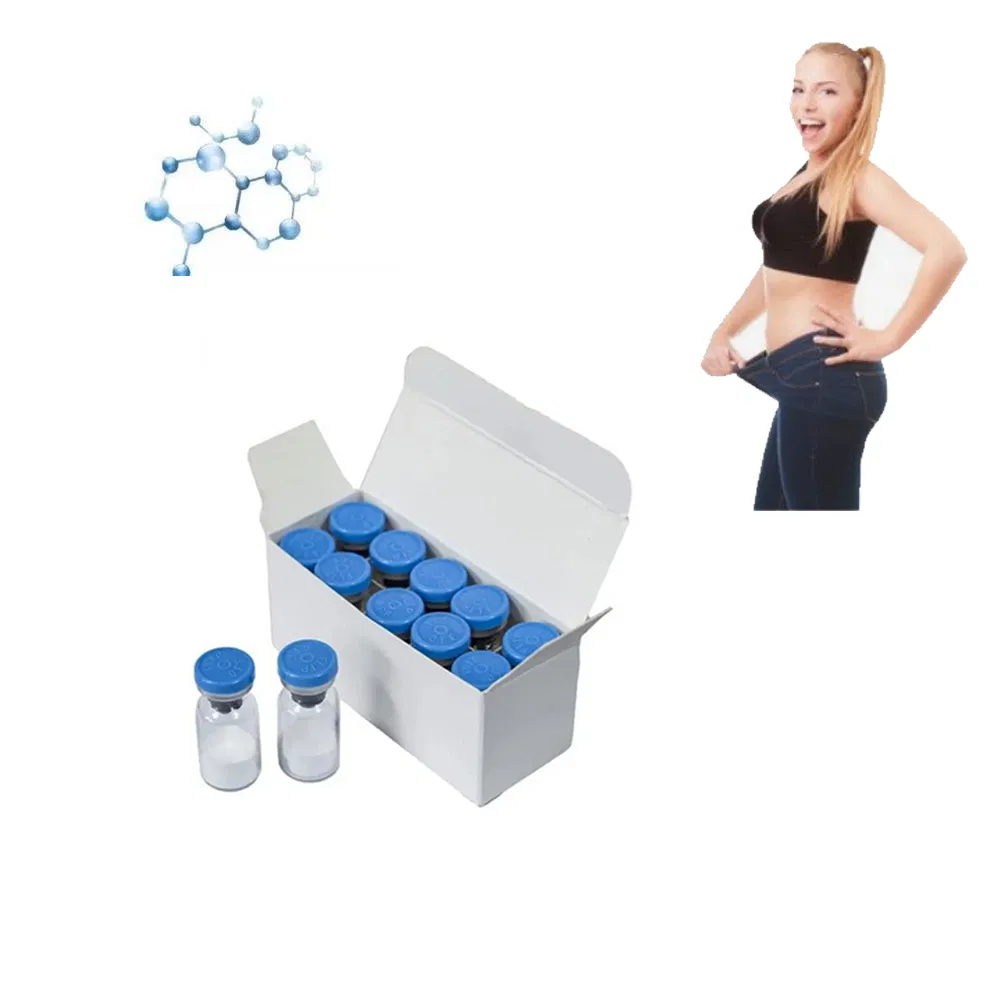
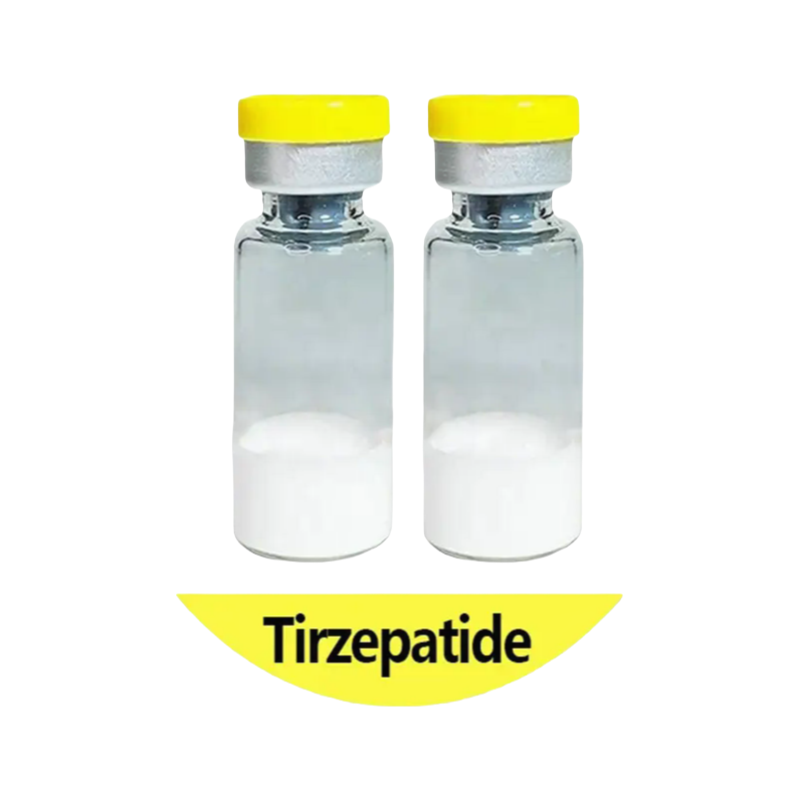
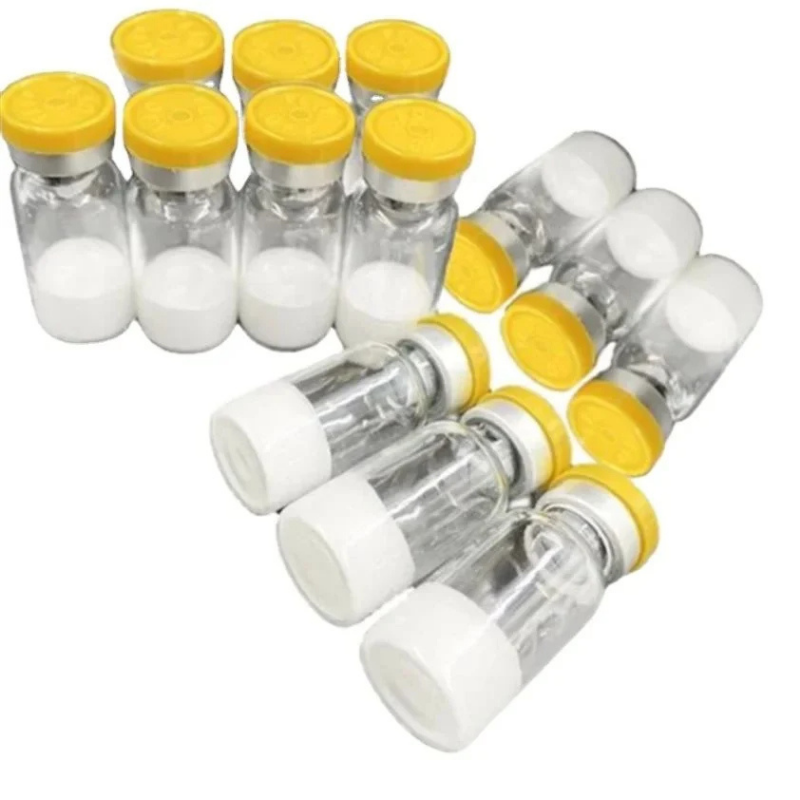
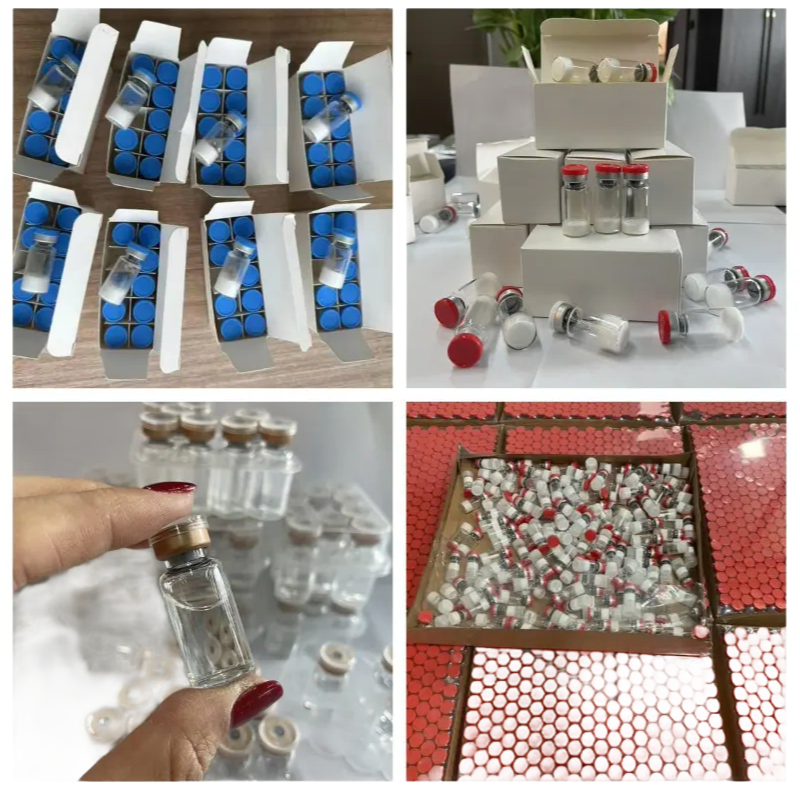
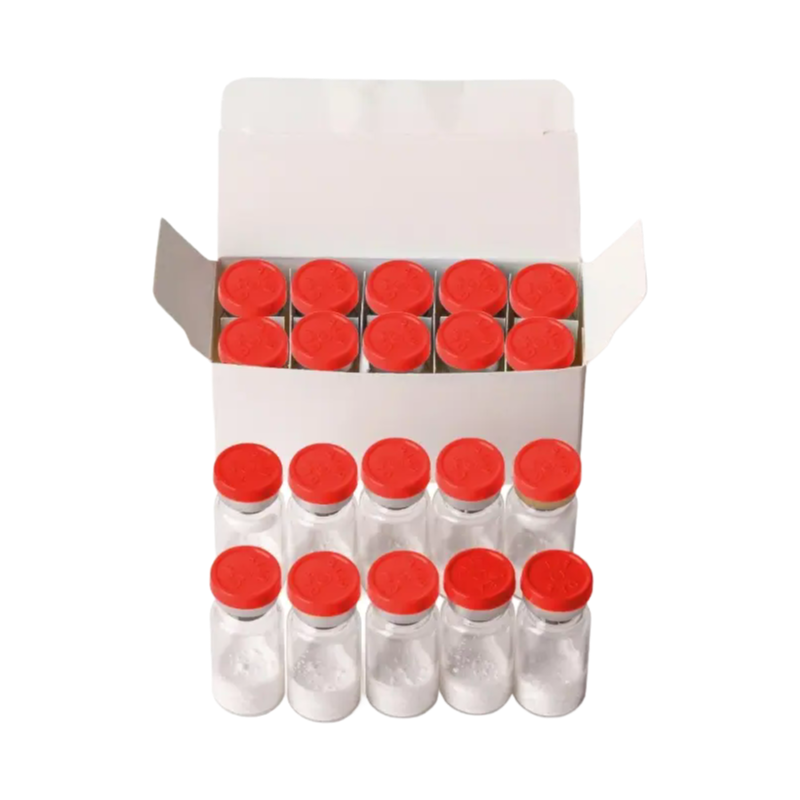
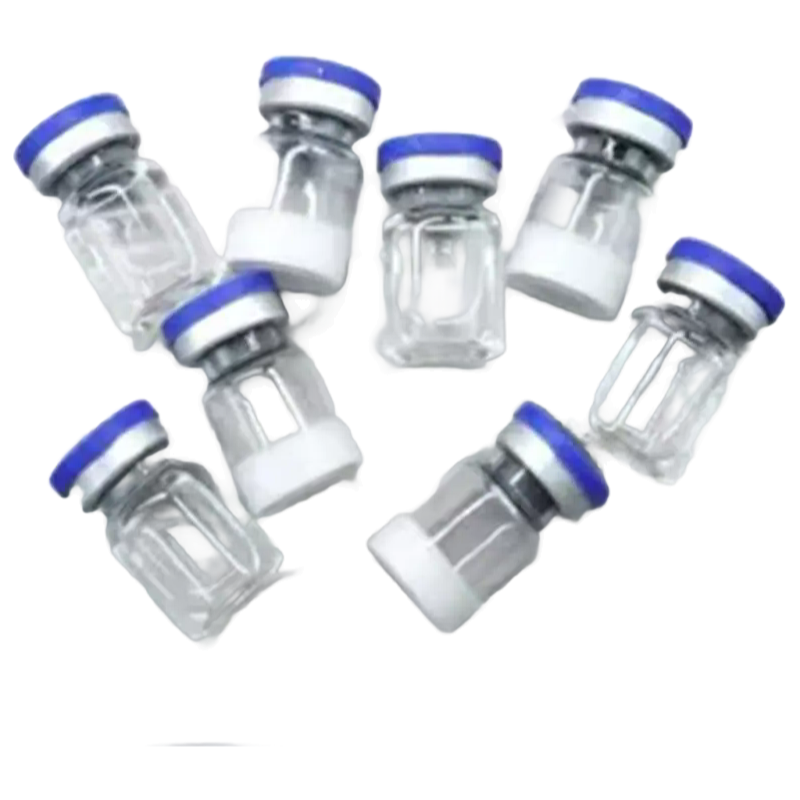
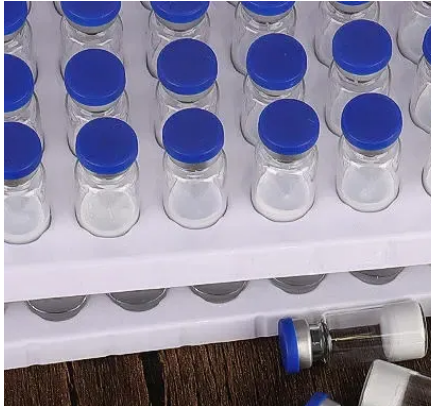
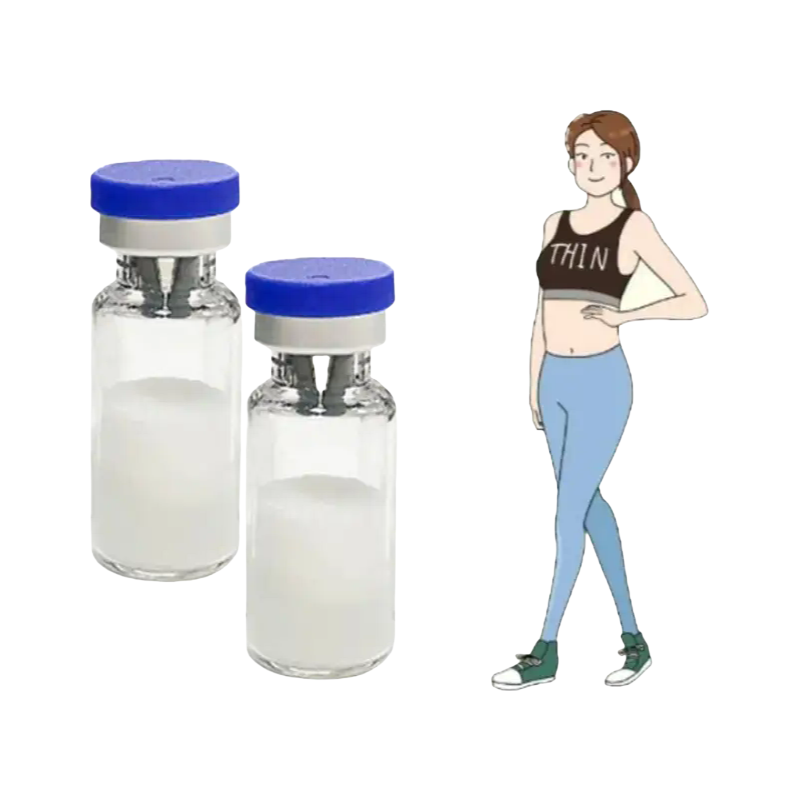
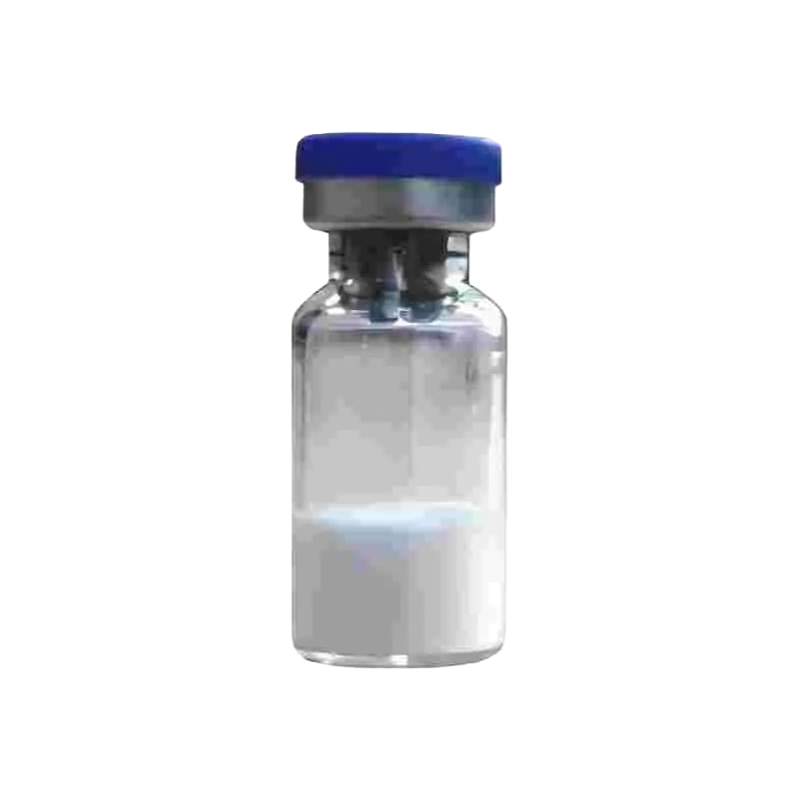
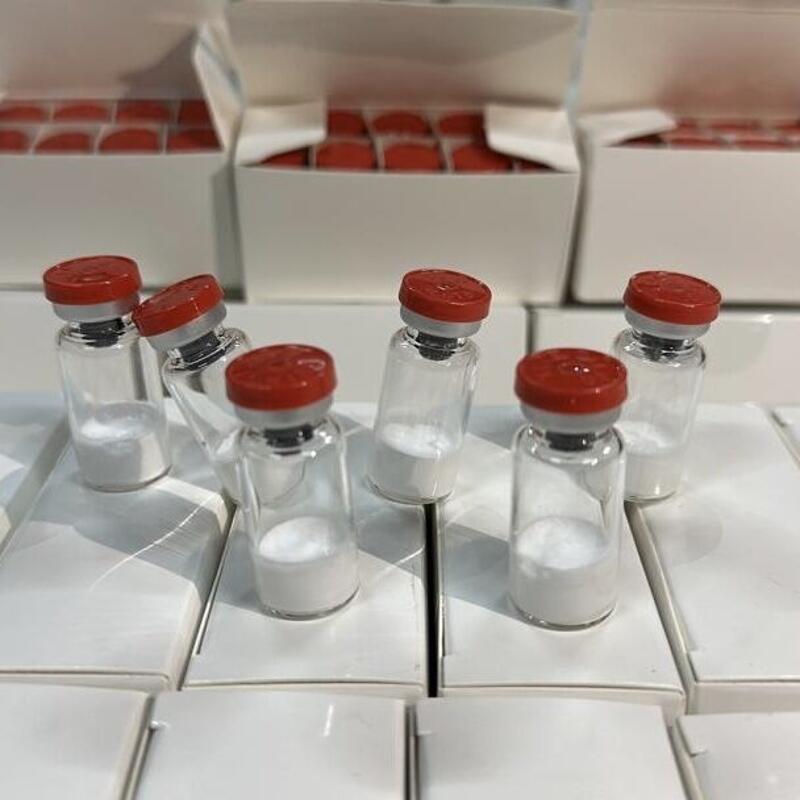
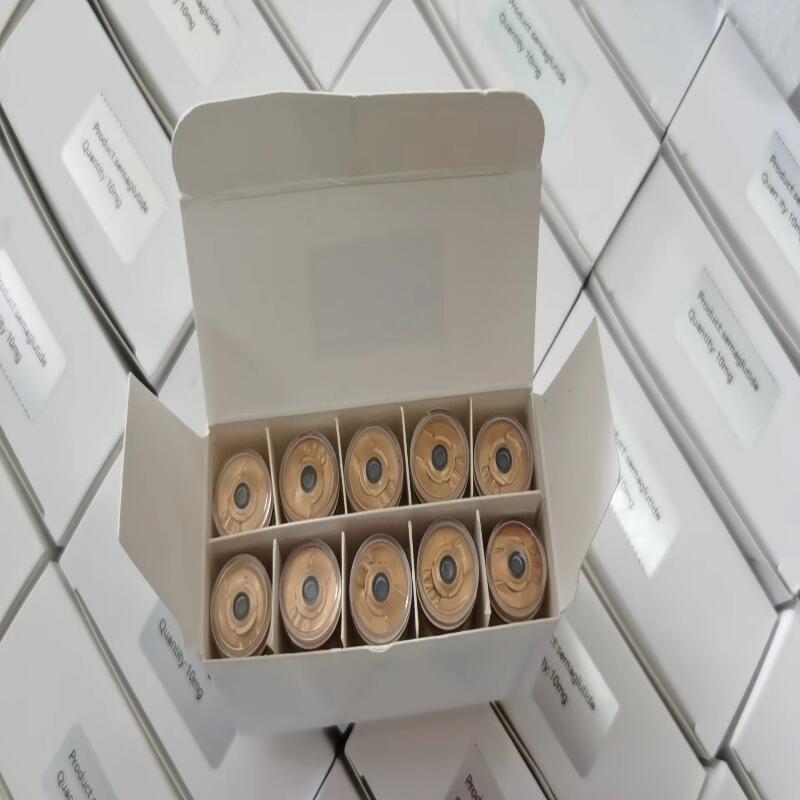
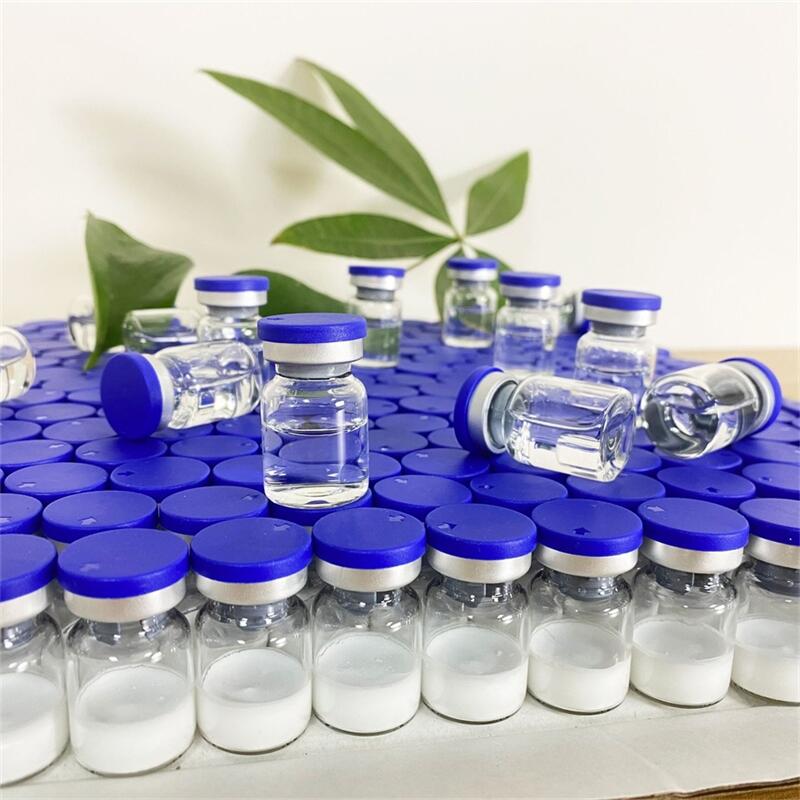
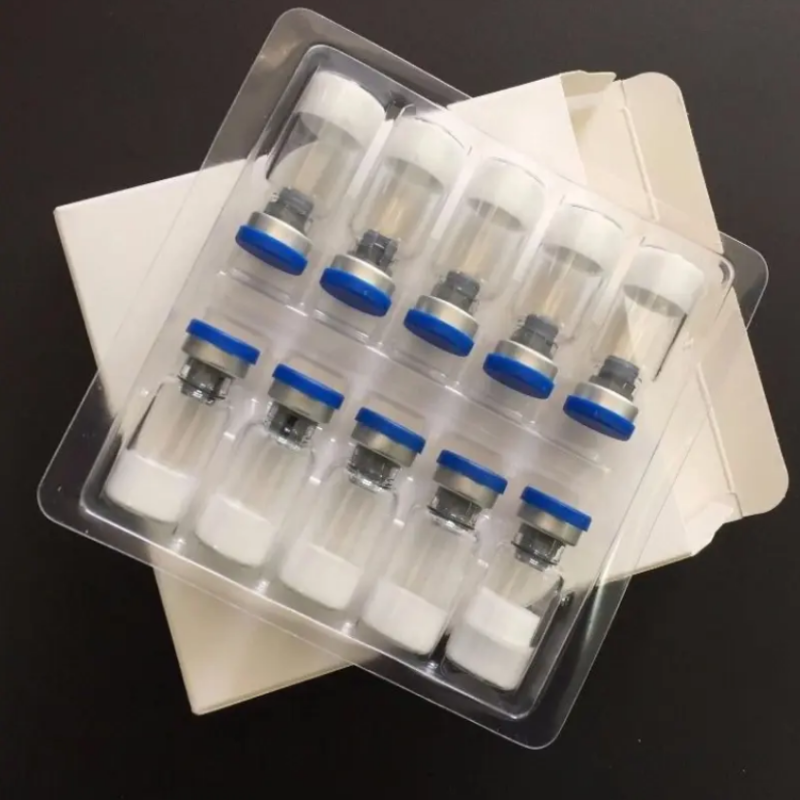
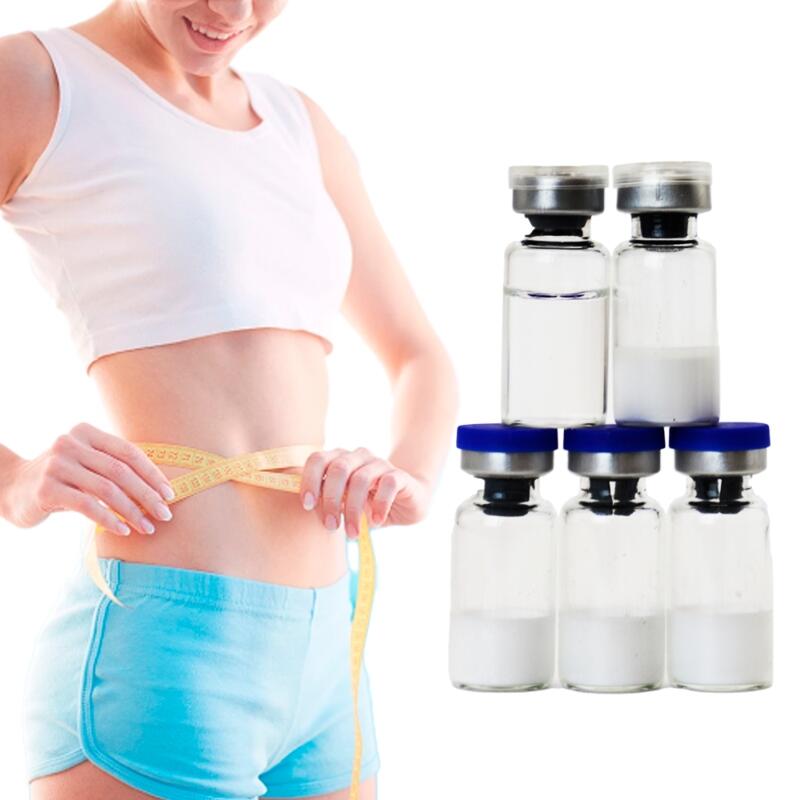
It’s a in a 5mg or 10mg vial depending on your order, and we usually stock both sizes but the 10mg is what most buyers go with for dose-response work since it reconstitutes to a higher concentration without needing multiple vials.
Storage is -20°C for the lyophilized form, and we’ve seen some people try to keep it at 4°C for a few weeks, but honestly peptide degrades faster that way—basically, if you’re not using it within 20 days or so, keep it frozen and only reconstitute what you need for the week.
So about trust—we retest any batch that’s been in storage for 6 months or more, and we’ll send you the updated COA if you request it, but the standdard policy is that every vial ships with the originial batch-specific certifcate and a retest date printed on the label.
We don’t use it for anything other than research purposes, and the CAS number (910463-68-2) matches teh GLP-1 analog structure, but if you’re planning in vivo work you’ll want to verify the endotoxin levels are acceptable for your protocol—we don’t routinely test for that unless you specify it at order time.
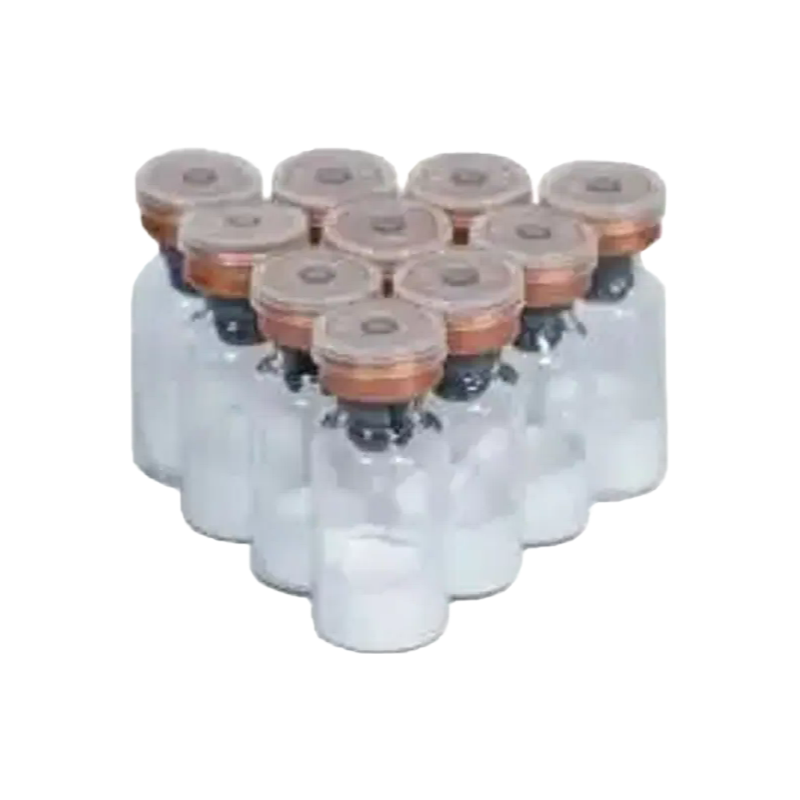
One thing we’ve learned handling this compound is that the lyophilized cake can look slightly different in color between batches (sometimes a faint off-white) even when purity stays ≥99%, and that’s normal for the peptide—it’s not a defect, but we’ve had buyers ask about it, so we note it on the COA comments.
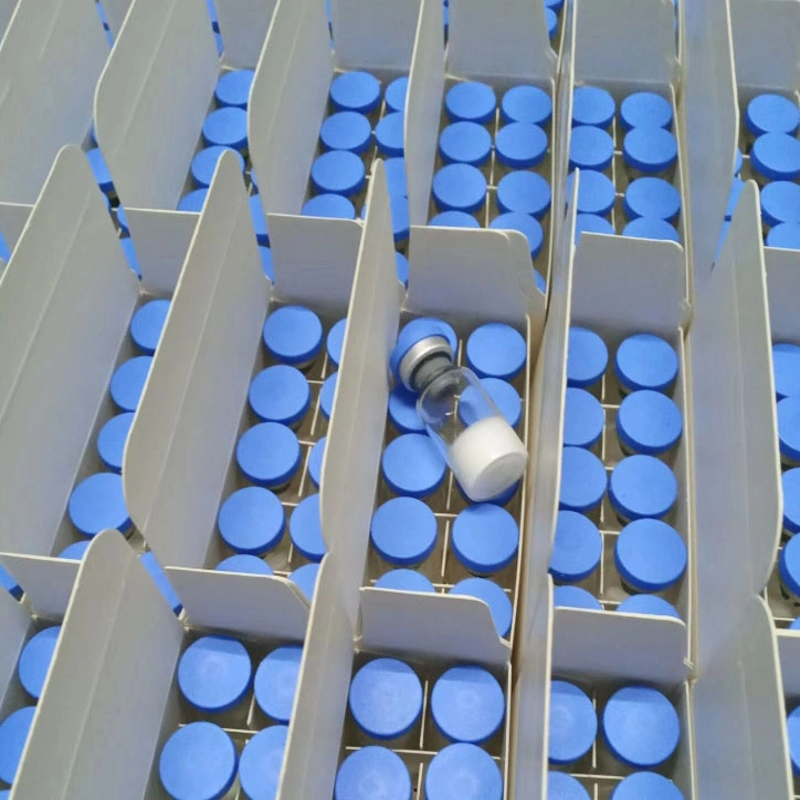
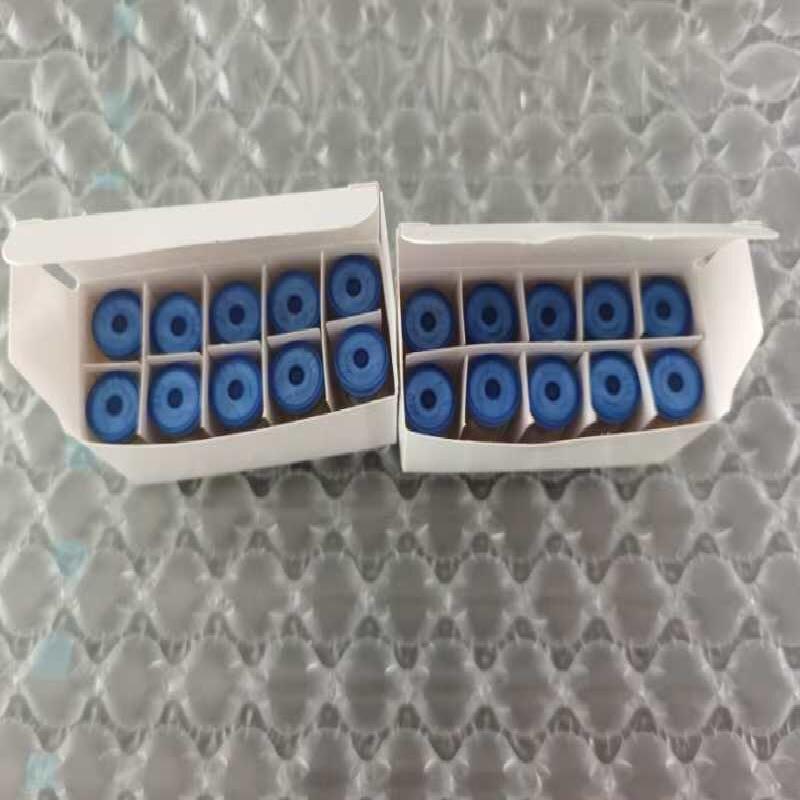
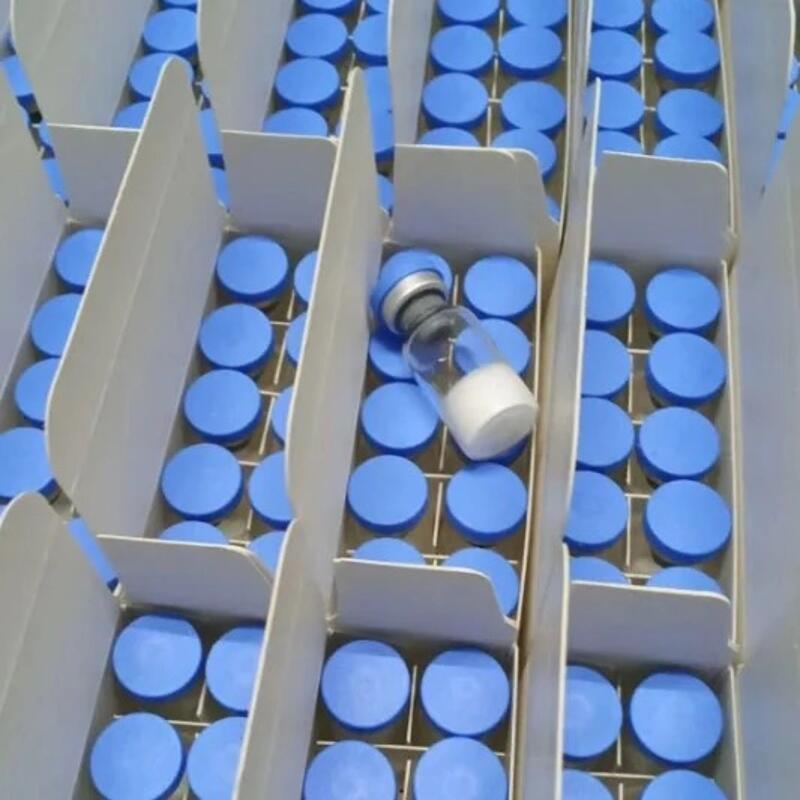
We typically require a minimum of 10 vials per order, but you can mix 5mg and 10mg vials to hit that MOQ. Just let us know your preference.
Yes, we include a COA with every shipment showing ≥99% purity by HPLC, along with the batch number and test date. Just request it when you order.
Keep the vials at -20°C in a freezer, sealed and away from light. Once reconstituted, use within a few days and store at 2-8°C.
Orders usually ship within 2-3 business days after payment, and delivery to the UK takes about 5-7 days via courier. We’ll provide tracking once it’s on the way.
We can offer custom labels for bulk orders of 50+ vials, like adding your research project code or logo. Just reach out to discuss the details before ordering.