Account
Inquiry
We've been running into issues with dual-acting GLP-1/GIP agonists plateauing too early in our metabolic studies, and the triple-receptor approach targeting glucagon too is where the field seems to be heading, so we needed a compound that hits all three without degradation over time.
The diacid-C20 fatty acid chain on the Lys residue is what gives it that extended half-life—basically anchoring it to albumin—and the Aib substitutions at positions 2 and 20 protect against DPP-IV cleavage, so we don't have to worry about rapid breakdown in plasma, which was a problem with some earlier analogs we tested.
Purity's at 99% or better by HPLC, which is tighter than most supliers offer for this sort of thing, and they include the COA with MS confirmation; molecular weight comes in at about 4819.4 Da, and it's soluble in either water or DMSO, though we usually reconstitute in sterile water for injection since DMSO can mess with some of our cell-based assays.
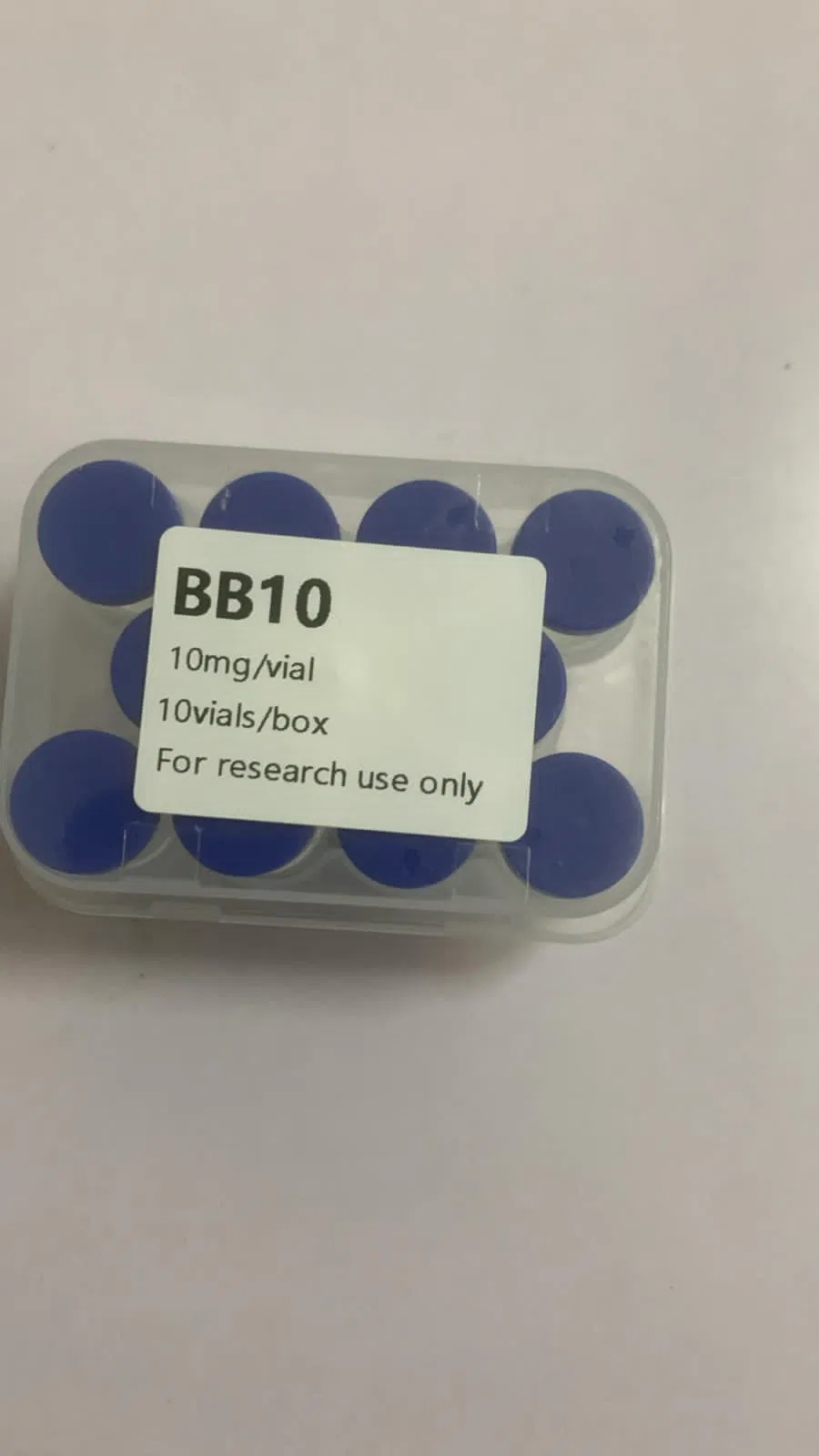
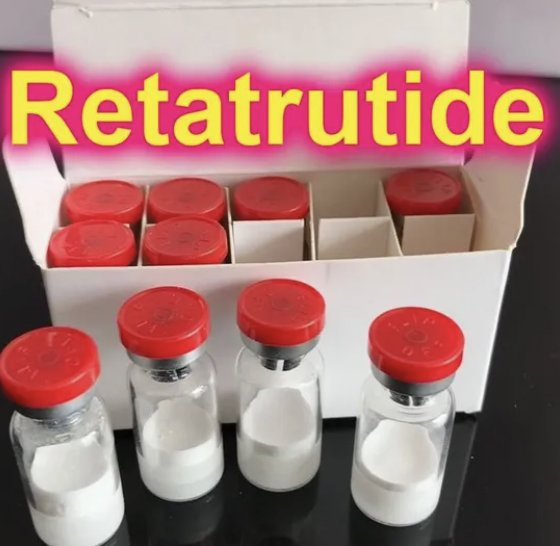
Storage is -20°C in the dark, and they claim 24 months stability if kept that way—we usually have stock, but confirm lead time on teh 30mg vials since those seem to go faster; the 8mg and 10mg vials are more commonly ordered for dose-response work, anyway.
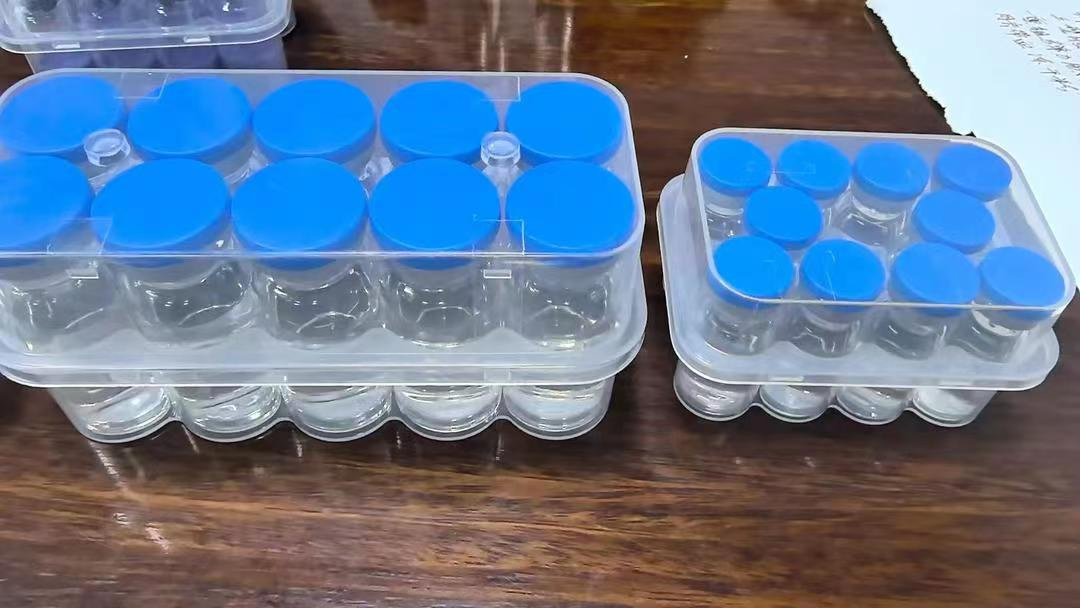
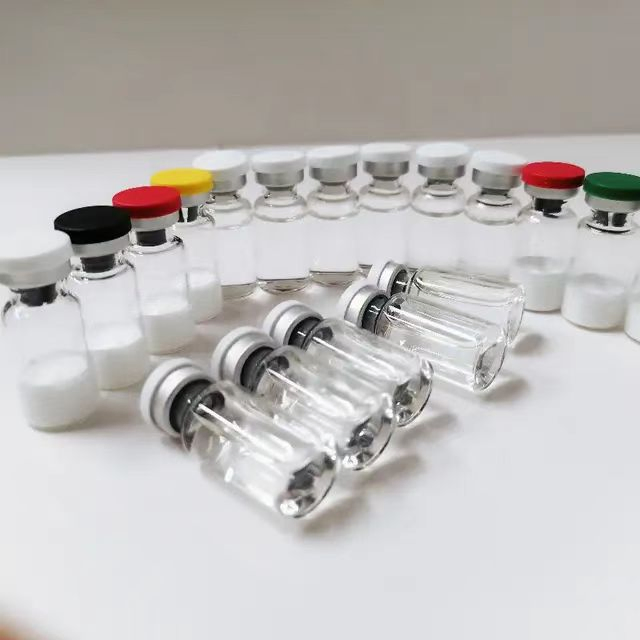
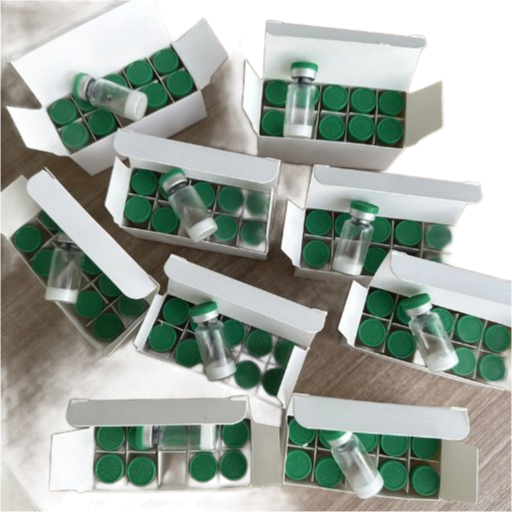
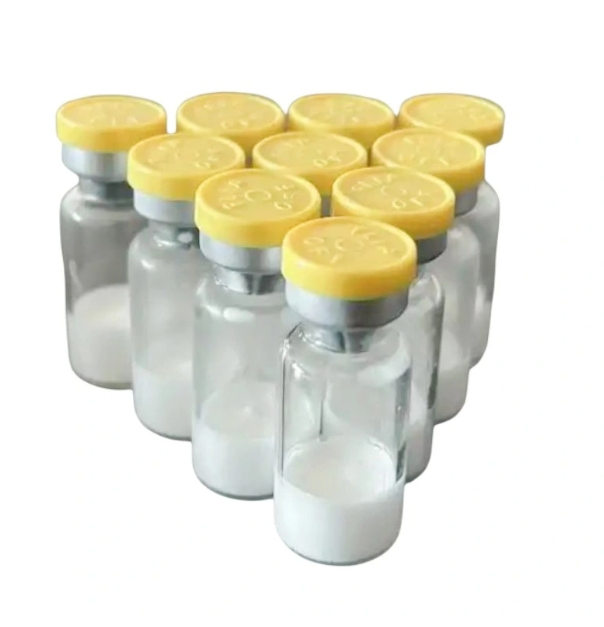
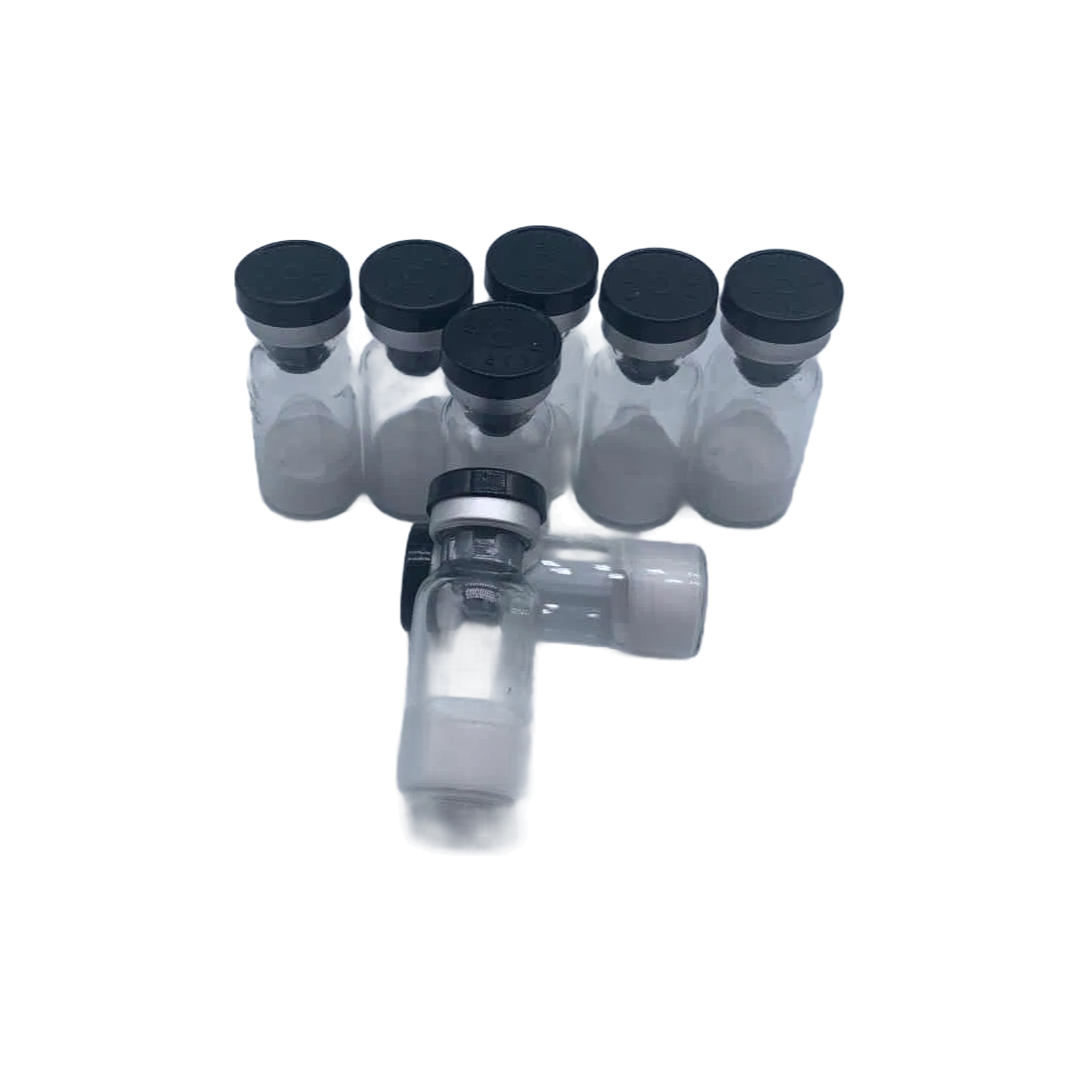
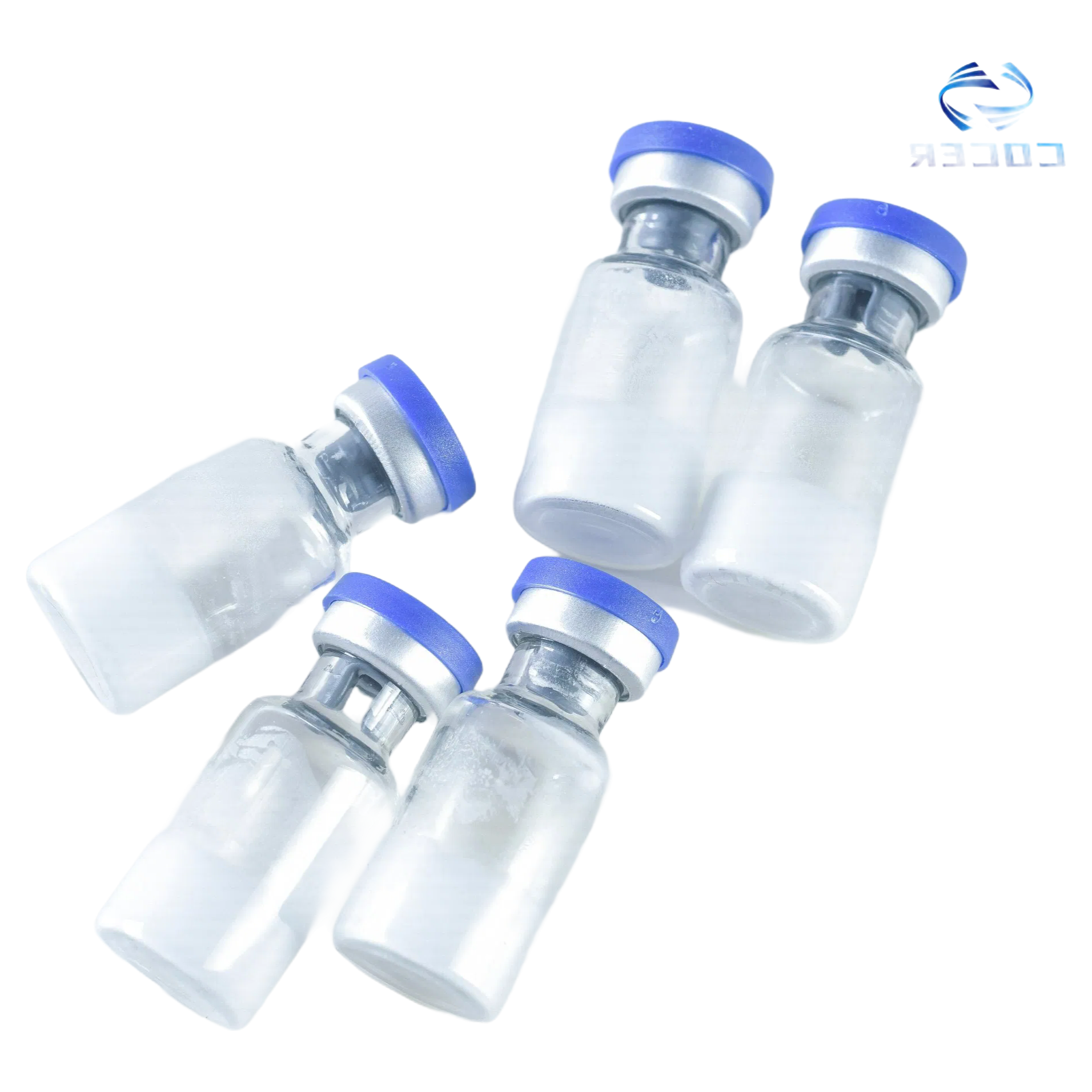
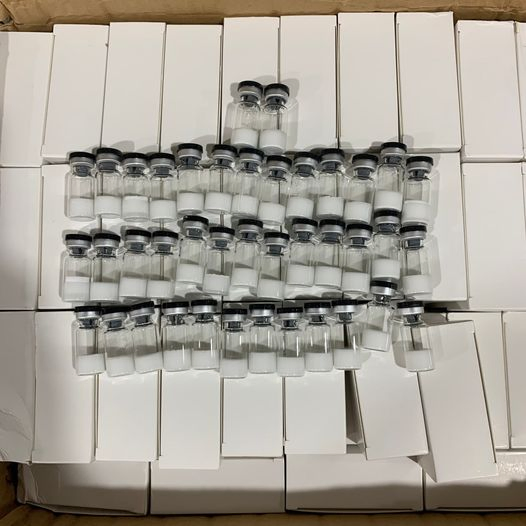
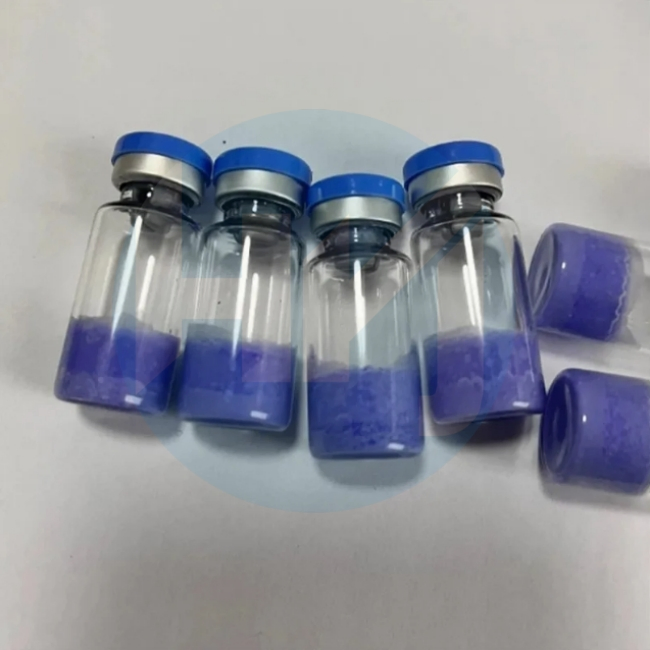
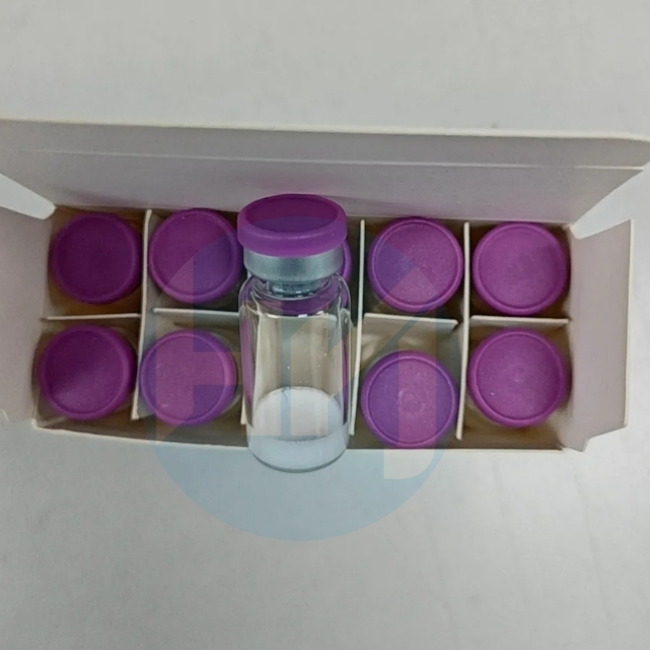
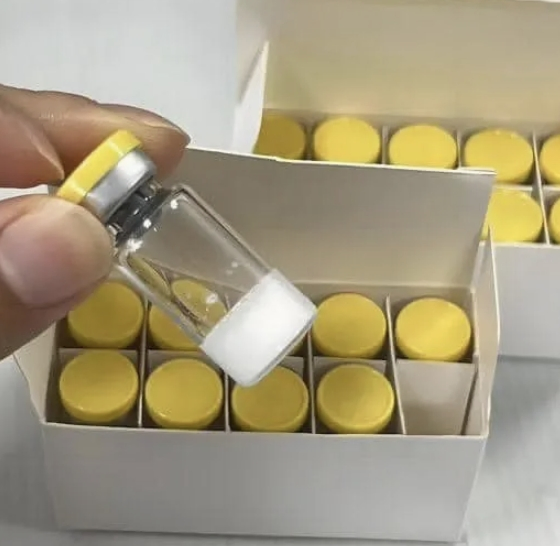
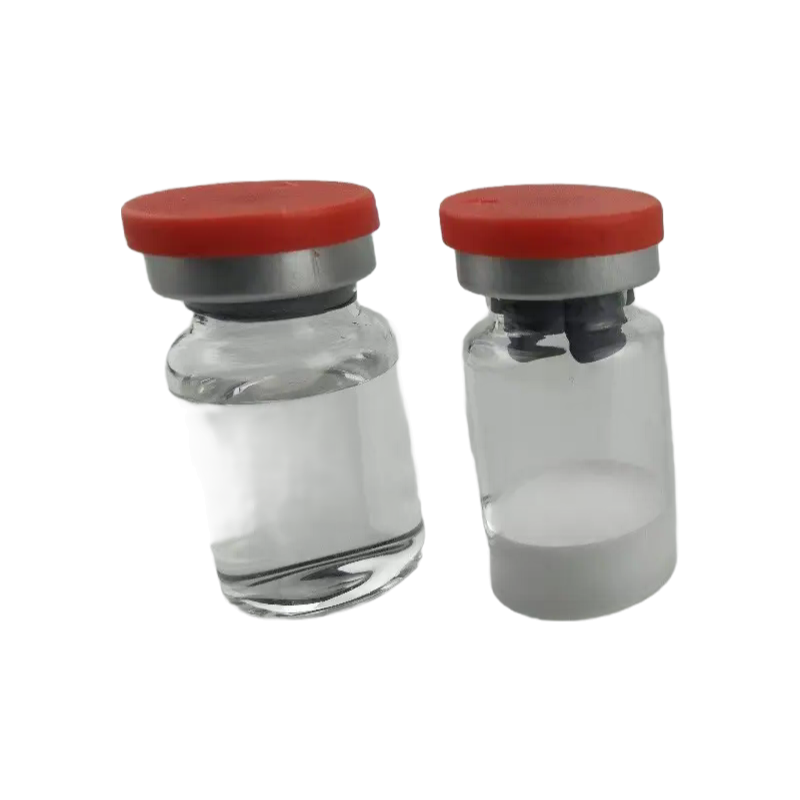
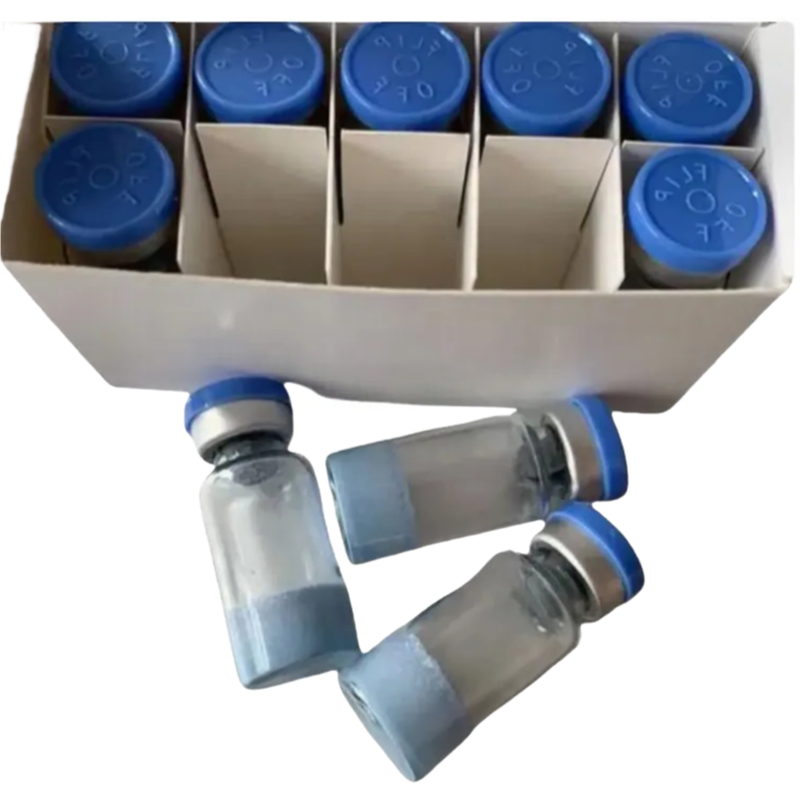
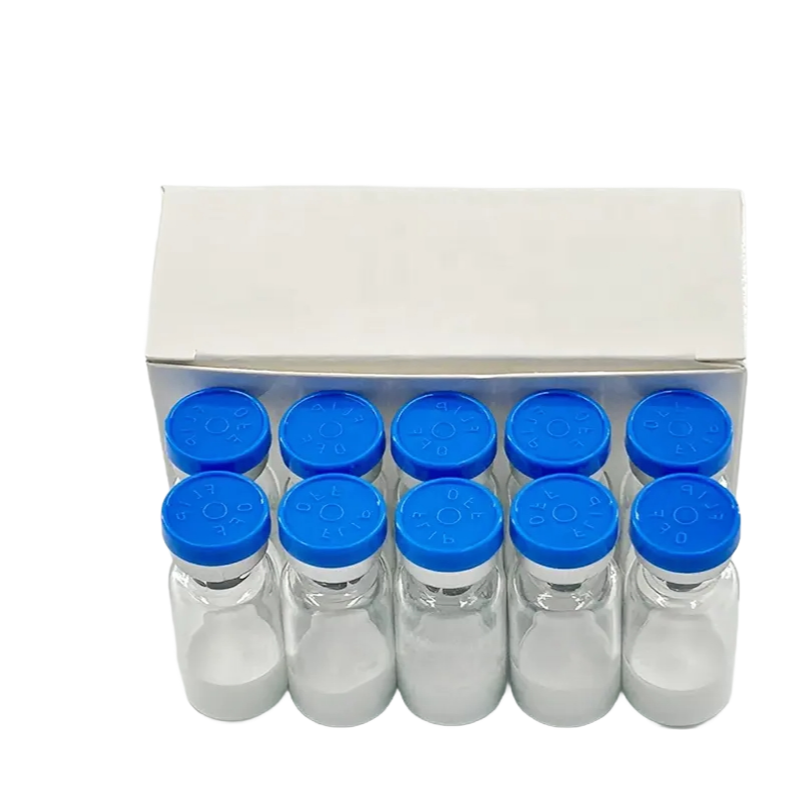
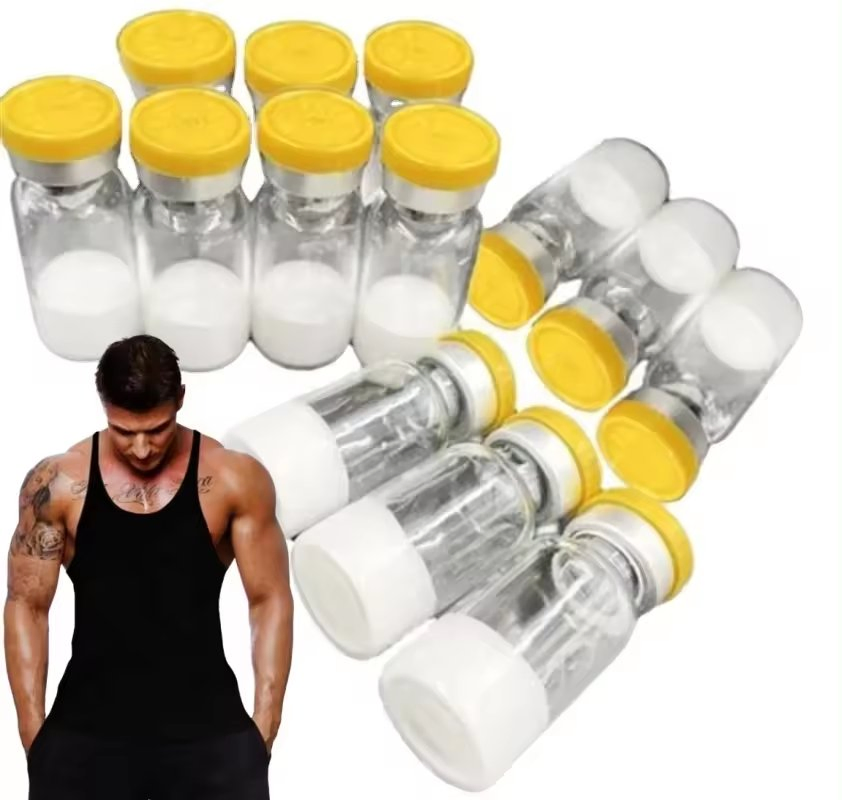
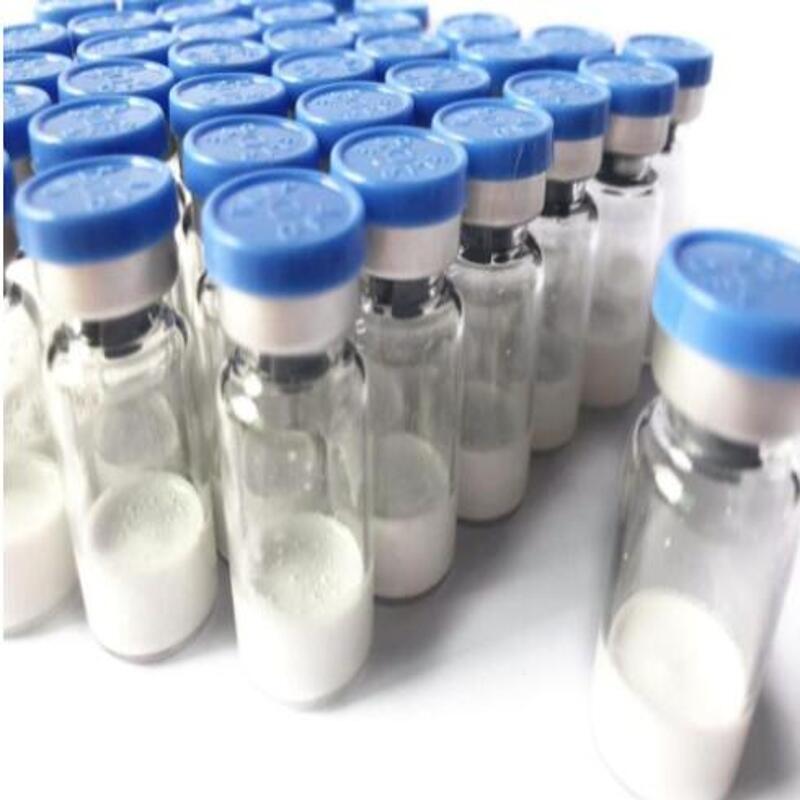
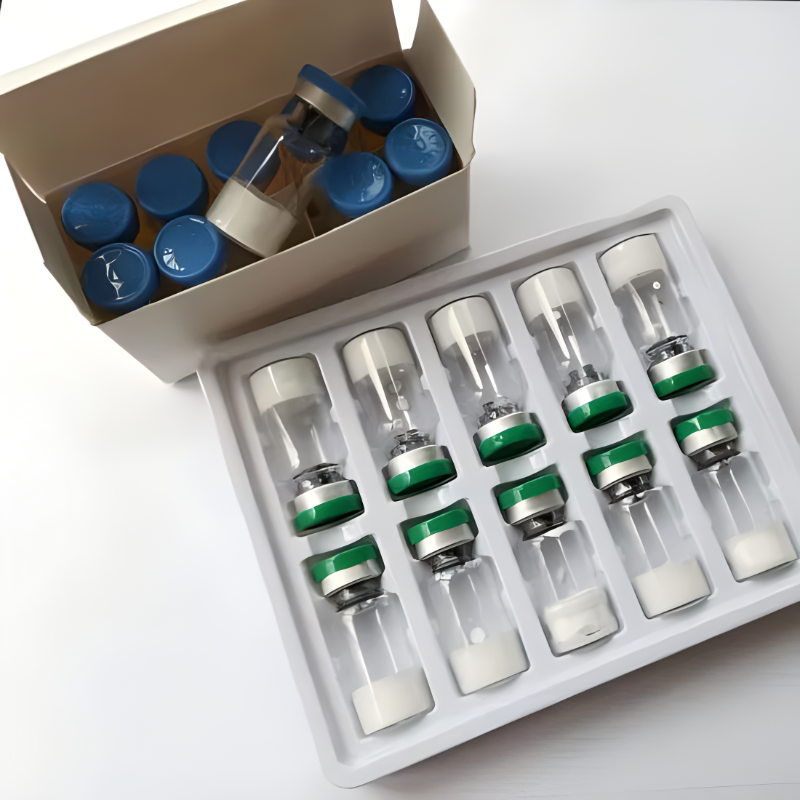
it come as a in sealed vials with inert gas, which is pretty standdard, but one thing I didn't think to ask is whether the vial size affects residual moisture—turns out the smaller vials (8mg) have slightly lower moisture content base on their batch records, so if you're doing precise kinetic studies, go with those.
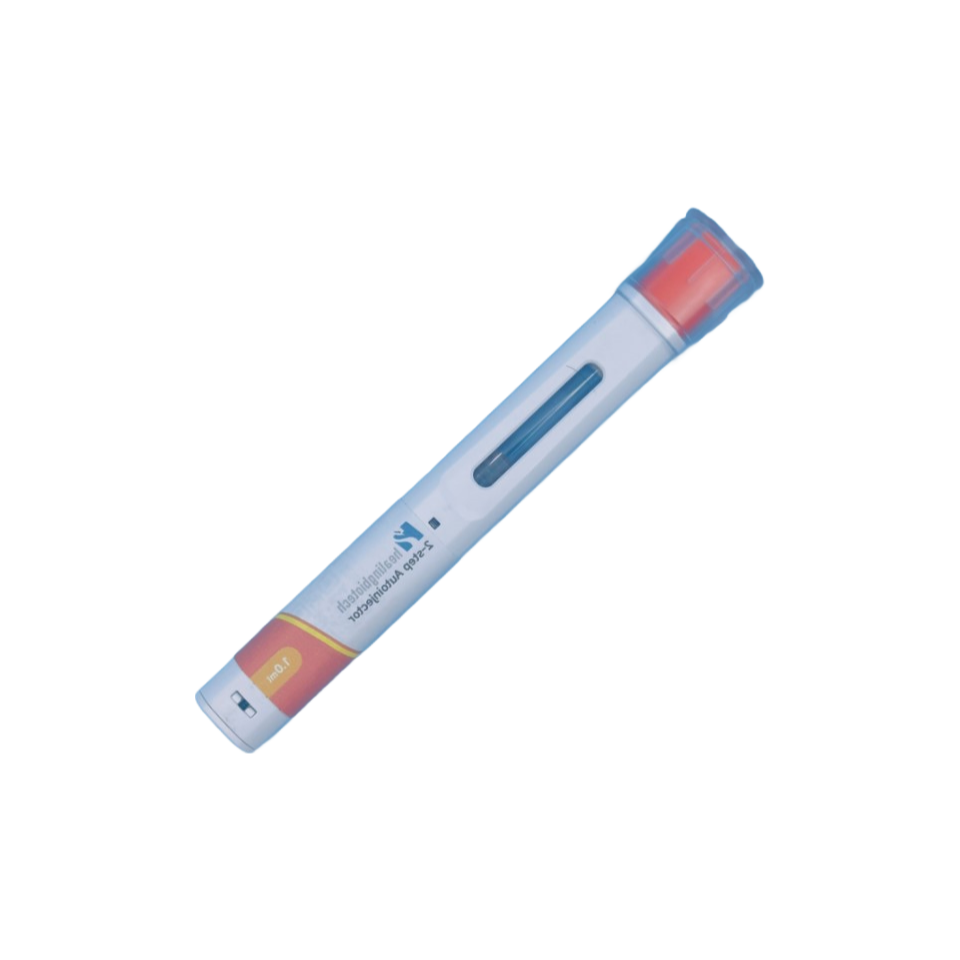
Also, this isn't really suited for oral dosing research at all—the peptide's too large and the diacid modification doesn't help with intestinal permeability, so it's strictly for parenteral or in vitro work, but for that, the specs are solid and the GMP facility gives us traceability on the synthesis steps.
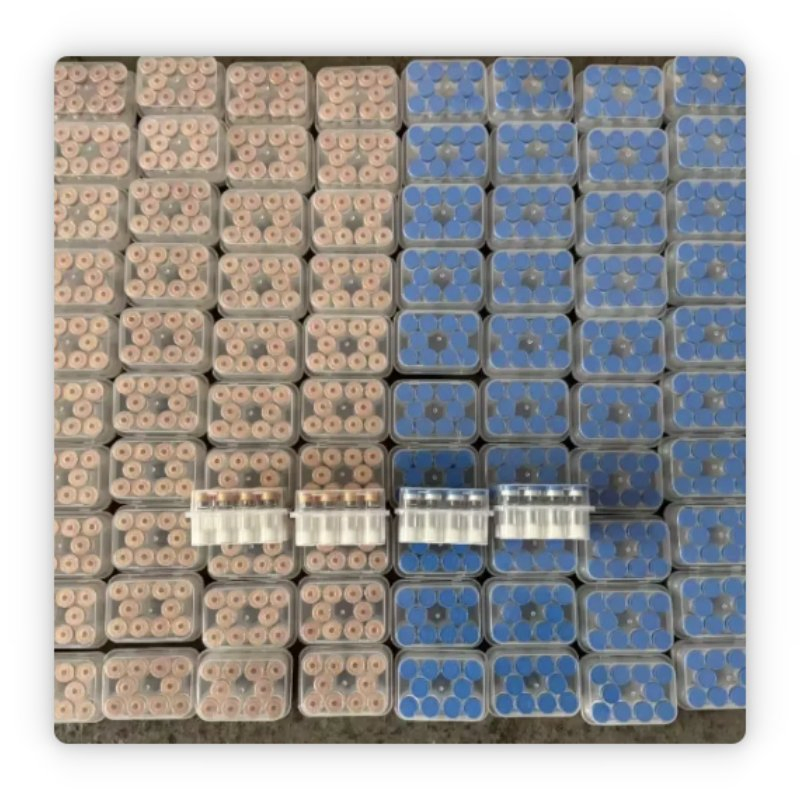
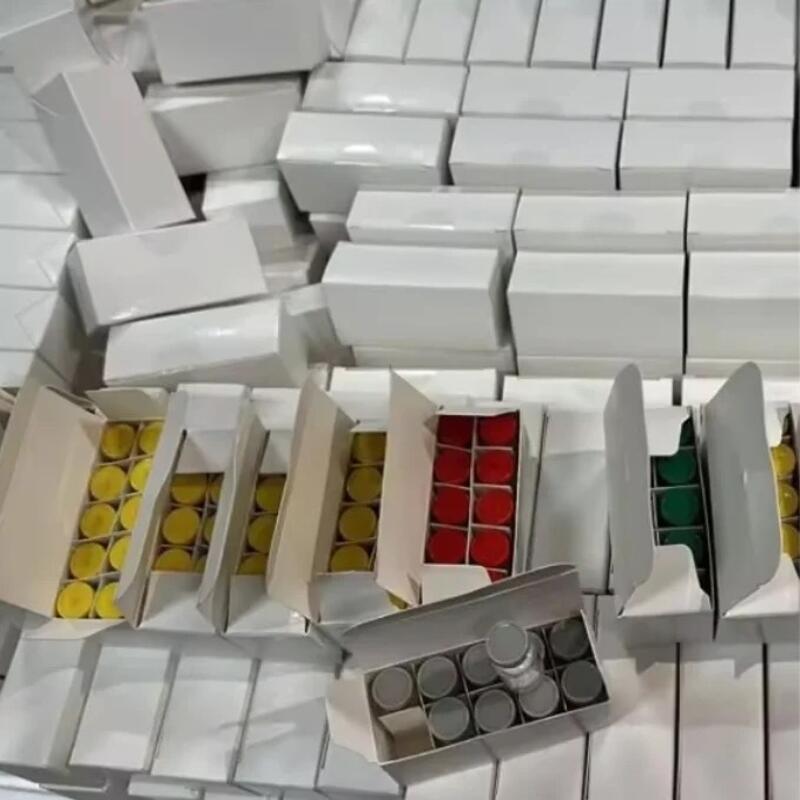
We don't have a strict MOQ — you can order just one vial in any size (8mg, 10mg, 12mg, 15mg, or 30mg), no bulk commitment needed.
Most orders ship within 1-3 business days. If you need it faster, let us know and we can check expedited options.
Yes, every batch comes with a COA showing HPLC and MS results — purity is ≥99%, and we can share that before you order if you'd like.
Just dissolve it in sterile water or DMSO. Once reconstituted, keep it at -20°C and protect from light — it stays stable for 24 months stored properly.
We can work with you on custom vial sizes or bulk packaging — just reach out with your requirements and we'll see what we can do.