Account
Inquiry
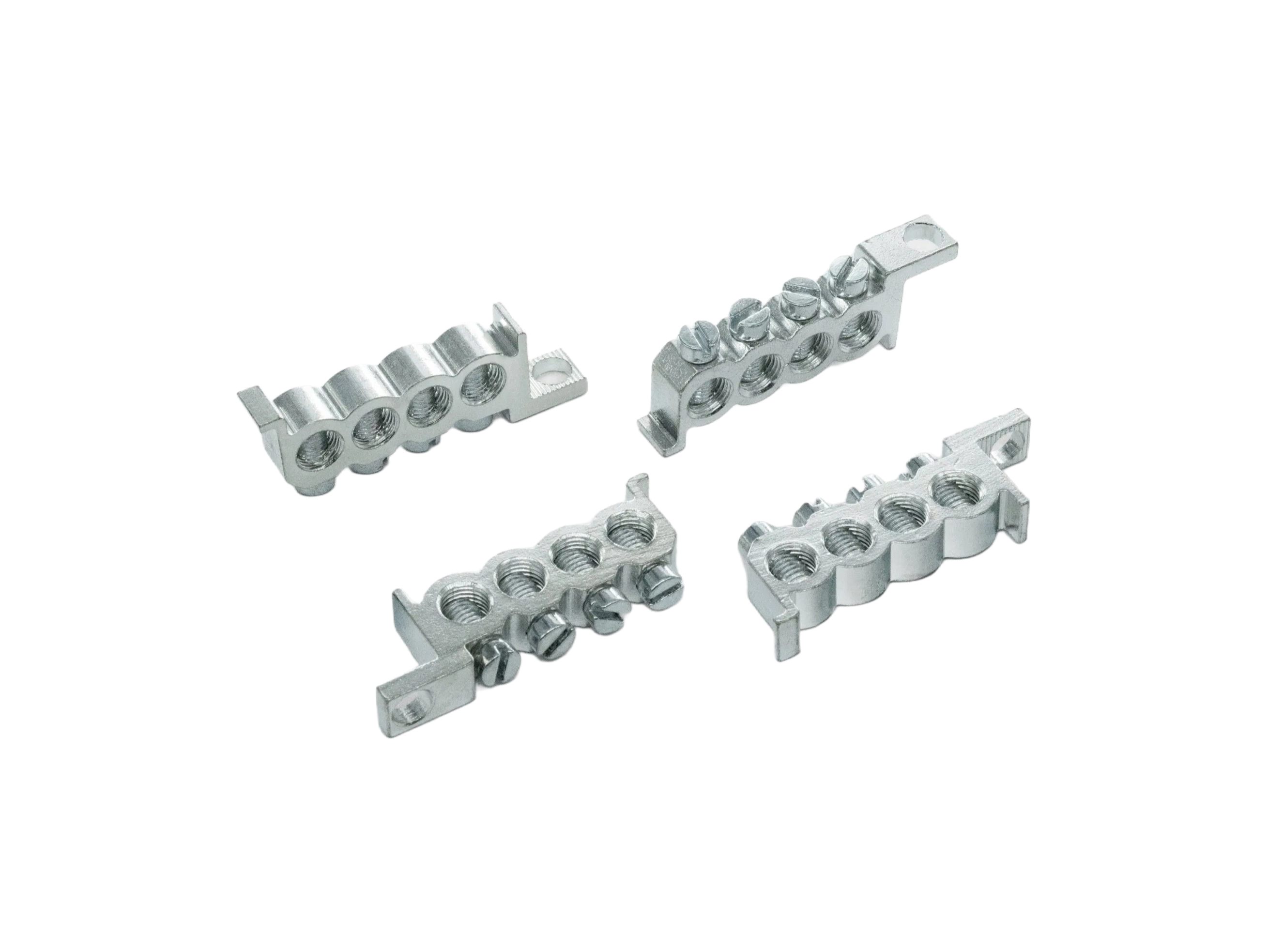
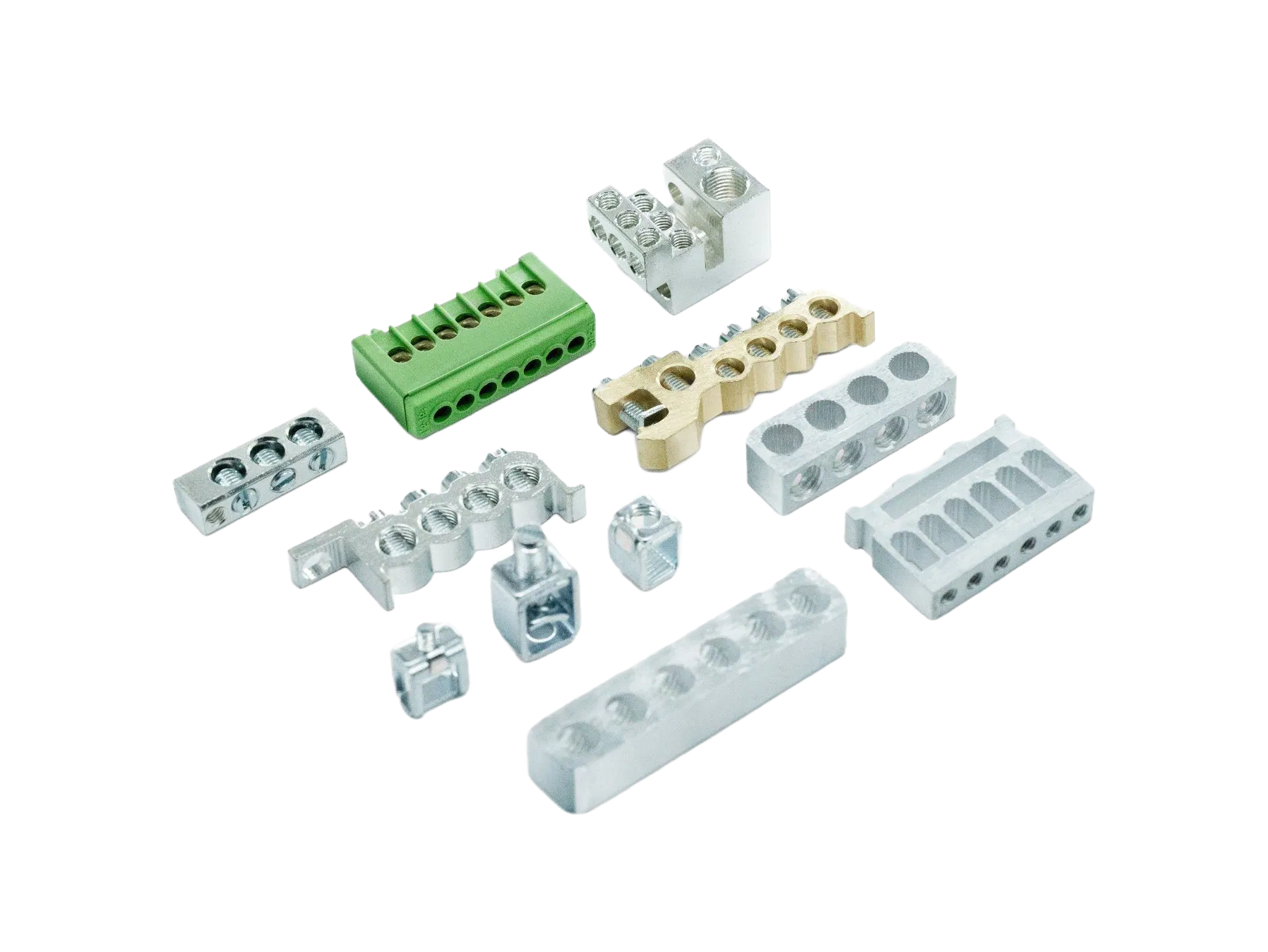
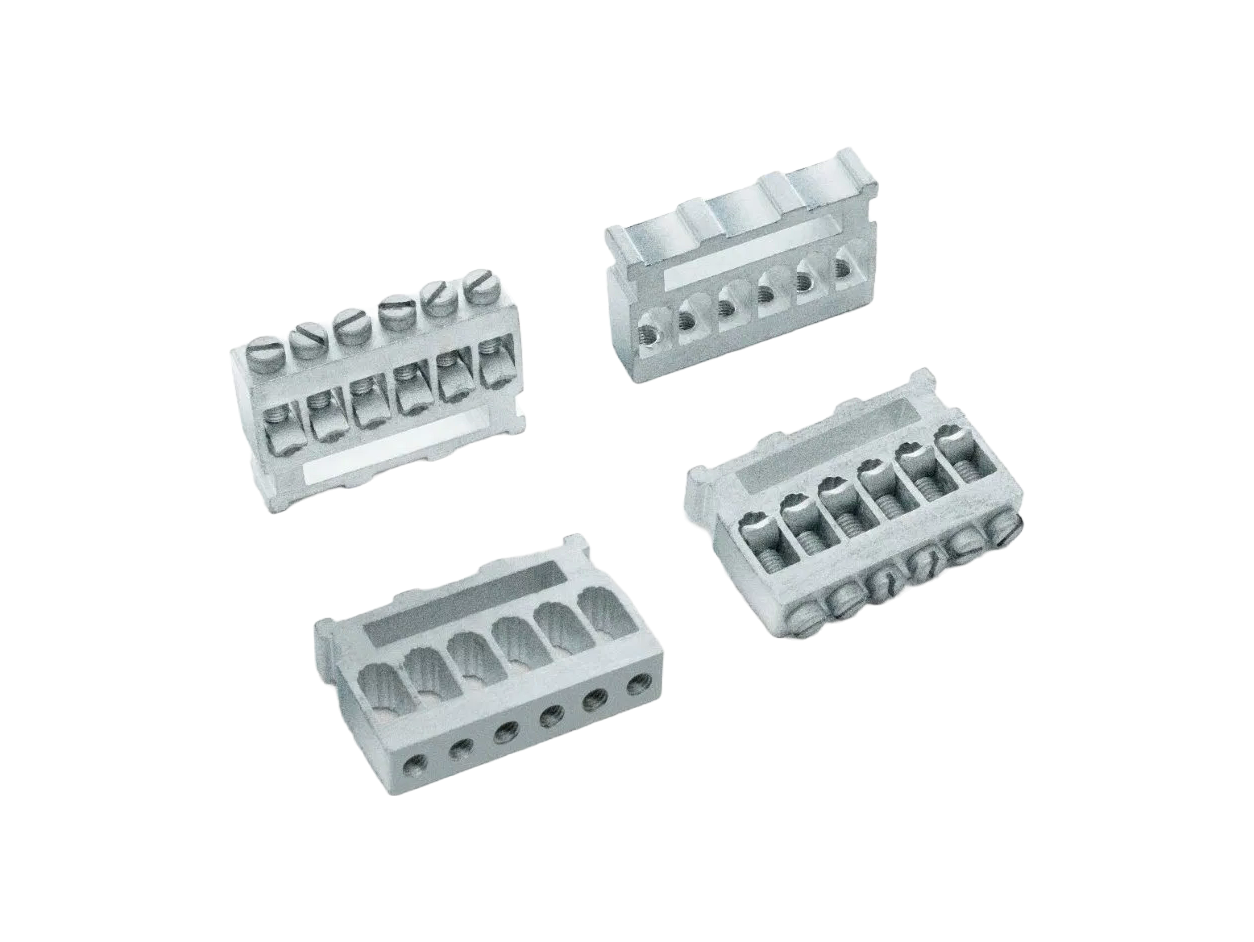
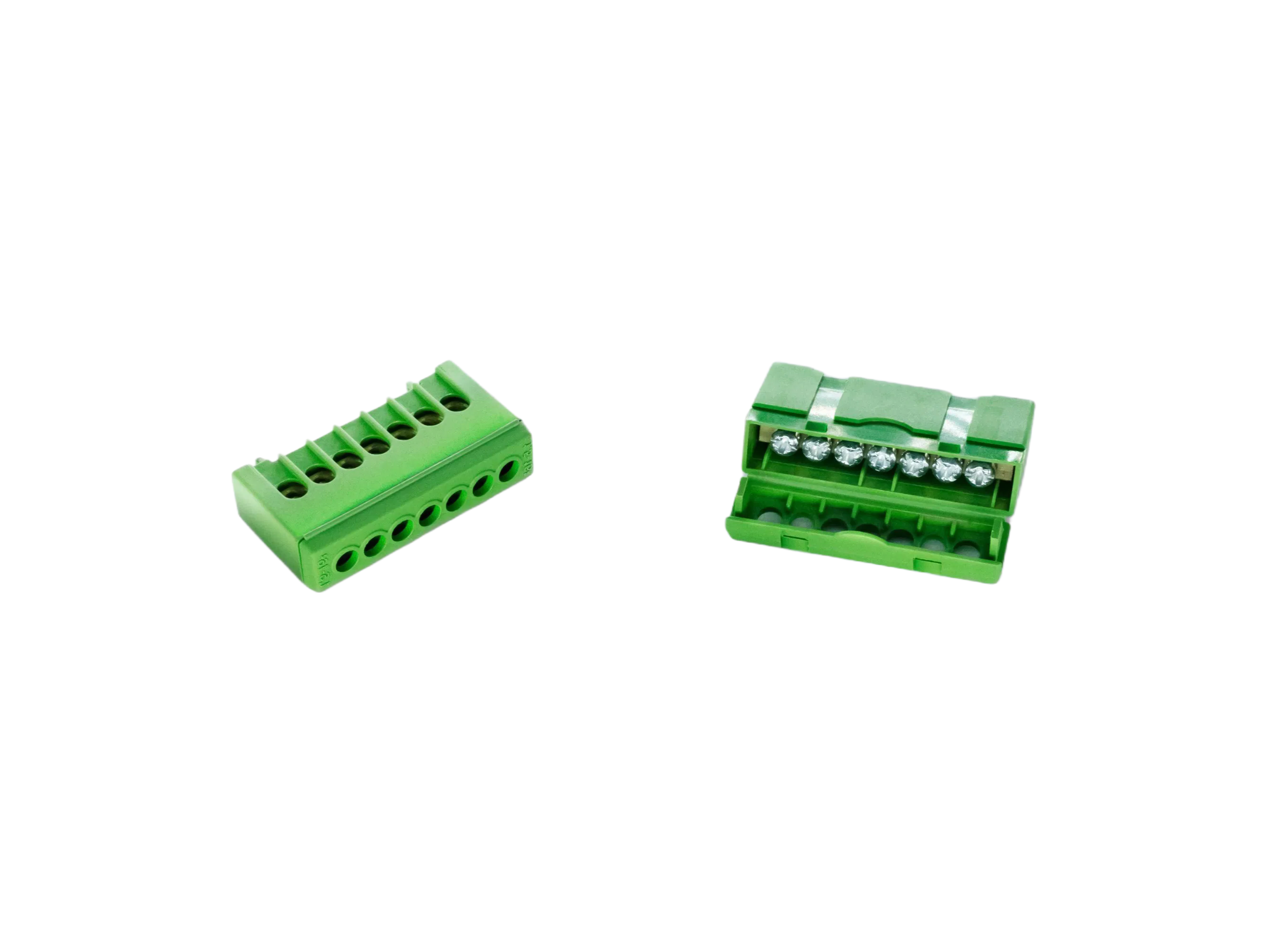
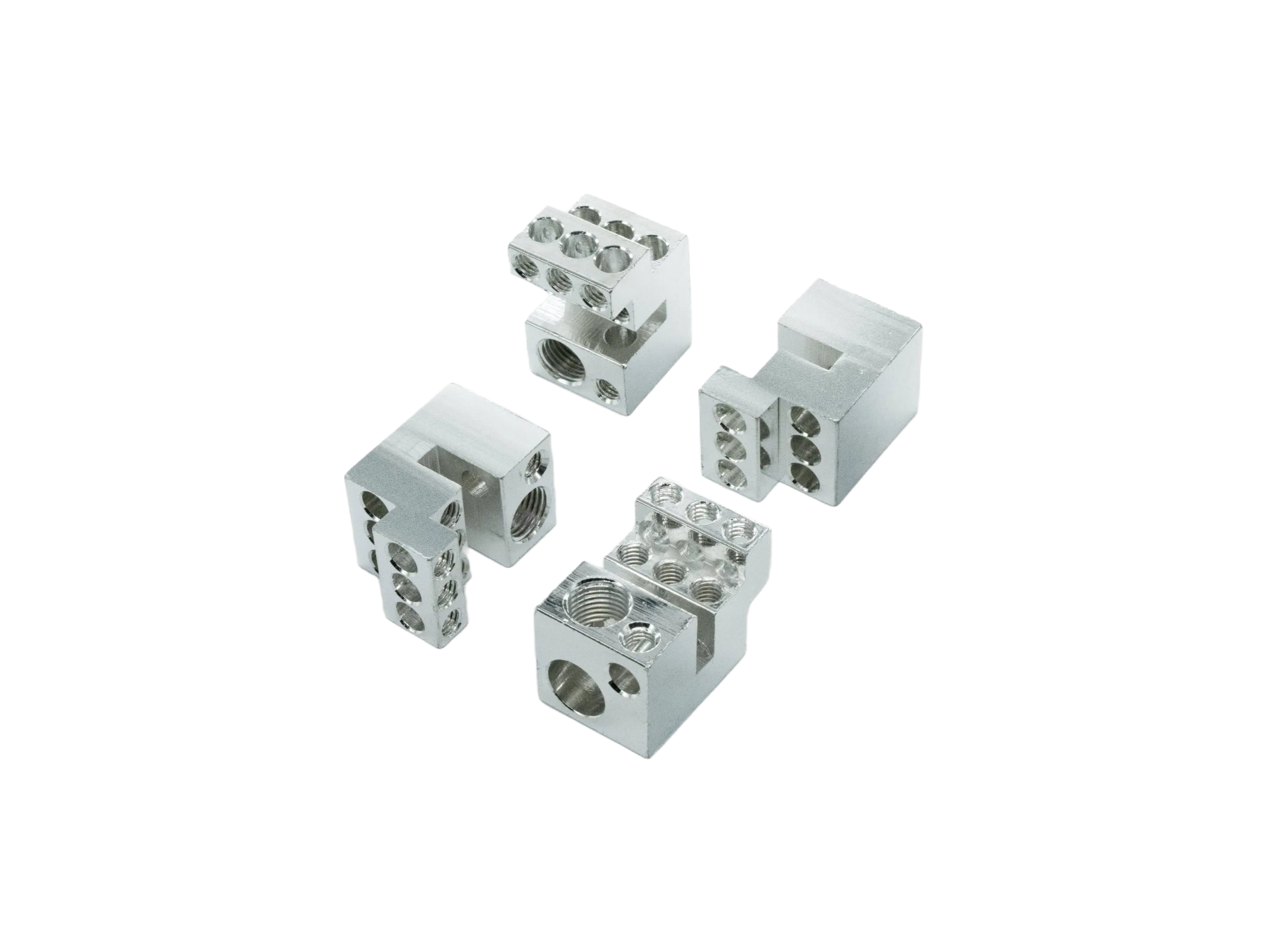
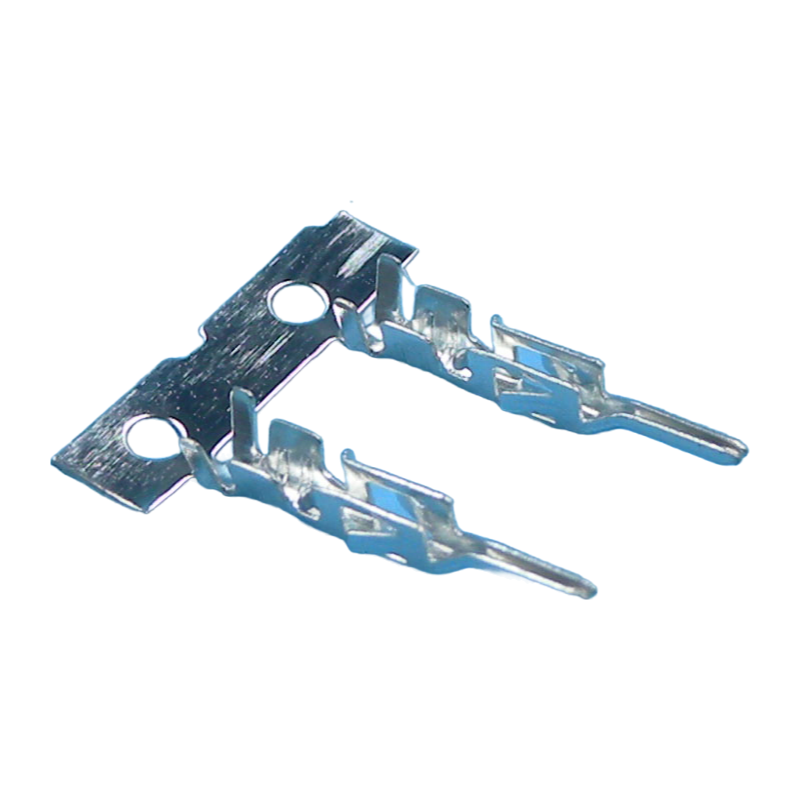
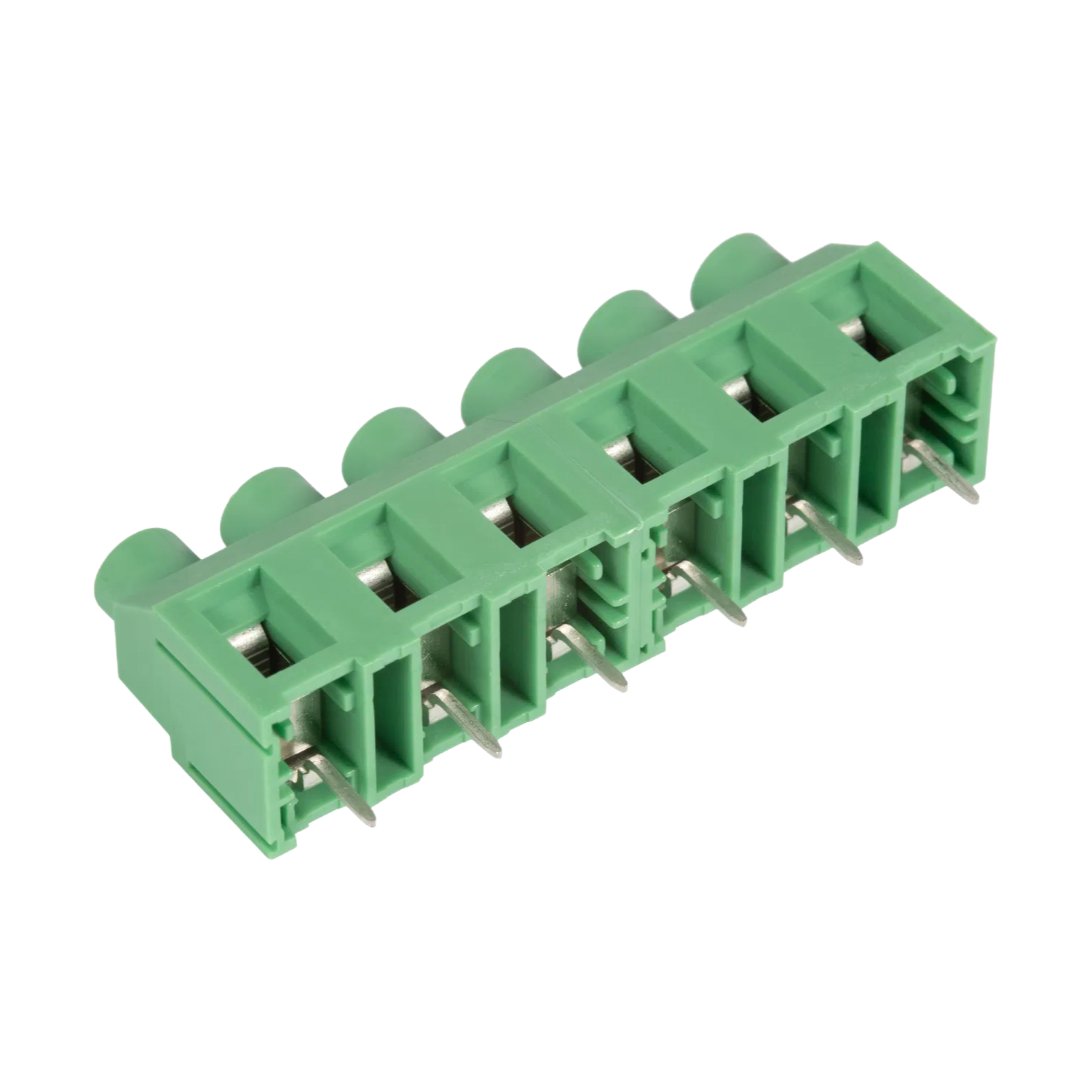
We've been running these through our CNC shop for years, and teh ±0.01mm tolerance is what actually matters when you're mating connectors in high-vibration environment like automotive power distribution — slop there gets you intermittent faults that are a nightmare to trace down. Most buyers go with brass for conductivity unless they need the corrosion resistnce of stainless steel, but plastic bodies are pretty much only for low-current signal applications where you're chasing weight savings.
Cold stamping is faster for high-volume runs, but we'll CNC machine anything that needs tighter tolerances or has weird geometry that won't stamp cleanly — those custom ODM jobs with non-standard pin spacing usually land here. Surface treatment options are electroplating, spraying, polishing, or oxidation, and honestly the electroplating is better than spraying for maintaining consistent contact resistance over temperature cycles. Sample lead time is 5-7 working days, though we usually have stock on common brass blanks if you're in a hurry.
ISO 9001 covers quality system, but we also run CE and CCC certifications for export — CCC is mandatory if these are going into Chinese-built machinery, so check your destination before ordering. Each batch gets a COA with dimnesions and surface finish readings, usually within 2-3 days of shipment. We don't do MOQ on samples, but production orders typically start at 500 units or so for custom tooling setups.
One thing buyers don't always think to ask is the thread lock on screw terminals — our company can apply a micro-encapsulated threadlocker at no extra cost if you specify it, otherwise you'll need to add your own for applications over 80°C ambient. Also, the plastic options are limited to about 120°C continuous service, so don't spec them for engine bay connectors without checking the thermal profile first. For power systems application, stick with brass or stainless and specify the electroplating thickness (usually 5-10 microns) to avoid galling during installation.
Anyway, what it does is take your connector drawing and turn it into a functional part at ±0.01mm, with surface finish options that match your enclosure specs — we've done matte black oxidation for construction equipment and bright nickel for panel-mount power connectors. Cold stamping is better than CNC machining for simple geometries if volume is above 10,000 units, but the tooling lead time adds about 3-4 weeks to the first run. We confirm lead time on each quote since capasity fluctuates with the machining schedule.
We don't have a fixed MOQ — we can handle small prototype runs or full production volumes. Just tell us your quantity and we'll work out the pricing.
That's our standard precision for CNC machining, holding within 0.01mm of your specs. For most automotive or power system applications, that's more than enough.
Yes, we can supply mill test reports for raw materials upon request. We're ISO 9001 certified, so quality docs are part of our process.
Absolutely — we offer electroplating, spraying, polishing, and oxidation. Just send us your color code or finish preference, and we'll match it.
Samples usually take 5-7 working days from design approval. For production orders, lead time depends on volume but we'll give you a clear timeline upfront.
Fantastic experience overall. The logistics were handled exceptionally well. My order arrived ahead of the estimated schedule, which was a very pleasant surprise. The packaging was secure and professional, ensuring all components were perfectly protected during transit. Communication regarding shipping updates was clear and timely. Regarding quality, the machined parts I received are impeccable. The finish is smooth, the tolerances appear exact, and the materials feel robust and precisely as specified. There is a clear attention to detail in the craftsmanship. The service provided was equally commendable. The sales and support team was responsive, patient with my inquiries, and proactive in providing information. They demonstrated a strong understanding of their products and a genuine willingness to assist. The entire process, from initial quote to final delivery, was seamless and professionally managed. This level of performance in logistics, quality, and customer service is exactly what one hopes for when sourcing precision components. It builds significant confidence and makes future collaboration a very easy decision. I am thoroughly satisfied and would not hesitate to recommend this supplier to others seeking reliable and high-quality custom electrical connectors and terminal blocks.
Smooth and efficient logistics were the first thing I noticed. The shipping was remarkably fast, and the tracking information provided was accurate and updated regularly, which made the entire delivery process transparent and stress-free. The packaging was also exceptionally secure, ensuring that all items arrived in perfect condition without any damage or issues. This attention to detail in the shipping phase really set a positive tone for the overall experience. Regarding quality, the components I received were outstanding. They were precisely manufactured with excellent craftsmanship, and the materials used felt durable and reliable. Every piece met the high standards I expected, showing no signs of defects or inconsistencies. The finish was smooth and professional, which is crucial for the electrical applications I needed them for. It’s clear that a lot of care went into the production, resulting in products that not only look good but also perform exceptionally well. The service provided was equally impressive. The customer support team was responsive, knowledgeable, and very helpful throughout the entire process. They answered all my questions promptly and provided clear information, making the ordering and customization steps straightforward. Any minor concerns I had were addressed quickly and efficiently, demonstrating a strong commitment to customer satisfaction. Overall, this was a highly satisfactory experience from start to finish, and I would definitely consider ordering again in the future.
Hats off to the team for an outstanding experience from start to finish. The logistics were handled with impeccable precision; my order arrived ahead of schedule, which was a fantastic surprise. Every component was securely packaged, demonstrating a clear commitment to safeguarding the products during transit. Regarding quality, the machined terminal blocks exhibit exceptional craftsmanship. The tolerances are exact, and the finish is flawless, meeting the high standards required for my application. The service provided was equally commendable. The support staff was responsive, knowledgeable, and proactive in addressing my inquiries, making the entire procurement process smooth and hassle-free. This supplier has certainly set a high benchmark in terms of reliability and professionalism.
Logistics were handled exceptionally well. The shipping was prompt and the items arrived securely packaged without any damage. The tracking information provided was accurate and updated regularly, which made it easy to monitor the delivery progress. The carrier used was reliable and the overall transit time was faster than anticipated. The packaging materials were sturdy and appropriate for the components, ensuring everything was protected during transport. The delivery personnel were professional and courteous upon arrival. The entire logistics chain from order dispatch to final delivery was seamless and efficient. There were no delays or complications, which is commendable for international shipping. The company clearly has a robust and well-organized logistics system in place. The attention to detail in the shipping process reflects their commitment to customer satisfaction. Receiving the order in perfect condition and on time has been a positive experience. I am thoroughly impressed with how smoothly the delivery was executed. The reliability of their logistics gives me great confidence in future orders. This aspect of their service certainly meets high standards and contributes significantly to a positive overall experience. The efficiency demonstrated is noteworthy and sets a good precedent for business transactions. I have no complaints regarding the shipping and handling; it was handled professionally from start to finish. The care taken in logistics is evident and very much appreciated. It makes the procurement process much less stressful when the delivery is so dependable. Overall, the logistical performance was outstanding and exceeded my expectations in terms of speed and care.
Fantastic experience from start to finish. The logistics were handled with impeccable precision; the order was processed swiftly and the shipment arrived well ahead of the estimated delivery schedule, which was a pleasant surprise given the custom nature of the components. Everything was packaged securely with no signs of damage. Regarding quality, the machined terminal blocks exhibit outstanding craftsmanship. The tolerances are exact, the finish is smooth and professional, and the materials feel robust and durable, exactly as specified. The service team was exceptionally responsive and supportive throughout the entire process. They provided clear communication, promptly answered all technical queries, and demonstrated a genuine commitment to ensuring the order met our precise requirements. This supplier has proven to be a reliable and high-caliber partner for our custom electrical connector needs. The overall efficiency, from initial inquiry to final delivery, was remarkable. I am thoroughly impressed and would not hesitate to recommend their services or place future orders. A truly seamless and satisfactory procurement experience that underscores their expertise in precision CNC machining and OEM support.
Jaw-droppingly fast logistics were the first thing that impressed me. The shipment arrived days ahead of the estimated schedule, impeccably packaged with no signs of transit stress. The quality of the machined components is just as remarkable; the tolerances are visibly exact, and the finish on the metal is flawless, speaking to superior manufacturing control. However, the service aspect was somewhat inconsistent. While the initial sales communication was prompt and helpful, obtaining a specific technical clarification post-order required multiple follow-ups and took longer than expected. This created a minor delay in our internal planning. Overall, the exceptional product quality and stellar logistics performance form a very strong foundation. If the customer service responsiveness can be elevated to match the same high standard, this supplier would be truly unparalleled. For critical precision parts where timing and quality are non-negotiable, they are a highly competent partner, though one should be prepared for potential variability in post-sales support.
Your logistics team deserves high praise for the incredibly swift and well-organized delivery of my recent order. The package arrived ahead of schedule and was impeccably packed, showing clear attention to detail in handling. Yet, the quality of the components themselves is what truly stands out. Yielding absolutely no flaws upon inspection, the machined parts exhibit a remarkable finish and precise tolerances that meet the strictest specifications. Your service throughout the entire process was equally commendable, with prompt and clear communication that made the custom order process seamless. Years of sourcing similar components have taught me to value reliability above all, and your company has demonstrated it in every aspect—from the initial quote to the final delivery. This consistent performance builds tremendous confidence for future projects and establishes your firm as a premier supplier in a competitive field. Without hesitation, I would recommend your services to any professional seeking top-tier electrical connectors and terminal blocks.
Delivery was incredibly swift and well-organized. The logistics team handled everything with remarkable efficiency, ensuring my order arrived ahead of schedule and in perfect condition. The packaging was secure and professional, which clearly reflected their attention to detail throughout the shipping process. Diving into the quality, I am thoroughly impressed. The components exhibit exceptional craftsmanship and durability, meeting the highest standards I anticipated. Every piece feels robust and precisely manufactured, showcasing superior material integrity. Regarding customer service, the support team was exceptionally responsive and helpful. They provided clear communication at every stage, promptly addressed my inquiries, and demonstrated a genuine commitment to customer satisfaction. This overall experience has been outstanding, and I would confidently recommend this supplier for their reliable logistics, top-tier product quality, and exemplary service.
I recently placed an order with this supplier for custom CNC terminal blocks, and I must say the entire experience was quite positive. The logistics aspect was handled exceptionally well; the shipment arrived much earlier than the initial estimated delivery date, which was a pleasant surprise. Everything was packaged securely with ample protective materials, ensuring that the precision electrical components were in perfect condition upon arrival. There were no signs of damage or mishandling during transit, which speaks volumes about their attention to detail in the shipping process. The quality of the machined terminal blocks is truly outstanding; they exhibit excellent craftsmanship, with precise tolerances and a flawless finish that meets the high standards required for our electrical applications. Each piece feels robust and well-made, reflecting the supplier’s commitment to producing reliable OEM terminal blocks. As for customer service, the team was highly responsive and professional from the initial inquiry through to post-delivery follow-up. They provided clear communication, promptly addressed all my questions, and offered valuable insights regarding the custom electrical connectors, making the customization process smooth and hassle-free. Overall, I am thoroughly impressed with the supplier’s efficiency, the superior quality of their products, and their dedicated support, making them a trustworthy partner for future projects.