Account
Inquiry
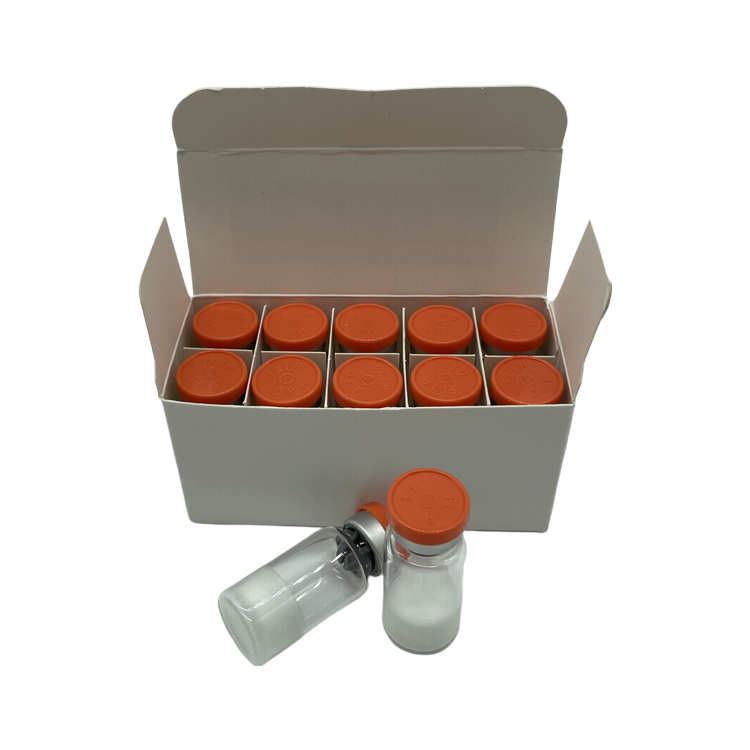
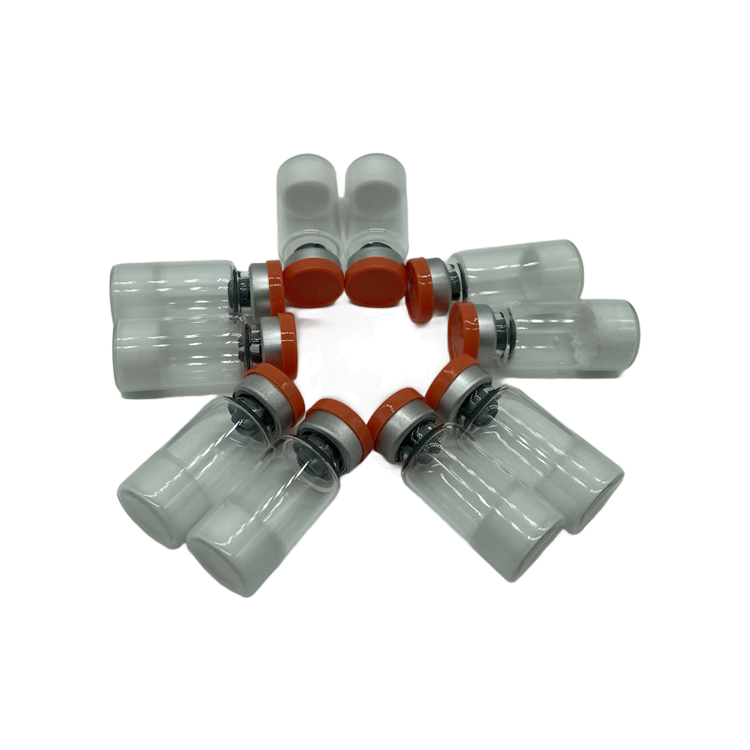
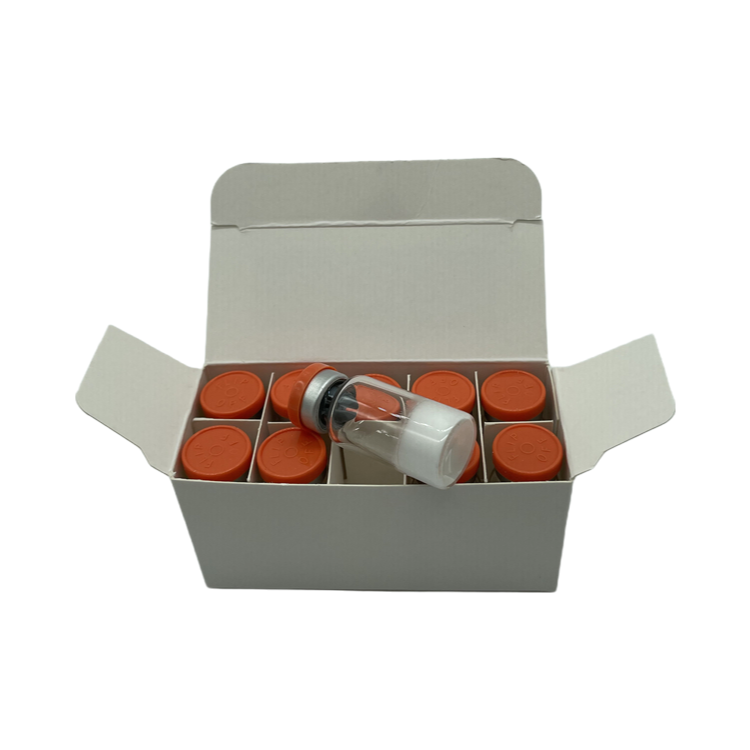
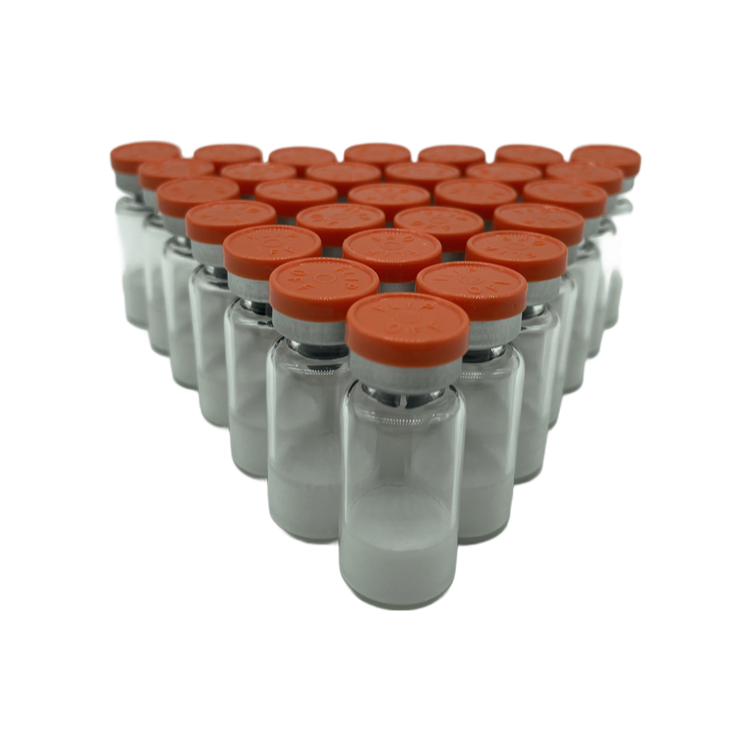
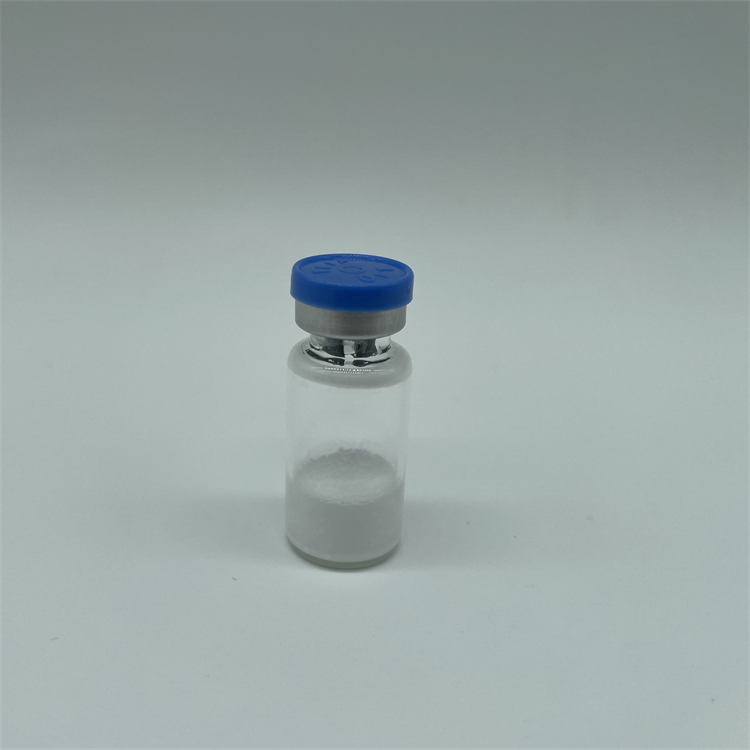
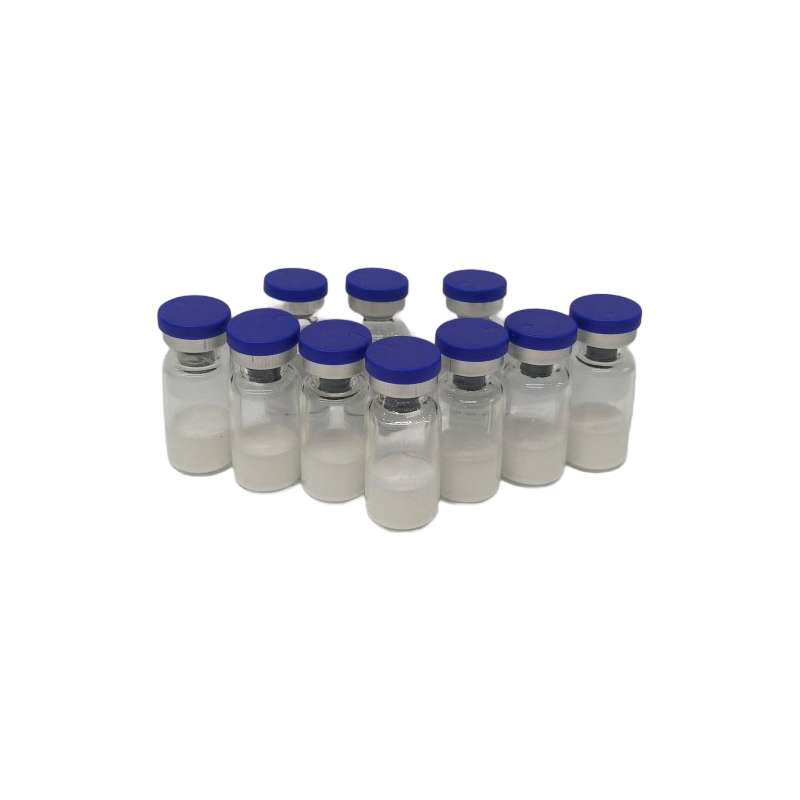
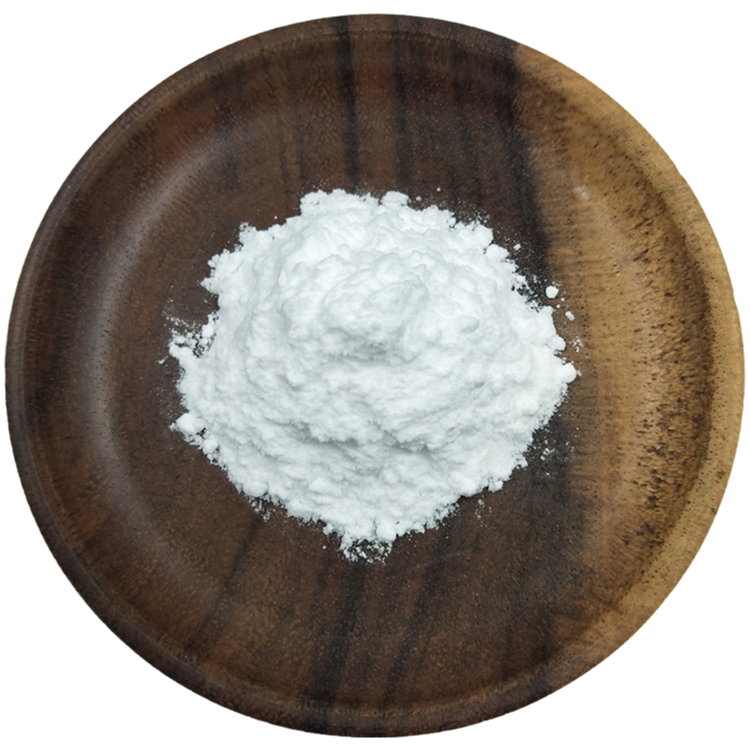
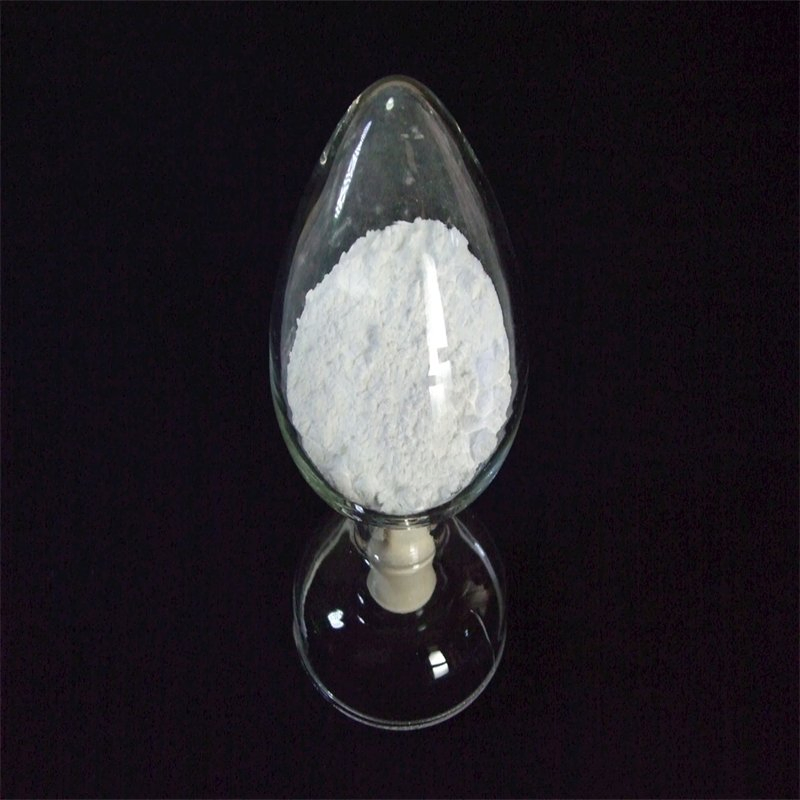
We've been sourcing this for our longevity assays for about two years now, and the 99% HPLC purity has been consistent batch to batch—no surprises with the lyophilized powder arriving as a white to off-white cake that reconstitutes cleanly in water.
The molecular weight sits at 663.43 g/mol, and the -20°C storage requirement is non-negotiable: we had one batch left out for 48 hours and the degradation was noticeable in teh cell viability data.
What it does is provide reliable substrate for sirtuin activation studies, but it's actually better suited for mitochondrial function work than for DNA repair assays where you'd want a different coenzyme.
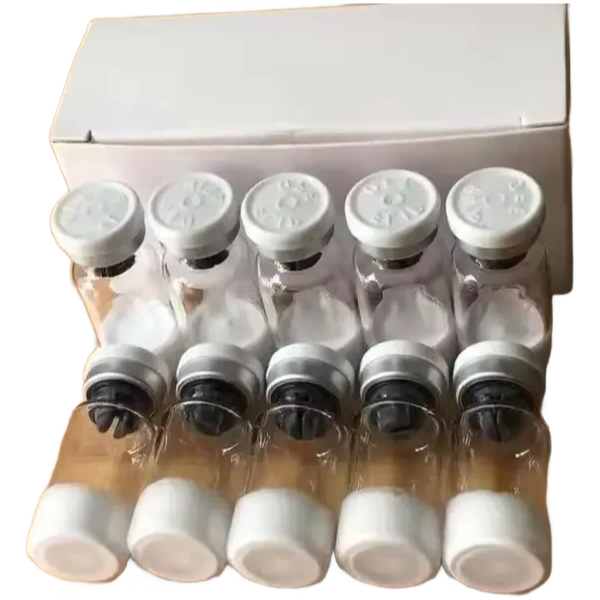
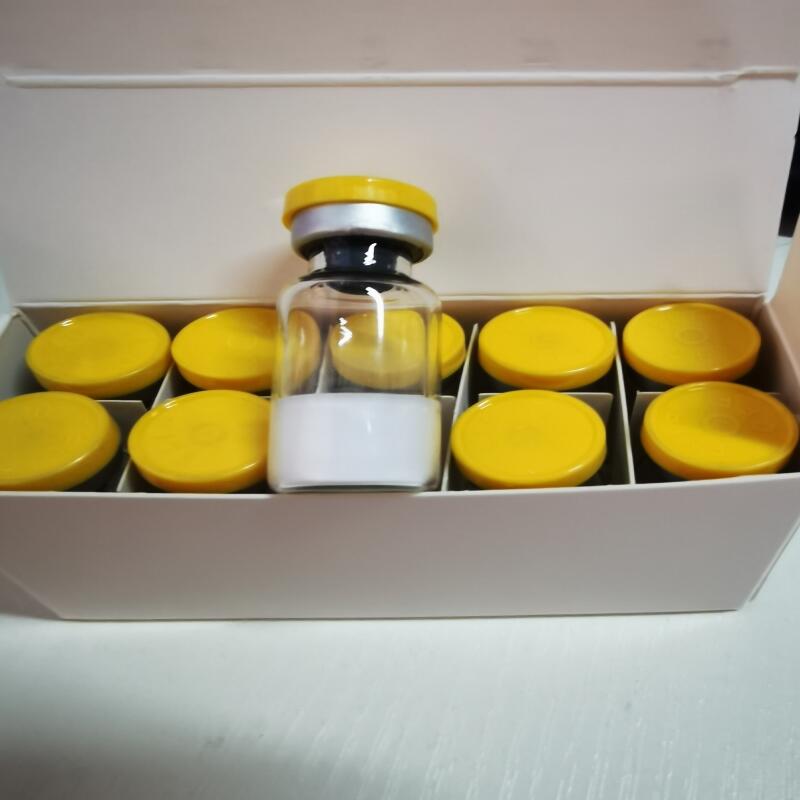
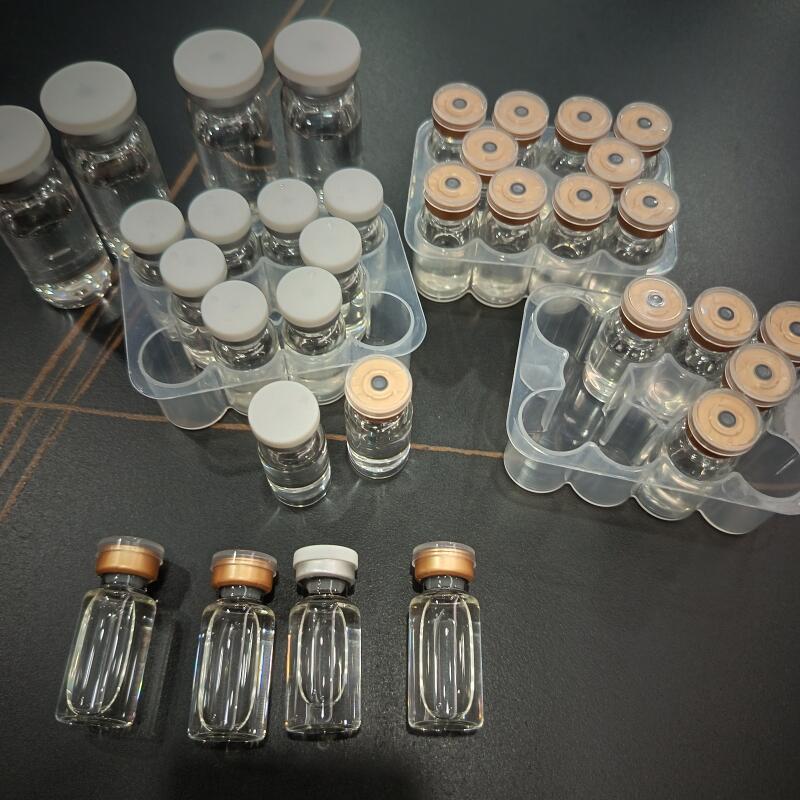
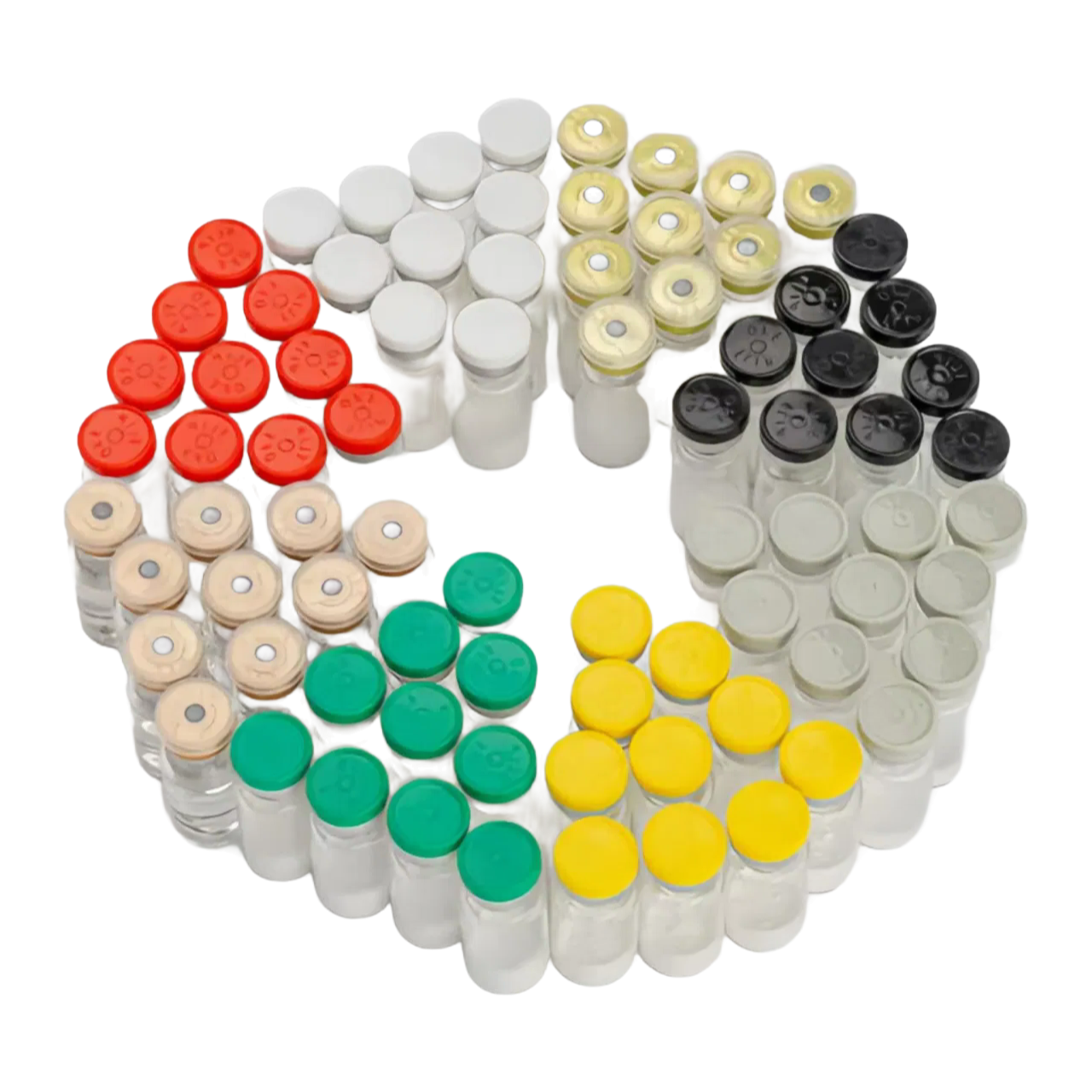
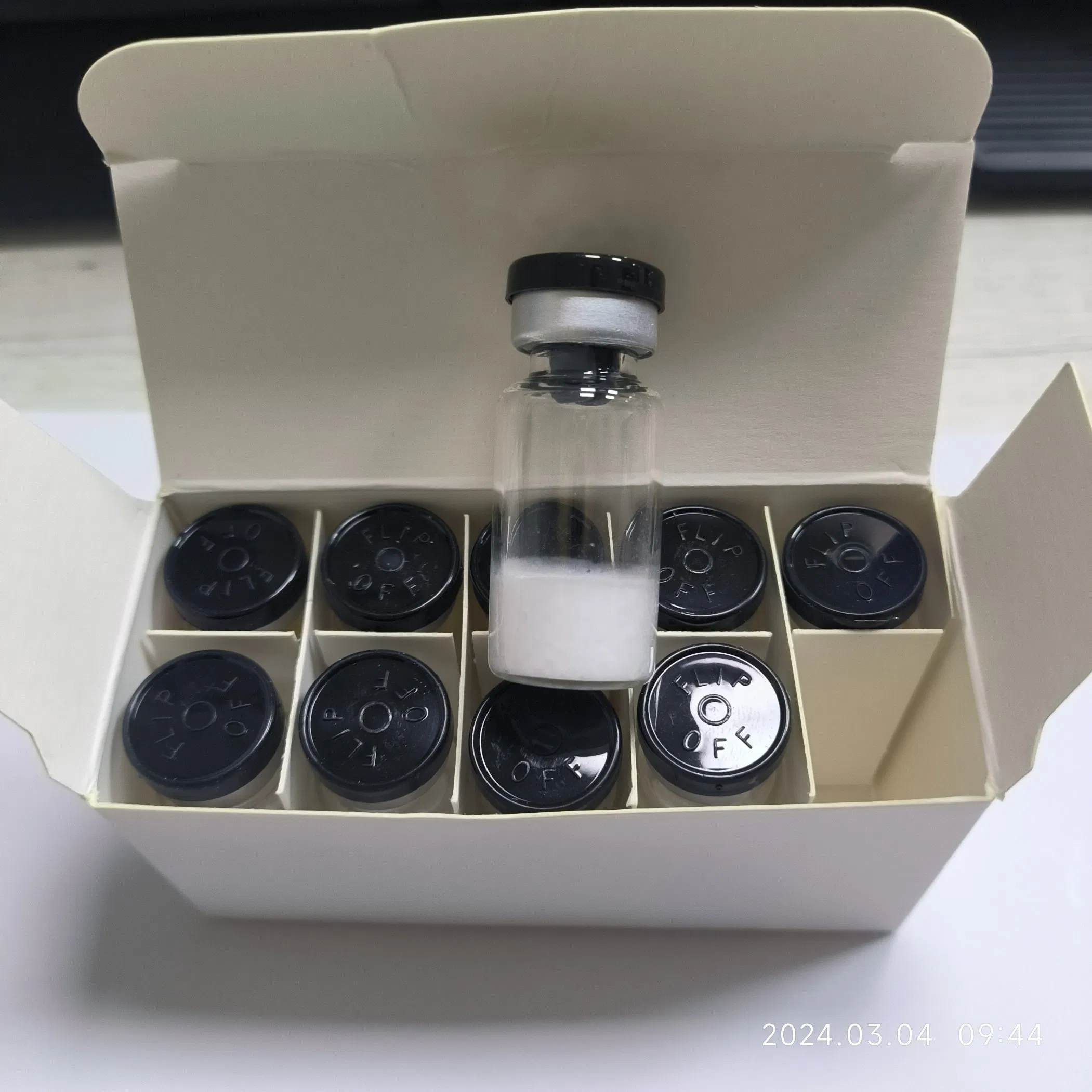
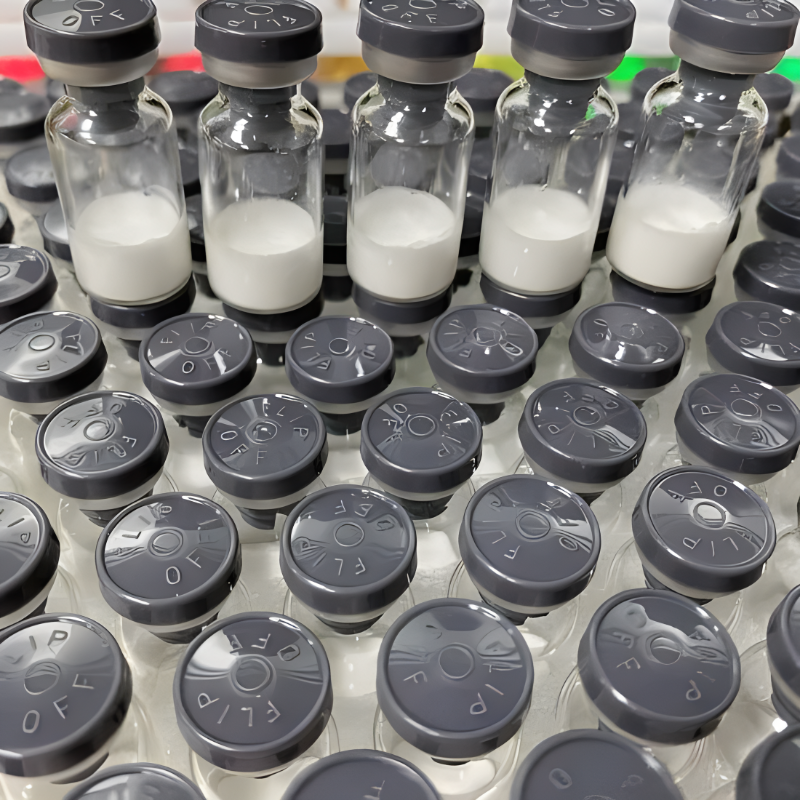
One thing a buyer might not think to ask: the rubber stoppers on the vials can be tricky to reseal if you're not using a desiccator, so we usually aliquot into smaller tubes imediately after reconstitution.
Lead time is typically 20 days or so, but we've seen it stretch to 4 weeks during peak ordering periods—check stock before you plan experiment.
Anyway, the endotoxin level stays under 0.1 EU/mg, which matters if you're working with primary cells, and the heavy metals at ≤10 ppm are better than reagent grade for this appliction.
We typically require a MOQ of 1 gram for this product, but we can discuss smaller quantities for initial evaluations or research projects. Just reach out to our sales team for custom requests.
Our standard lead time is 5-7 business days for in-stock items. For larger volumes, it may take up to 2 weeks, depending on production schedules.
Yes, we include a COA with every shipment that details the HPLC purity, water content, heavy metals, and endotoxin levels. You can also request the full batch-specific report before ordering.
Store it at -20°C in a dry, light-protected environment, preferably in the original glass vial with the rubber stopper sealed. Avoid repeated freeze-thaw cycles to preserve stability.
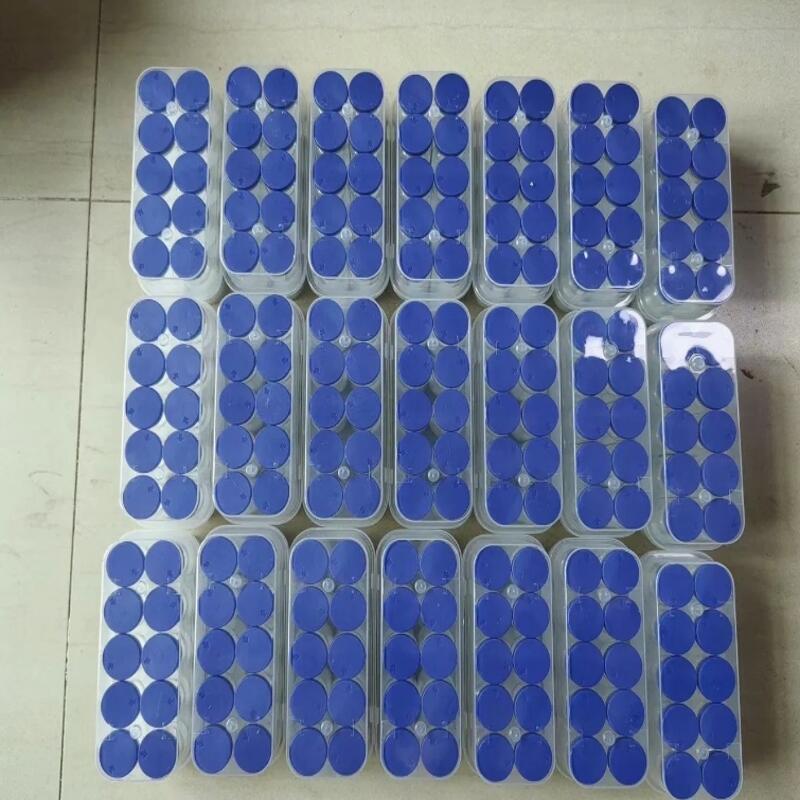
Absolutely, we can customize packaging options such as vial size, labeling, or even bulk packaging for larger research projects. Just let us know your requirements when you place the order.