Account
Inquiry
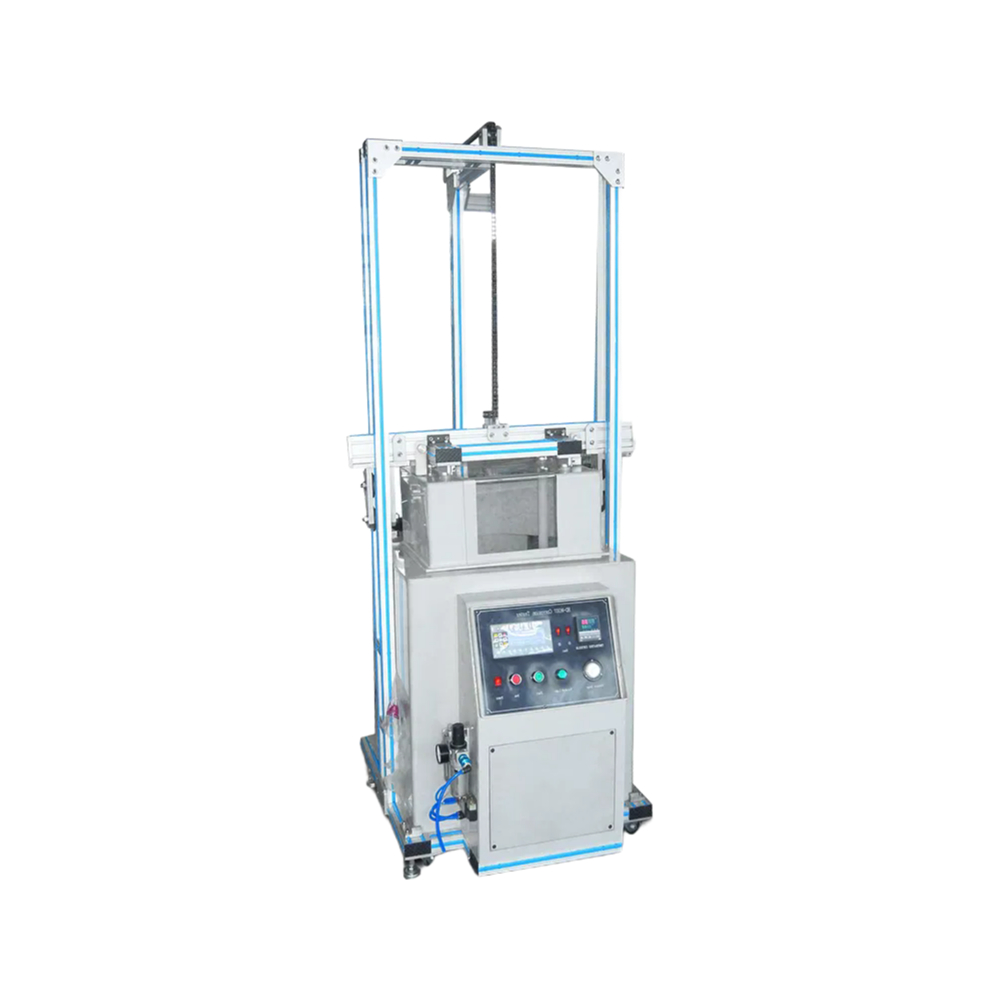
We typically keep these in stock—about 15 to 20 units ready to go, but that fluctuates with order batches, so you'll want to confirm lead time before planning anything tight. Shiping is straightforward since it's not cold chain, just a sturdy crate with the thermal plastic container and rack nested inside.
For rust resistance testing, most buyers go with the 1% sodium chloride at 60±2°C—it basically mimics the worst-case dishwashing scenario over years of use. Cycle speed adjusts from 2 to 5 per minute, and we've seen labs prefer the slower end for cutlery that's already plated.
It's not great for testing ceramic blades or non-metallic handles—only designed for stainlss steel cutlery like knives and forks, so keep that in mind if your sample mix includes composites. The immersion stroke length is adjustable, but we usually set it at about 65mm from the rack's lowest point.
Trust really comes down to consistency across batches—what it does is hold temperature within ±2°C reliably, and the engineering plastic rack doesn't warp after a few hundred cycles like some cheaper ones do. One year controller and heating element, but teh container is pretty much indestructible anyway.
You get a COA with each unit, and we can provide historical temp logs from factory calibration (usually ±0.5°C or so) if your QA needs that for audits. Anyway, the machine runs off standard mains—nothing exotic required—and the 1L test chamber handles up to twelve fork specimens in one go.
Our standard MOQ is 1 unit, but we can discuss larger orders if you need a fleet for high-volume testing.
Typically 15-20 working days, depending on current production load. We’ll confirm a precise timeline once your order is placed.
Yes, we can supply a CE certificate and a calibration report for the temperature and cycle controls upon request.
It uses a built-in PID controller and a heated bath system to keep the testing solution steady at 60±2°C throughout the cycle.
We ship it in a reinforced wooden crate. For storage, keep it in a dry, cool area away from direct sunlight to avoid warping the plastic.
Unbelievably fast and efficient delivery! The courier service was exceptional, with constant updates and careful handling of the package. Upon arrival, the packaging was robust and secure, ensuring the equipment was perfectly protected during transit. The overall shipping experience was seamless and stress-free, which is crucial for time-sensitive laboratory operations. Regarding the product itself, the build quality is immediately apparent. It feels solid, well-engineered, and precisely manufactured, exactly as described. The materials used seem top-notch, promising durability and reliability for rigorous testing environments. The initial inspection revealed no flaws or imperfections. Customer service has also been outstanding. The support team was proactive and helpful from the initial inquiry stage, providing clear information and prompt responses. This level of service instills great confidence in the supplier. While I haven't yet commenced operational testing, the first impressions based on logistics, physical quality, and pre-sales support are overwhelmingly positive. This appears to be a professional-grade piece of equipment, and the entire process from order to delivery has been handled with impressive professionalism and care. A very satisfactory experience so far, focusing purely on these initial aspects.
Completely satisfied with the purchase. The communication was clear and the shipping was incredibly fast, arriving well ahead of the estimated schedule. The packaging was professional and secure, ensuring the equipment arrived in perfect condition. The build quality of the machine itself is outstanding; it feels robust and precisely engineered. The initial setup was straightforward, and the documentation provided was clear. Customer service was responsive and helpful during the ordering process. A very smooth and positive experience from start to finish. Highly recommended for anyone seeking reliable laboratory equipment with efficient service.
Shipping was surprisingly swift. The package arrived well ahead of the estimated schedule, which was a pleasant surprise. The item was securely packaged with ample protective materials, ensuring everything arrived in perfect condition without a single scratch or dent. The quality of the machine itself appears to be excellent upon initial inspection. The construction feels solid and robust, exactly what one would expect for professional laboratory equipment. The finish is clean, and all components fit together precisely. Regarding service, the communication from the seller was clear and proactive. They provided timely updates and were responsive to a pre-shipment inquiry I had. The documentation included was comprehensive and easy to follow. Overall, this was a very smooth transaction from start to finish. The combination of fast logistics, apparent high-quality manufacturing, and attentive customer service makes for a highly satisfactory purchasing experience. I would feel confident ordering from this supplier again in the future for other laboratory testing needs.
The delivery was incredibly swift and well-handled. Tracking information was precise and updated regularly, which made the entire process transparent and stress-free. The packaging was robust and secure, ensuring the equipment arrived in flawless condition without any signs of damage during transit. Regarding quality, the machine appears to be constructed with durable materials and exhibits solid craftsmanship. It feels sturdy and reliable, suitable for rigorous laboratory use. The service provided was exceptional; the support team was responsive and helpful, promptly addressing my inquiries with clear and knowledgeable answers. Overall, a very satisfactory experience from start to finish, highlighting efficient logistics, commendable quality, and outstanding customer service.
While the delivery was remarkably swift, arriving well ahead of the projected schedule, the packaging left much to be desired. The outer box showed significant signs of compression and minor water damage, which was concerning. Upon unboxing, the internal foam cushioning was intact, thankfully, and the machine itself appears undamaged. A preliminary visual inspection shows robust construction and the finish seems of high quality. Communication from the seller was minimal but adequate, confirming dispatch. The unit was securely palletized, which was appreciated for a piece of laboratory equipment of this size. However, the lack of proactive updates during transit was a slight drawback. The machine's build quality feels substantial and aligns with the description of a precision instrument. All accessories listed in the manual were present and accounted for. Setting it up was straightforward following the provided documentation, which was clear and well-illustrated. The initial power-on sequence completed without issue, and the control panel responded correctly. While I have not yet begun formal testing protocols, the initial impressions regarding the physical quality and the precision of the temperature control interface are very positive. The service aspect was functional; queries regarding the shipping method were answered promptly, albeit in a very concise manner. Overall, the core product seems excellent, and the logistics were fast, but the shipping packaging could be more resilient for international freight, and the customer service could be more engaged. The machine's apparent durability and the careful internal packing suggest the manufacturer prioritizes the product's integrity, which is paramount for laboratory use.
Yikes, the shipping speed on this order was absolutely phenomenal. I placed the order with moderate expectations for delivery time, but the package arrived several days ahead of the initial estimated schedule. The courier service used was impeccable; the tracking information was precise and updated in real-time, which eliminated any guesswork on my end. The item itself was packaged with an extraordinary level of care. Multiple layers of protective foam and sturdy, double-walled cardboard ensured the machine arrived in pristine, factory-fresh condition without a single scratch or dent. This attention to logistical detail immediately instilled a great deal of confidence. Regarding the unit's perceived quality upon unboxing, it is exceptionally robust. The chassis feels solid and substantial, with a finish that suggests durability. All fittings, dials, and the chamber door operate with a satisfying precision and smoothness, free from any play or roughness. It has a very professional, industrial-grade feel that aligns perfectly with a laboratory environment. The service aspect, though my interaction was minimal, was also noteworthy. The confirmation and shipping notifications were clear and timely. While I haven't needed to contact support for any issues—a testament to the product's condition and clear documentation—the mere presence of comprehensive manuals and accessible contact information provides significant peace of mind. Overall, this was a seamless transaction from start to finish, characterized by outstanding logistics, apparent high build quality, and professional, unobtrusive service. The entire experience was thoroughly satisfactory and has set a very high standard.
The shipping was incredibly fast. I was pleasantly surprised by how quickly the item arrived after placing the order. The packaging was secure and professional, ensuring the machine was well-protected during transit. There were no delays or issues with the delivery process, which made the overall experience very smooth and efficient. The quality of the testing machine appears to be excellent. It feels sturdy and well-constructed, giving the impression of a durable and reliable piece of laboratory equipment. The materials used seem high-grade, and the overall finish is impressive. This suggests it will hold up well under regular use in a testing environment. The customer service team was responsive and helpful. They answered my pre-purchase questions promptly and provided clear information. This level of support is reassuring and adds significant value to the purchase. They were professional and courteous in all communications. Thoroughly satisfied with the transaction from start to finish. The combination of rapid logistics, apparent high quality, and excellent support makes this a highly commendable purchase. I would not hesitate to order from this supplier again for future laboratory equipment needs. This positive experience has certainly set a high standard.
Logistics were handled exceptionally well. The delivery was prompt and the packaging was secure, ensuring the machine arrived in perfect condition without any delays or damage. The quality of the testing machine is outstanding. It feels robust and well-constructed, exactly as described for professional laboratory use. Customer service was also highly responsive and helpful throughout the entire process, answering all my pre-purchase questions efficiently. Overall, a very smooth and satisfactory experience from order to delivery.
Hats off to the team for a truly seamless experience from start to finish. The delivery was remarkably prompt, arriving well ahead of the estimated schedule, which was a fantastic surprise. The packaging was exceptionally secure and professional, ensuring the equipment arrived in pristine condition without a single scratch or dent. Regarding the build quality, it is immediately apparent that this is a premium piece of laboratory equipment. The machine feels incredibly solid and robust, with a finish that speaks to careful manufacturing. All components fit together perfectly, and the overall construction inspires confidence for long-term, heavy-duty use. The customer service deserves special mention as well. The support team was highly responsive and knowledgeable, providing clear answers to my pre-purchase inquiries. They followed up proactively to ensure everything was in order post-delivery. The combination of swift logistics, outstanding physical quality, and attentive, professional service makes this a highly commendable purchase. It has seamlessly integrated into our lab workflow, and I would not hesitate to recommend this supplier to colleagues.