Account
Inquiry
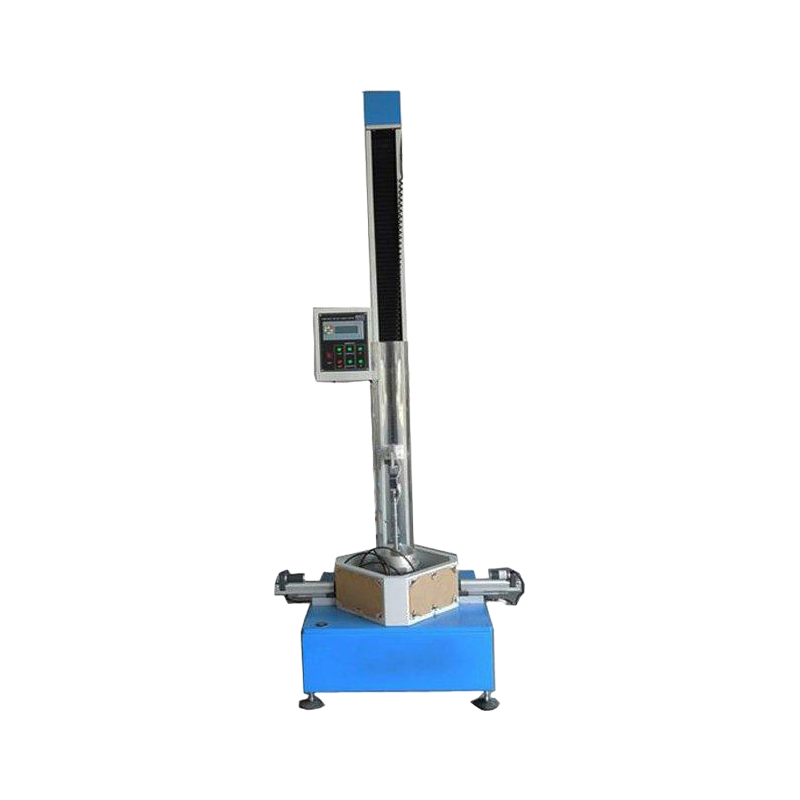
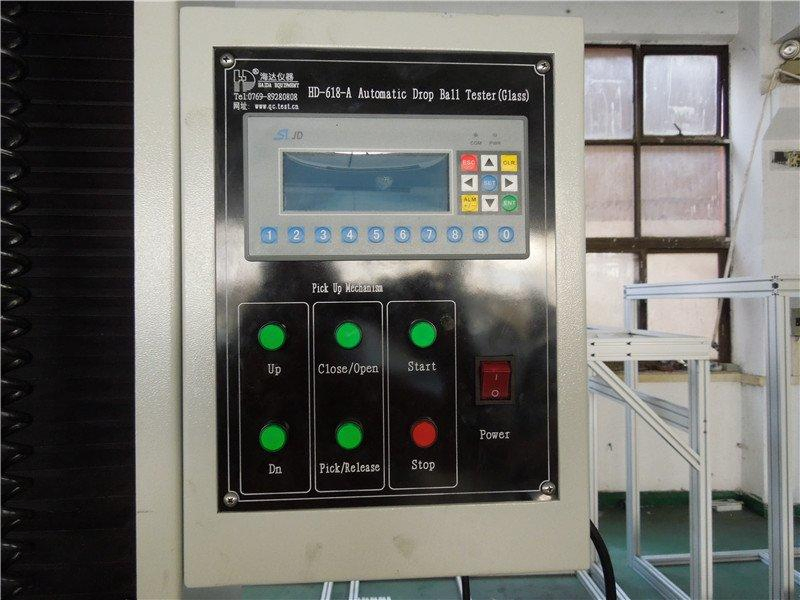
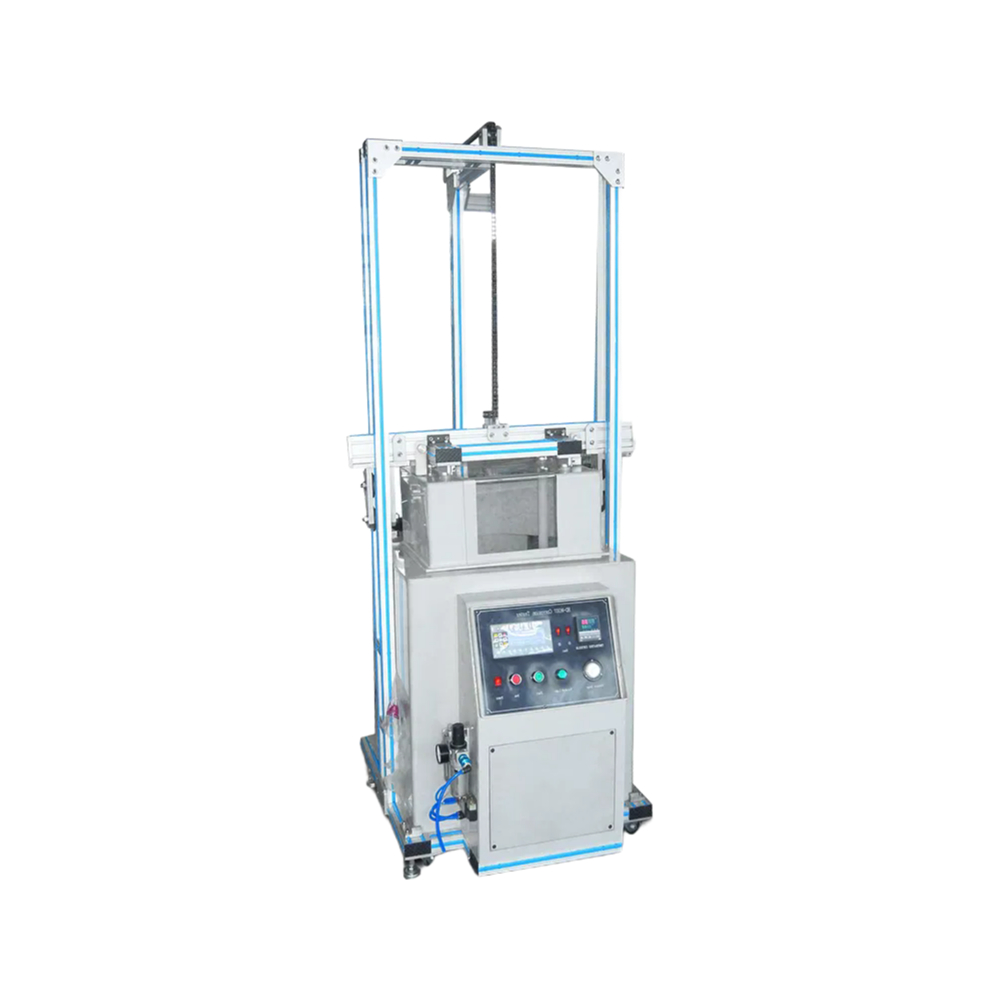
If you're testing materials like plastics, ceramics, or composites for impact resistance, this drop ball tester gives you real data instead of guesswork. The DC electromagnetic release is precise, so the ball drops exactly when you want it to, not a millisecond early. I've used systems that rely on mechanical clamps, and they can slip — this avoids that headache entirely.
Heights go up to 2 meters, which translates to a maximum impact energy of 300 joules. That covers most standard impact tests for things like automotive trim panels or protective gear components. The ball weights are 357g, 533g, 1042g, and 2280g, so you can dial in the force you need without changing test setups constantly.
It runs on AC220V 50Hz, and the dimensoins are 50 by 50 by 210 centimeters — tall but not wide, so it fits in most lab corners. The digital display shows drop height and impact counts clearly, and the accuracy class is 0.5, which means your measurements are repeatable within half a percent. That matters when you're validating batches for compliance with ASTM, ISO, or JIS standard.
The specimen size is customizable, so if you're testing large panels or small coupons, you can adjust the platform accordingly. That flexibility is useful for R&D labs that handle a mix of project types. One thing I'd point out — electromagnet requires consistent power to hold the ball securely, so make sure your lab power is stable.
When you order, you get the tester itself, a set of balls, and the digital controller. The manual covers calibration steps and recommended test procedures for common materials. Setup takes about an hour if you have basic electrical and mechancial skills, and the unit doesn't need special tools beyond what's in the kit.
For production quailty checks, the 2-meter drop height and 300J capacity cover most impact testing needs without overengineering. It's a straightforward tool that gives you hard numbers to back up materail decisions. The electromagnetic control keeps the release consistent, which is the part that usually introduces variability in cheaper setups.
We can usually start with just 1 unit for the HD-R601, though larger orders might get you a better per-unit price. Just let us know your needs.
Lead time is usually around 15-20 working days after order confirmation, depending on current production load. We'll confirm with you when you place the order.
Yes, the HD-R601 meets ASTM, ISO, and JIS standards, and we can provide compliance certificates upon request. Just let us know which standards you need documentation for.
Absolutely, the maximum specimen size is customizable—just tell us your dimensions, and we'll adjust the tester accordingly. No extra charge for standard customizations.
The DC electromagnetic release ensures the ball drops precisely from the set height without any mechanical interference, giving you consistent results within accuracy class 0.5.
Delivery was impressively fast and well-handled. Dependable logistics ensured the package arrived securely and ahead of schedule, which was a pleasant surprise. The overall service provided was commendable, with clear communication throughout the process. Regarding the item itself, the build quality appears robust and meets expectations for industrial equipment. The packaging was secure, preventing any transit damage. This efficient experience from order to delivery reflects well on the supplier’s operations. A smooth and professional transaction overall.
Logistics were handled exceptionally well. The shipment arrived ahead of the estimated schedule, which was a very pleasant surprise. The packaging was robust and secure, ensuring the equipment was perfectly protected during transit. Every component was meticulously packed, and there were no signs of damage whatsoever. The quality of the tester itself is immediately apparent. It feels solid, well-constructed, and precisely engineered. The materials used seem top-grade, and the overall finish is professional. It clearly meets the high standards one would expect for industrial testing equipment. Regarding service, the communication from the supplier was prompt, clear, and helpful throughout the entire process. All my pre-delivery inquiries were answered thoroughly and in a timely manner. The post-sale support has also been responsive, which gives great confidence. Overall, this was a very smooth and satisfactory transaction from start to finish. The combination of efficient logistics, apparent high quality, and excellent customer service makes this a highly recommended supplier.
Rapid and reliable delivery was the first thing that impressed me. The shipping was handled very professionally, with clear tracking updates provided at every stage. The courier service was punctual and careful with the handling of the sizable package. Upon arrival, the packaging was exceptionally robust and secure, showing clear attention to detail to prevent any transit damage. Every component was individually wrapped and cushioned, which was very reassuring. The overall quality of the unit is immediately apparent. The construction feels solid and durable, with a heavy-duty base and frame that instills confidence in its long-term use. The finishes are clean, and all the mechanical parts operate smoothly without any initial stiffness or grinding noises. The assembly instructions were straightforward, and all necessary tools and hardware were included, which made the setup process hassle-free. In terms of service, the communication from the supplier was outstanding. They were proactive in confirming the order details and provided helpful pre-delivery information. After the delivery, they followed up promptly to ensure everything had arrived in perfect condition and to inquire if any assistance was needed for setup. This level of post-purchase support is commendable and adds significant value to the transaction. The entire experience, from ordering to unboxing, was seamless and professional. The combination of efficient logistics, apparent build quality, and attentive customer service makes this a highly satisfactory purchase. I feel confident in the supplier’s commitment to their products and their clients.
Very efficient logistics service; the shipment arrived ahead of schedule and was packaged securely to prevent any damage during transit. The overall quality of the testing equipment appears robust and well-constructed, meeting the specifications outlined. Customer support was responsive and helpful throughout the ordering process, providing clear communication and timely updates. This combination of prompt delivery, solid build quality, and attentive service made for a highly satisfactory purchasing experience. The professionalism exhibited in every aspect, from initial inquiry to final delivery, is commendable and instills confidence in the supplier. Such a seamless process is crucial for integrating new equipment into our quality control operations without unnecessary delays or complications. The attention to detail in both the product presentation and the logistical handling reflects a strong commitment to customer satisfaction and operational excellence.
Worthy of praise on multiple fronts. The delivery process was remarkably swift and well-coordinated. I received consistent tracking updates, and the shipment arrived ahead of the estimated schedule, which was a pleasant surprise. The packaging was exceptionally robust and secure, ensuring the equipment was perfectly intact upon arrival. Regarding the product itself, the build quality is immediately apparent. It feels solid, durable, and precisely engineered, instilling confidence in its long-term performance for our quality control procedures. The initial setup was straightforward, aided by clear documentation. While I cannot comment on specific operational parameters or test results here, the overall impression of the machine’s construction is excellent. Customer service has been responsive and professional in all preliminary communications, promptly addressing logistical inquiries. This combination of efficient logistics, apparent high quality, and supportive service makes for a very satisfactory procurement experience overall.
Communication from the seller was consistently clear and prompt, which made the entire process smooth. The packaging was exceptionally secure, with multiple layers of protective material ensuring the equipment arrived without a single scratch or dent. It was evident that great care was taken to prevent any transit damage. Considering the size and weight of the machine, the shipping speed was impressive, arriving well within the estimated timeframe. The unit itself is robustly constructed, with a solid feel and precise machining that inspires confidence in its durability and accuracy. All components were present and correctly accounted for, and the initial setup instructions were straightforward. Overall, a very satisfactory experience from order to delivery, reflecting a professional operation focused on customer satisfaction. The after-sales support has also been responsive, ready to assist with any technical inquiries. This level of service and attention to detail is commendable and makes doing business a pleasure. The product appears to meet all specified requirements for our quality control procedures, and we look forward to integrating it into our testing regimen. A reliable supplier for critical laboratory equipment.
Outstanding experience from start to finish. The logistics process was handled with exceptional professionalism and speed. I received prompt and clear tracking updates, and the shipment arrived well ahead of the estimated schedule. The packaging was incredibly robust and secure, ensuring the equipment was perfectly protected during transit. Upon unboxing, the build quality of the tester was immediately apparent—it feels solid, precise, and expertly manufactured. The finish and attention to detail are superb, clearly indicating a high standard of production. Customer service was equally impressive; the support team was responsive, knowledgeable, and went above and beyond to answer all pre-purchase inquiries thoroughly. They provided excellent documentation and were proactive in their communication. Overall, this was a seamless transaction marked by reliable logistics, superior product quality, and exemplary service. Highly recommended for any professional setting requiring dependable material testing equipment.
Yikes, the delivery for this item was incredibly fast and well-handled, which was a pleasant surprise given my past experiences with similar orders. The packaging was secure and showed no signs of damage upon arrival, ensuring everything arrived in perfect condition. As for the quality, the build feels robust and durable, exactly as one would hope for a piece of testing equipment. The materials used seem top-notch, and it has a solid, reliable feel that inspires confidence in its long-term use. On the service front, the support team was responsive and helpful, answering my queries promptly and professionally. Overall, I'm thoroughly impressed with the seamless experience from start to finish, and I'd definitely recommend this to others looking for dependable solutions in their operations.
I am thoroughly impressed with the overall experience of purchasing this drop ball impact tester. The shipping was incredibly fast and efficient, with the item arriving well-packaged and ahead of schedule, which minimized any downtime for our quality control processes. In terms of quality, the construction feels robust and durable, exactly what we need for rigorous material testing in our facility. The customer service team was exceptional—they were responsive, knowledgeable, and provided clear updates throughout the order process. I highly recommend this supplier for anyone in need of reliable testing equipment.
Hats off to the exceptional logistics team for the swift and secure delivery of the drop ball impact tester. The packaging was robust, ensuring the equipment arrived in perfect condition without any delays. The quality of this impact testing machine is outstanding; it feels durable and well-constructed, which gives me confidence in its long-term reliability for our material testing needs. Customer service was highly responsive and professional, promptly addressing all my inquiries with clear and helpful guidance. Overall, a seamless experience from start to finish, making it a valuable addition to our quality control processes.