Account
Inquiry
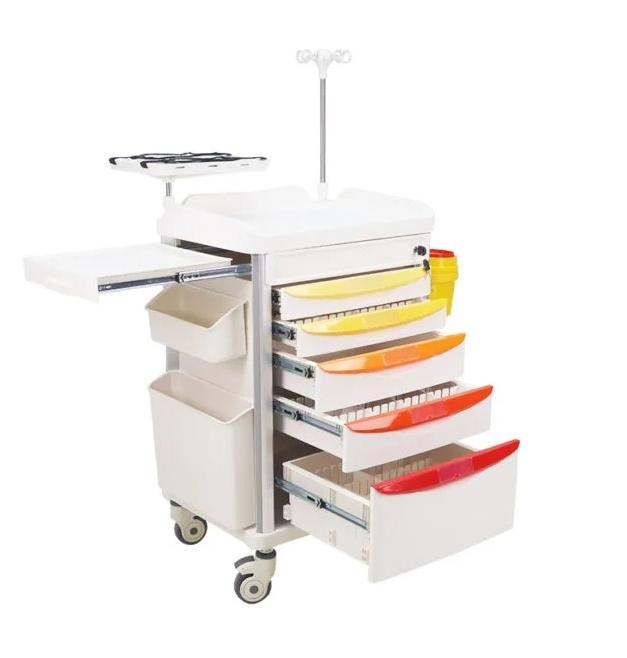

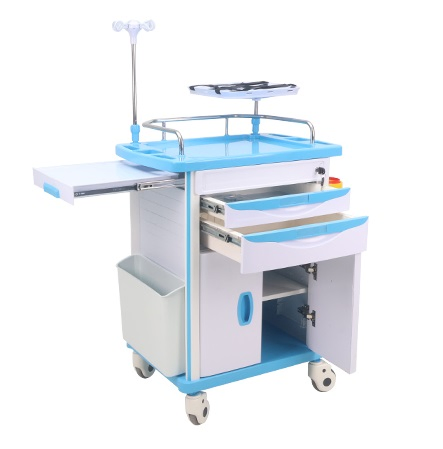
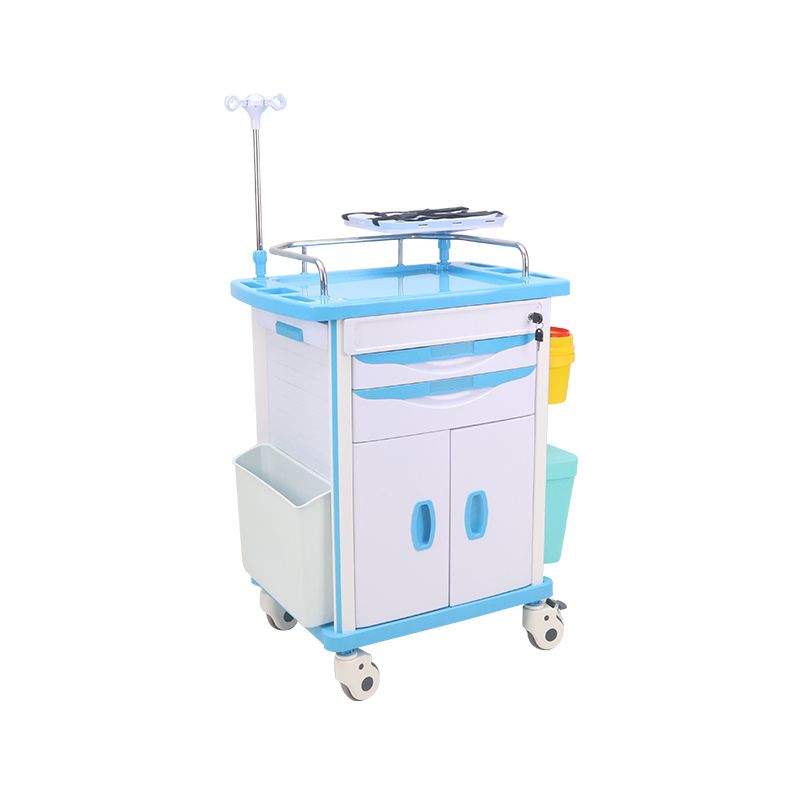
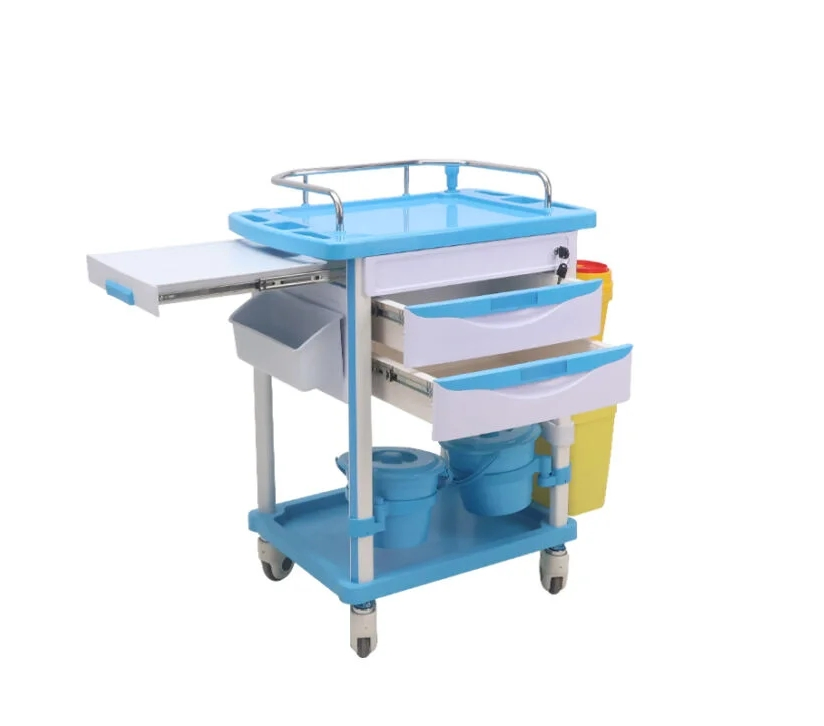
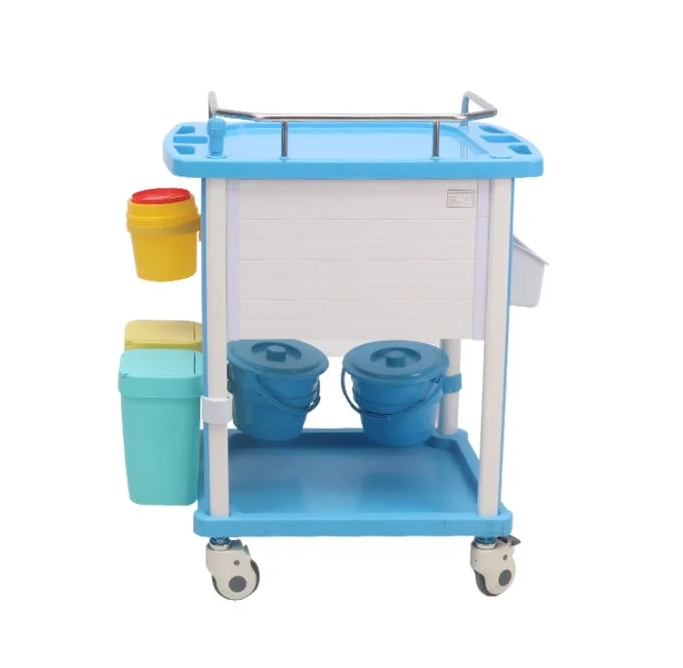
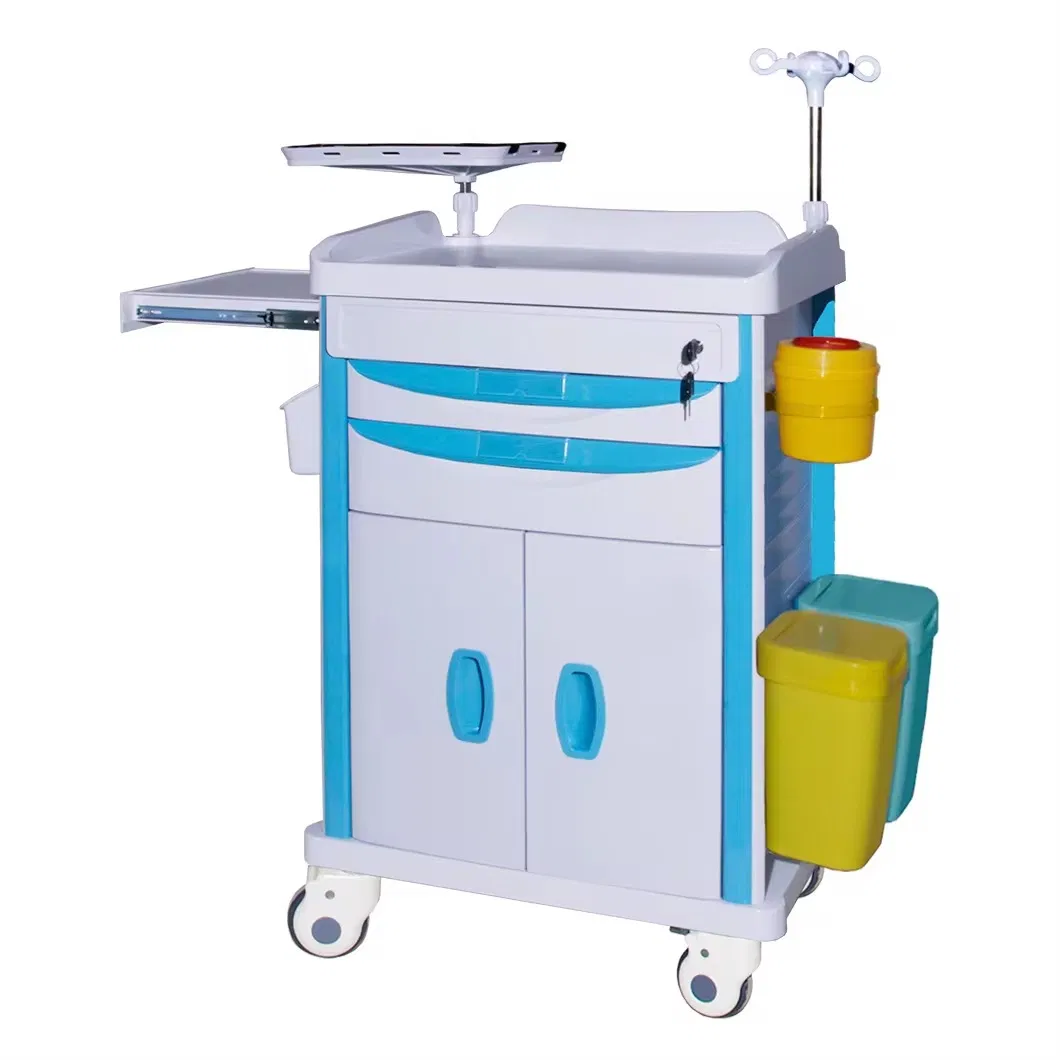
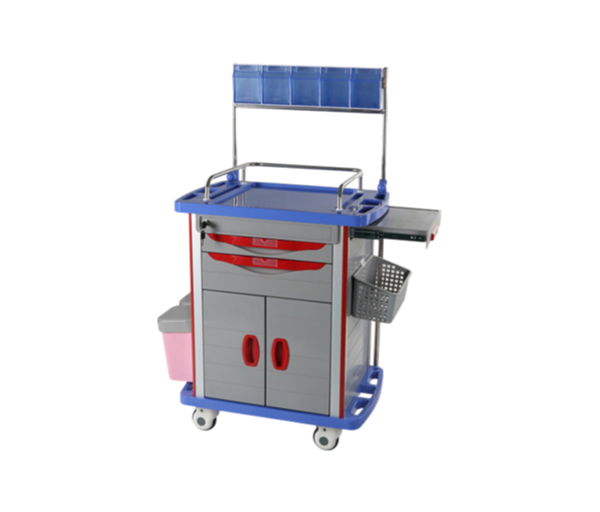
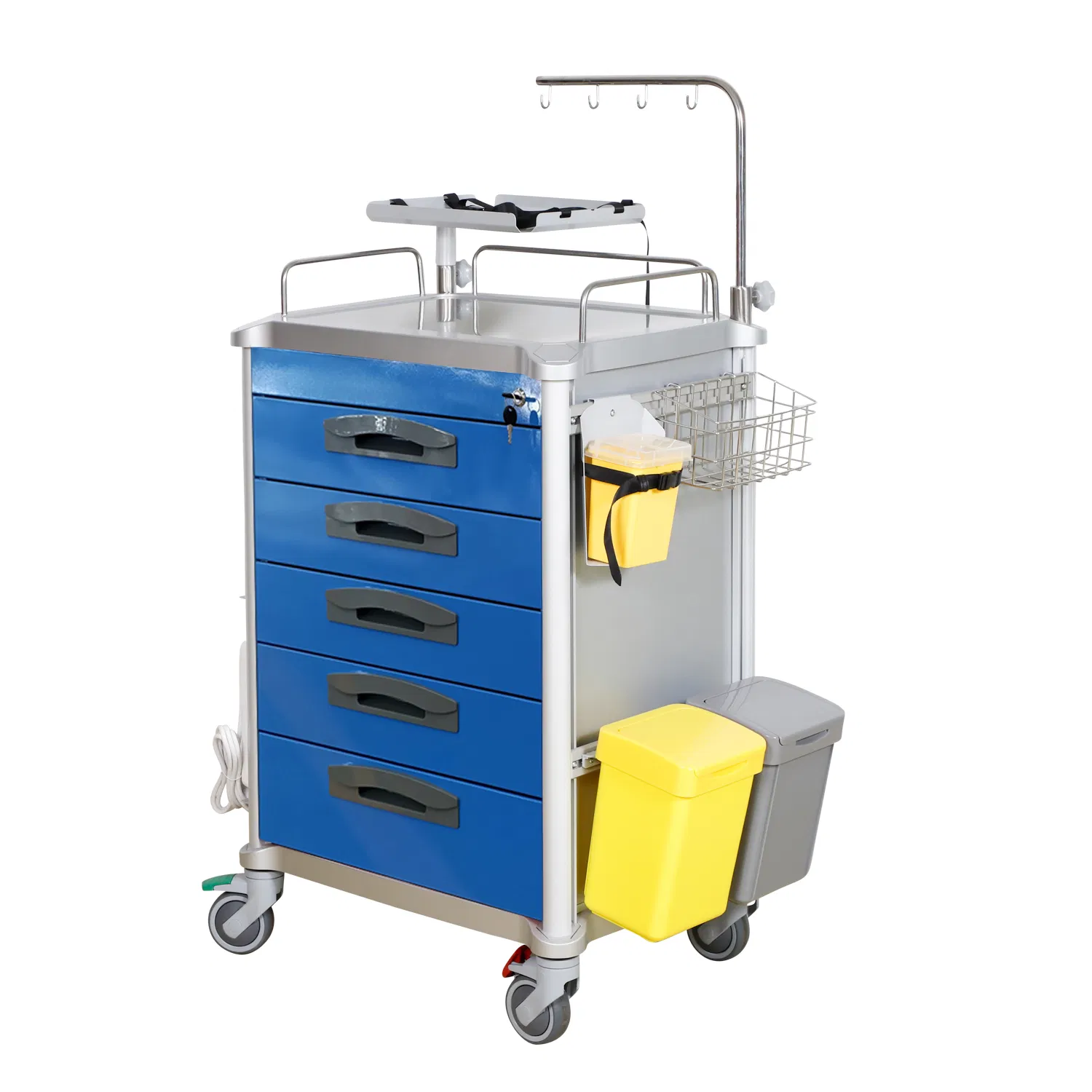
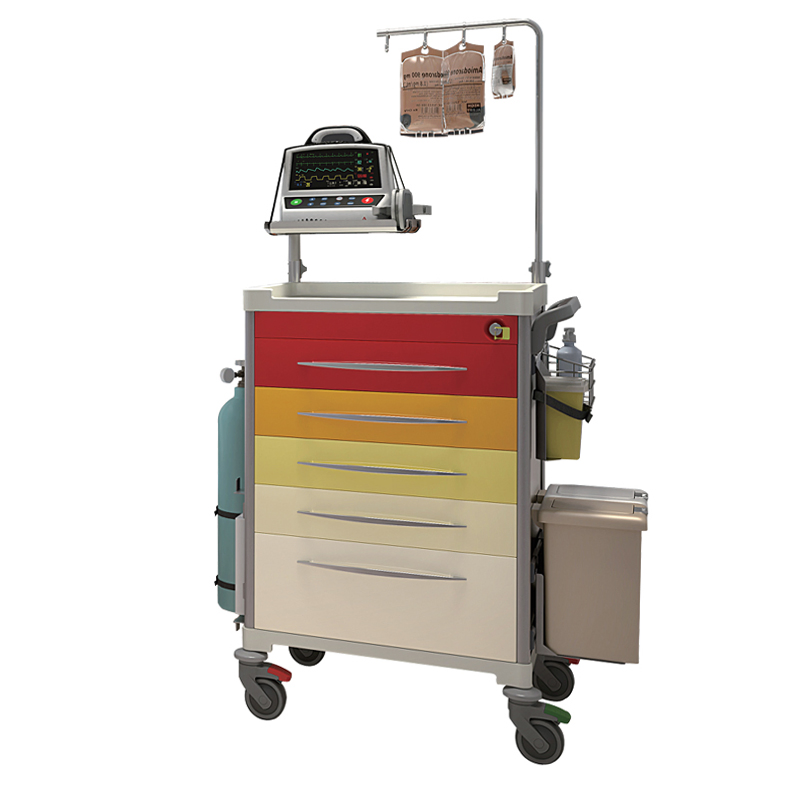
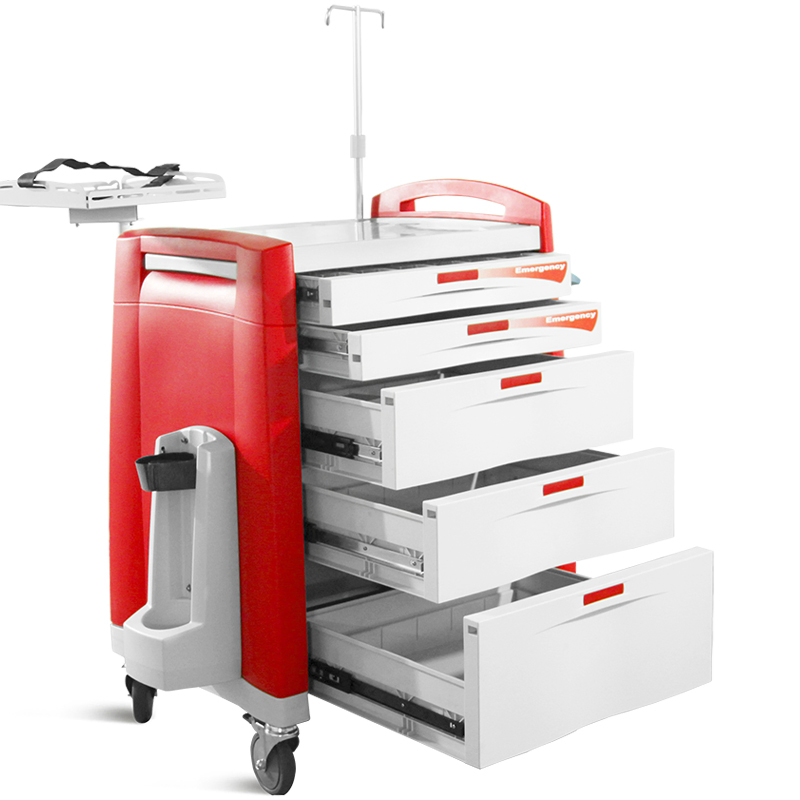
44.7 kilos of plastic, aluminun, and steel—a crash cart that hits that point where it’s heavy enough to stay planted but you can still hustle it down a hallway, the four polyurethane casters with two brakes making it feel stable under load.
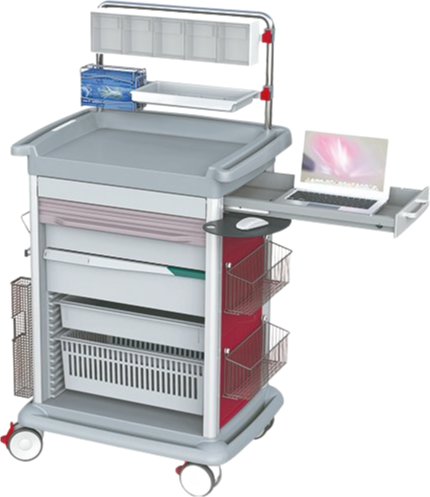
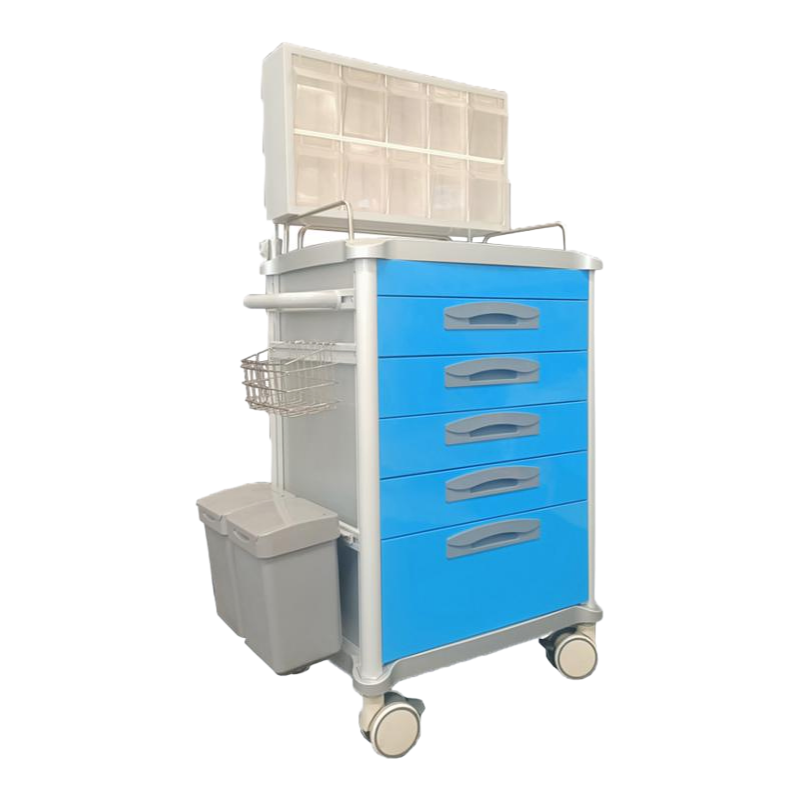
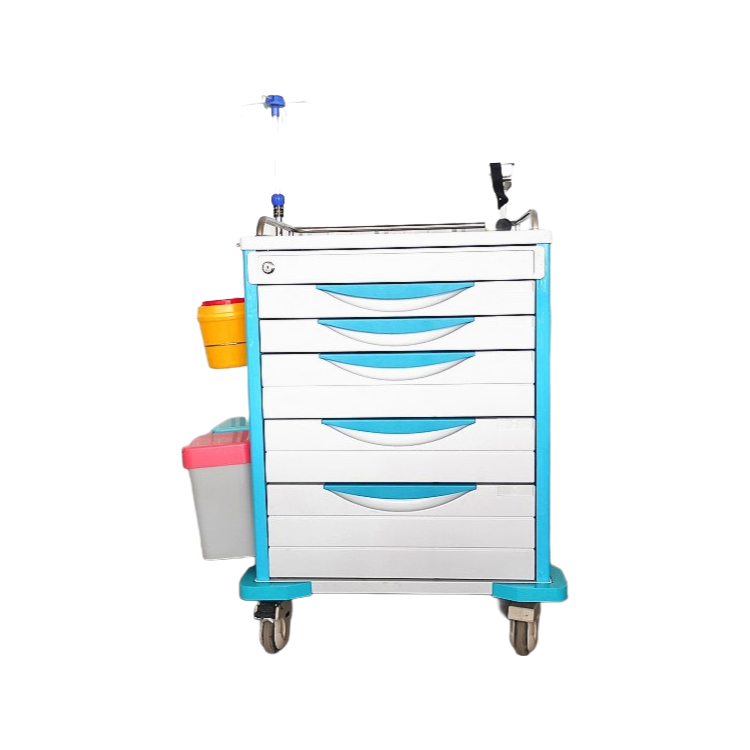
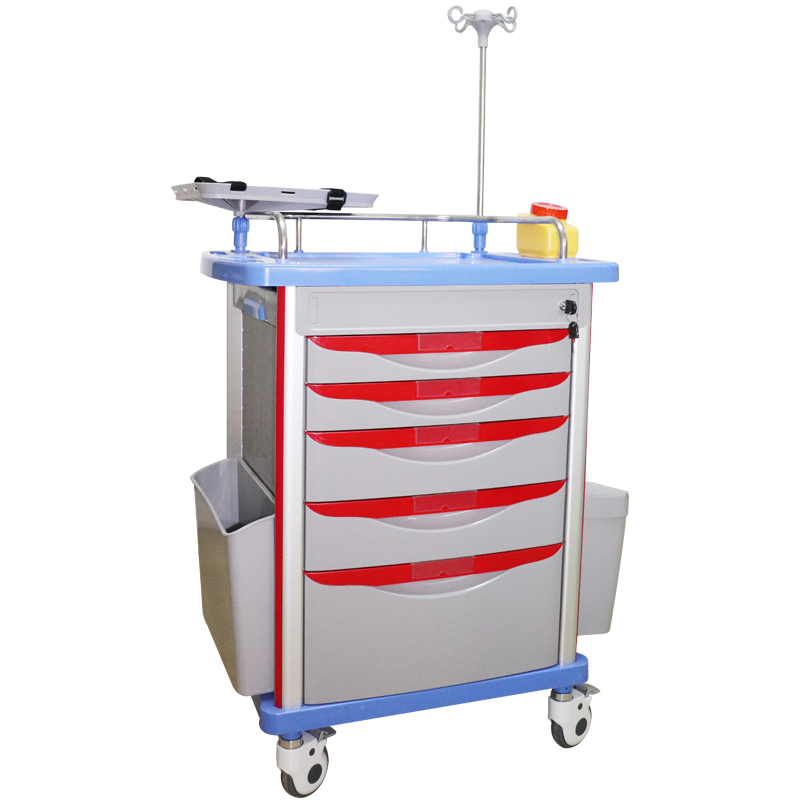
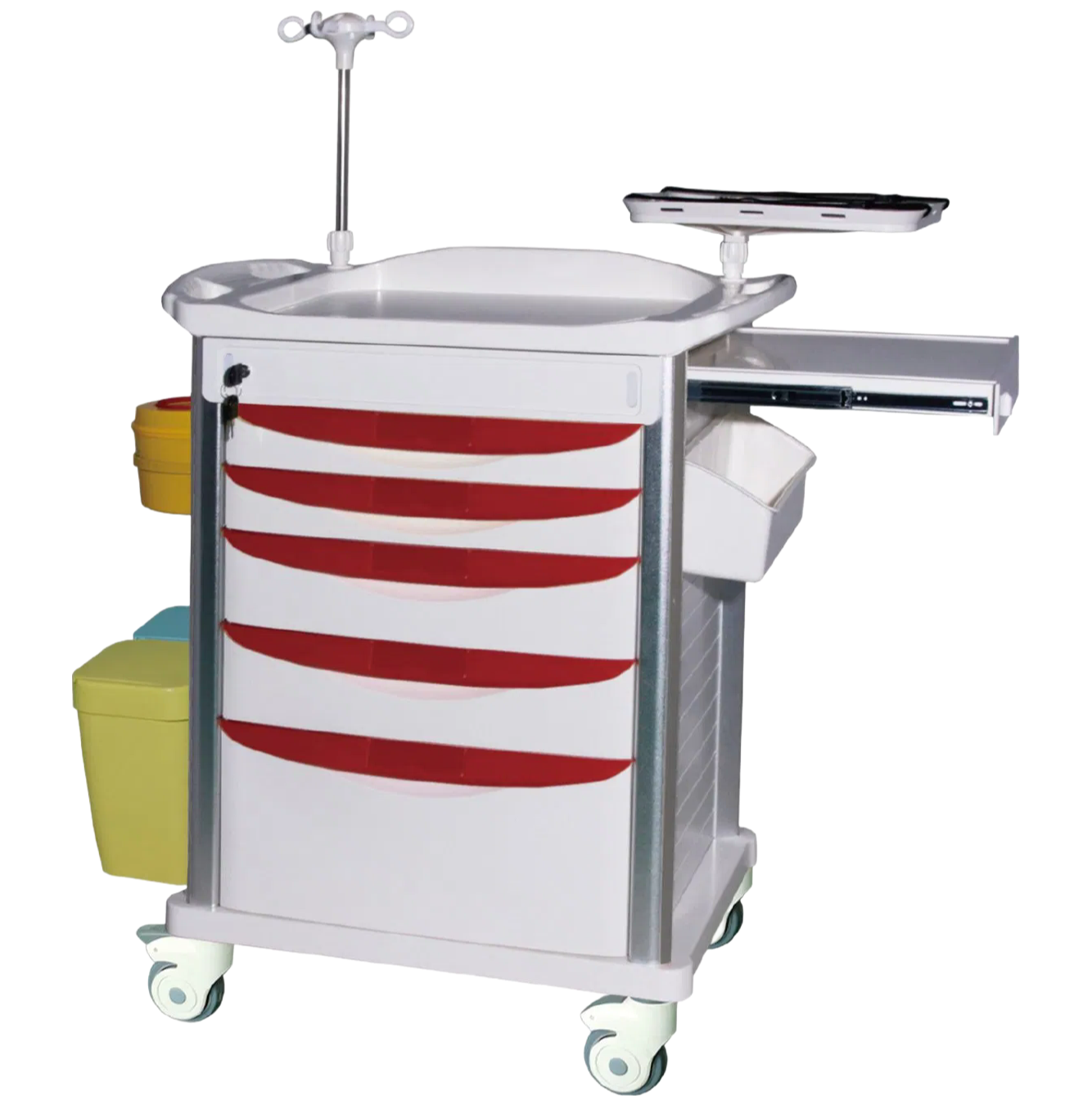
We’ve seen teams lose precious seconds fumbling for gear, so this one’s laid out pretty logically with five ABS drawers (two small, two medium, one big) and 3x3 dividers to keep vials and ampoules form rattling together; the defibrillator platform swaps left or right depending on your setup, and both the infusion rack and oxygen cylinder support tuck away telescopically when you don’t need them.
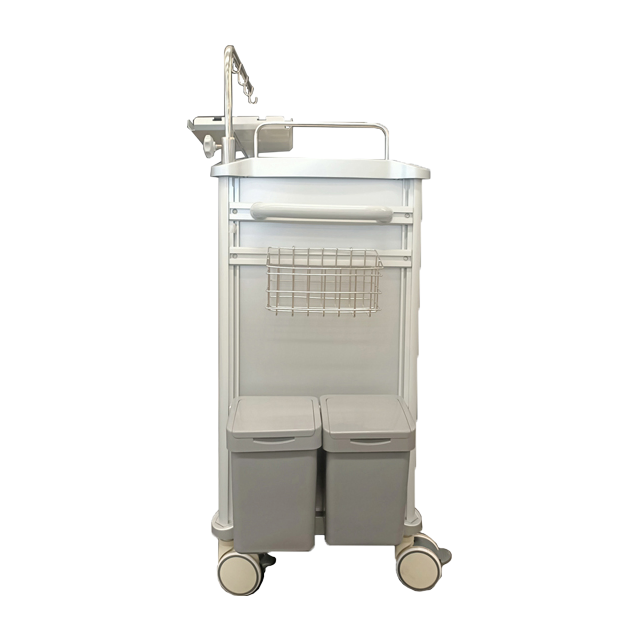
The work surfce is 304 stainless with a guardrail, so spilling saline or alcohol isn’t the end of the world, and you get a built-in sharps container and a double ABS dirt bucket for waste—having two bins is actually a godsend in a code, one for bio-waste and one for packaing, and it’s white because every hospital expects white, though it stains less than you’d think if you wipe it down quick.
It’s 930mm tall and 750 by 475 at the base, (check lead time on CE-certified stock, we usually have it but demand spikes in Q2) and the unit ships mostly assembled—you basically just attach the casters and stainlss top, maybe pop in the liner bags if you’re using them for regular cleaning.
There’s an IV pole option we don’t always mention, but most buyers go with a separate mobile stand instead because the telescopic rack works fine for one bag during transport; it’s better than all-PVC carts for rigidity, though it’s not designed for moving patients—this stays at the bedside or procedure room.
Also, about those drawer dividers—they’re basically freestanding metal inserts that click into a grid, so you can reconfigure them without tools in about 30 seconds or so, but they do sometimes wobble with really small vials if you fill the drawer half-empty, so pack it dense or use foam liners.
Yes, the defibrillator platform is built to hold most standard defibrillators, and it's positioned for easy access during emergencies. It's not adjustable in height, but the trolley's overall design keeps it at a practical working level.
The 2 small drawers measure about 400 x 350 x 70 mm each, the 2 medium ones are around 400 x 350 x 140 mm, and the large drawer is roughly 400 x 350 x 210 mm. These are internal measurements, so you can fit standard emergency supplies easily.
Yes, the hidden telescopic oxygen cylinder support can hold cylinders up to 10 liters in size. It's adjustable to secure different diameters, so it works with most common hospital tanks.
The two casters with brakes are foot-operated; they lock both the wheel rotation and the swivel action to keep the trolley steady during use. The other two casters are free-moving for easy maneuvering.
We include a CE certificate and a material test report for the ABS parts with each shipment. If you need additional documentation like a 304 stainless steel spec sheet, just let us know and we'll provide it.
Xcellent service from start to finish. The delivery was remarkably prompt and handled with great care. The packaging was secure, ensuring the trolley arrived in perfect condition without a single scratch. Communication throughout the shipping process was clear and proactive. Regarding the product itself, the build quality is outstanding. The ABS material feels incredibly durable and robust, exactly as described. The cart moves smoothly and quietly on its casters, which is crucial for a hospital environment. All compartments and drawers open and close seamlessly, and the overall construction feels very solid and reliable. The defibrillator platform is perfectly sized and stable. The customer service team was exceptionally responsive and helpful when I had a pre-delivery inquiry, providing detailed information promptly. This combination of fast logistics, superior quality, and attentive service makes this a highly recommended purchase for any medical facility in need of a reliable crash cart.