Account
Inquiry
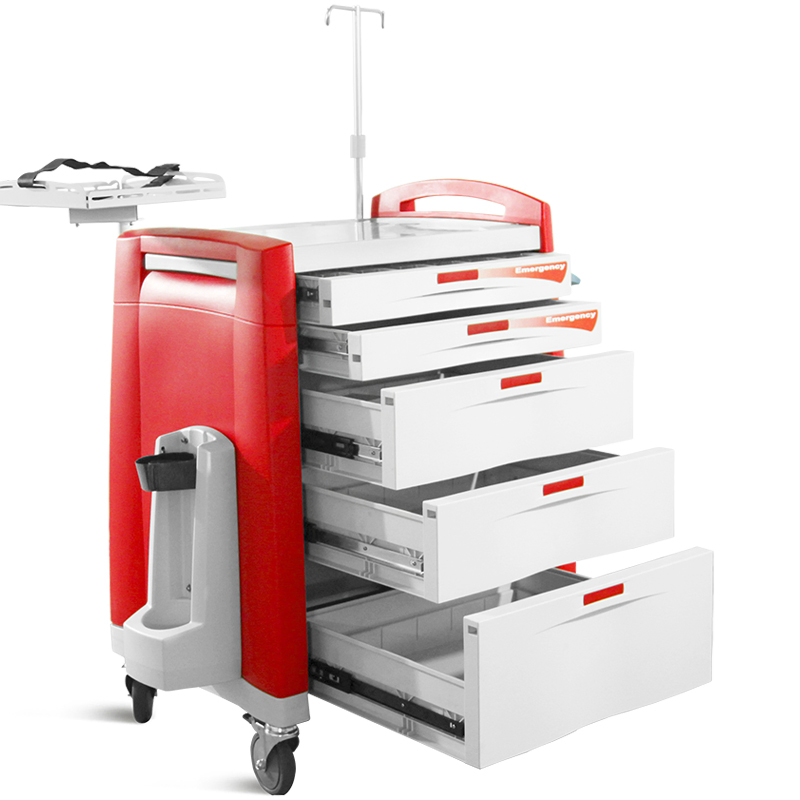
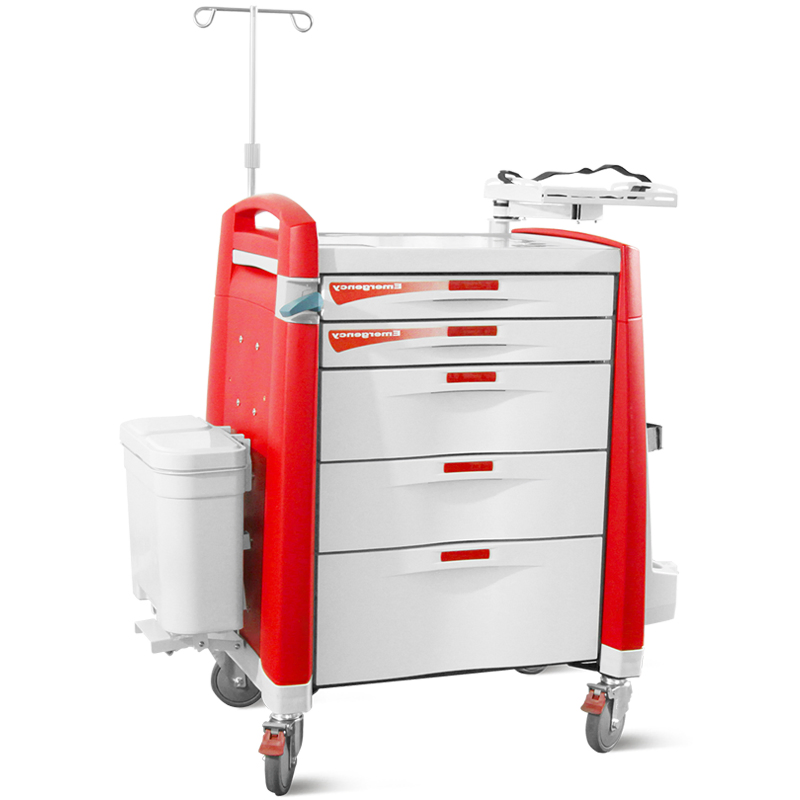
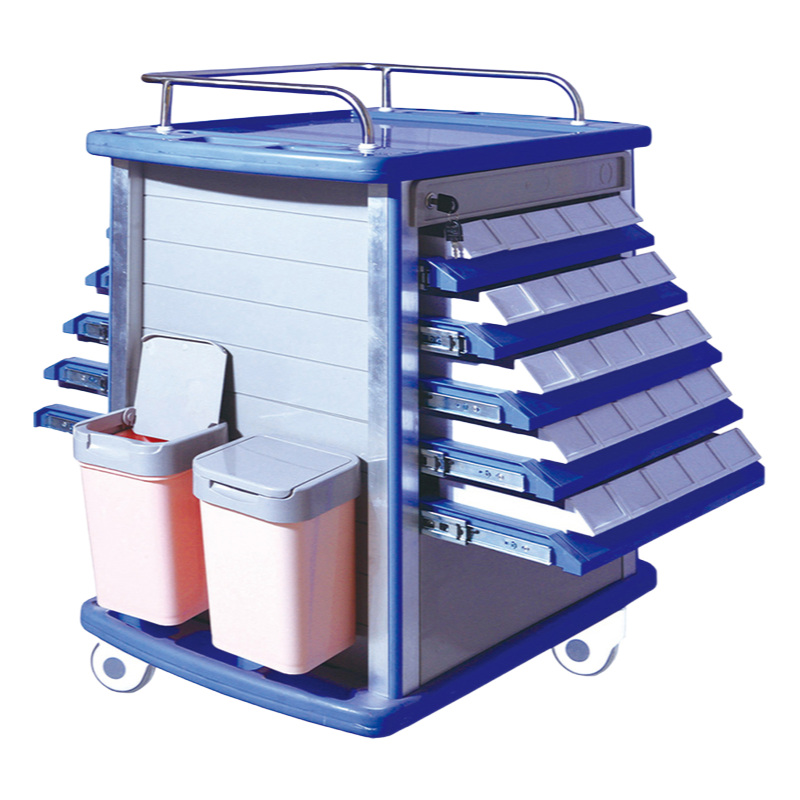
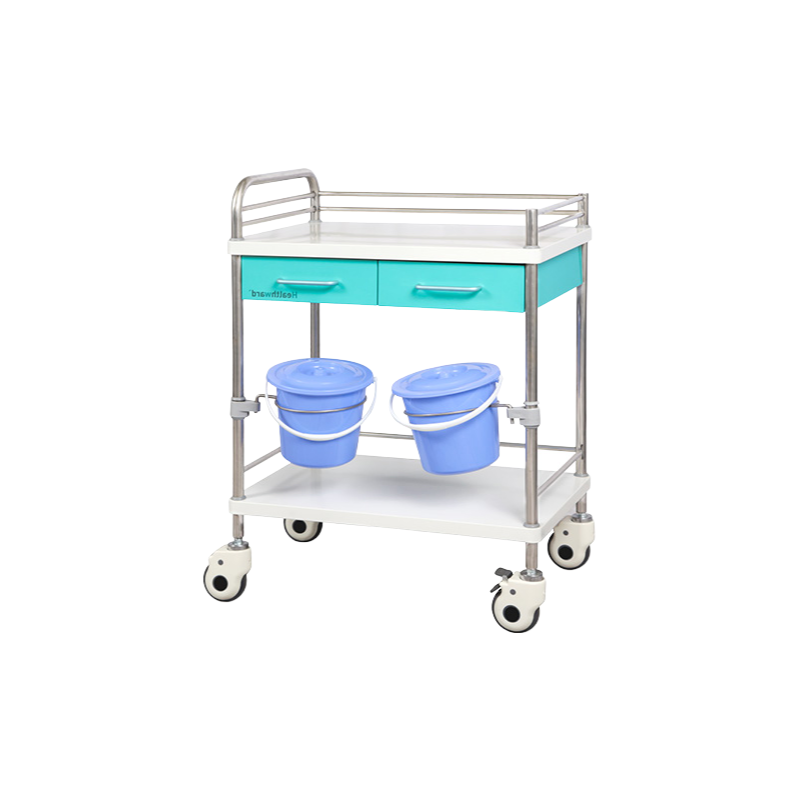
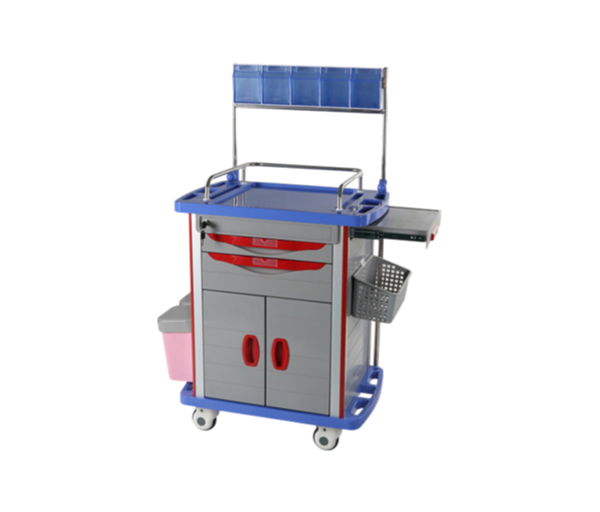
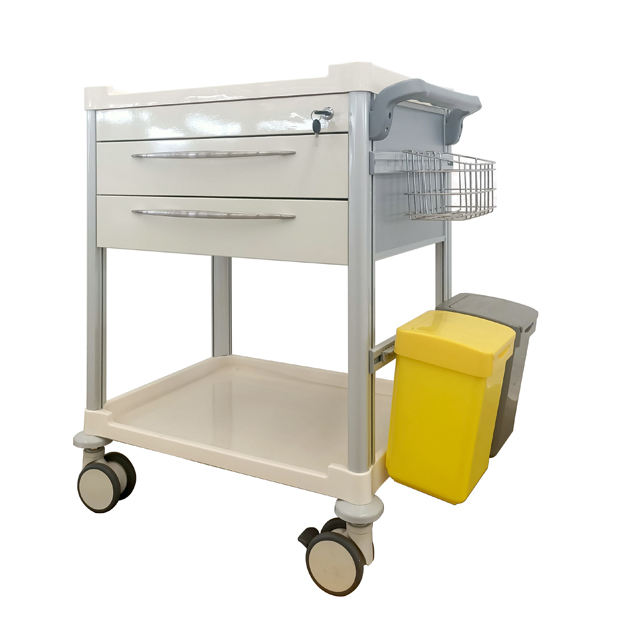
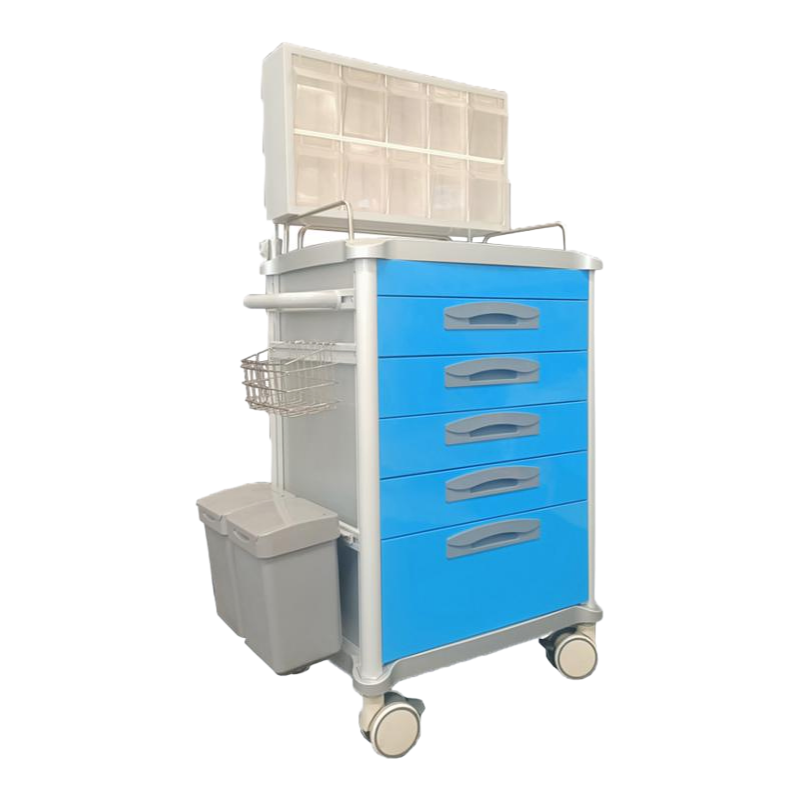
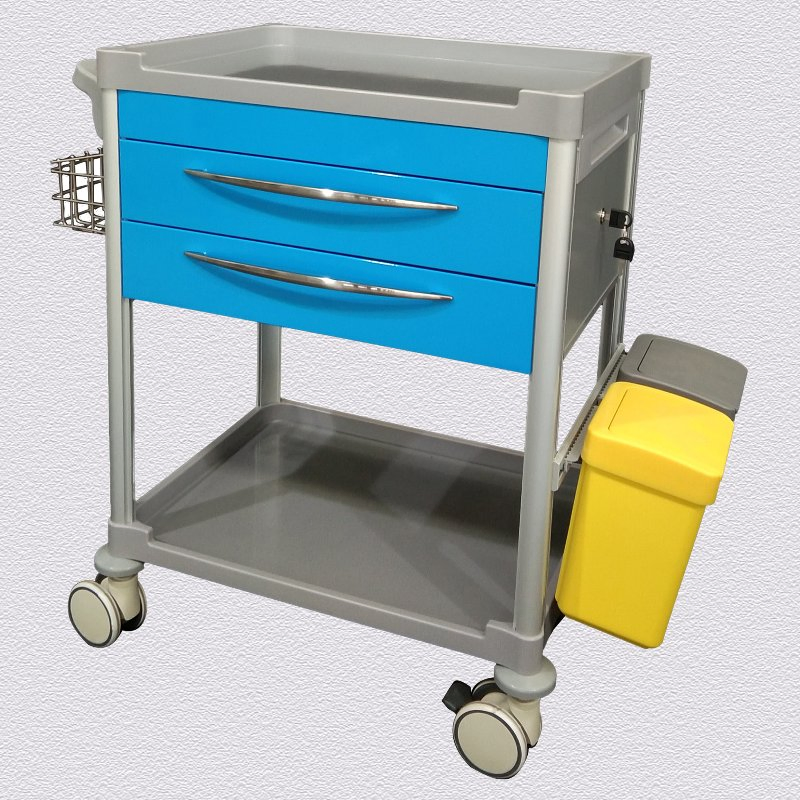
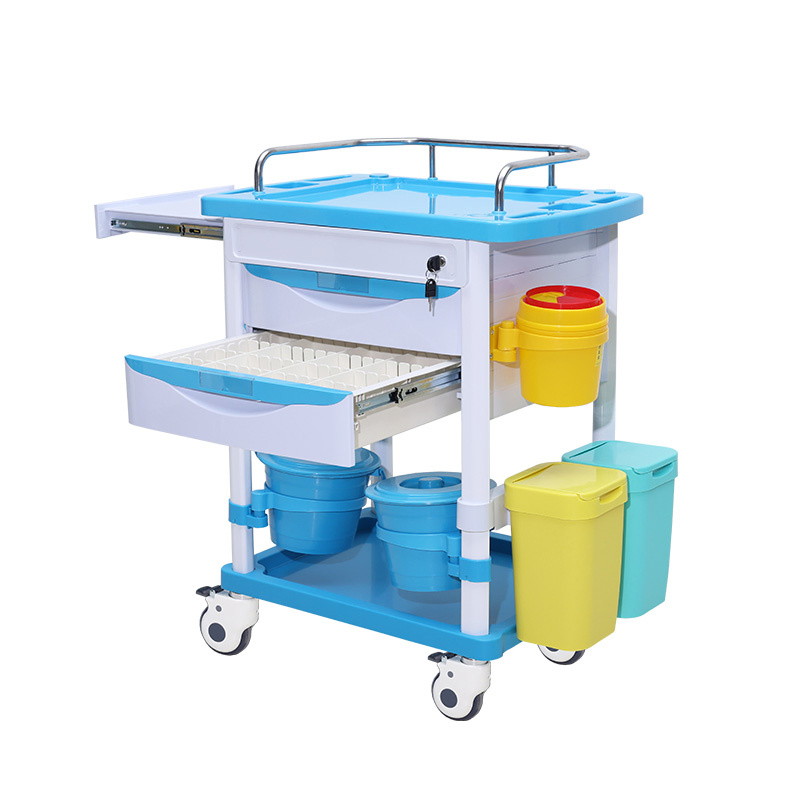
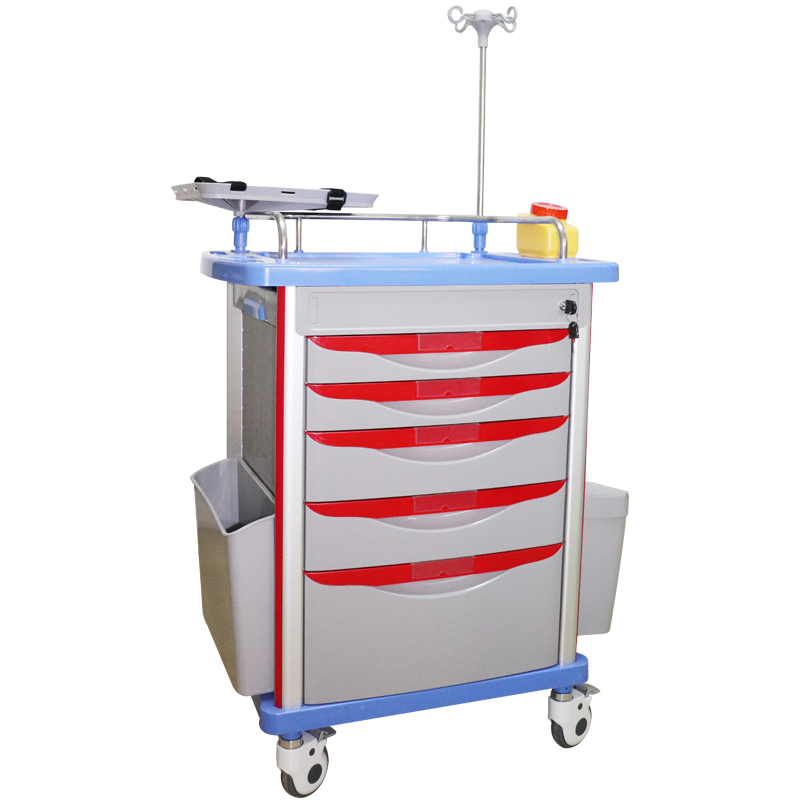
It’s not just the damping rails that set it apart, though those do make the drawers slide shut with a satisfyingly soft precision that nurses actually comment on. What makes it worth buying, honestly, is the whole system we’ve had to test under real hospital traffic—loaded up, pushed hard, then left in a corner for a shift. We do batch consistency checks on every run, pulling three units at random form the assembly line to run through a 48-hour cycle of opening and closing drawers, with a 15kg load in each one, and our company have to reject about one in twenty lots because the rail tension drifts outside our tolerance. And the COA we issue covers the ABS panel density and steel thickness, but we also test the brake lock torque at three different points on the wheel axle.
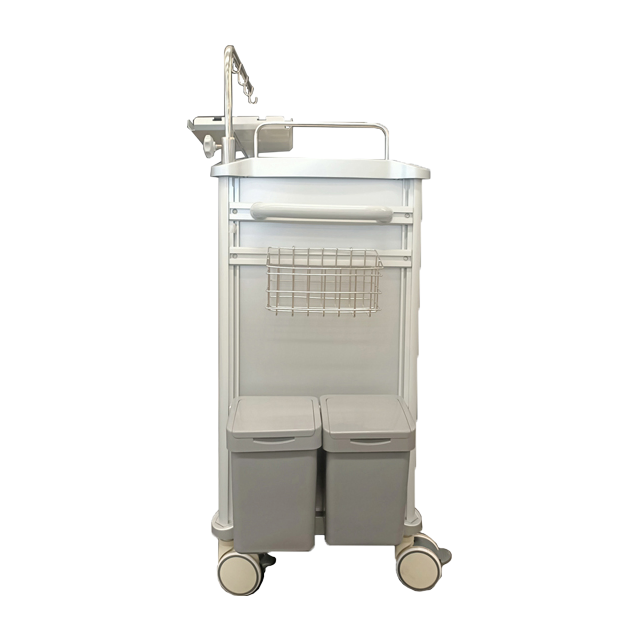
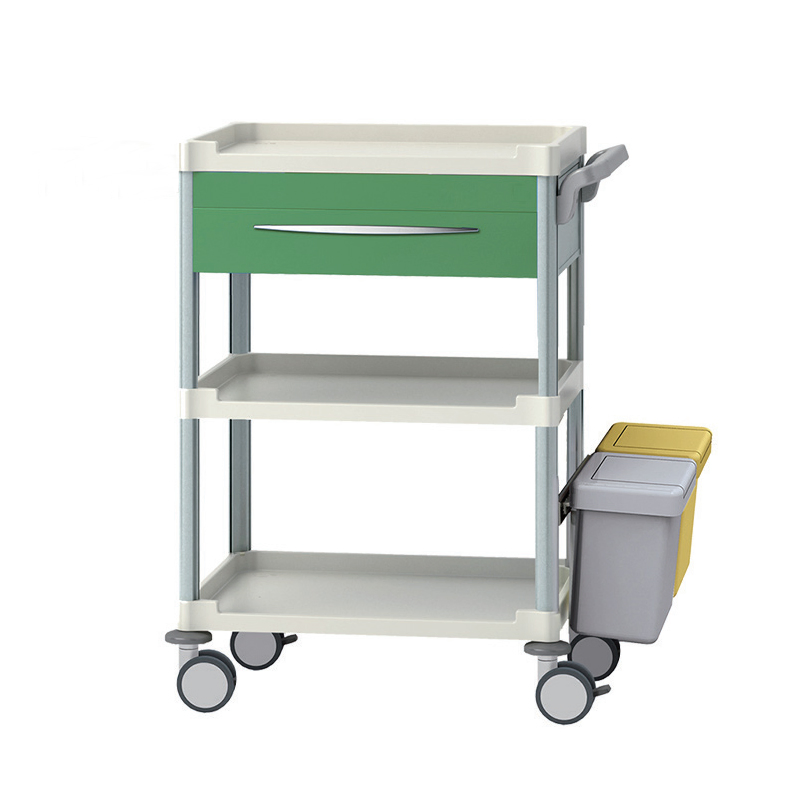
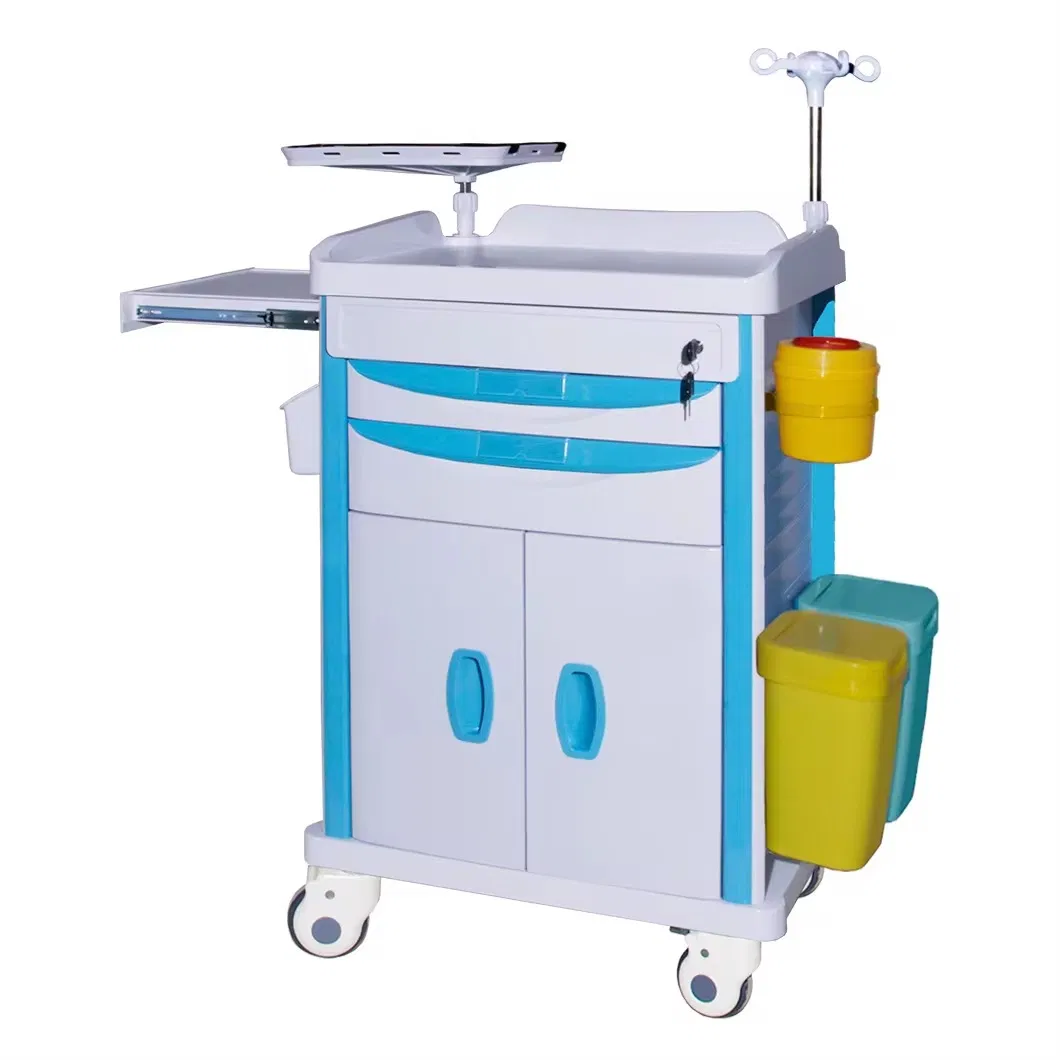
The 790mm width by 610mm depth gives you stable platform—actually, the later extendable work surface adds another 200mm or so when fully pulled out, which is handy for setting up an IV line or a blood draw tray. We’ve had buyers ask if it holds a portable monitor, and basically yes, the top surface is 25kg static load, though we don’t recommend putting anything heavy on the extension alone (about 8kg max). One thing you might not think to ask is the waste bin lid—it’s hinged and seals well enough that we’ve passed the ISO 14698 airborne contamination test on the unopened bin, which matters for infection control audits. We’ve also had a custom order where the buyer wanted a second oxygen tank holder on the rear, and that’s doable via OEM but adds about 10 days to lead time (usually 2-4 weeks for standard).
Between you and me, most buyers go with the standard nylon wheels rather than upgrading to the conductive option, unless they’re in an OR setting where static discharge is a concern. The 125mm diameter gives a smooth roll over thresholds and elevator gaps, but the brake wheel is only on one corner, so on a sloped floor you might get a slight drift if the load is unbalanced. We’ve tested this with a full 50kg load and the drift was under 1cm over 30 seconds on a 3-degree incline, which is pretty much acceptable for emergency use. Anyway, the HPLC certificate we provide on each batch isn’t really relevant here since it’s not a chemical product, but the CE and FDA paperwork is included in the shiping docs, and we’ll re-run the rail durability test free of charge if you want to do a random spot check at your end.
Also, we keep a small buffer stock of maybe 50 units or so in the warhouse for urgent orders, but if you need more than 30 units at a time, confirm lead time first because we’re currently running at about 80% capacity and the frame steel supplier had a hiccup with their zinc plating line in March. That doesn’t affect structural integrity, but the finish might show minor surface oxidation if stored in high humidity before first use—we flag this in the TDS notes. The damping rails use a silicone oil that’s good for roughly 100,000 cycles, but after that they get a bit stickier, not in a way that fails, just in a way that makes the drawer less buttery than new.
One guy in procurement asked if the trolley could be used for MRI rooms—it’s got a steel frame, so no, not suited for that at all due to magnetic interference. We had one buyer try it in a cleanroom and the ABS exterior shed fine particles under UV degradation testing, so we advised against it. For standard ER, ICU, or general ward use though, it passes all the CE marking dings for medical equipement stability and the FDA 510(k) exemption for non-powered devices.
Our MOQ for the SKR058 is 50 units, but we can be flexible for first-time orders or sample requests.
Standard lead time is 30-45 days after order confirmation, depending on quantity and customization needs.
Yes, each shipment includes CE, FDA, and ISO certificates. We can also share copies before shipping if your procurement team needs them.
It's fixed but designed to fit standard tank sizes. For custom placement, we can adjust it under our OEM service.
They're tested for over 50,000 open-close cycles, so they hold up well in busy hospital environments.