Account
Inquiry
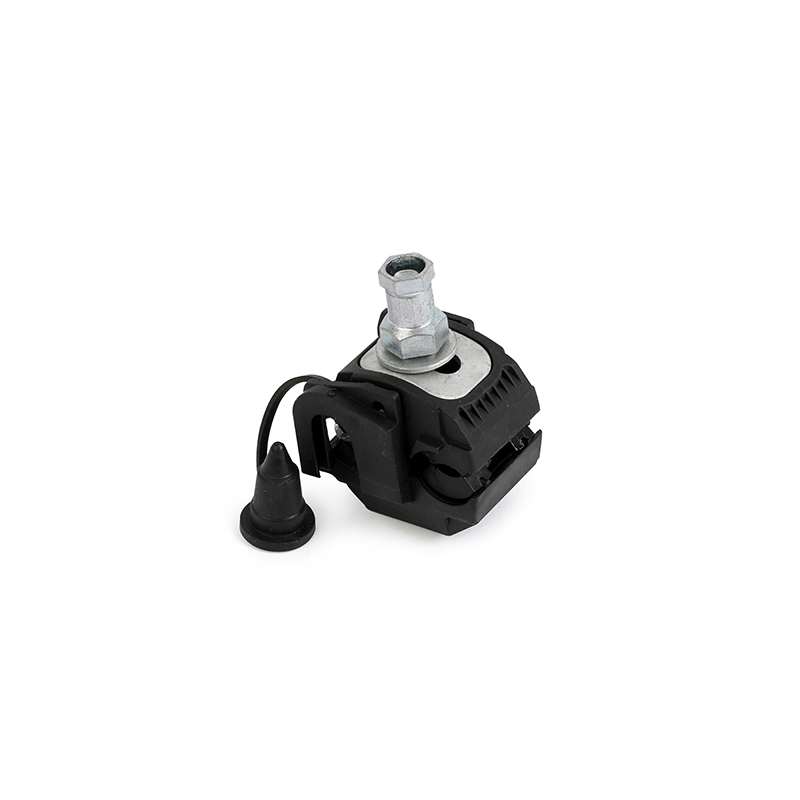
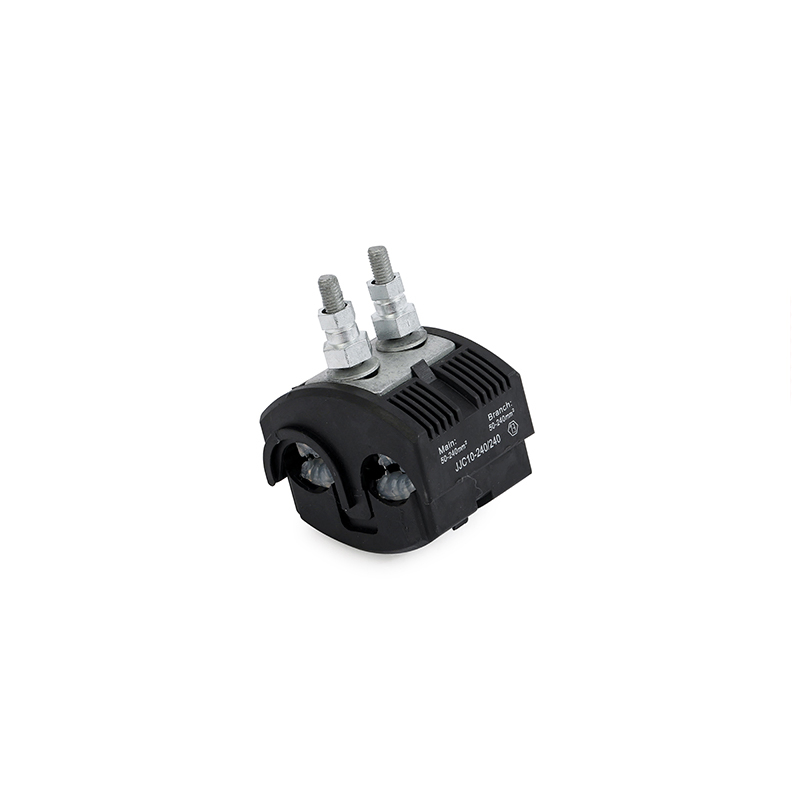
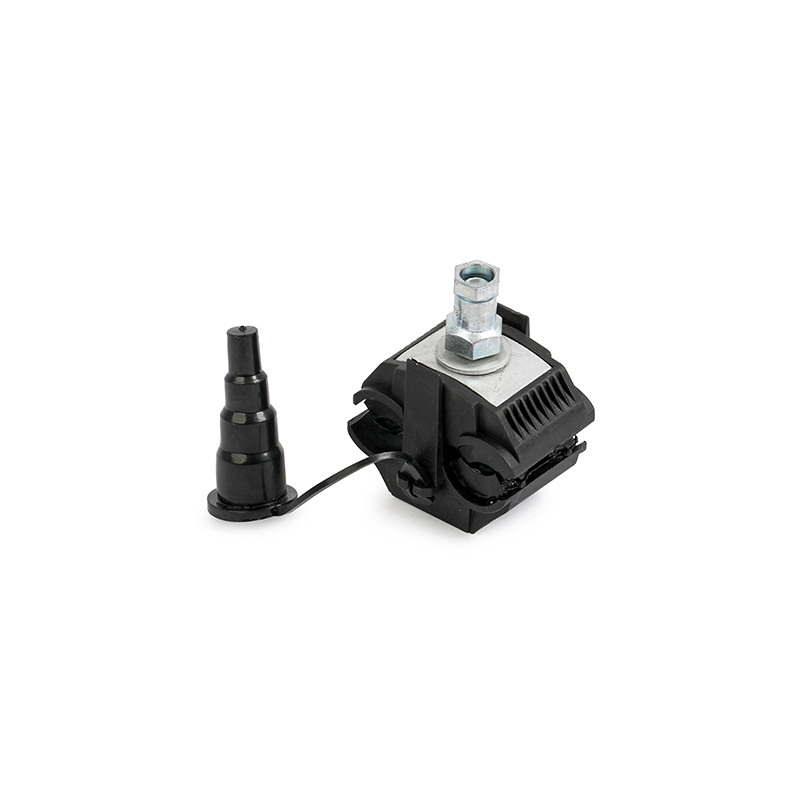
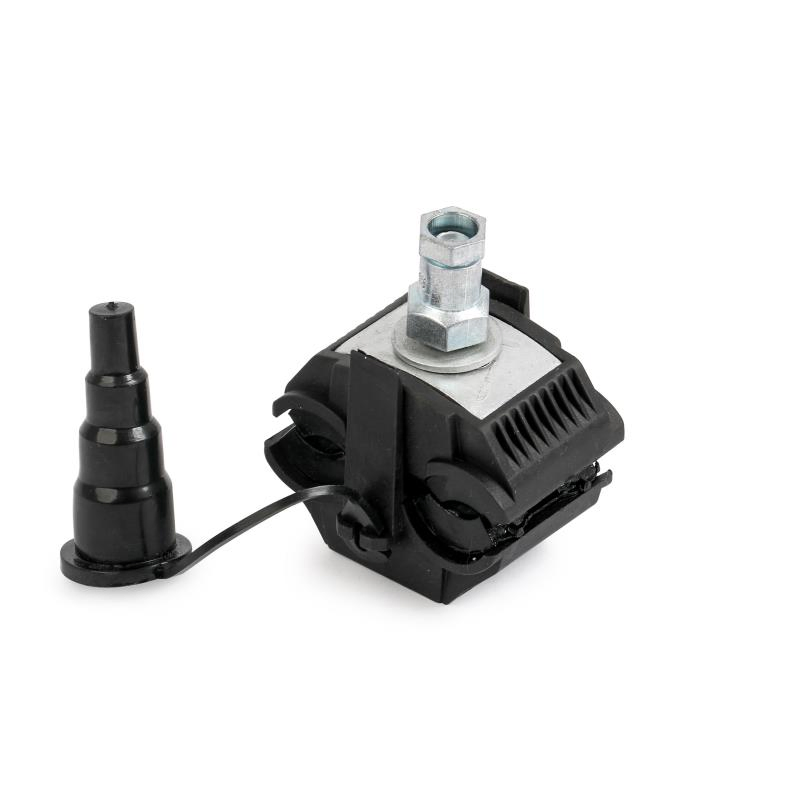
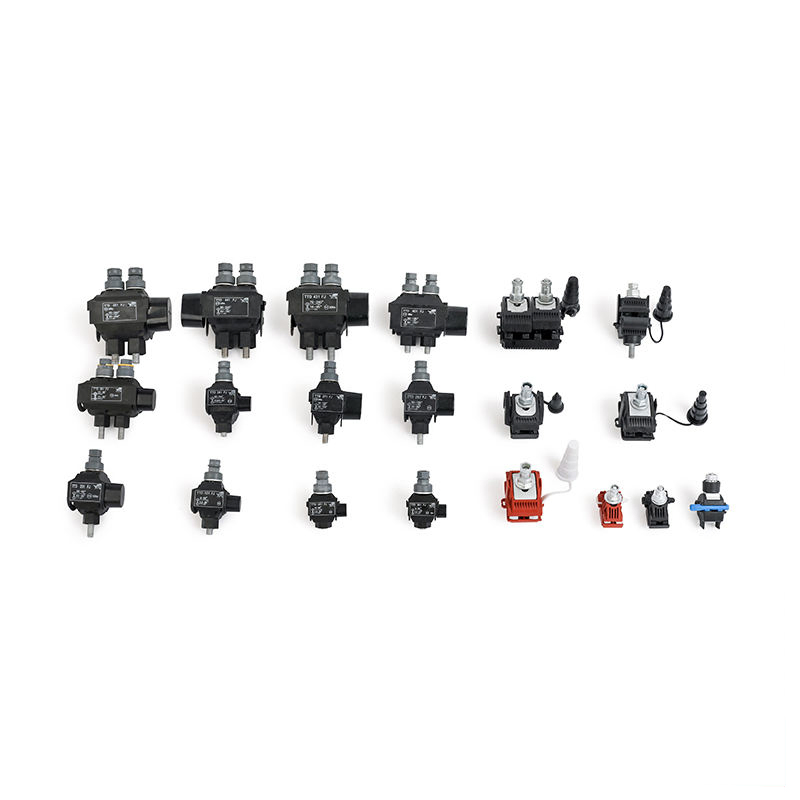
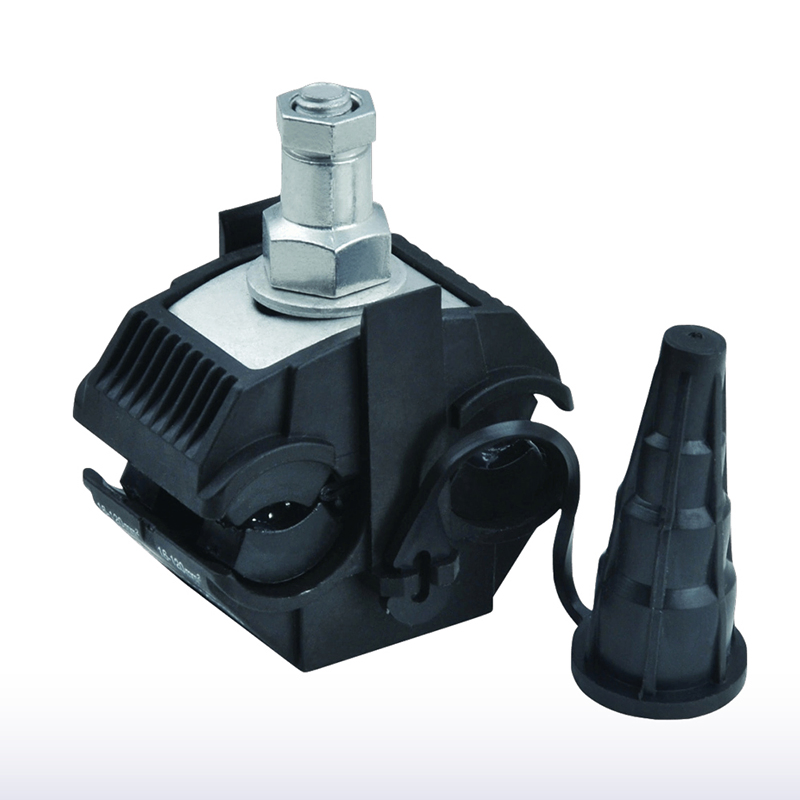
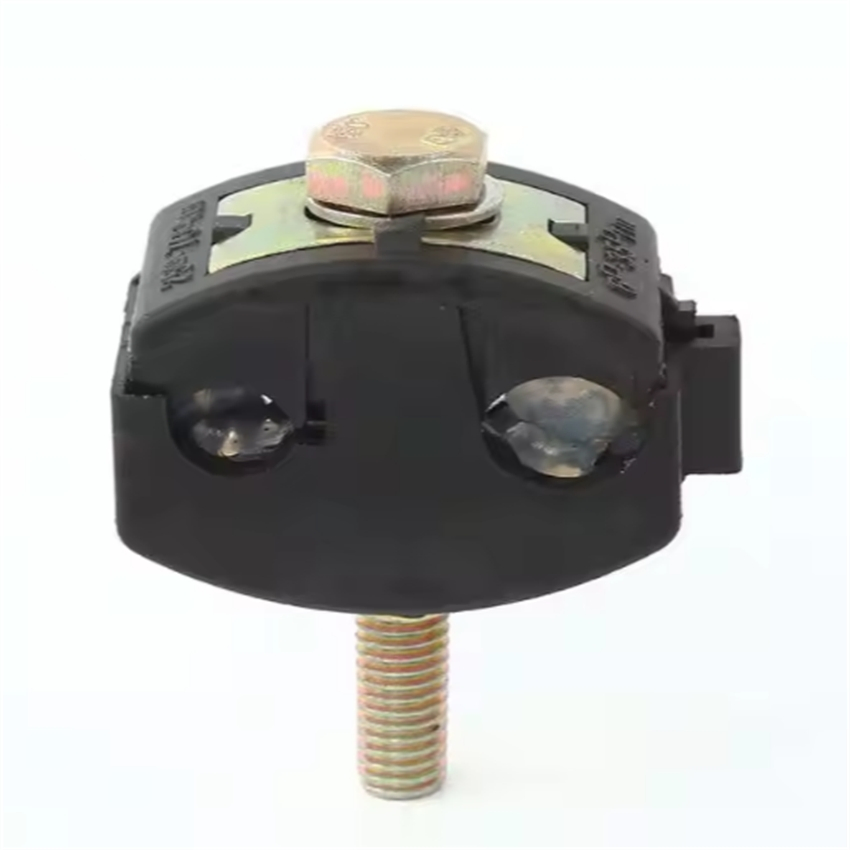
Basically, you clamp it over the main line and the tap-off, tighten the bolts with an insulated wrench, and the teeth pierce the insulation to make contact — no stripping required, which saves a ton of time on the job.
We're talking 10kV or 1kV rated, current form 55A up to 316A depending on which JJC model you pick, so you've got some range depending on your feeder size, and the housing is glass fiber polymer with a galvanized surfce treatment.
What makes them hold up is the oil-filled seal inside that keeps moisture out and the contact points clean, and the tinned brass or copper teeth maintain conductivity even when it's -40°C or pushing +90°C outside.
Most buyers go with the standdard indutrial packaging, but our company can customize the quantity per box or even the bolt material if you're ordering a decent volume — MOQ is usually around 500 pieces or so for custom specs.
They're not great for overhead lines that flex a lot, though — more for fixed distribution in substations or streetlight feeds where you're splicing aluminum or copper without the main.
We can ship with COA and the test reports, just ask for it when you place the order, and lead time is typically 15 to 20 working days depending on model and quantty.
We typically start at 500 pieces per model for standard orders, but we can negotiate lower quantities for first-time buyers or sample requests. Just reach out to our sales team.
Lead time is usually 15–25 working days after order confirmation, depending on the quantity and customization level. We’ll give you a precise timeline once the specs are finalized.
Yes, we include ISO compliance documentation and can provide test reports for voltage and current ratings upon request. Just let us know what you need at the time of order.
We currently standardize on galvanized surface treatment for corrosion resistance, but we can discuss alternatives like nickel plating for custom orders if the volume justifies it.
They come in standard industrial packaging—sealed cartons with individual insulation sleeves to prevent damage. Keep them in a dry place within the -40°C to +90°C range, and they’ll stay good for years.
Xcellent experience from start to finish. The logistics were handled perfectly; the order arrived ahead of schedule and was packaged with great care to prevent any damage during transit. The quality of the connectors is immediately apparent. They feel robust and well-made, exactly as described. The service team was responsive and professional, answering my pre-order questions promptly and accurately. Overall, a very smooth and satisfactory transaction. I would not hesitate to order from this supplier again for future electrical projects.
Shipping was exceptionally fast and reliable. The order arrived well ahead of the estimated delivery date, which was a pleasant surprise. The packaging was secure and professional, ensuring all items were protected during transit. The quality of the connectors appears outstanding upon initial inspection; the materials feel robust and well-manufactured. Customer service was responsive and helpful when I had a pre-order inquiry, providing clear and timely information. Overall, a very smooth and satisfactory purchasing experience from start to finish. I would confidently recommend this supplier based on the efficiency of the logistics, the apparent high standard of the products, and the supportive service team.
The shipping was incredibly fast and efficient. Took less time than expected to arrive, which was a pleasant surprise. The packaging was secure and protected the items perfectly during transit. No issues with the delivery service at all; everything arrived on schedule and in excellent condition. The overall logistics experience was smooth and hassle-free, making the purchasing process very convenient. I appreciate the reliable and prompt service provided. Highly satisfied with how everything was handled from order to delivery. Will definitely consider ordering again in the future based on this positive experience. The efficiency in shipping really stands out and adds great value to the transaction. Thank you for such a seamless process.
The shipping was incredibly fast and efficient. My order arrived well ahead of the estimated delivery date, which was a very pleasant surprise. The packaging was secure and professional, ensuring all items were perfectly intact upon arrival. Regarding the product quality, the connectors feel exceptionally sturdy and well-made. The materials seem top-notch, exactly as described. Customer service was also outstanding; they were responsive and helpful with my pre-order questions. Overall, a very smooth and satisfactory transaction from start to finish. I would not hesitate to order from this supplier again for future projects. The entire experience was seamless and reliable.
Naturally, I was quite impressed with the overall experience. The logistics were handled exceptionally well; the package arrived much earlier than the initial estimated delivery window, which was a very pleasant surprise. Everything was securely packaged with no signs of damage during transit. Regarding quality, the connectors appear to be very robust and well-manufactured. The materials feel substantial, and the workmanship is precise, giving immediate confidence in their durability and performance for electrical applications. The service aspect was equally commendable. Communication was clear and prompt from the moment the order was placed. Any preliminary inquiries I had were answered thoroughly and without delay, making the entire process smooth and hassle-free. It’s clear that customer satisfaction is a priority. This combination of efficient shipping, apparent high-quality construction, and excellent support makes for a highly satisfactory purchasing experience that I would readily recommend to others in need of reliable electrical components.
Bought these connectors for a project and was thoroughly impressed. The delivery was incredibly fast, arriving well ahead of schedule, which was a huge relief. Packaging was secure and professional, with no signs of damage. The connectors themselves feel robust and well-made, with a solid construction that inspires confidence for electrical applications. Customer service was responsive and helpful when I had a pre-purchase question. Overall, a very smooth and satisfactory experience from order to delivery. Would definitely consider for future needs.
A fantastic experience from start to finish. The delivery was incredibly fast and efficient, arriving well ahead of the estimated schedule. The packaging was secure and professional, ensuring the products were in perfect condition upon arrival. Regarding quality, the connectors appear to be exceptionally well-made with robust materials and precise manufacturing. They feel solid and reliable, exactly what one would hope for in electrical components. The service provided was outstanding; communication was clear, prompt, and very helpful throughout the ordering process. Any inquiries were addressed immediately with thorough and courteous responses. Overall, this was a seamless transaction marked by superior logistics, impressive product quality, and exemplary customer service. Highly recommended for anyone seeking reliable electrical connectors.
Yikes, the delivery was incredibly fast! I was pleasantly surprised by the expedited shipping; it arrived well ahead of the estimated schedule. The packaging was secure and professional, ensuring all items were in perfect condition upon arrival. Regarding quality, the connectors appear to be exceptionally well-made, with a sturdy feel and precise construction that inspires confidence for electrical applications. The service provided was outstanding; the communication was clear and prompt, and any preliminary inquiries were handled with great efficiency and courtesy. Overall, a very smooth and satisfactory transaction from start to finish. The attention to detail in both the product presentation and customer interaction is highly commendable. This experience has certainly set a high standard, and I would not hesitate to place future orders or recommend this supplier to others based on this positive encounter. The combination of reliable logistics, apparent high-grade materials, and excellent support makes this a standout vendor in this product category.
Xavier Thompson here. Excellent experience overall. Shipping was exceptionally fast, arriving well ahead of the estimated schedule. The packaging was secure and professional, ensuring all components arrived in perfect condition without any damage. Regarding quality, the connectors appear to be very robust and well-manufactured. The materials feel substantial, and the piercing mechanism looks precise, which inspires confidence for their intended electrical application. Customer service was responsive and helpful during the ordering process, answering my preliminary questions promptly. A very smooth transaction from start to finish. Would certainly consider for future needs.
My order arrived much faster than anticipated. The shipping was incredibly efficient and well-tracked, providing updates at every stage. The packaging was secure and professional, ensuring the products were perfectly protected during transit. Regarding the quality, the connectors appear to be exceptionally well-made. The materials feel robust and durable, exactly as one would hope for electrical components. The finish is clean and precise, which speaks to good manufacturing standards. As for customer service, my inquiries were handled promptly and courteously. The communication was clear and helpful, making the entire purchasing process smooth and worry-free. Overall, a very positive experience from start to finish. I am thoroughly satisfied and would not hesitate to order again in the future. The combination of reliable logistics, apparent high quality, and excellent support makes this supplier a top choice.