Account
Inquiry
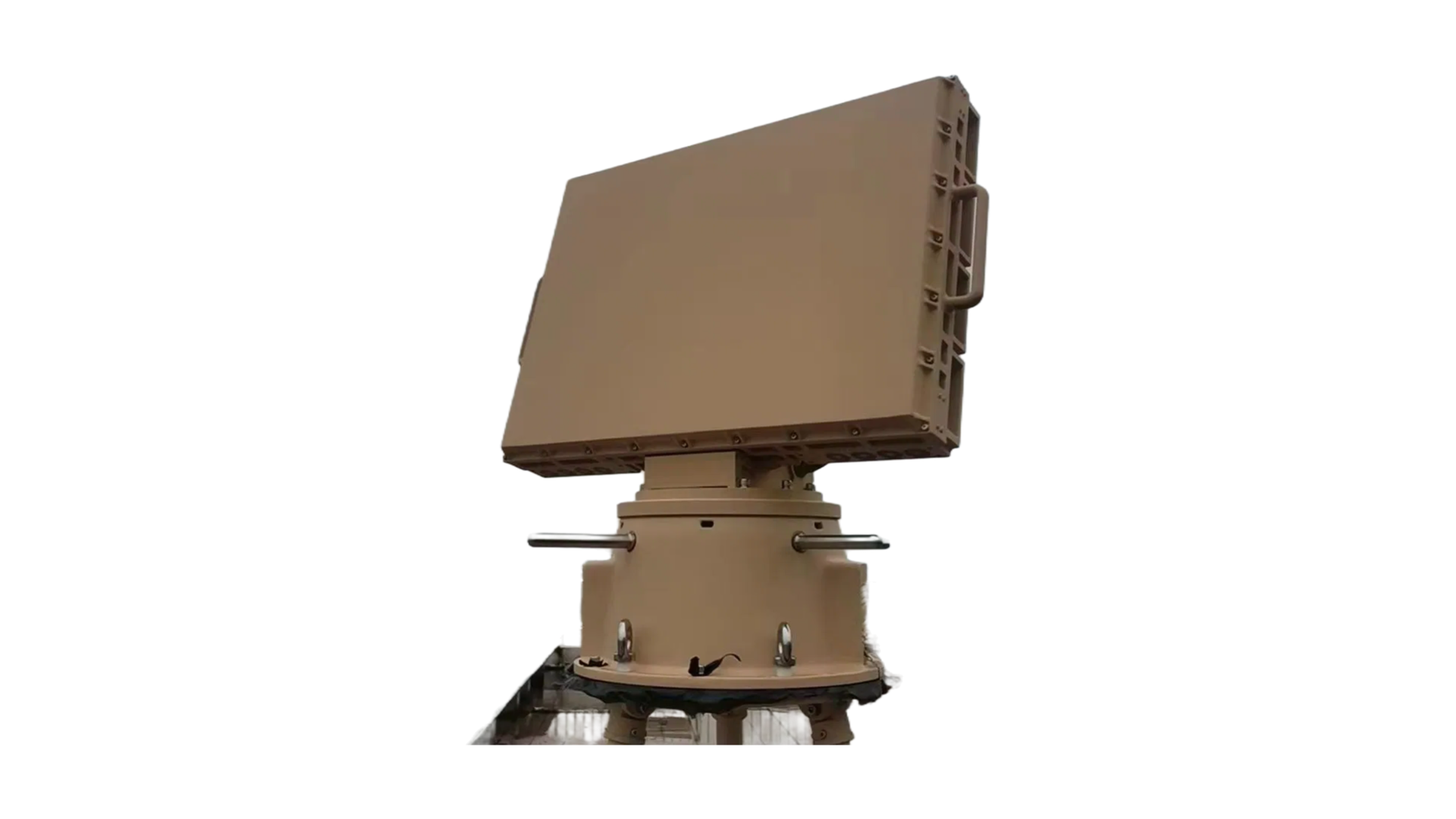
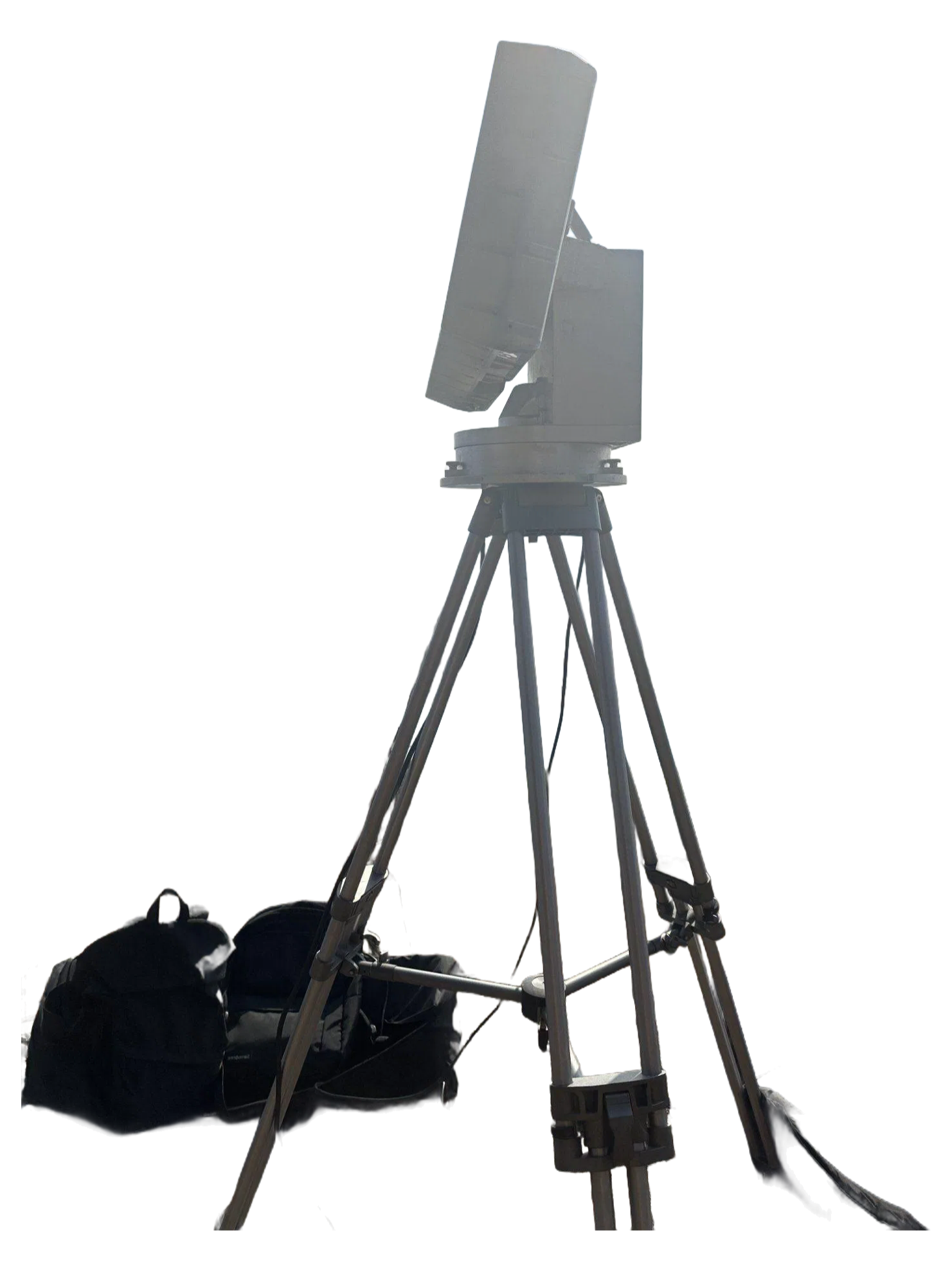
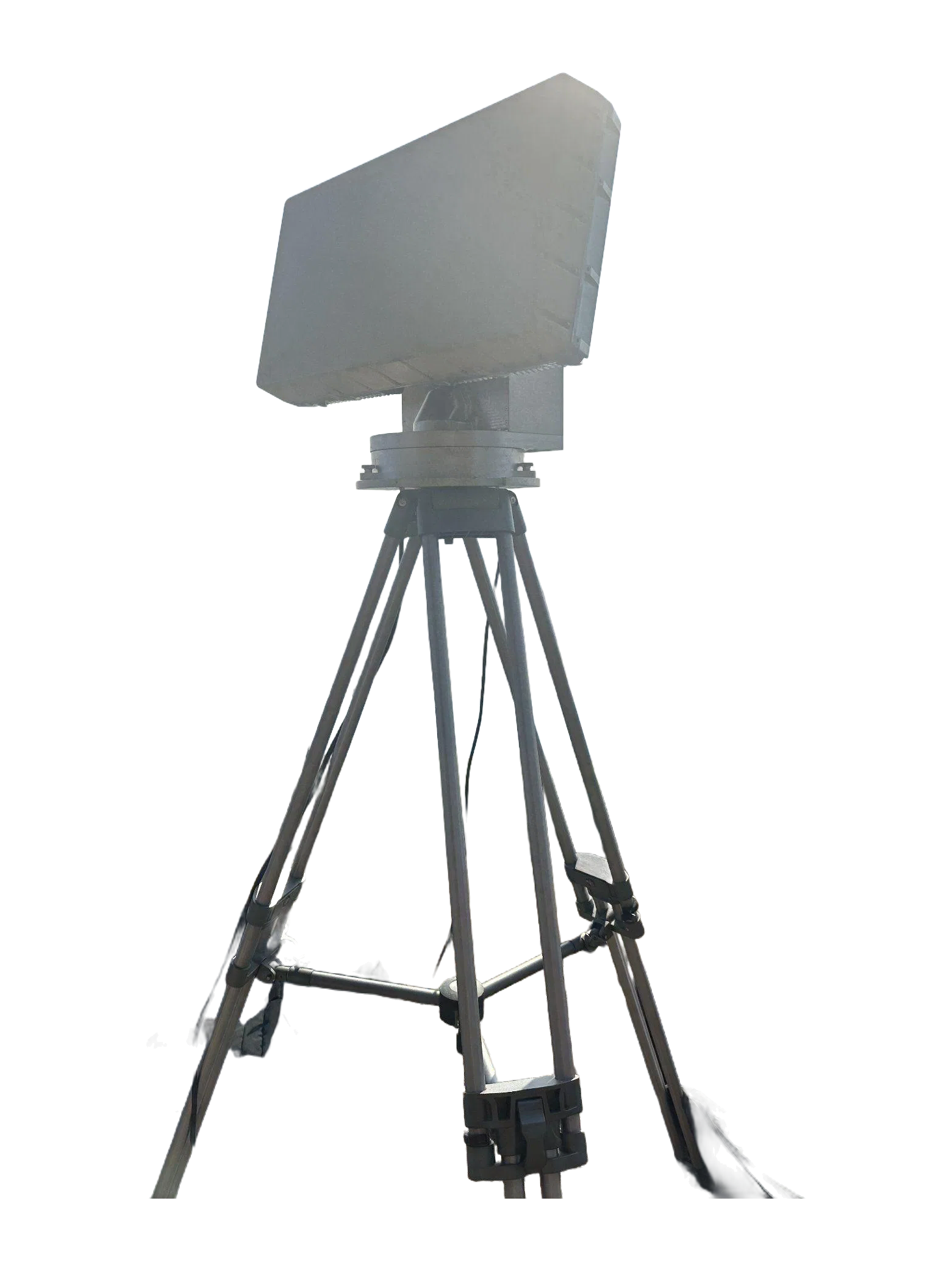
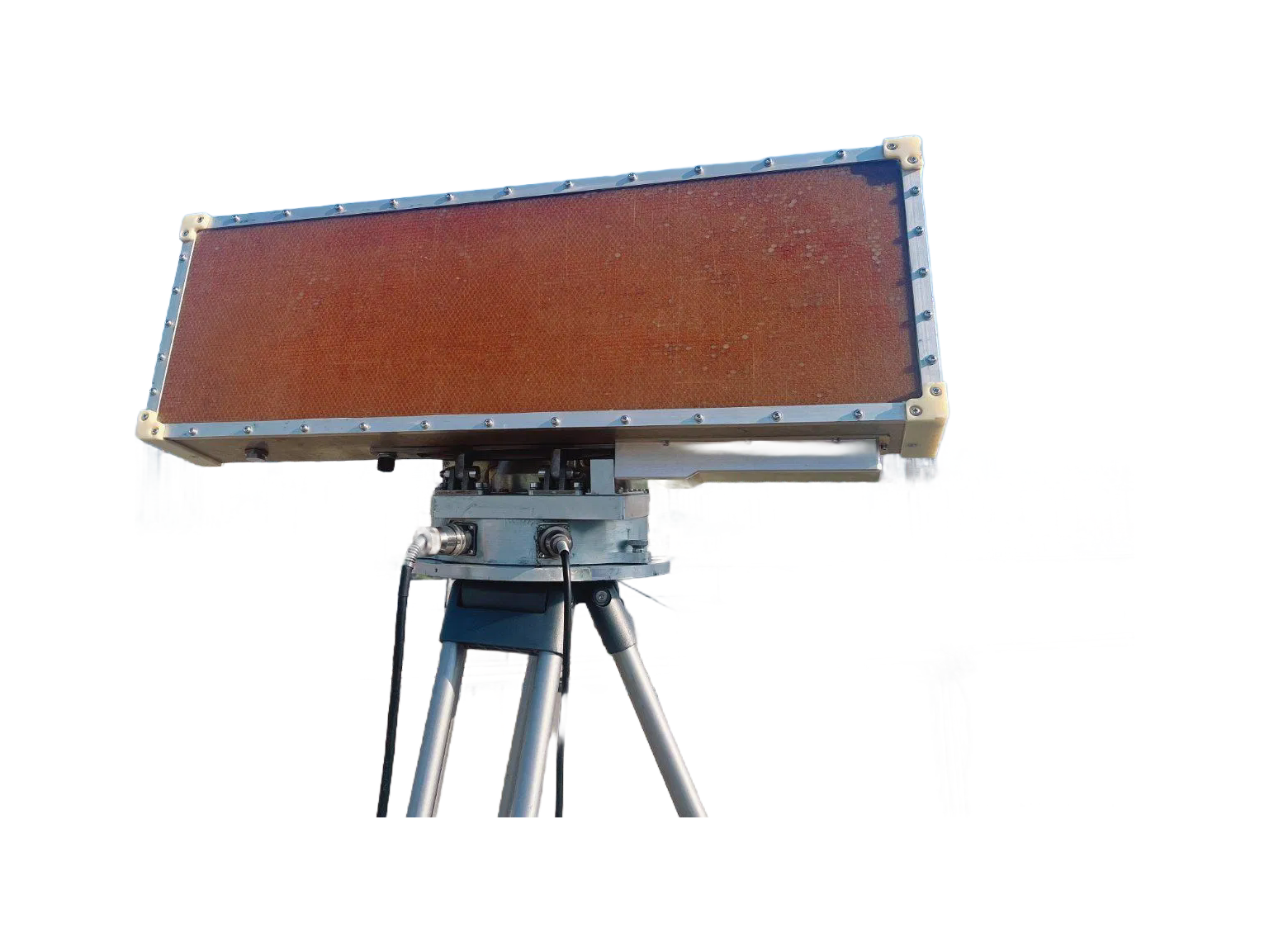
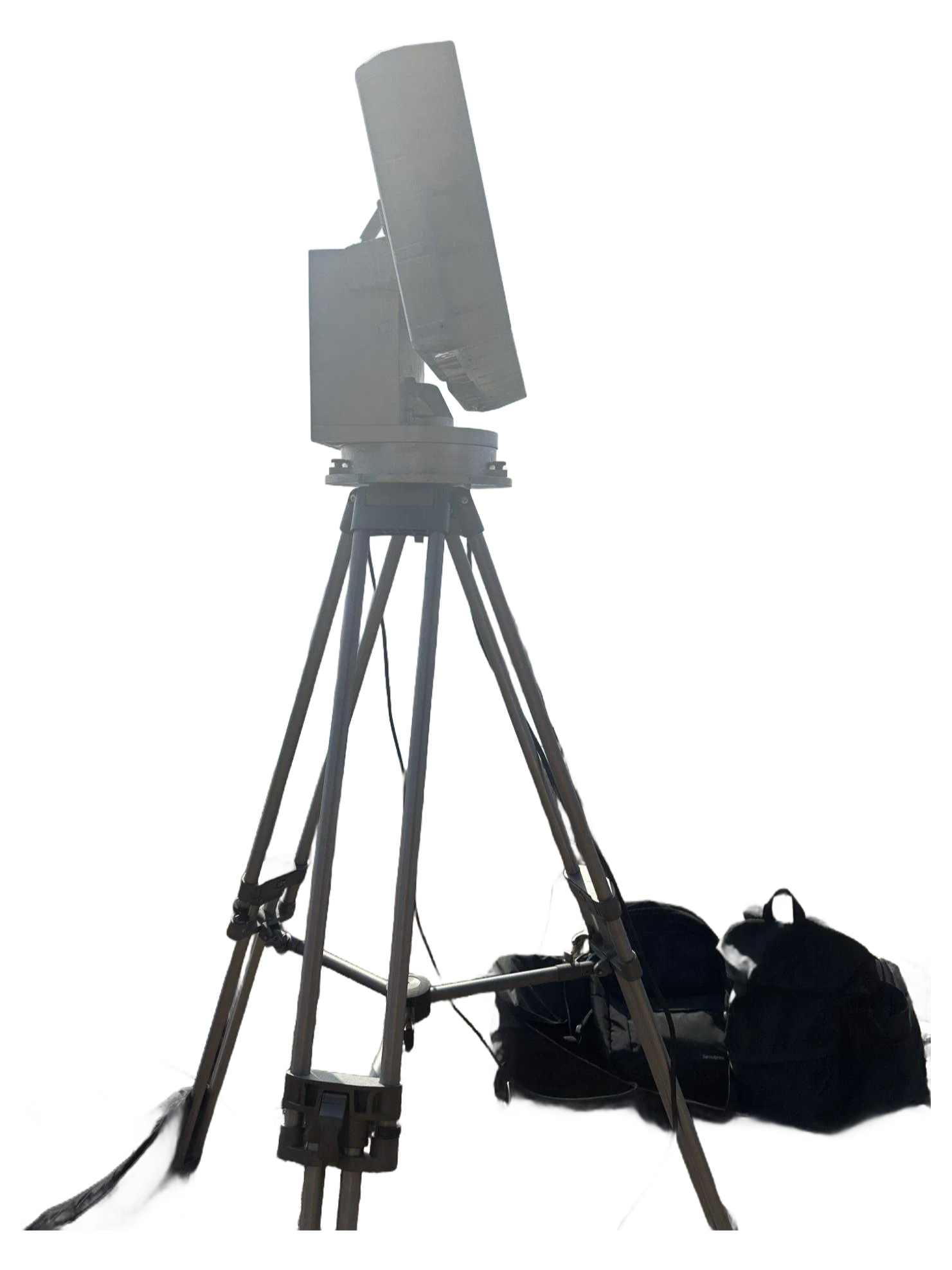
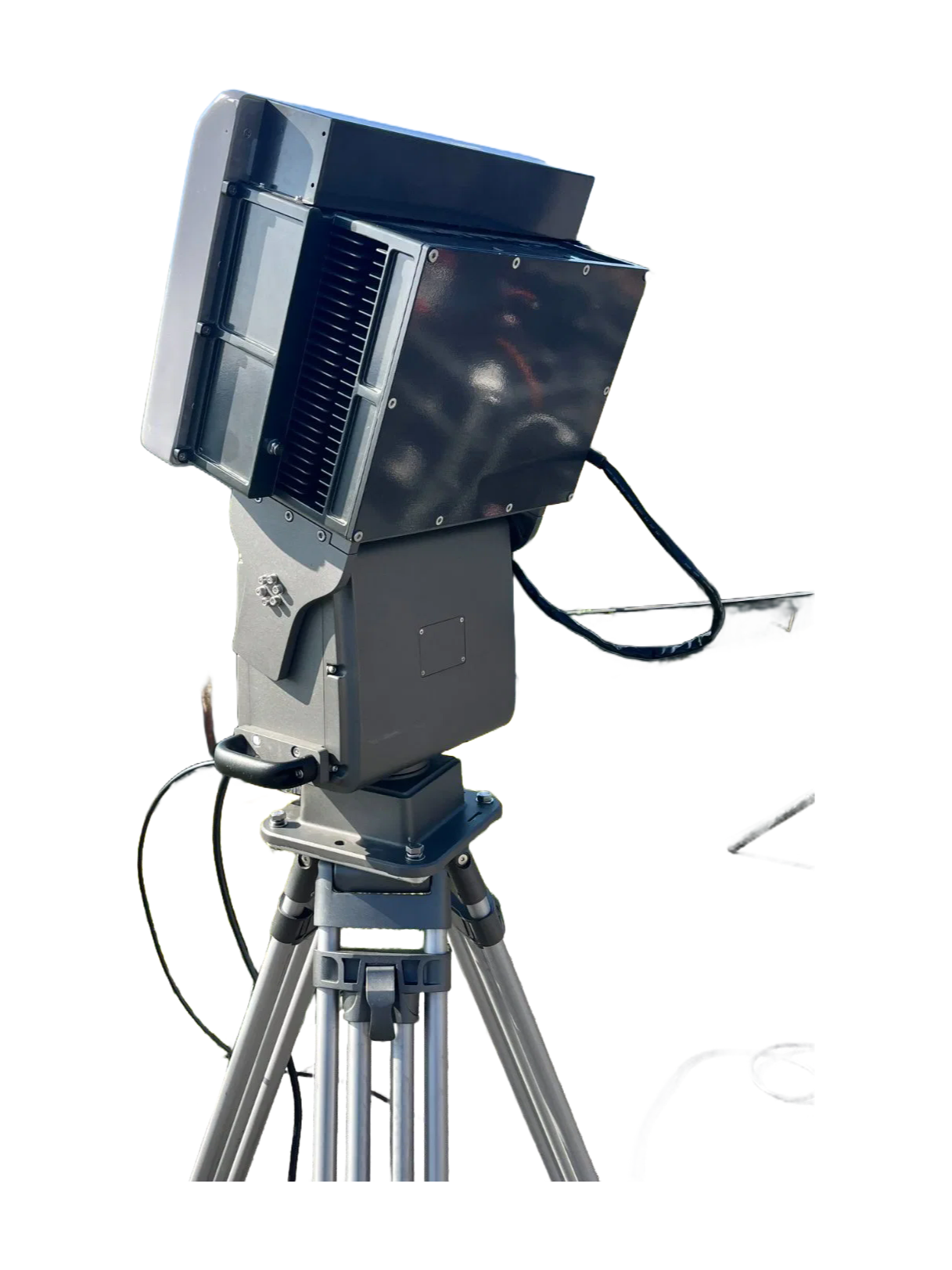
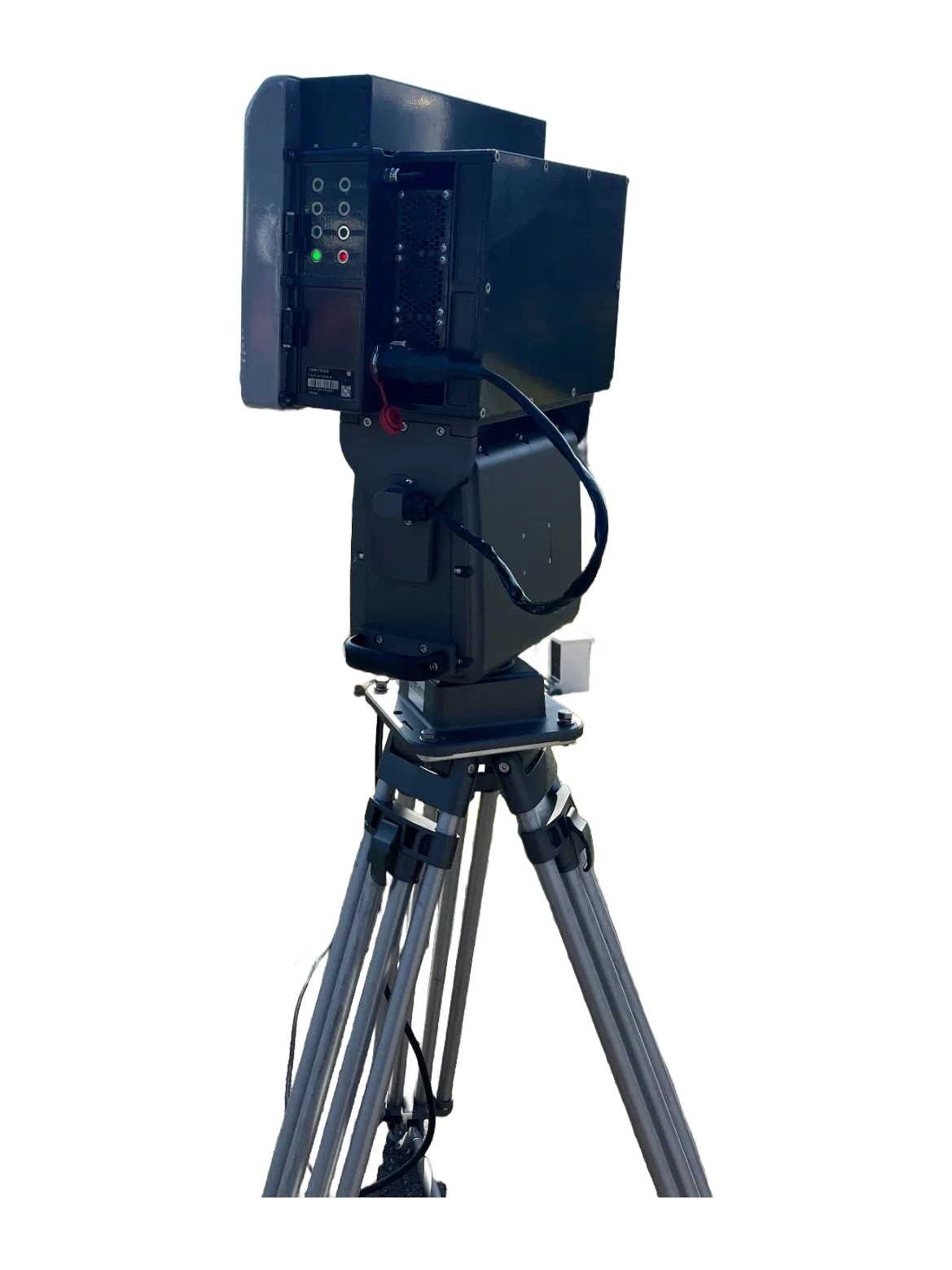
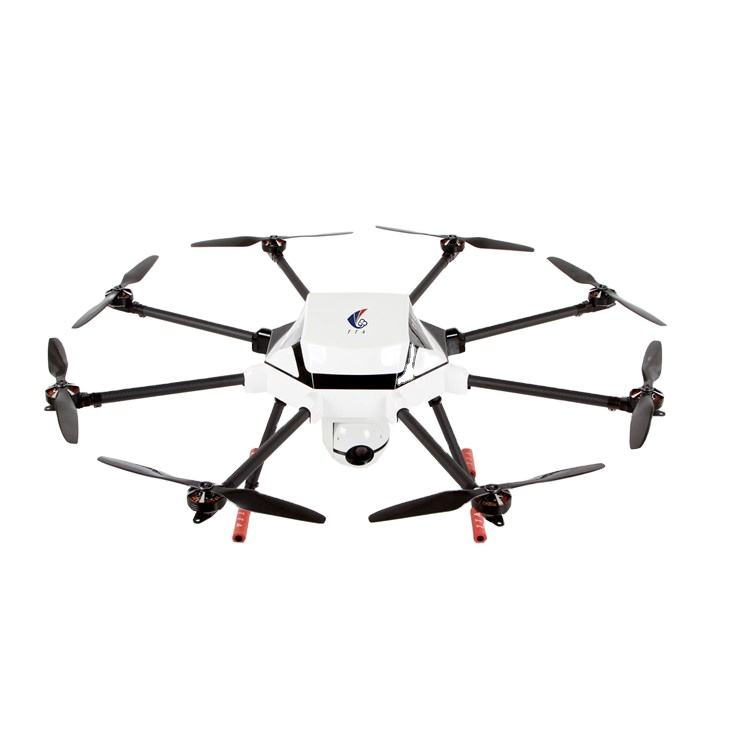
Actually, most of what's out there for drone defense is either pure radar or just EO—doesn't give you both in one sweep, but we've integrated them so you get track and ID simultaneously without switching systems.
It's pretty much the go-to for outdoor perimeters, think airfields or critical infrastructure where a single Phantom 4 at 6S data rate needs to be caught before it's inside 150m, and that's where the blind zone matters because at ≤150m you're already reacting.
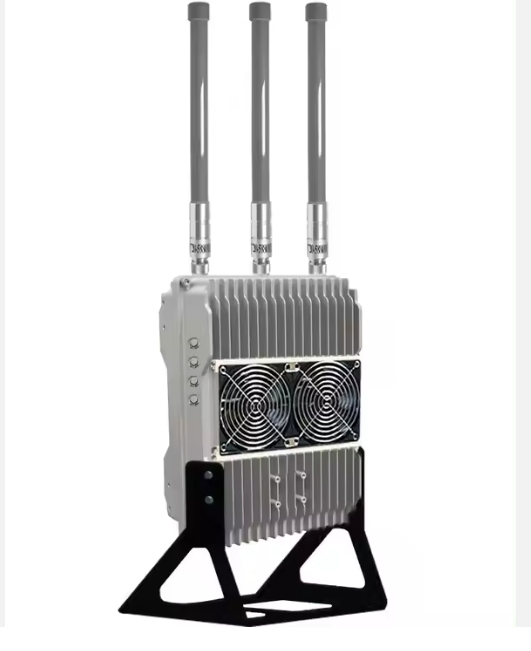
We pulse Doppler with phase scanning on X-band, 9 to 10.2GHz, so you're tracking over 200 targets at once while the minimum detectable speed is about 1m/s—that's a slow-moving quadcopter basically hovering—and the whole box is under a meter long, roughly 990mm by 450mm by 650mm, which fits on a standdard tripod mount.
Teh frequency range spans 300 to 6000MHz, which isn't just radar—it's also for coordinating with jammers or laser systems if you've got them, and we've found most buyers pair it with a navigation decoy for the forced landing feature.
We usually keep stock on the YT-LD02C, but confirm lead time if you need under 20 units or so because EO integration adds a bit of waiting, though it's better than piecing together separate systems that don't talk to each other.
≥10 km. That's the spec we list, tested with a DJI Phantom 4 at 6S data rate, so you can expect solid performance on similar small drones.
It's ≤150 meters. Below that, the radar might not track targets reliably, but that's typical for pulse Doppler systems.
Yes, we can supply CE and FCC test reports, plus a factory inspection certificate. Just let us know what you need for your compliance.
MOQ is 1 unit for evaluation orders. Lead time is around 30-45 days after payment, depending on current production load.
The radar can cue the EO system—once a target is detected, it hands off coordinates for visual tracking. We can customize the interface protocol to match your camera system.