Account
Inquiry
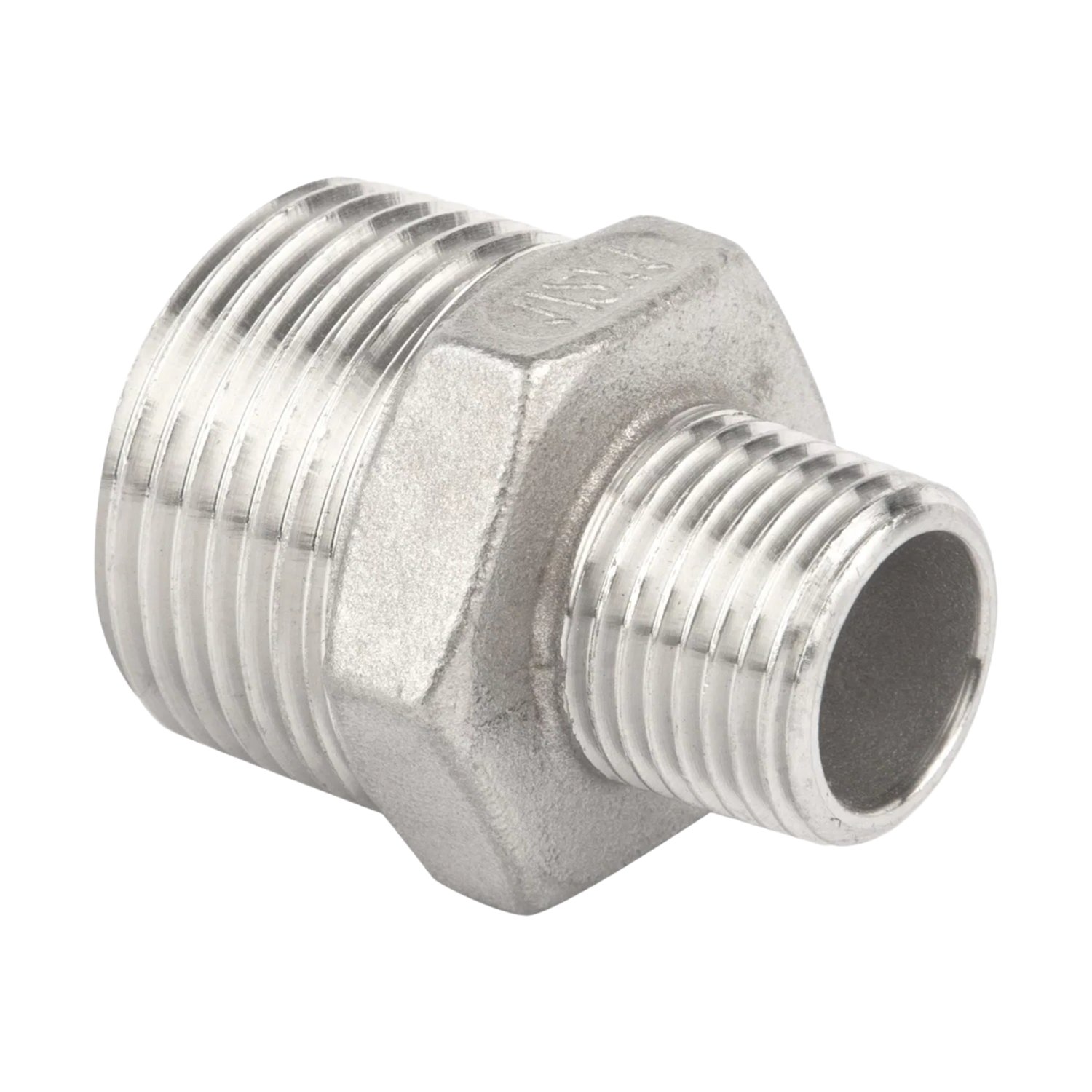
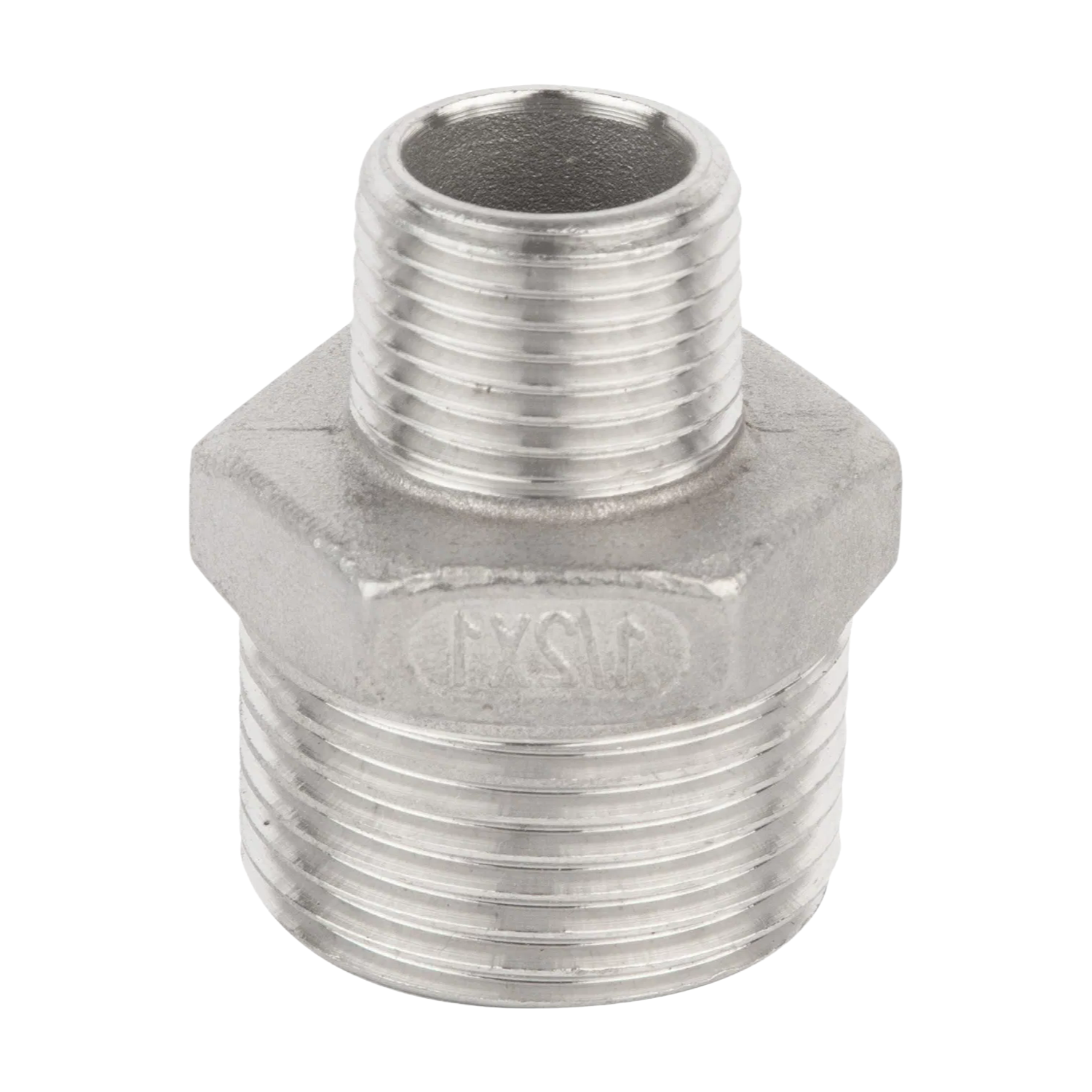
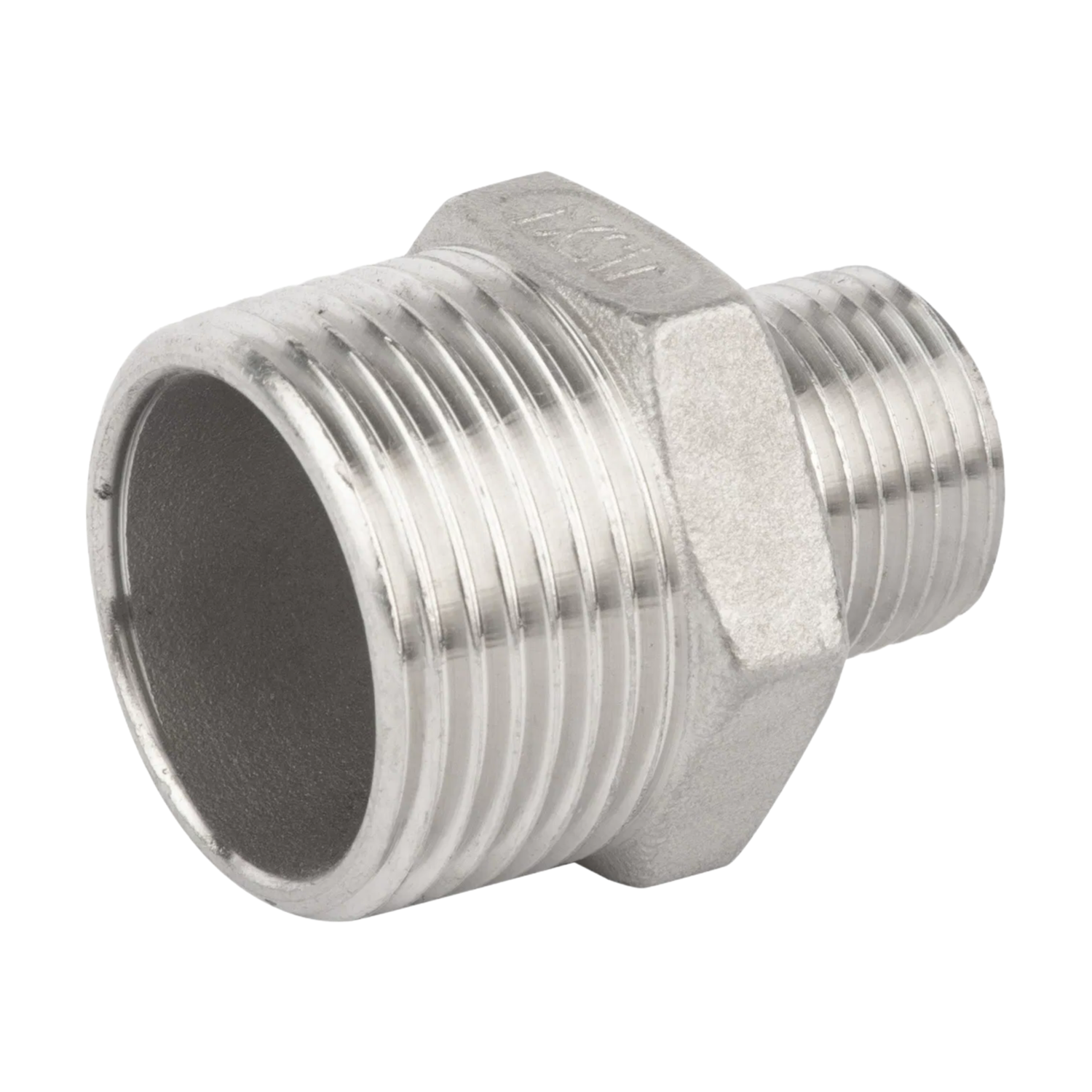
Basically, the main difference with this reducing nipple comes down to what you get for the money—most buyers switching to us mention the tighter dimensional tolerance versus what they’d find with standard pressed fittings. 5% deviation or so on wall thickness is normal from typical stock items, but these castings hold closer, and the pickling surface means you actually see it’s clean out of the box with no loose scale. We’ve had people order 316 for a food-line retrofit and then come back asking about the 304 for less aggressive water systems (usually fine but check the chloride levels). Those male threads are cut to Class 2 or better, though we don’t always beat the 30-day lead time if your quantiy pushes past 500 pieces.
And the sizes—from 1/8 inch all the way up to 4 inch—cover about 90% of what a typical plant floor needs, but that 150LB pressure rating is a hard limit, so don’t push it on steam service over 150 psi. The round head profile is one of those details you don’t think about until you’re trying to wrench in a tight corner, and it actually gives you a bit more grip than hex types without chewing up the surface. 50 percent of our orders are for 1/2 inch x 3/8 inch reduction, which tells you where most standerd plumbing runs fall. We carry stock on 201 in smaller runs, but if you’re after 316 for a marine or chemcial line you’ll likely need the full delivrey window—we usually have the material but schedule the casting runs weekly.
One thing I’d mention: while it works fine for oil and gas transfer lines and general mechanical equipement, it’s not meant for high-pressure hydraulic circuits where you’d need a forged fitting. That casting process gives you a more uniform internal bore than a simple stub-end nipple, but the grain structure isn’t as refined as a forged part under 3000 psi. The packaging comes in bulk boxes of 100 with foam dividers, or our company can individually wrap if your buyer requires it—just tell me upfront because it changes the lead time slightly. Some of the guys in wastewater prefer the 304 pickled finish because of that it’s easier to passival or check for weld contamination down the line.
Also, on documentation—every shipment includes a batch-specific COA with the typical HPLC pass on any surface residue, and we’ll throw in the material cert (EN 10204 3.1) if you request it at order time. That’s something a lot of offshore suppliers don’t do standard, so if compliance is tight for a pharmaceutical or food-contact redesign, it saves you back-and-forth. The minimum order is 100 pieces, but we’ve negotiated down to 50 for first-time evaluation if you commit to a repeat order later—nothing wild, just a handshake sort of thing.
Yes, we can mix materials in one order. Just let us know the quantities per grade when you place the order, and we'll handle it.
The 150LB rating is for ambient temperature. At higher temps, the pressure capacity drops, so let us know your operating conditions and we'll confirm it works.
Samples are available. We can send one for free, but you'll cover the shipping. Just reach out with your address and preferred material.
For custom sizes outside our standard range, the MOQ is typically higher—around 500 pieces—but we can negotiate depending on the spec.
Yes, we can issue a mill certificate or test report for each batch. Just request it when you order, and we'll include it with the shipment.