Account
Inquiry
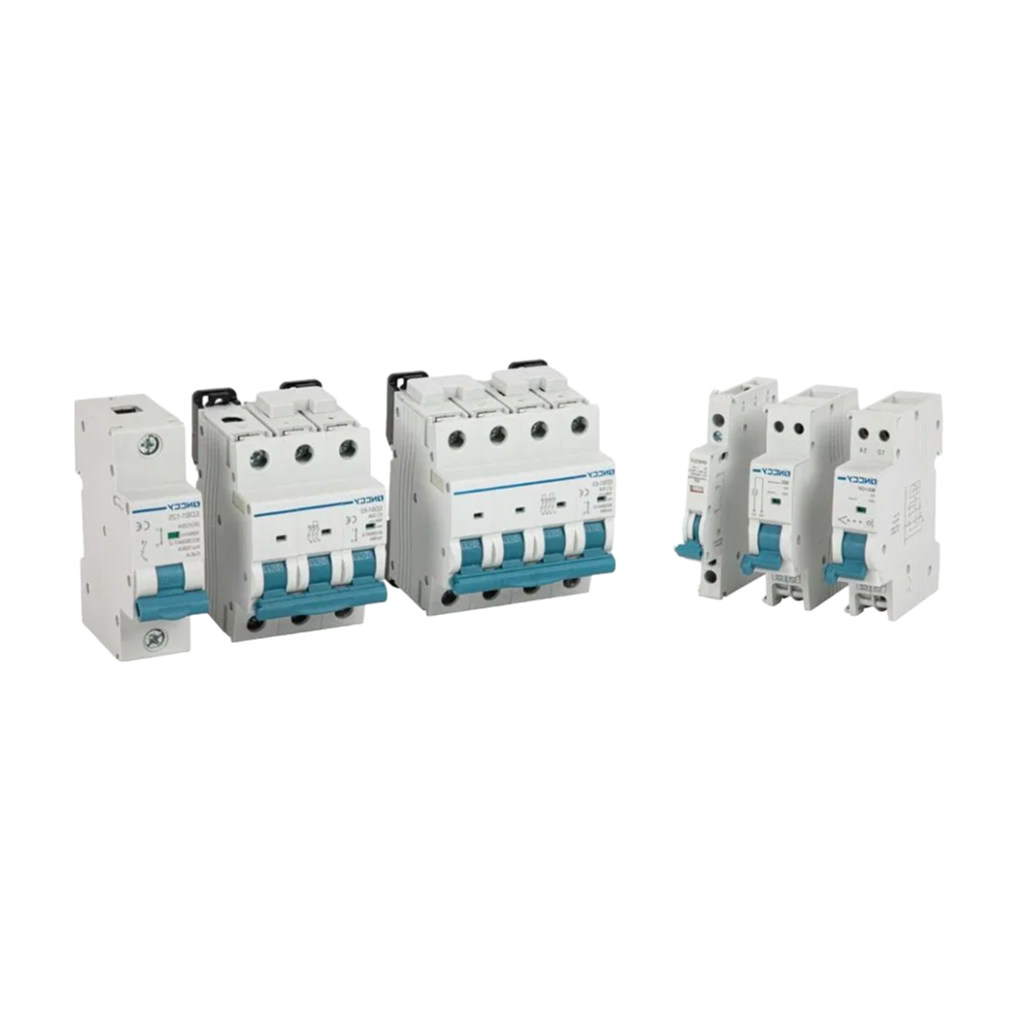
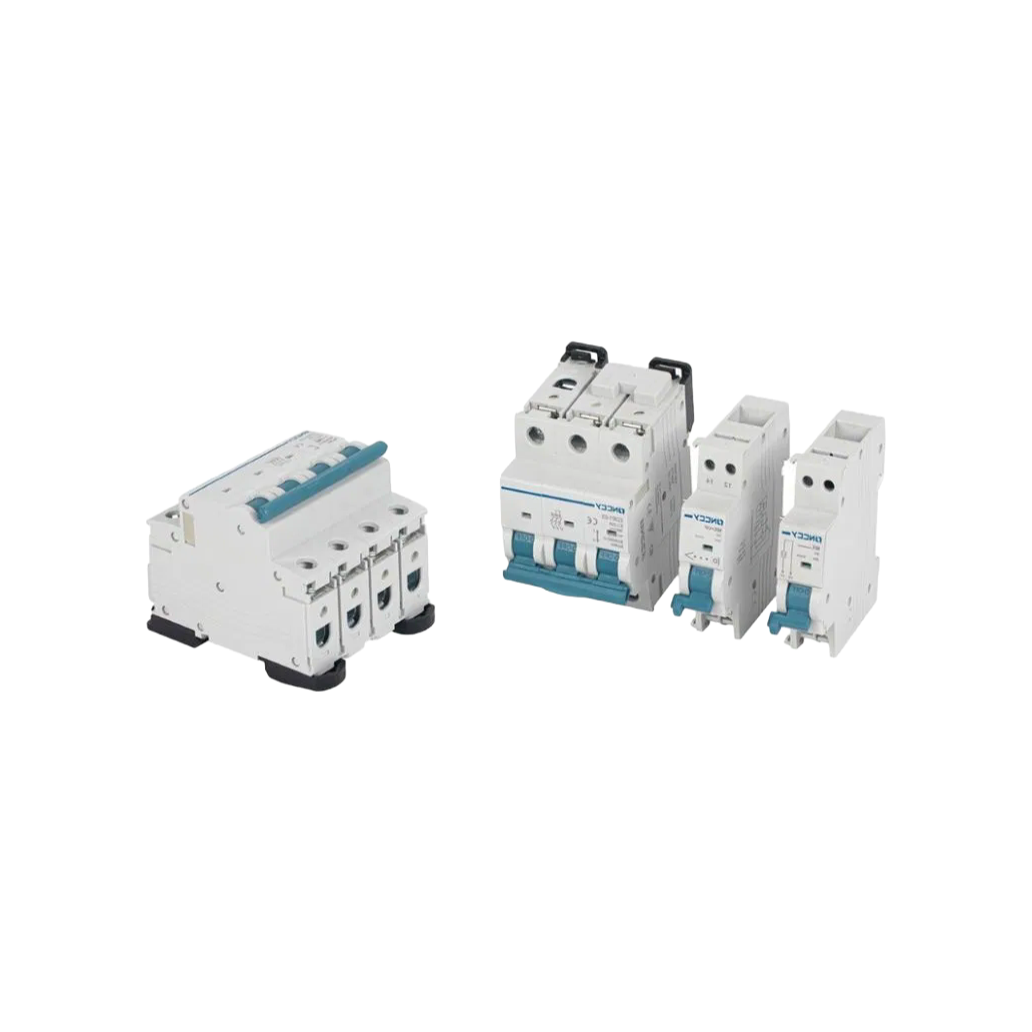
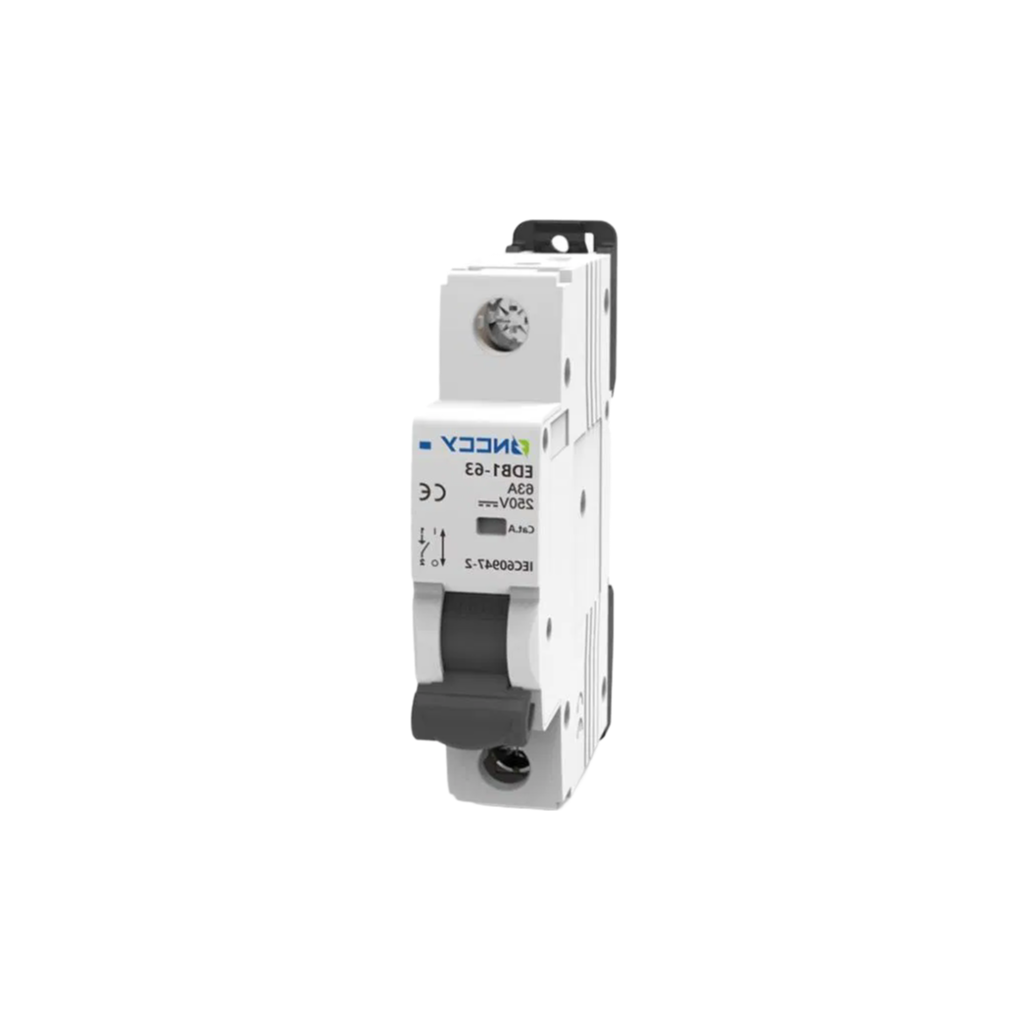
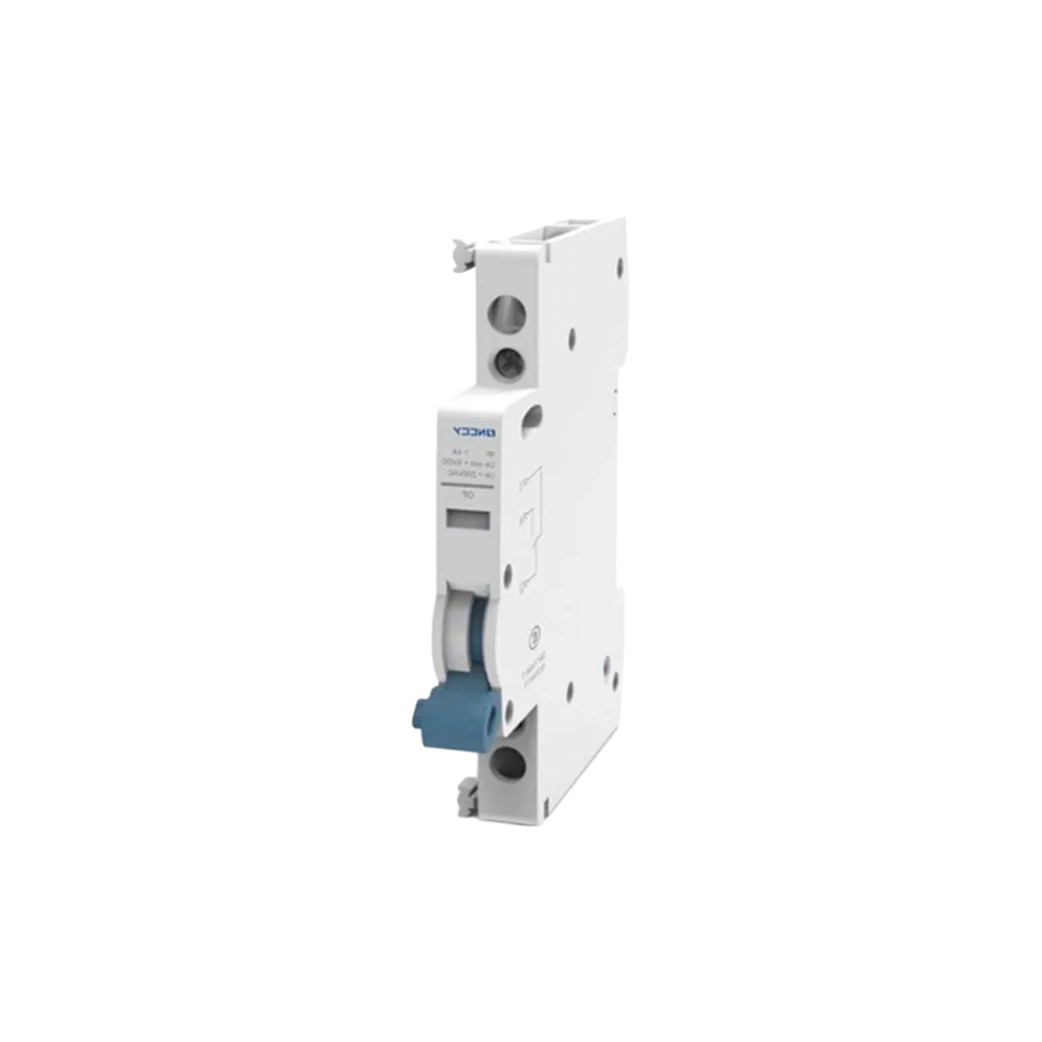
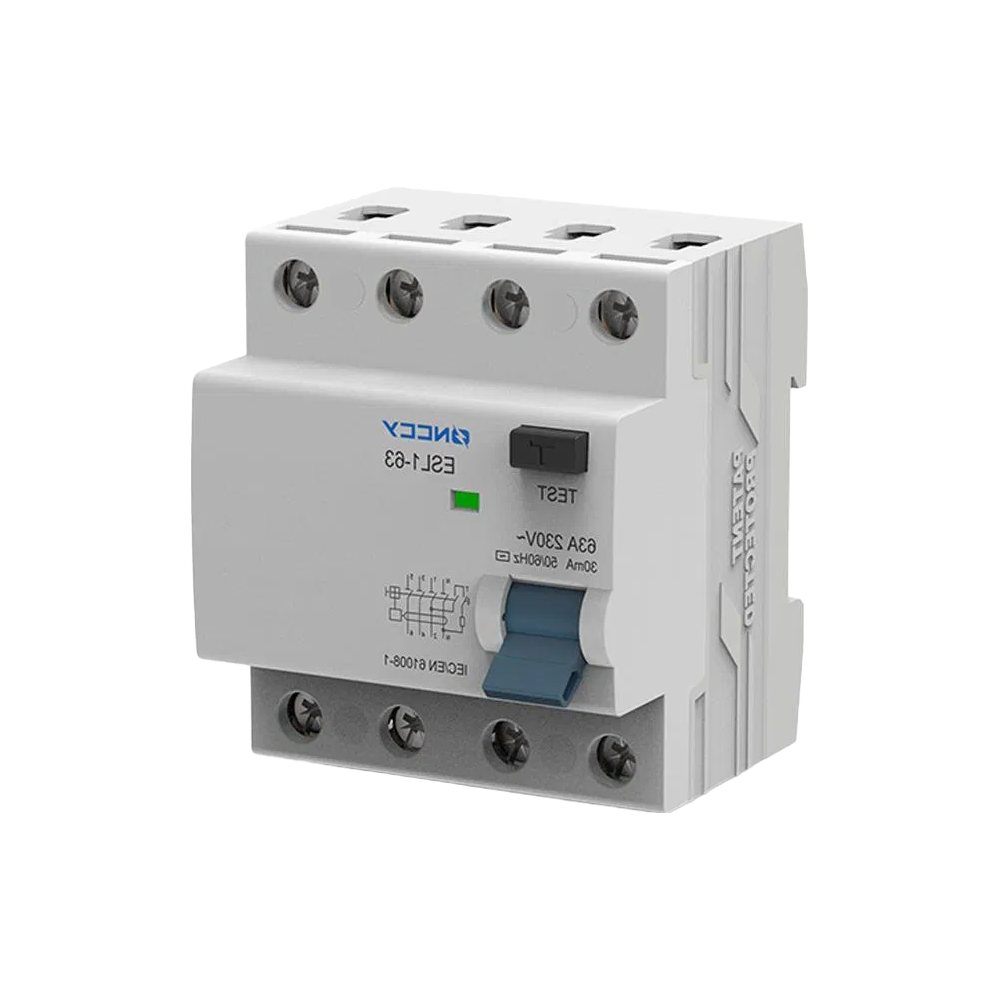
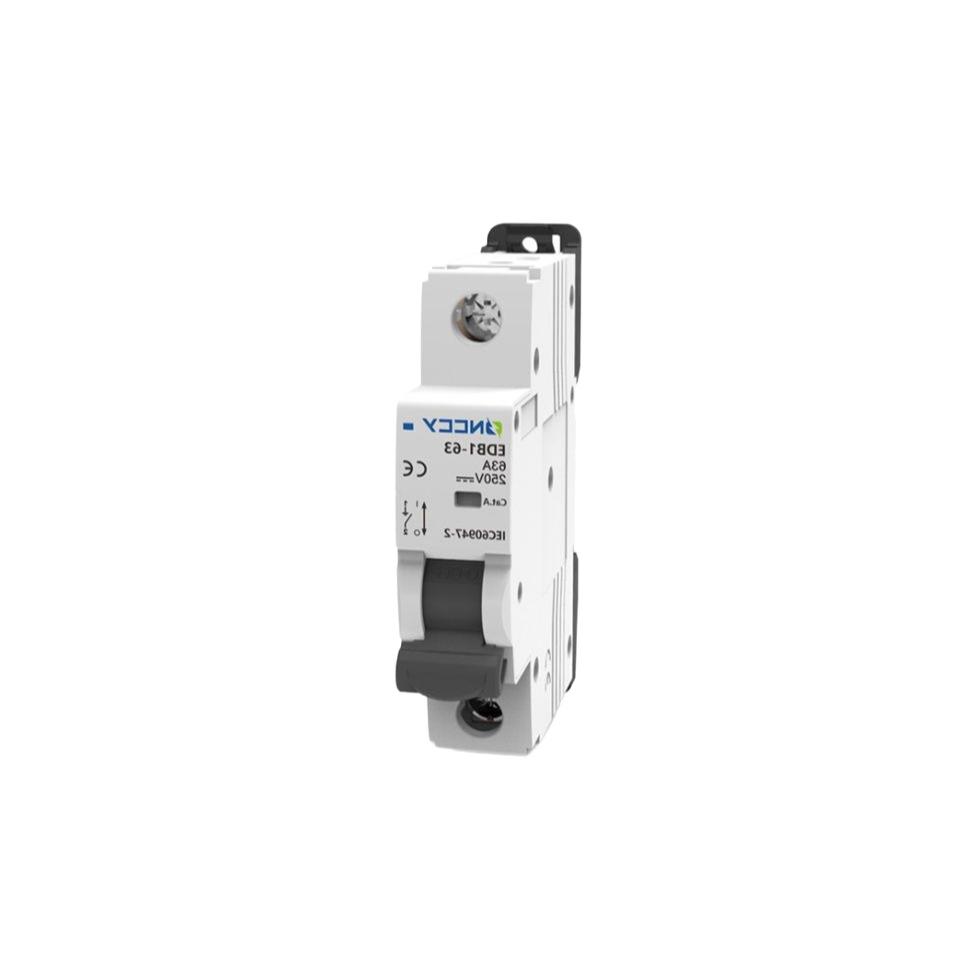
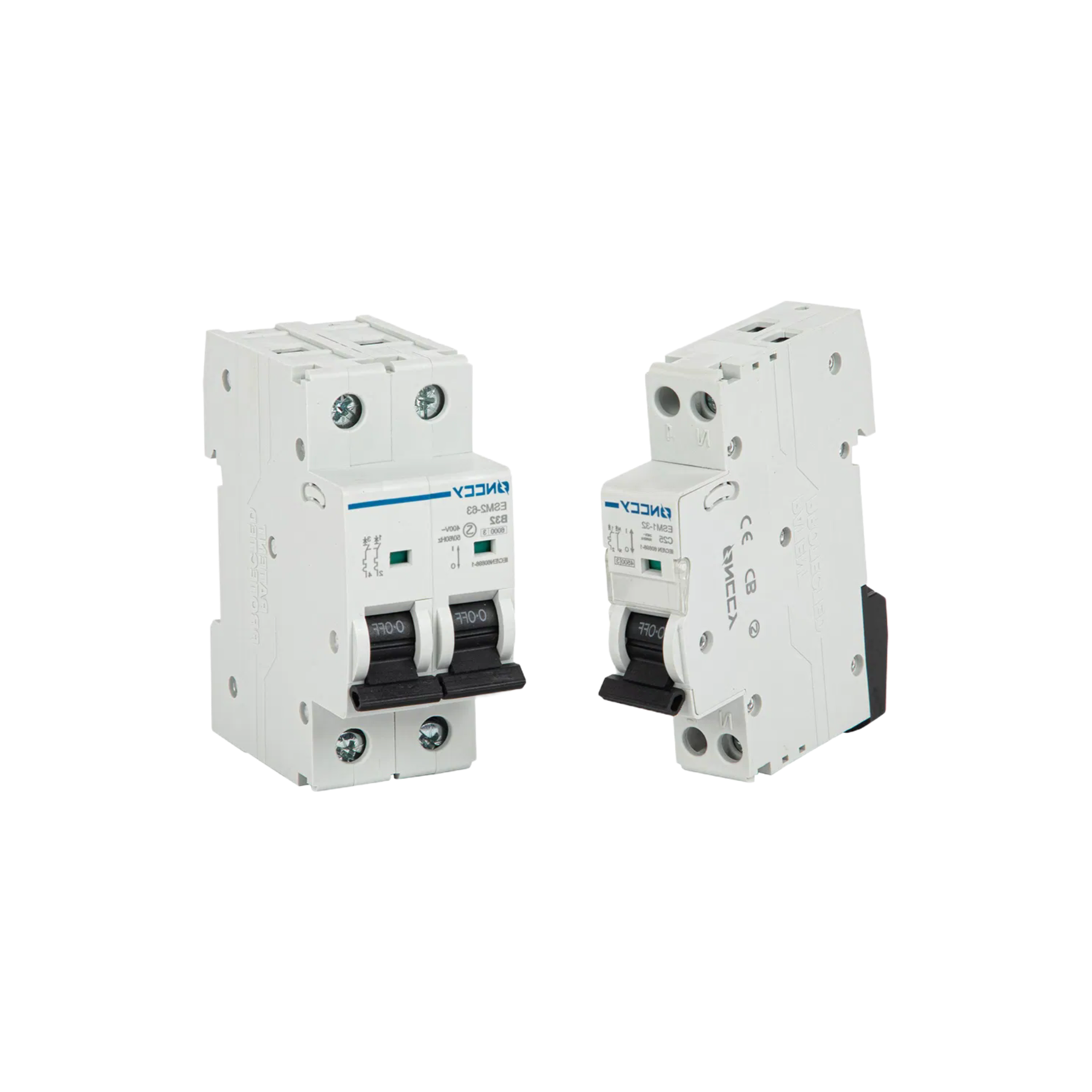
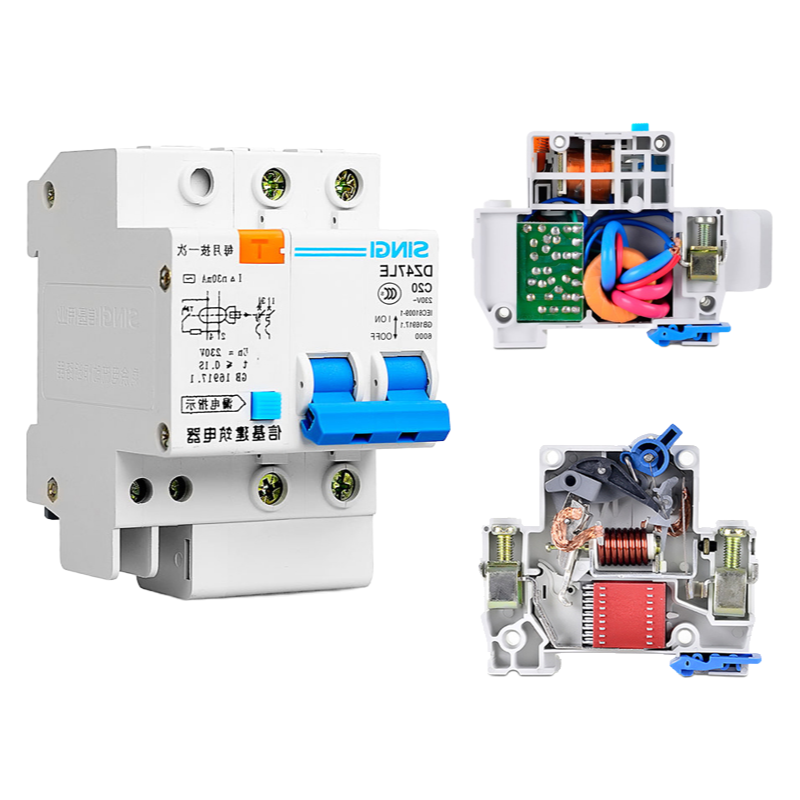
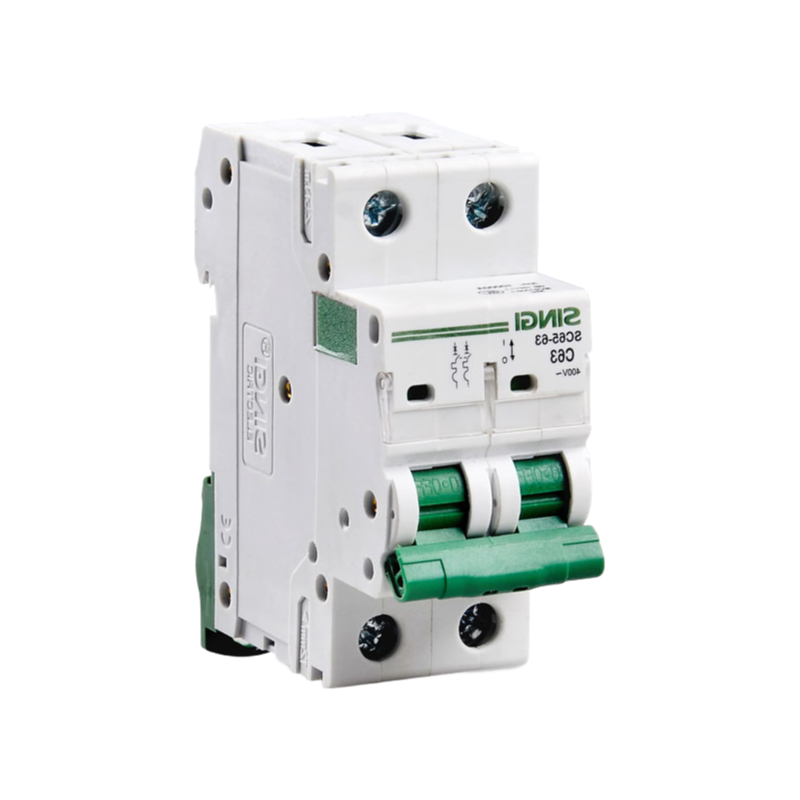
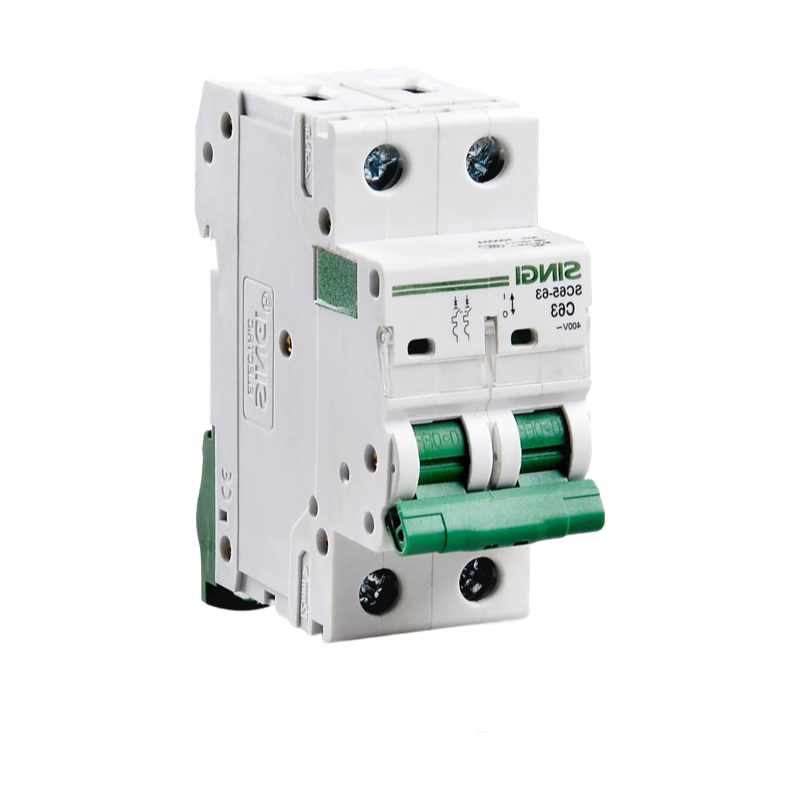
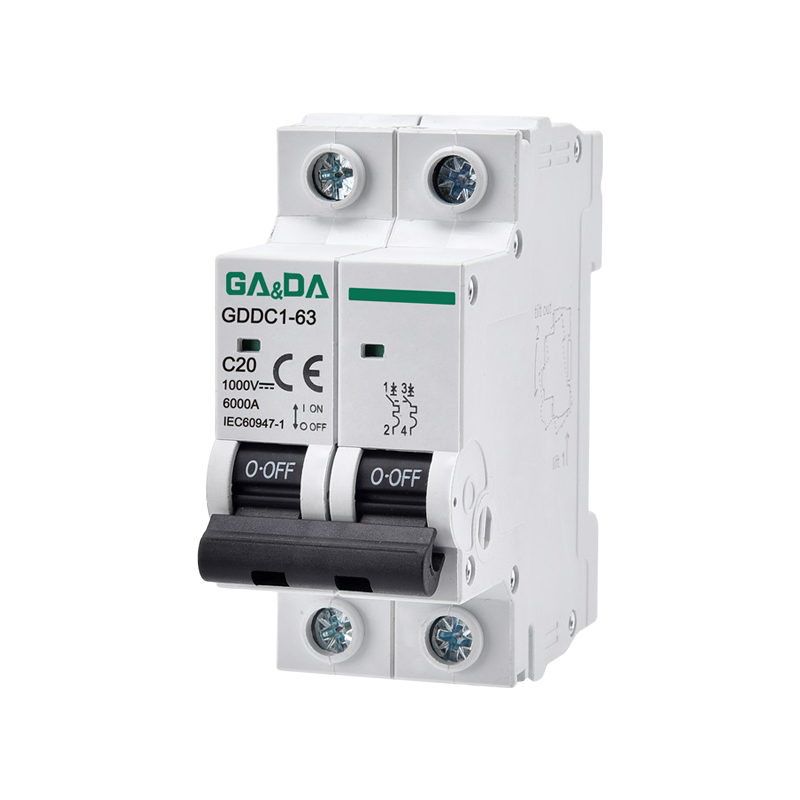
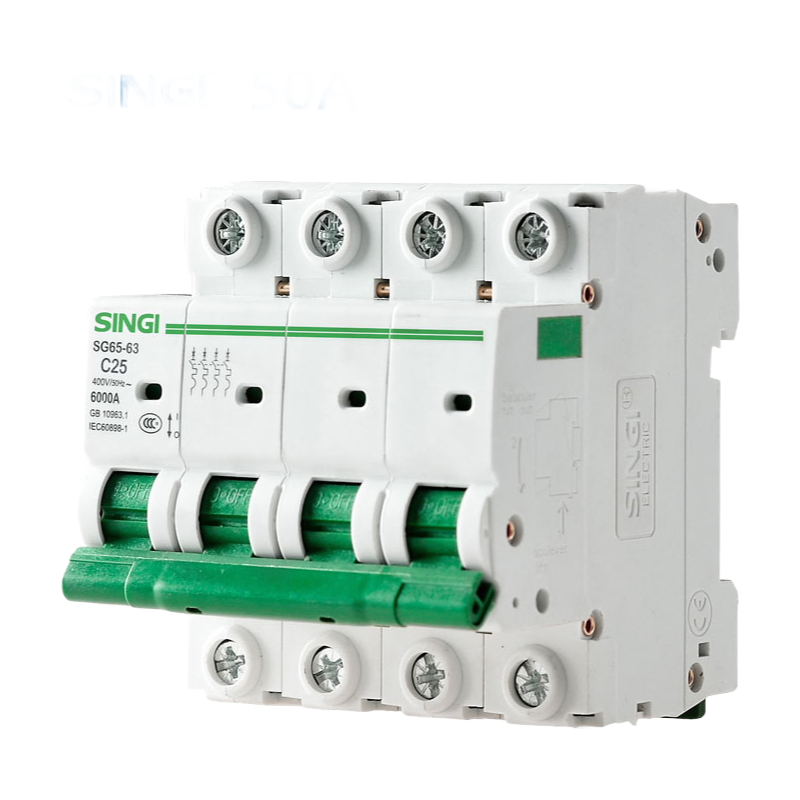
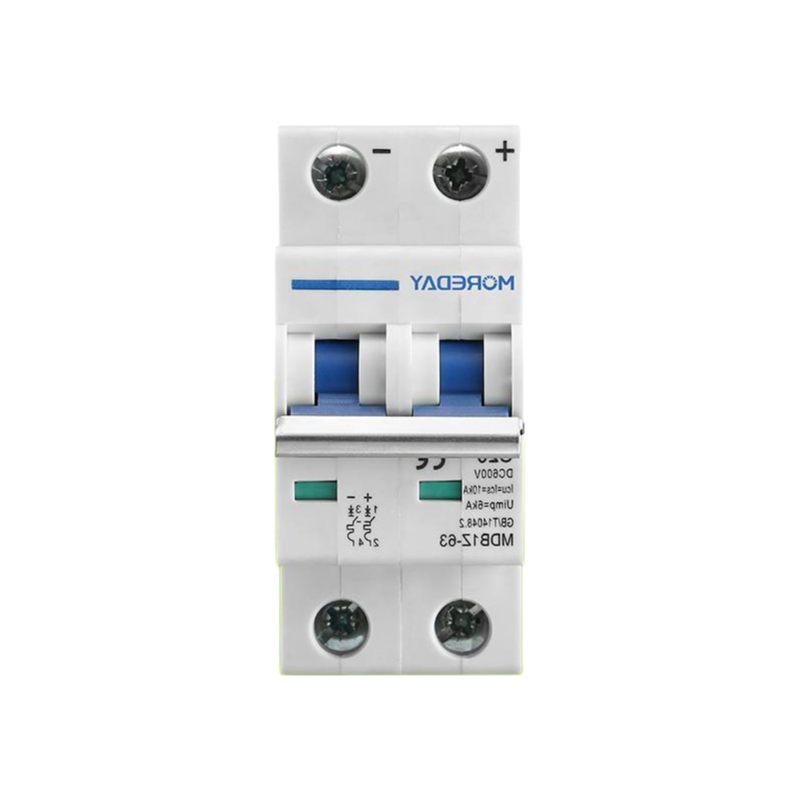
You're looking at 10kA breaking capacity in a DC circuit breaker that fits a standard DIN rail—that's teh kind of margin you need when an EV charger arc flash turns into a real problem, and we've seen systems where anything less would have welded contacts and fried the downstream converter.
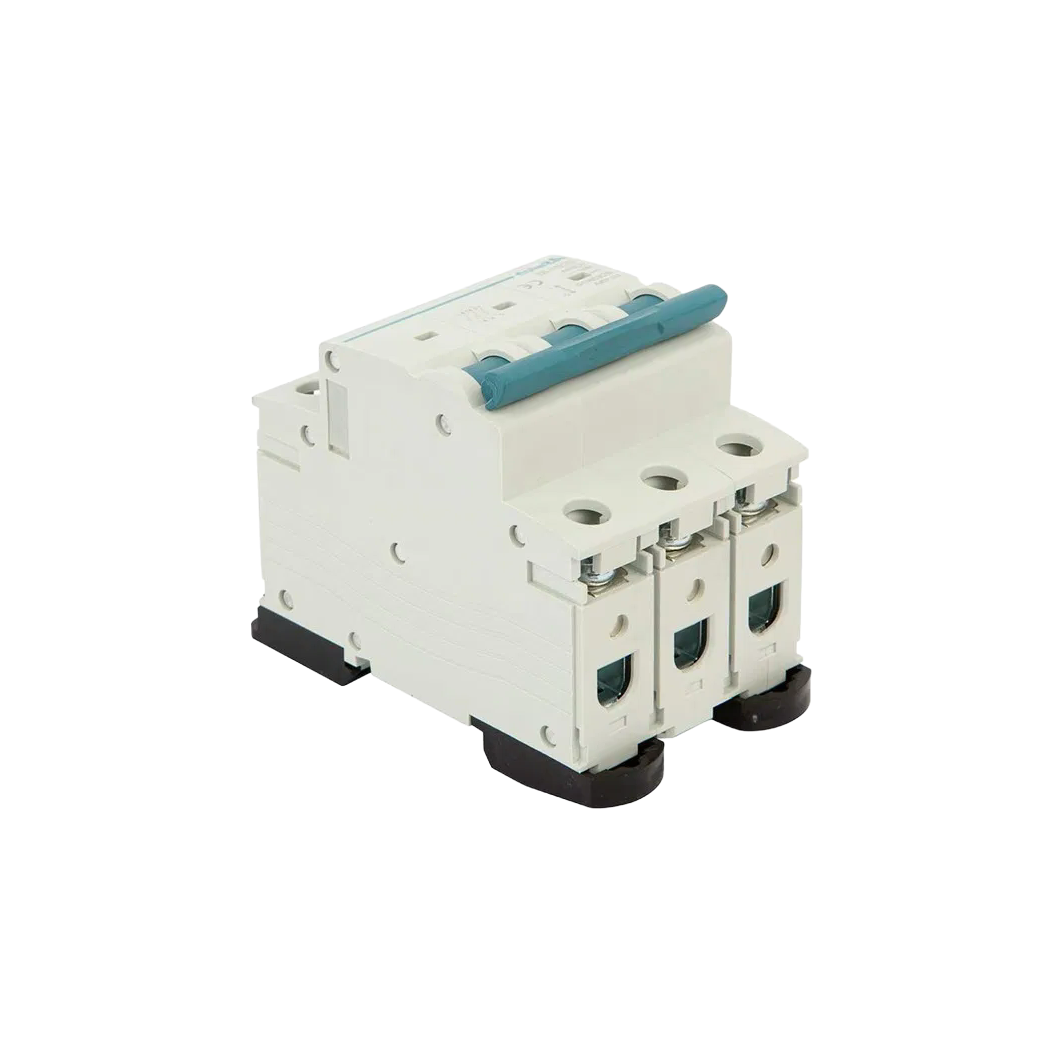
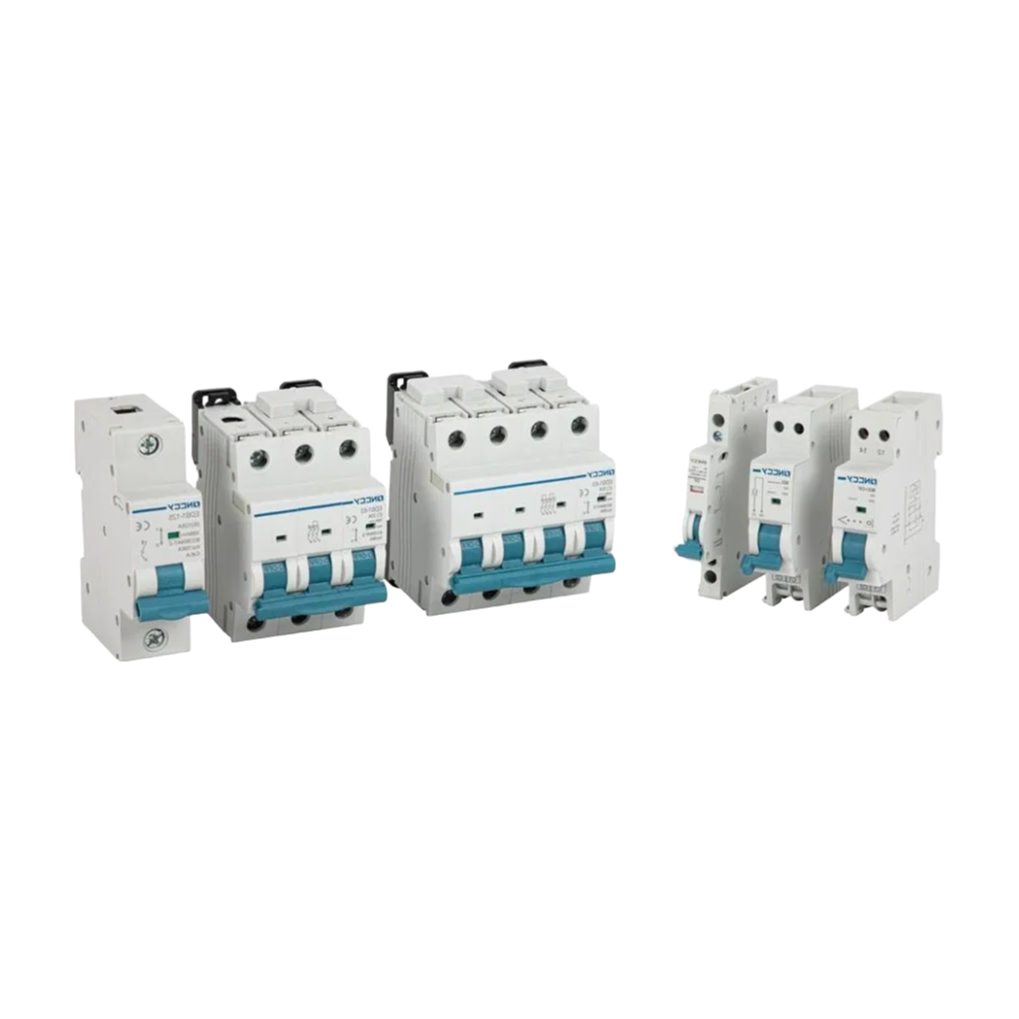
The thermal-magnetic trip on these B/C type units kicks in fast enough to protect sensitive electronics, but we usually stock the 10A to 63A range because most buyers go with 32A or 40A for Level 2 charging stations, and the 2P or 4P pole version handles the voltage doubling you'll need for 1000V setups.
Basically, it's IP40 at wiring port but IP66 rated overall—so it'll take a hose-down in a parking lot insallation, and the 2.5-25mm² terminals give you room for thicker cables without that annoying stripped-thread fight. Check lead time on the 3P and 4P options though (usually 2-4 weeks for non-standard combos).
What it does is ride through normal loads at -30°C to +70°C without nuisance tripping, which pretty much rules out the cheap breakers that drift with temperature and cause false shutdowns in direct sun. Electrical life is 2000 cycles, mechanical life is 20,000—not great for daily switching but fine for backup protection.
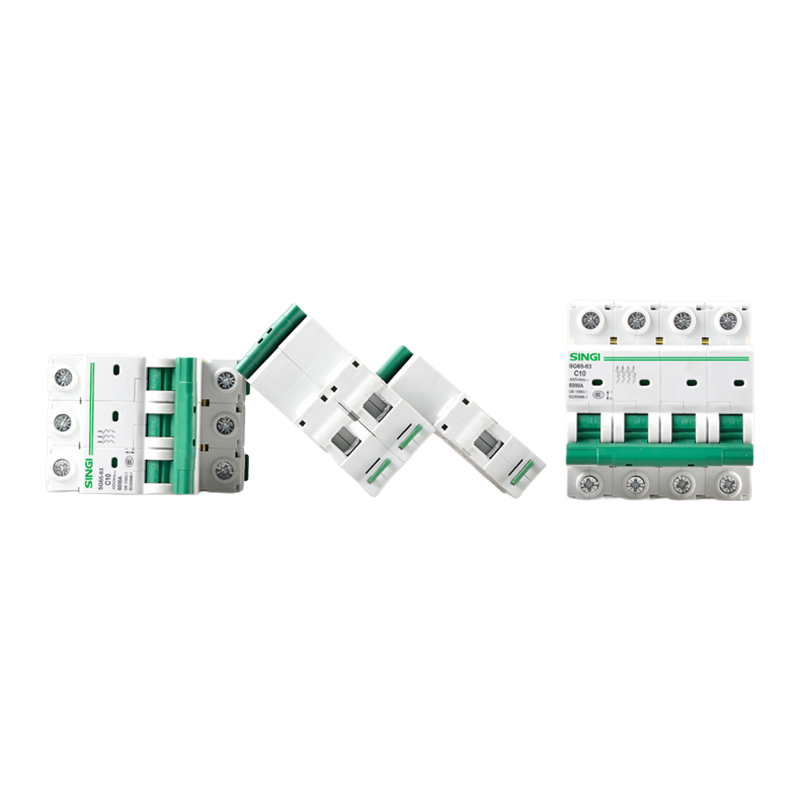
18mm per pole width means it's compact enough to stuff four poles into the same space as three generic units, and the weight form 125g (1P) to 501g (4P) gives you a feel for the copper mass inside.
Anyway, the 1P at 250V is fine for small battery banks, but for EV charging you'll want the 2P at 500V or 4P at 1000V—the AS 60947.3 compliance is what matters for Australian installations, and we have COAs but make sure your spec requires the specific trip curve.
We usually require a minimum of 100 units per pole configuration, but we can negotiate smaller trial orders for first-time buyers.
Yes, we can provide test reports and certificates confirming compliance with IEC 60947.2 and AS 60947.3 standards—just request them with your order.
We offer standard B and C trip curves and rated currents from 10A to 63A, but custom ratings or curves require a minimum order of 500 units per batch.
Lead time is usually 15-20 working days for stock configurations, including 2P and 4P, but can extend to 30 days for larger quantities or non-standard specs.
The unit itself is IP66 rated, but the wiring port is IP20—so you'll need to seal the connections properly in an outdoor enclosure to maintain overall protection.
Delivery was impressively fast and well-handled. The package arrived ahead of schedule and was in perfect condition, with no signs of damage during transit. The quality of the product appears excellent upon initial inspection; the build feels robust and the materials seem durable. Customer service was responsive and helpful when I had a pre-sale inquiry, providing clear information promptly. Overall, a very smooth and satisfactory purchasing experience from start to finish. I am confident in the product’s performance based on its solid construction and the reliable service backing it. Highly recommend this supplier for their efficiency and attention to detail.
Delivery was impressively prompt and well-handled. The package arrived ahead of the estimated schedule, which was a pleasant surprise. Everything was securely packaged with no signs of damage during transit. The quality of the circuit breaker appears to be excellent upon initial inspection; it feels robust and well-constructed, exactly as described. Customer service was responsive and helpful when I had a pre-shipping inquiry, providing clear and timely information. Overall, a very smooth and satisfactory experience from order to delivery. I am confident in the product’s build and the company’s reliability. Definitely a positive transaction worth noting for future needs. The entire process was hassle-free and professional, reflecting good operational standards. I appreciate the attention to detail in both the product presentation and the logistical execution. This level of service makes a significant difference and builds trust. Looking forward to potential future purchases, as this experience sets a high benchmark. Thank you for a seamless process and a product that seems to meet high-quality expectations. The communication was clear, and the follow-up was efficient, ensuring no concerns were left unaddressed. A truly commendable effort from the team involved.
Yikes, the shipping was incredibly fast and efficient. My order arrived well ahead of the estimated delivery date, which was a fantastic surprise. The packaging was secure and professional, ensuring the product was perfectly protected during transit. Regarding the quality, the breaker feels robust and well-made, with a solid construction that inspires confidence. The finish is clean, and it looks exactly as advertised. The customer service team was also very responsive and helpful when I had a pre-sale question, providing clear and prompt answers. Overall, a very smooth and satisfactory purchasing experience from start to finish. I am thoroughly pleased with the transaction and would not hesitate to order from this supplier again for similar components. The combination of reliable logistics, apparent high quality, and excellent support makes this a standout vendor in my book.
Brisk delivery was the first thing that impressed me. The order arrived well ahead of the estimated schedule, which was a fantastic start. The packaging was exceptionally secure and professional, ensuring the product was in perfect condition upon arrival. Regarding quality, the build feels robust and precisely engineered. The materials seem top-notch, and the finish is clean, exactly as one would expect for a professional-grade component. The service aspect was equally commendable. Communication was clear and prompt from the very beginning. Any preliminary questions I had were answered thoroughly and without delay, making the entire purchasing process smooth and hassle-free. Overall, this was a highly satisfactory experience from start to finish, combining efficient logistics with a solid product and excellent customer support.
Just received my order and I am thoroughly impressed with the entire process. The logistics were handled exceptionally well; the package arrived ahead of the estimated delivery schedule, which was a pleasant surprise. Everything was securely packaged with no signs of damage during transit, demonstrating careful handling. Regarding quality, the product feels robust and well-made, exactly as described. The service provided was outstanding; the communication was clear and prompt from the moment I placed the order to the final delivery confirmation. Any inquiries I had were addressed quickly and professionally, making the whole experience smooth and hassle-free. This level of attention to detail in logistics, product quality, and customer service is commendable and certainly sets a high standard. I would not hesitate to recommend this supplier to others based on this positive experience.
Excellent experience from start to finish. The shipping was incredibly fast and efficient, arriving well ahead of the estimated delivery window. Everything was packaged with great care, ensuring the product was perfectly secure and undamaged. The build quality of the circuit breaker itself is outstanding; it feels robust, well-made, and precisely engineered. The materials seem top-notch, and the overall finish is very professional. Communication and service were also top-tier. Any preliminary questions I had were answered promptly and thoroughly by the supplier, making the entire purchasing process smooth and worry-free. While I haven't installed it in my EV charging setup yet, based on the initial inspection and the seamless transaction, I am highly confident in this product's reliability for its intended protective application. The combination of rapid logistics, apparent superior manufacturing, and responsive customer support makes this a very satisfactory purchase. I would not hesitate to order from this supplier again for similar electrical components. The attention to detail in both the product and the service is truly commendable and sets a high standard.
Logistics were impressively fast and reliable. The package arrived well ahead of the estimated delivery window, which was a pleasant surprise. Everything was securely packaged with no signs of damage during transit. The quality of the product itself is outstanding. It feels robust and well-manufactured, exactly as described for industrial use. The finish and construction inspire confidence for its intended application in demanding environments. Regarding customer service, the support team was exceptionally responsive and helpful. They provided clear answers to my pre-purchase inquiries promptly. Overall, this was a very smooth transaction from start to finish. The combination of efficient shipping, a high-quality item, and excellent support makes this supplier highly recommendable. I am thoroughly satisfied and would not hesitate to order from them again for similar components. The entire experience exceeded my expectations in every logistical and service-oriented aspect.
Xcellent experience overall. The shipping was remarkably fast and efficient, arriving well ahead of the estimated delivery date. The packaging was secure and professional, ensuring the product was in perfect condition upon arrival. Regarding quality, the build feels exceptionally robust and solid, exactly as one would expect for an industrial-grade component. The finish is clean, and all specifications marked on the unit are clear and accurate. Customer service was also top-notch; my initial inquiry was answered promptly and with helpful detail. While I haven't installed the unit yet for its intended application, the initial inspection leaves me very confident in its performance for demanding environments like EV charging stations. The combination of reliable logistics, apparent high manufacturing standards, and responsive support makes this a very satisfactory purchase. I would not hesitate to order from this supplier again for similar electrical protection needs.
Xceptional service from start to finish. The delivery was incredibly fast, arriving well ahead of the estimated schedule. The packaging was secure and professional, ensuring the product was in perfect condition upon arrival. The quality of the circuit breaker is immediately apparent; it feels robust and well-made, exactly as described for industrial use. Communication with the supplier was prompt and helpful, answering all my pre-purchase questions efficiently. Overall, a very smooth and satisfactory transaction. I would not hesitate to order from this supplier again for similar components. The entire process, from browsing to unboxing, was hassle-free and instills confidence in their operations.
Hats off to the supplier for an incredibly smooth transaction from start to finish. The shipping was remarkably fast, arriving well ahead of the estimated delivery window, which was a very pleasant surprise. The packaging was exceptionally secure and professional, ensuring the breakers were perfectly protected in transit. Upon inspection, the build quality is immediately apparent; the components feel solid, robust, and precisely manufactured, exactly as one would expect for an IP66-rated product. The finish is clean, and all markings are clear and legible. Communication with the seller was prompt, polite, and helpful throughout the entire process. They provided clear tracking information and were responsive to a pre-sales inquiry I had. This level of service inspires confidence and makes the purchasing experience truly worry-free. While I have not yet installed these in a live EV charging setup, the initial impressions regarding physical construction and specifications alignment are excellent. The overall experience—combining efficient logistics, apparent high quality, and stellar customer service—has been outstanding. I would not hesitate to recommend this supplier or purchase from them again for similar professional-grade electrical components. The attention to detail in every aspect of this order is highly commendable.