Account
Inquiry
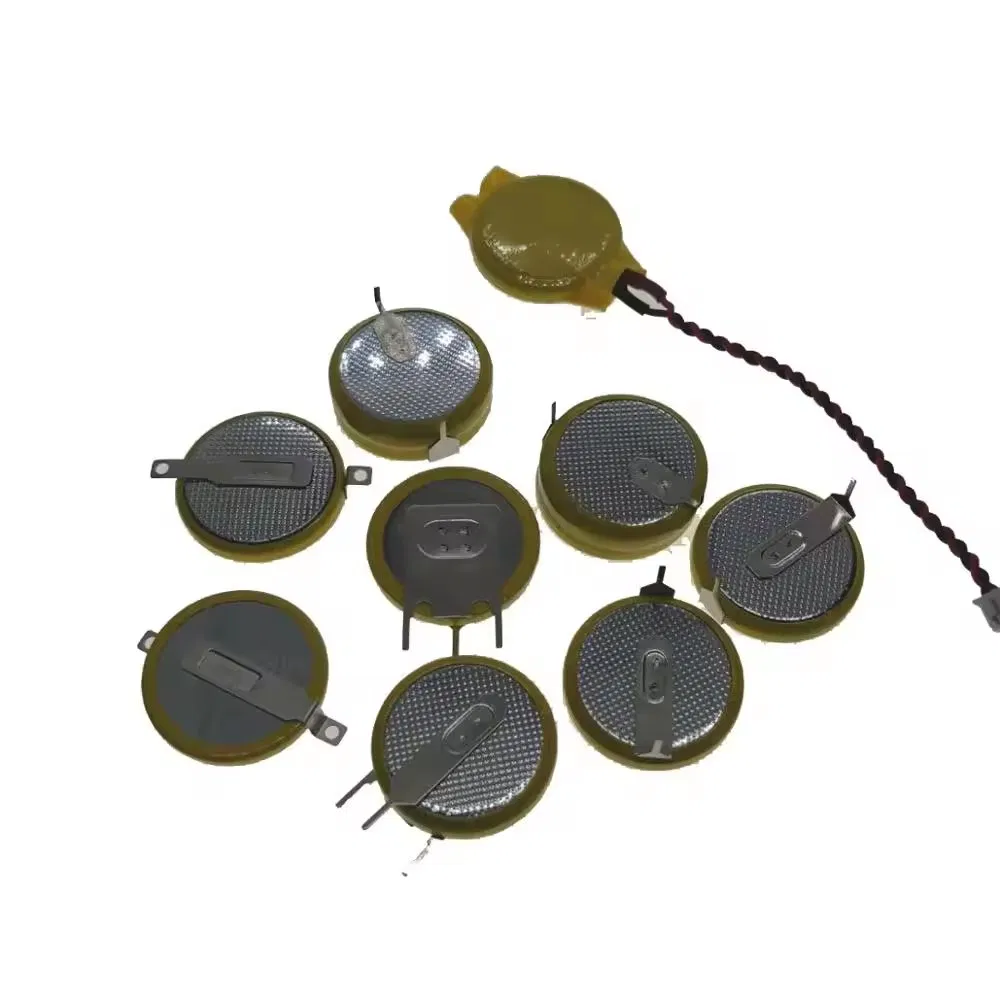
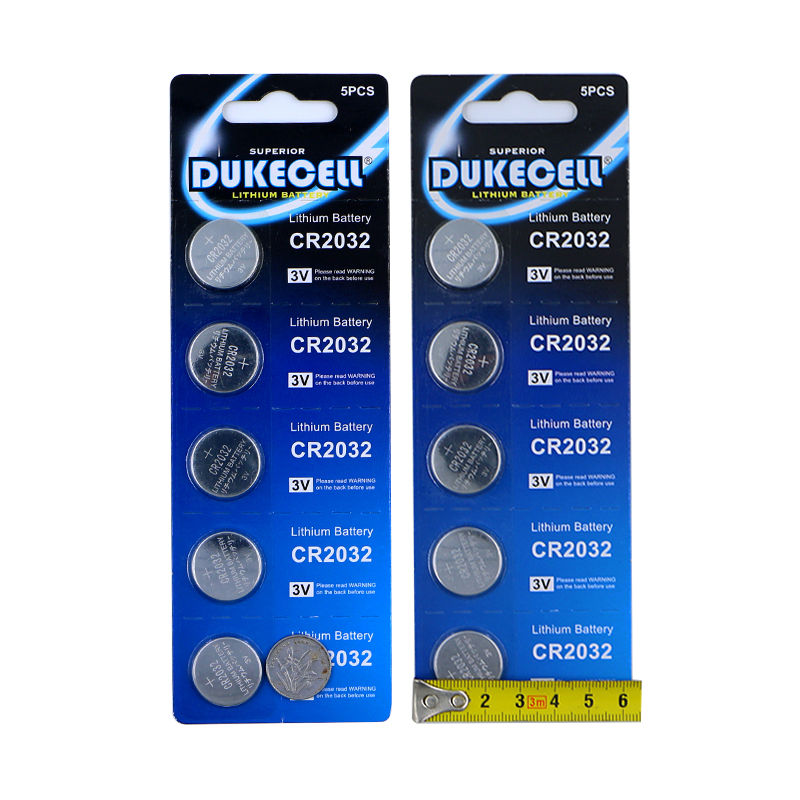
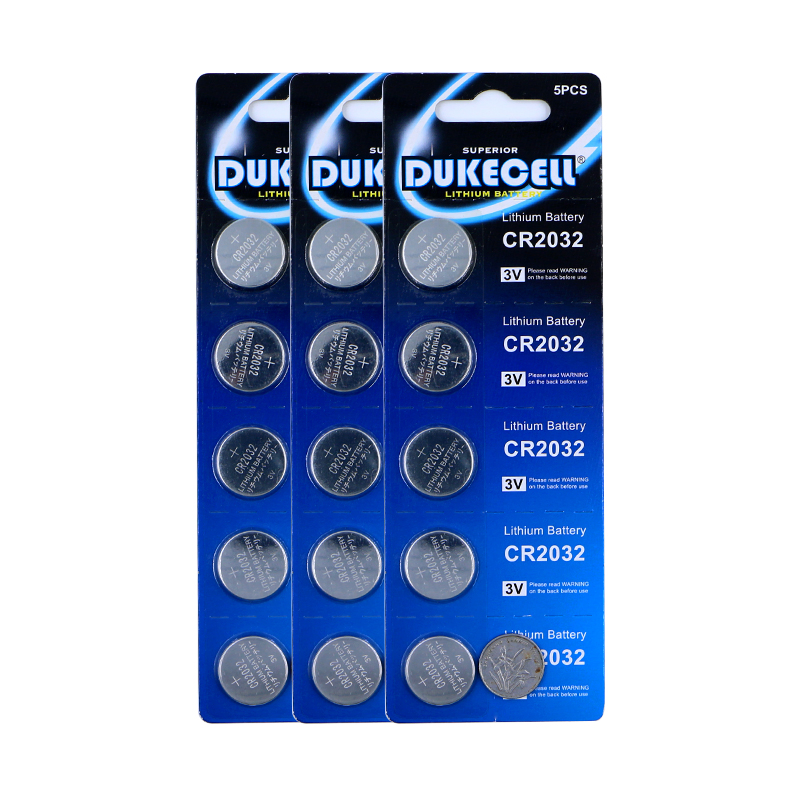
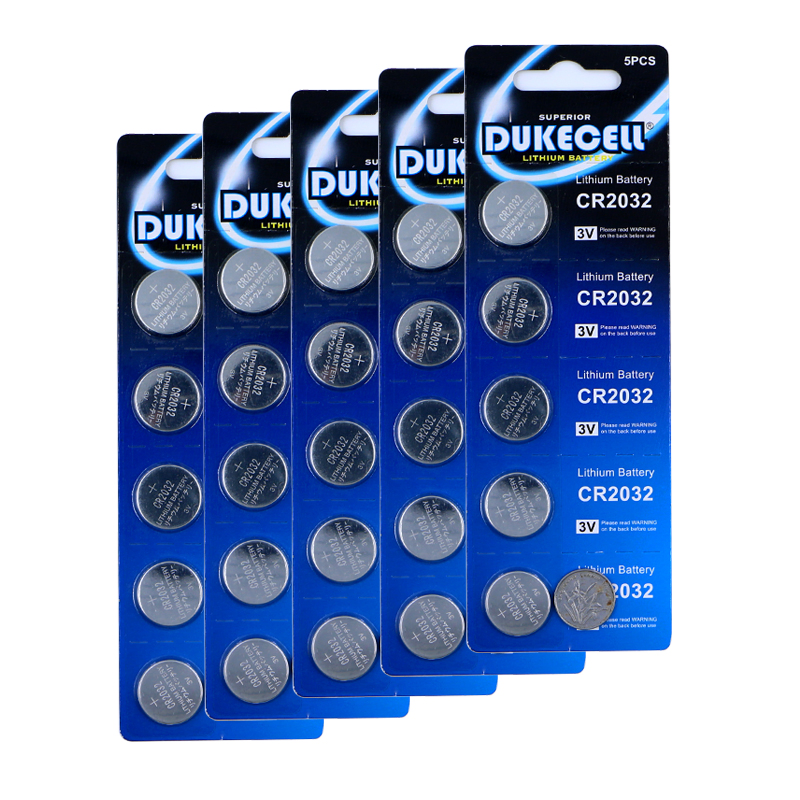
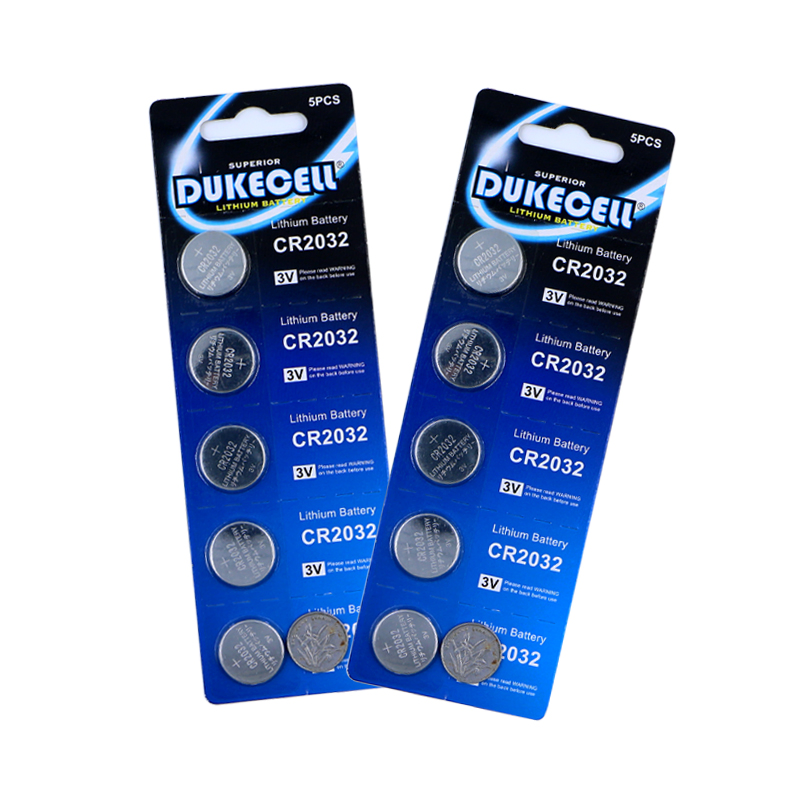
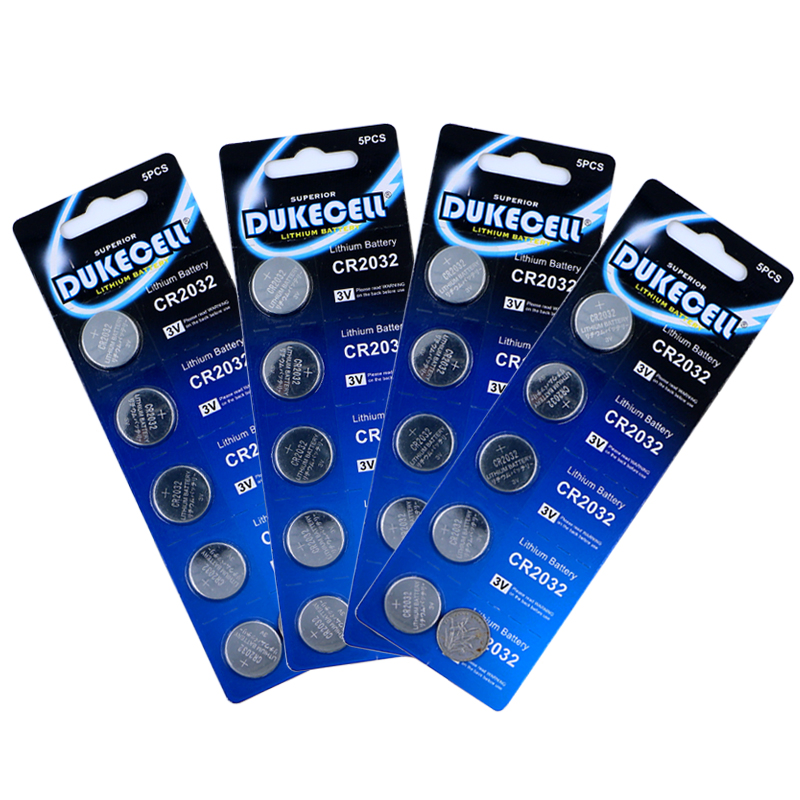
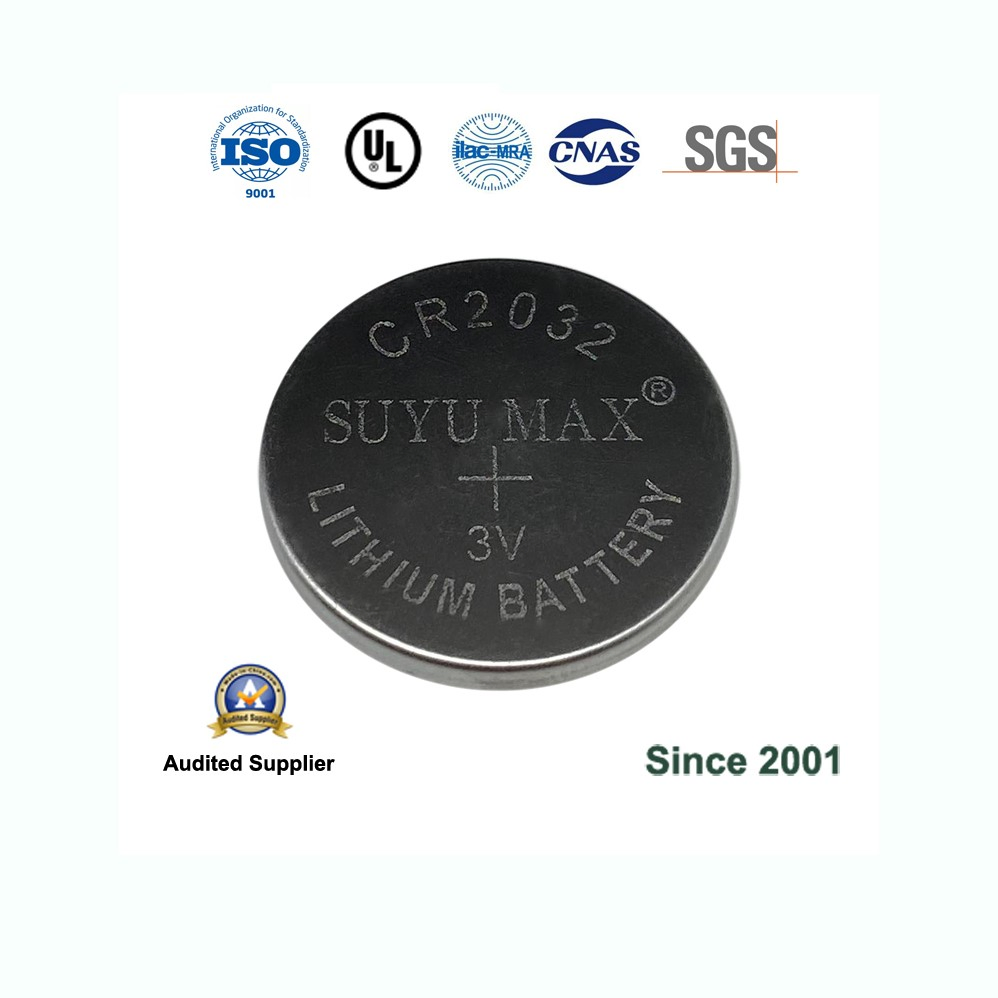
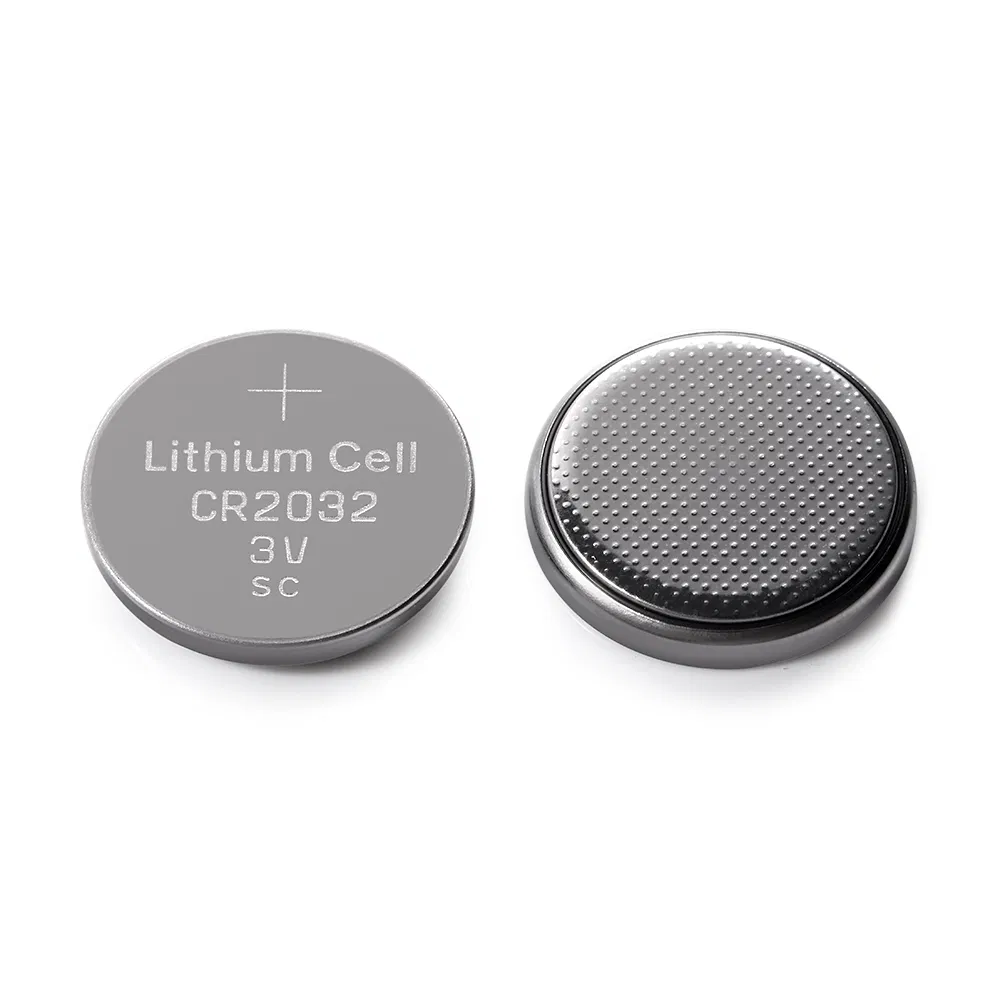
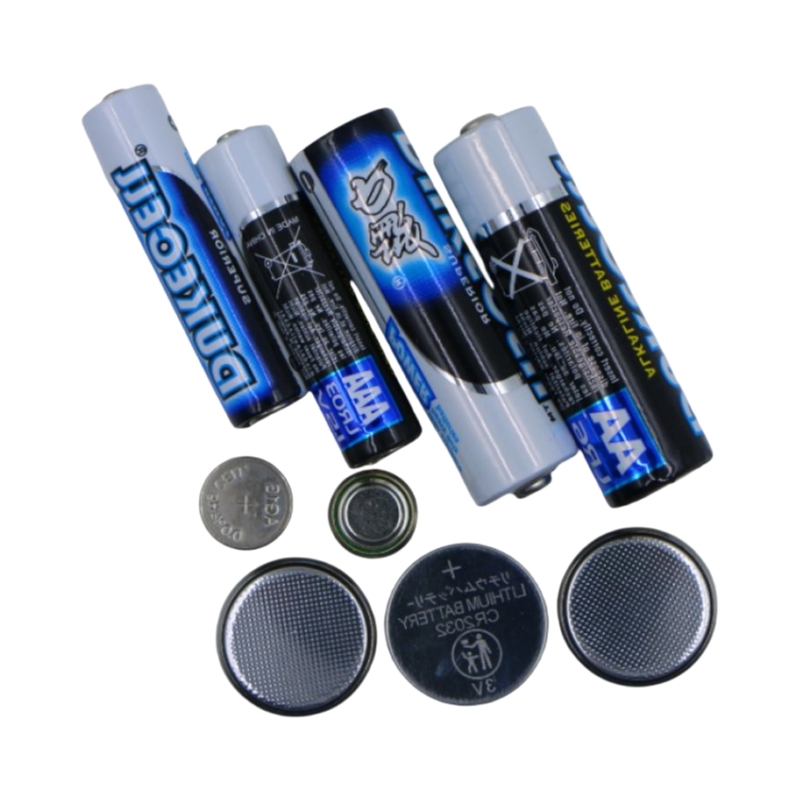
That 210mAh capacty is actually pretty decent for a standard CR2032, and it’s what most buyers go with for watches or small remotes where you’re swapping them every year or so anyway — but if you’re driving a medical device that needs reliabel voltge at low drain, this holds tight at 3V across the curve. 2. We’ve got a flat terminal design on these, so polarity is clear with the positive on top, but basically don’t stack them loose in a drawer unless you’re okay with a short. 3. It’s CE and RoHS certified with IEC and SGS supporting the safety docs, so no one’s going to hassle you on compliance. Shell life is roughly 10 years at 20°C if stored dry, and the self-discharge rate is less than 1% annually (usually it’s around 0.6% in controlled conditions). 4. Actually, for cold environments down to -20°C we’ve tested these and they still deliver, so fobs or outdoor toy remotes are fine. Two sizes of single one you want to watch on the 3.2mm height — some manufacturers skimp, but ours holds to standerd. Custom labeling and blister card packaing options let you brand them, and for bulk our company can do 50 packs or 100 depending on your MOQ. 5. Not great for high-drain LED blinkers though where you’re pulling 30mA continuously — that capacity drains faster than you’d think, so stick with alkaline coin cells for constant current toys. We usually have stock on 20mm diameter units, but confirm lead time if you’re ordering above 5,000 because blister card kit takes 2-3 weeks extra.
Our standard MOQ is 1,000 pieces for bulk packaging, but we can negotiate smaller quantities for sample orders or first-time buyers.
Lead time is usually 7-15 days for stock orders. Custom packaging might add a few more days depending on the design.
Yes, absolutely. We include CE, RoHS, IEC, and SGS test reports with every batch to confirm quality and compliance.
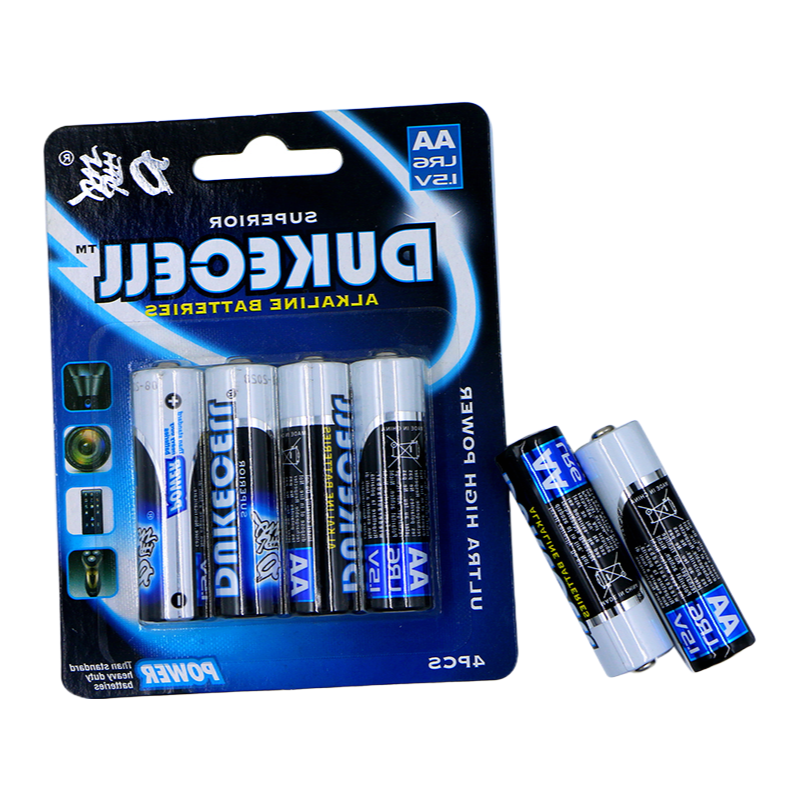
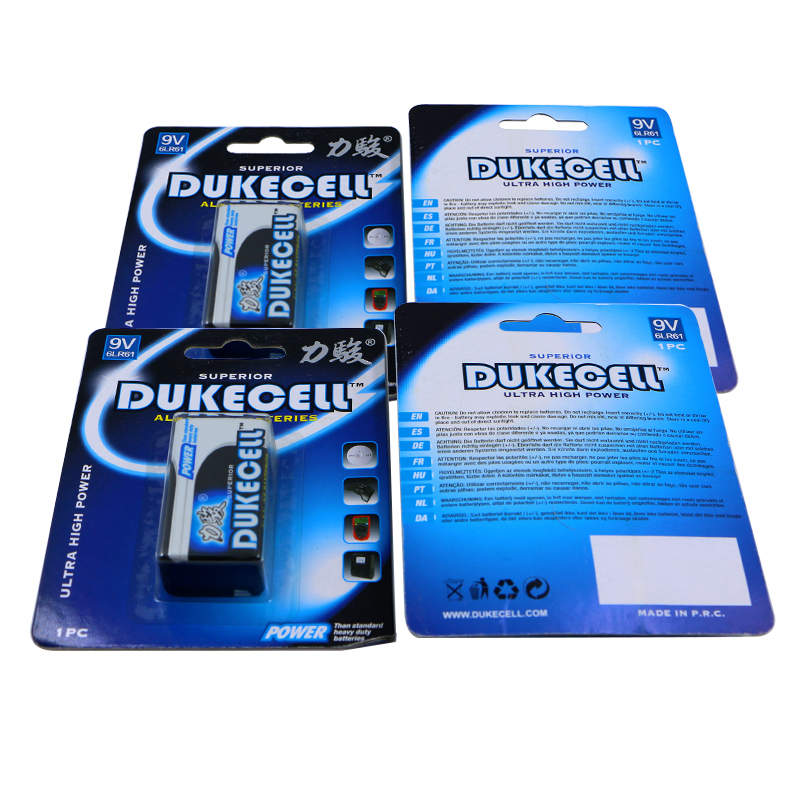
Sure, we offer custom blister card packaging. Just let us know the design and quantity, and we'll handle the rest.
Store them in a cool, dry place at around 20°C. Avoid direct sunlight and high humidity—that keeps the self-discharge rate below 1% per year.
Wanted to share my thoughts on the ordering experience. The shipping was remarkably fast, arriving much sooner than the initial estimate provided. The packaging was secure and professional, ensuring the product arrived in perfect condition. Regarding the item itself, the build quality feels solid and reliable, exactly as one would hope for from a reputable brand. Customer service was responsive and polite when I had a simple query about the delivery window. Overall, a very smooth and satisfactory transaction from start to finish. I appreciate the efficiency and attention to detail.
Hassle-free delivery with quick shipping, the battery arrived securely packaged and on time. The quality seems excellent, holding power well without any issues. Customer service was responsive and helpful when I had a query. Overall, a great experience from start to finish.