Account
Inquiry
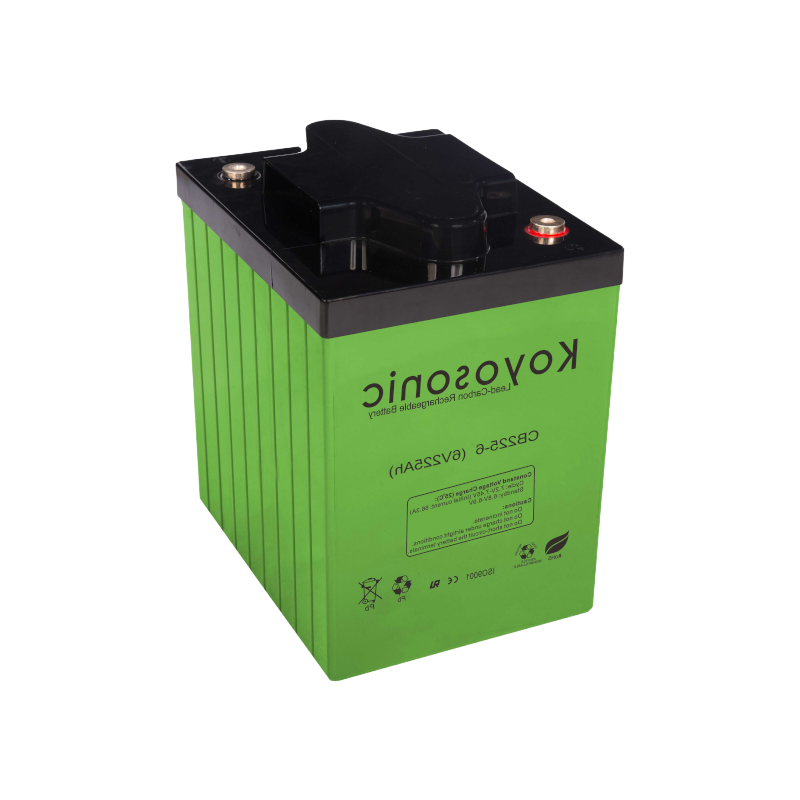
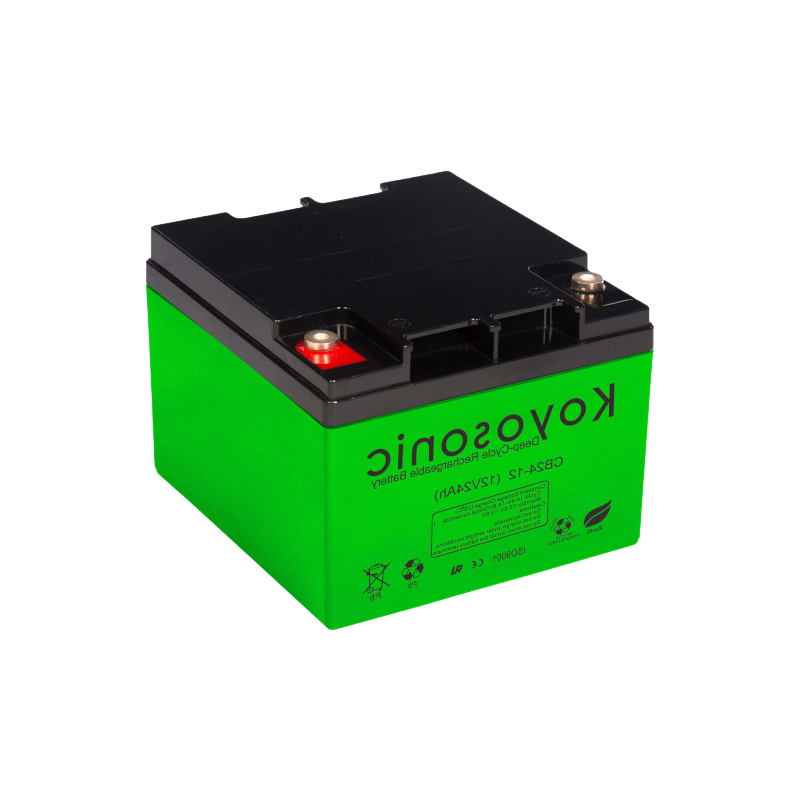
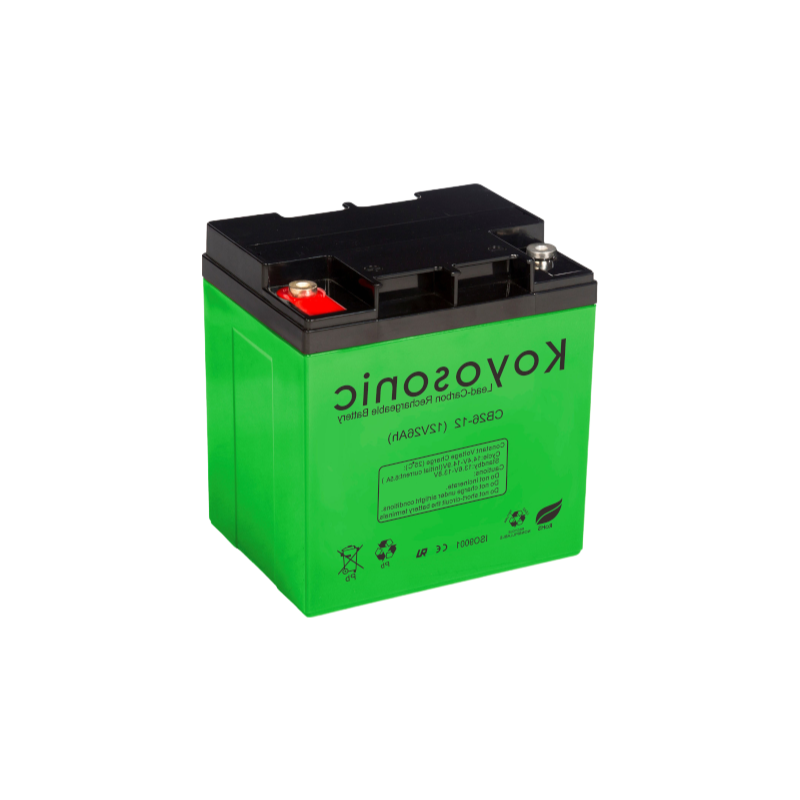
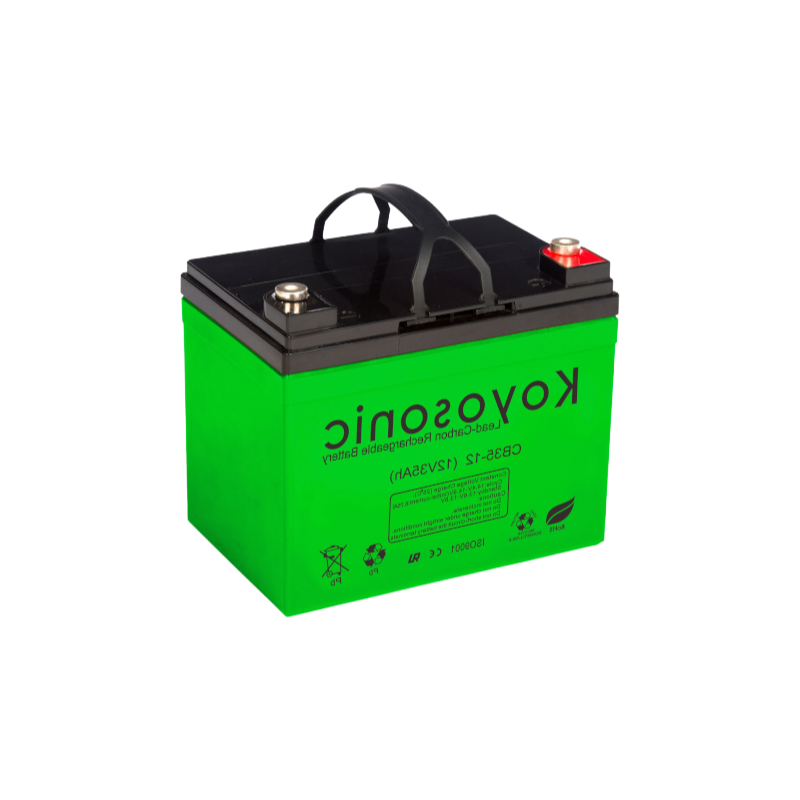
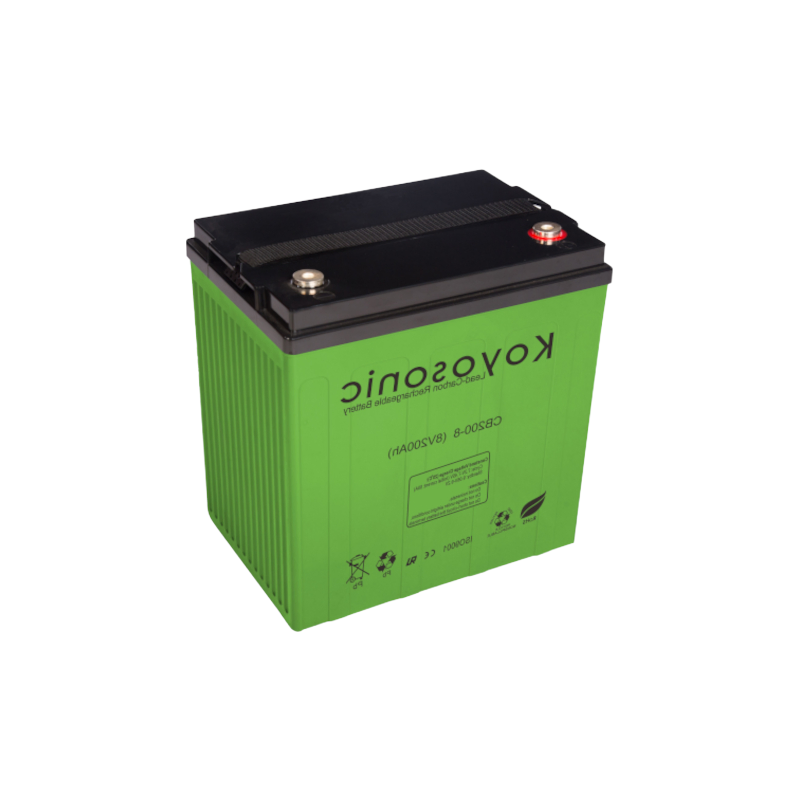
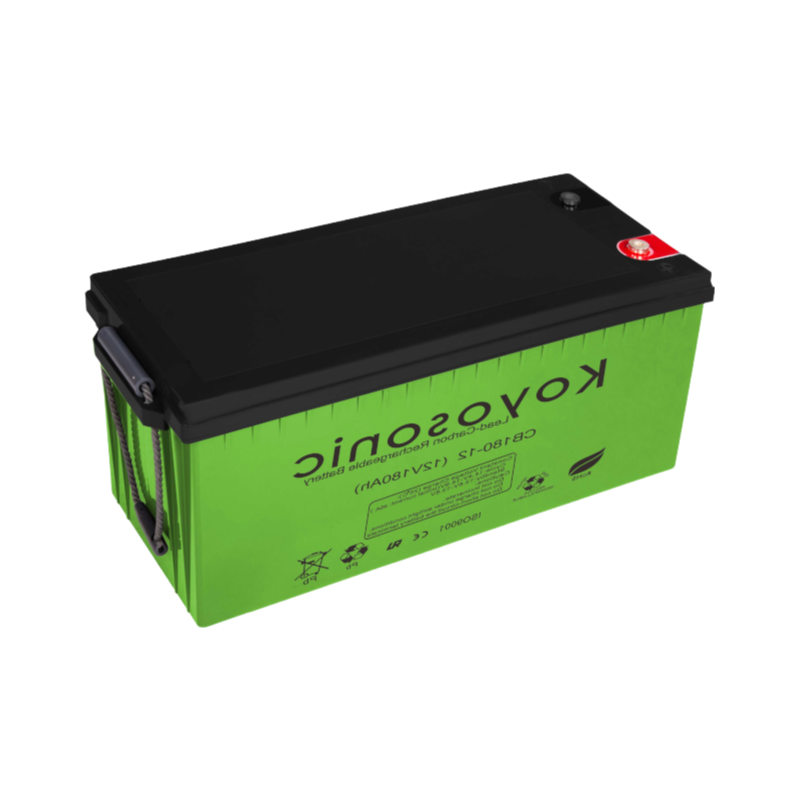
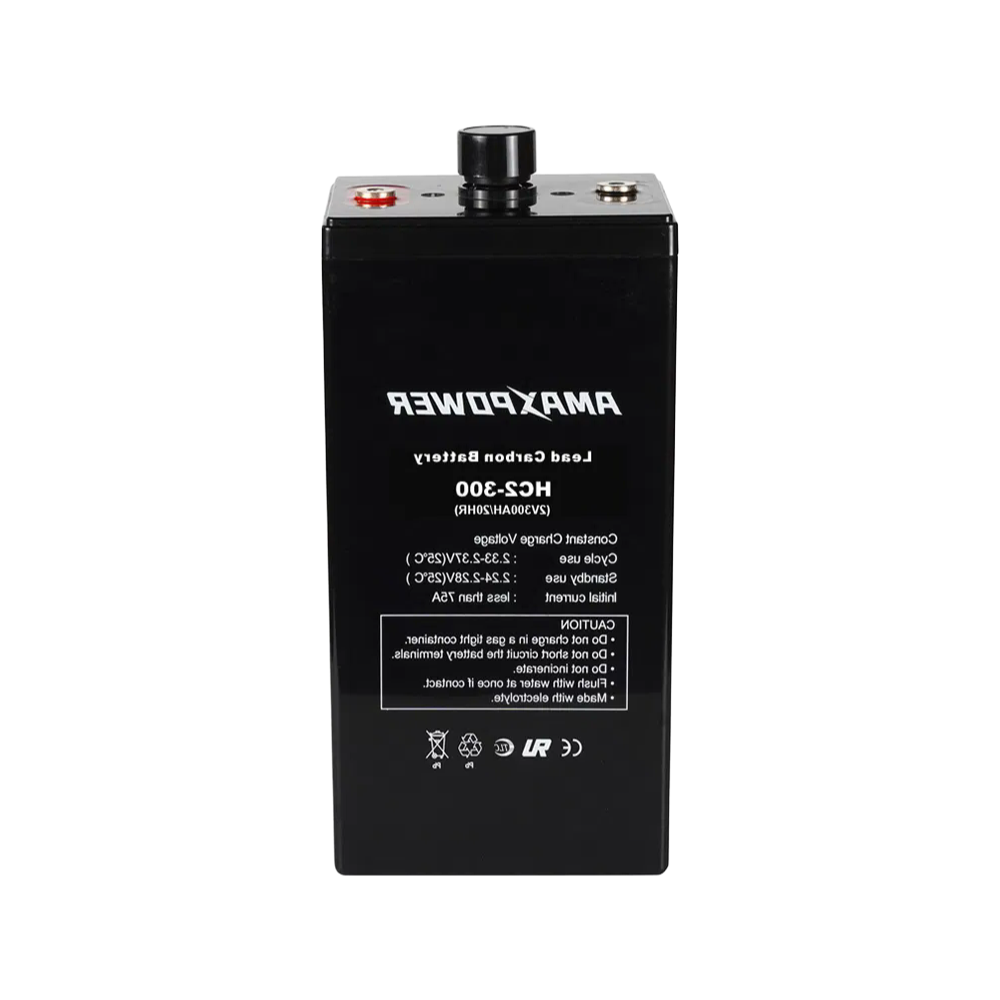
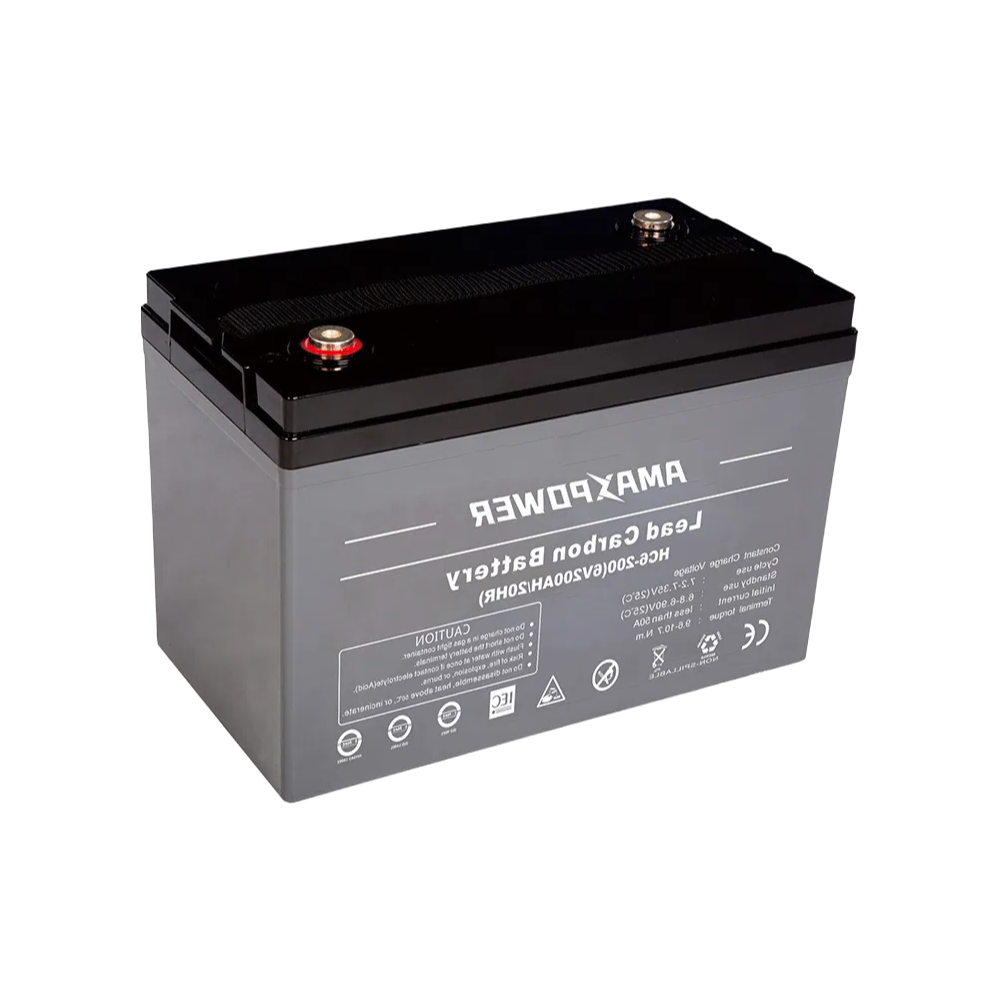
A buyer's custoemr might be running a small off-grid cabin with a few panels and an inverter, and what they need is a battery that can handle daily deep cycling without dying on them after two years—this one's built for that, with 210Ah at the 20hr rate and 2000-plus cycles at 80% DOD, so it's not just a weekend setup.
We've been shippng these CB210-6 units into the EU and UK for a while now, and compliance side is pretty straightforward since it carries IEC 61427 and CE, plus RoHS, so you're not stuck hunting down extra import docs or dealing with customs hold-ups.
The weight is 28.5kg and the case is ABS plastic, which is tougher than the standerd polypropylene you see on cheaper batteries, and the M8 terminals make it easier to torque down cables without stripping anything—just a detail we've noticed after handling a few hundred of these.
Actually, the self-discharge rate is under 3% per month, so if a unit sits in storage for 30 days or so before installation, you're not losing much capacty, though we usually have stock, but confirm lead time if you're ordering over 50 pieces.
It's not ideal for high-rate discharge applicaion like starting engines—the max is 630A at 3C, but that's a burst, not sustained, so stick to solar or grid-tied storage where the draw is steady.
MOQ is 10 units for stock orders, but we can negotiate lower quantities for sample or trial orders. Just let us know your needs.
Yes, we include copies of both certifications along with the test reports for each batch. You'll get them as part of the standard documentation package.
Absolutely, lead carbon technology is specifically designed for PSOC operation. The CB210-6 has a cycle life of 2000+ cycles at 80% DOD, so it's ideal for daily charge/discharge cycles in grid-connected solar systems.
Each battery is individually packed in a corrugated box with foam inserts, then palletized and shrink-wrapped. For storage, keep them in a cool dry place between -30°C and 60°C, and they'll self-discharge less than 3% per month.
Yes, ABS is durable and holds up well in the operating range of -20°C to +50°C. It's also impact-resistant, so it's fine for outdoor use as long as it's not directly exposed to prolonged UV without protection.