Account
Inquiry
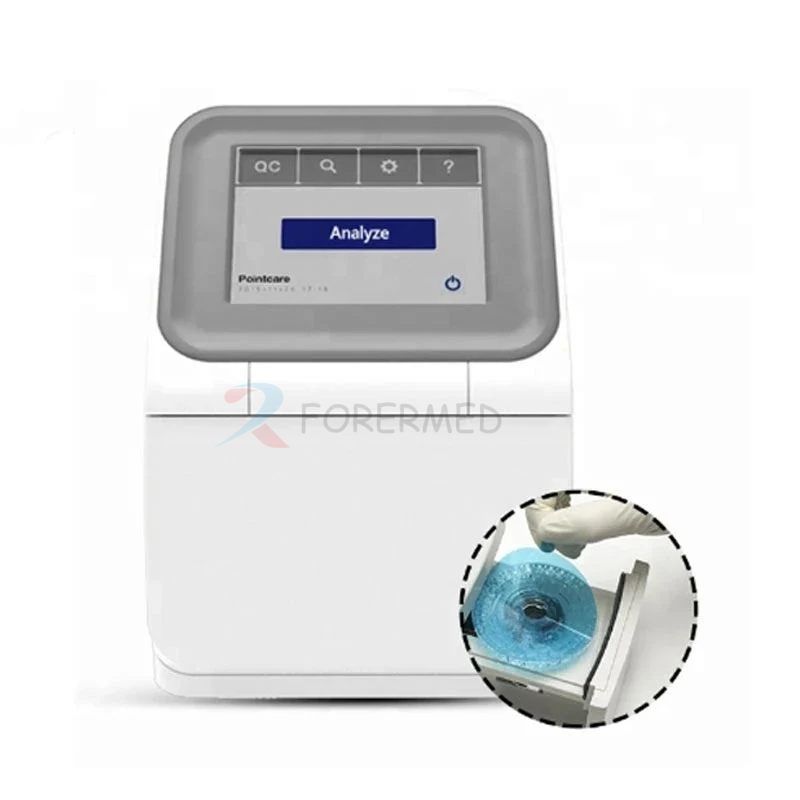
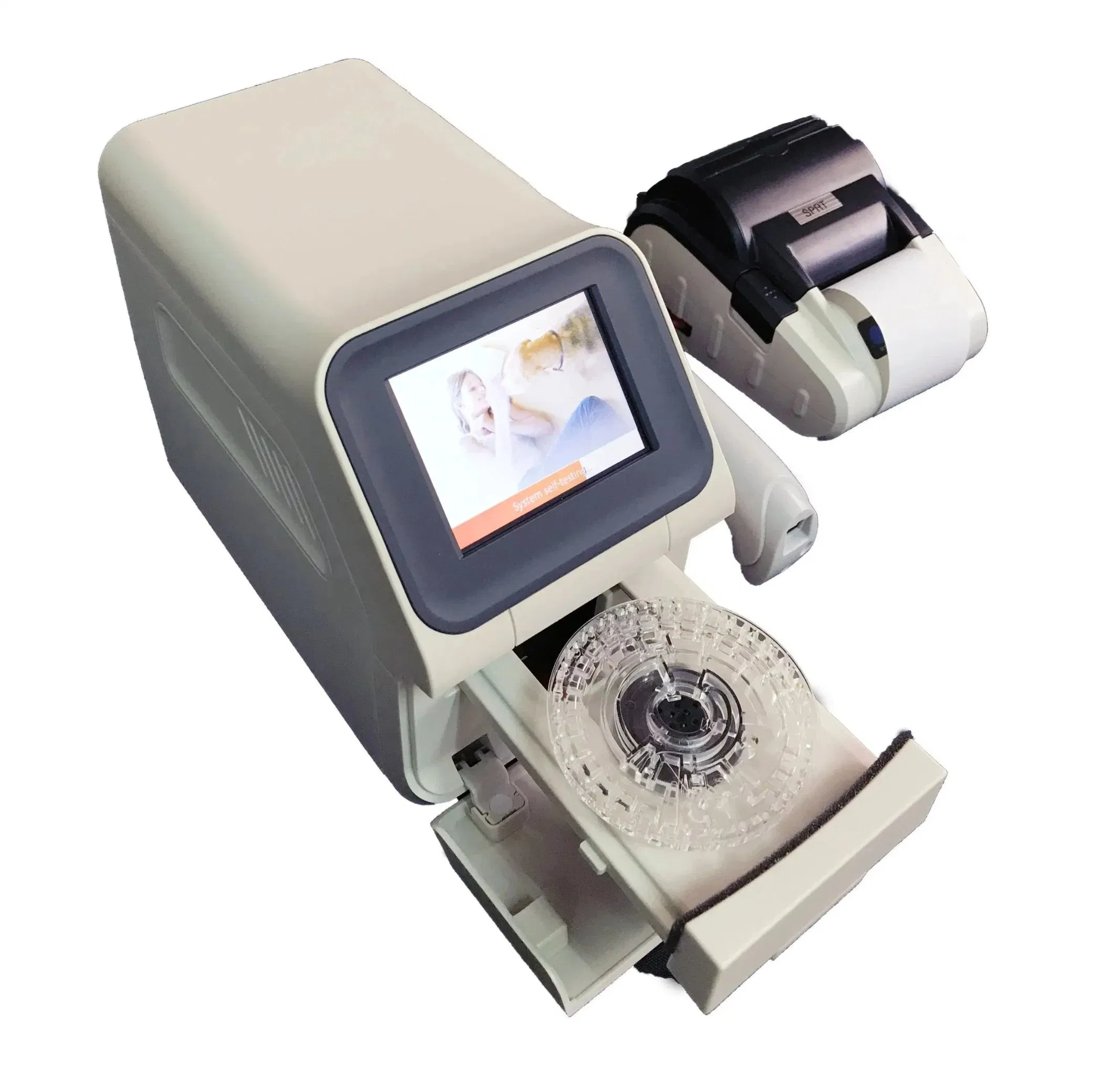
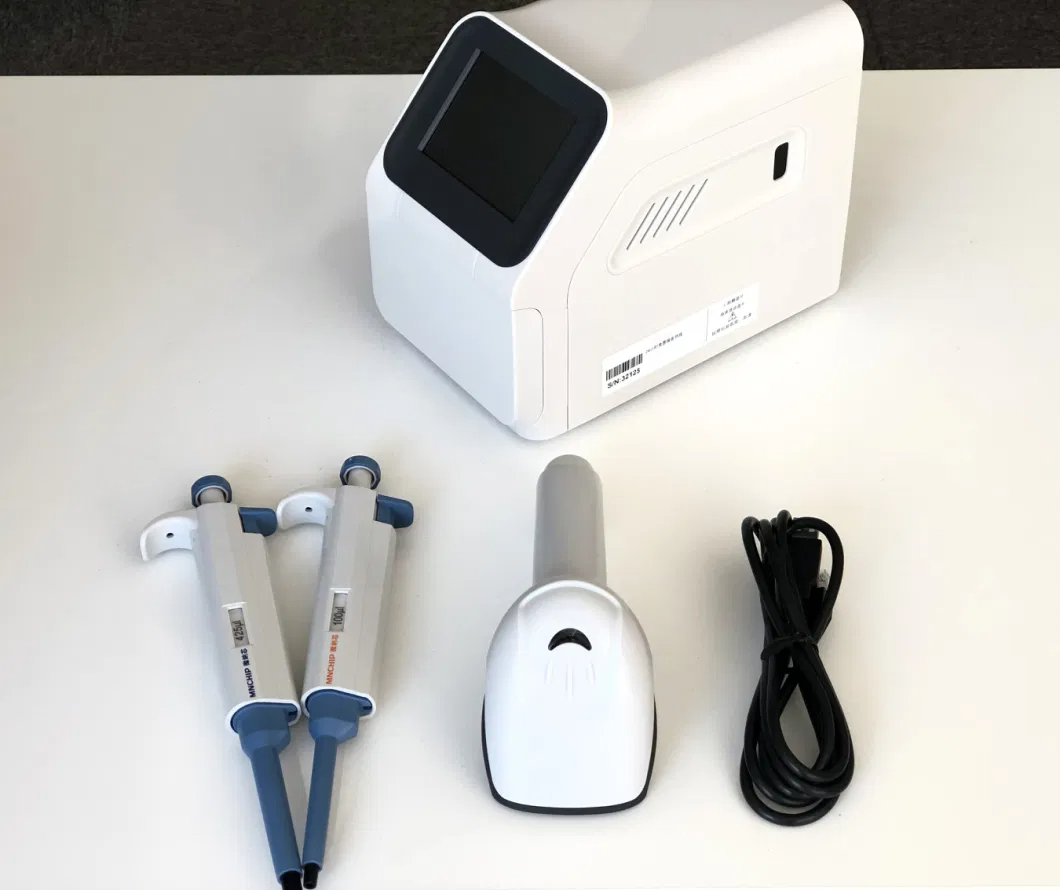
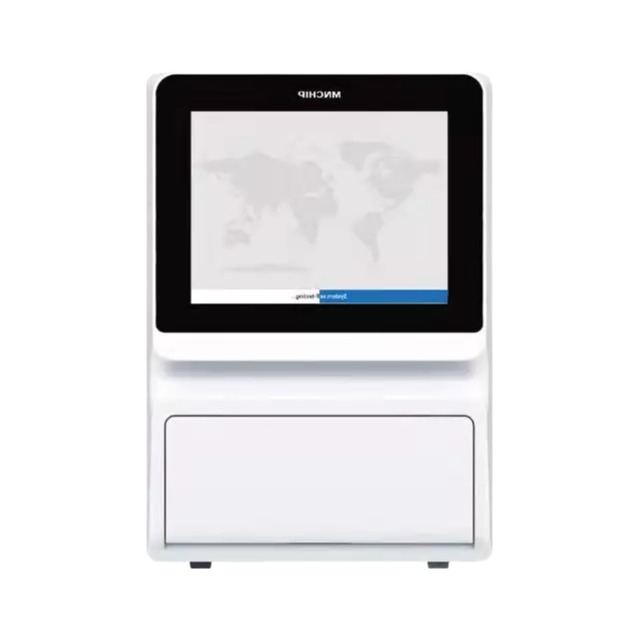
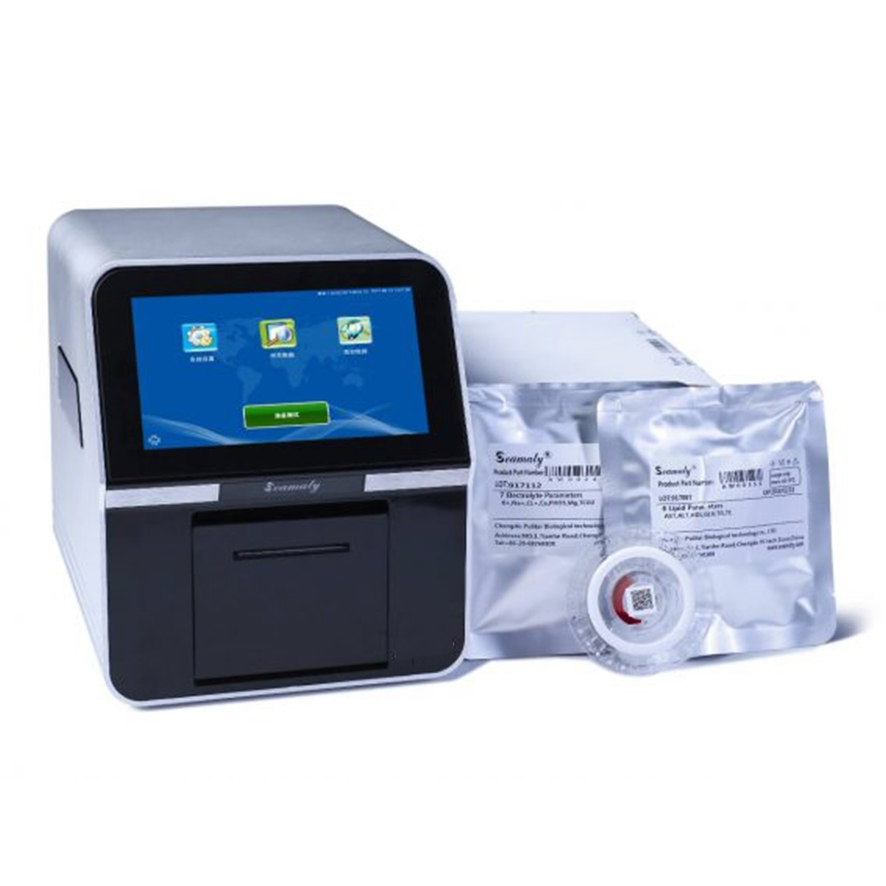
It's a pretty straightforward system once you get the hang of it—basically you load disc, add the sample, and let it run. We've been distributing these for a few years now, and what it does is handle up to 17 parameters from a single 100μL draw of lithium-heparinized whole blood, plasma, or serum. The whole thing takes about 13 minutes, which is faster than most benchtop units we've seen.
So the big use case we see is for smaller clinics or field labs that need a full panel without waiting hours for a central lab to call back. 17 parameters per disc covers the core liver, kidney, and metabolic markers, but there are actually 32 total parameters avaliable across the disc library if you need to swap panels. And the microfluidic disc with lyophilized reagents means no liquid handling errors—just pop it in and go.
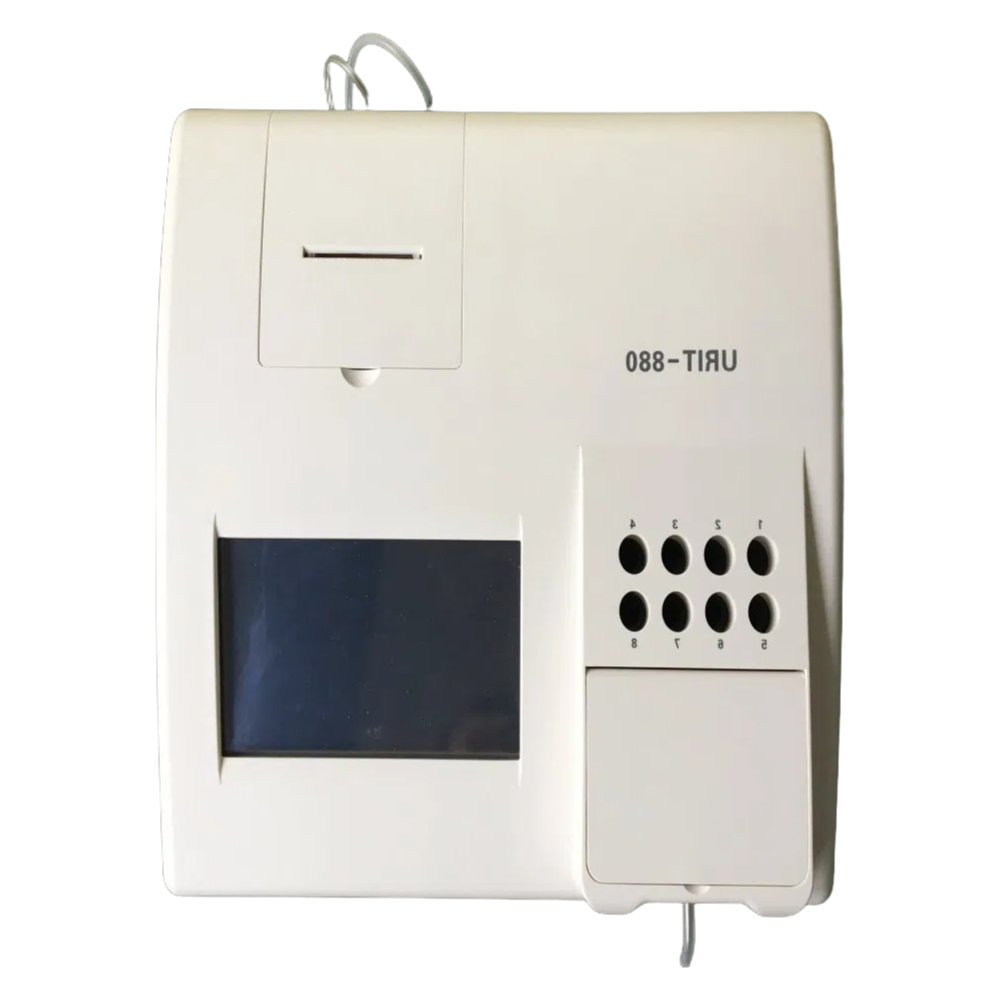
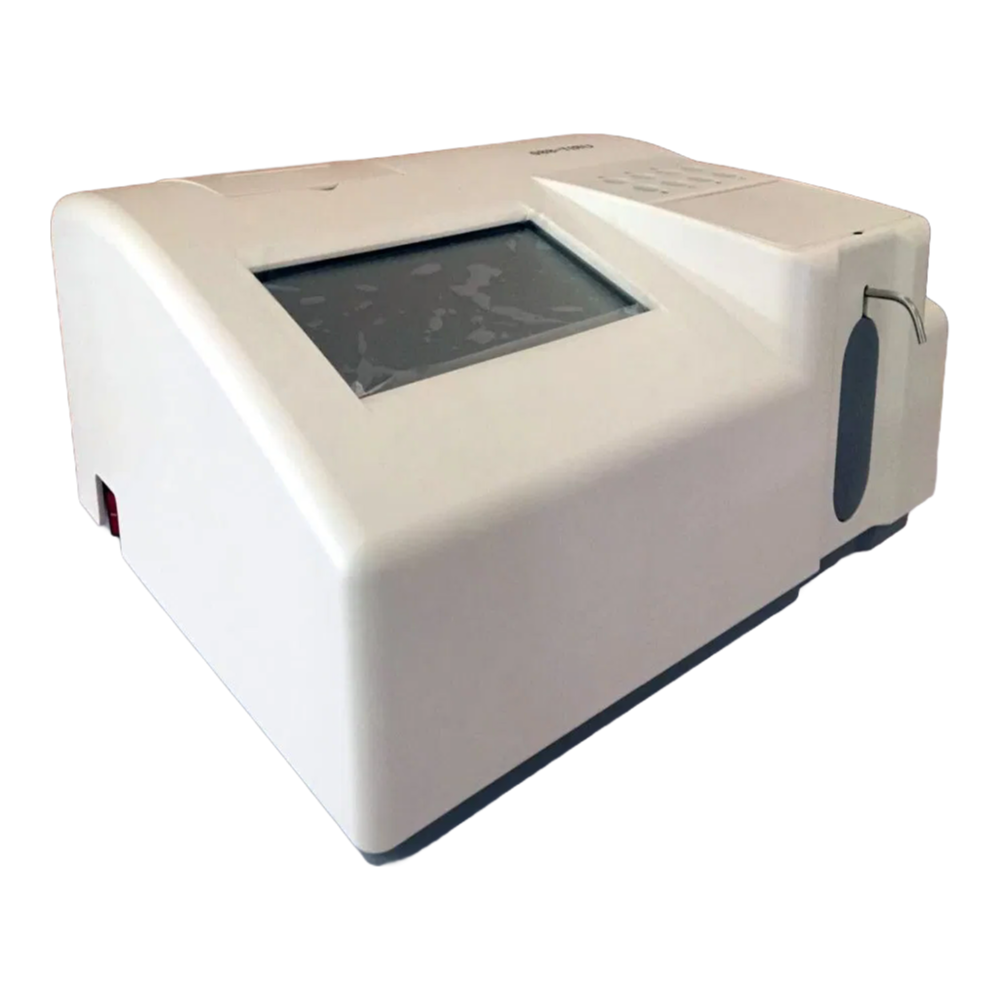
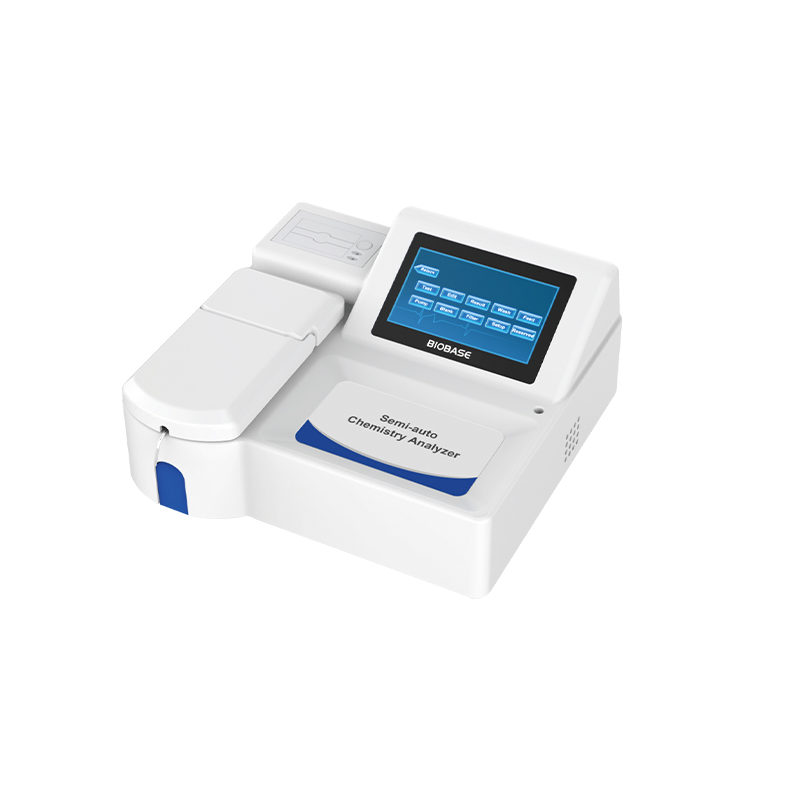
Most buyers go with the 10mg—actually, wait, that's for another product. Anyway, the dimensoins are 210 by 125 by 175 millimeters, and it weighs about 3 kilograms, so it fits on a standard lab bench or even a cart. The touch screen is 4.3 inches capacitive, and the reaction temperature holds at 37°C plus or minus 0.1°C, which matters for enzyme kinetics. You'll need power from 100 to 240 volts AC, 50 or 60 hertz, and it works in 10-30°C ambient with 40-85% humidity.
One thing we usually mention is the automatic QR code calibration—you just scan the disc's code, and it sets the lot-specific factors without manual entry. The data storage holds over 50,000 patient and QC records, which is more than enough for most small to mid-sized labs. It's also HIS compatible via WLAN, USB, or Ethernet, so you can your existing LIS without a headache.
We've handled hundreds of these units, and what I can tell you is the microfluidic disc design is pretty reliabel—less moving parts than traditional wet chemistry analyzers. It's not suited for high-throughput hospital labs running hundreds of tests per shift, though; that's just the reality of a 13-minute cycle time. For a clinic seeing 20-30 patients a day, it's actually a better fit than reagent grade systems that cost four times as much.
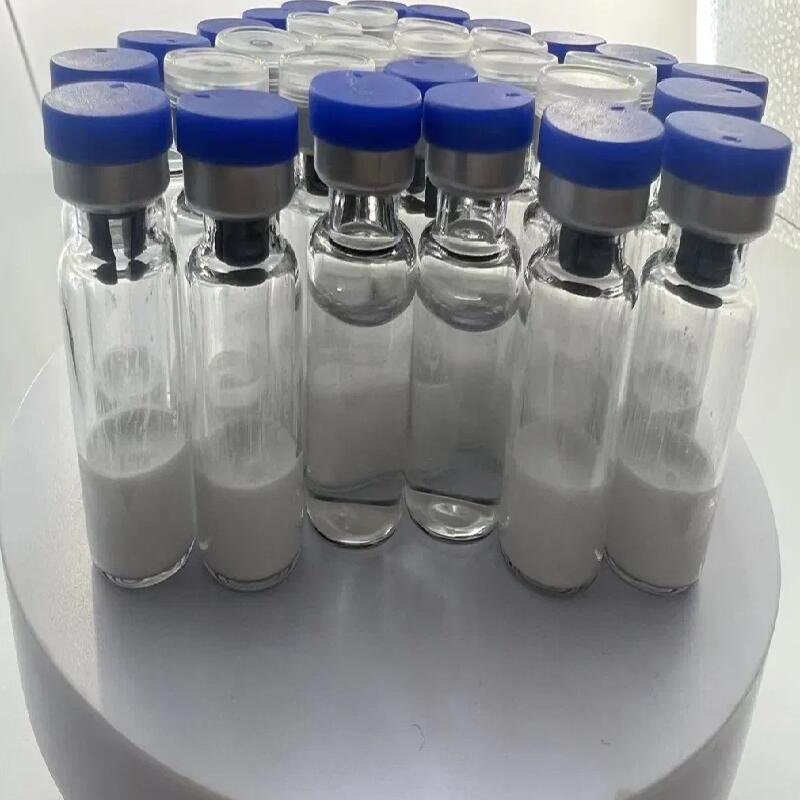
The lead time is usually 20 days or so, but our company can confirm stock levels when you reach out. We stock the discs and the calibration kits, and every unit ships with a COA and SDS documentation. One detail buyers don't always think to ask: the disc has a shelf life of about 12 months from manufacture, and they prefer to stay in a cool, dry place—not the fridge, just room temperature.
We typically require a minimum order of 5 units for first-time buyers, but we can discuss smaller orders for demo or trial purposes. Just reach out to our sales team.
Standard lead time is around 15-20 working days after order confirmation, depending on your location and stock availability. We'll confirm exact timing when you place the order.
Yes, it's CE marked and meets ISO 13485 standards. We can provide the certification documents and test reports upon request.
Each disposable microfluidic disc runs up to 17 parameters in one go, and the system supports a total of 32 parameters across different disc types. So you can customize which panel you need.
Store the discs in a cool, dry place at 2-30°C, away from direct sunlight. They have a shelf life of 12 months from manufacture if kept sealed.
Crafting a review for the YJ-BA760 analyzer, I must highlight the exceptional logistics experience. The delivery was remarkably prompt and handled with utmost care. Every step, from order confirmation to the arrival of the well-packaged unit, was communicated clearly and efficiently. The shipping process was seamless, and the item arrived ahead of schedule in perfect condition. Regarding quality, the build of this clinical chemistry analyzer is outstanding. It feels robust and precisely engineered, reflecting serious attention to detail in its construction. The materials used appear to be of high standard, promising durability and reliability in a laboratory setting. The overall finish and presentation are very professional. As for service, the support team has been responsive and helpful. Any preliminary inquiries were addressed quickly and with expertise. The post-purchase communication has been equally reassuring, indicating a commitment to customer satisfaction. This combination of swift logistics, apparent superior quality, and attentive service makes the initial experience with this diagnostic device highly positive and commendable.