Account
Inquiry
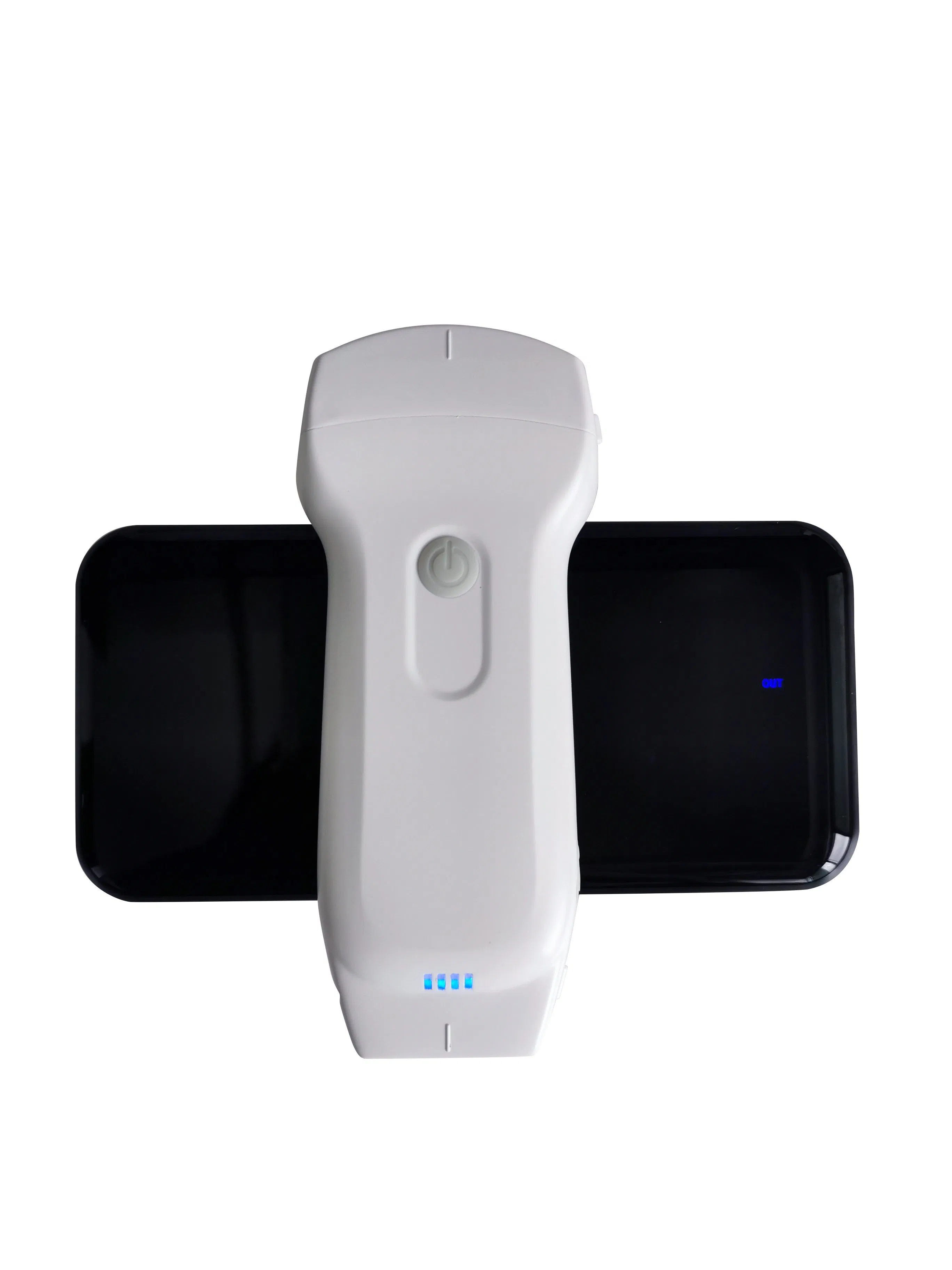
You've got a patient who needs an ultrasound, but getting them to the radiology department is a hassle—or maybe your clinic doesn't even have a full-sized machine. That bulky cart setup isn't always practical for quick checks on the thyroid, bladder, or a musculoskeletal issue, especially in a busy office or remote setting.
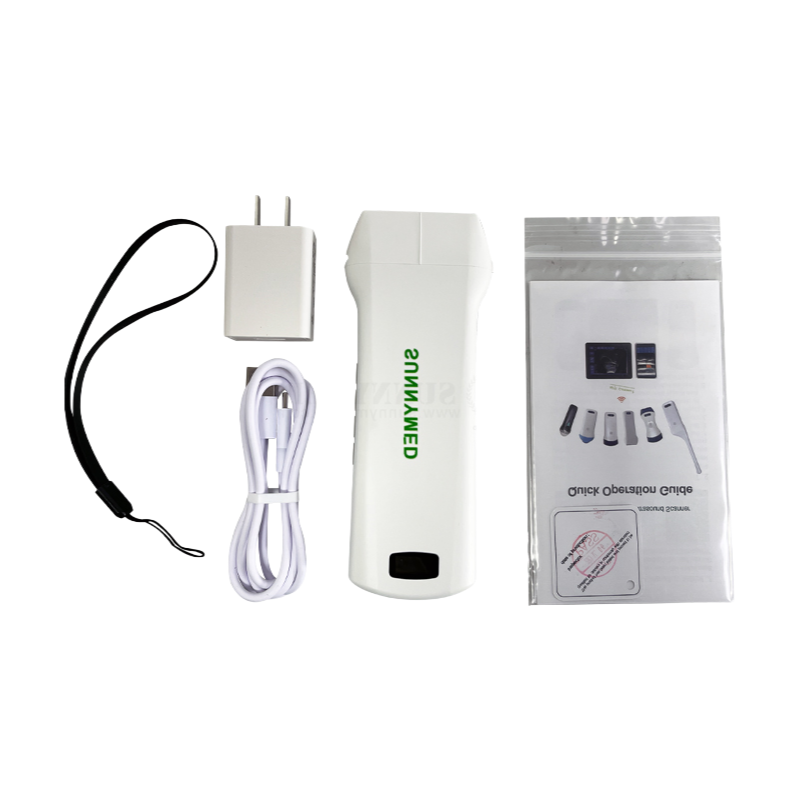
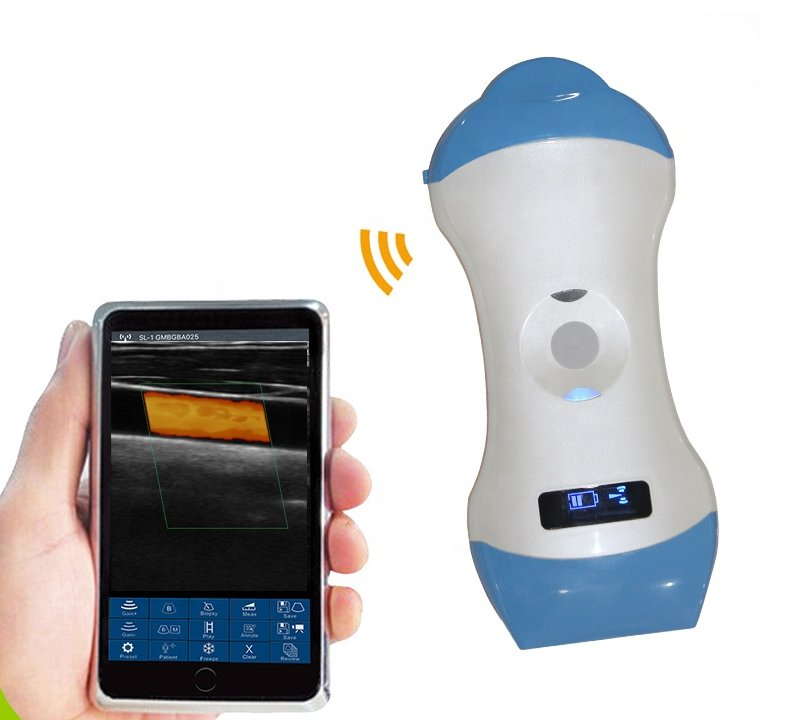
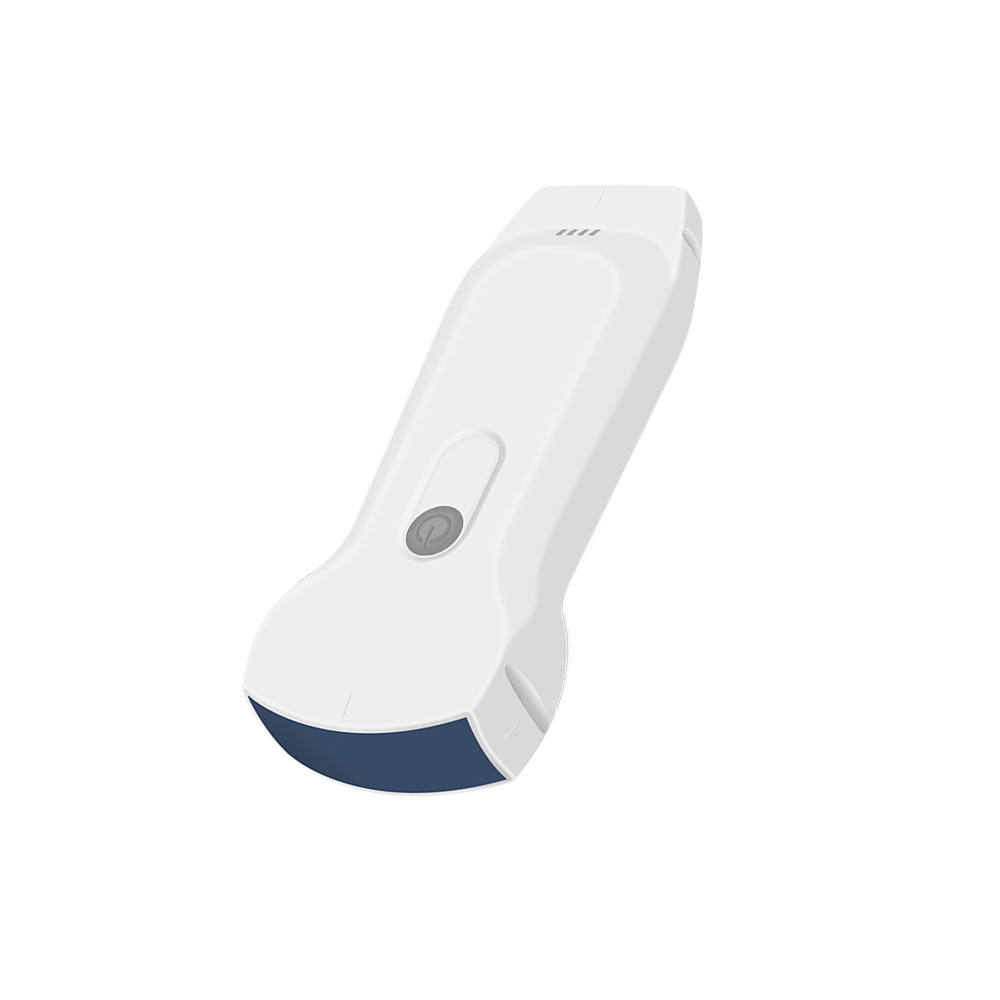
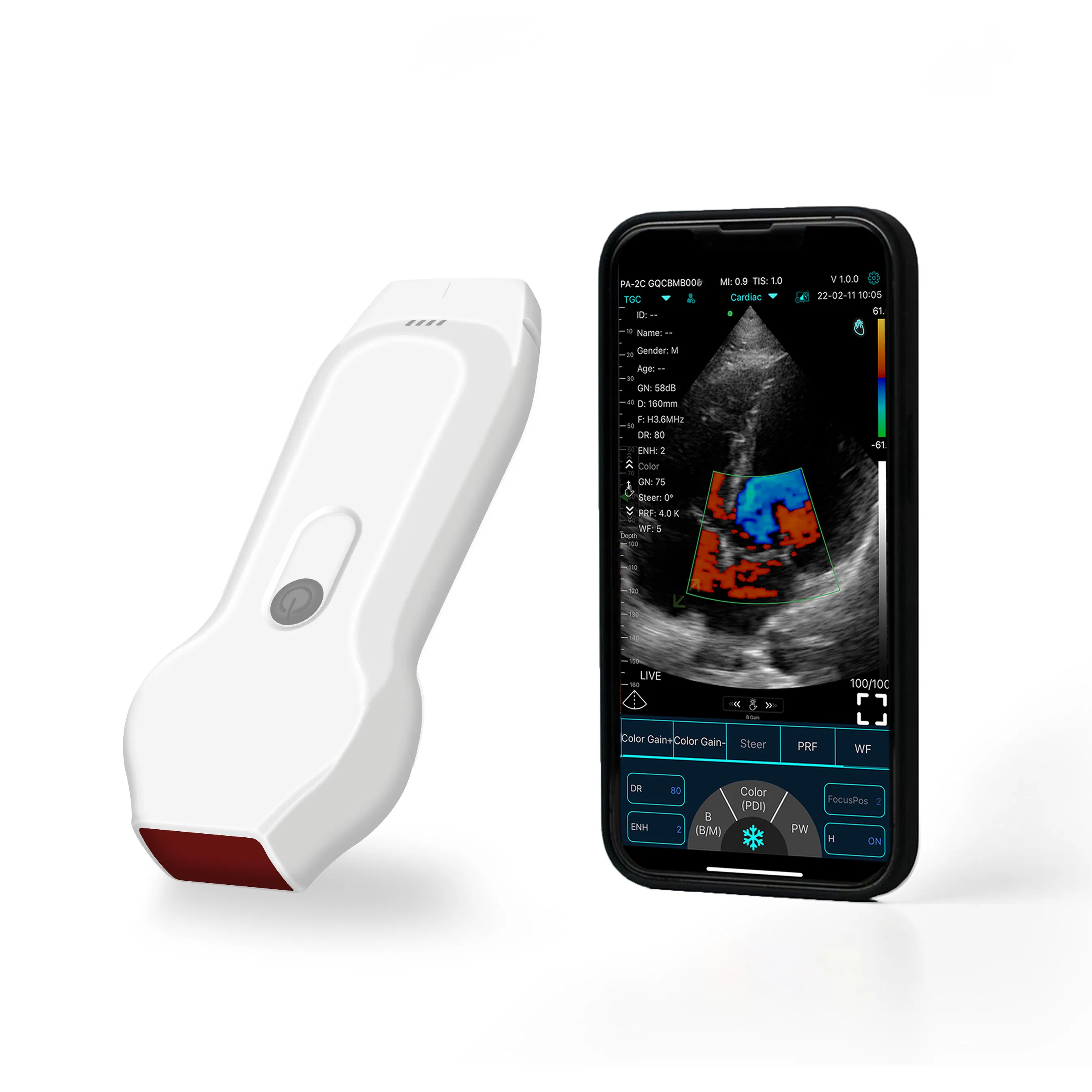
What we've done is pack three probe types into one compact unit—convex, linear, and phased array—so you can switch between a deep abdominal scan and a superficial thyroid exam without swapping hardware. It connects wirelessly to your phone or tablet, basically turning whatever screen's in your pocket into a diagnostic station, and whole thing weighs about 120 grams.
So you're getting B-mode, Color Doppler, and pulsed wave imaging at 20 frames per second, which is decent for real-time guidance. The convex and phased arrays handle depths from 90 to 305mm at 3.5 or 5MHz, while the linear probe goes down to 20mm at 7.5 or 10MHz—fine for breast or tendon work. Battery life is 2.5 hours continuous, give or take, and the IPX7 rating means you can wipe it down with disinfectant between uses.
We generally keep these in stock with a MOQ of one unit, and it comes with CE, EEC, and ISO13485 certs—typical for a Class II medical device in most markets. Lead time is usually 7 to 15 days after payment, and we can provide a COA and packging specs on request, though the intended use is more for point-of-care than sterile field surgery. 5. You'll want to check that your device (iOS, Android, or Windows) supports teh WiFi bands—we've had a few people in older buildings struggle with the 5G channel dropping out form the 2.4G interference, but switching bands usually fixes it.
You get three probes in one body — convex for deeper abdominal or OB scans, phased for cardiac, and linear for superficial structures like thyroid or breast. That means you don't need to swap heads or buy separate units, saving both money and time.
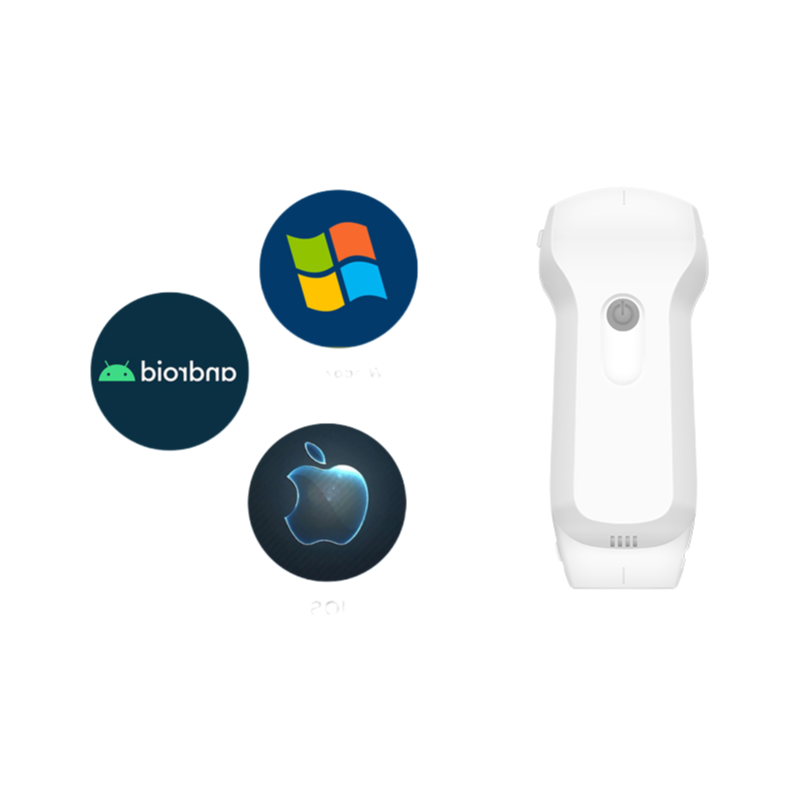
Yes, it works with iOS, Android, and Windows via USB or WiFi. For WiFi, just connect your tablet or phone to the scanner's network — no adapter needed. USB connection requires a compatible OTG cable for mobile devices.
IPX7 means the probe can be submerged in up to 1 meter of water for 30 minutes, so you can wipe it down with disinfectant or even rinse it under running water without damage. That makes it easy to keep clean between patients.
It's certified CE, EEC, and ISO13485, which are standard for medical devices in Europe and many other markets. These cover both product safety and manufacturing quality, so you can import it without extra red tape.
The battery runs for 2.5 hours of continuous scanning, which covers a typical clinic session. Yes, you can plug it in via USB and keep using it while it charges — no downtime.
Naturally, the delivery was impressively swift, arriving well ahead of the estimated schedule. The packaging was secure and professional, ensuring the device was perfectly protected. Regarding the build, the quality feels robust and reliable, exactly what one expects for medical-grade equipment. The service provided was equally commendable; the support team was responsive and helpful with my pre-purchase inquiries. Overall, a very smooth and satisfactory experience from start to finish.
Excellent delivery speed! The package arrived much sooner than the estimated date, which was a very pleasant surprise. Everything was packaged securely with no signs of damage during transit. The courier service was professional and efficient. Regarding the product itself, the build quality feels solid and premium, exactly as described. It has a good weight and seems very durable. The initial setup was straightforward. Customer service was responsive when I had a pre-purchase question, providing clear and helpful information promptly. Overall, a very smooth and positive experience from ordering to unboxing. I am completely satisfied with the transaction and would not hesitate to order from this seller again in the future. The attention to detail in both the product presentation and the shipping process is commendable.
WOW! The delivery was incredibly fast, arriving in just two days, which was perfect for our clinic's urgent needs. The packaging was secure and professional, ensuring the device was in pristine condition upon arrival. As for quality, it feels robust and well-made, with a sleek design that's easy to handle. The customer service team was very responsive and helpful, answering all my questions promptly. Overall, a fantastic experience from start to finish—highly recommended for anyone in the medical field!
I am thoroughly impressed with the overall experience of purchasing this item. The shipping was incredibly fast, arriving much sooner than I anticipated, which was a pleasant surprise. The packaging was secure and ensured the product was well-protected during transit. In terms of quality, the device feels robust and well-made, giving me confidence in its durability for regular use. The customer service team was exceptionally helpful and responsive, promptly addressing my queries with clear and friendly communication. I highly recommend this seller for their efficient logistics, high-quality standards, and outstanding support.