Account
Inquiry
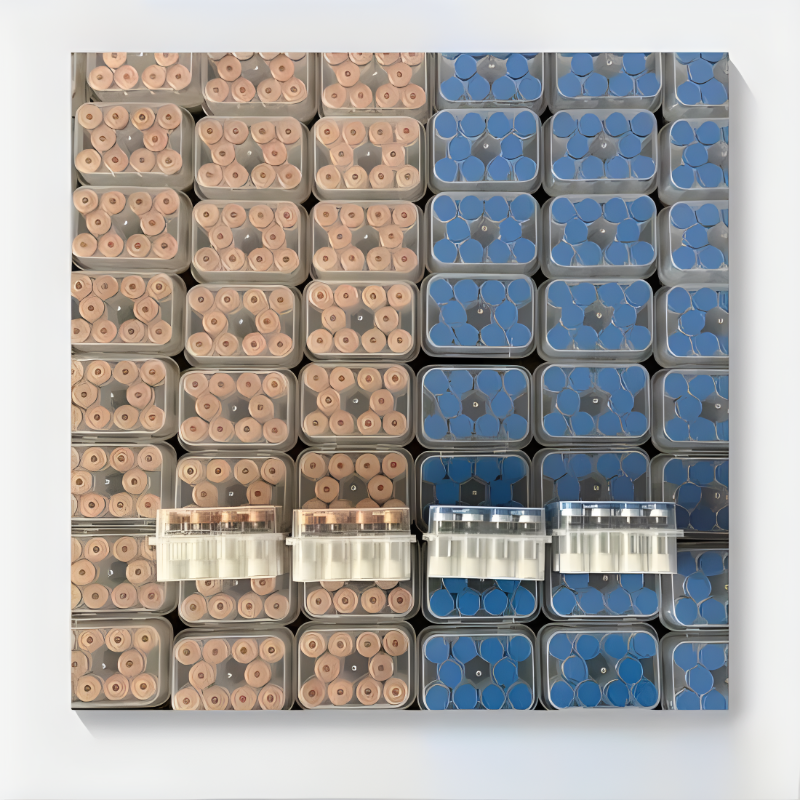
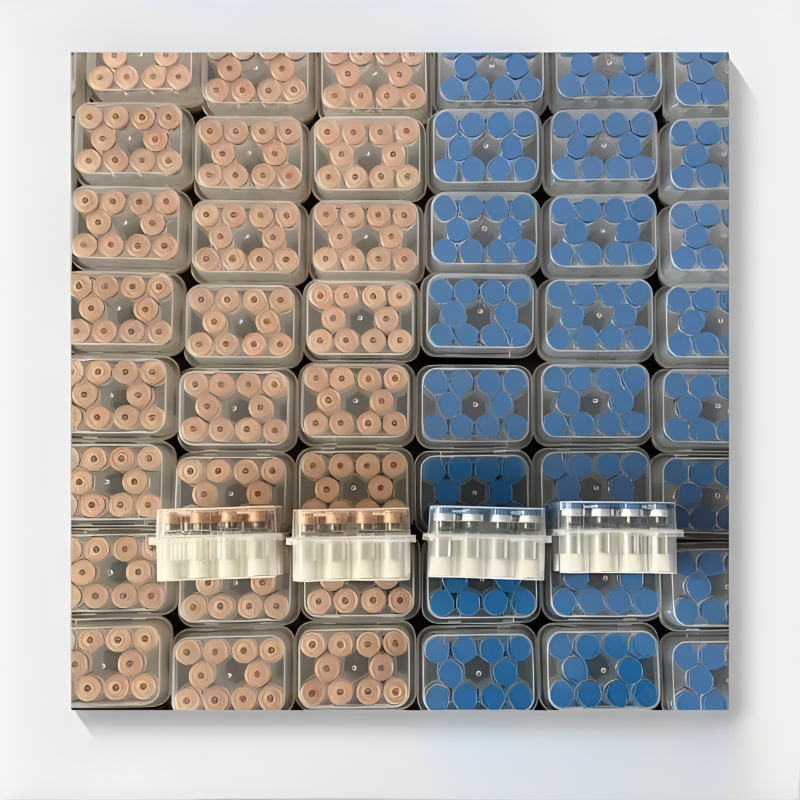
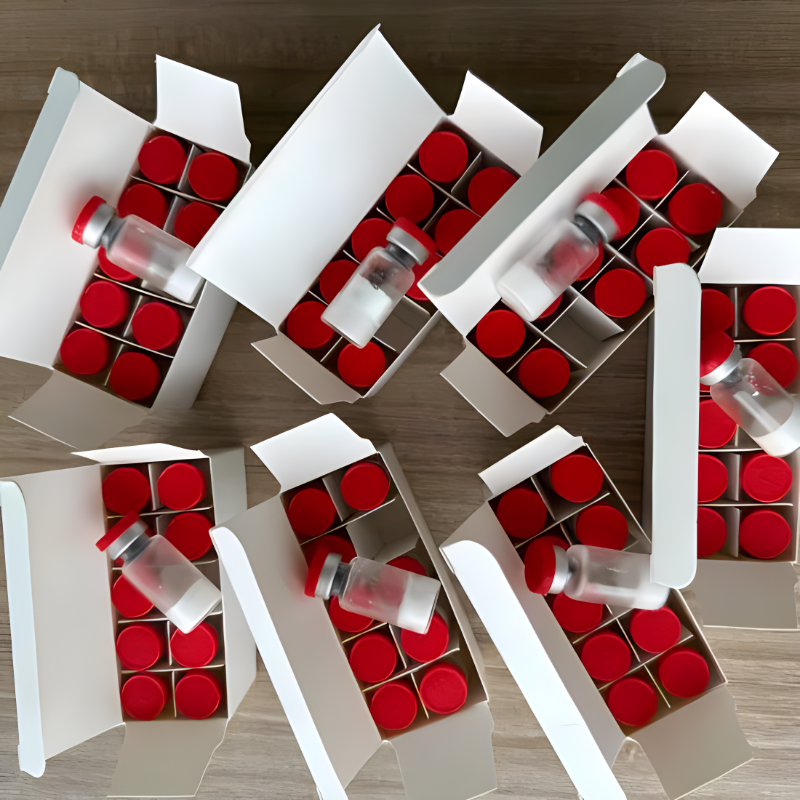
Someone running in vivo metabolic studies will reconstitute this lyophilized powder in sterile buffer, usually at 1-2 mg/mL, then dose it subcutaneously every few days to track glucose tolerance or body weight changes over a 4-6 week window—it's a dual GLP-1/GIP agonist, so you're covering both incretin pathways in one injection.
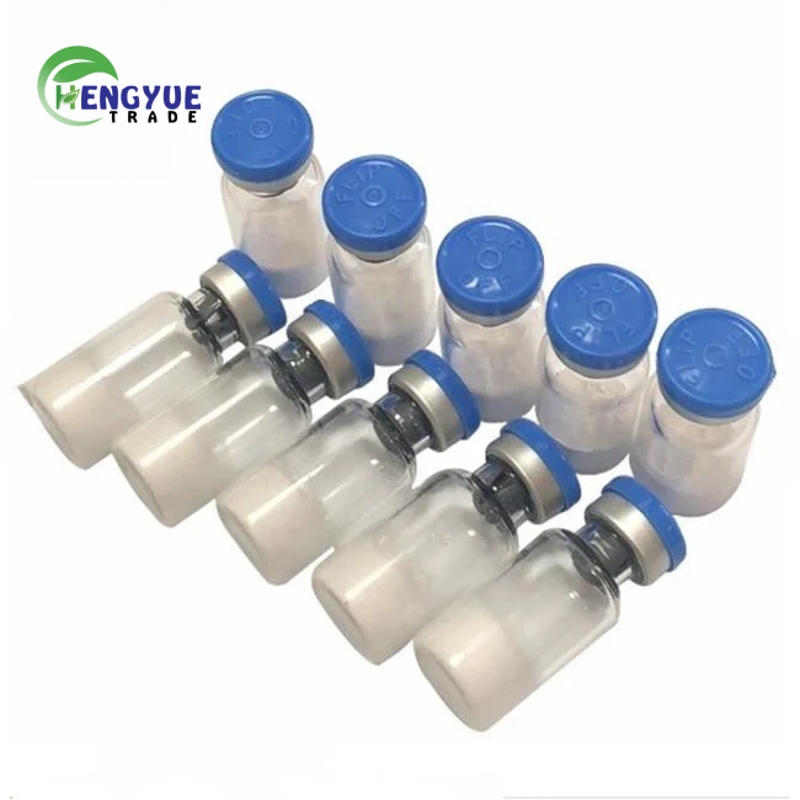
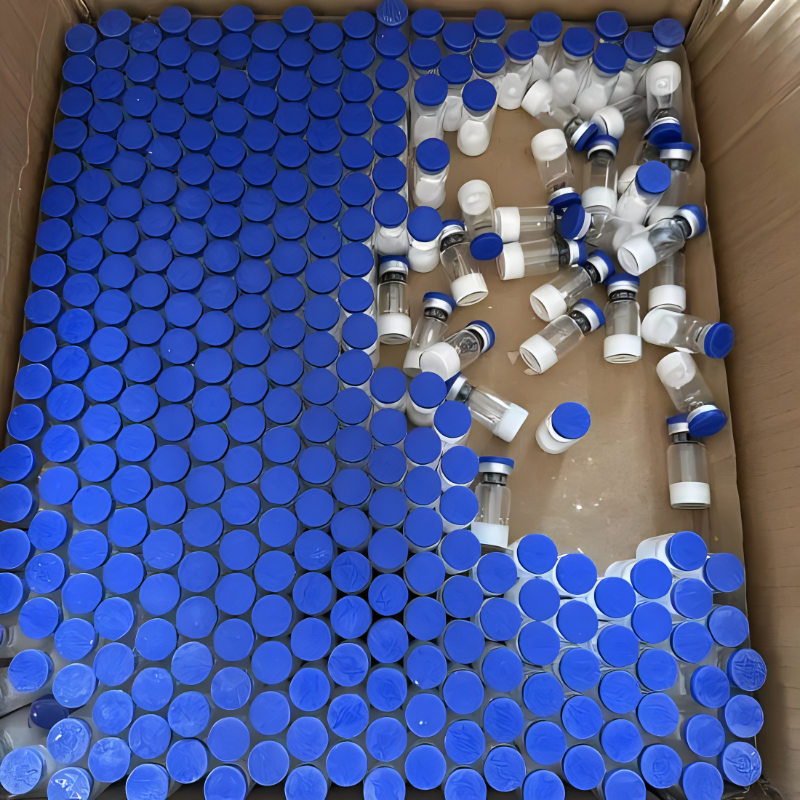
We typically stock the 10mg and 20mg vials most heavily, but the 5mg and 50mg sizes are availble too; the 50mg vial is a bit of a beast to reconstitute cleanly if you're not careful with the volume. Purity runs at 99.0% or better by HPLC, and we include the COA with every batch—single impurities are kept under 1.0%, which matters for clean receptor data.
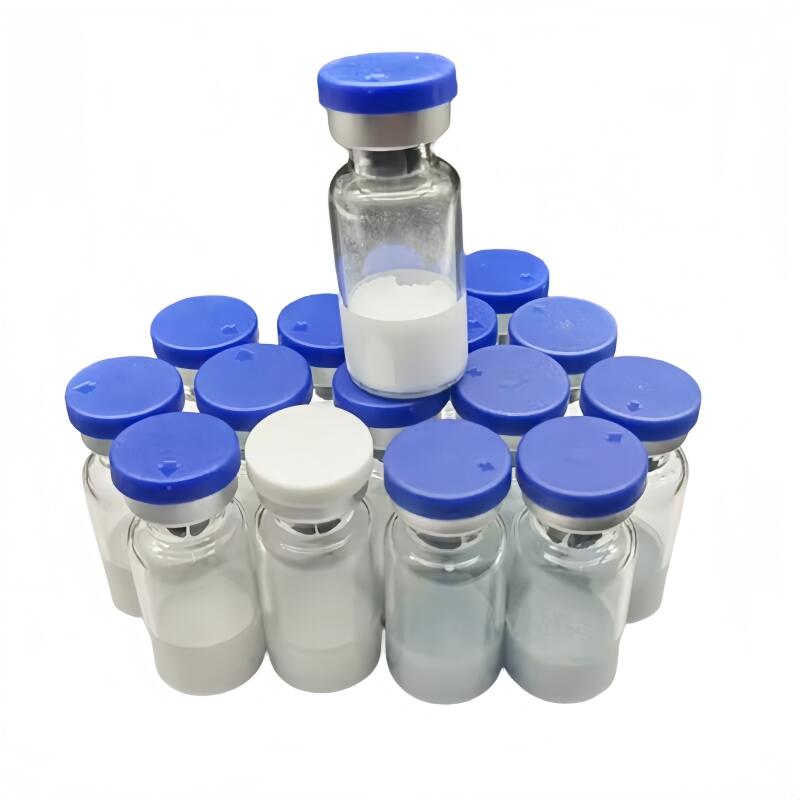
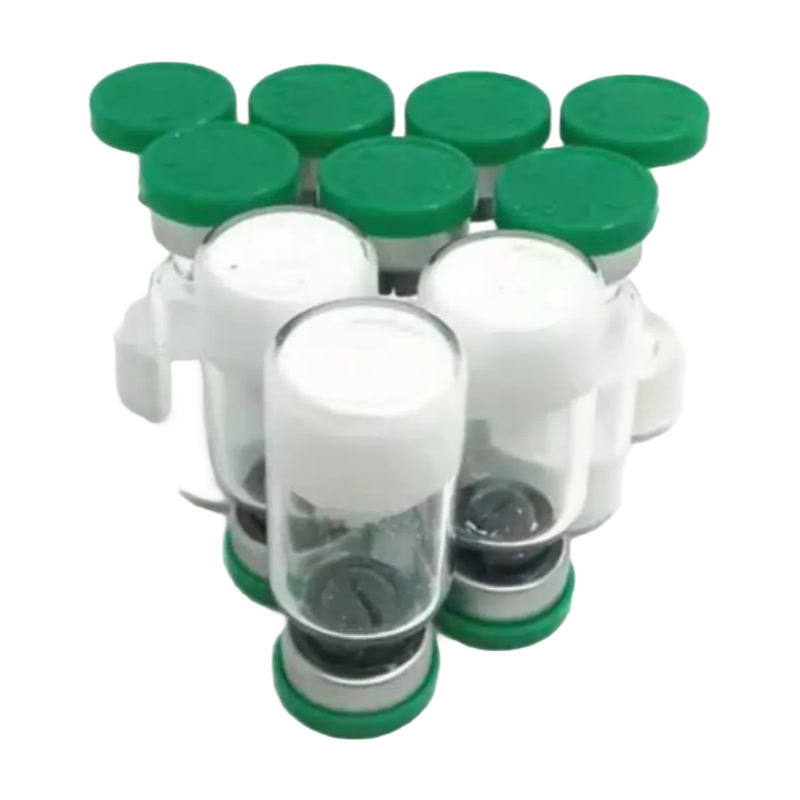
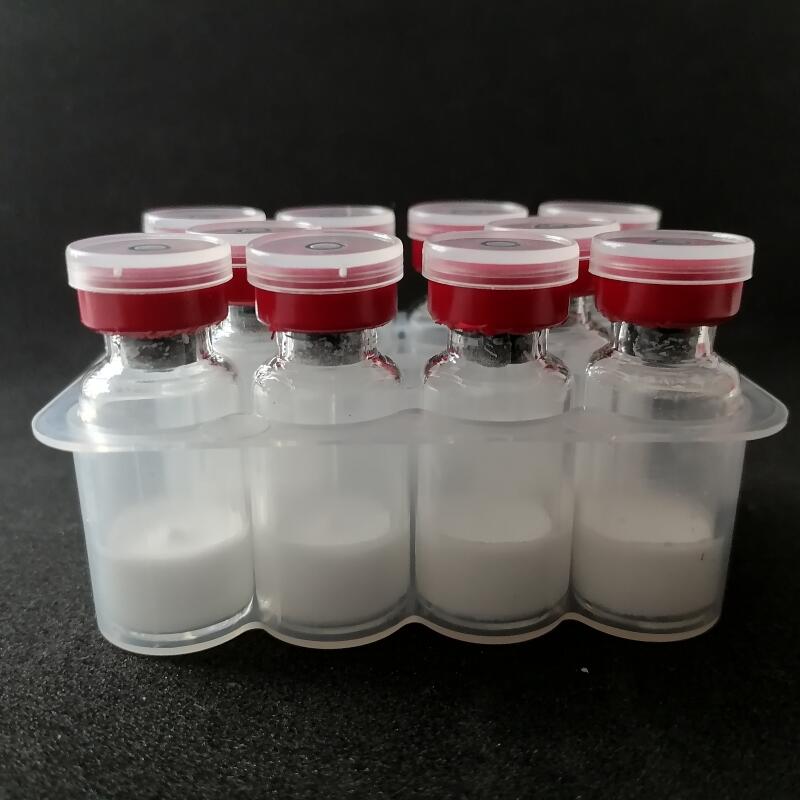
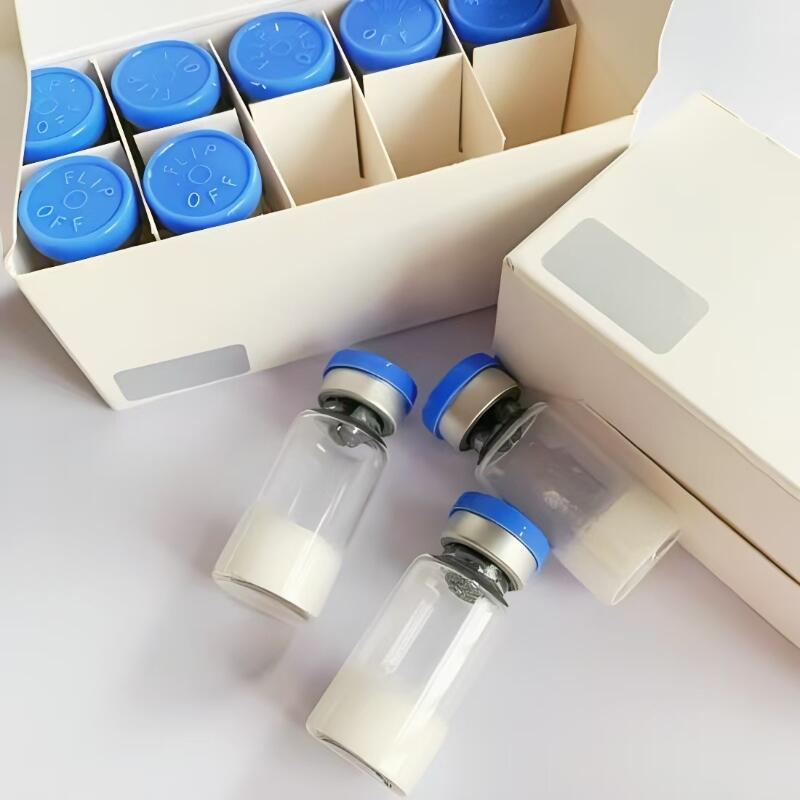
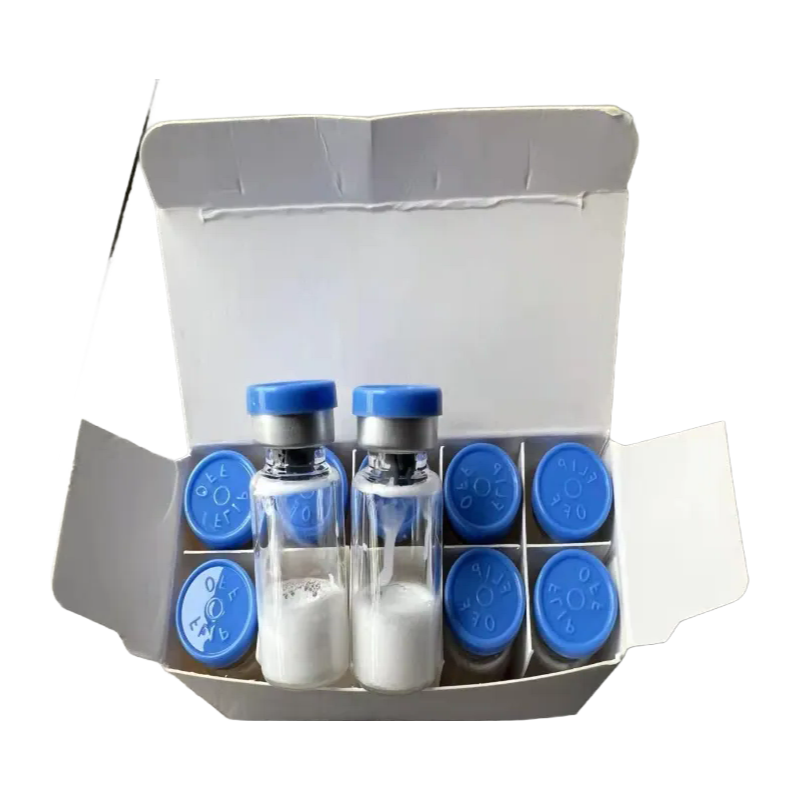
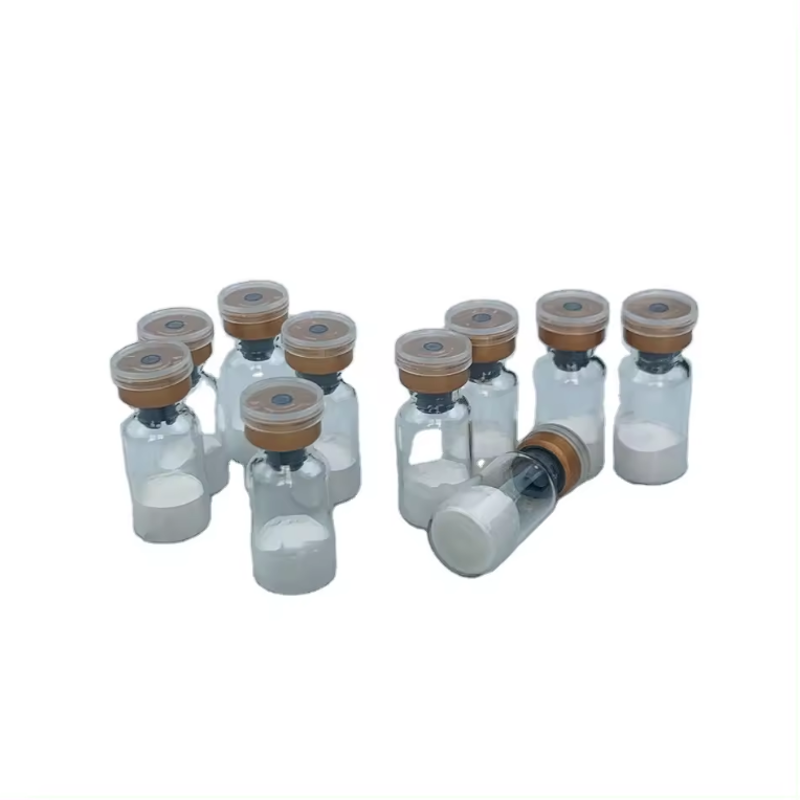
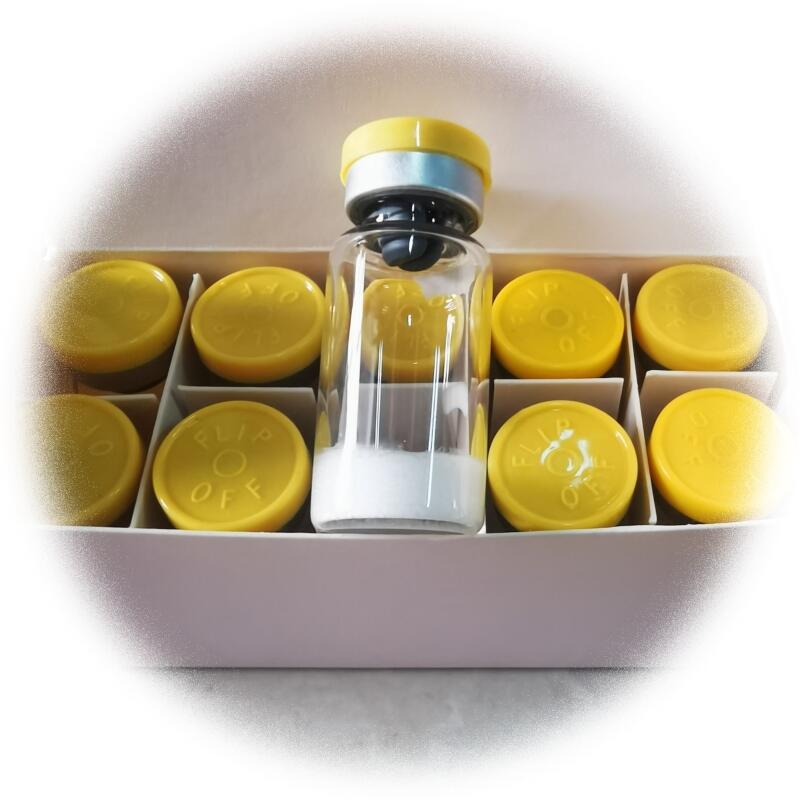
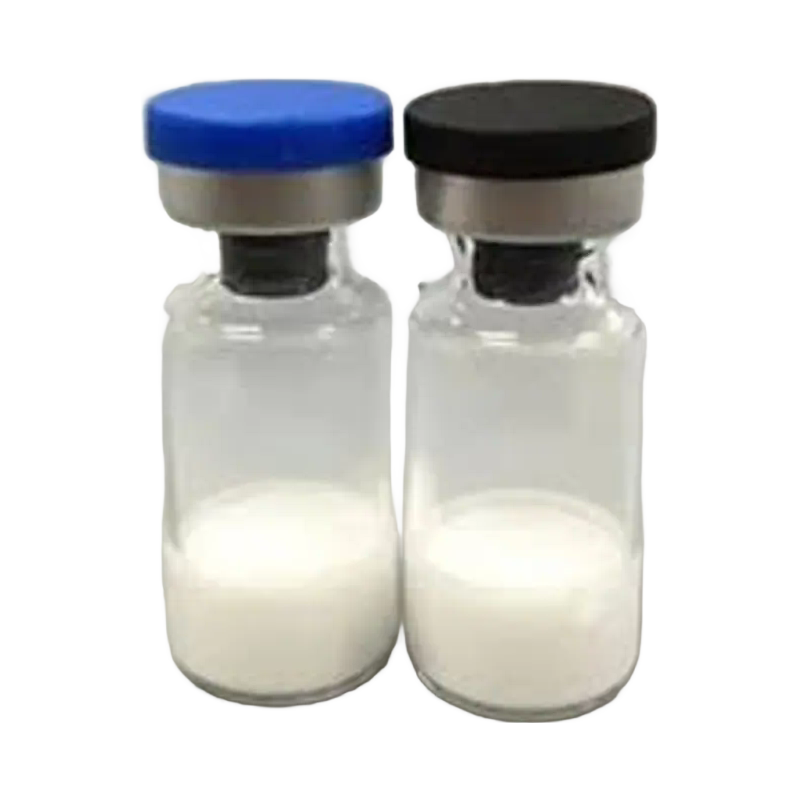
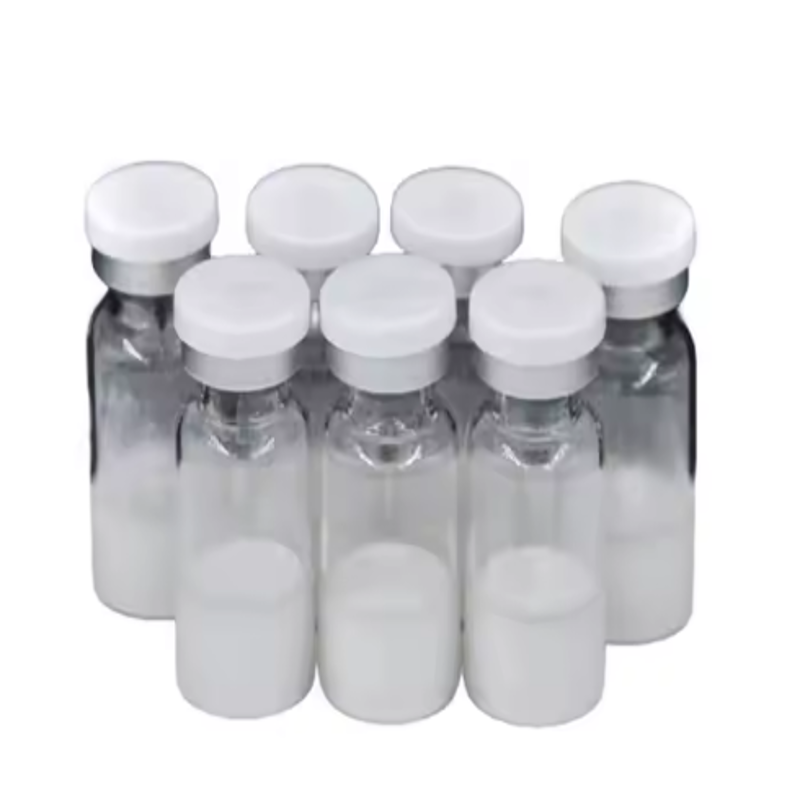
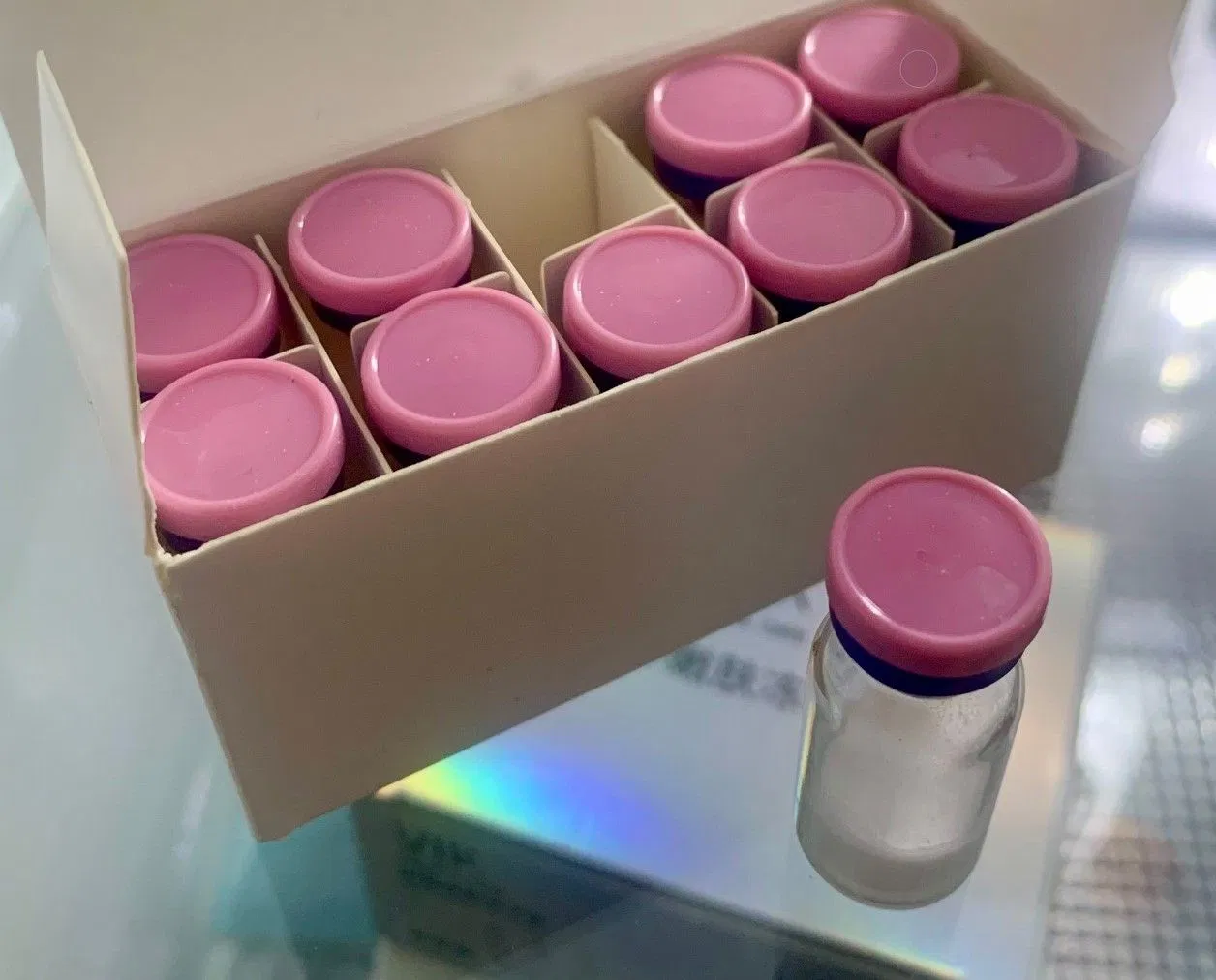
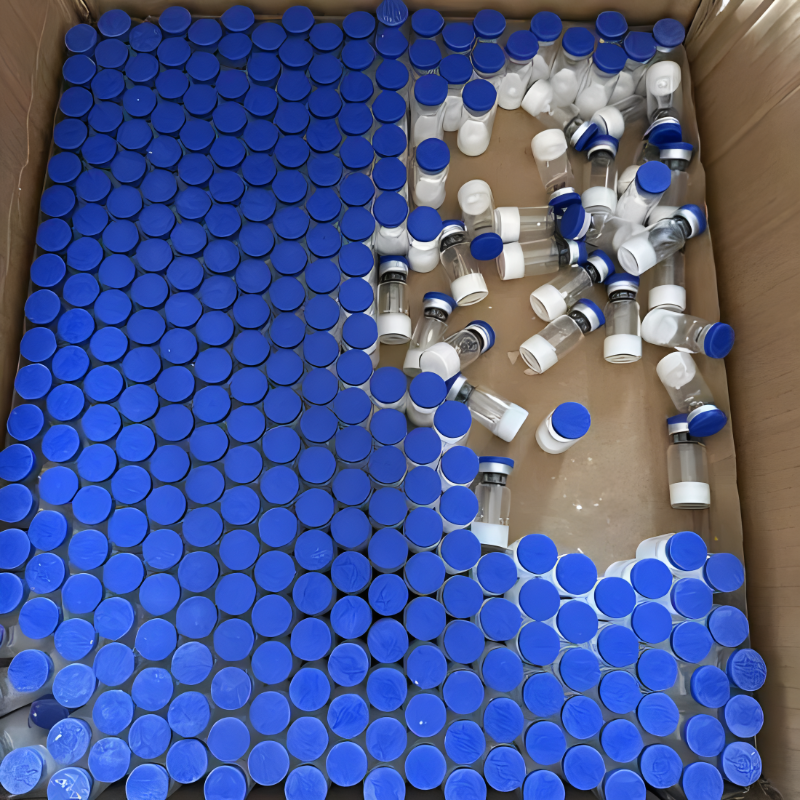
Each vial is a white lyophilized cake, not a loose powder, so it sticks to the glass less when you add water; you'll want to let it sit a minute after reconstitution before swirling. Storage is 2-8°C, protected form light, and it'll hold for roughly 2 years if you don't freeze-thaw it repeatedly (check the batch label for exact expiry).
Moisture content is ≤10.0% (usually 7-8% in our last few runs), and peptide content hits ≥80.0%—that last bit is important because it tells you how much actual peptide mass you're working with versus salt or water. We synthesize under GMP conditions, but it's research-grade, so don't expect it to pass USP for human use.
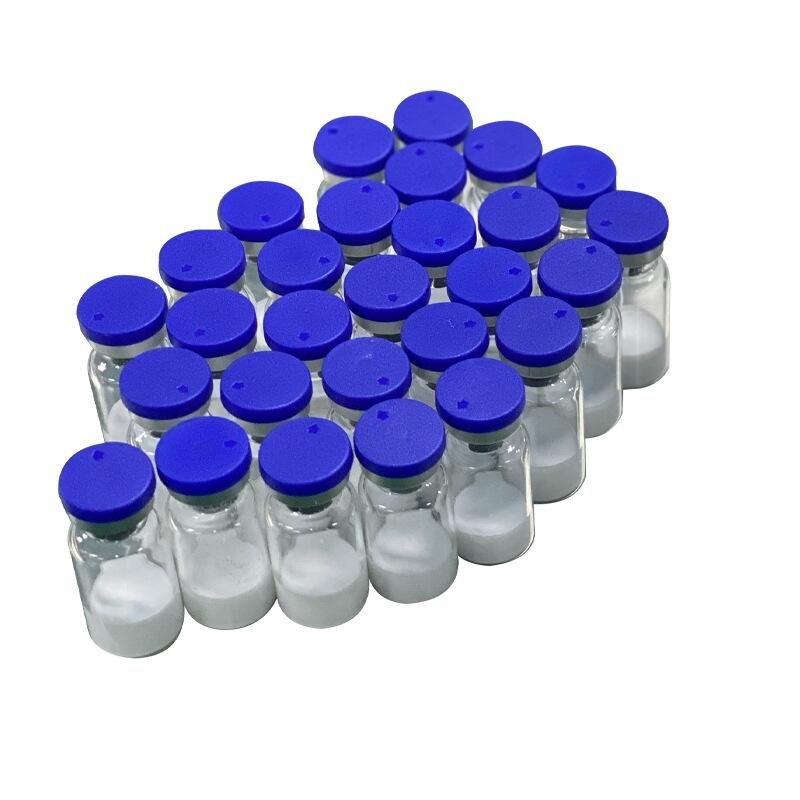
MOQ is 10 for teh standerd sizes, but if you need bulk (50 or 100 vials), our company can do that too—lead time is usually 2-3 weeks for the larger orders. One thing: the 30mg and 50mg vials have a slightly larger cake volume, so they need a bigger reconstitution volume to avoid over-concentrating (around 2-3 mL works well).
Anyway, this isn't suited for acute dosing in small rodents unless you've pre-tested your dilution—the 5mg vial is actually easier to handle for that because you're not wasting excess matrial. We've seen labs run it at 0.5-1.0 mg/kg weekly for GLP-1 efficacy, but that's just a common range, not a guarantee.
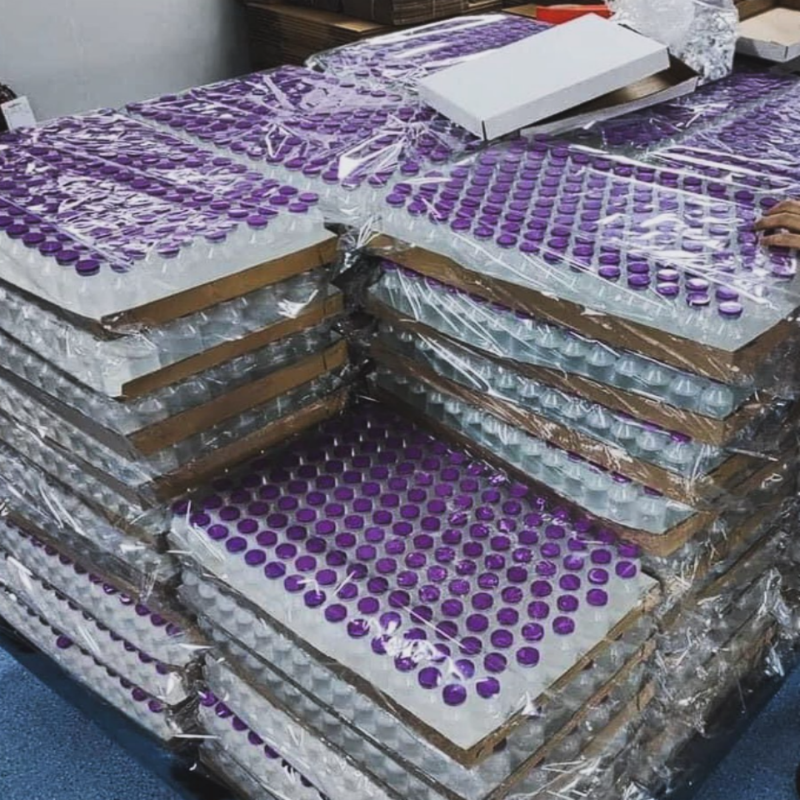
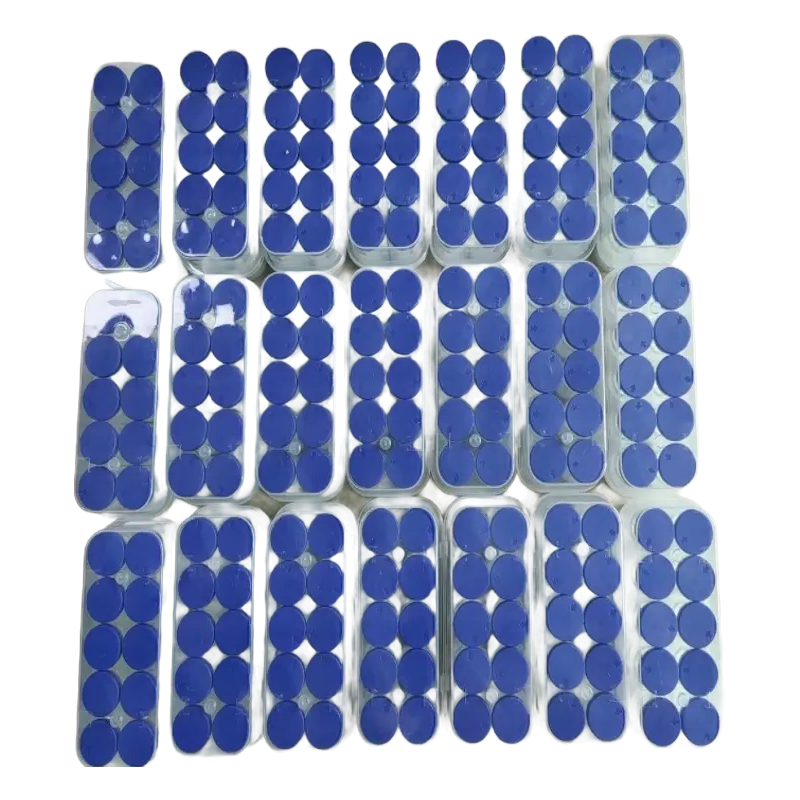
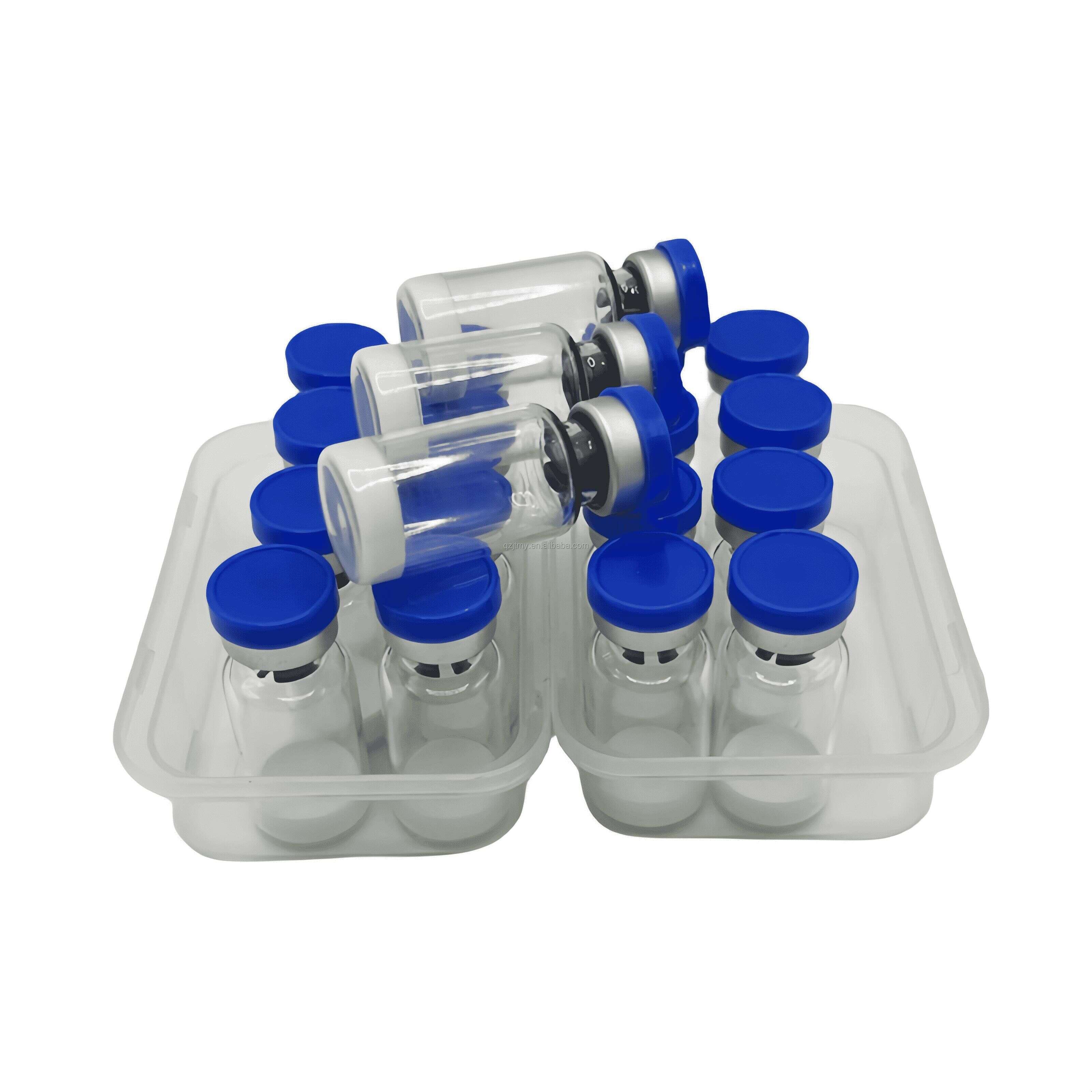
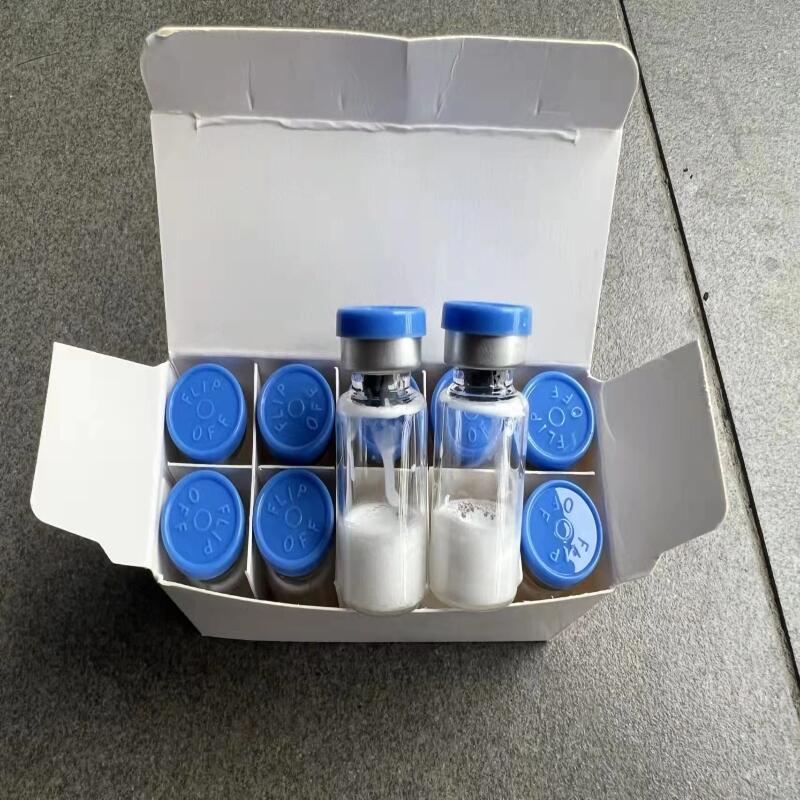
For the standard 10 vials per box packaging, the MOQ is 1 box. If you're looking at bulk packaging, we can discuss that based on your volume needs.
We provide a Certificate of Analysis (COA) showing HPLC purity ≥99.0% and single impurity ≤1.0%. Third-party testing reports are available on request.
Store at 2-8°C, protected from light, just like the unopened vials. Once reconstituted, use it promptly and avoid freeze-thaw cycles to maintain stability.
Yes, bulk packaging is available, and we can customize labeling for research use. Just let us know your specs when you place the order.
Standard lead time is 5-7 business days after order confirmation. For larger bulk orders, it might stretch to 10-14 days depending on availability.