Account
Inquiry
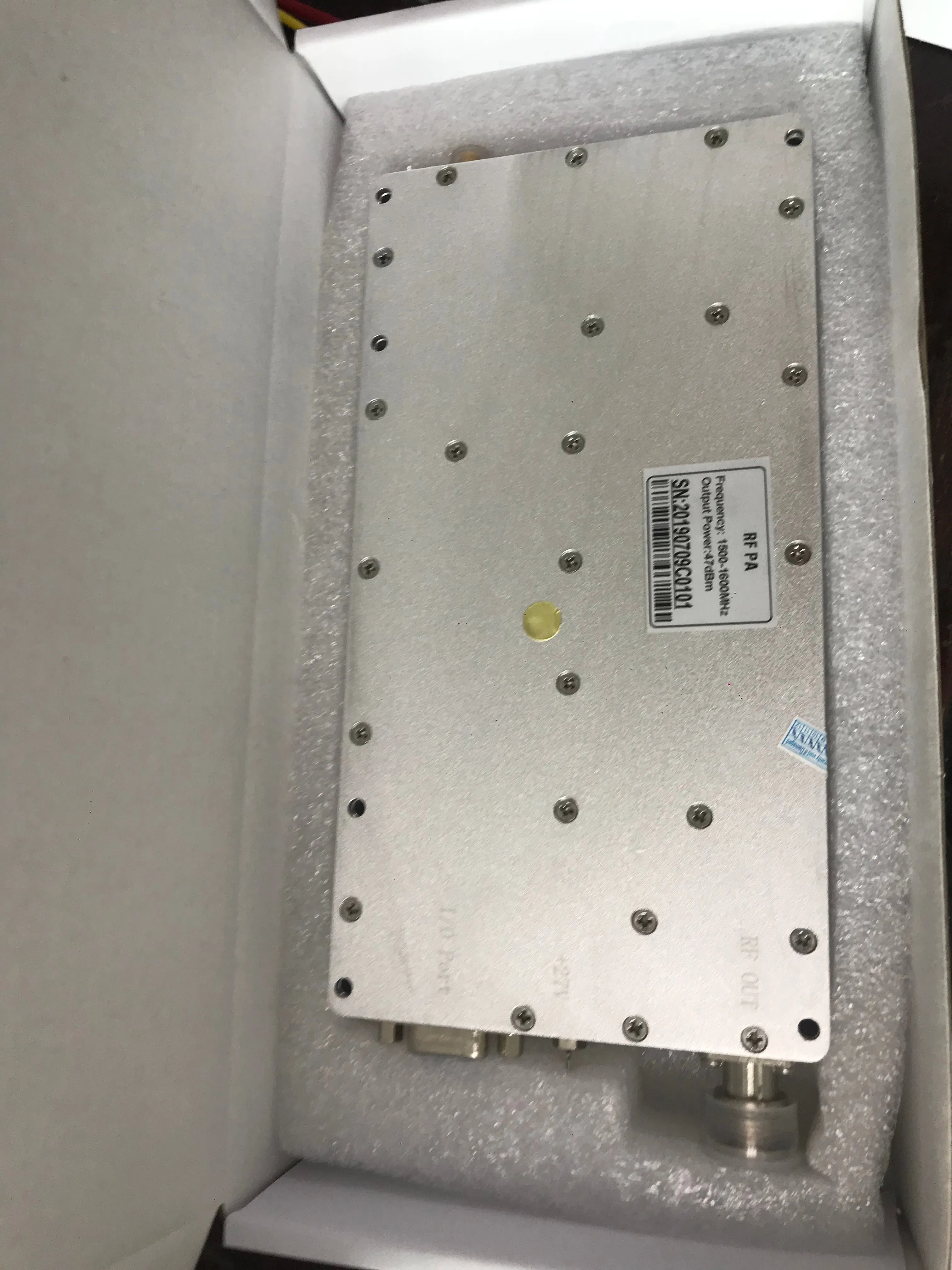
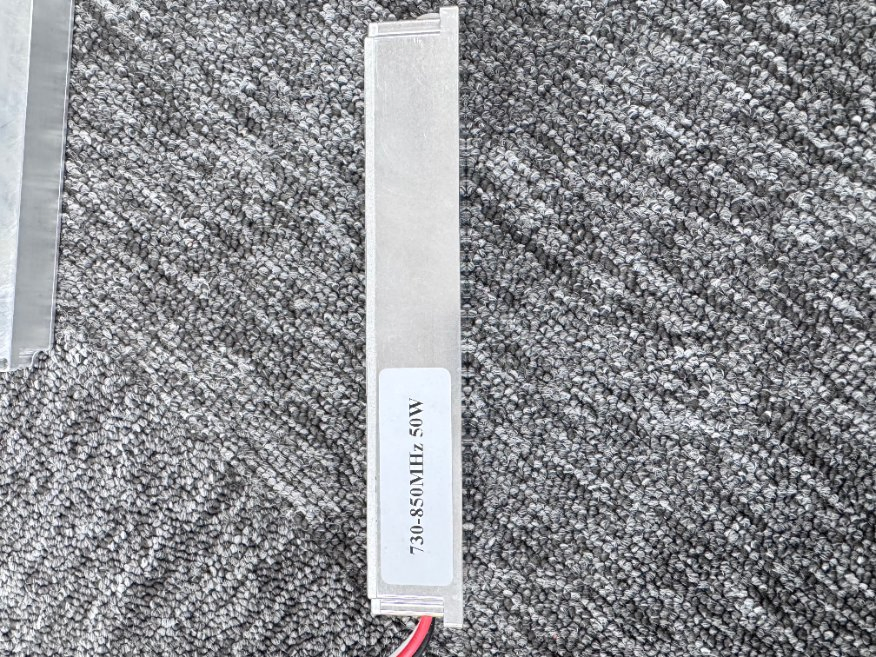
We're seeing a lot of demand form guys doing cell band testing who need something that can push real power, not just a signal generator that sits at -20dBm—our clients range from base station repair shops to R&D labs working on custom repeaters.
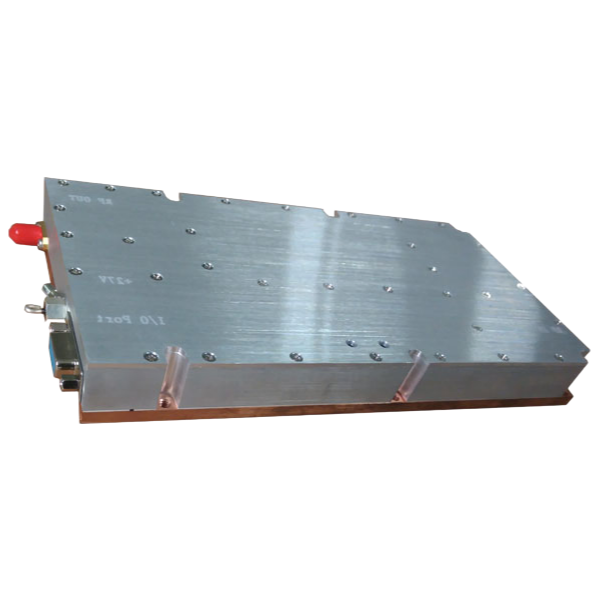
Runs off 28VDC at under 10 amps, so you'll need a decent lab supply, and the output hits 37 to 47dBm in 1dB steps across 1300 to 1400MHz, which is basically the standerd cellular uplink band, but our company can customize the frequency if you need something slightly different (usually 20MHz shift or so).
The SMA-female output is 50 ohms, VSWR's ≤1.3:1, so you're not losing signal to mismatch, and the alumnum housing keeps it light enough at 210×110×25mm to mount in a rack without extra brackets.
Protection-wise, it shuts itself off if it sees too much reflected power or internal temps above 75°C (auto-restarts below 50°C), and you get both DB15 and DB9 control interfaces—most buyers wire the DB9 for simple on/off and use teh DB15 for step control or custom software integration.
One thing we've seen: it's not great for GPS testing below 1300MHz or for anyone who needs fine modulation, as the noise source is wideband and designed for signal stress testing rather than clean sine wave output, so check your applicaion before ordering.
When you order, we'll send unit with a basic manual and pinout for the DB15/DB9, but no software included—just the hardware and we usually have stock in 20 days or so, but confirm lead time if you need it fast.
We can do small batches starting at 10 units for initial orders, but larger quantities help with pricing. Just reach out with your target volume and we'll work out the details.
Yes, we can supply a factory test report showing output power, VSWR, and frequency accuracy for each unit. If you need specific certifications like CE or FCC, let us know during customization—we can adjust the design to meet those standards.
The DB15 and DB9 connectors let you adjust the output power from 37 to 47dBm in 1dB steps using serial commands (RS232 or RS422). We'll include the pinout diagram and a basic command list with your order.
Custom frequency ranges typically add 2-3 weeks to the standard lead time of 15-20 business days. We'll need your target frequency specs to confirm the feasibility and timeline.
Yes, the aluminum chassis is rated for -25°C to +65°C operation, but it's not waterproof or sealed against moisture. For outdoor use, you'll want to put it in an IP-rated enclosure—we can help with that if needed.
Shipping was incredibly fast and reliable, arriving well ahead of the estimated delivery date. The packaging was secure and ensured the product was in perfect condition upon arrival. Regarding quality, the build feels solid and durable, meeting high standards for professional use. Customer service was exceptional, with prompt and helpful responses to my inquiries, making the entire process smooth and hassle-free. Overall, a very satisfying experience from start to finish.