Account
Inquiry
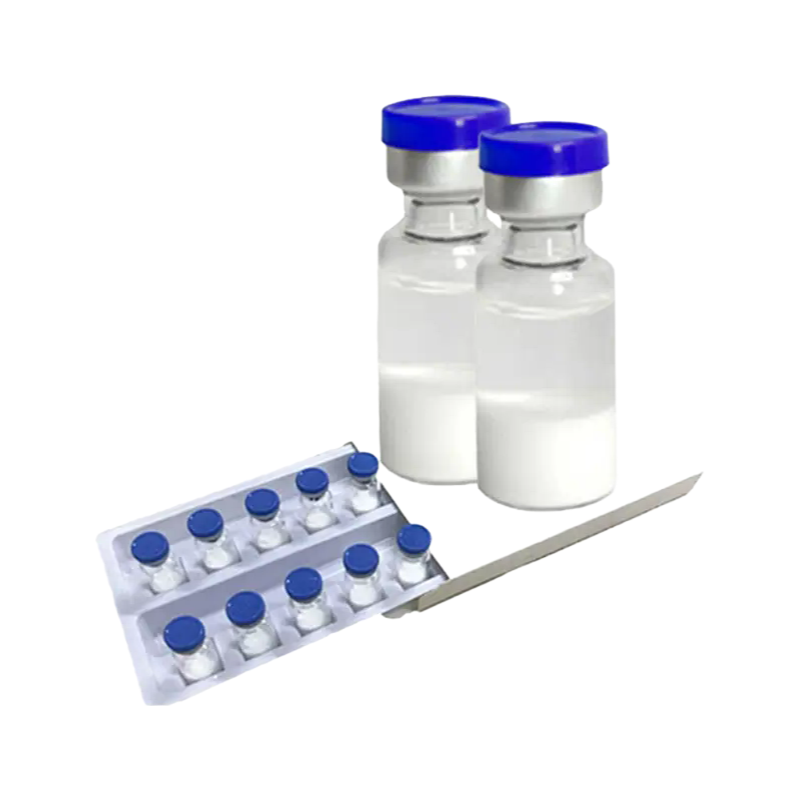
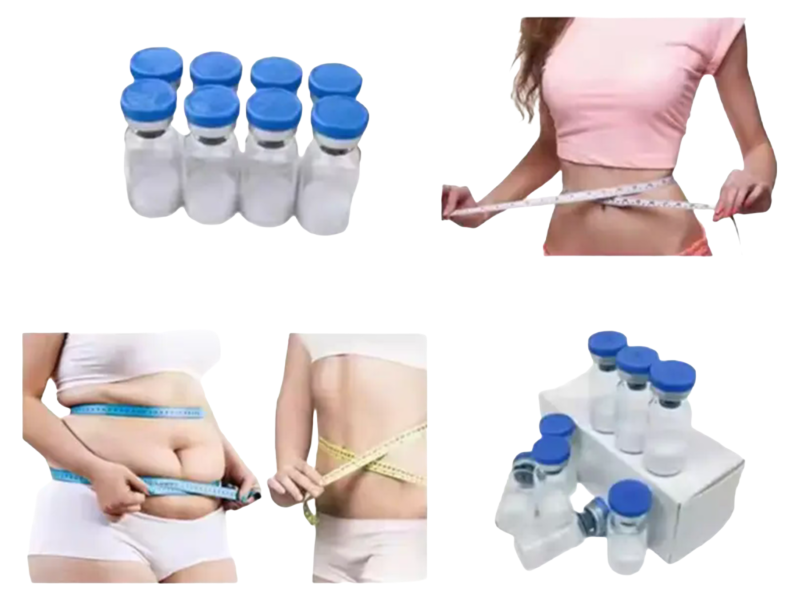
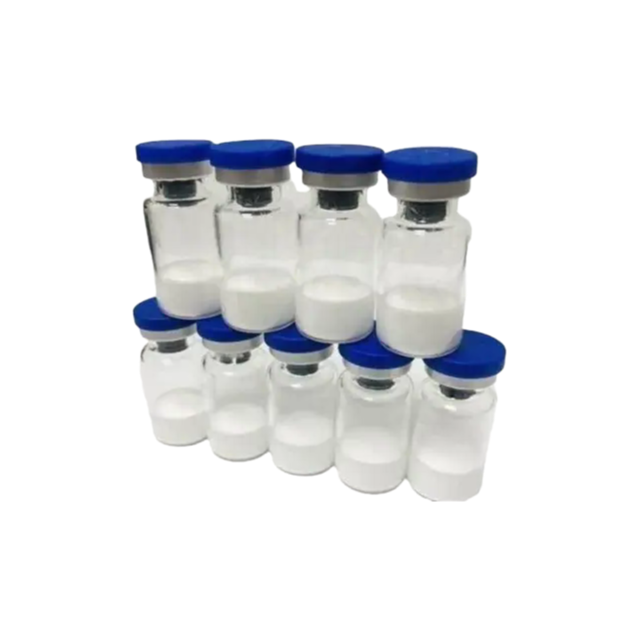
4813 daltons is what we’re working with on this acylated peptide, and that molecular weight matters when you’re dialing in dose-response in a metabolic assay. It basically acts as a dual GIP and GLP-1 receptor agonist, so in practice you’re looking at something that often outperforms semaglutide in comparative weight-loss studies, at least in the rodent models we’ve seen.
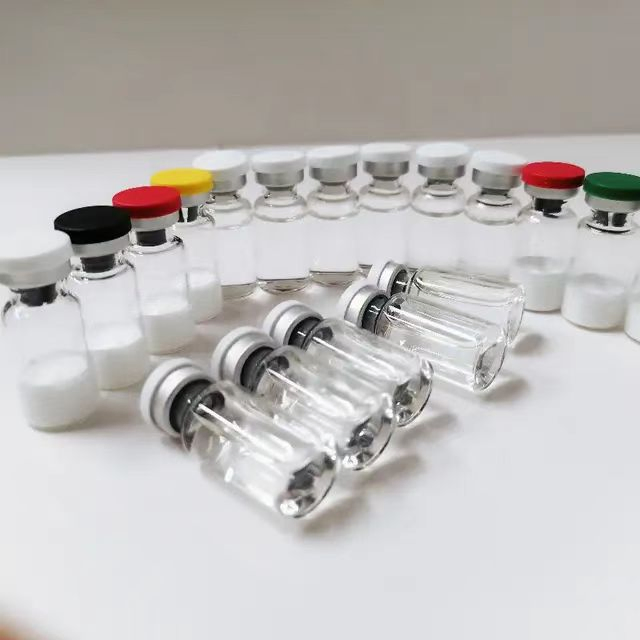
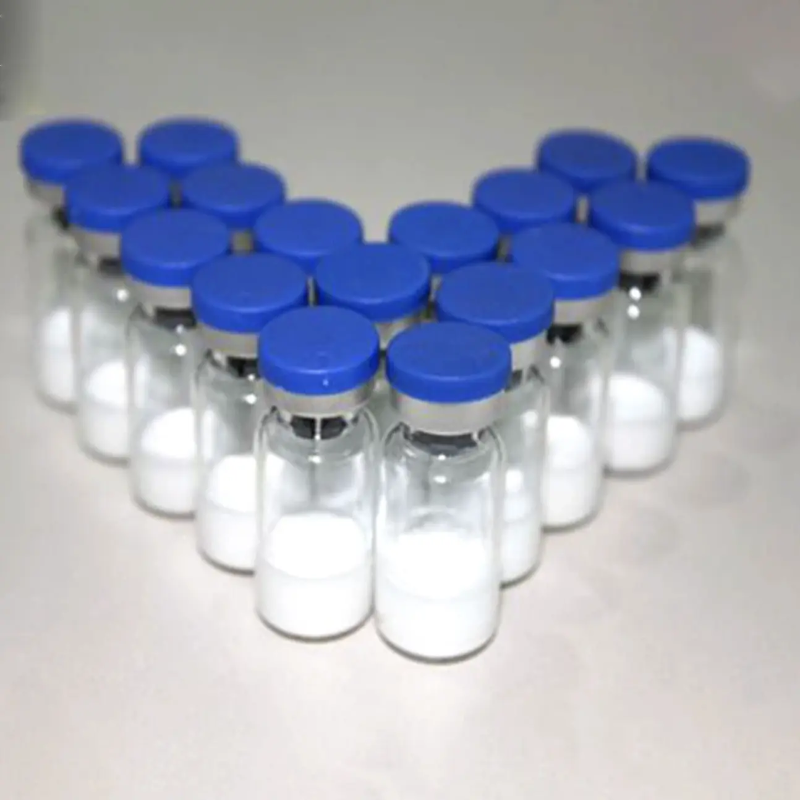
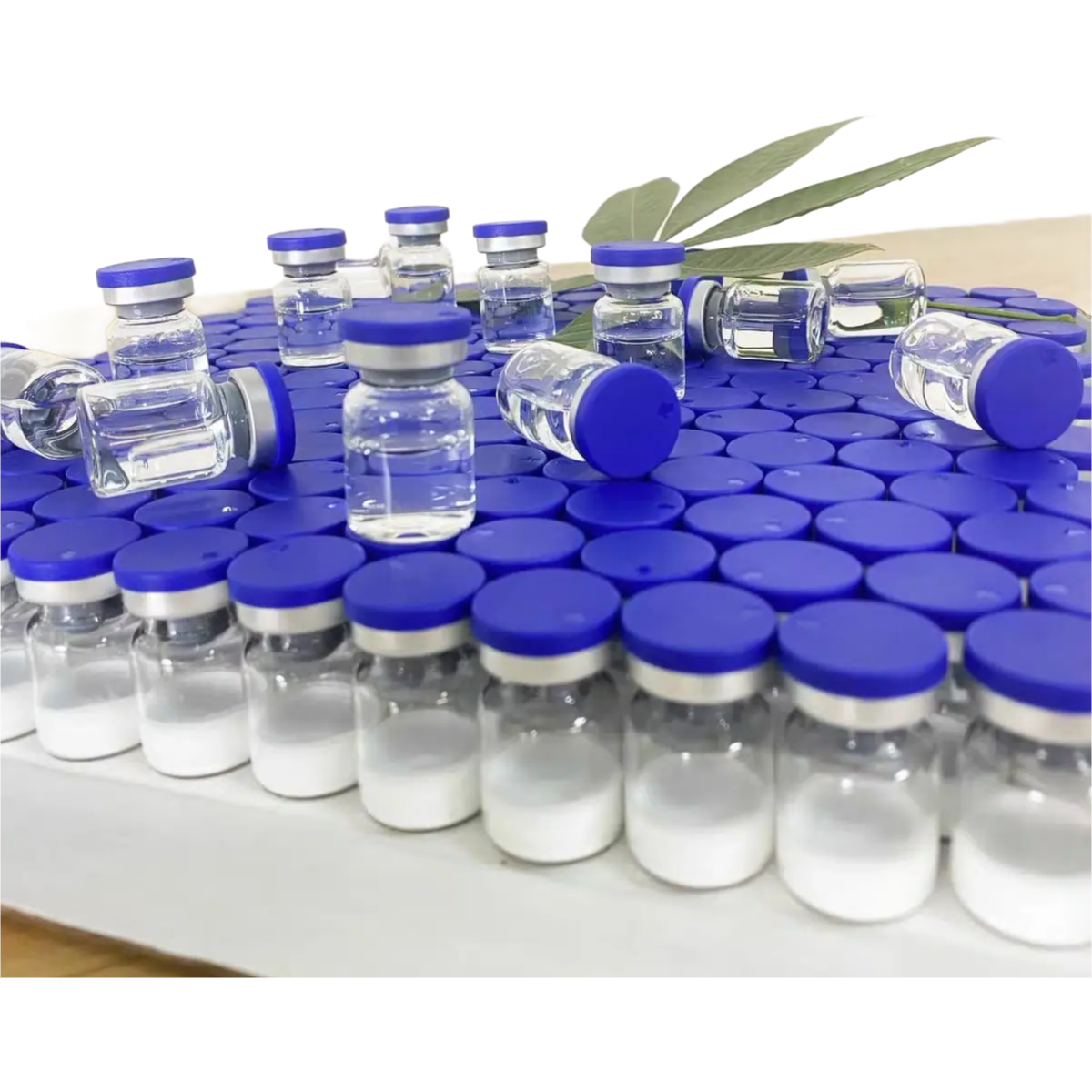
Purity’s been run at 99% by HPLC, and we do a COA with every box—about 20 days or so form order to your dock if we’ve got stock. We ship lyophilized powder in a dry ice package (usually 2-4 weeks of shelf life is fine), but for long-term storage you’ll want it at -20°C; it’s good for over 2 years that way.
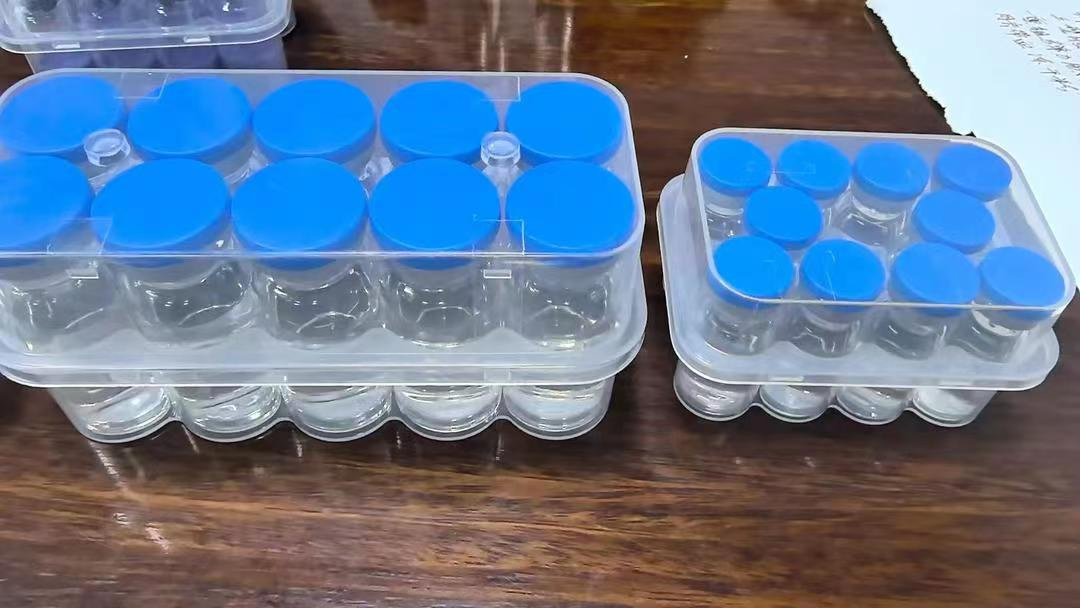
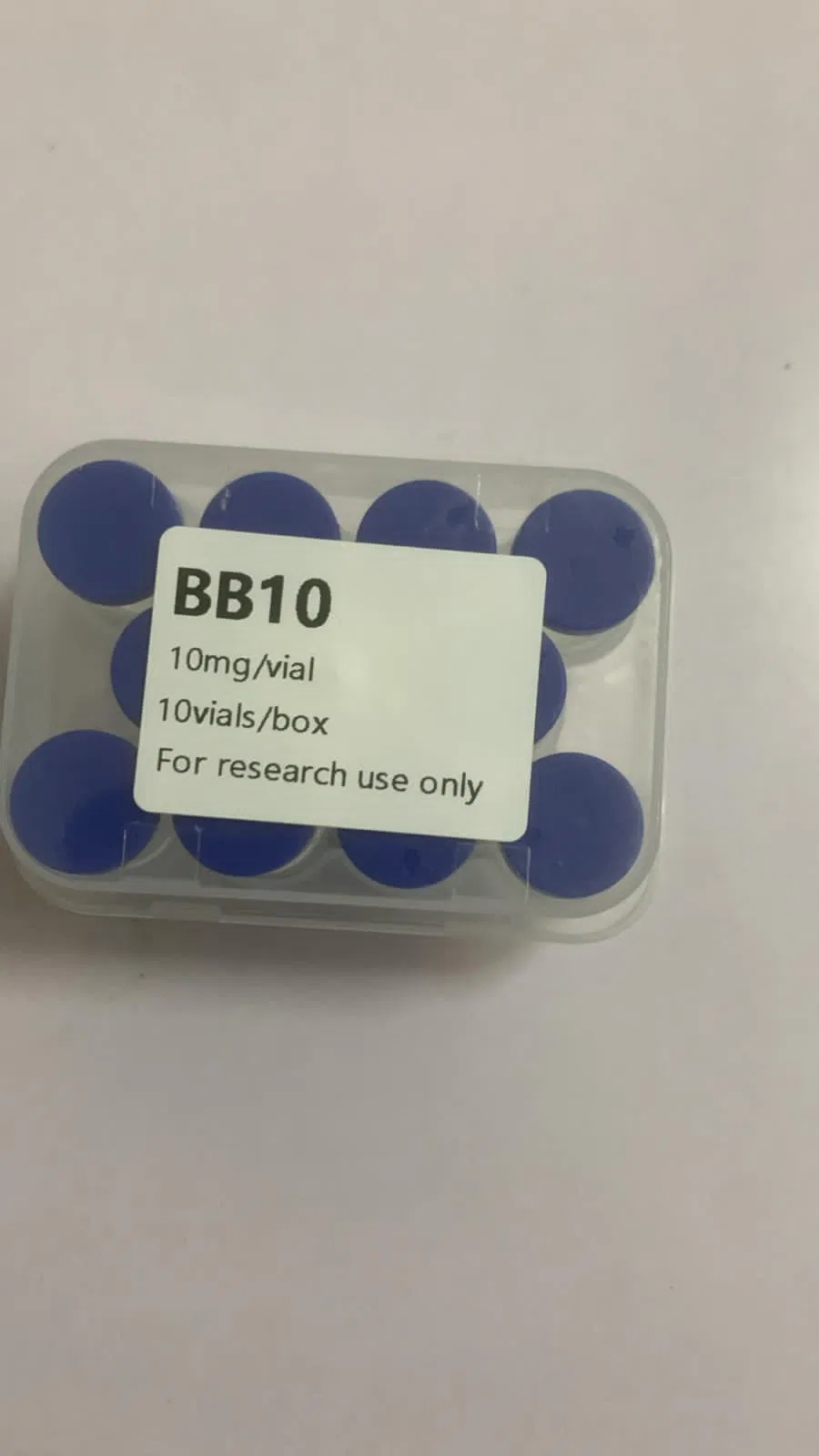
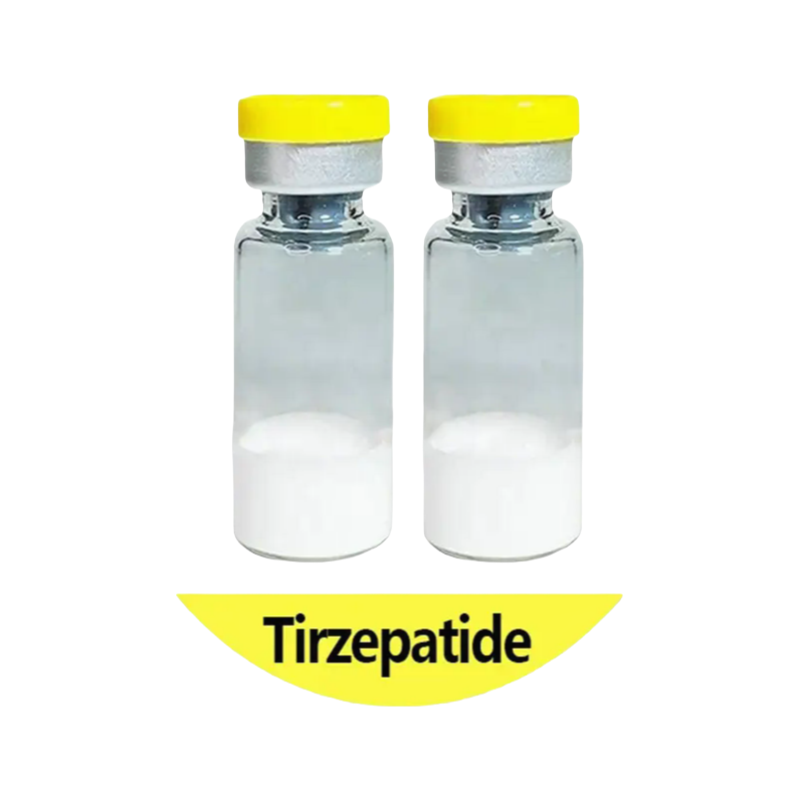
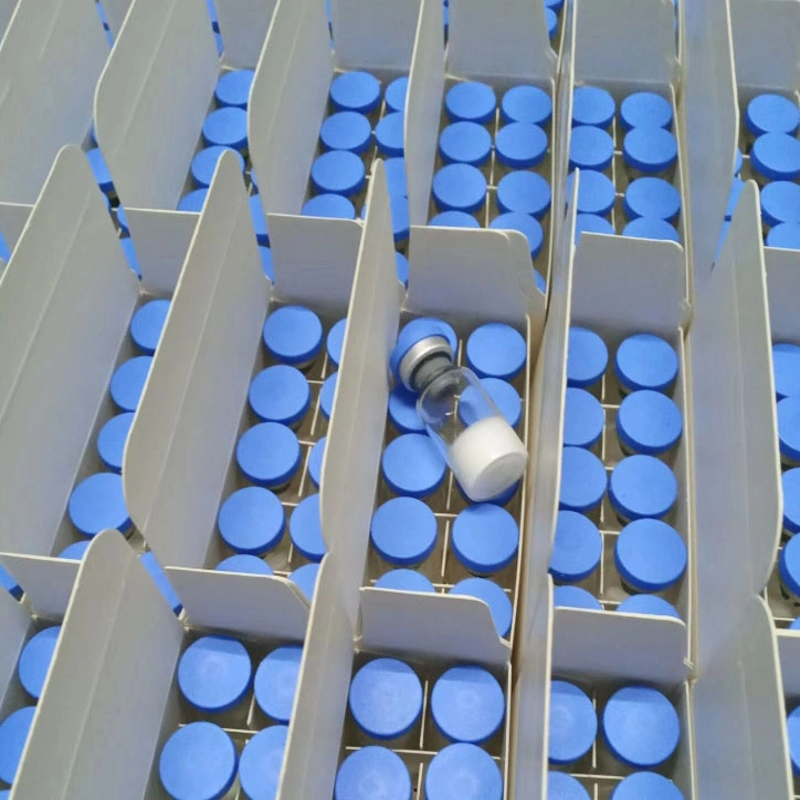
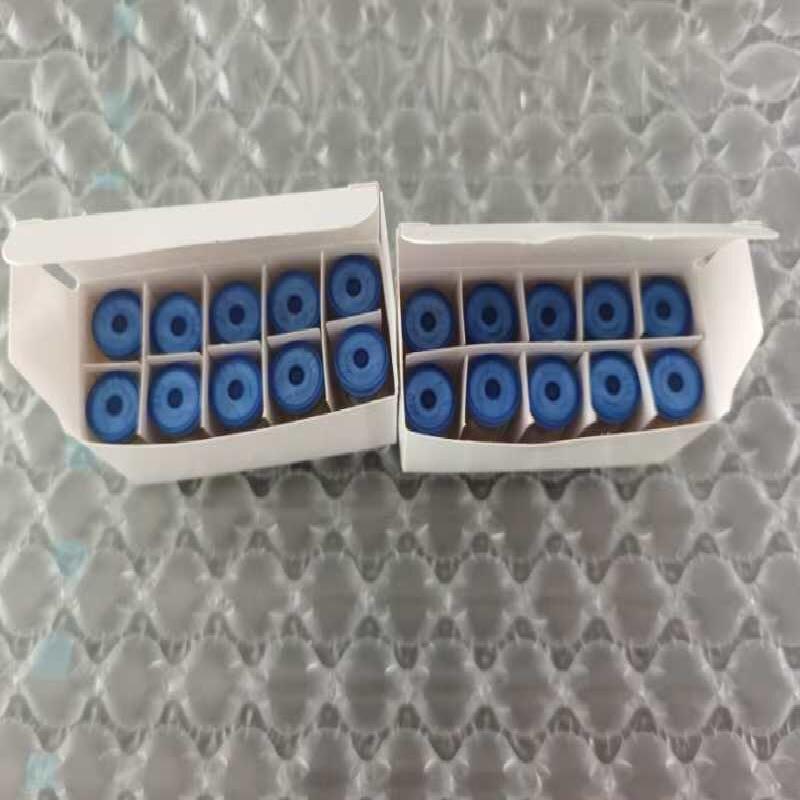
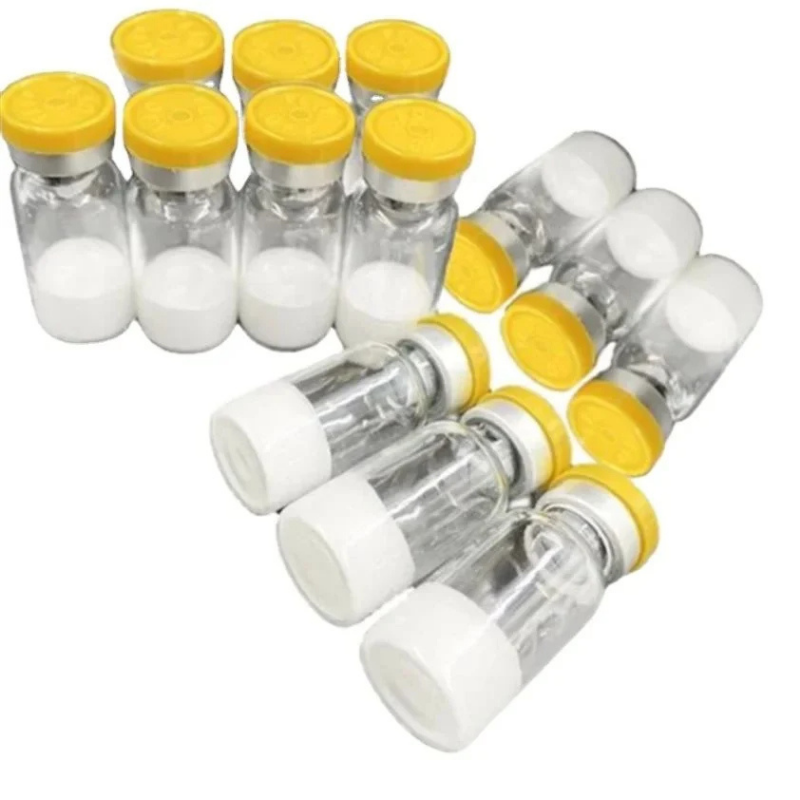
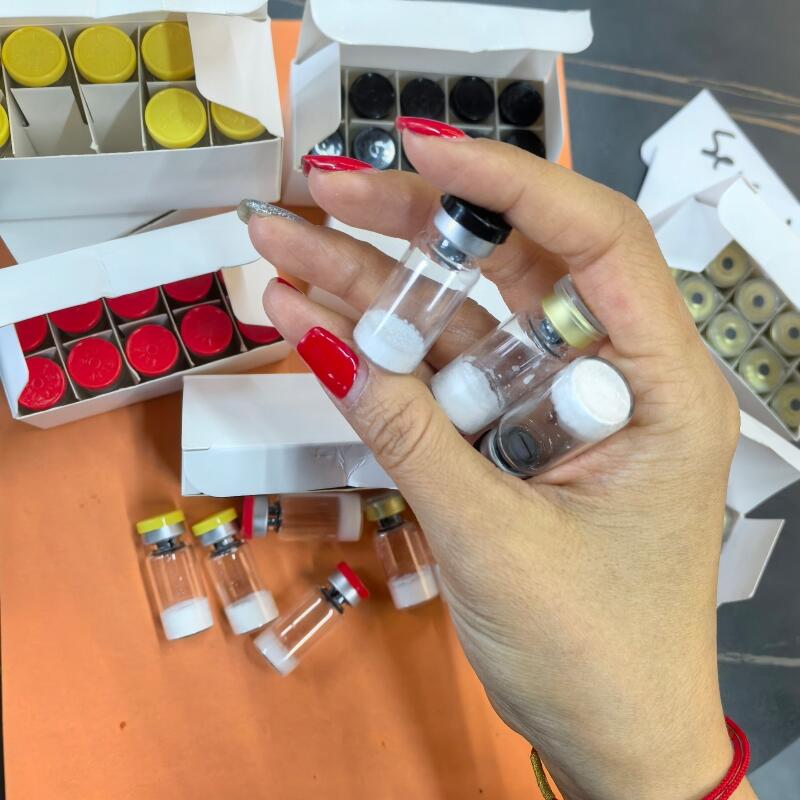
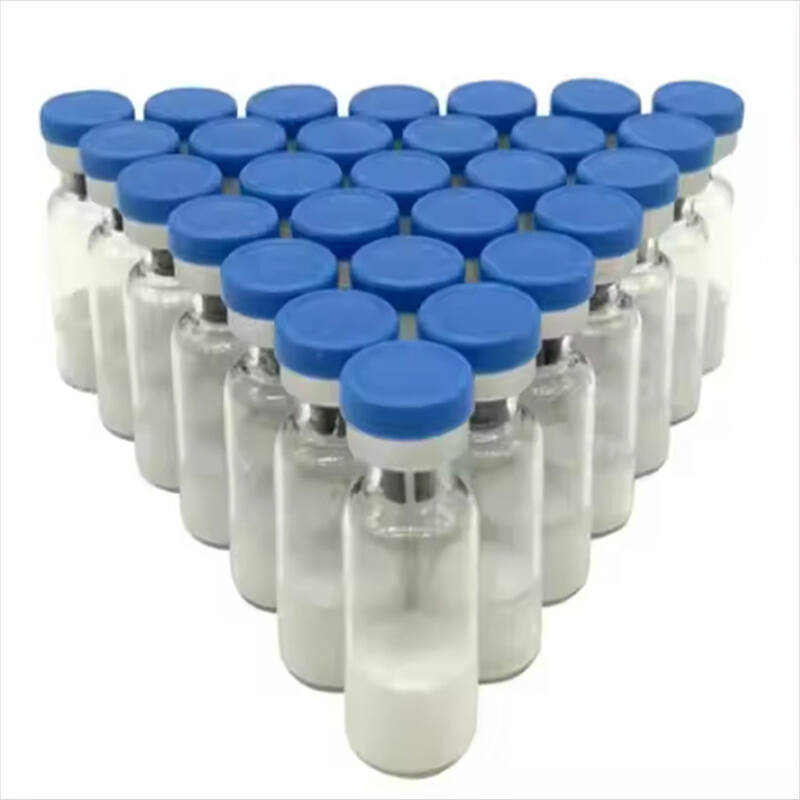
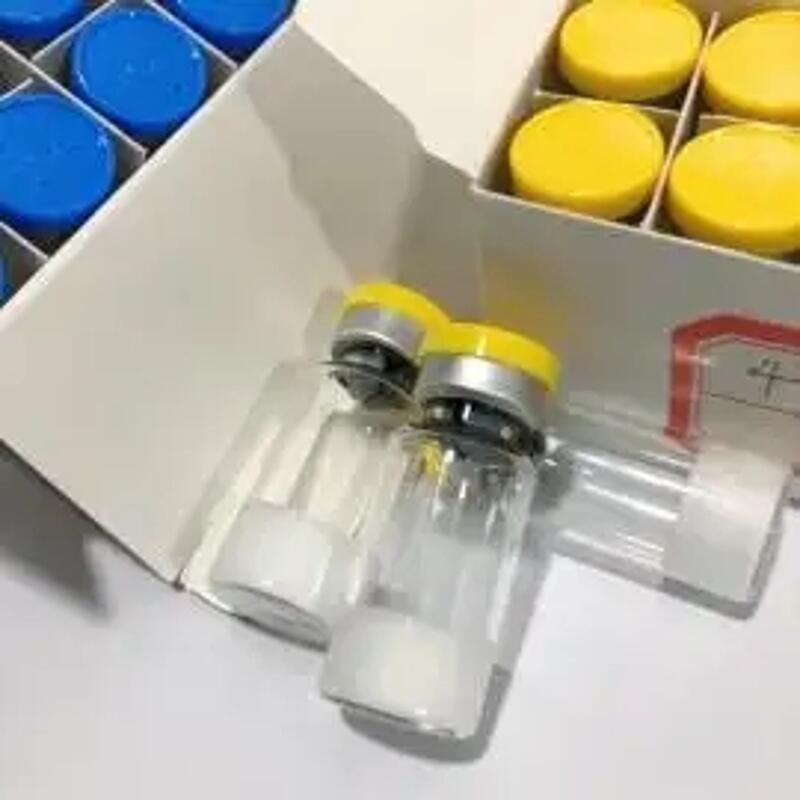
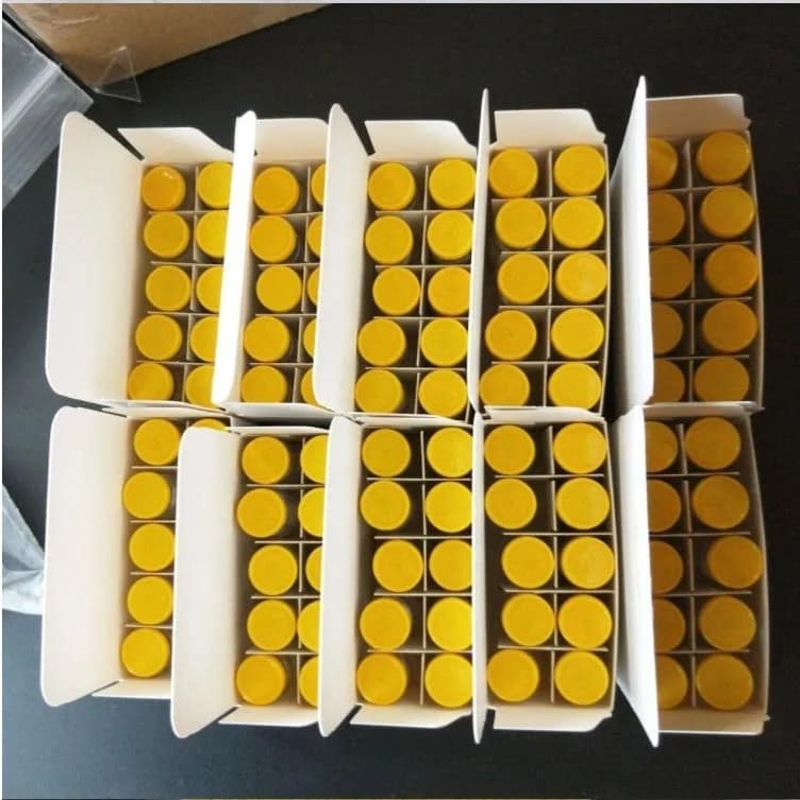
Teh vials come in 5mg, 10mg, 15mg, or 30mg doses per vial, and we pack them 10. Most buyers go with the 10mg size for smaller-scale in vitro work, but if you’re running extended rodent protocols the 30mg vials cut reconstitution frequency—just be aware it’s a pain if you only need a fraction of that.
One thing people don’t always ask about is the reconstitution buffer—we’ve found it dissolves fairly quickly in sterile water or PBS at pH 7.4, but don’t expect instant solubilization; give it about 5 minutes at room tempearture with gentle swirling. It’s not designed for cell culture appliction above a few micromolar, so check your specific assay before scaling up.
Where it really fits is in head-to-head comparison studies with semaglutide or similar incretin mimetics—your usual lab setup for metabolic disease or obesity research. We’ve had buyers use it in both Western blot and glucose tolerance test setups, and the results are pretty much inline with published values. Anyway, we usually have stock for the 5mg and 10mg vials, but confirm lead time on the 15mg or 30mg sizes if you’re in a hurry—it can slip by a week or so.
Our standard MOQ for bulk Tirzepatide is 10 vials per box, but we can accommodate smaller trial orders—just reach out to us with your specific needs.
Lead time is usually 5-7 business days for processing and packaging, plus shipping time depending on your location. We'll confirm exact timelines once you place the order.
Yes, we provide a COA with every batch, and our Tirzepatide undergoes third-party HPLC testing to confirm that 99% purity. Just request it with your order.
Keep it in a dry, dark place—short-term storage at 0-4°C works fine, but for long-term, pop it in a -20°C freezer. Avoid moisture and light to hit that >2-year shelf life.
We can customize vial dosages for bulk orders—just let us know your target mg per vial, and we'll adjust the packaging accordingly. Minimum order quantities may apply for custom sizes.