Account
Inquiry
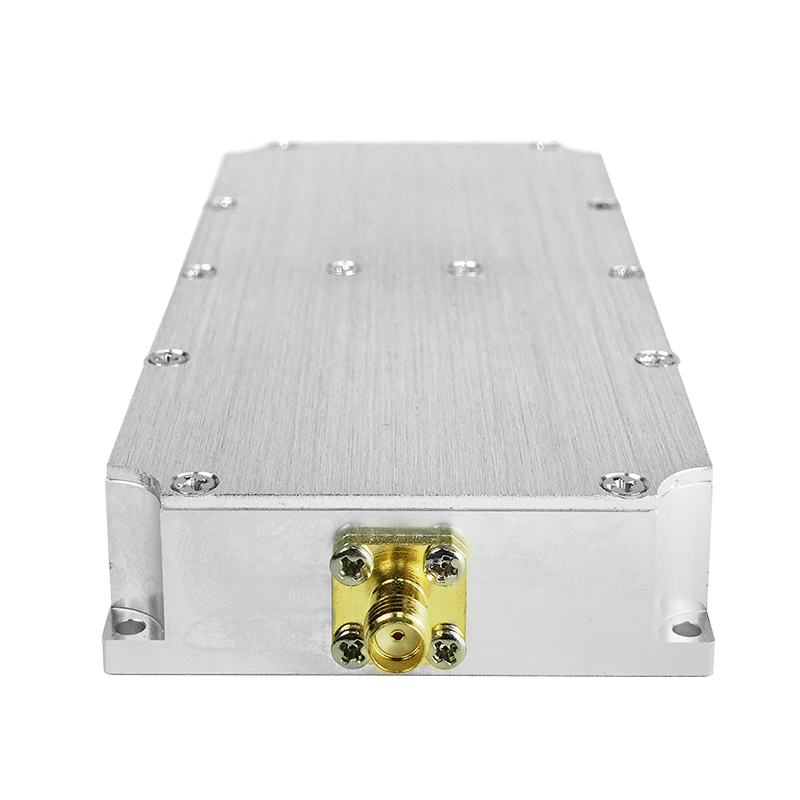
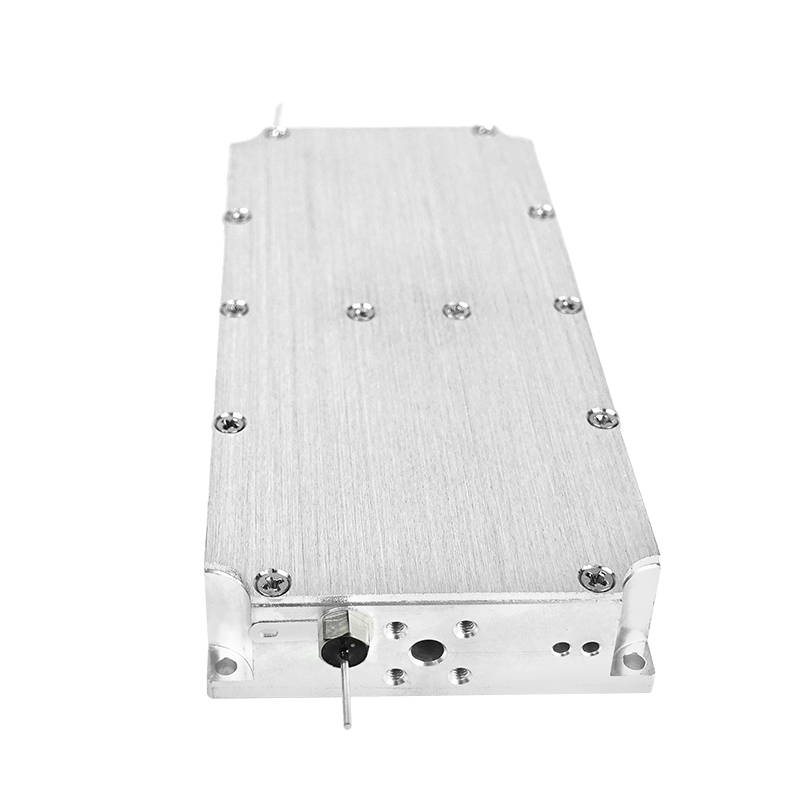
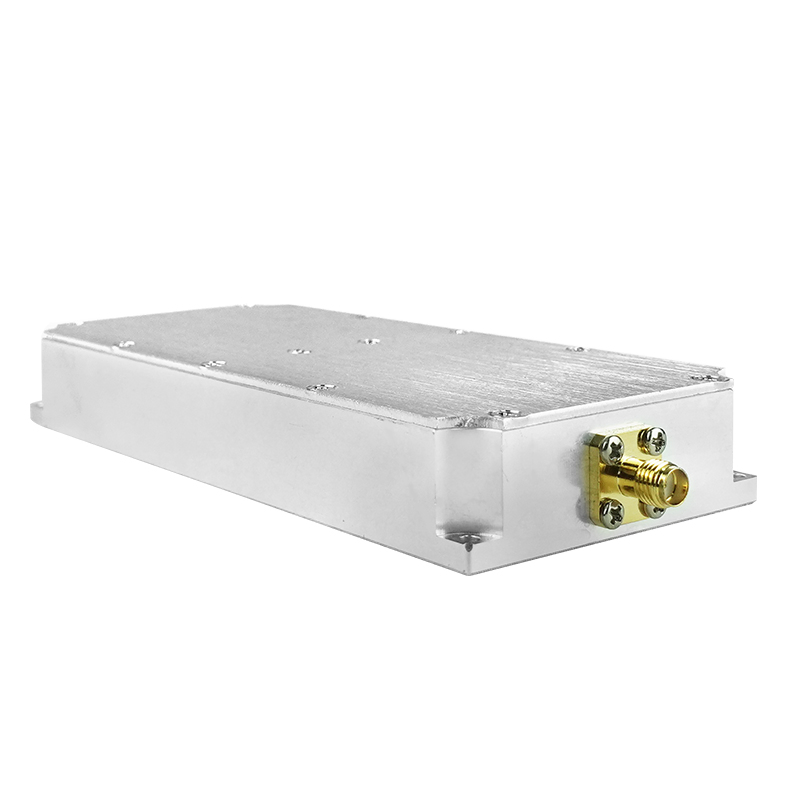
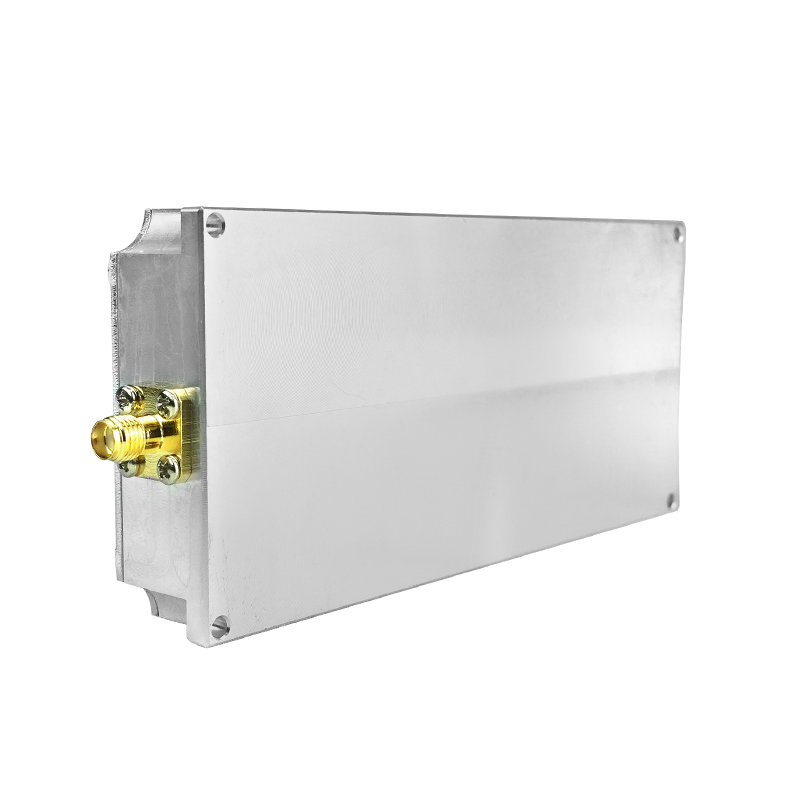
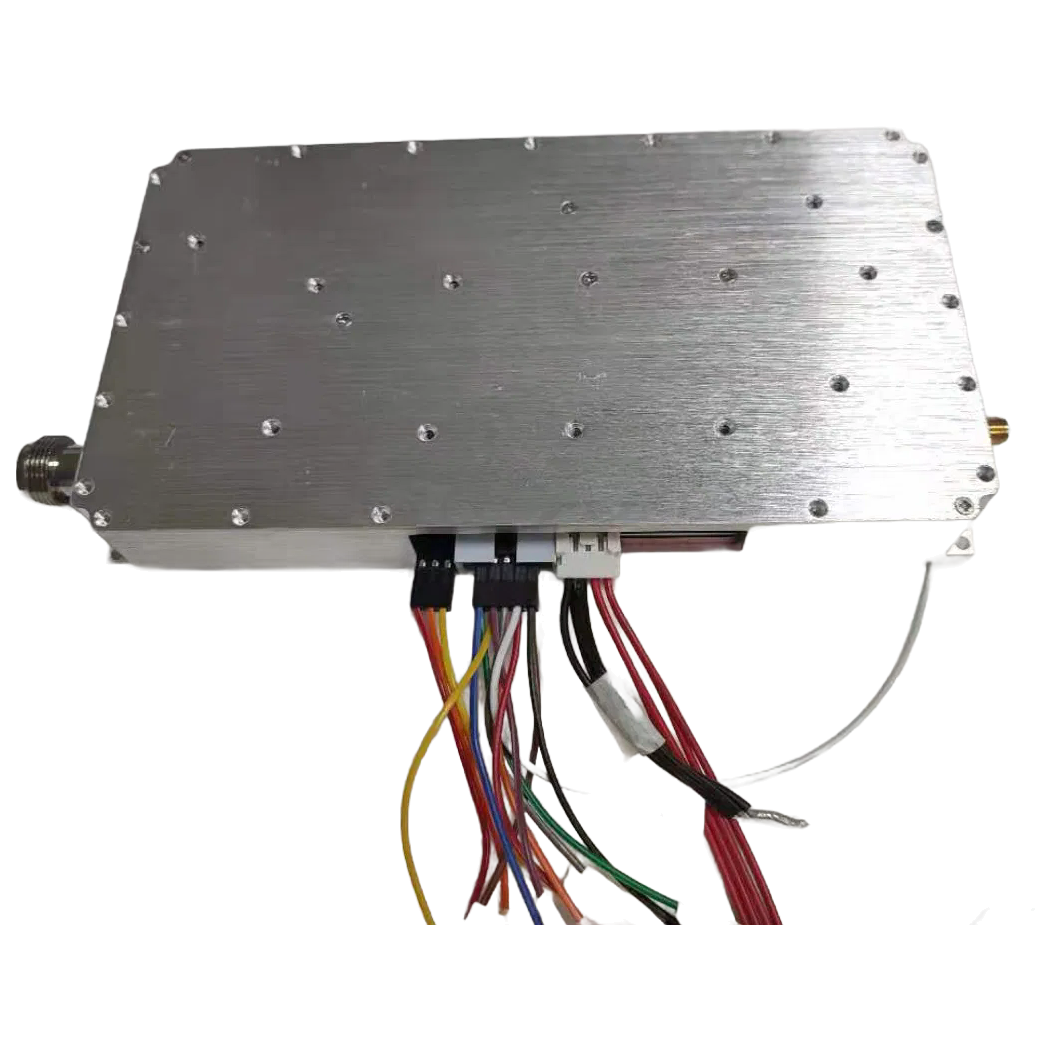
Most of our buyers are contractors supporting drone interdiction at critical infrastructure sites, where a jammer like this gets mounted into a fixed or vehicle-based system to cut off remote control and video links around 2.4 GHz—basically, it's the core module you'd integrate into a larger counter-UAV solution.
Power output sits around 44.5 to 45.5 dBm typical, so you're looking at roughly 31.6 watts out, and with effiency at 38%, you'll need to supply 28–32 V DC at about 3.1 amps, which is pretty standard for this class of hardware, anyway.
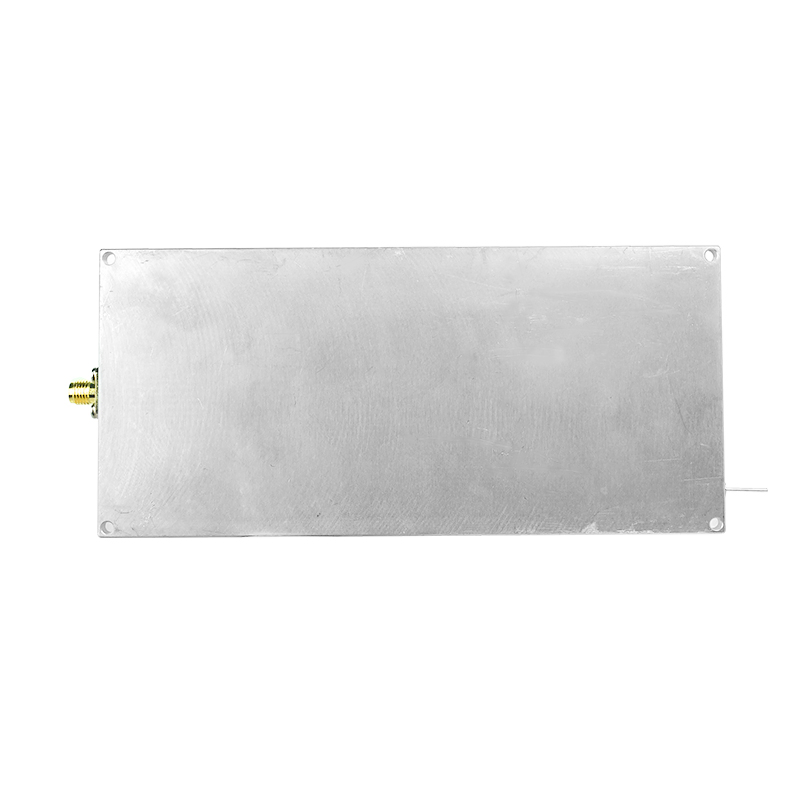
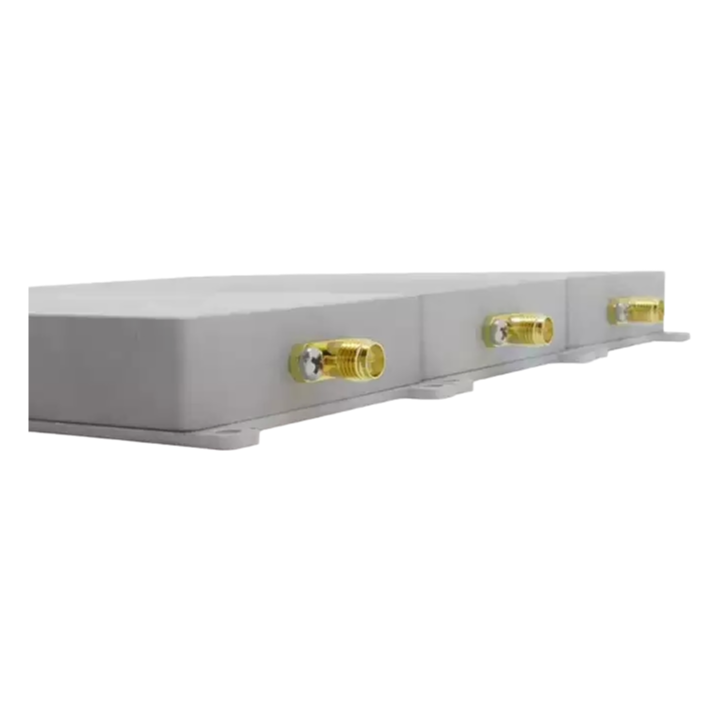
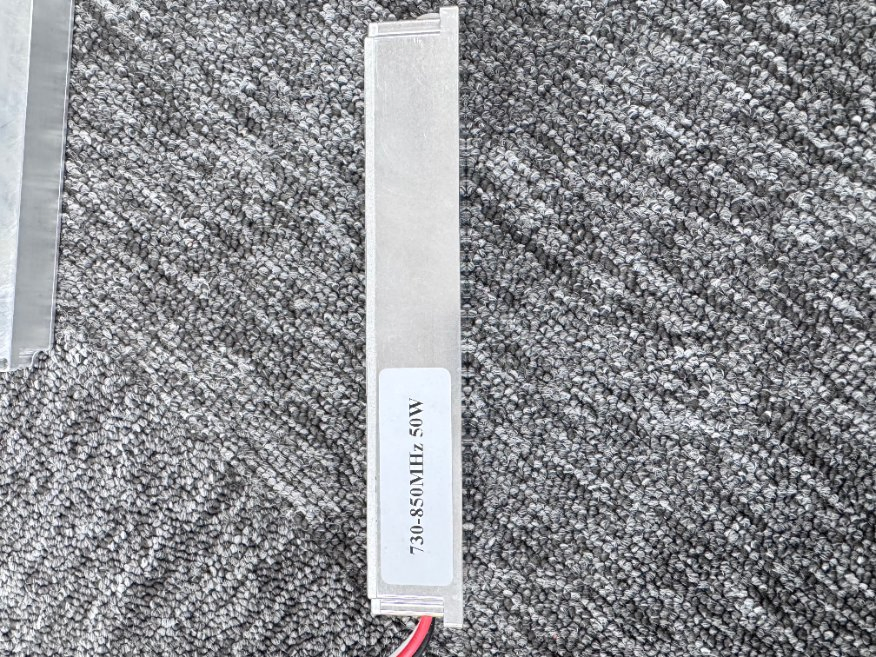
It has an all-aluminum housing that measures 131×60×18 mm and weighs only 0.22 kg, so it's light enough to fit into compact payloads—but keep in mind, this thing isn't suited for handheld operation without addtional heatsinking, because the thermal drift hits ±8 MHz at 85°C, and that matters if your gear runs hot in summer field conditions.
We usually steer most clients toward the 45 dBm version, and we've got CE and ISO certs on file with COAs that show band flatness under 1 dB, which improves jamming consistency across the 2400–2500 MHz range (check teh actual measured flatness per batch, as it may vary slightly).
Lead time is typically 15 to 20 working days for smaller orders, and we can customize center frequency or output level if you give us a week or so of extra notice—just don't expect sub-28V operation to deliver full power, it's a simple spec limitation.
The typical output power is 45 dBm, with a range of 44.5 to 45.5 dBm depending on the unit.
Yes, we can customize the frequency range and packaging for specific UAV jamming applications, just let us know your requirements.
MOQ is typically 100 units, but we can negotiate smaller orders for first-time buyers or testing purposes.
It has CE and ISO certifications, and we can supply the certificates upon request.
At 85°C, the frequency can drift up to ±8 MHz, so we recommend proper heat sinking or cooling if used in hot environments.