Account
Inquiry
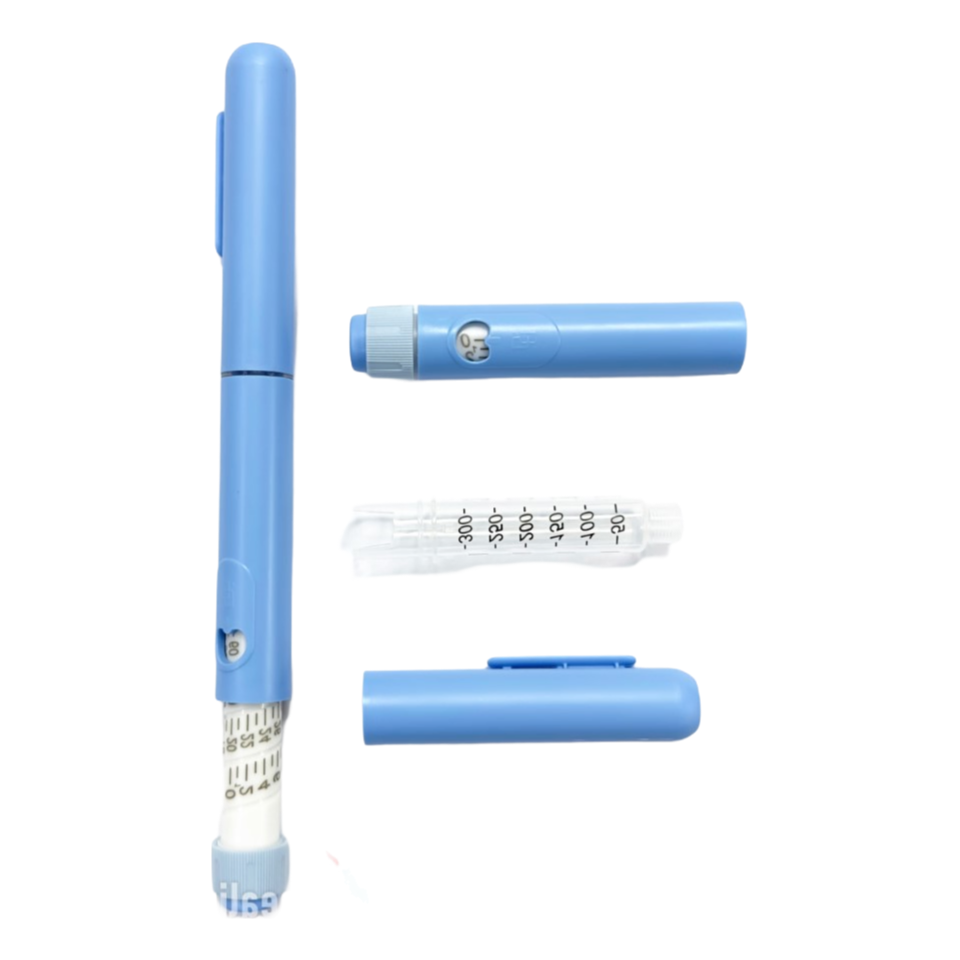
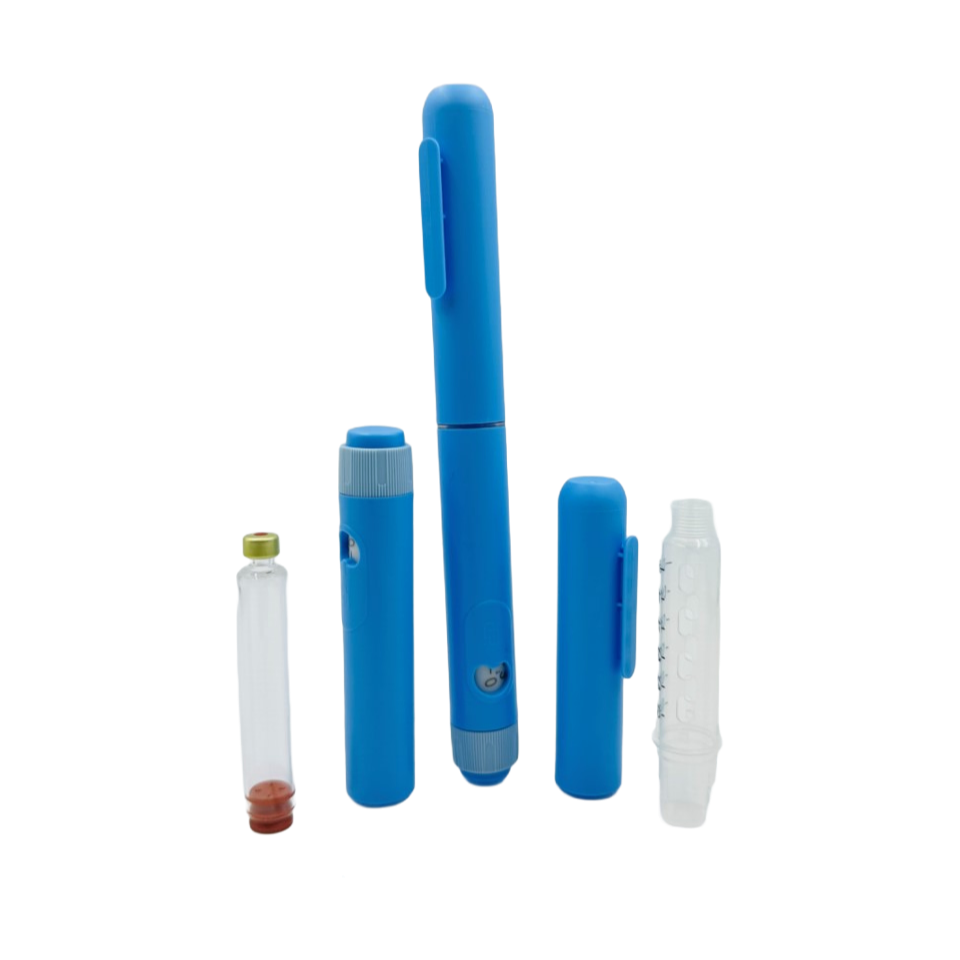
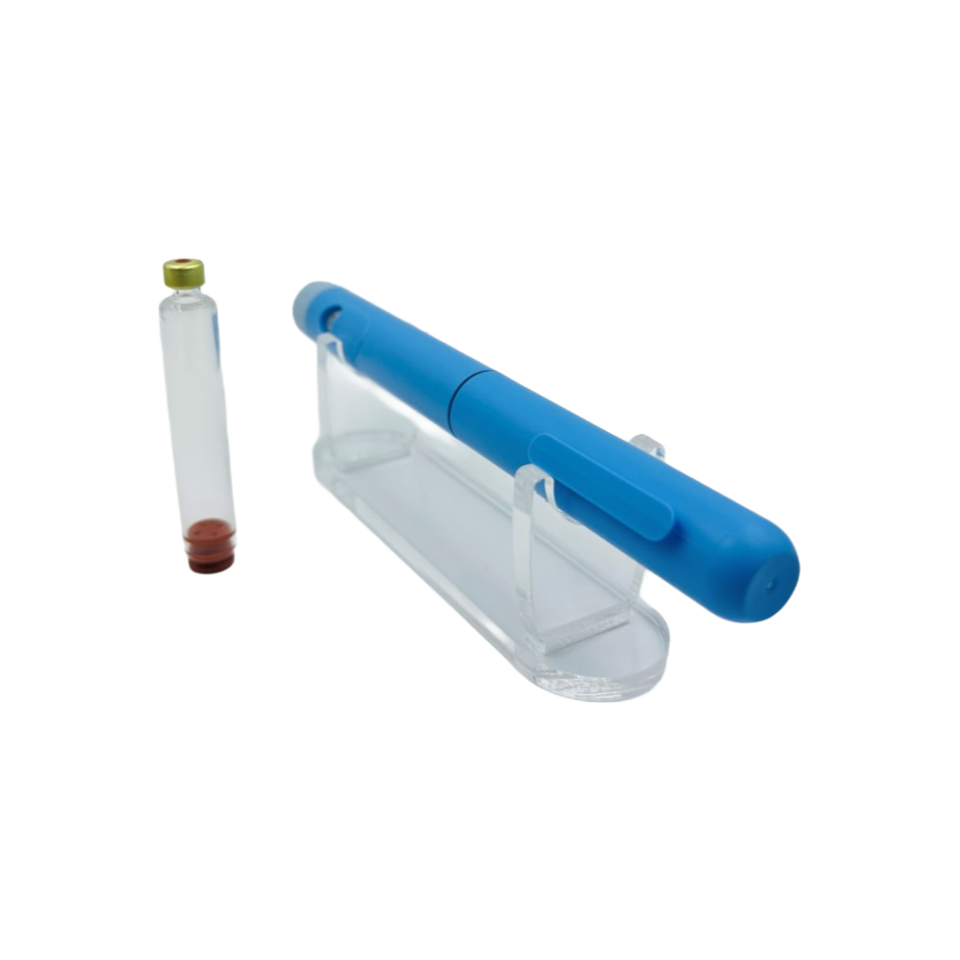
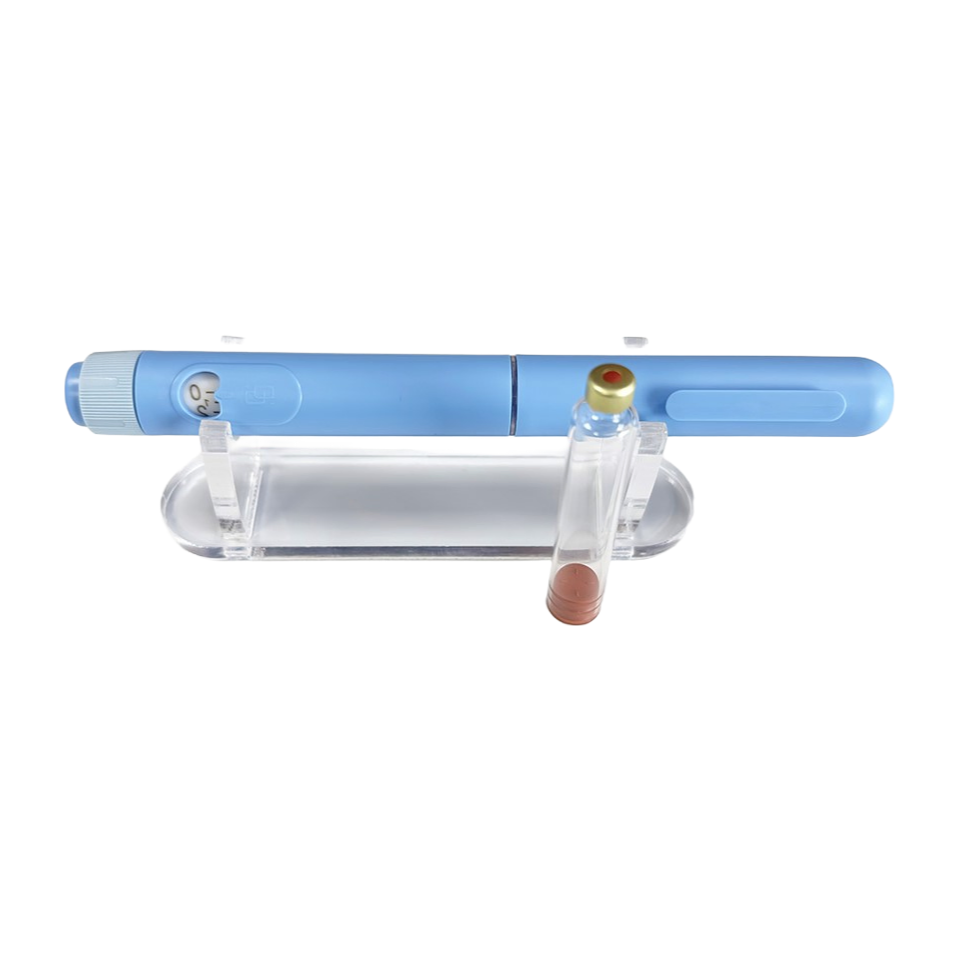
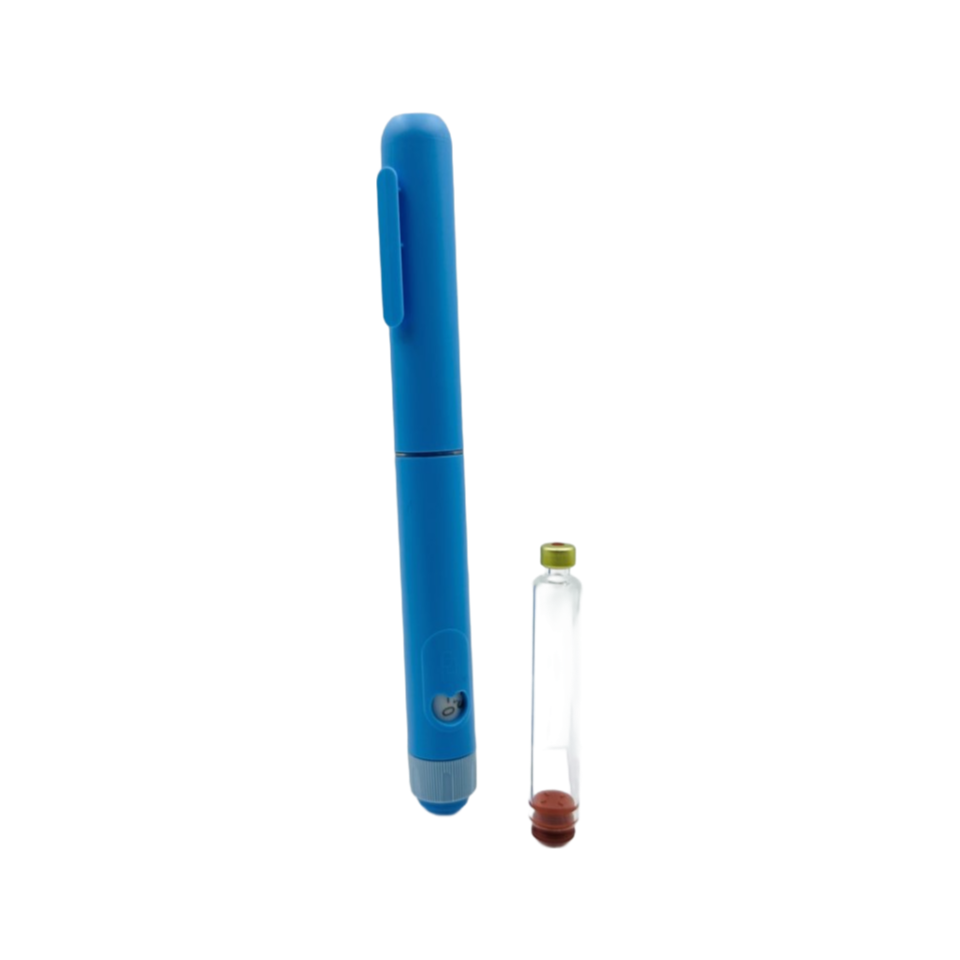
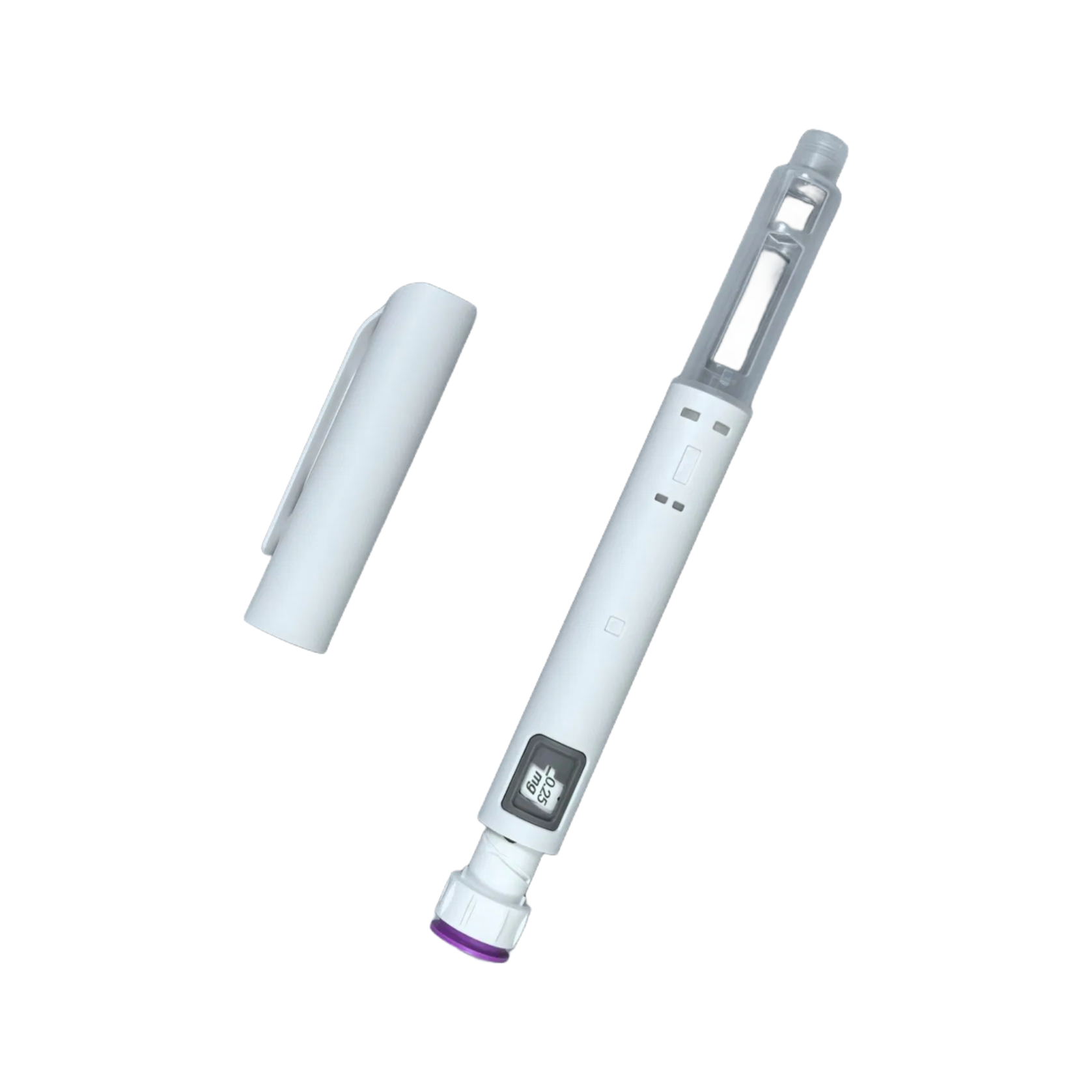
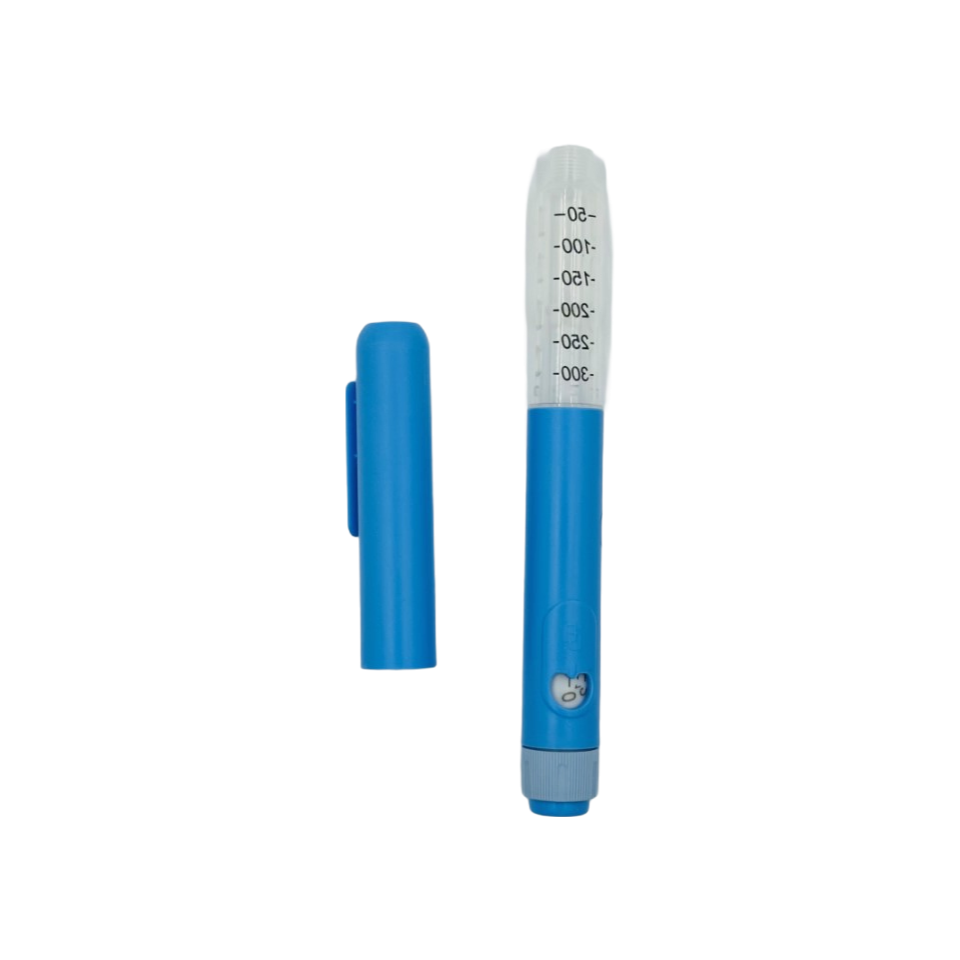
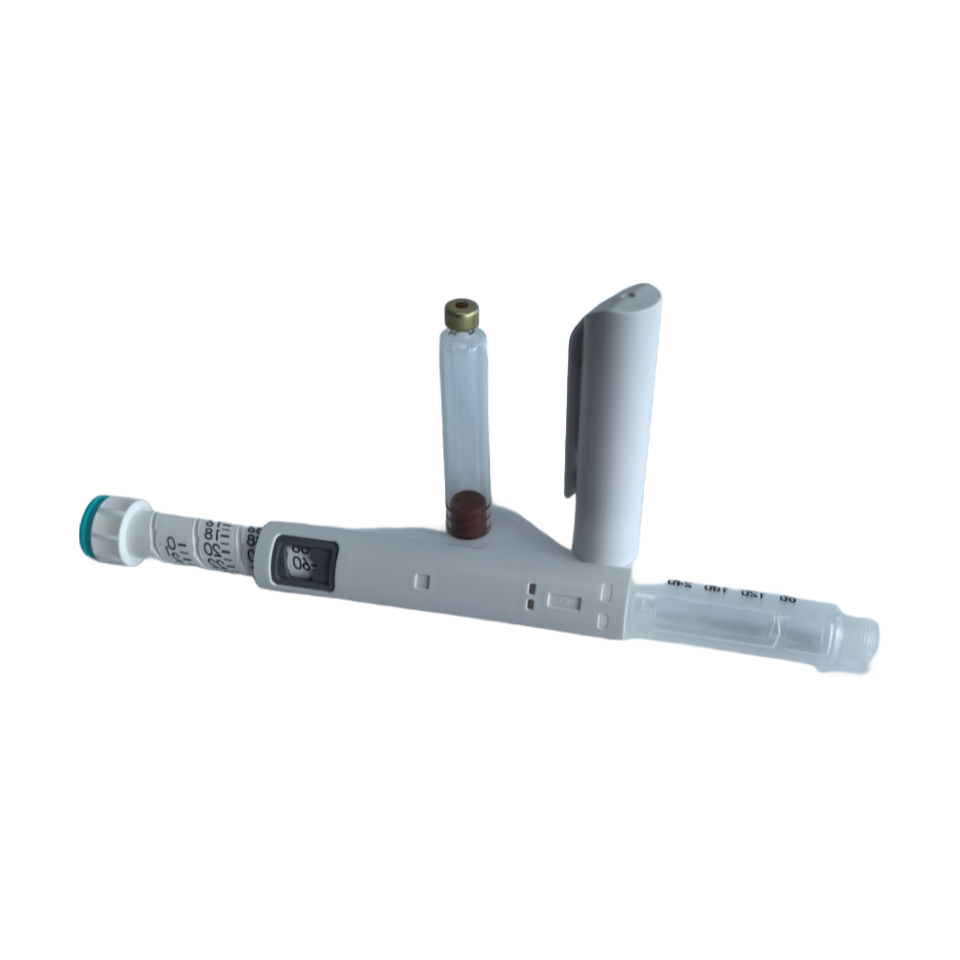
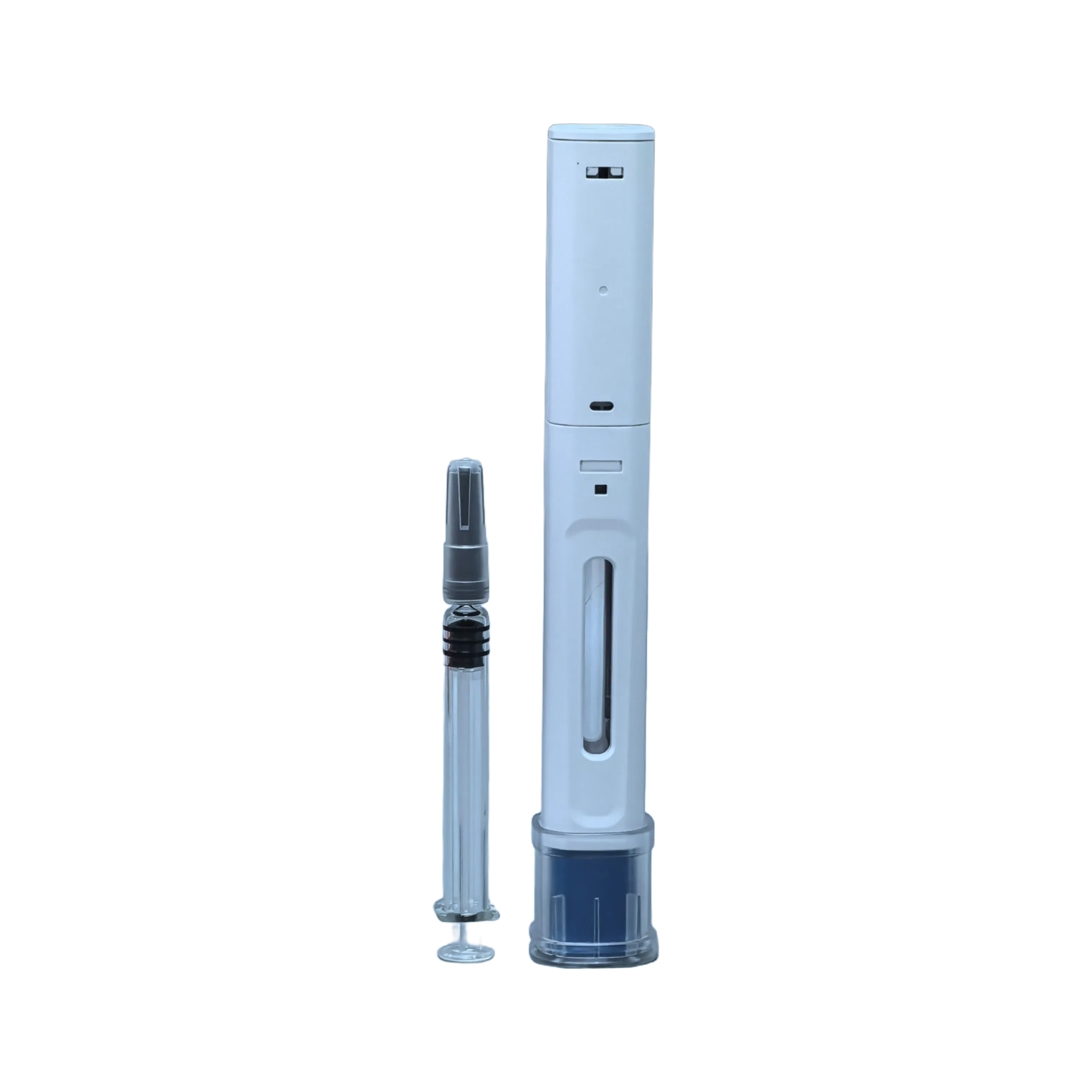
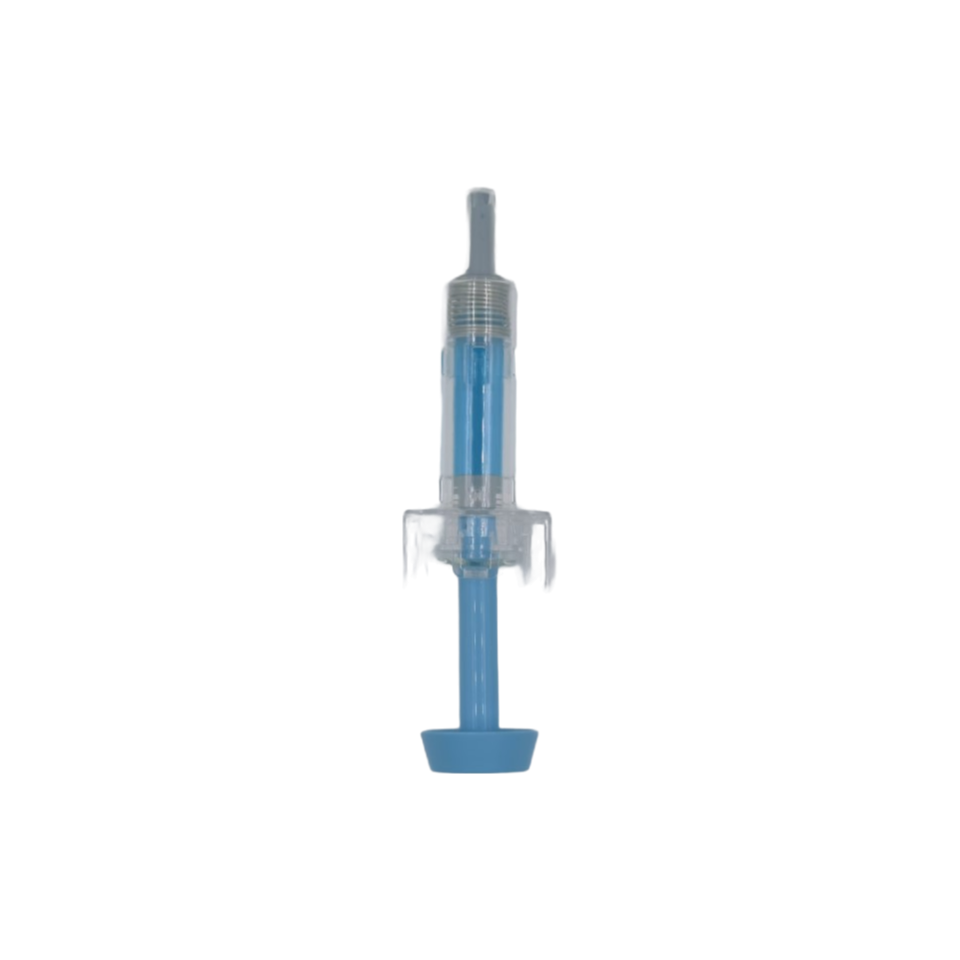
It's 17cm long, which is actually a bit shorter than some of the other pens we've tested, and the 3ml capasity is usually enough for a standard research cycle without having to swap cartridges mid-experiment.
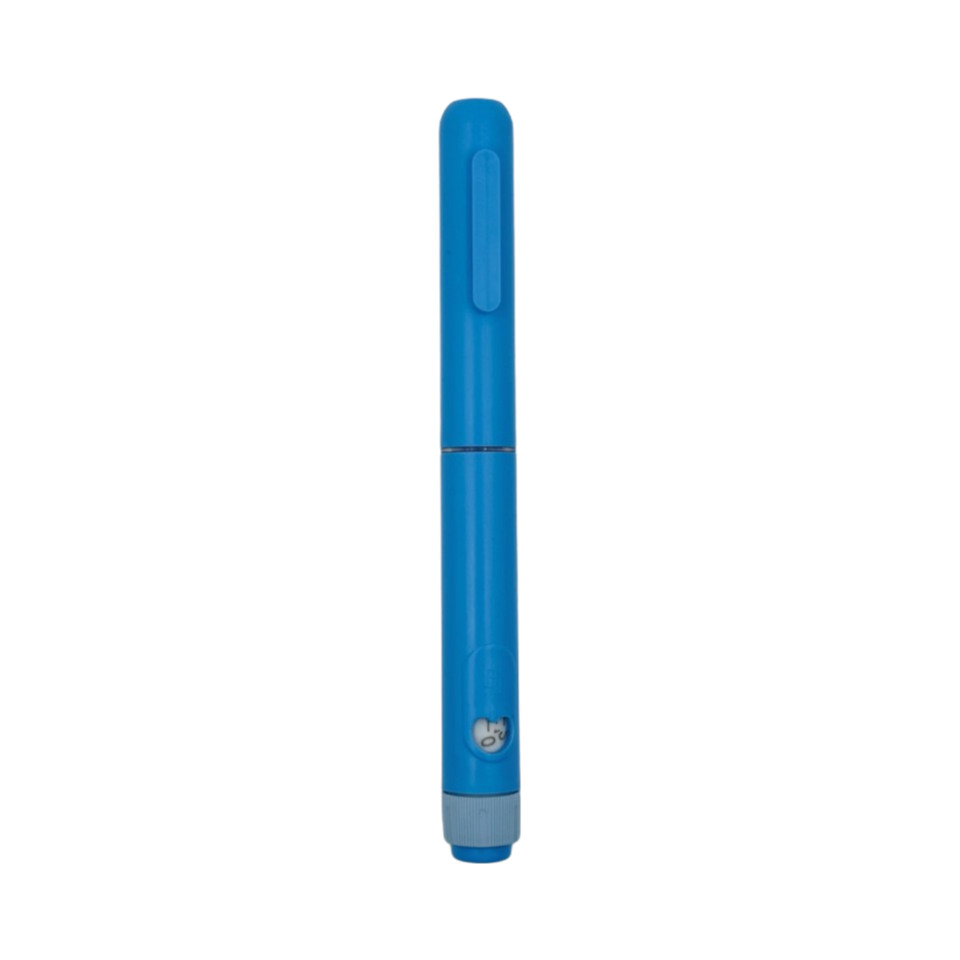
The adjustable dose range from 0.01ml to 0.6ml covers most of our GLP-1 and retatrutide work pretty well, and we needed something that wasn't tied to a specific peptide or concentration—this one's basically a mechanicla press cap system, no batteries to fail, and the grey/blue color coding helps us keep it separate from other lab gear.
Most buyers go with the printed label option for batch tracking, and the disposable design means we're not worrying about cross-contamination between runs, though it's not really suited for high-volume veterinary work where you'd want a reusable metal barrel.
We usually have stock on these, but confirm lead time if you need more than 50 units or so—the MOQ is reasonable, and teh COA from the China origin batch we got last time was tight on HPLC purity specs, better than reagent grade for this application actually.
One thing I didn't think to ask until we got them: press cap seals well enough for storage at room temp, but if you're working with volatile solvents in the cartridge, you'll want to double-check the seal integrity after a few days.
Our MOQ is typically 100 units for the standard grey/blue model, but we can negotiate smaller trial orders for labs looking to test compatibility with their retatrutide or GLP-1 peptide protocols.
Standard pens ship within 5–7 business days. With printed labels, add up to 10 business days for design and production. We'll confirm timing once you share your specs.
Yes, we supply material compliance docs and a basic quality certificate upon request. For research use only, we don't provide active pharmaceutical ingredient (API) certificates—this is the pen itself.
Exactly. You can dial in any volume between 0.01ml and 0.6ml in single-step increments. The mechanical mechanism clicks at each 0.01ml mark for precise dosing.
Keep them in a cool, dry place at room temperature, away from direct sunlight. They're disposable and designed for single-use research applications, so no special storage—just standard lab conditions.