Account
Inquiry
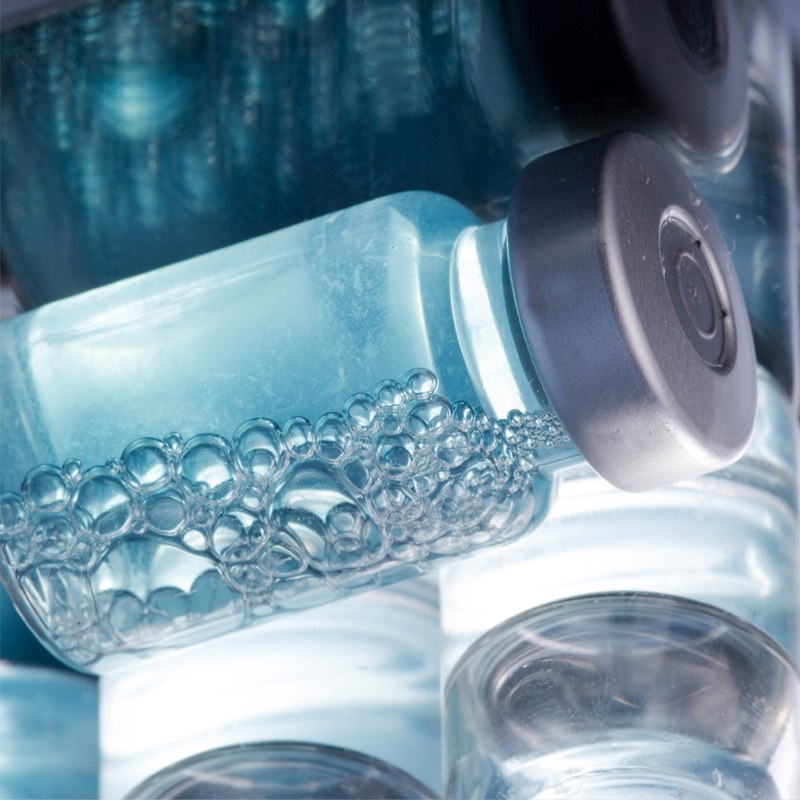
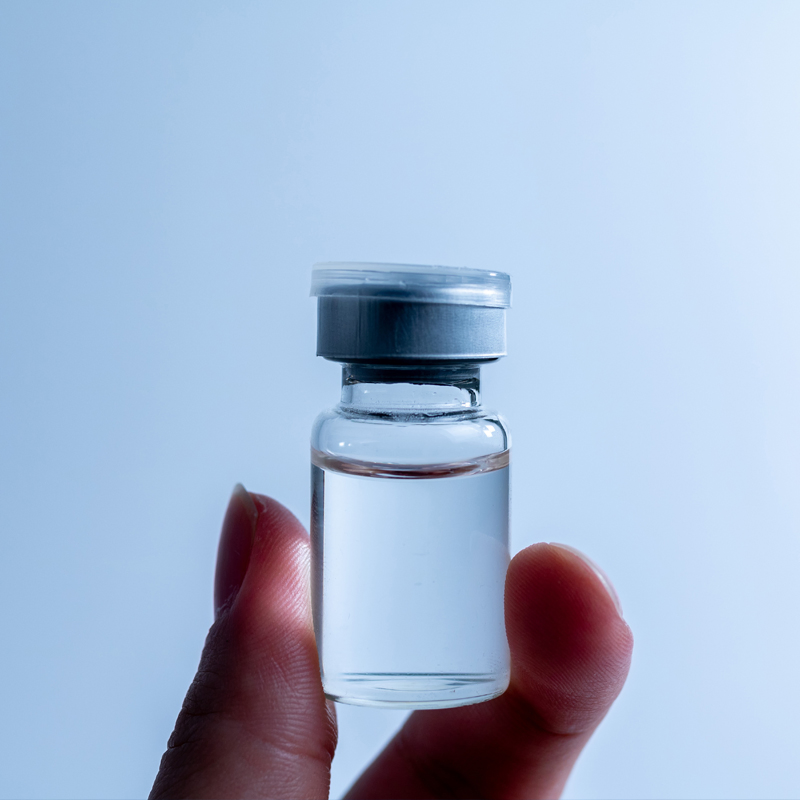
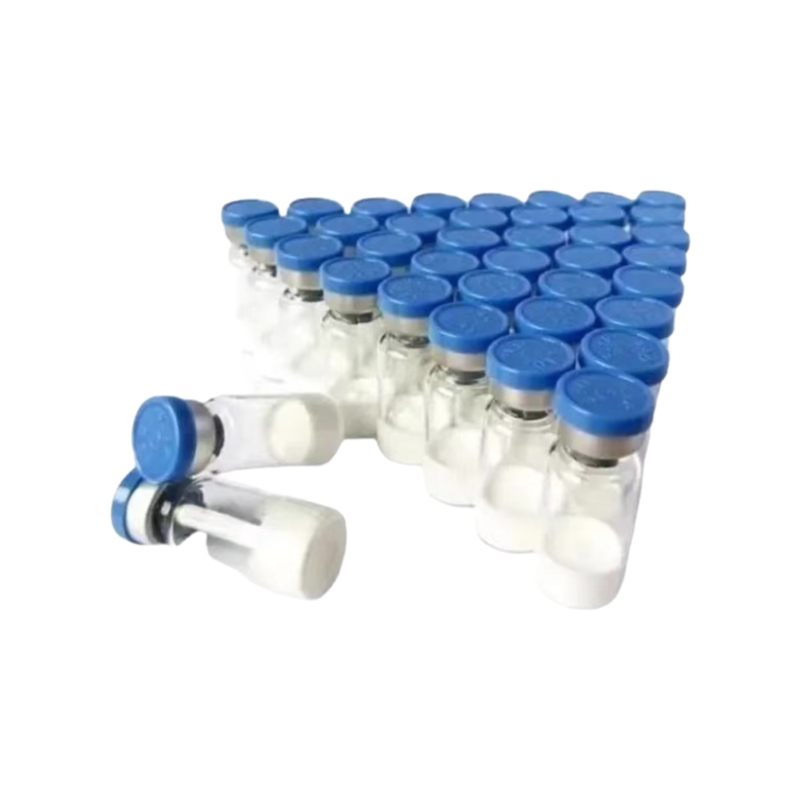
You're dealing with a peptide that's notoriously unstable in subpar containers, and the last thing you need is degradation throwing off your dose-response data or forcing a repeat run.
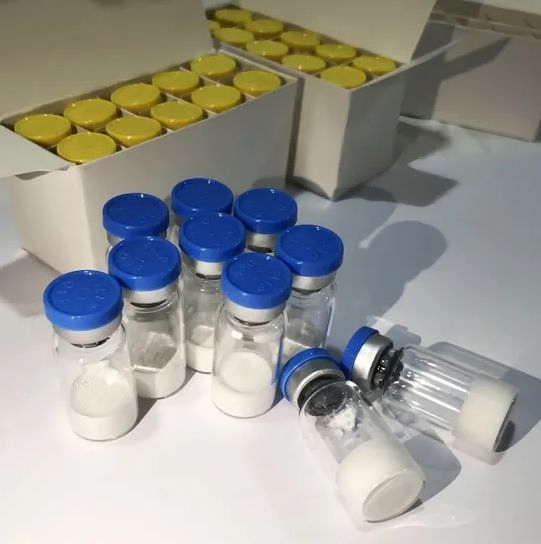
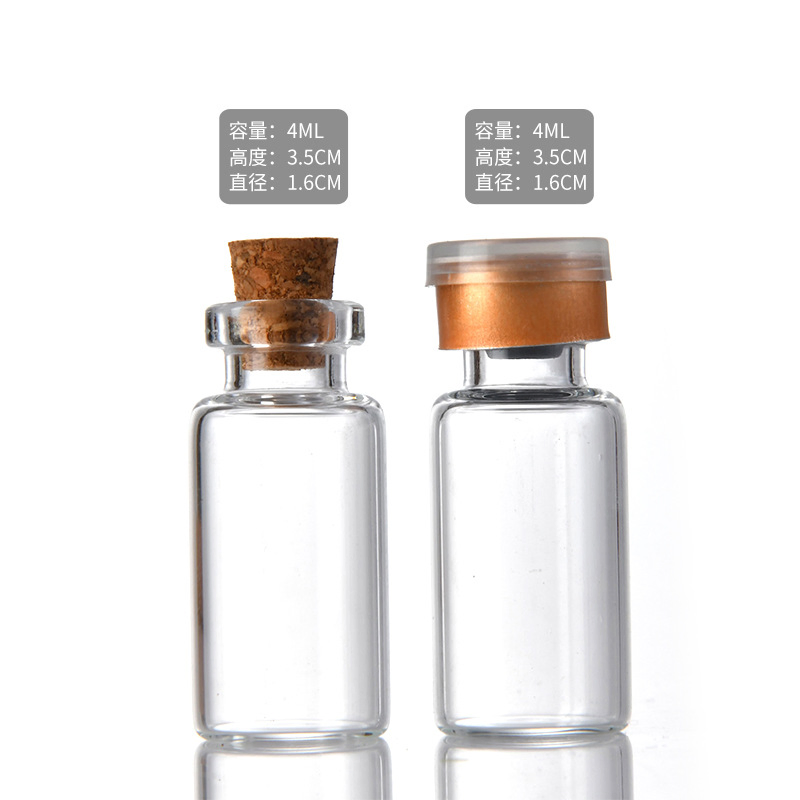
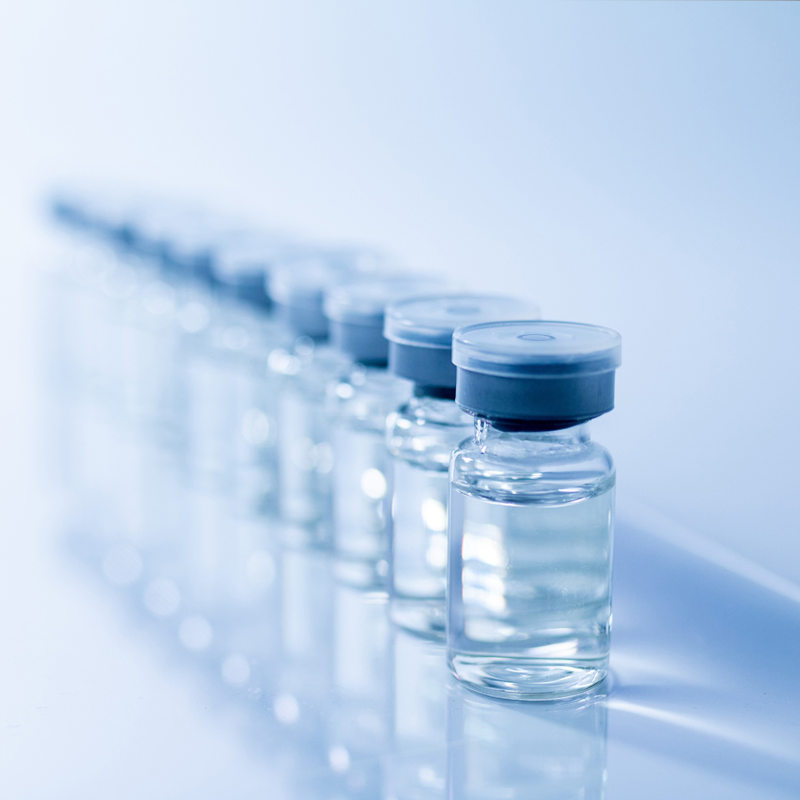
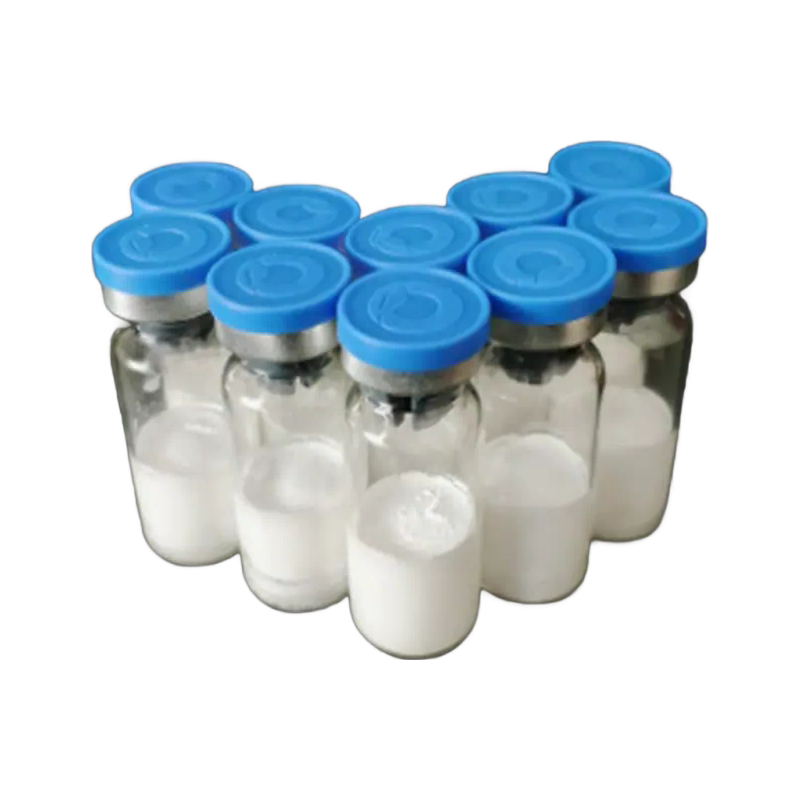
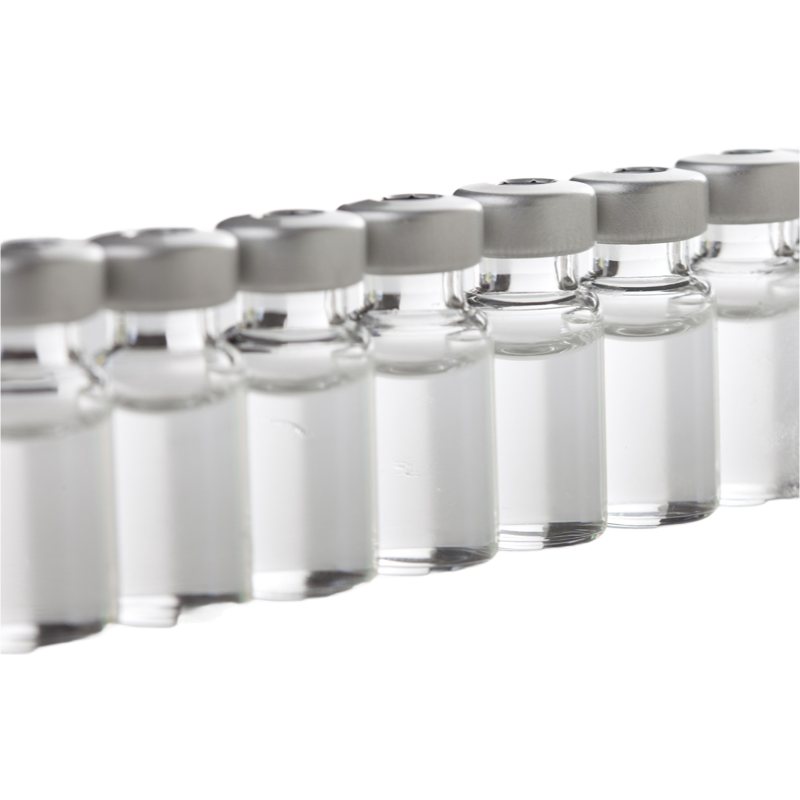
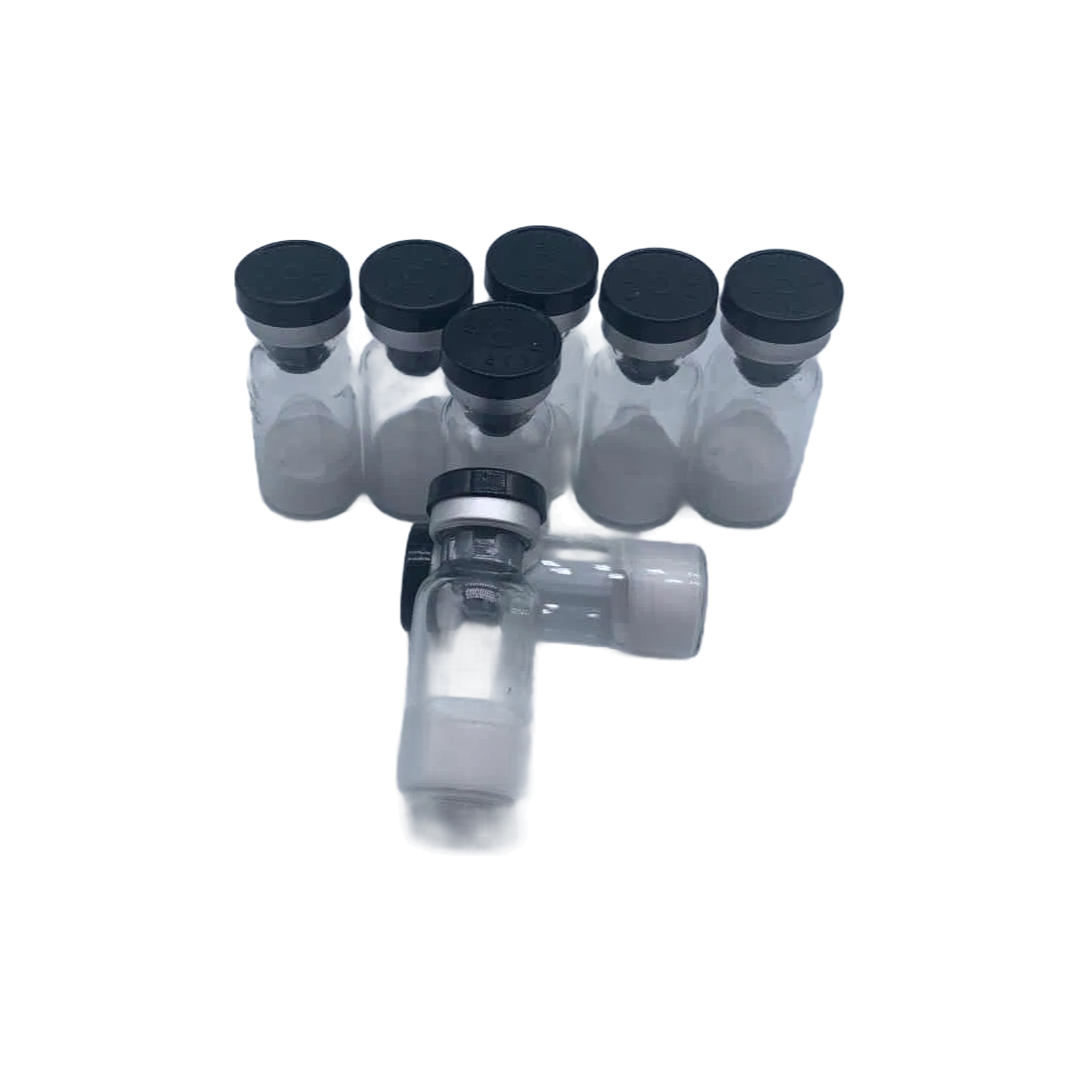
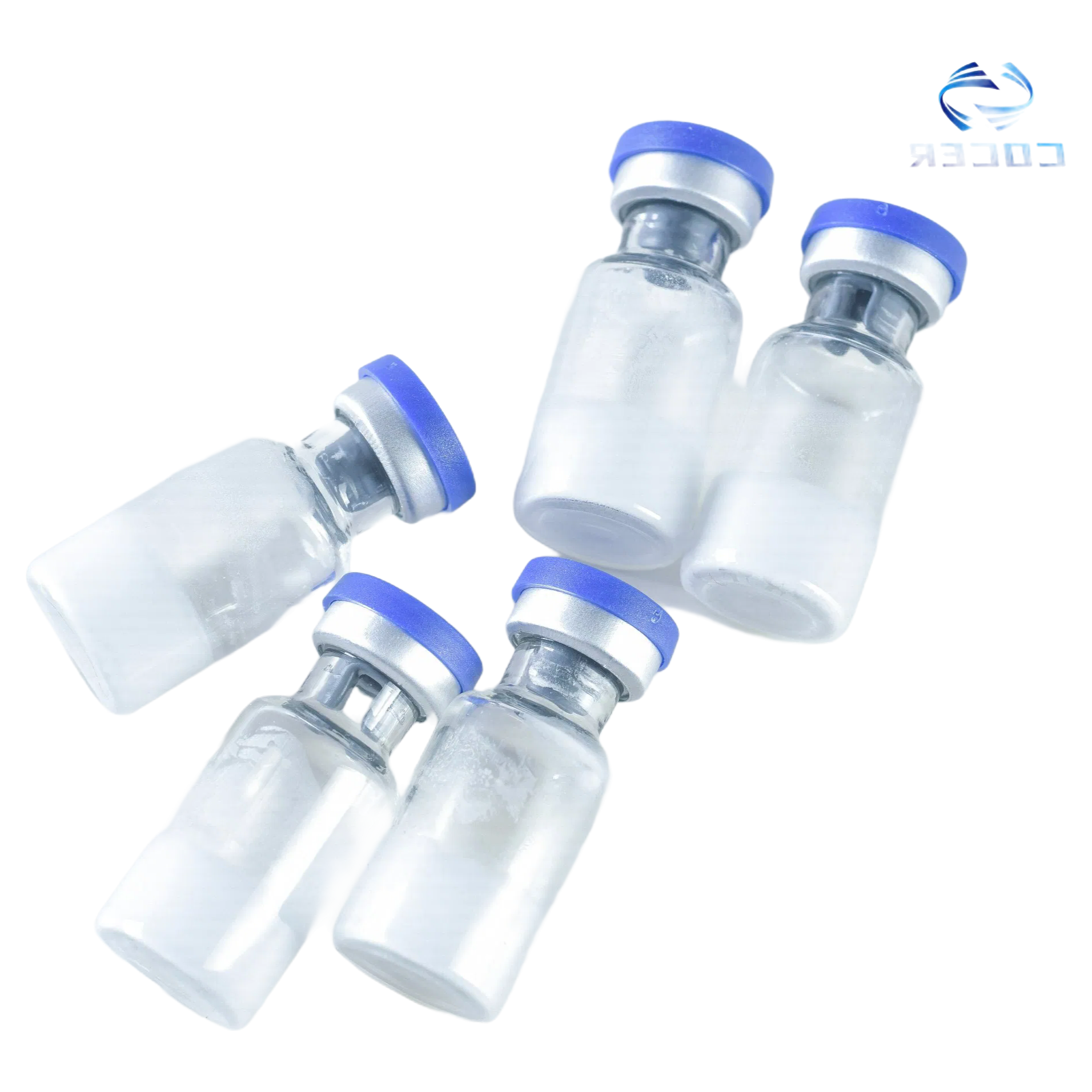
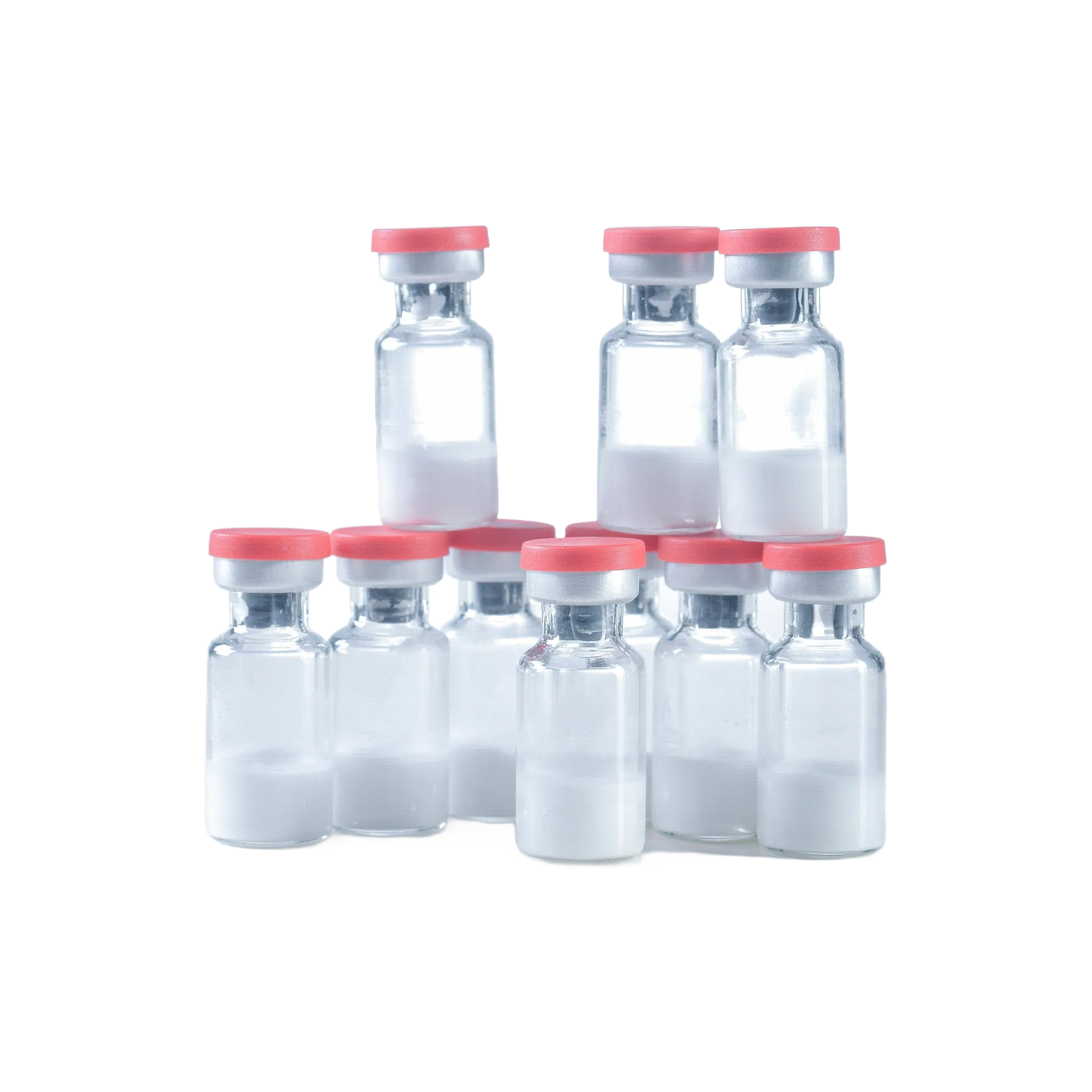
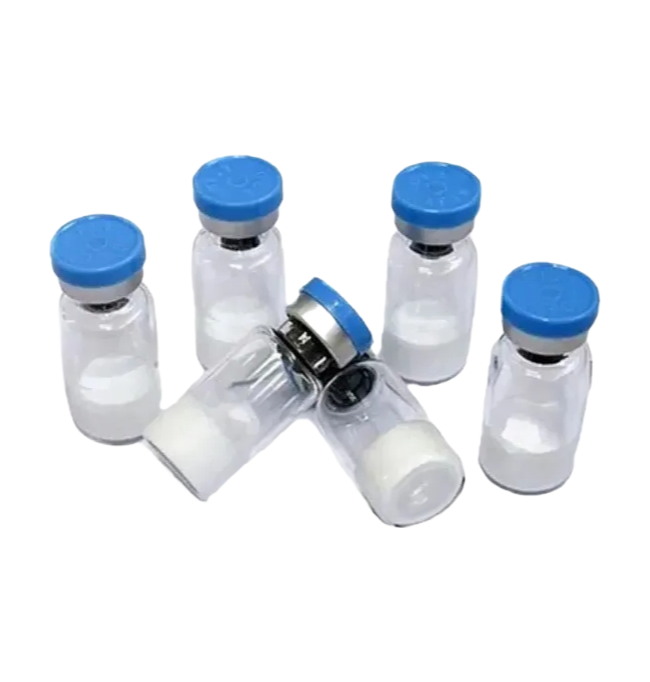
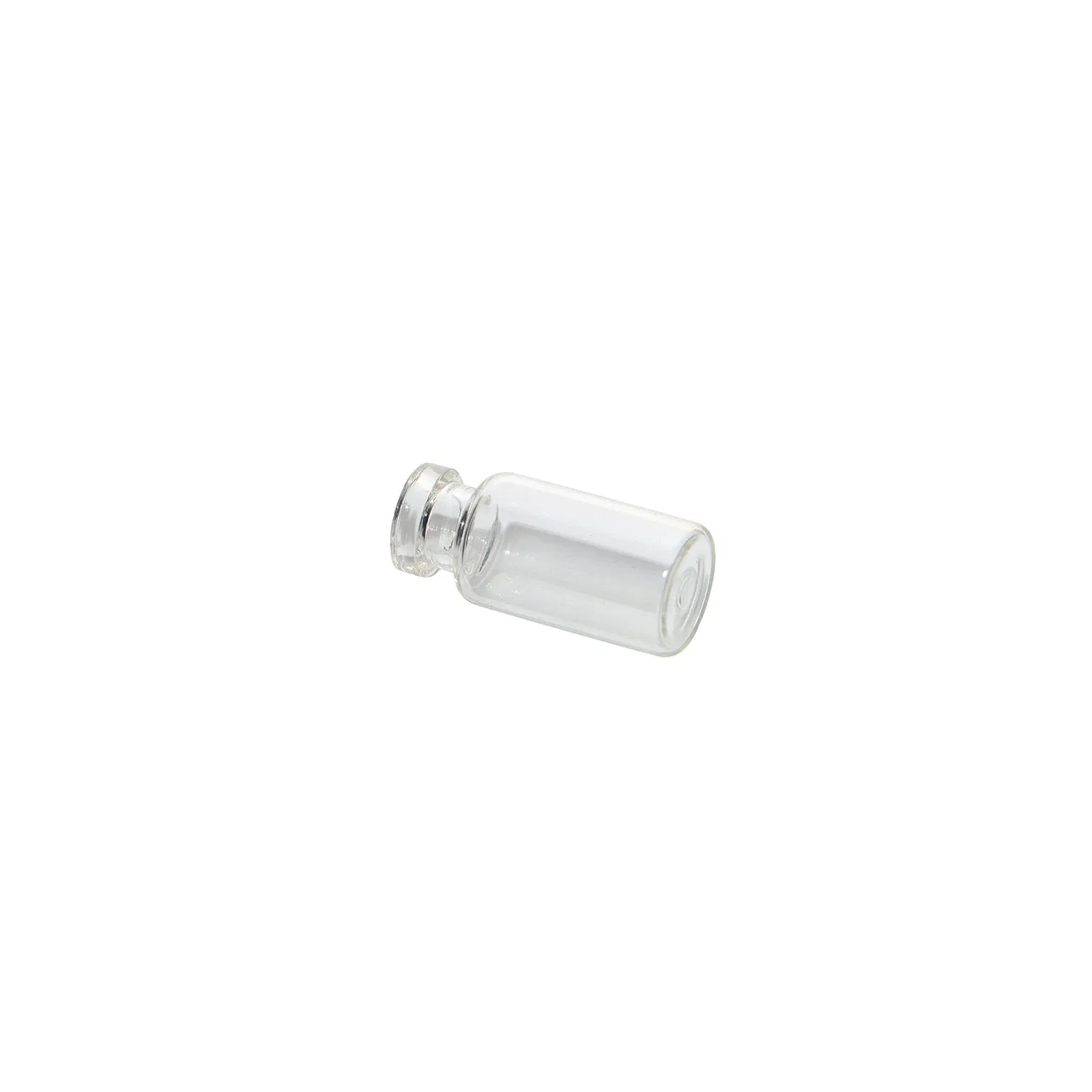
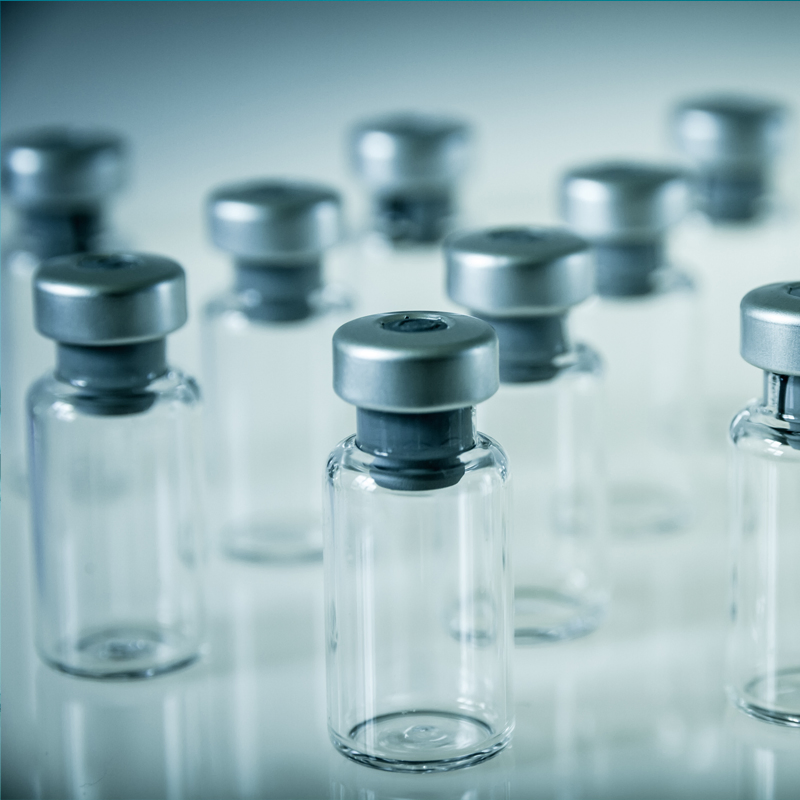
What we've got handles it—borosilicate 3.3, USP Type I, so the thermal shock resistnce is solid and there's basically no leaching to mess with your compound's integrity even after gamma sterilization.
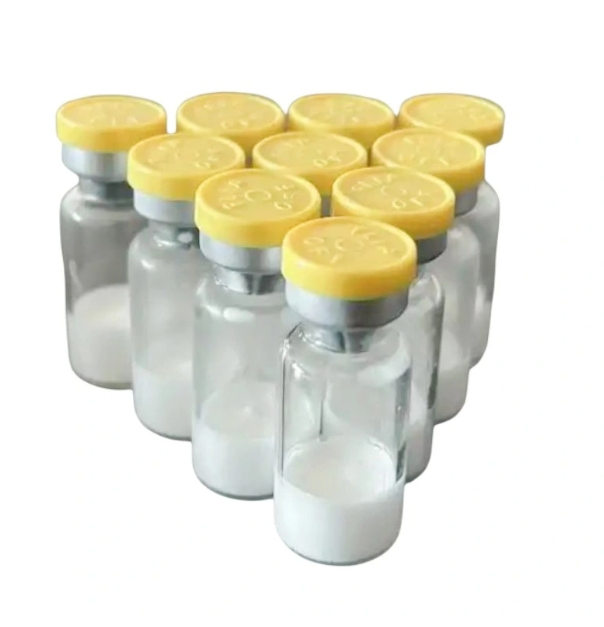
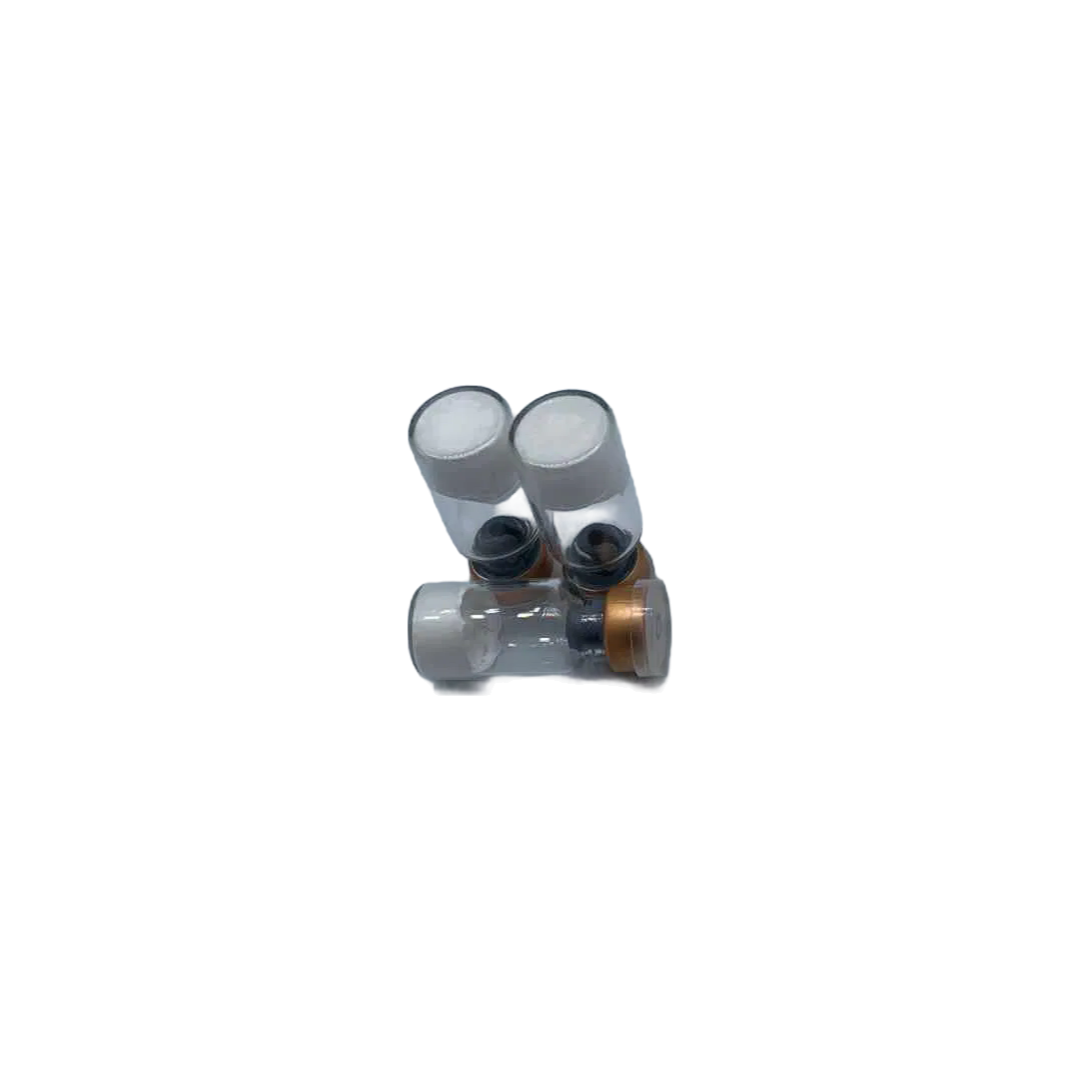
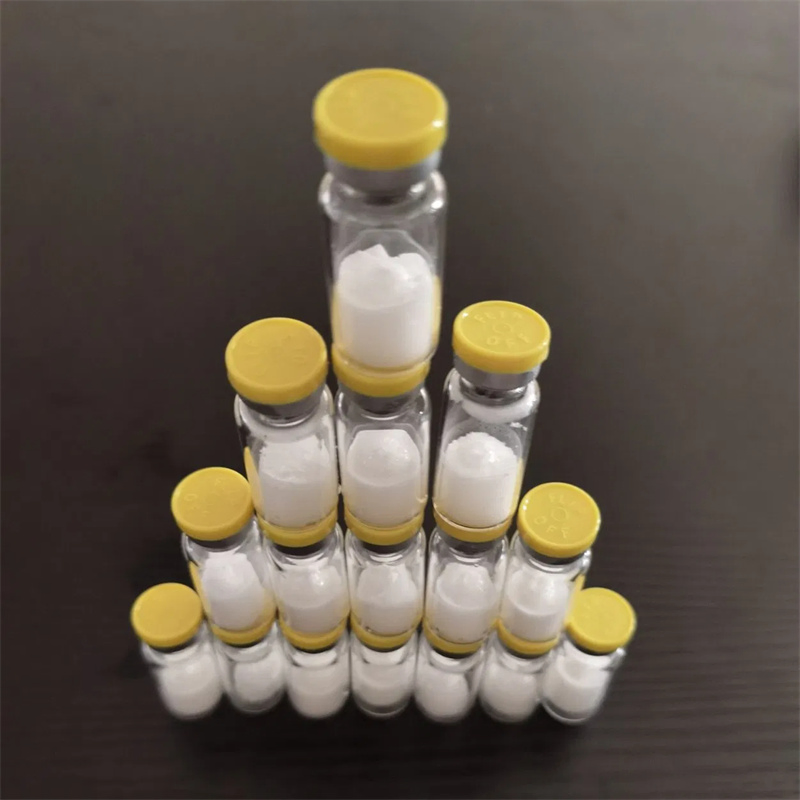
Sizes run form 3ml up to 10ml, and if you need something in between or a custom neck (16mm or 22mm), our company can do that; teh closure is an aluminun cap with a PTFE/silicone septum that seals tight without coring issues.
MOQ is 20,000 pieces for, but for clinical trial samples we'll go lower—usually around 5,000 or so—and lead time is roughly 4-6 weeks depending on whether you need amber glass for light-sensitive batches.
One thing most buyers don't think to ask: the vials are autoclave-safe but we've seen some labs prefer dry-heat sterilization for retatrutide, so just confirm your protocol before committing.
Not ideal for long-term storage of anything with high pH above 9—borosilicate starts to show its limits there, but for most peptide work it's better than reagent-grade glass.
Yes, we can accommodate lower quantities for clinical trial samples, though 20,000 is our standard MOQ. Just let us know your exact needs, and we'll work out a custom batch size.
We supply a certificate of compliance confirming our borosilicate glass 3.3 meets USP Type I, EP, and JP pharmacopeia requirements. Additional test reports are available on request.
Yes, we offer amber glass vials specifically designed to protect light-sensitive compounds like retatrutide. Just specify that when placing your order.
Our vials are gamma radiation compatible and also autoclave safe. You can choose your preferred sterilization method without worrying about damage to the glass or closure system.
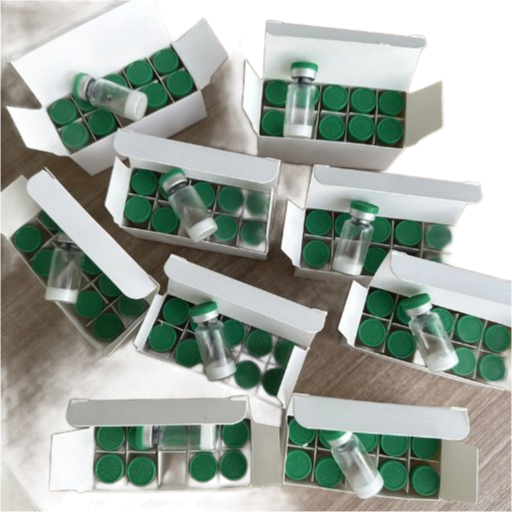
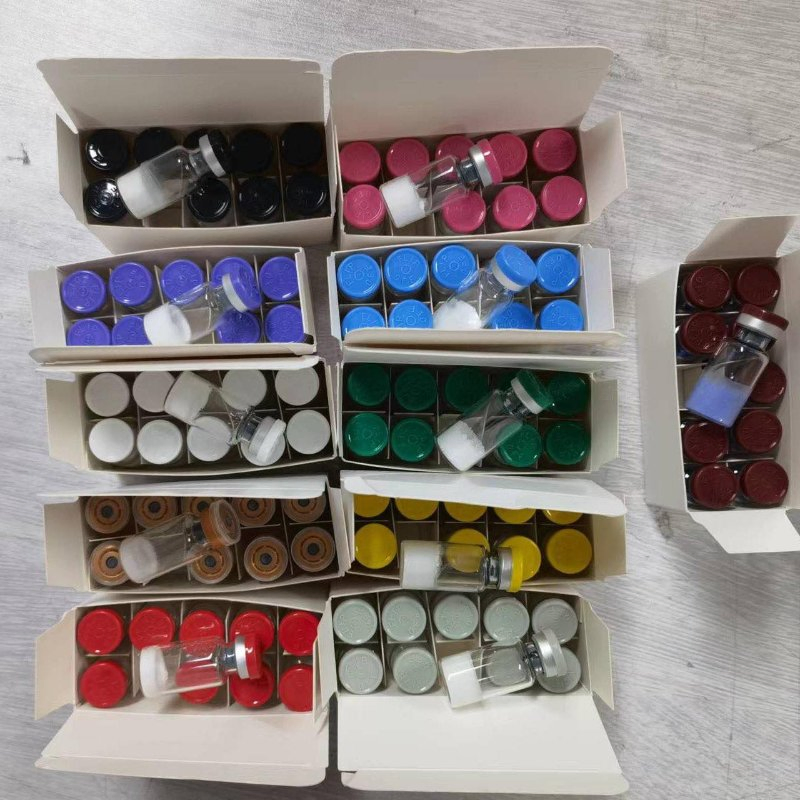
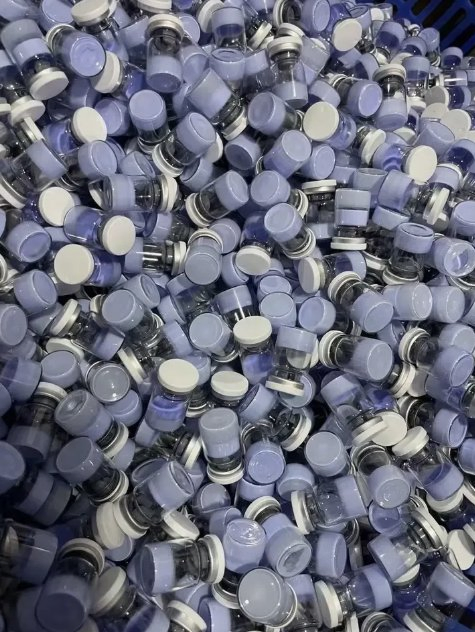
The vials are packed 100 pieces per inner box, with 10 boxes per carton. This keeps them secure during transit and easy to handle in your lab.