Account
Inquiry
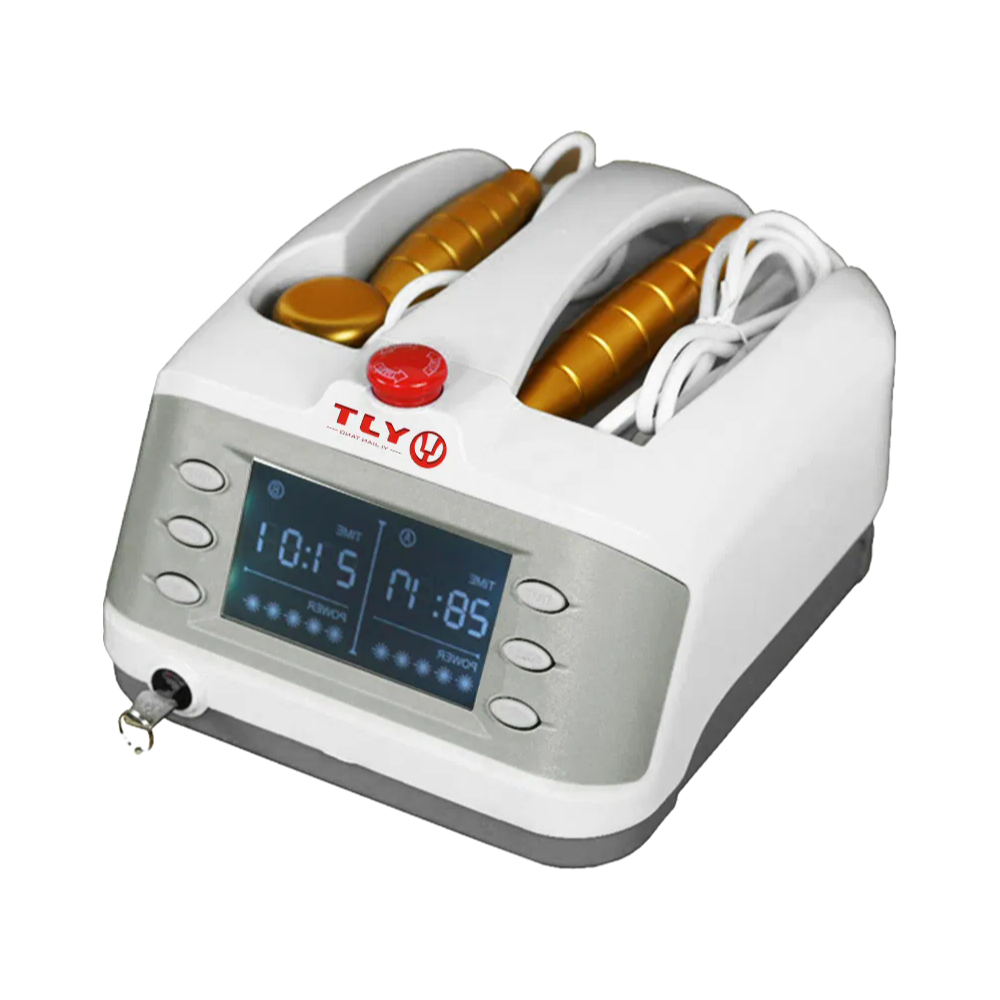
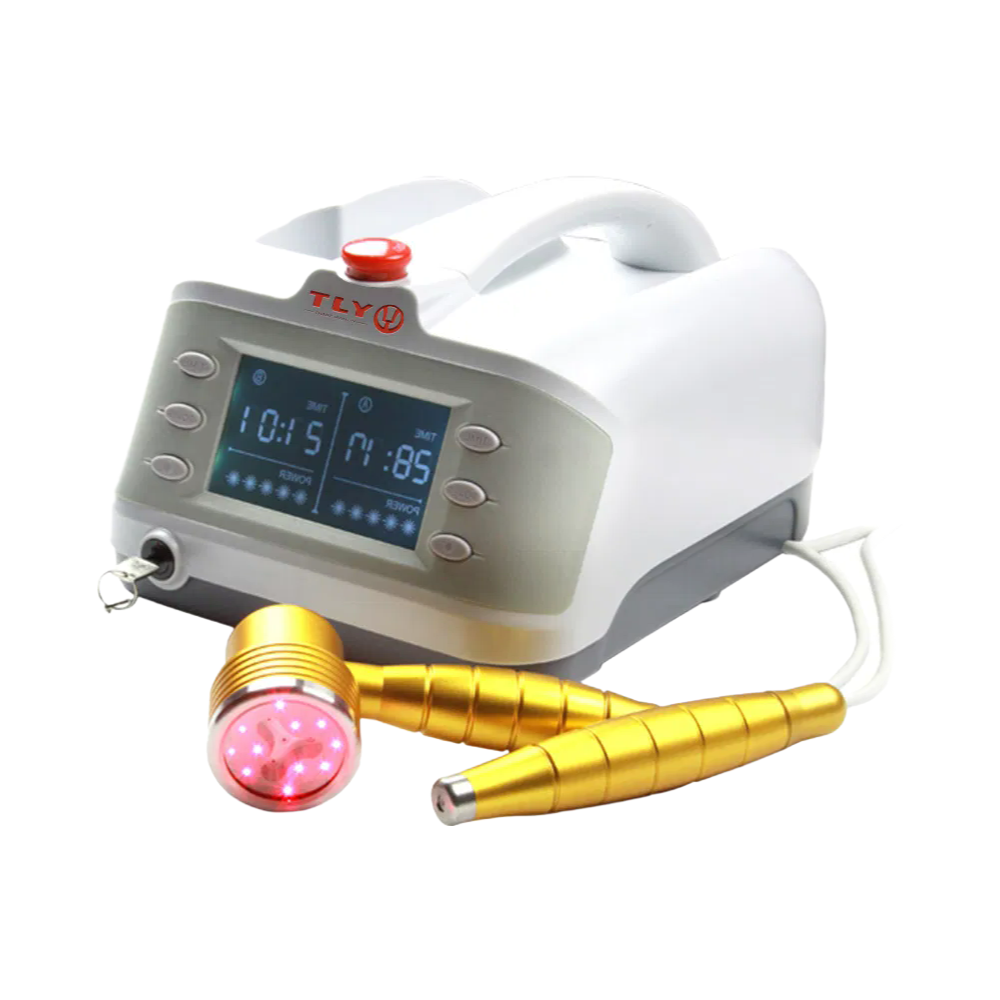
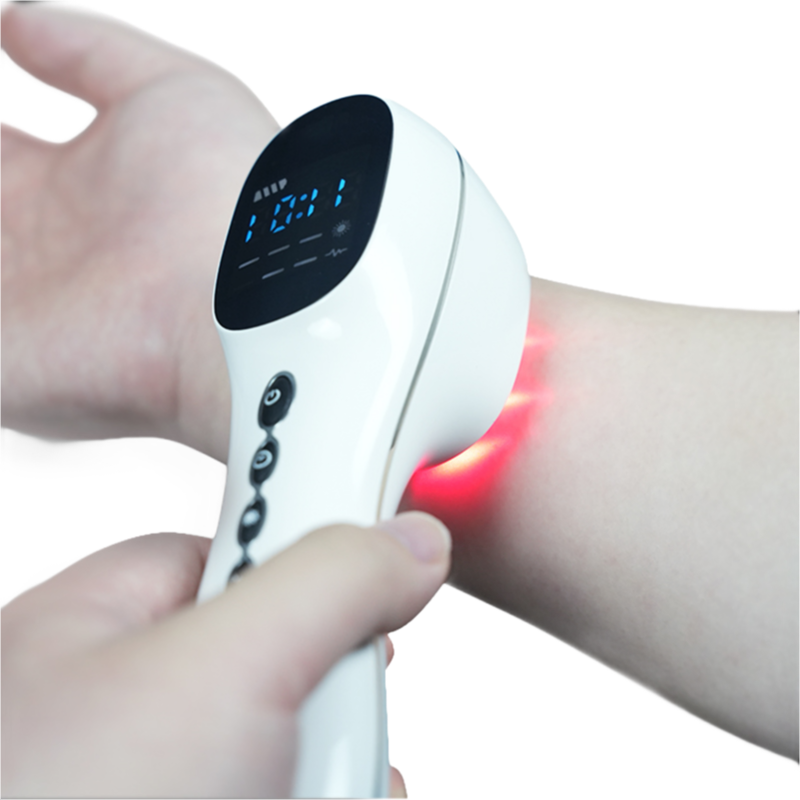
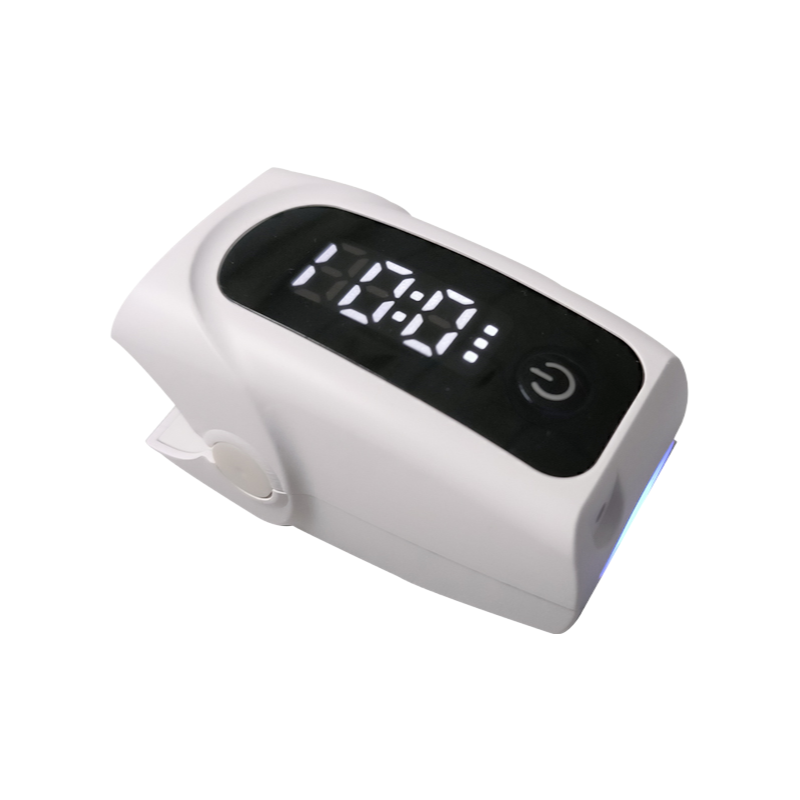
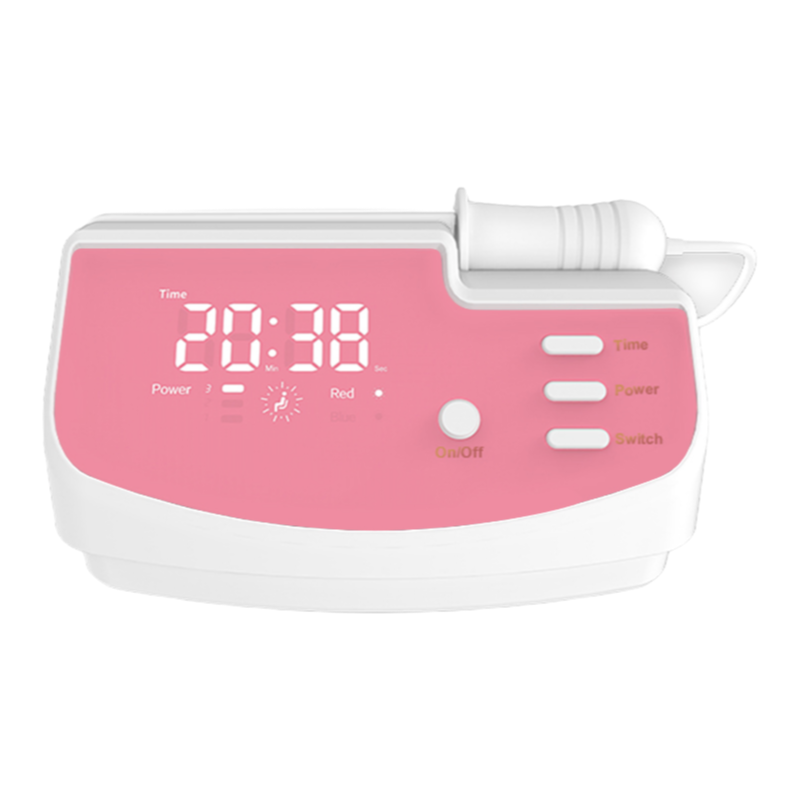
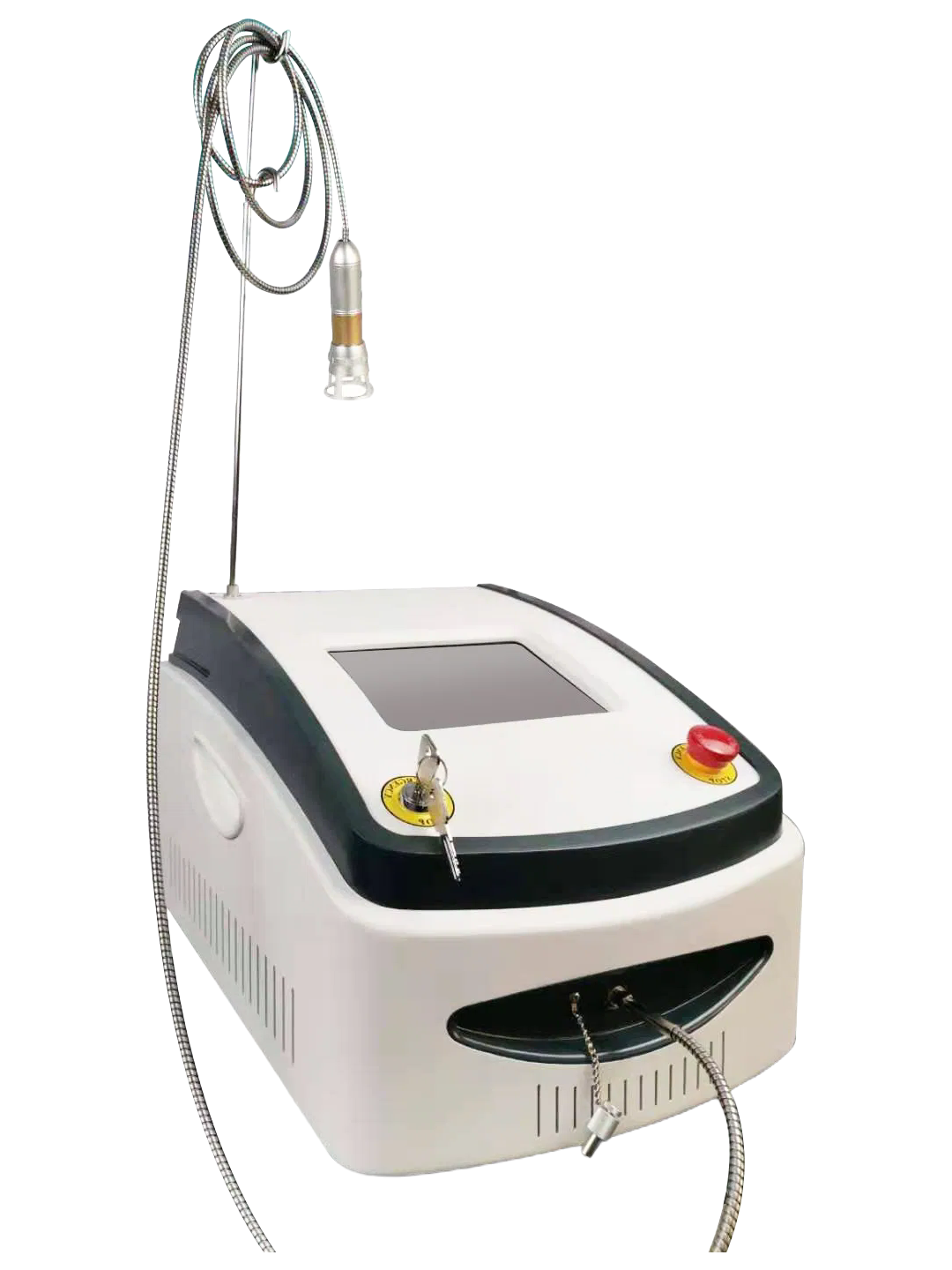
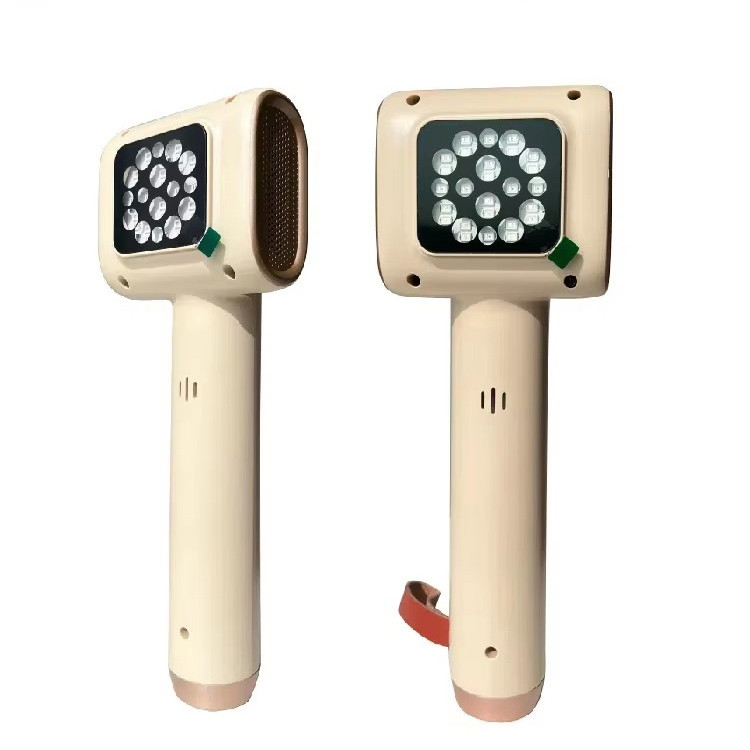
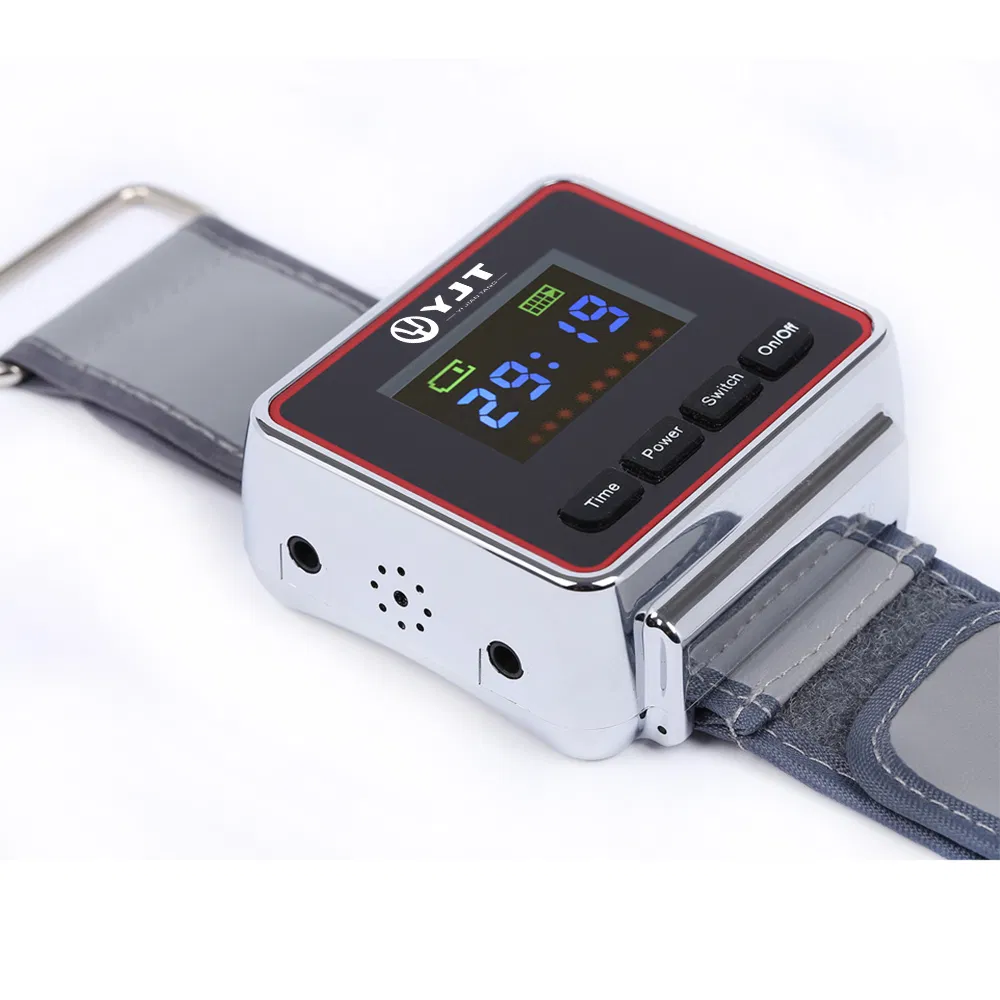
We've seen clinics jump on these dual-wavelength units because 808nm penetrates deeply while 650nm works surface-level, basically hitting two mechanisms in one session, and the 775mW on Probe B with those 11+4 diodes actually feels aggressive on soft tissue compared to single-probe stuff. 2. It operates form forty below to fifty-five Celsius, which matters if you're shipping to climates that freeze or bake—the display is a straightforward HD screen, and the zoned control lets you run probes independently or together. 3. Most buyers go with HY30-D for physical therapy rooms where patients need that 180mW at 808nm for deep ache coverage and teh 650nm clusters for superficial inflammation, but it's honestly overkill for small home units. 4. Time setting runs ten to sixty minutes in six grades, so you're not stuck guessing—punch in 30 minutes or 45, and it'll cycle, and there's an emergency key and stop button because laser safety is a real consideration. 5. Shippng runs roughly 3.5kg at that 34×24×16cm size, but we usually have stock ready, though confirm lead time since customs can add 20 days or so depending on your country's clearance. 6. Certifications are CE, ISO13485 and RoHS, so it'll pass most import checks, and while COAs accompany each batch, if your protocol demands stricter wavelength tolerances, our company can tighten specs for the right MOQ—typically 10 units or so.
Our MOQ for the HY30-D is 10 units for first-time orders, but we can discuss smaller quantities for sample testing or pilot programs.
Yes, we include CE, RoHS, ISO9001, and ISO13485 certificates with every order—just let us know if you need them in a specific format for your registration.
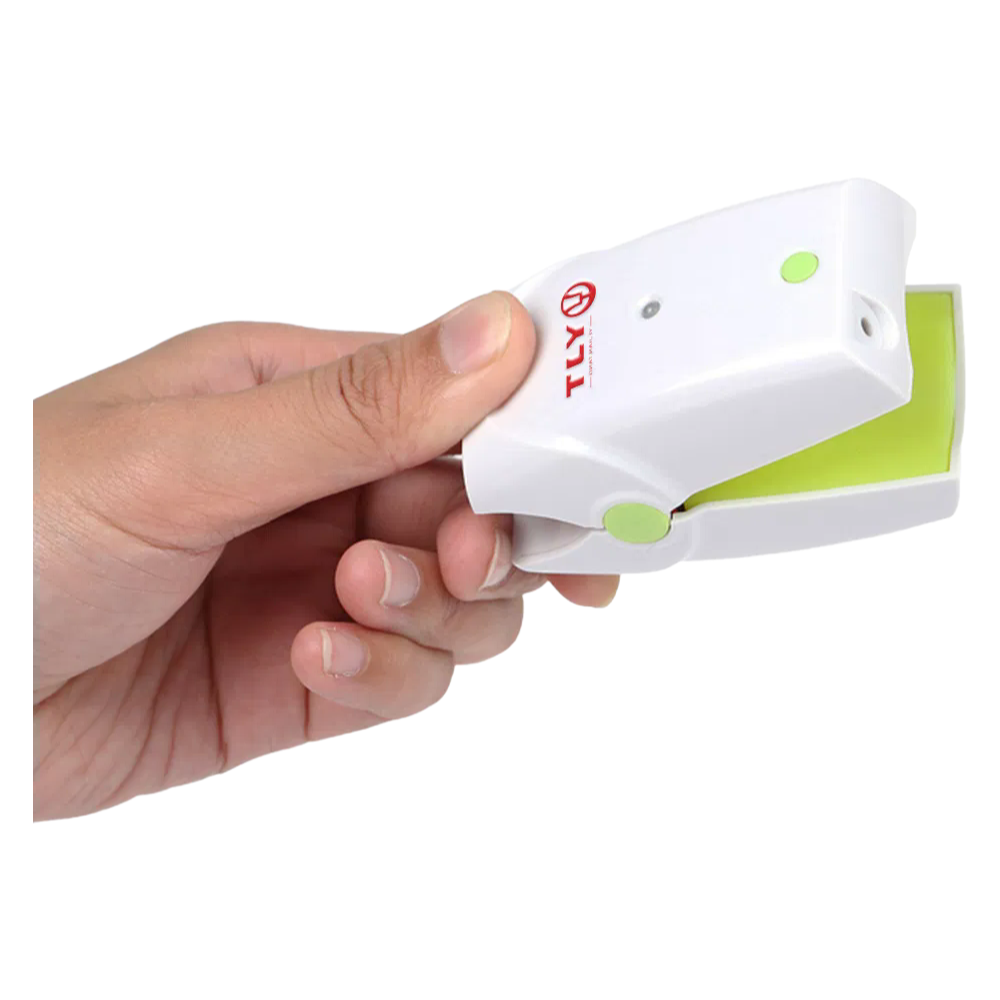
You can use each probe separately or both at once—Probe A gives you 180mW of 808nm, and Probe B combines 11x650nm with 4x808nm for 775mW total output.
Standard lead time is 15–20 working days after order confirmation and deposit, but we can expedite to 10 days for urgent orders.
Keep it in a dry environment with humidity below 80%, temperature between -40°C and 55°C, and atmospheric pressure of 86–106 kPa—no special packaging needed.
The delivery was incredibly fast and efficient. My order arrived well ahead of the estimated schedule, which was a very pleasant surprise. The packaging was secure and professional, ensuring the device was perfectly protected during transit. Regarding the product itself, the build quality feels solid and durable. It has a substantial, well-made feel that inspires confidence in its longevity and safety. The overall finish is sleek and the unit operates quietly. As for customer service, my initial inquiry was answered promptly and thoroughly by a very helpful representative. They provided clear information and followed up to ensure I was satisfied. This level of attentive service is commendable and greatly appreciated. The entire experience, from ordering to unboxing, has been smooth and positive. I am thoroughly impressed with the efficiency and professionalism demonstrated throughout this transaction.
Unbelievably swift delivery! The package arrived several days ahead of the estimated schedule, which was a fantastic surprise. Upon unboxing, the unit itself feels incredibly solid and well-made. The construction is robust, and all the components fit together perfectly, suggesting excellent attention to detail during manufacturing. The overall quality impression is very high. Regarding service, the communication from the seller was uniformly clear, polite, and proactive. They provided helpful tracking updates without me having to ask. While I haven't yet begun using the device for its intended therapeutic purposes and cannot comment on its efficacy or specific features, my experience so far with the logistical and customer service aspects has been utterly seamless. Everything from the ordering process to the post-delivery follow-up has been handled with impressive professionalism. The packaging was also secure and appropriate, ensuring the product was protected in transit. This level of care in the non-product elements—shipping speed, build quality, and seller interaction—instills a great deal of confidence. It suggests a company that values its customers and pays close attention to the entire experience, not just the sale. A truly outstanding start, and it makes me very optimistic about the product itself. I will update my review after a period of use, but for now, based purely on logistics, perceived quality, and service, my experience has been uniformly positive and hassle-free.
My experience with the shipping for this device was absolutely fantastic. The delivery was incredibly prompt, arriving well ahead of the estimated schedule. The packaging was exceptionally secure and professional, ensuring the product was in pristine condition upon arrival. Regarding the quality, the device feels robust and well-constructed, with a solid, premium finish that inspires confidence in its durability. The service provided by the seller was outstanding; they were highly responsive and courteous, answering all my pre-purchase questions thoroughly and promptly. The overall communication was clear and efficient, making the entire process smooth and hassle-free. I am thoroughly impressed with every aspect of this transaction, from the swift logistics to the evident high quality of the product and the exemplary customer service. It was a seamless and positive experience from start to finish.
Came across this dual wavelength laser therapy device while searching for professional-grade physical therapy equipment. The shipping was remarkably swift, arriving several days ahead of the estimated schedule. Packaging was secure and professional, with ample protective materials ensuring the device was in pristine condition upon unboxing. The unit itself has a solid, well-constructed feel, suggesting good manufacturing quality. The housing is robust, and the interface seems straightforward. Customer service was responsive during the order confirmation phase, providing clear tracking information promptly. While I cannot comment on the technical efficacy or specific medical applications, the initial impression regarding logistics and build quality is very positive. The device appears to be a serious piece of medical laser instrument hardware. The overall experience from purchase to delivery was smooth and efficient, which is crucial when acquiring specialized equipment like this. The attention to detail in packaging reflects a concern for product integrity during transit. For anyone considering this category of pain relief machine, the logistical execution and apparent physical quality are certainly noteworthy aspects that contribute to a satisfactory initial reception. The process was hassle-free from start to finish.
Laser therapy device arrived promptly with excellent packaging. The quality feels robust and durable, suitable for professional use. Customer service was responsive and helpful throughout the ordering process, ensuring a smooth experience.