Account
Inquiry
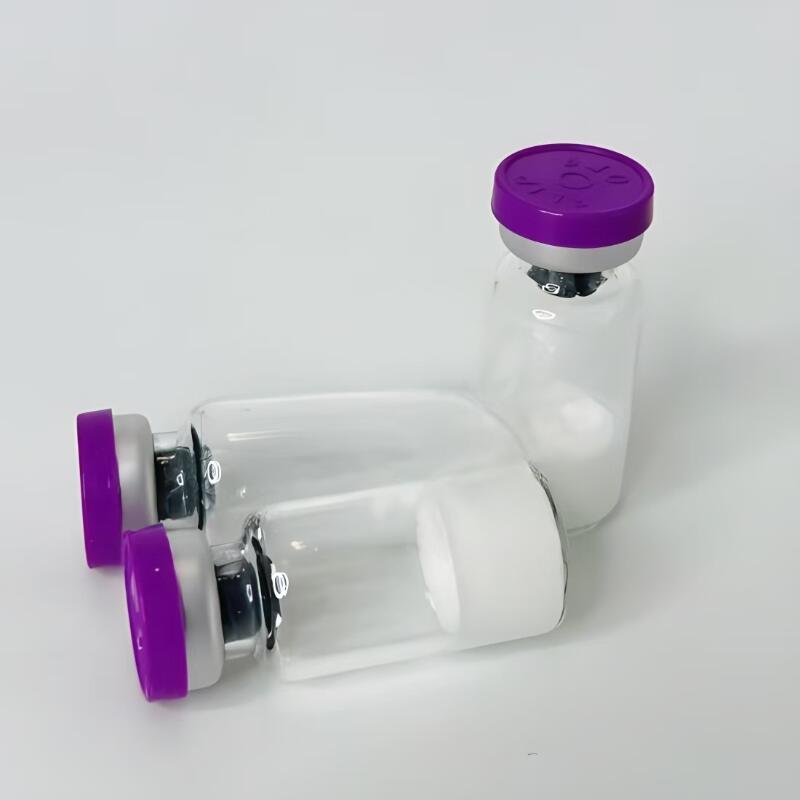
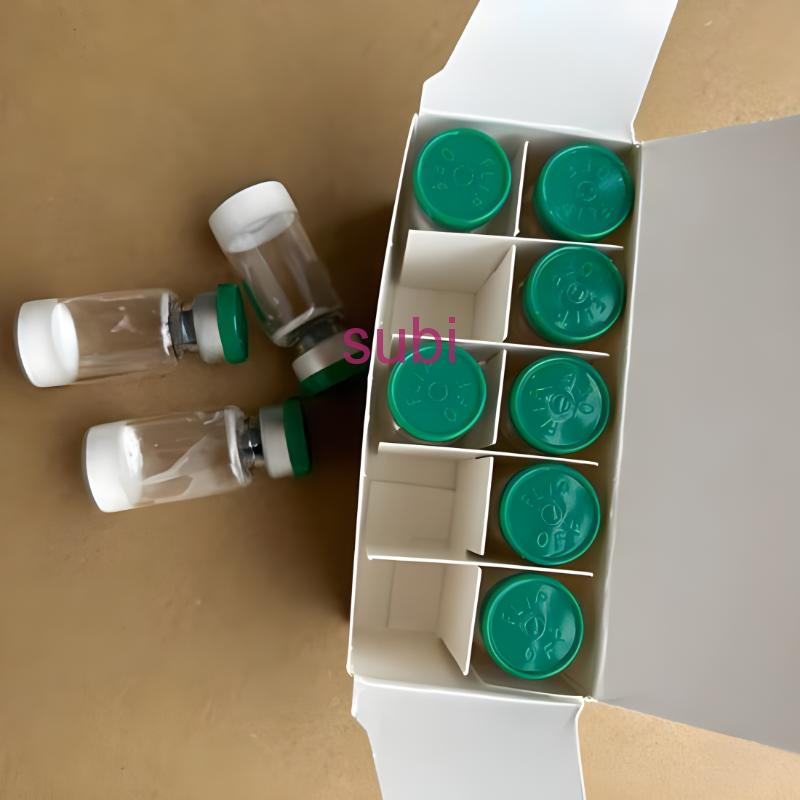
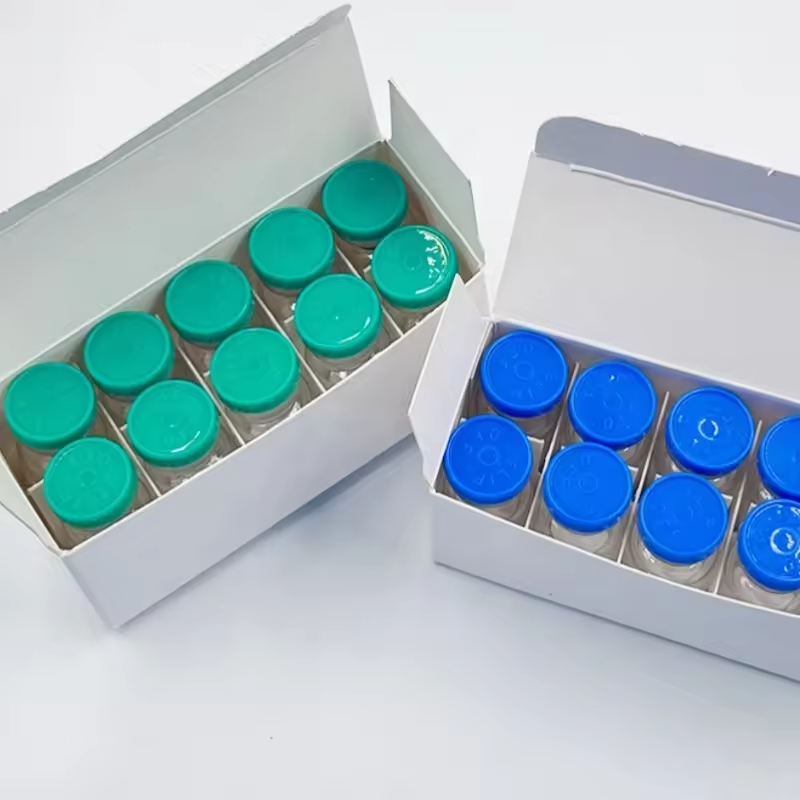
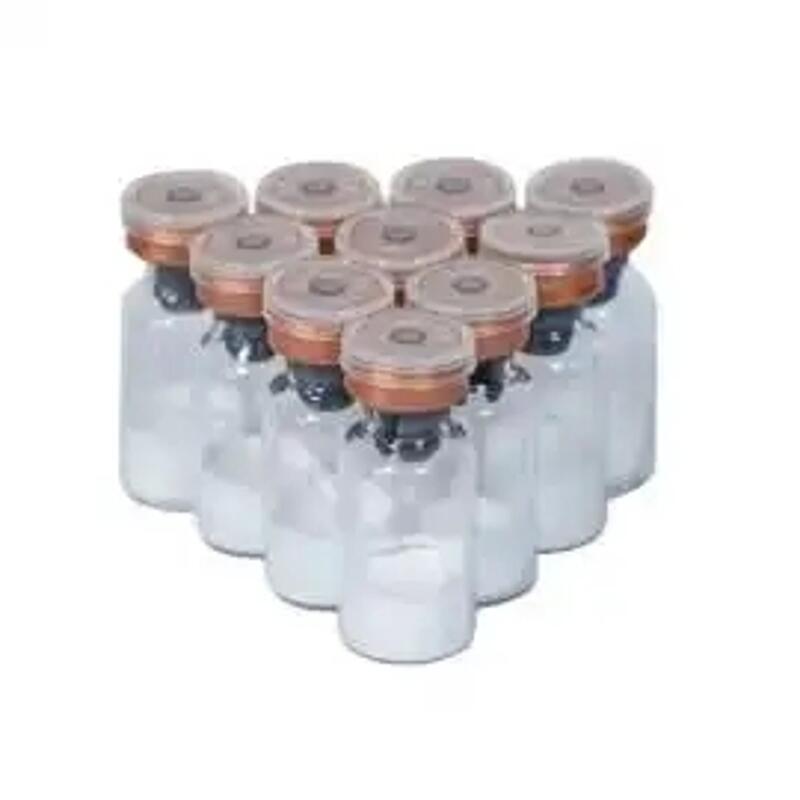
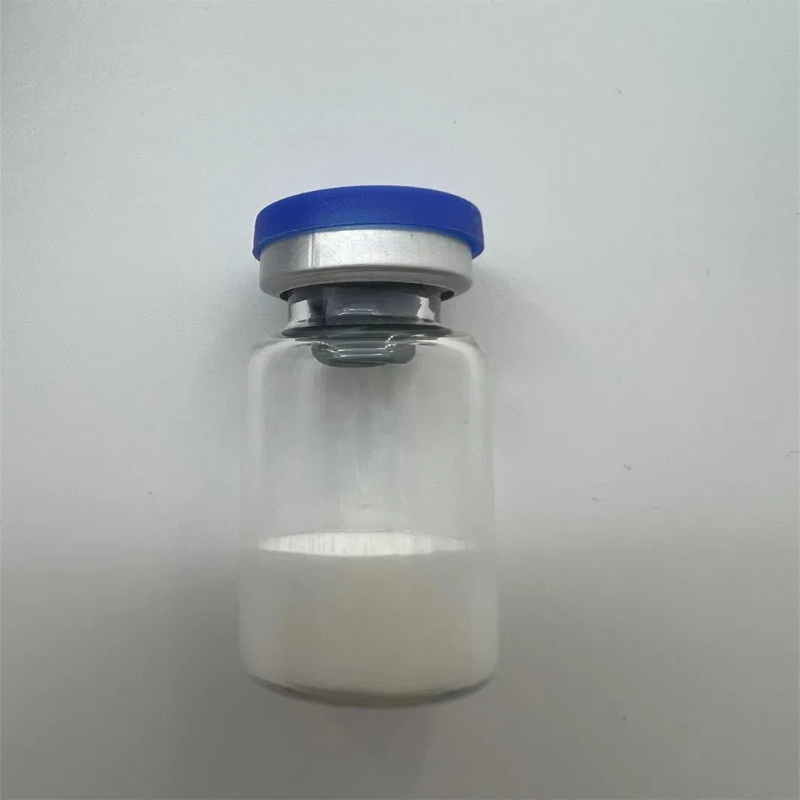
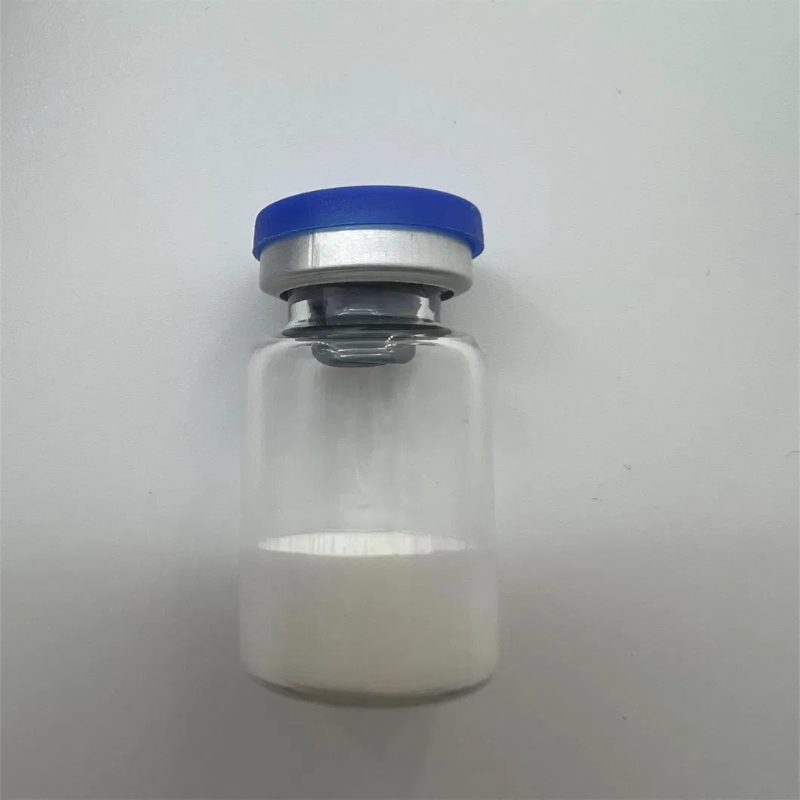
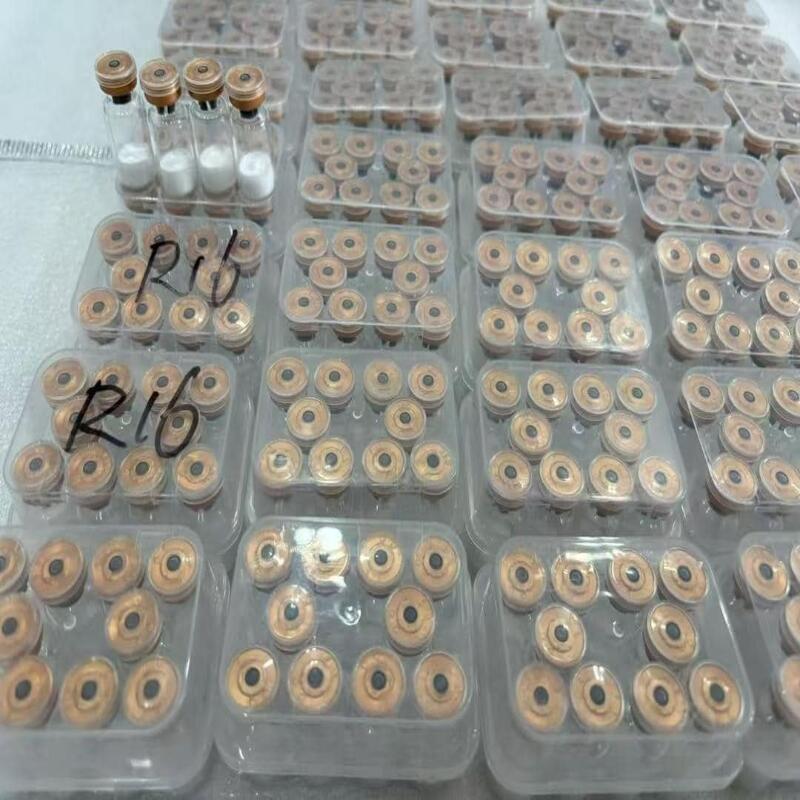
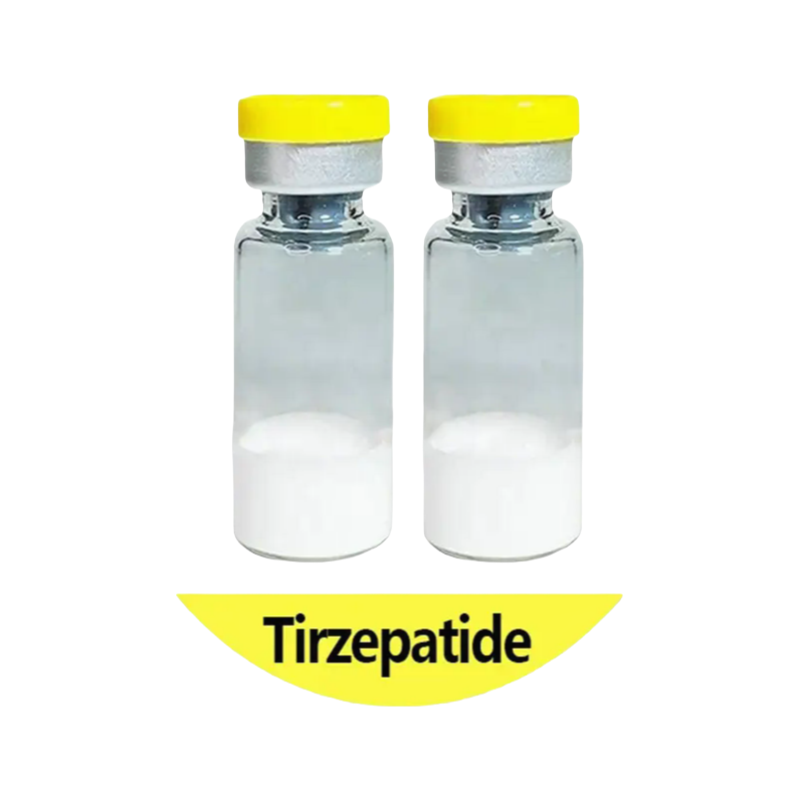
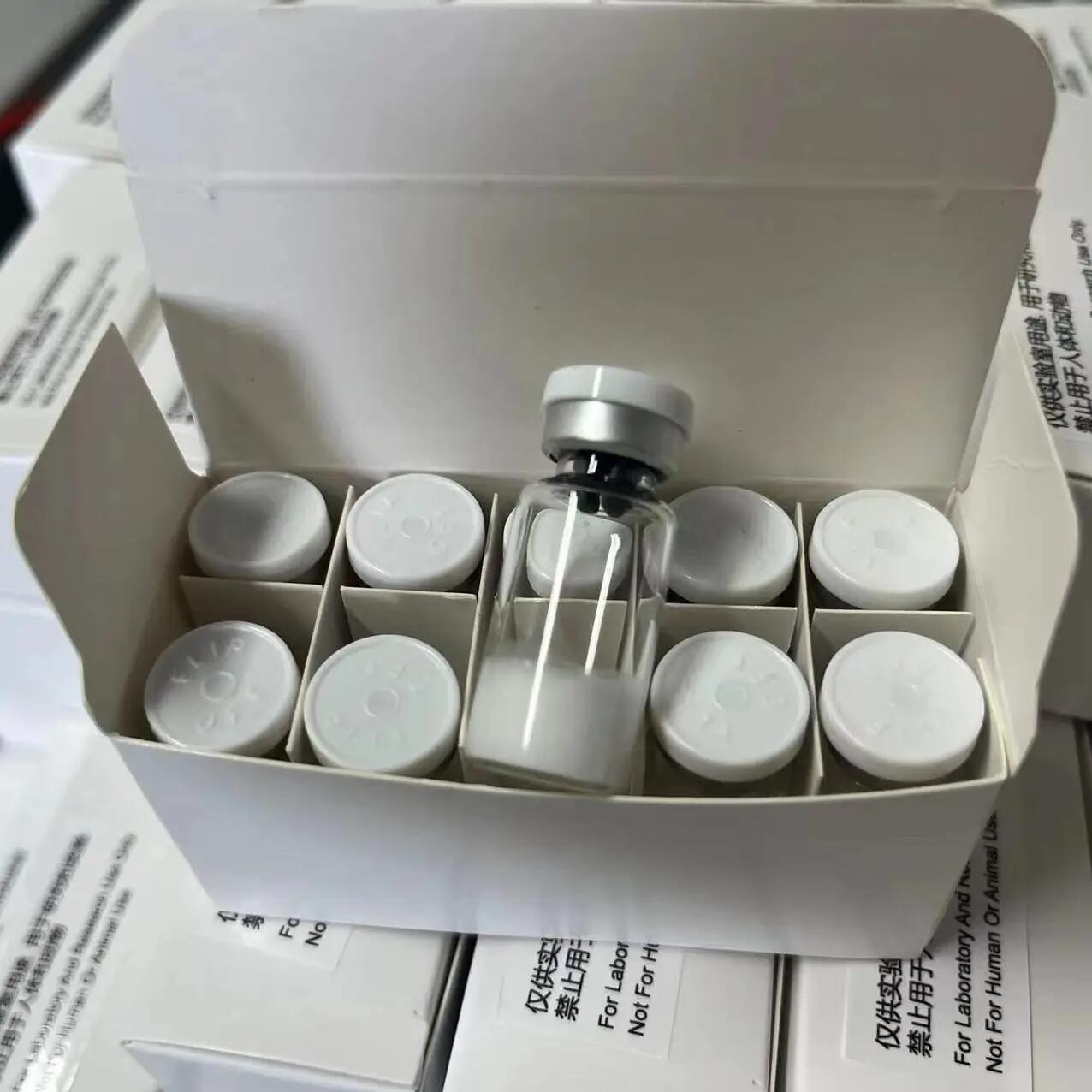
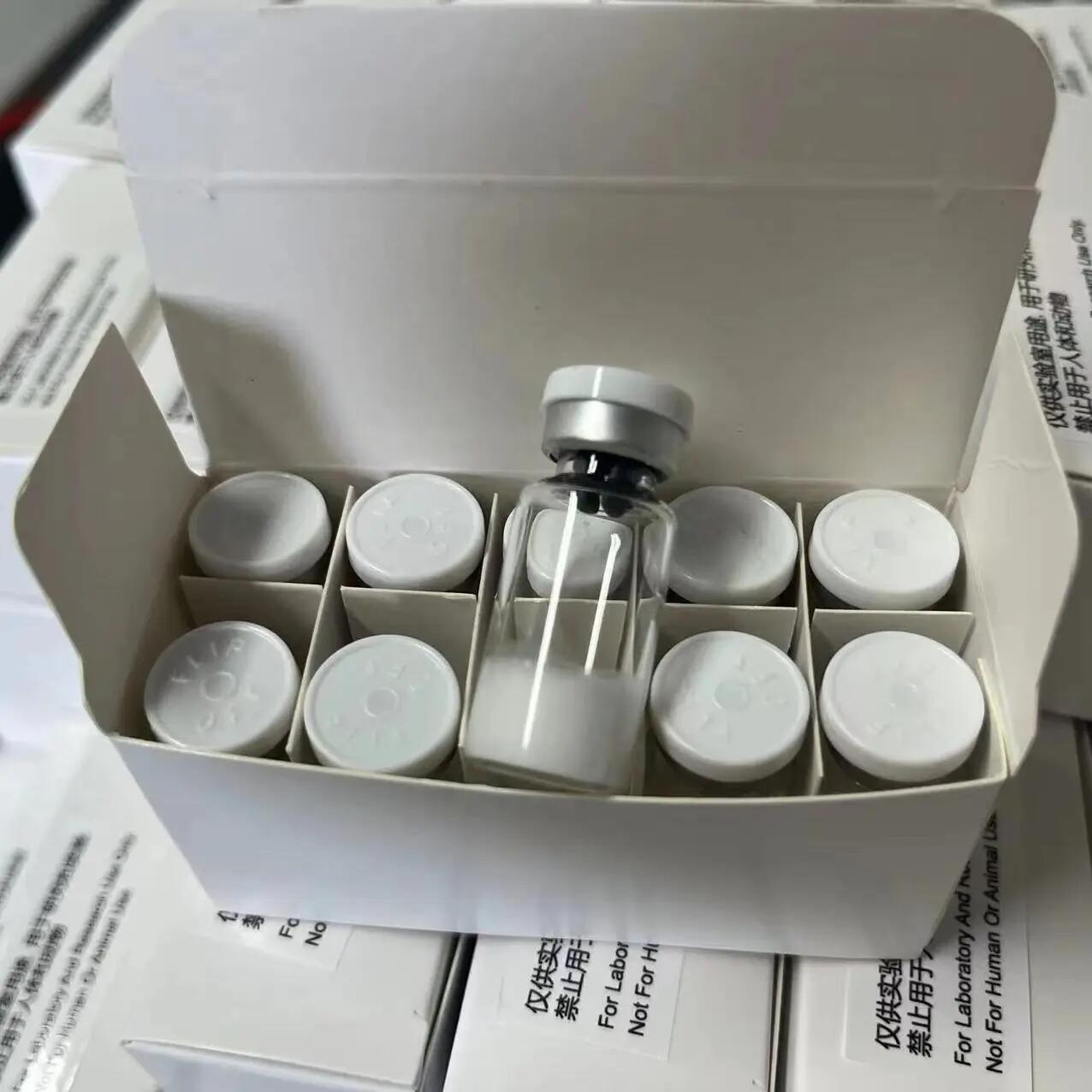
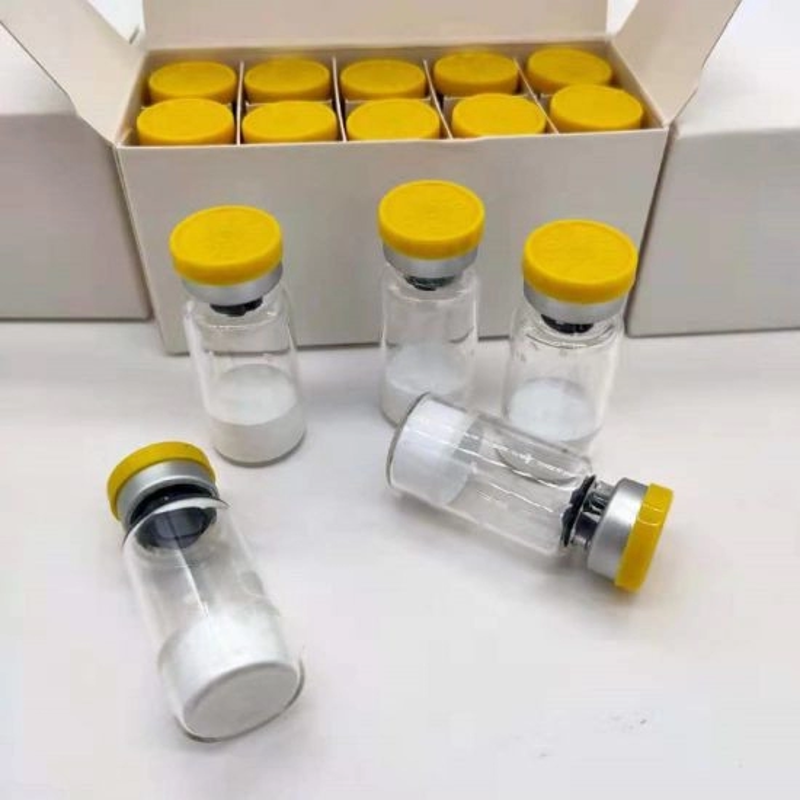
Say you've got a client who's running in vivo assays on GLP-1 receptor activation—they'll reconstitute this powder, typically at 5mg or 10mg depending on their protocol, and it basically holds up well under HPLC validation, which is what they're paying for anyway.
Pricing breaks into three tiers: sample orders at around $45 per vial, mid-range runs of 50 units or so drop per-unit cost by about 20 percent, and bulk buys—usually 100 vials or more—get you down to roughly $28 each, give or take depending on batch size.
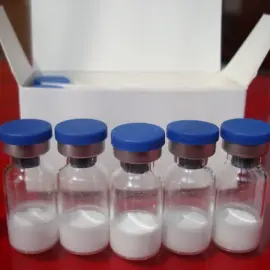
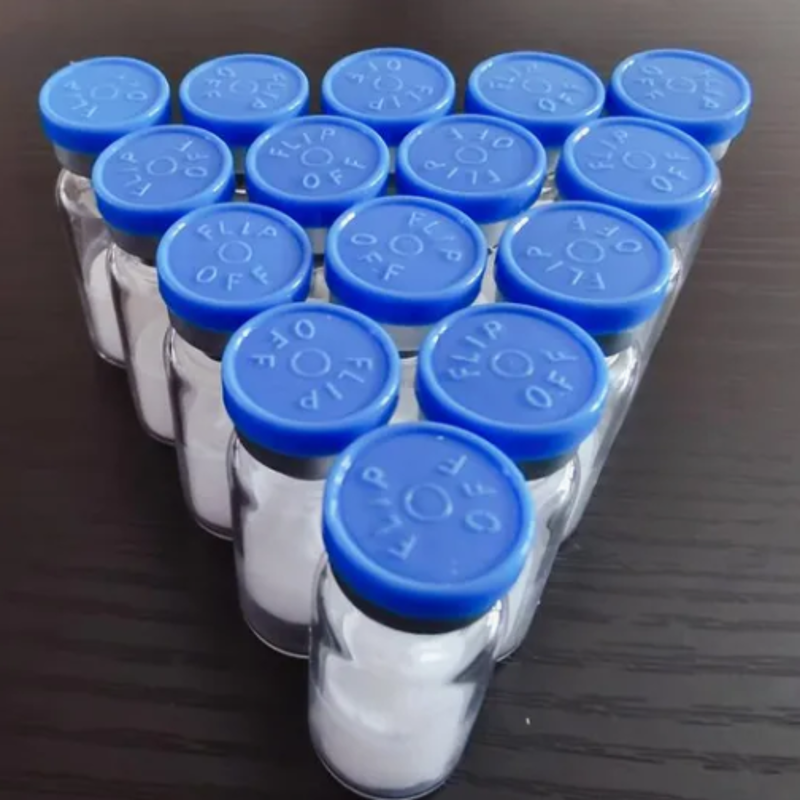
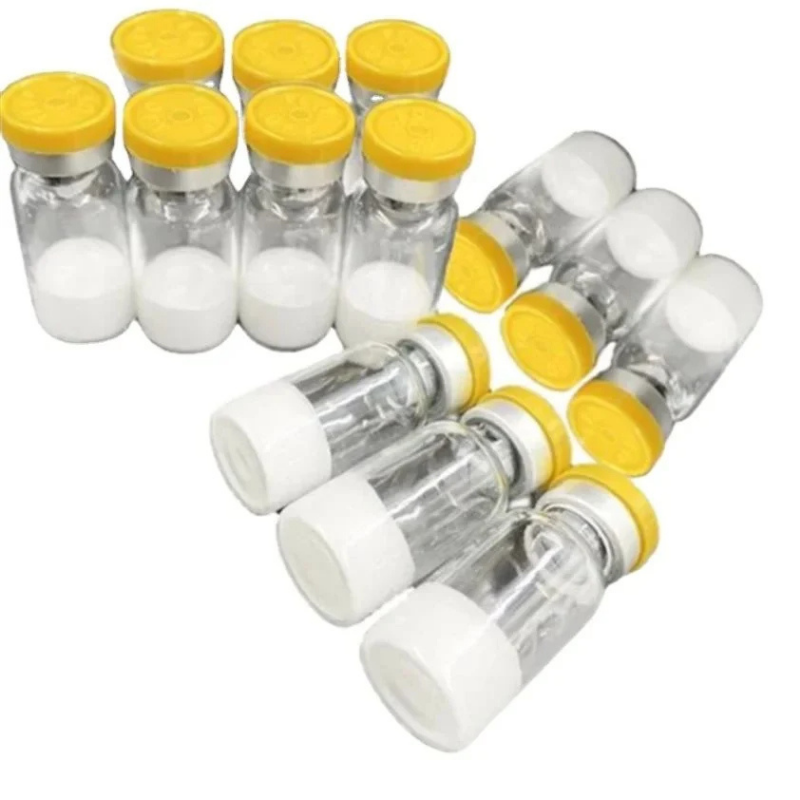
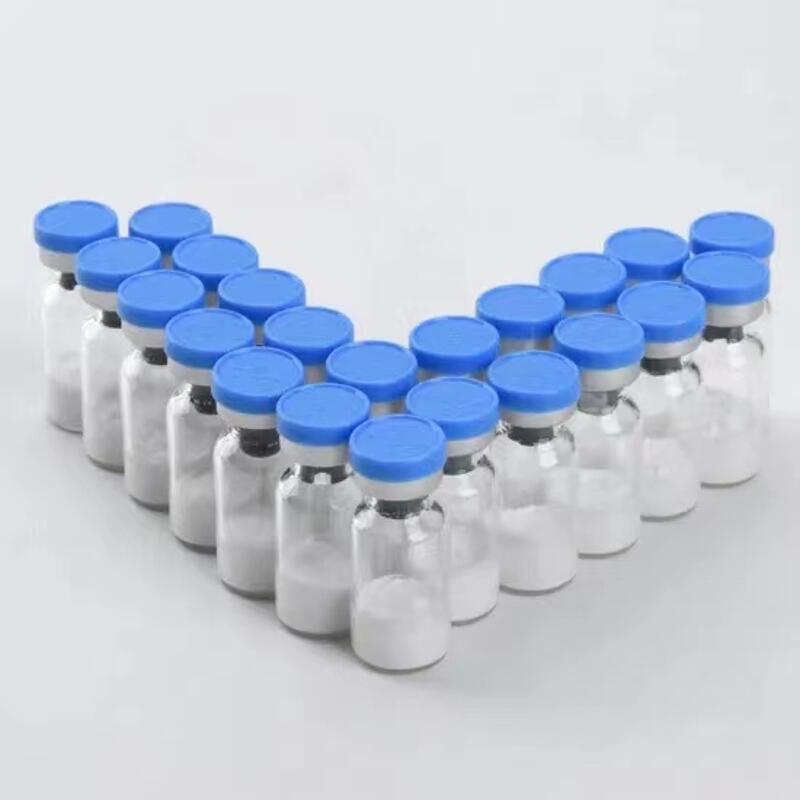
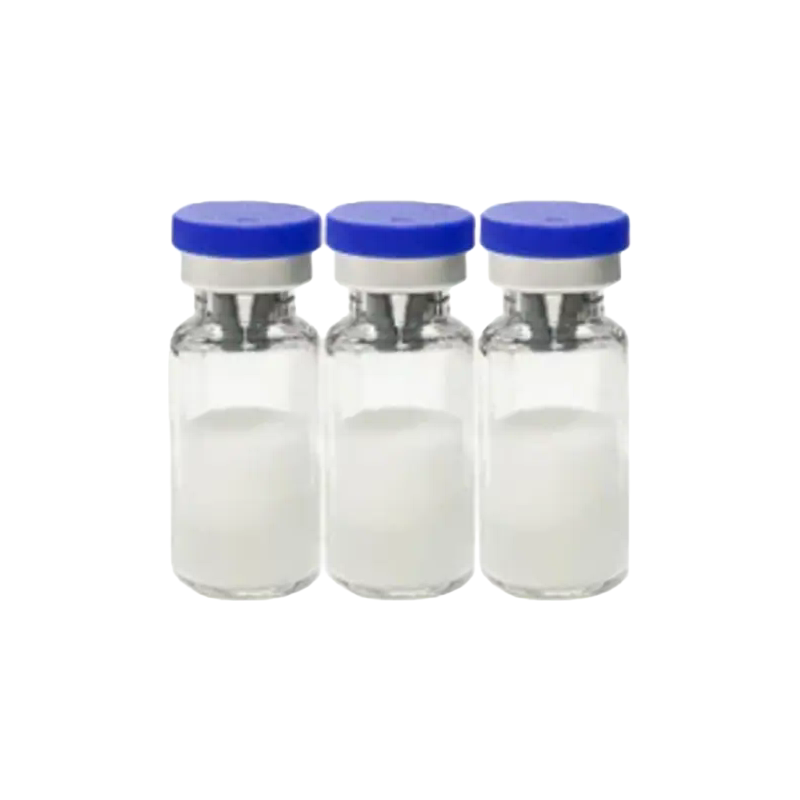
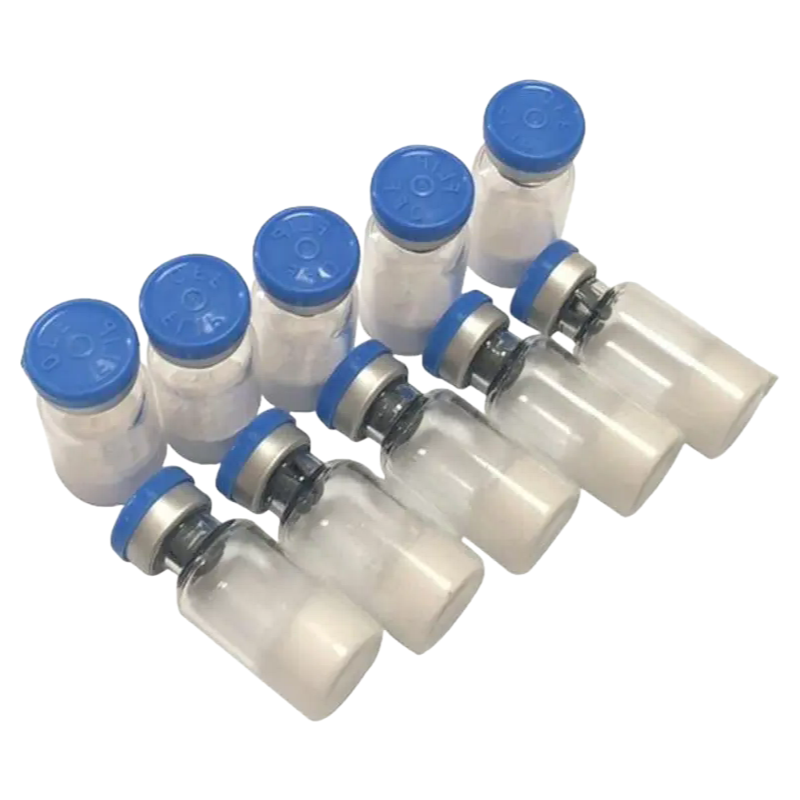
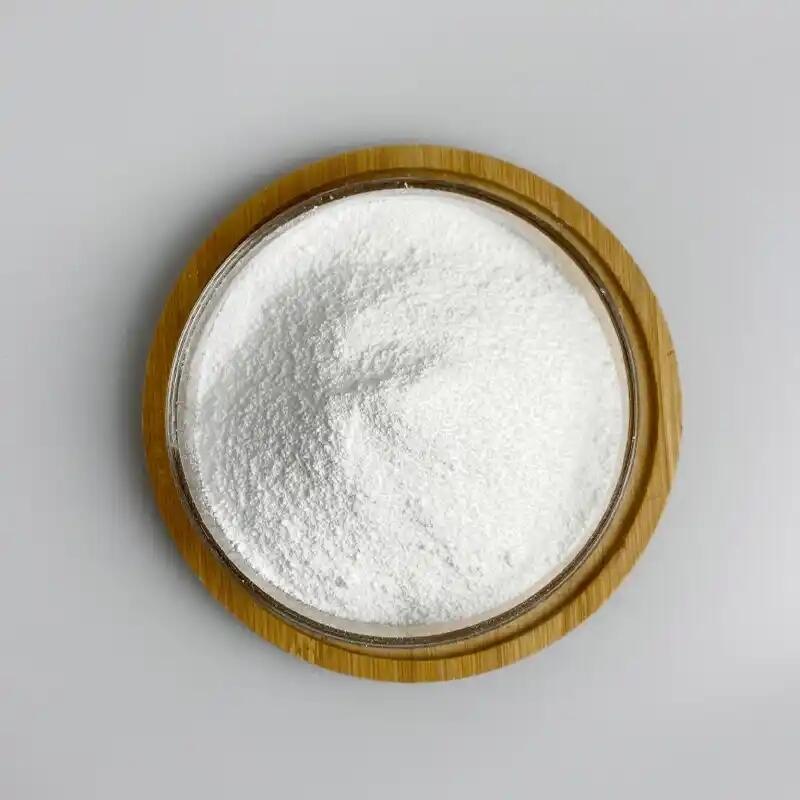
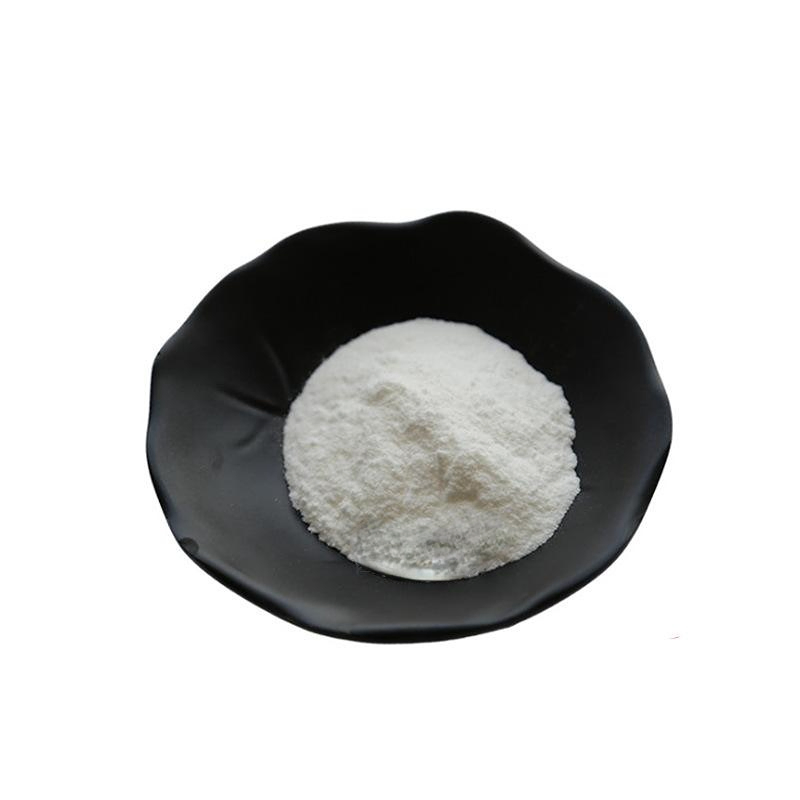
The powder itself is white, and we've found it's better than some intermediates we've handled for this class of compounds—tighter purity specs at 99% or above, and teh CAS number (137348-86-8) matches what they'll expect on the COA, which we include with every shipment.
Storage is straightforward: 2-8°C in a dry cabinet, and you'll get about 12 months stability form the sealed vial, but once opened it's pretty much a use-it-or-lose-it situation within a week or so—humidity kills it fast.
One thing nobody asks but matters: the powder's hygroscopic by nature, so if your lab's humidity is over 60%, you'll clump it before you even weigh it—we usually tell buyers to aliquot in a glove box.
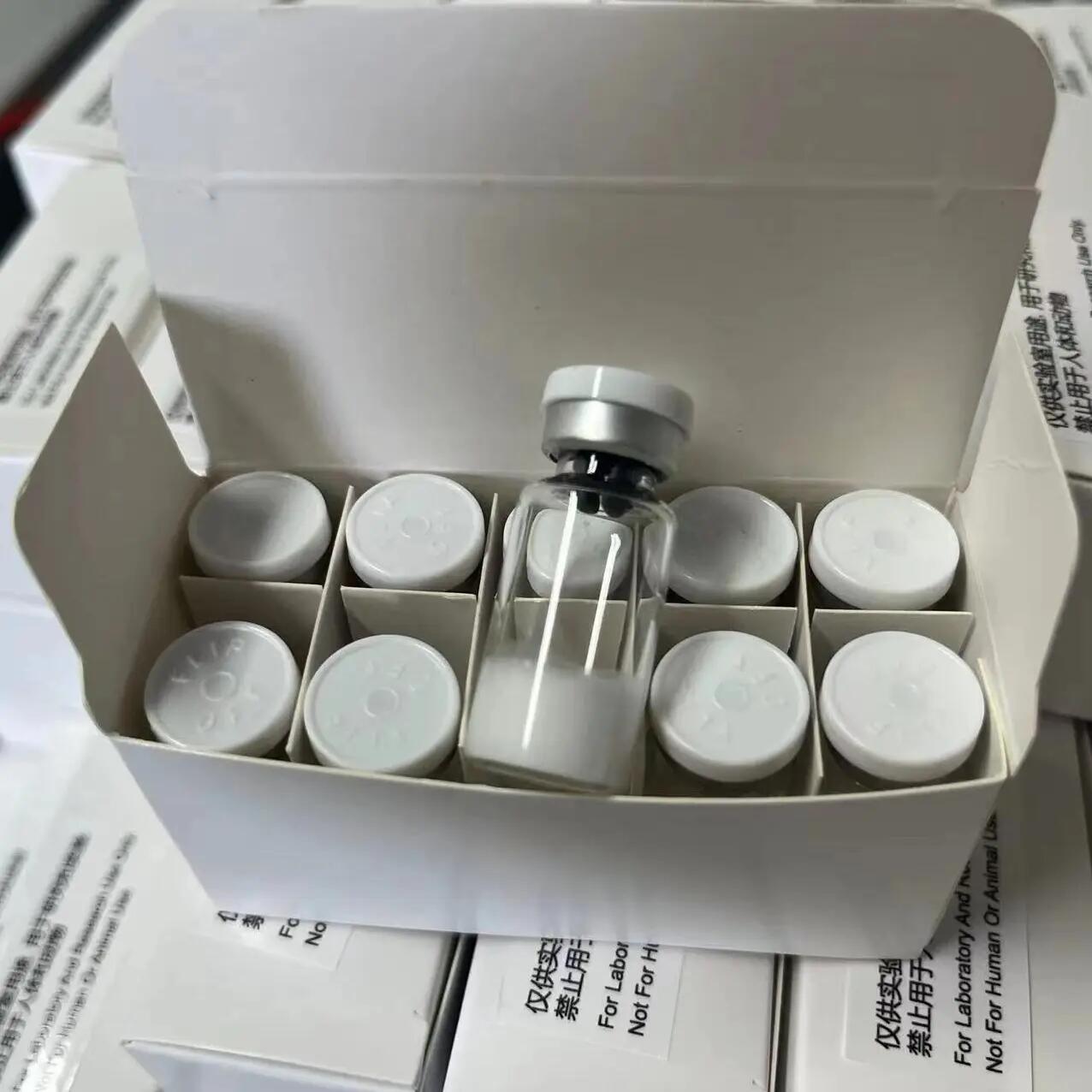
It's not for human use, obviously, and we don't sell it for that—but for research purposes, the cost-effectiveness is there, especially when you're comparing it to pre-mixed solutions that charge double for the same purity in a buffer.
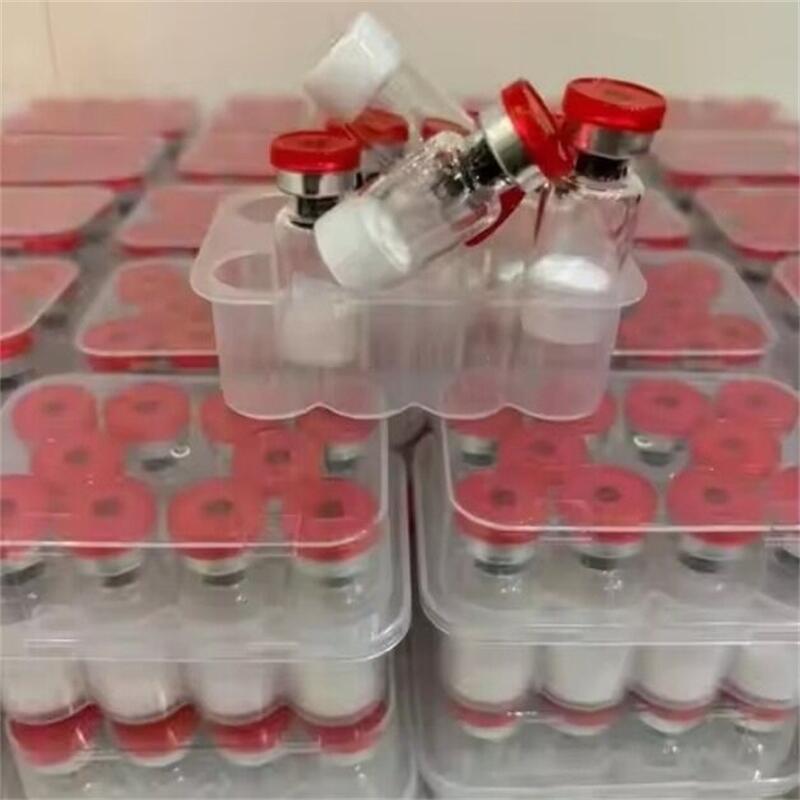
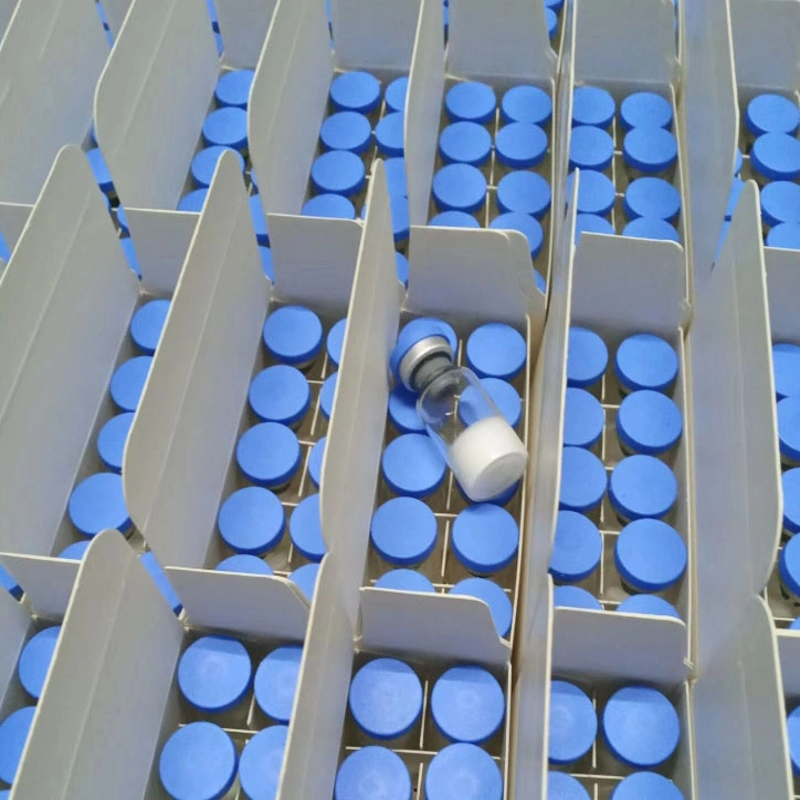
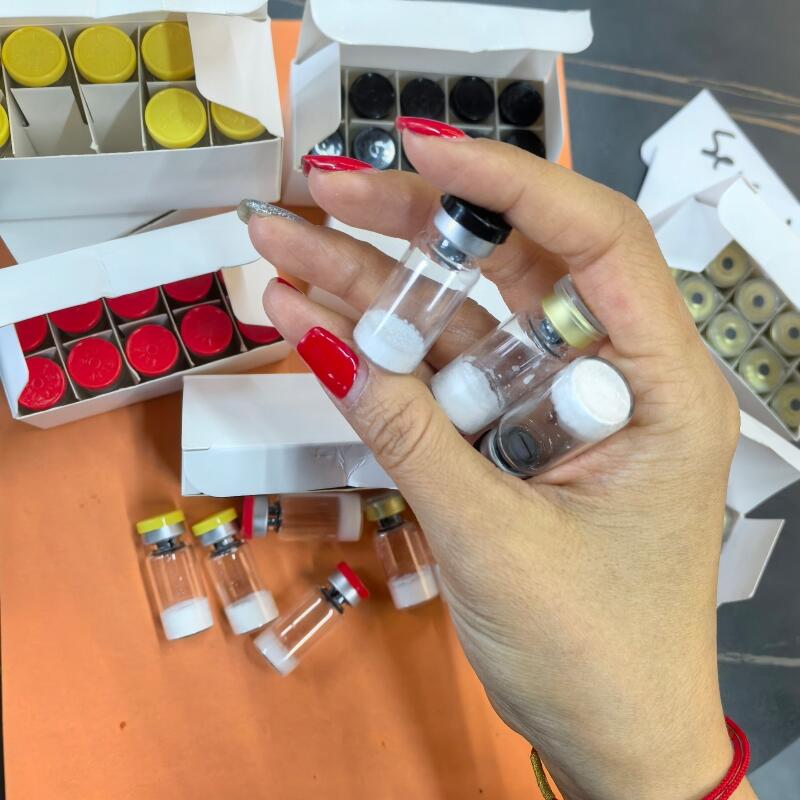
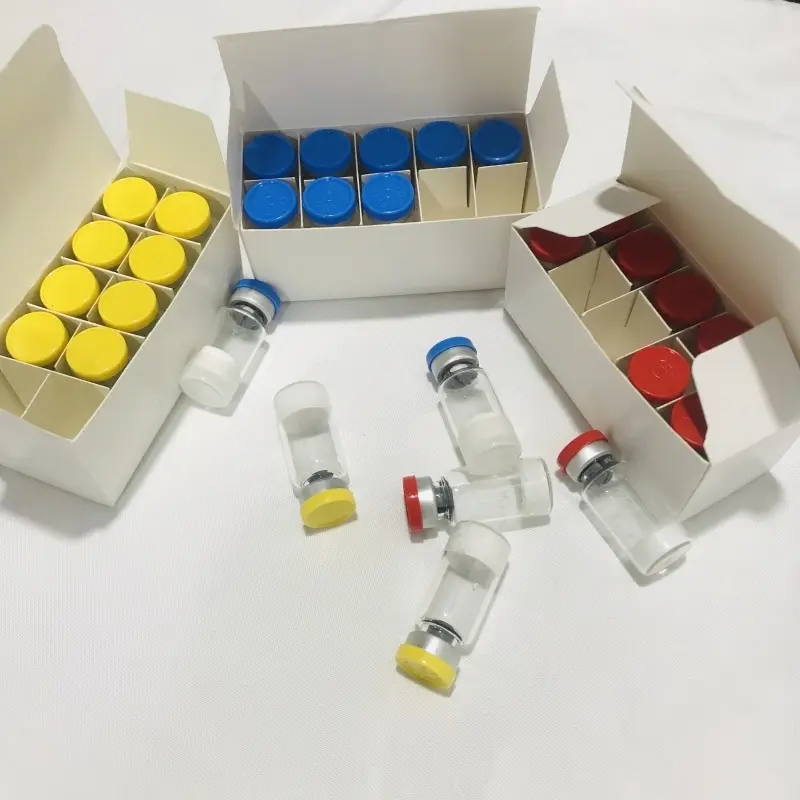
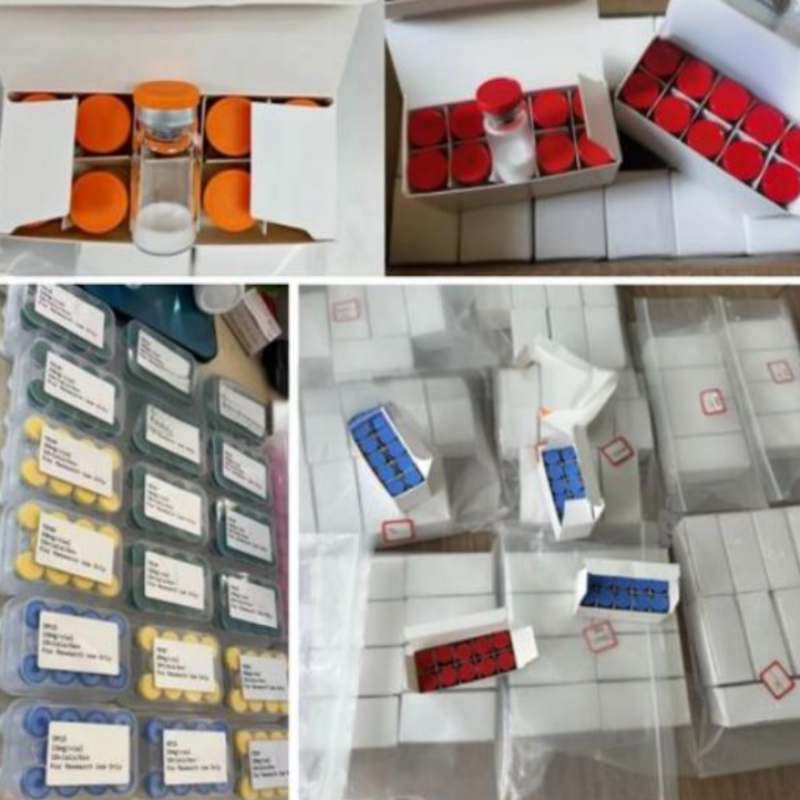
For the 5mg vials, MOQ is typically 10 vials. Bulk packaging starts at 100 grams, but we can flex on that if you're running a research project — just reach out to us directly.
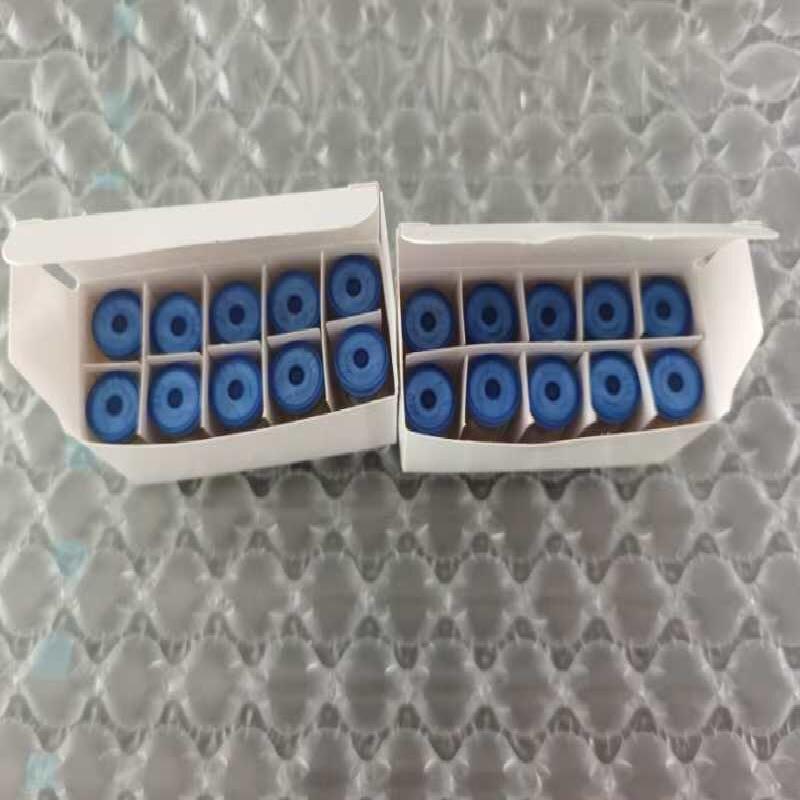
Standard orders ship within 3-5 business days. If you need custom packaging or a specific batch size, add about 7-10 business days for production.
Yes, every batch comes with a CoA showing the actual purity, appearance, and other specs. We also include HPLC and NMR data if you need it for your records.
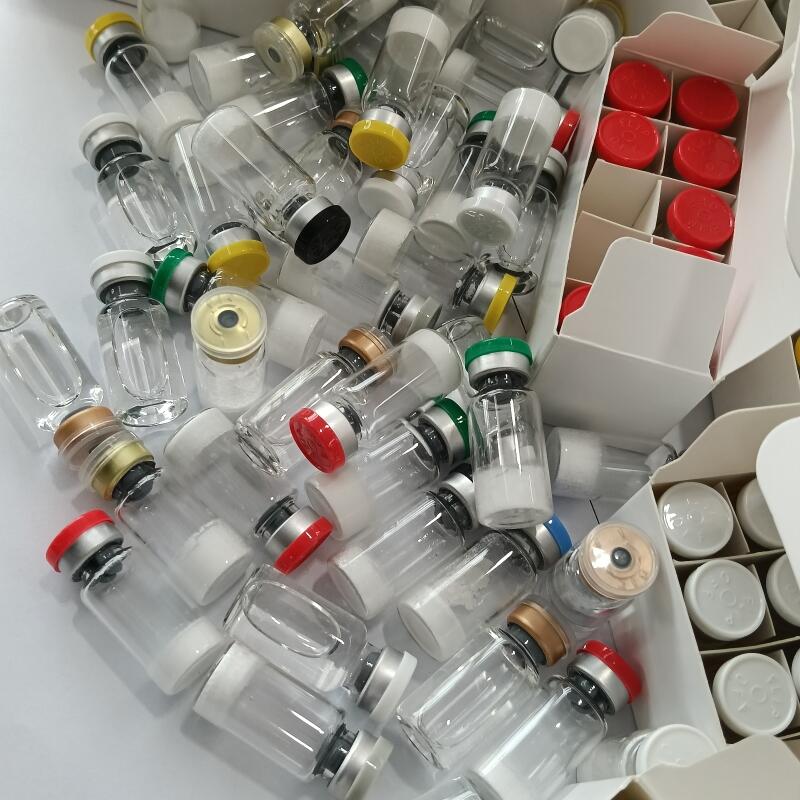
Absolutely. We can do custom vial sizes — just tell us what you need. For example, 20mg or 30mg vials are common requests for larger research studies.
Keep it at 2-8°C in a dry environment, away from light. In those conditions, the powder stays stable for at least 12 months. Avoid freeze-thaw cycles.