Account
Inquiry
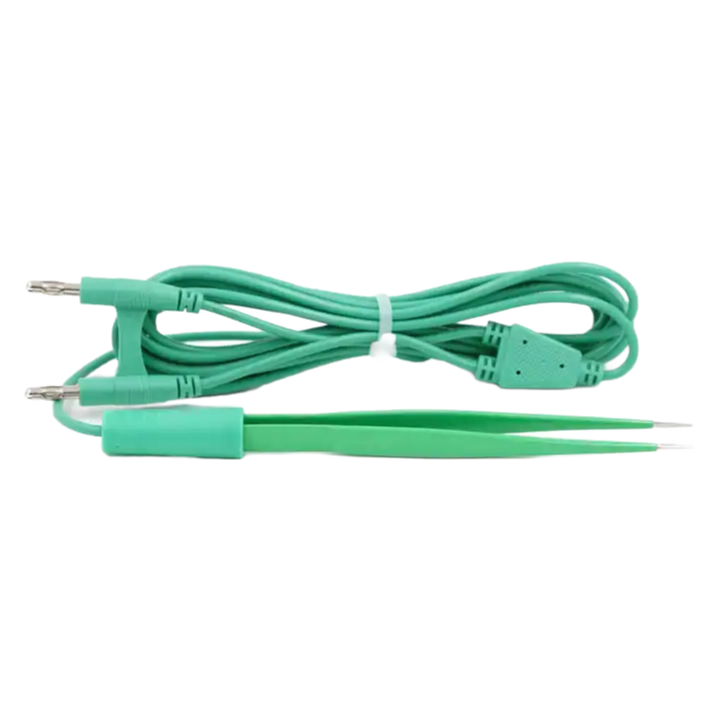
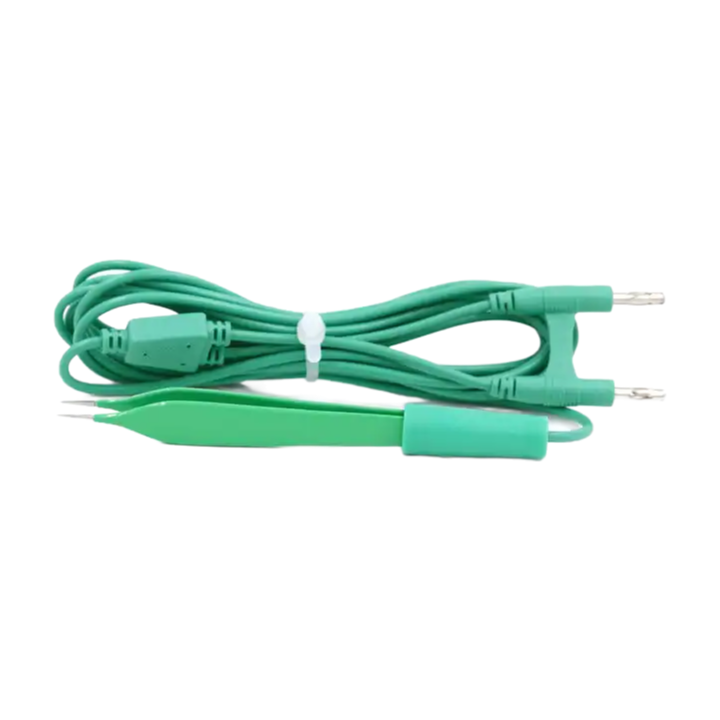
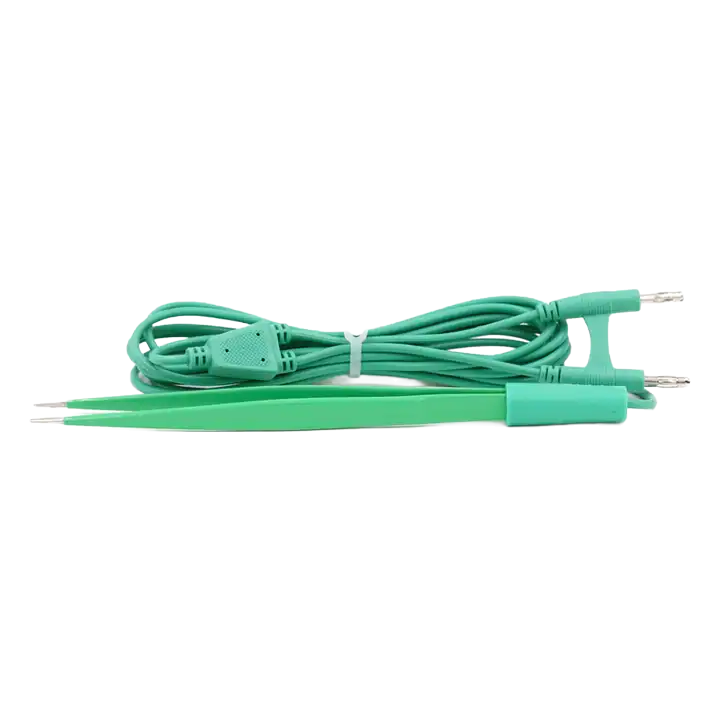
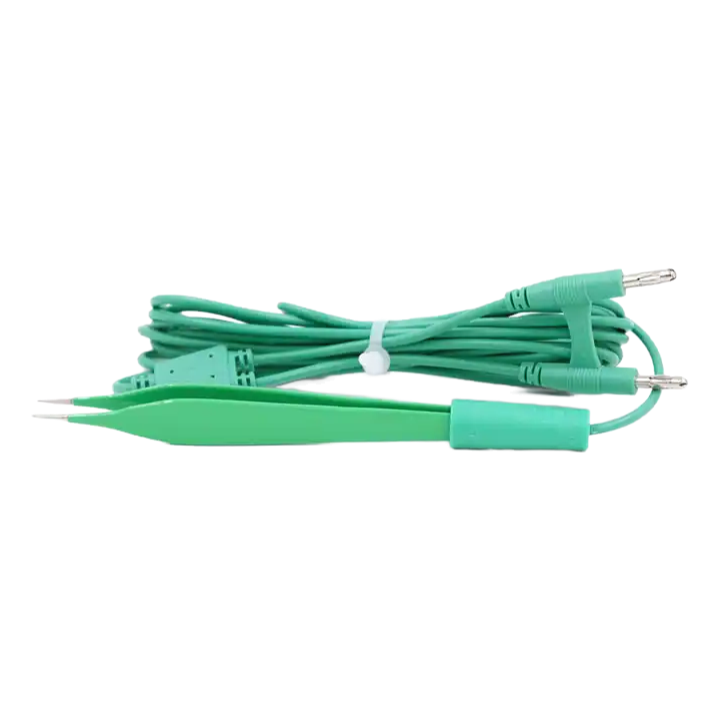
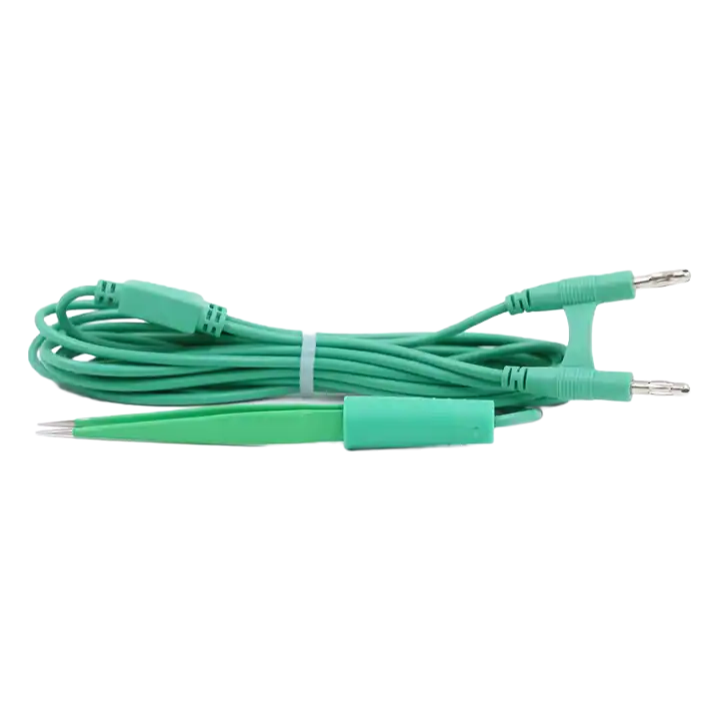
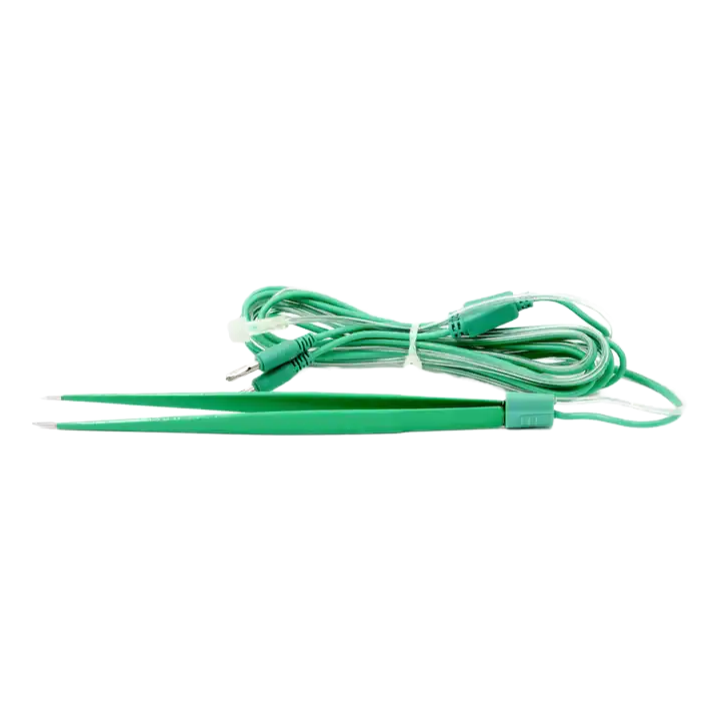
We keep roughly 200-250 units on the floor for the most common tip sizes, but the 0.5mm angled with non-stick polish usually has a 10-day lead time or so—especially if you need the flat US plug. The solid German stainles steel holds up better than most 304-grade alternatives when you’re doing repeated cauterizations, and the 2-year warranty pretty much covers everything except obvious abuse. You’ll want to check that your generator accepts a 2-pin connector; we’ve had a few buyers realize too late that their system uses a different plug standard.
Most neurosurgery teams go with the 1.0mm straight tip for its balance of precision and tissue clearance, though microvascular guys often drop down to 0.5mm for those tight suturing beds. It’s basically a tweezers-style action—squeeze to grasp, pedal to coagulate—and the non-stick polish is actually worth it if you’re dealing with high-protein tissue that would otherwise char and grab. The jeweler shape is easier to handle for fine work, but the bayonet version gives you that offset for deeper cavities without blocking your view.
100mm body length is better suited for pediatric or ophthalmic work, while the 230mm variant is what we usually ship to general surgeons doing laparoscopic assists. Angled tips (usually 45 degrees) give you better access around corners, but straight tips are easier to clean and tend to have fewer grounding issues. We recommend reusable variants for high-volume ORs—they tolerate autoclave cycles well—and disposable for field clinics where sterilization is inconsistent.
CE cerification is standard, but we also have the EN 149 compliance documentation available if your regulatory team needs it—just note that’s for safety standard, not a process spec. The molded terminal connector is integrated into the shaft, so you don’t get that loose connection issue that plagues some cheaper forceps with separate pigtails. Also, the standard polish is fine for most application, but the non-stick coating degrades after about 15-20 uses on reusable models.
We usually have stock on the straight 2.0mm tips with standard polish and the 2-pin European plug—those ship within 2 business days. But if you need the 0.5mm angled with non-stick, confirm lead time because we batch-order those from the German mill. TDS and COA come with every order, though the COA is primarily for material composition rather than electrical performnce.
It’s not suited for high-frequency bipolar systems above 1 MHz—the insulation materials can’t handle that RF range without breakdown. Just a limitation to know before you plug it in.
We offer 0.5mm, 1.0mm, and 2.0mm tip sizes to handle different precision needs.
Yes, we offer both standard and non-stick tip polish options. Non-stick helps prevent tissue buildup during coagulation.
Our MOQ for custom specs is typically 50 units, but we can discuss smaller runs for first-time orders.
Yes, all forceps come with CE certification and meet EN 149:2001+A1:2009 safety standards. We'll supply the docs on request.
We offer 2-pin and flat plugs for US or European outlets. You can also pick disposable or reusable variants depending on your workflow.
Hats off to the entire team for a flawless experience from start to finish. The shipping was remarkably swift, with the package arriving well ahead of the estimated schedule, which was a pleasant surprise. Every item was meticulously packed, ensuring everything arrived in pristine condition without a single scratch or dent. The quality of the instruments is immediately apparent; they have a substantial, professional feel and the finish is impeccable, reflecting the high standards one would expect from German stainless steel. The service provided was equally outstanding. Any preliminary inquiries were met with prompt, courteous, and thoroughly informative responses, making the entire purchasing process smooth and reassuring. The attention to detail, from the secure packaging to the certified quality of the products, instills great confidence. This level of care in logistics, the undeniable superior craftsmanship of the items, and the exceptional customer support truly set this purchase apart. It’s a testament to a company that clearly prioritizes customer satisfaction and delivers on its promises with remarkable efficiency and professionalism.
Outstanding experience from start to finish. The delivery was remarkably swift and well-handled, with the package arriving ahead of schedule in perfect condition. The packaging was secure and professional, which immediately instilled confidence. Regarding the product itself, the build quality is exceptional; the materials feel premium and durable, exactly as described. The attention to detail in the construction is evident. Customer service was also top-notch; the team was responsive and helpful with a pre-shipping inquiry, providing clear and prompt answers. Overall, a very smooth and satisfactory transaction that focused on excellent logistical execution, superior product integrity, and supportive service. Highly recommended for anyone valuing these aspects in their procurement process.
A truly impressive experience from start to finish. Arriving far sooner than the initial estimated delivery window, the logistics were flawless, with the package securely and professionally packed. The quality is immediately apparent upon unboxing; the instruments feel substantial, well-balanced, and meticulously finished. The service provided was equally commendable, with clear communication and prompt responses to my pre-purchase inquiries. Attention to detail in every aspect, from the protective casing to the clarity of the certification markings, inspires confidence. This level of execution in logistics, build quality, and customer support is precisely what one hopes for when sourcing professional equipment. The overall process was seamless and entirely satisfactory, reflecting a company that clearly prioritizes reliability and customer satisfaction at every stage of the transaction. Absolutely no complaints, only praise for a hassle-free and superior purchasing experience that exceeded expectations.
The delivery was exceptionally fast, arriving well ahead of the estimated schedule. Tracking information was precise and updated regularly, which made the entire logistics process transparent and stress-free. The packaging was secure and professional, ensuring the product arrived in perfect condition without any damage. Regarding the item itself, the build quality is outstanding. The materials feel premium and durable, exactly as described. The finish and attention to detail are impressive, suggesting high manufacturing standards. Customer service was also commendable; the support team was responsive and helpful, promptly addressing a minor inquiry I had about the order. They were polite and efficient, making the post-purchase experience very positive. This overall experience, from ordering to delivery, was seamless and highly satisfactory. The combination of reliable logistics, superior product quality, and excellent support makes this a highly recommended transaction. I am very pleased with the entire process and the product received.
Fantastic experience from start to finish. The delivery was incredibly swift, arriving well ahead of the estimated schedule, which was a pleasant surprise. The packaging was secure and professional, ensuring the product was in perfect condition upon arrival. Regarding the quality, the instruments feel exceptionally robust and well-made; the stainless steel has a premium finish and the construction seems precise and durable, exactly as one would hope for medical-grade equipment. The customer service team was also commendably responsive and helpful when I had a pre-purchase inquiry, providing clear and detailed information promptly. Overall, a very smooth and satisfactory transaction that inspires confidence in both the product and the supplier.
Great experience overall. The shipping was incredibly fast and the package arrived well ahead of the estimated delivery date, which was a pleasant surprise. Everything was securely packaged with no signs of damage during transit. The quality of the instruments feels exceptional; they have a substantial, professional heft and the finish is impeccable. Customer service was also very responsive and helpful when I had a pre-sale inquiry. While I cannot comment on the specific performance in a surgical setting yet, the initial impression regarding the build and materials is very positive. The product appears to match its description perfectly. A smooth and satisfactory transaction from order to delivery.
A fantastic experience from start to finish. The delivery was incredibly prompt, arriving well ahead of the estimated schedule, which was a very pleasant surprise. The packaging was secure and professional, ensuring the product arrived in perfect condition. Regarding the quality, the instruments feel exceptionally solid and well-made. The craftsmanship is evident, and they have a substantial, reliable feel in hand, exactly what one hopes for with surgical tools. The customer service team was also highly responsive and courteous when I had a pre-purchase inquiry, providing clear and helpful information promptly. Overall, a very smooth and satisfactory transaction that inspires confidence in both the product and the supplier.
Rapid delivery was the first thing that impressed me. The order arrived well ahead of the estimated schedule, which is always a plus for medical supplies. The packaging was secure and professional, ensuring the contents were perfectly protected. Regarding the quality, the instruments feel substantial and well-made. The stainless steel has a good finish, and the tips look precisely crafted. The service aspect was seamless; the ordering process was straightforward, and communication was clear. Overall, a very satisfactory experience from a logistics and service perspective, and the product quality appears to meet expectations based on initial inspection.
The delivery was incredibly fast and well-packaged, arriving ahead of schedule without any issues. Top-notch quality with a solid feel and excellent finish that inspires confidence. Their customer service team was responsive and helpful throughout the process, making everything smooth and worry-free.
Keenly impressed by the swift delivery; the package arrived ahead of schedule, which was a pleasant surprise. The quality feels robust and reliable, as expected from German stainless steel, ensuring it meets professional standards. Customer service was exceptionally responsive and helpful, promptly addressing my inquiries with clear, friendly communication. Overall, a smooth and satisfying experience from start to finish.