Account
Inquiry
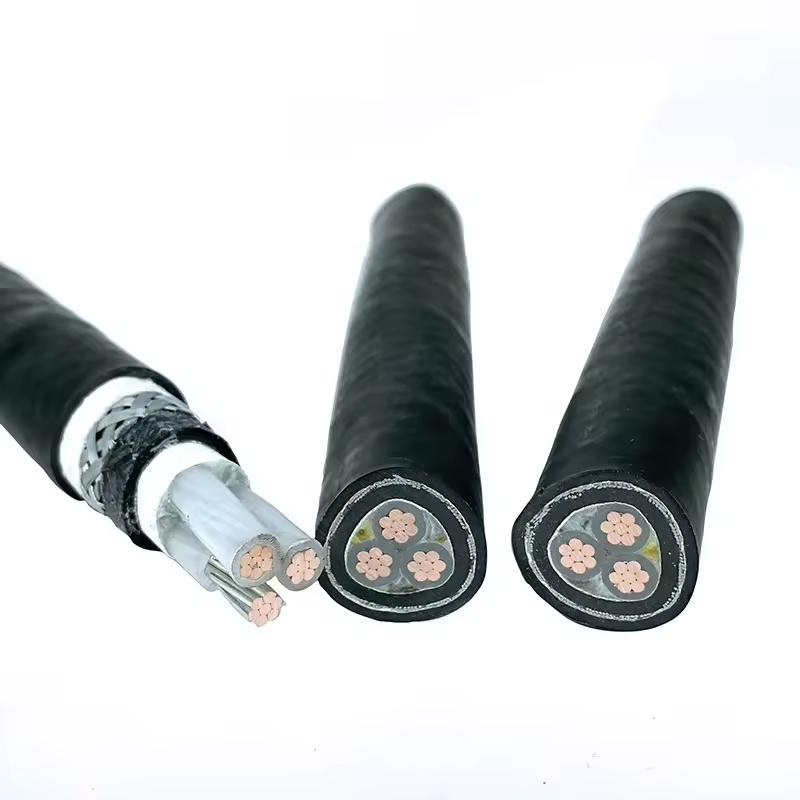
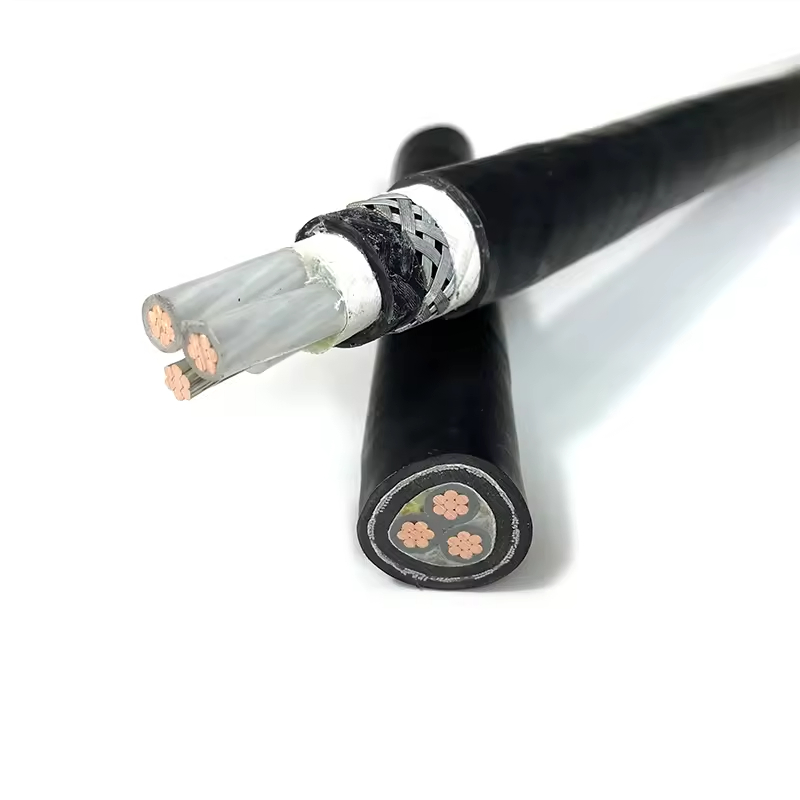
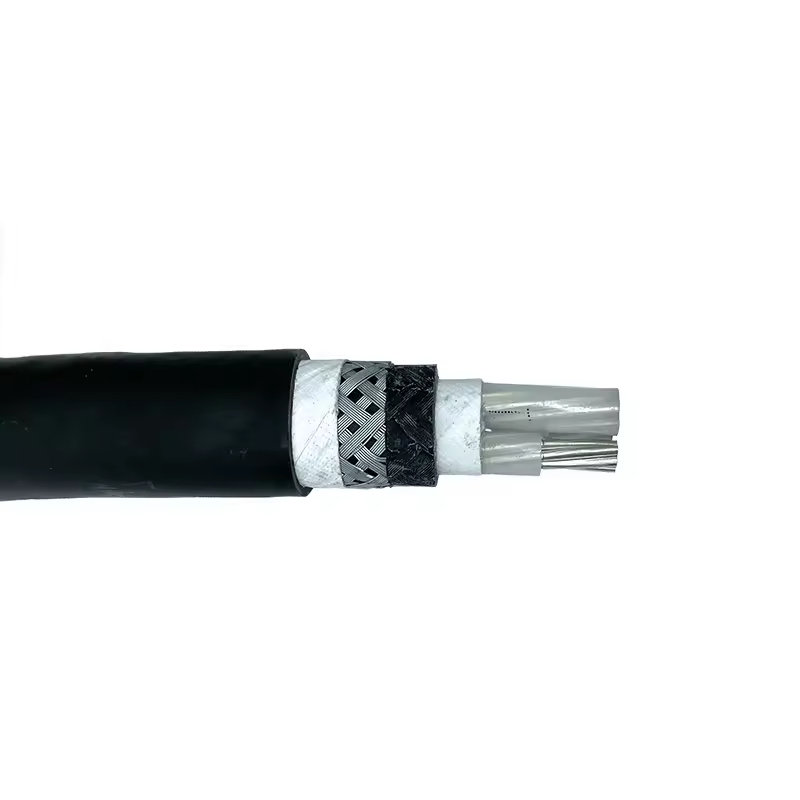
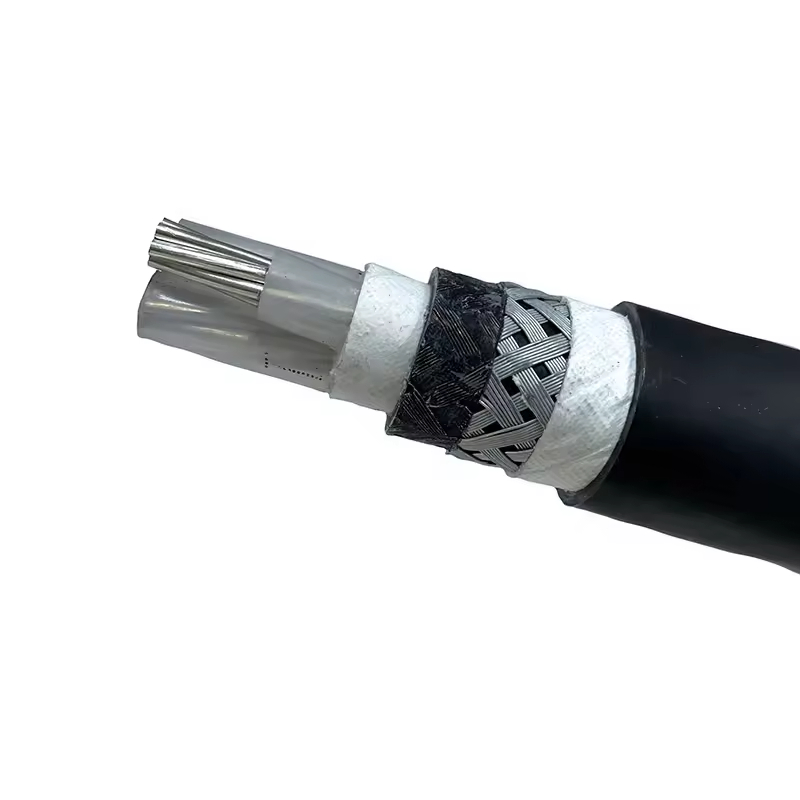
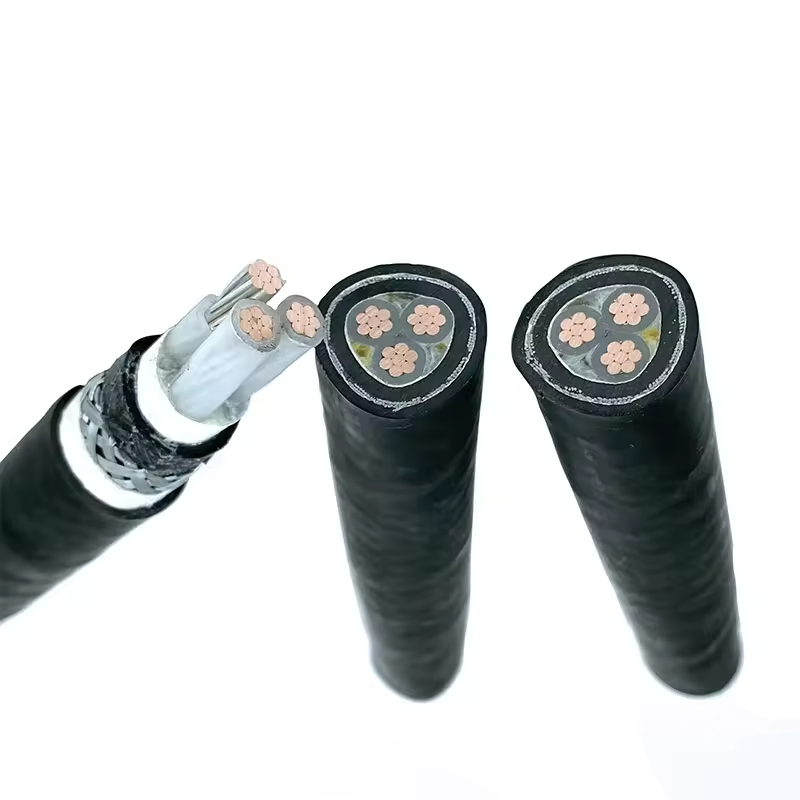
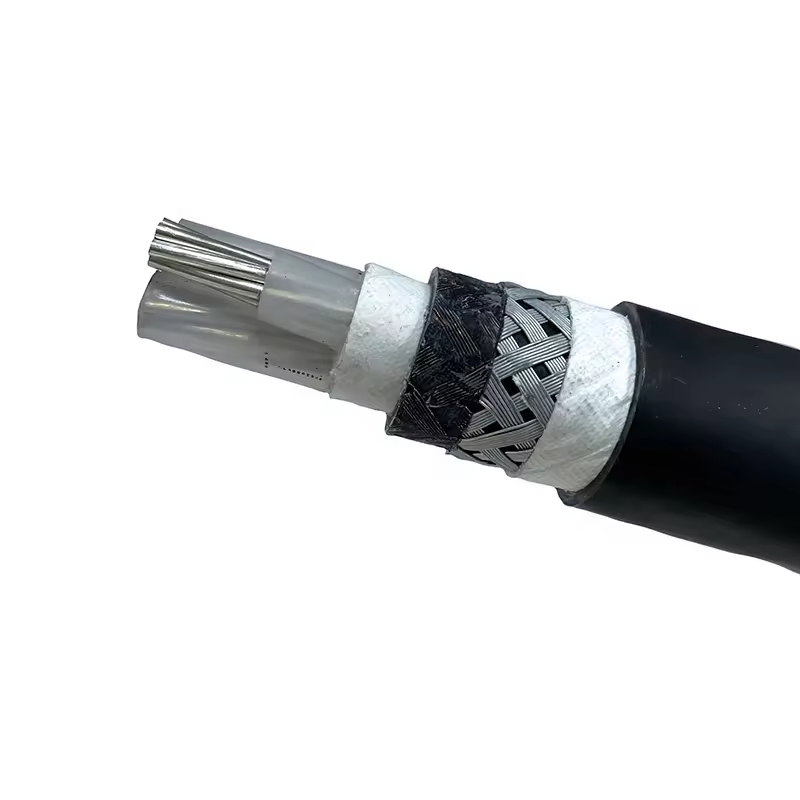
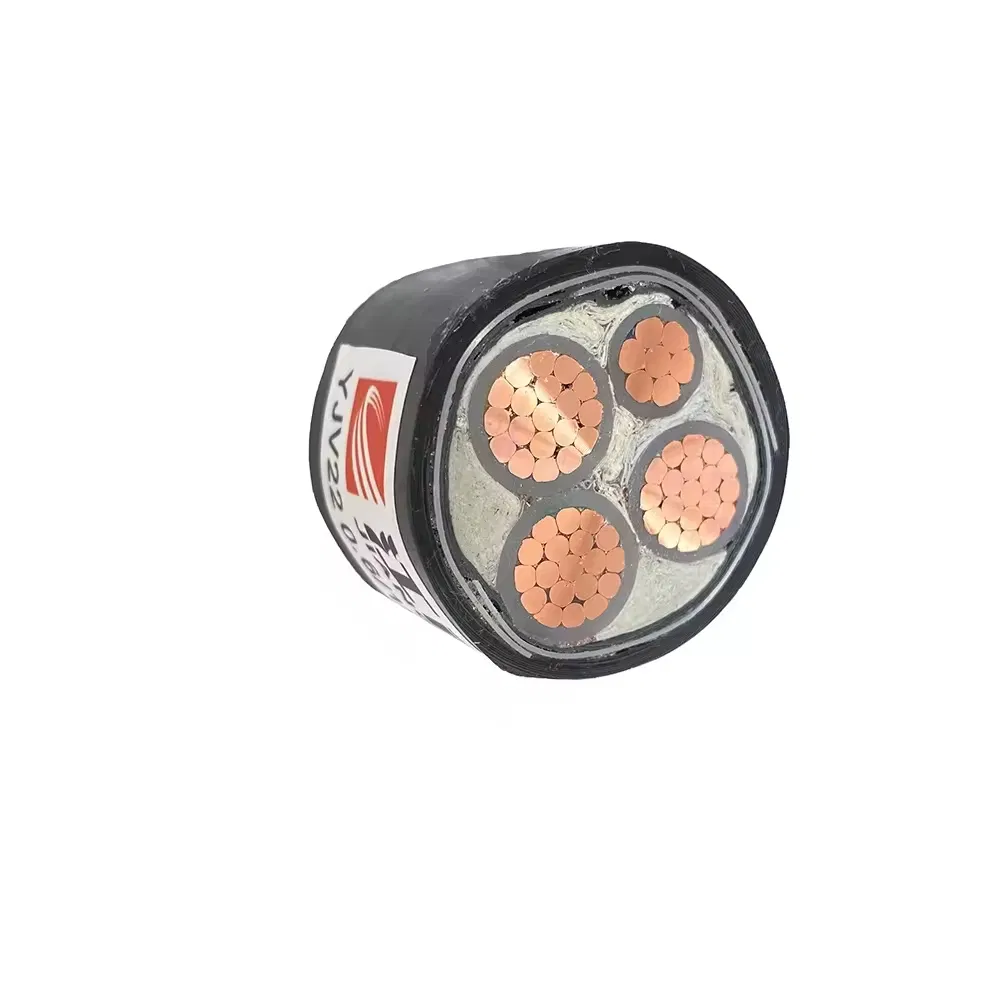
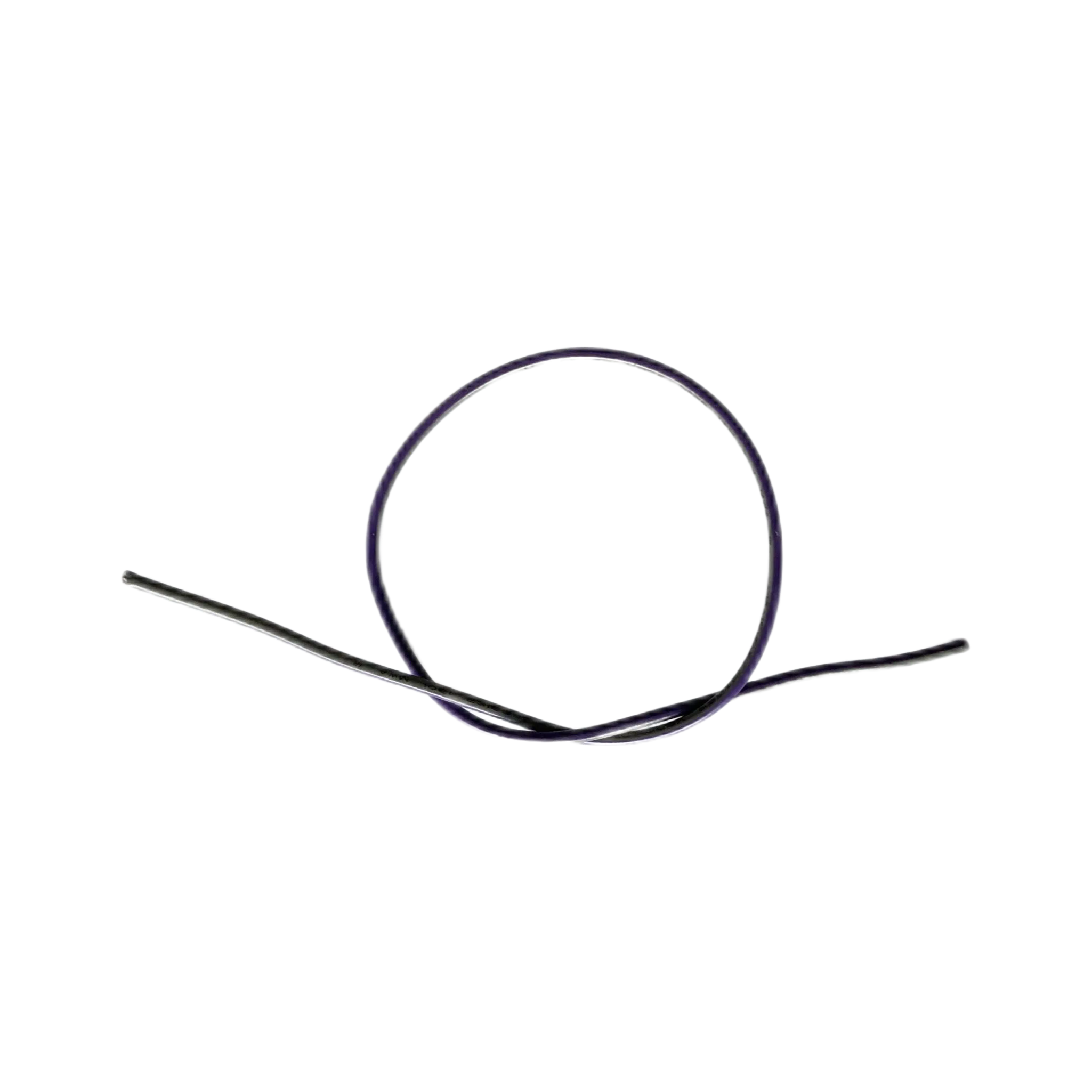
You’re running power through a vessel’s electrical system where saltwater and constant vibration just love to eat away at cheap cables, so you need something that won’t quit. 0.6/1kV rating is what we put on these copper-conductor beasts, insulated with XLPE or PVC and jacketed in either standard PVC or low-smoke zero-halogen matrial for when fire safety matters. The temperature range sits at -15°C to +70°C, pretty much exactly what you’d expect for engine rooms and deck runs — but don’t push it past that 70°C mark if you can help it.
Sizes run from 1.5mm² all the way up to 240mm², and core options aren’t just the usual 2 to 5 — we’ve got 7 and 10+ cores too, though those may push lead time (usually 4 weeks or so). MOQ is 100 meters, which works fine for most repair jobs but can feel tight for a full retrofit; if you need more, just say so.
Cerification-wise, we’ve got ISO for the plant, CE and CCC for market access, and CCS if your classification society wants the extra stamp — most buyers only need first three, but the others are there if required. RoHS compliance is standdard now, so no need to ask about that seprately.
What they don’t tell you on the spec sheet is that the stranding pattern matters more than you think: tighter stranding handles shipboard flexing better than the loosely wound stuff some suppliers push, we use fine-wire copper for that reason, and it holds up well in bilge pump feeds where you’d see constant vibration.
Not ideal for high-temperature zones like near exhaust piping — the -15°C to +70°C range is generous for marine but it won’t survive near a hot manifold without extra shielding. Also, check your bending radius if you’re routing through tight conduit because larger cross-sections get stiff quickly.
The 100-meter minimum applies per size and core configuration. If you need, say, 50 meters of 1.5mm² and 50 meters of 240mm², that would count as two separate orders unless we work out a custom deal for a larger mixed lot.
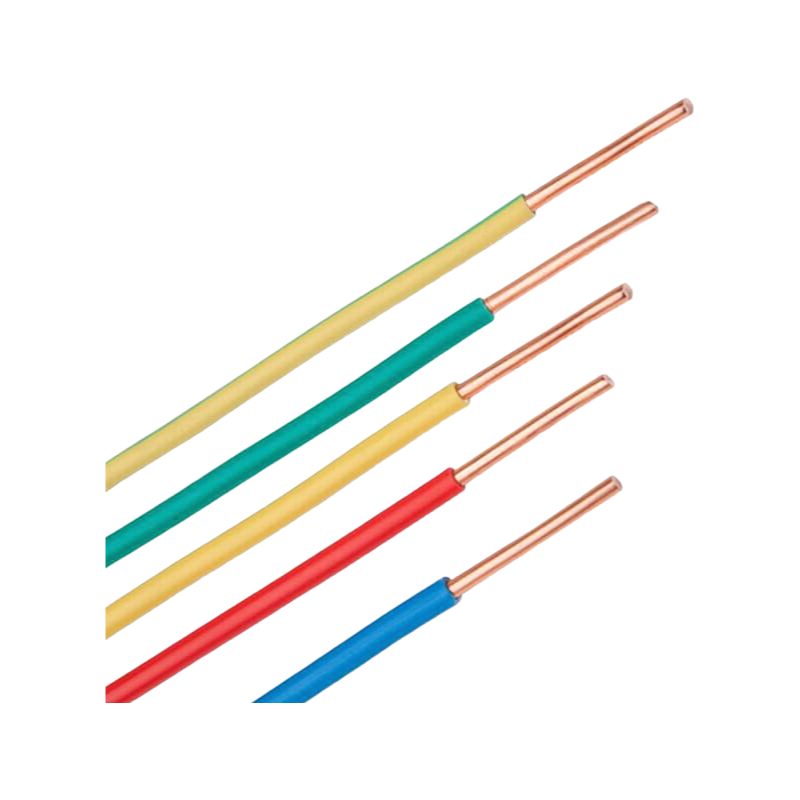
For standard sizes like that, lead time is usually 10–15 working days from order confirmation. If it's a non-standard color or sheath material, add about 5 more days.
We include the CCS certificate with every shipment as part of the standard paperwork. Same goes for the ISO and CE docs—they're all in the package unless you specifically tell us not to.
Yes, we can switch to LSZH sheath. The temperature range stays the same at -15°C to +70°C, but LSZH gives better fire resistance for marine environments. Just specify it in the order.
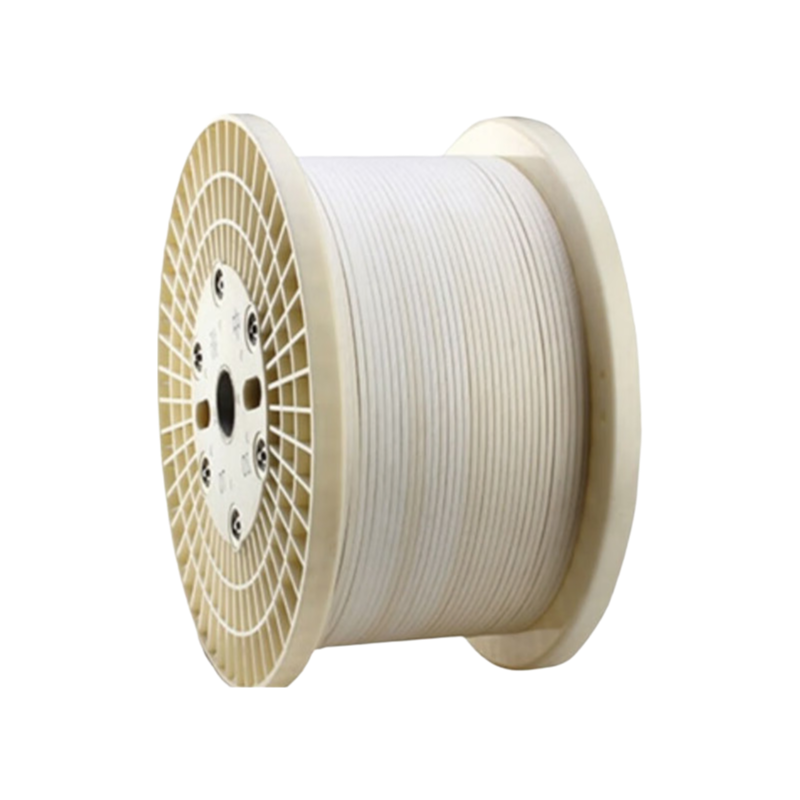
For that size, it goes on a wooden drum, properly sealed with plastic wrap to keep moisture out. Smaller coils under 100 meters come in cartons, but anything over that is drum-packed.
Delivery was incredibly prompt and the logistics were handled flawlessly. The shipment arrived well ahead of schedule, which was a fantastic surprise. The packaging was robust and secure, ensuring all items were in perfect condition upon arrival. Regarding quality, the cables appear to be exceptionally well-made, with solid construction and the certifications clearly visible, which gives great confidence in the product. The customer service team was responsive and professional, quickly answering my pre-sale inquiries. Overall, a very smooth and satisfactory procurement experience from start to finish. Definitely a reliable supplier for bulk orders.
I am thoroughly impressed with the overall experience. The logistics were handled with exceptional efficiency; the shipment arrived ahead of schedule and was packaged securely to prevent any damage during transit. This promptness and care in delivery were a significant advantage for our project timeline. Regarding the quality, the cables appear to be manufactured to a very high standard. The insulation seems robust, and the construction aligns perfectly with the specifications for marine-grade, waterproof electrical applications. The visible markings and certifications provided reassurance about the product’s compliance. On the service front, communication was clear, professional, and responsive from the initial inquiry through to the post-delivery follow-up. Any questions I had were answered promptly and accurately, which made the procurement process smooth and hassle-free. The combination of reliable logistics, apparent high quality, and excellent customer service makes this supplier a highly recommended partner for bulk electrical cable needs. The entire transaction was executed seamlessly, fostering great confidence in future orders. This level of performance in all three key areas—shipping, product integrity, and support—is commendable and somewhat rare to find consistently in bulk suppliers. It truly was a positive and satisfactory procurement engagement from start to finish.
Q: The shipping speed was absolutely fantastic. I placed the order with some urgency for a project, and the cables arrived well ahead of the estimated schedule. The logistics were seamless from start to finish, with clear tracking updates provided at every stage. The packaging was exceptionally robust and secure, ensuring that all the cable reels arrived in pristine condition without any damage whatsoever. This level of care in transit is highly commendable for bulk industrial items. Regarding the product quality, the cables appear to be manufactured to a very high standard. The insulation looks uniform and durable, and the overall construction feels solid and professional, exactly as one would expect from ISO/CE certified products. The documentation provided was complete and clear, which simplifies our own compliance and record-keeping processes. In terms of customer service, the communication was prompt, professional, and helpful. My initial inquiry was answered thoroughly and quickly, which gave me confidence in proceeding with the order. The sales representative was knowledgeable about the specifications and certifications, making the selection process straightforward. Overall, this was a highly satisfactory procurement experience from a logistics, quality, and service perspective. The supplier has proven to be reliable and efficient, which is crucial for ongoing business needs. I would not hesitate to source from them again for future requirements of marine-grade electrical components.
Naturally, the entire procurement process was impressively streamlined. The logistics were handled with remarkable efficiency; the shipment arrived precisely within the estimated timeframe, which is crucial for our project timelines. The packaging was robust and clearly labeled, ensuring the cable reels were perfectly protected during transit. There were no delays or complications with customs clearance, a testament to the supplier's experience with international shipping procedures. Regarding quality, the cables themselves appear to be manufactured to a high standard. The insulation is uniform, the markings are clear and durable, and the overall construction feels solid, aligning with the promised ISO and CE certifications. The initial electrical tests we conducted met all specified parameters. On the service front, communication was consistently professional and responsive. The sales team provided clear documentation and was proactive in updating the shipping status. Any preliminary queries were addressed promptly and accurately. This combination of reliable logistics, apparent product quality, and supportive service makes this supplier a very credible partner for bulk marine cable requirements. The overall experience was seamless and instilled confidence for future orders.
Yikes, the delivery was incredibly fast and hassle-free, arriving well ahead of schedule, which made our project timeline much smoother. The quality of these marine electrical cables appears robust and durable, with no visible defects upon inspection, giving me confidence in their performance for marine applications. Customer service was outstanding too; the support team responded promptly to my queries and provided clear, helpful guidance throughout the ordering process. Overall, a very positive experience that I'd happily recommend to others in need of reliable bulk supplies.
Fantastic experience with this bulk supplier! The delivery was incredibly fast, arriving ahead of schedule without any delays. From start to finish, the logistics were smooth and well-handled, making the entire process stress-free. The quality of the marine electrical cables is outstanding; they feel durable and well-constructed, which gives me confidence in their long-term performance. Additionally, the customer service team was friendly and responsive, promptly addressing my inquiries and ensuring everything was in order. Overall, I'm thoroughly impressed and would highly recommend this supplier for their efficient shipping, superior product quality, and excellent support.
Keenly satisfied with the shipping speed—the order arrived ahead of schedule, which was a pleasant surprise. The packaging was secure and intact, ensuring no damage during transit. Quality-wise, the cables appear robust and well-manufactured, meeting the expected standards for marine applications. Customer service was responsive and helpful, promptly addressing my inquiries with clear communication. Overall, a reliable experience that I would recommend to others in need of such products.
Lately, I received my order of marine electrical cables, and I must highlight the outstanding logistics involved. The delivery was incredibly prompt, arriving ahead of the estimated schedule, which minimized any downtime for our marine projects. The packaging was secure and well-organized, ensuring that all items were protected from potential damage during transit. Regarding quality, the cables appear robust and durable, with no visible defects, and they align perfectly with the certifications mentioned. Customer service was equally impressive; the support team was responsive and helpful, addressing my queries efficiently. Overall, a very reliable experience that I would recommend to others in the industry.