Account
Inquiry
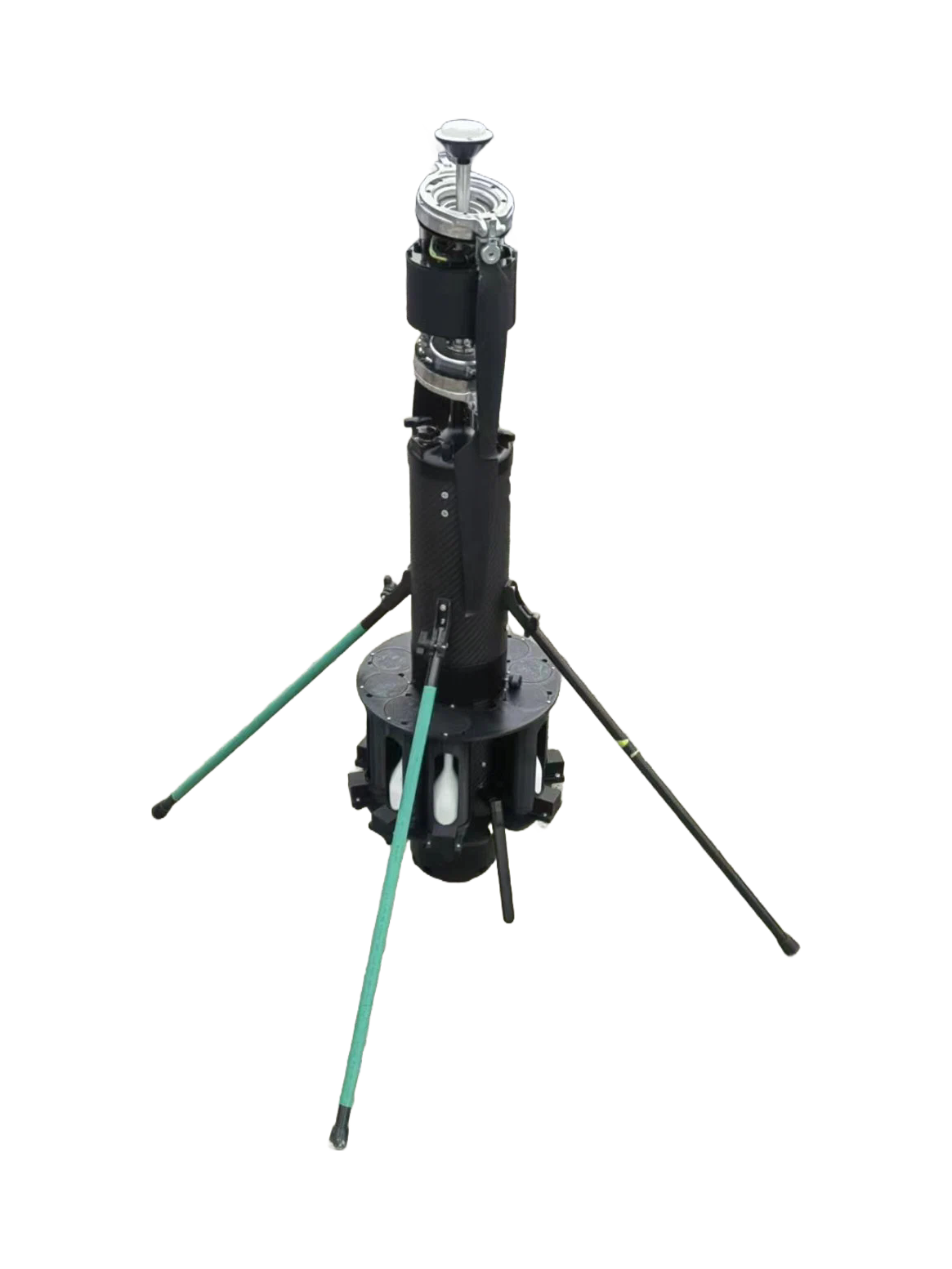
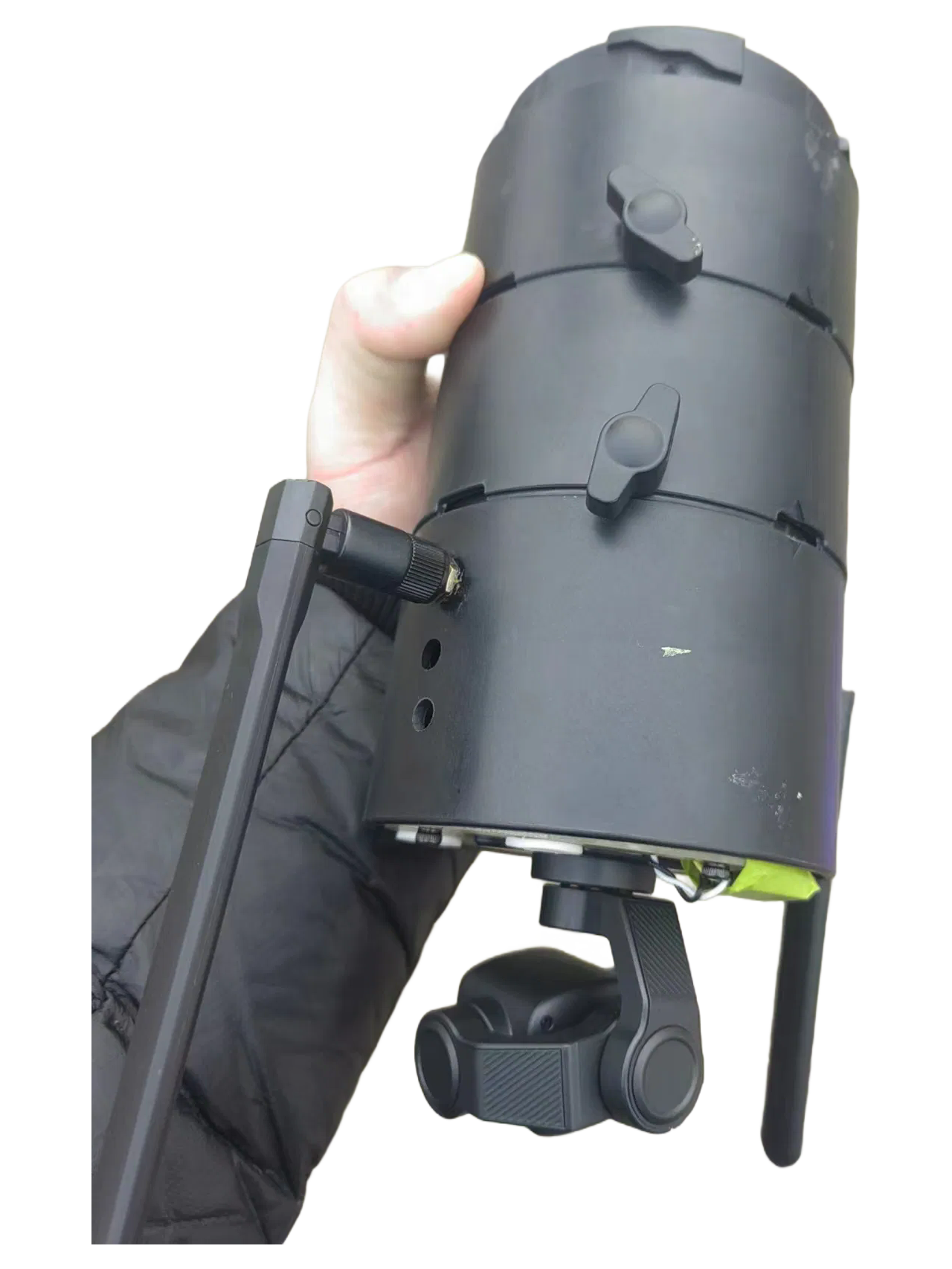
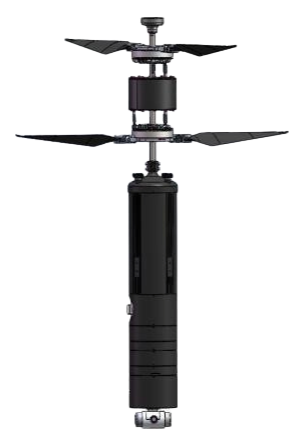
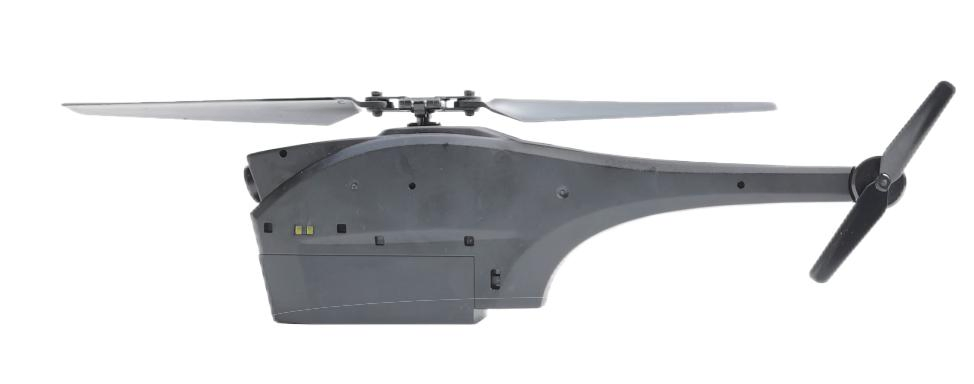
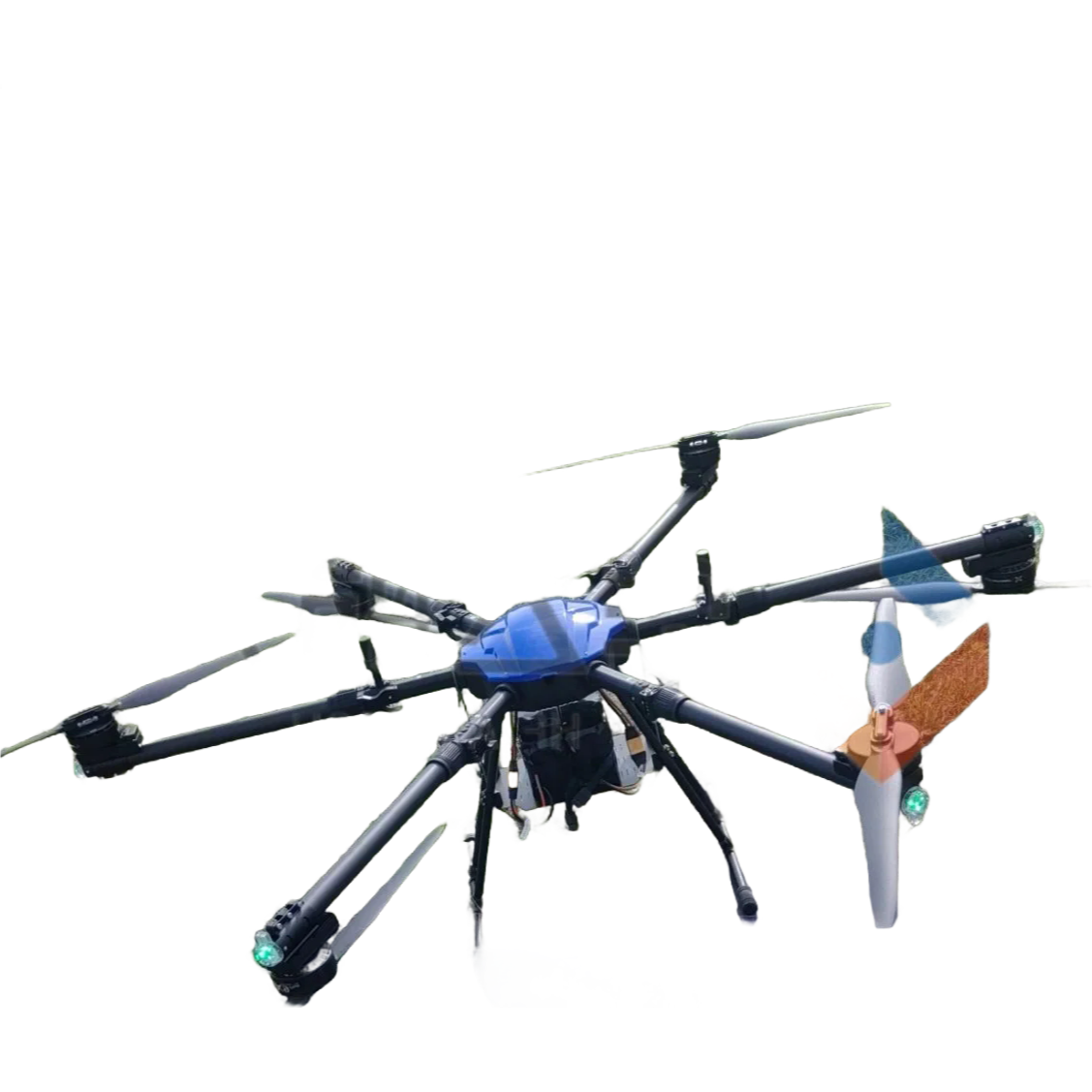
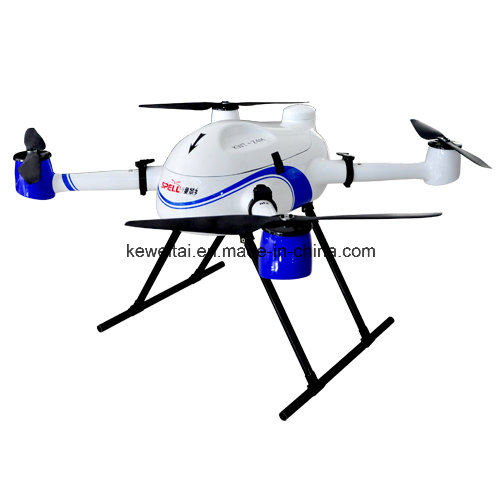
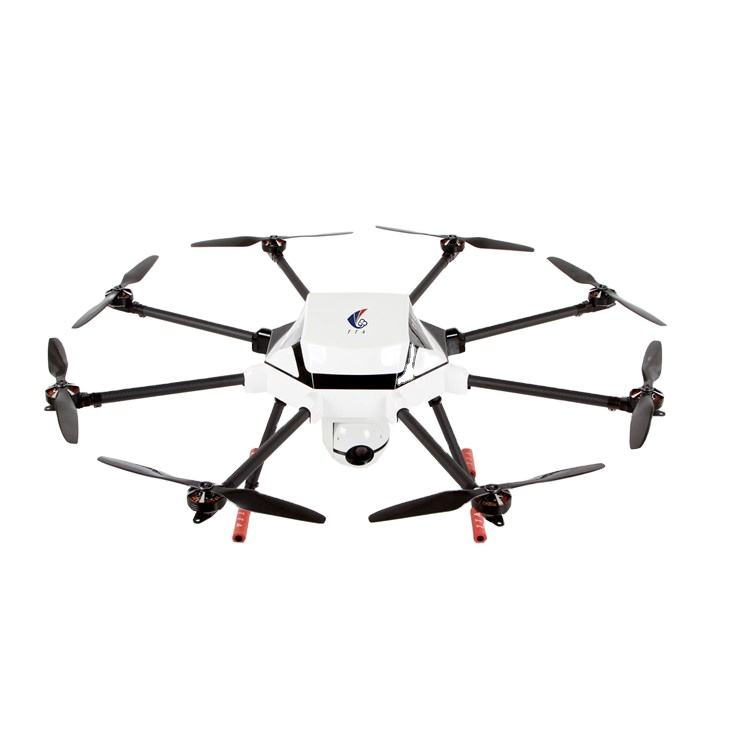
Weighs in at 4.45 kg without the battery, and it can lift up to 1.2 kg of payload—that's a total takeoff weight of 7.8 kg max. It's a coaxial dual-rotor setup, basically, which gives it that inherent stability because the counter-rotating blades cancel out the torque. You're looking at roughly 22 minutes of flight time with no load; that drops to about 15 minutes when you're hauling full 1.2 kg. Top speed is 16 m/s, but the economic cruising speed is half that at 8 m/s. It uses GPS, BeiDou, and GLONASS for positioning, with a hovering accuracy of plus or minus half a meter.
Most buyers in industrial inspection or surveying grab this for short-range work, not for long-distance mapping missions. It's not really suited for heavy-lift cargo or anything beyond its 1.2 kg limit—don't push it. The operating radius is short range, and wind resistance stops at Level 6, so you're fine in moderate winds but don't expect it to hold steady in a gale. Operating temperature range is -10°C to +60°C.
4.45 kg dry weight folds down to 140mm by 840mm, which is actually pretty compact for a dual-rotor—tucks into a small case or backpack. The unfolded dimensoins are 580mm by 900mm with landing legs deployed. One thing you'll want to note: the waterpoof rating is IPX0, so this is strictly for dry conditions or light drizzle at best. The battery is a 16000 mAh pack, and you'll probably want to order a spare or two (confirm lead time on extras, as stock varies).
For procurement, we usually have these on hand with a lead time of 20 days or so, but that depends on batch orders. The MOQ is typically 10 units, though we can flex for single units if stock allows—just ask. Payment terms are usually 50% upfront with the balance before shiping; we accept wire transfers and letters of credit for larger orders. Documentation includes a COA from our in-house HPLC testing, plus the FCC certification is already in place (that's a big win for US buyers). Shipping is via air freight for small batches, sea freight for anything over 50 units or so.
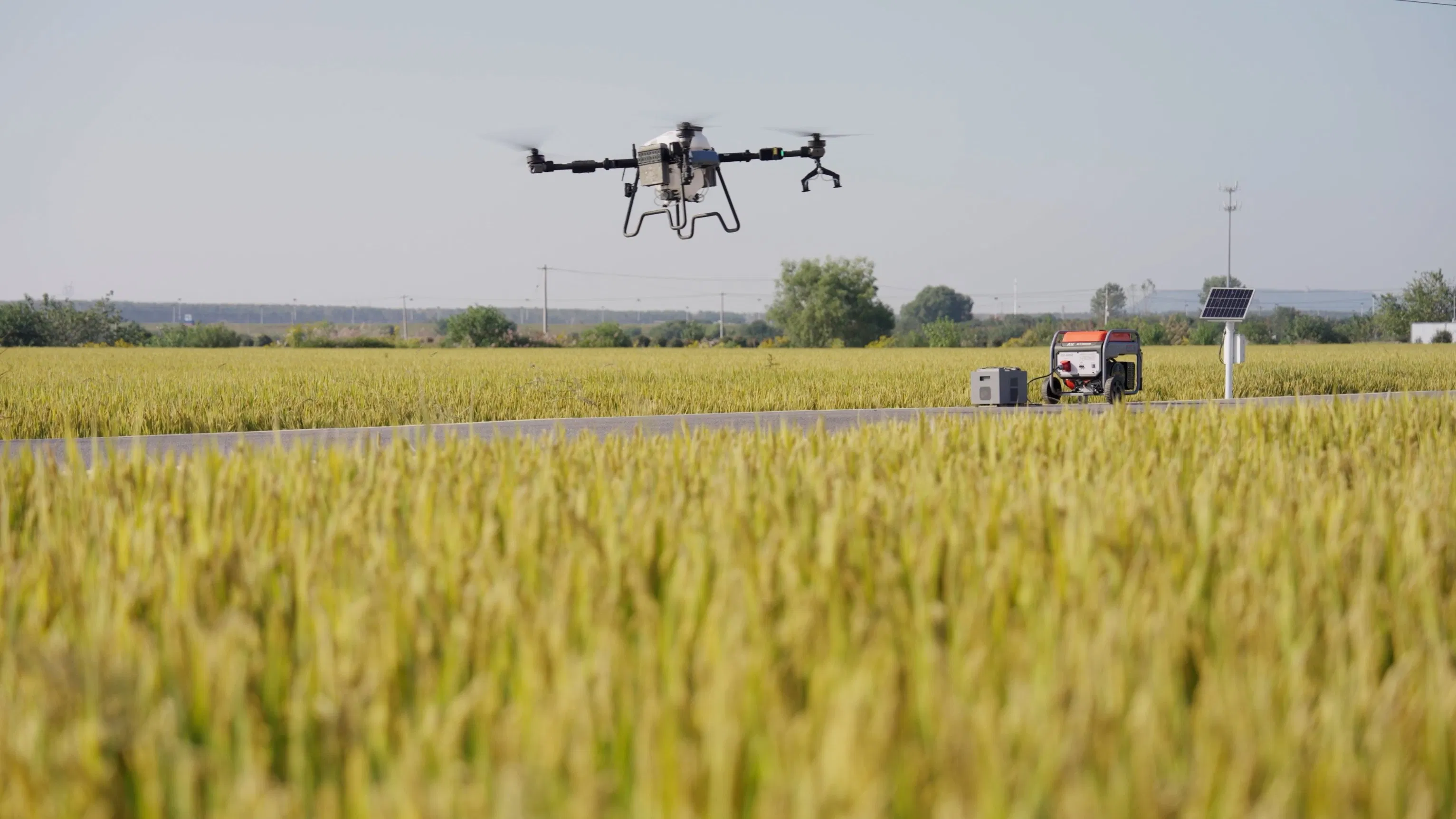
We've seen these used mostly by energy inspectors for power line patrols and by agricultural teams for crop surveys—basically anything that needs stable hovering and precise positioning. Teh coaxial design makes it less prone to vibration than a typical quad, which matters if you're mounting a gimbal for video or a LiDAR sensor. Just be realistic about the 1.2 kg payload capasity; you're not lifting heavy thermal cameras with it.
Standard lead time is about 15-20 working days after order confirmation and payment. It can vary slightly depending on current production volume, but we'll give you a firm date once the order is placed.
We usually require a MOQ of 5 units per order for the HF101N. For smaller quantities or sample orders, we can discuss—just reach out to our sales team.
Yes, it's certified FCC and we can provide a compliance certificate upon request. If you need additional documentation like material or performance test reports, let us know and we'll see what we can share.
The 1.2 kg payload is the max for standard configuration. We don't recommend exceeding it as it affects flight time and stability. But if you need a specific payload setup, we can discuss minor adjustments or bracket designs.
Store it in a dry, cool place between -10°C and +40°C, folded to its compact size of φ140mm×840mm. Keep the battery at around 50% charge for long-term storage, and avoid direct sunlight or humid environments.
Hats off to the entire team for a truly impressive experience from start to finish. The logistics were handled with remarkable precision; the drone arrived well ahead of the estimated delivery window, securely packaged in a robust, custom-fitted case that clearly prioritized protection. Every component was individually nestled, and there was absolutely no sign of transit damage. This level of care in shipping immediately instilled confidence. Regarding quality, the build is exceptional. The airframe feels incredibly solid and rigid, with no flex or cheap materials in sight. The finish is professional, and all moving parts operate with a satisfying smoothness and precision. It has a substantial, industrial feel that perfectly matches its stated purpose. The service aspect was equally outstanding. Prior to ordering, my inquiries were answered promptly and thoroughly by a knowledgeable support representative who provided clear, technical details without any pressure. Post-delivery, they followed up to ensure everything was received in order. Overall, this was a seamless transaction characterized by outstanding logistical efficiency, a product that exudes top-tier manufacturing quality, and customer service that is both proactive and expert. Highly recommended for anyone seeking a professional-grade solution.