Account
Inquiry
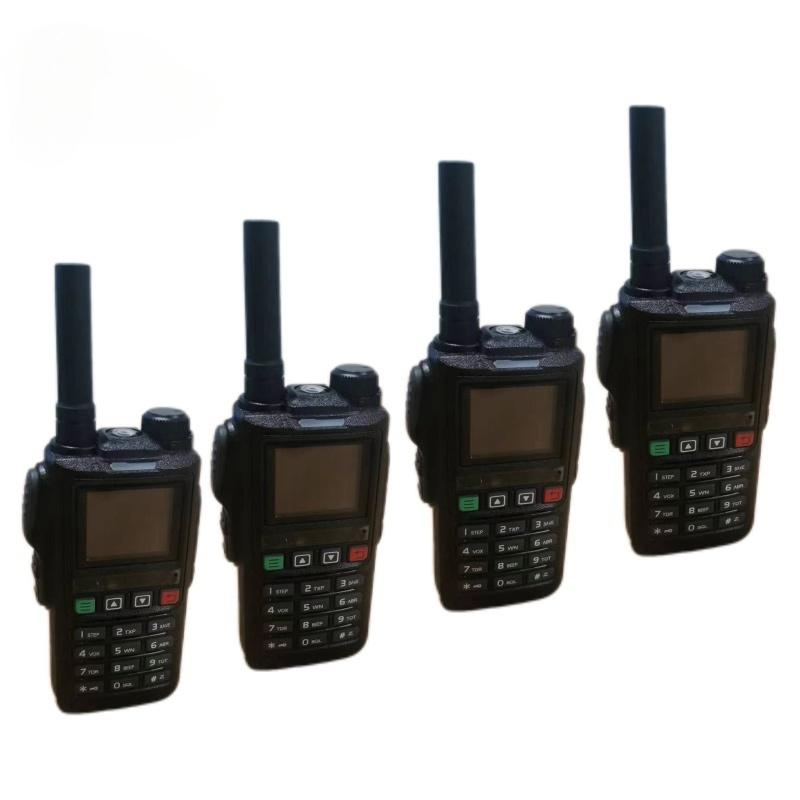
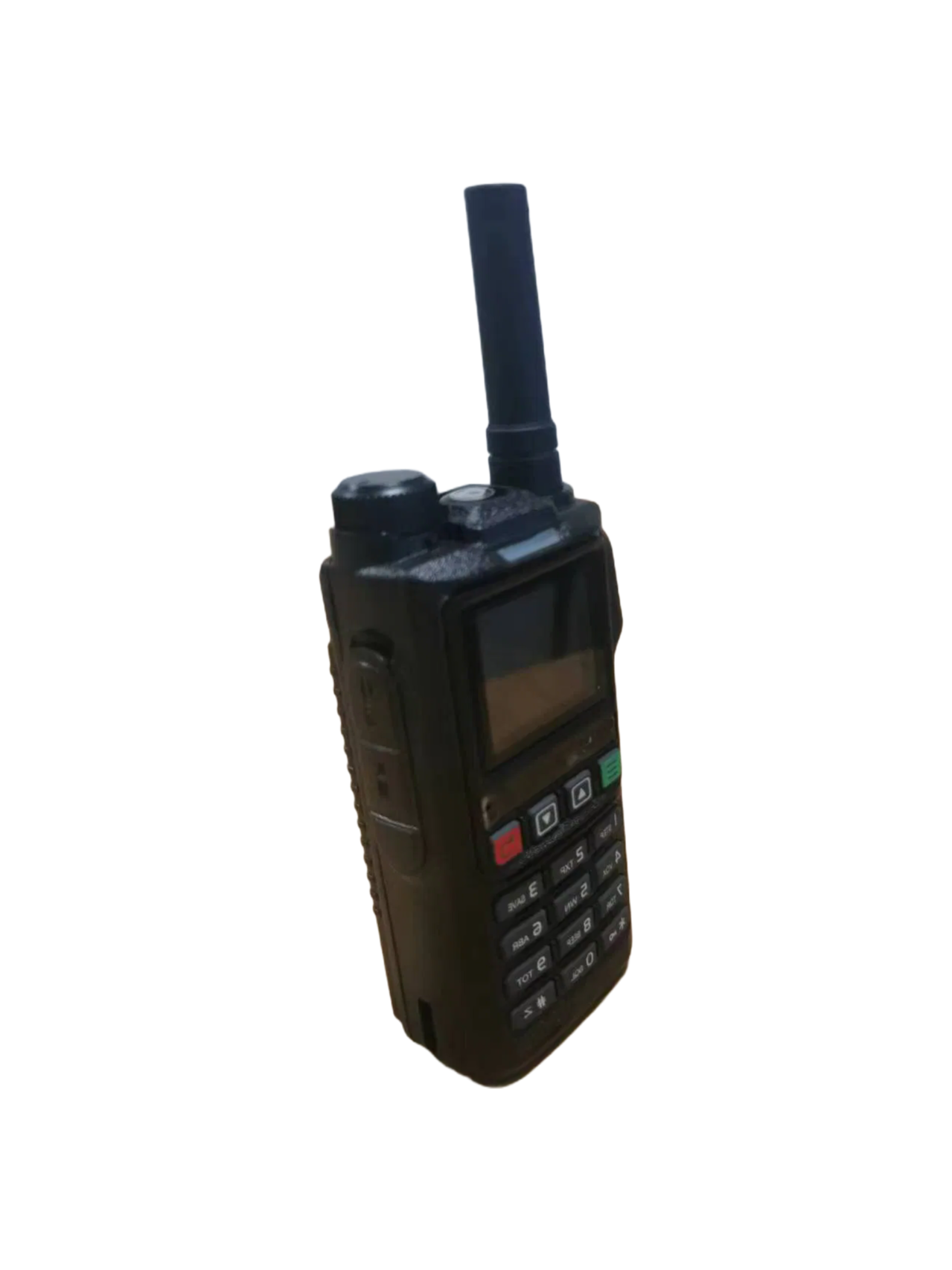
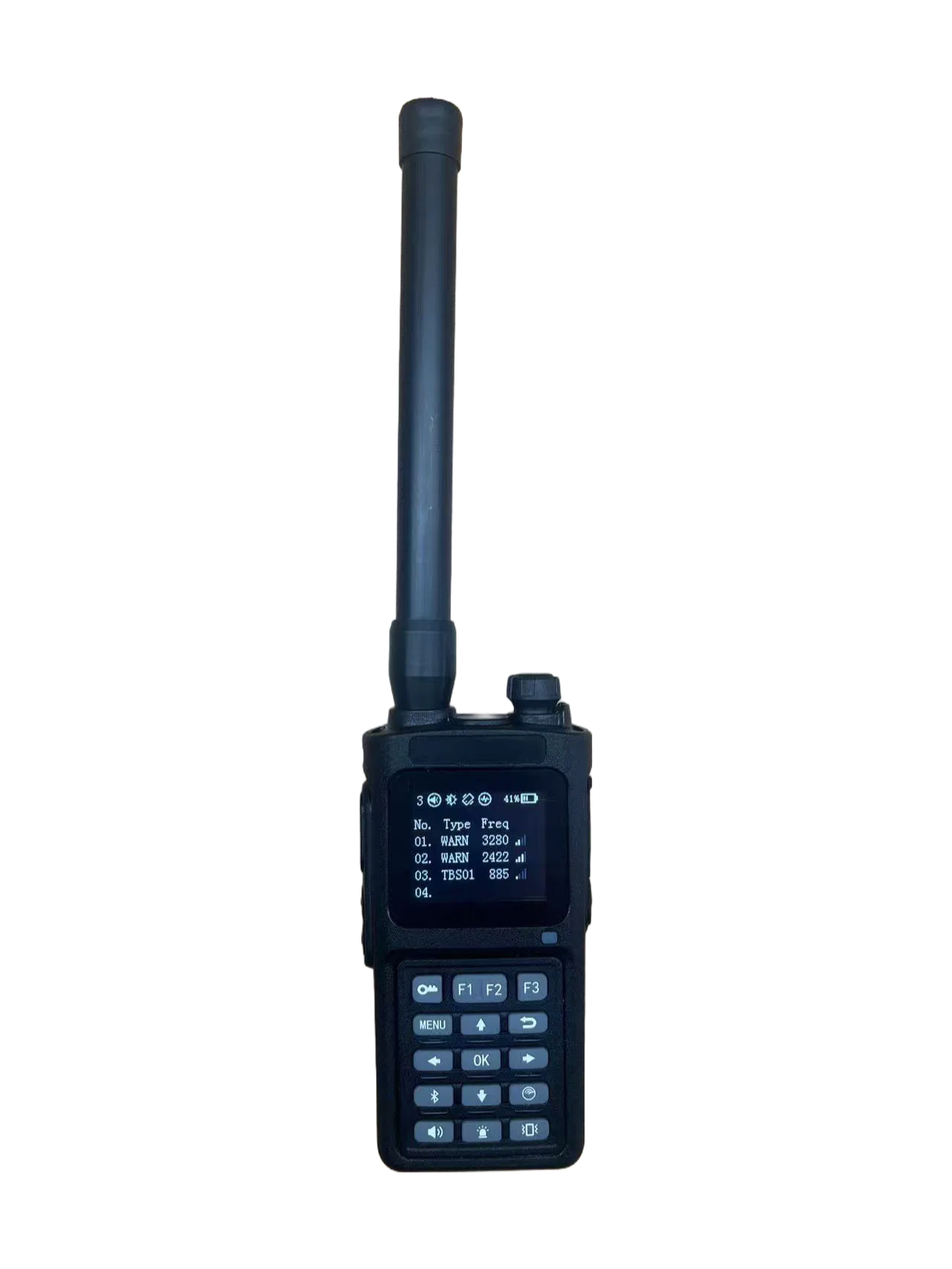
Crank it up and you're scanning 300MHz to 6200MHz, though our company can dial teh range in for you—the 2km detection claim holds up in open air, roughly speaking, but dense foliage or urban clutter cuts that back by 30% or so. Response time sits under 3 seconds on passive spectrum analysis, which means you're not blasting any RF yourself, just listening for the telltale chirps of DJI, Autel, or those racing quads.
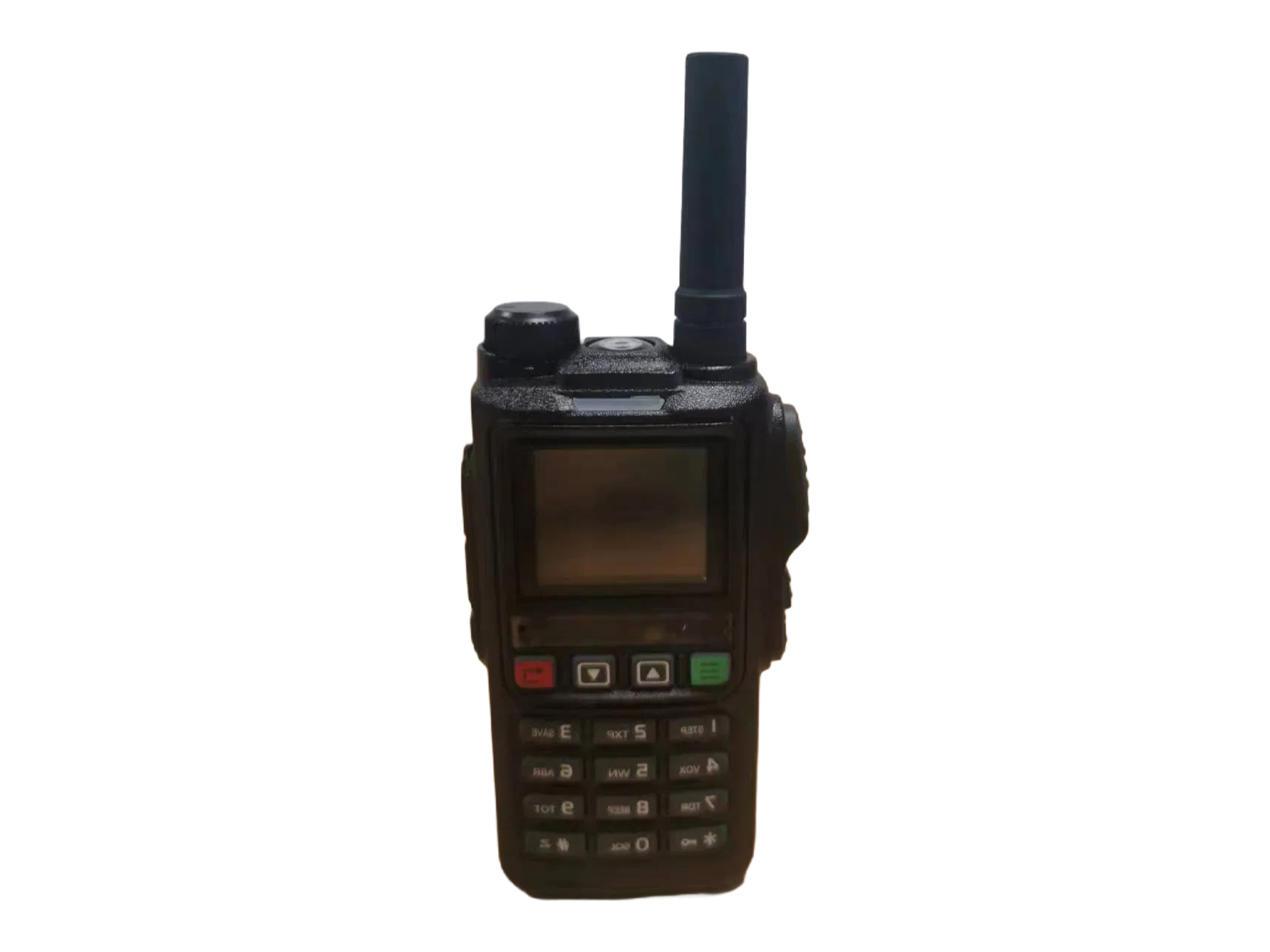
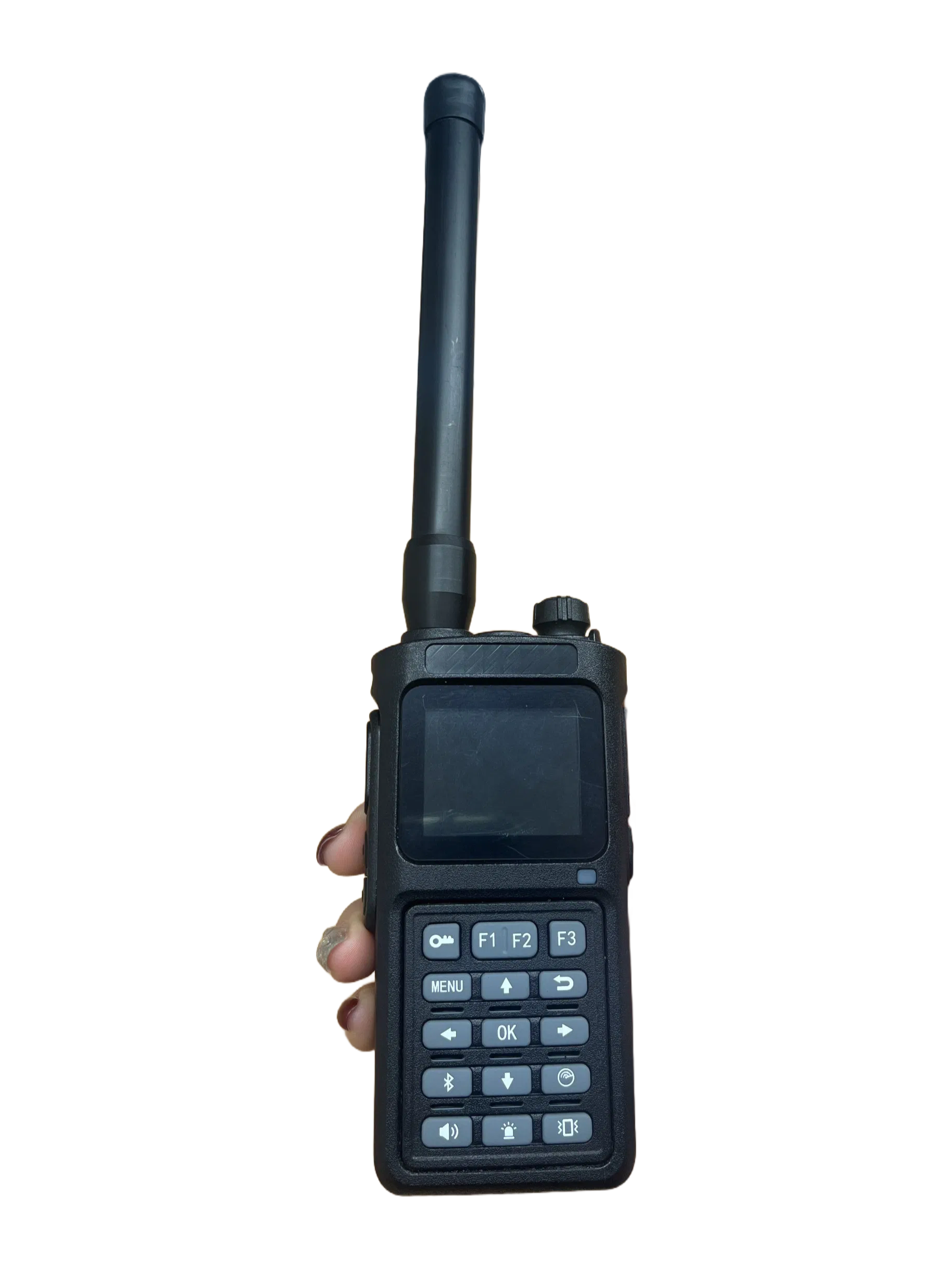
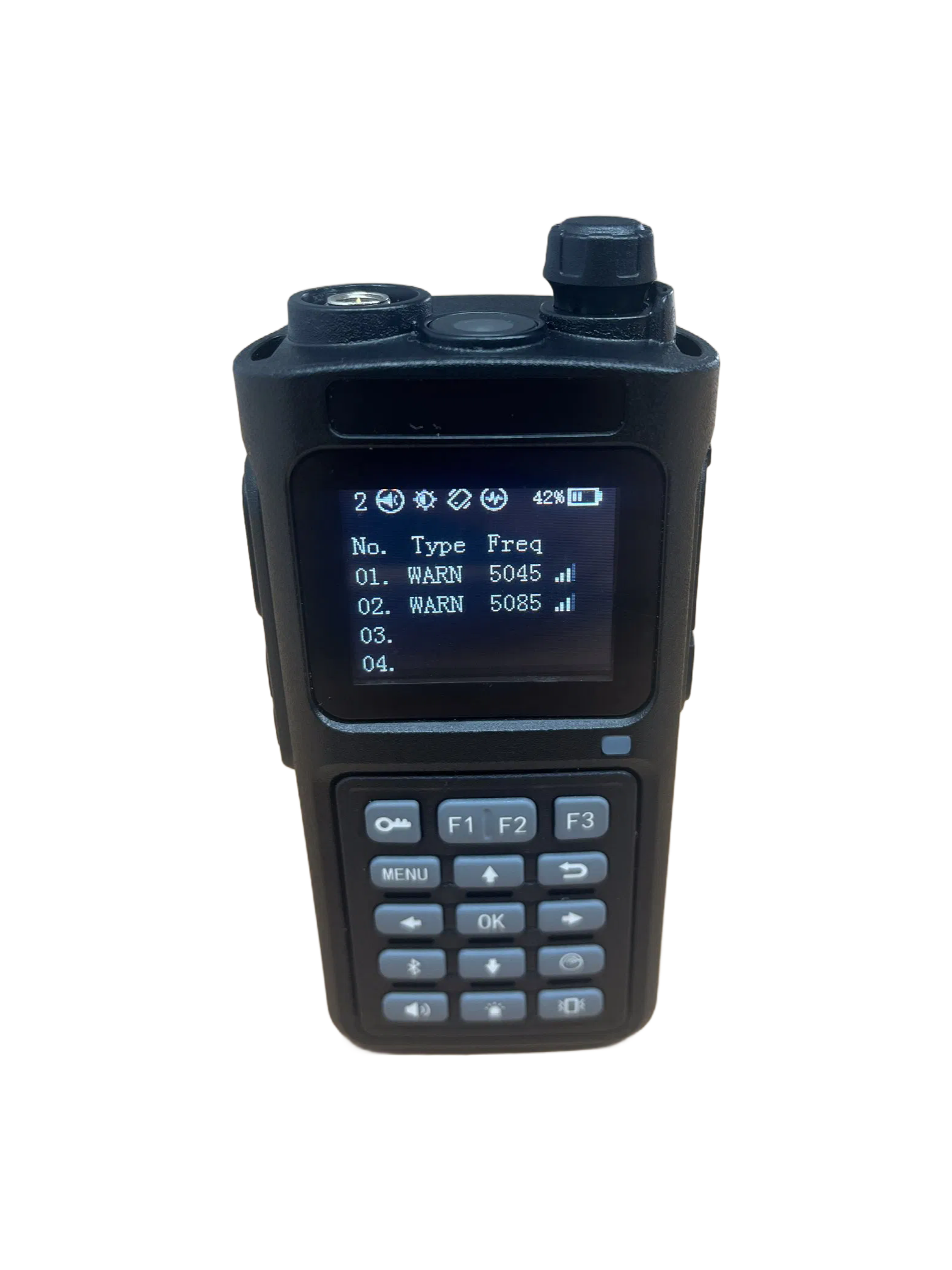
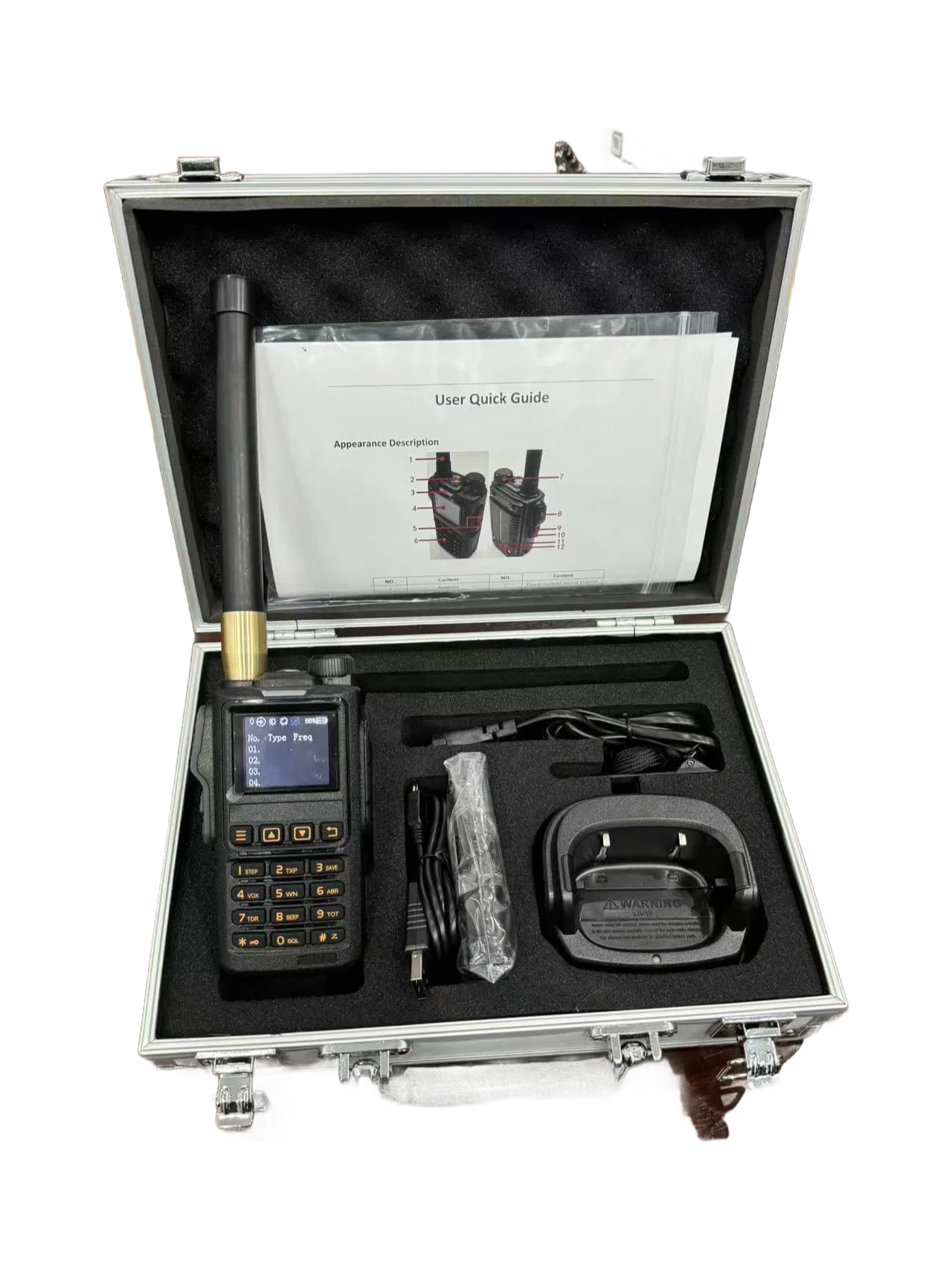
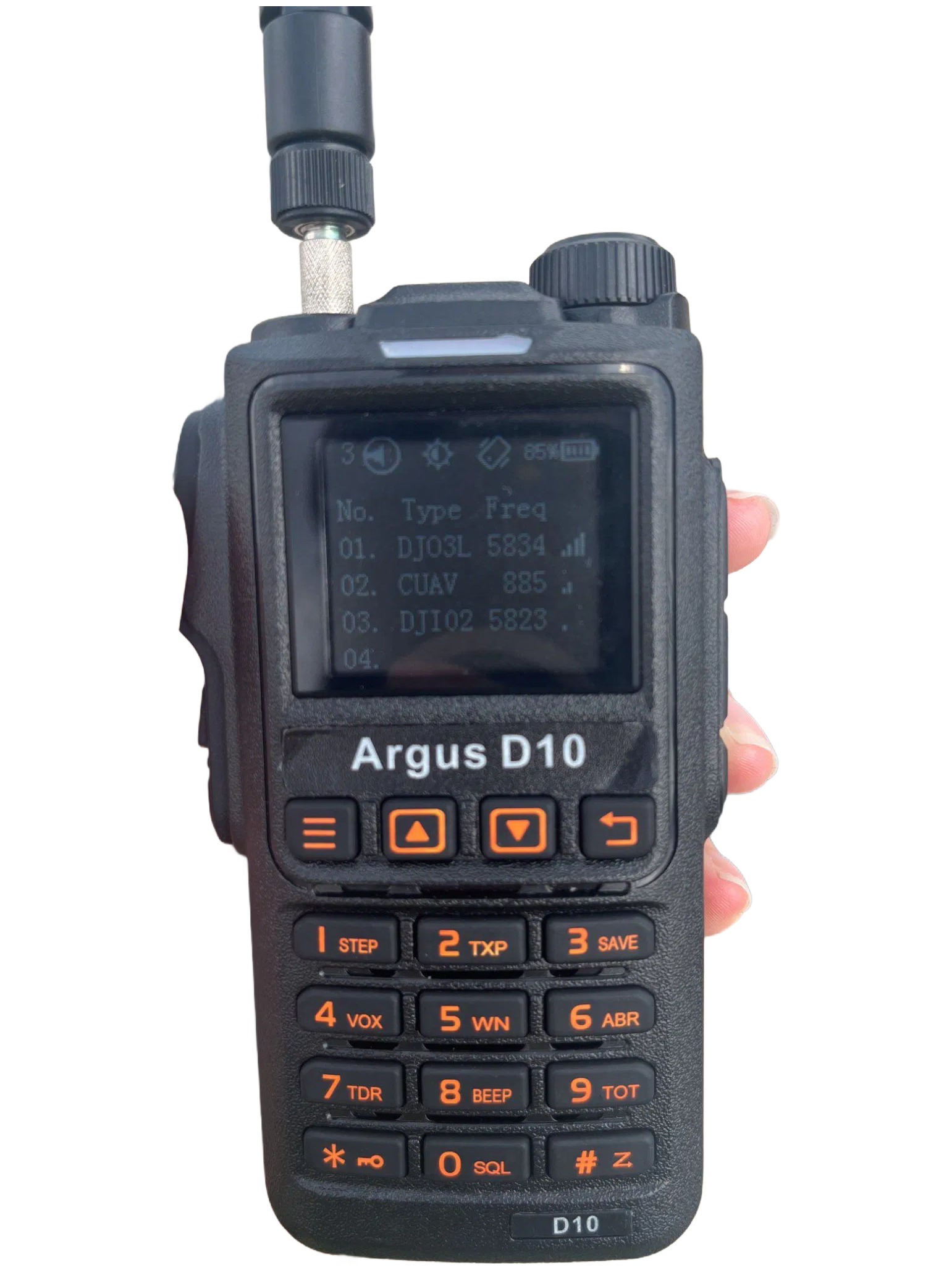
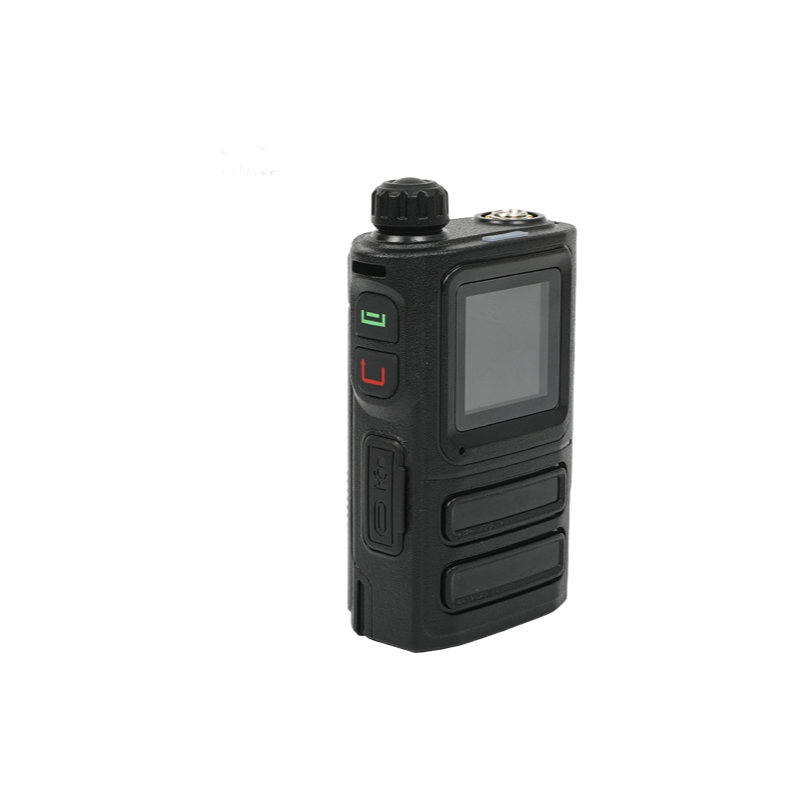
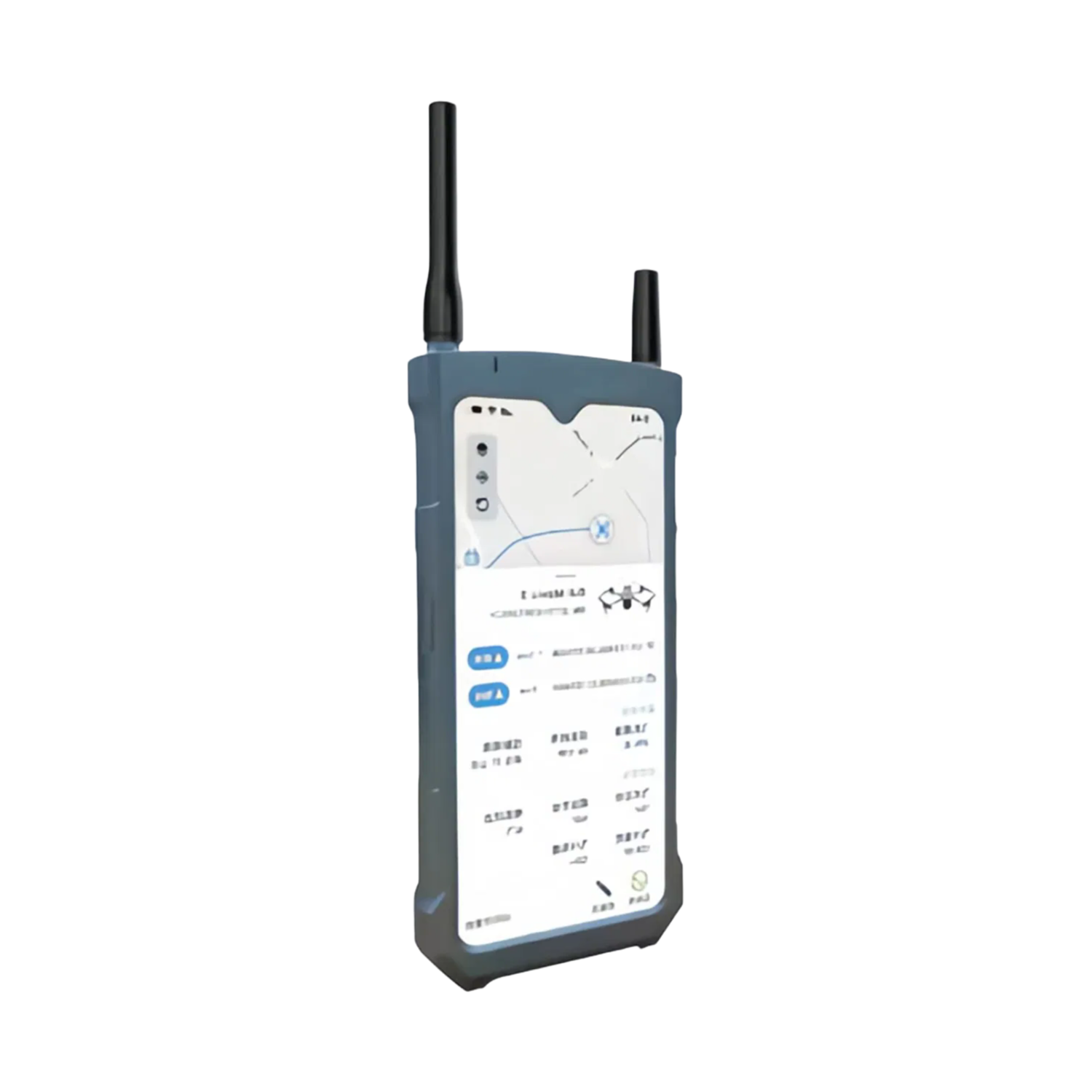
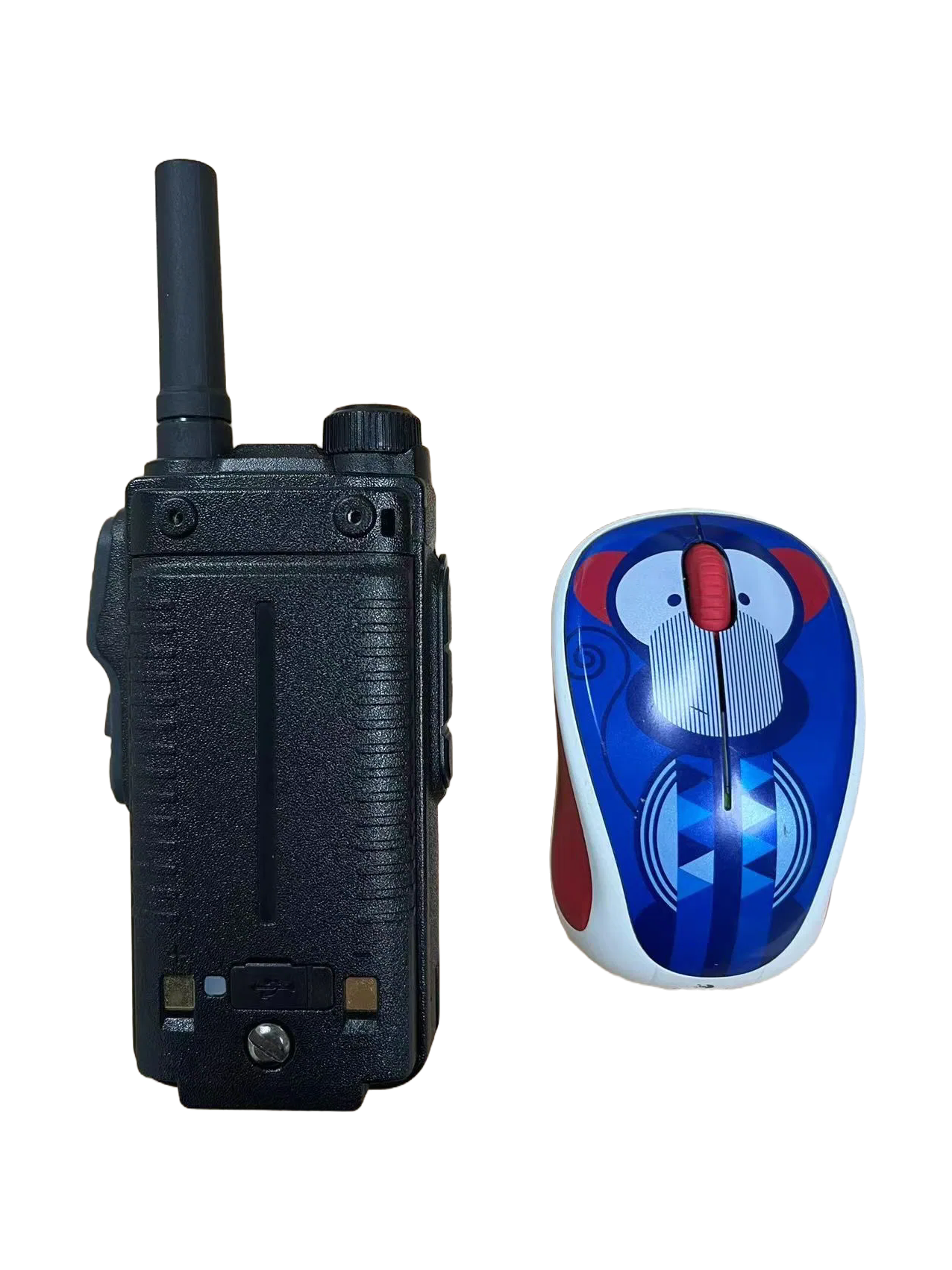
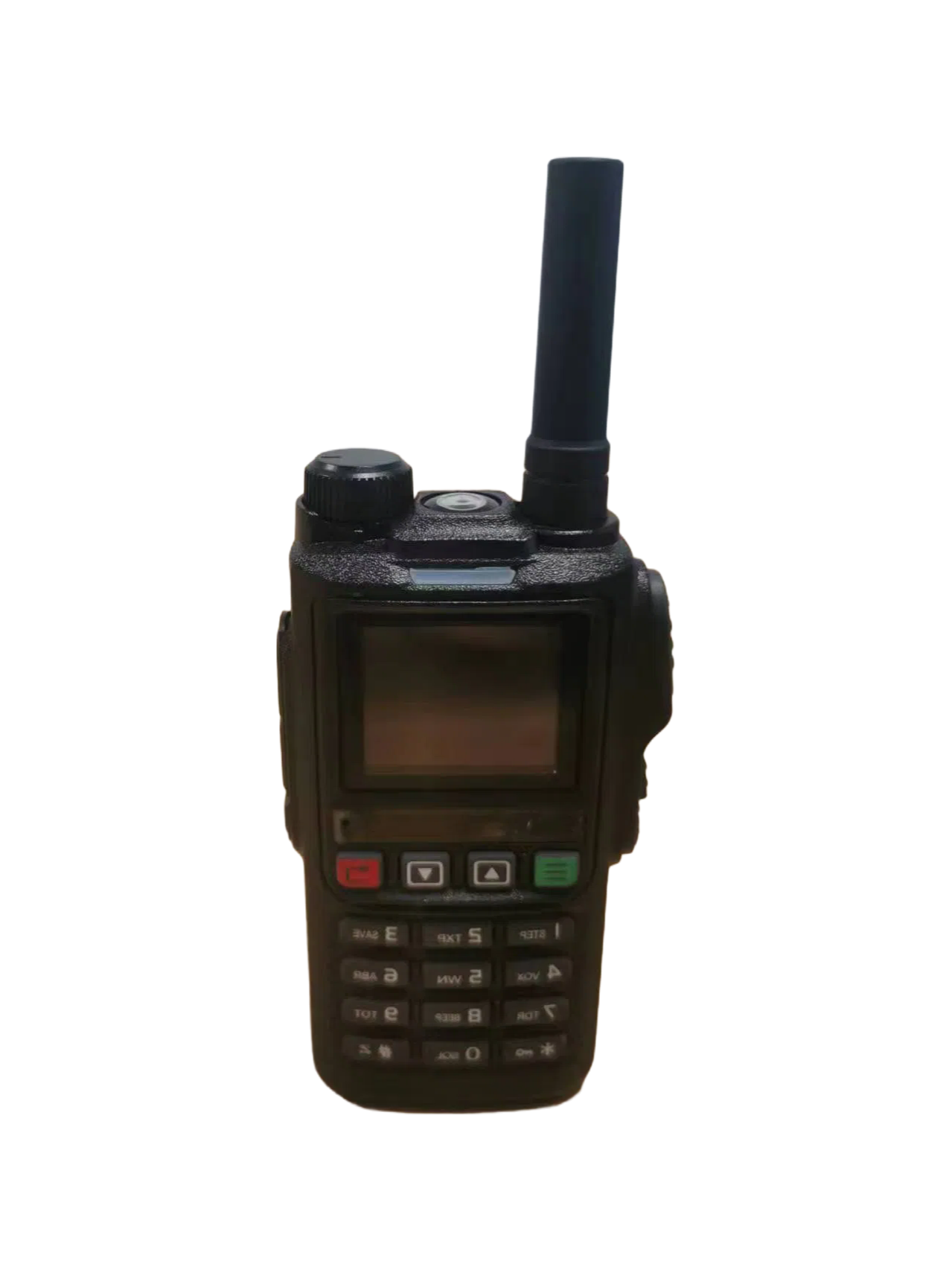
What it does is sit in your hand at 135x69x50mm, basically a fat smartphone with a 1.77-inch screen that vibrates or beeps or flashes when it snags a signal. Battery options are actually pretty decent—the 1800mAh pack gives you 3 hours, the 5000mAh stretches to 8, so swap 'em depending on shift length. Startup's 15 seconds, which is fine for most patrols, but you'll want the 5000mAh for all-day sweeps in the field (check lead time on that, we usually have stock). It does 360° direction finding without any movement, scanning passively across predetermined drone frequency profiles.
Most buyers go with the full band scan rather than custom presets, though we can lock in specific ranges if you're chasing only DJI or Autel signals exclusively. The false alarm rate climbs at crowded sites like airports or data centers—it'll flag any RF anomaly in that 400MHz-6GHz spread, not just drone chatter, so you're filtering manually sometimes. Temperture tolerance is -20°C to +50°C, and we've run HPLC-grade testing on firmware's sample rate consistency, but honestly, cold weather below -10°C eats into battery life by about 20%.
This isn't for stealth ops where you need centimeter-level directional accuracy—it's wide-area sweeper, better than cheap spectrum sniffers but not a replacement for a phased array system. The multi-unit integration lets you network several YT-ZC02s together over a mesh, which is slick for perimeters, though setup takes maybe 20 minutes with our config tool, not rocket science.
Up to 2km in open sky conditions. Real-world range depends on drone size and environment, but you'll typically get solid detection within that distance.
Yes, both batteries are swappable. The 1800mAh gives you about 3 hours of operation, while the 5000mAh extends that to roughly 8 hours. Just make sure to power down before swapping.
Absolutely. Each unit ships with a test report verifying the frequency range and detection performance. We can also provide a CE or FCC certificate upon request, just let your sales rep know.
Yes, you can choose vibration, sound, or visual alerts independently. In noisy environments, many users just switch on vibration and the screen flash so they don't miss a detection.
The standard range is 300-6200MHz, but we can tune it to specific bands you need, like 400MHz-6GHz. Customization adds about 5-7 working days to the lead time, so plan accordingly.
A truly impressive piece of security equipment arrived much faster than anticipated. The shipping was handled with remarkable efficiency, and the package was securely sealed, showing no signs of damage during transit. Upon unboxing, the build quality of the handheld unit is immediately apparent. It feels solid, well-constructed, and durable in hand, with a professional finish that inspires confidence. The initial setup was straightforward, and the interface is intuitive. Although I have not yet deployed it in a field operational scenario, the initial power-on and signal sweep tests performed flawlessly. The customer service team was proactive, sending a follow-up email with links to detailed documentation and tutorial videos. They were also readily available to answer a pre-purchase inquiry I had regarding frequency coverage. This level of post-purchase attention is commendable and not always a given. Overall, based on the initial impressions of its physical construction, the seamless delivery process, and the excellent pre-sales support, this device appears to be a robust and reliable tool. A fantastic first experience with the product and the company behind it. I look forward to putting it through its paces in a real-world environment.
The shipping was incredibly fast and well-packaged, arriving two days earlier than estimated. Tracking updates were precise and helpful throughout the process. The build quality feels robust and durable, with no visible defects or issues upon inspection. Customer service was responsive and polite when I had a query, providing clear answers promptly. Overall, a very satisfying purchase experience from start to finish.