Account
Inquiry
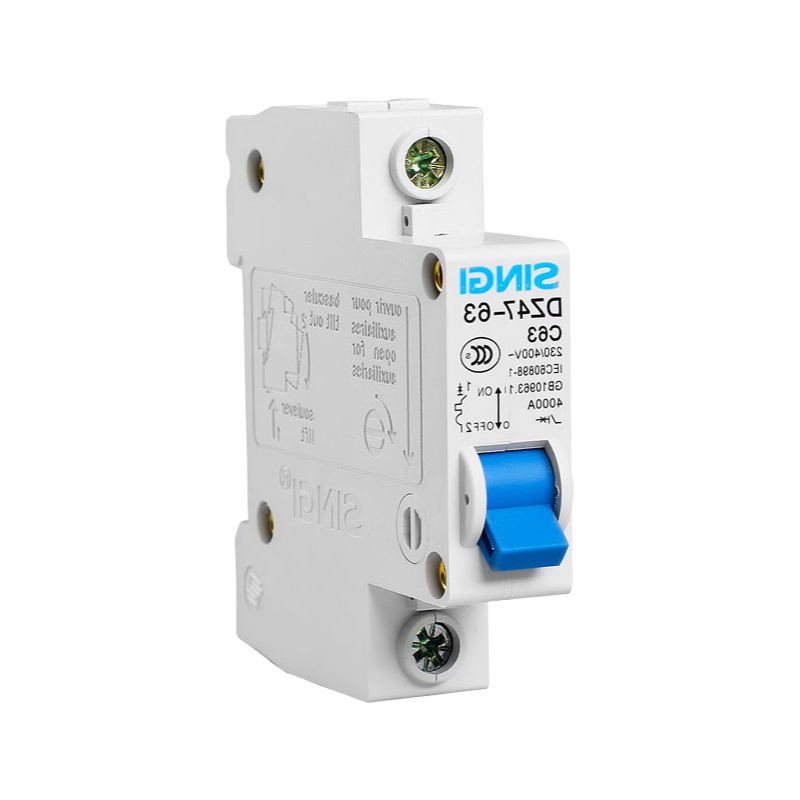
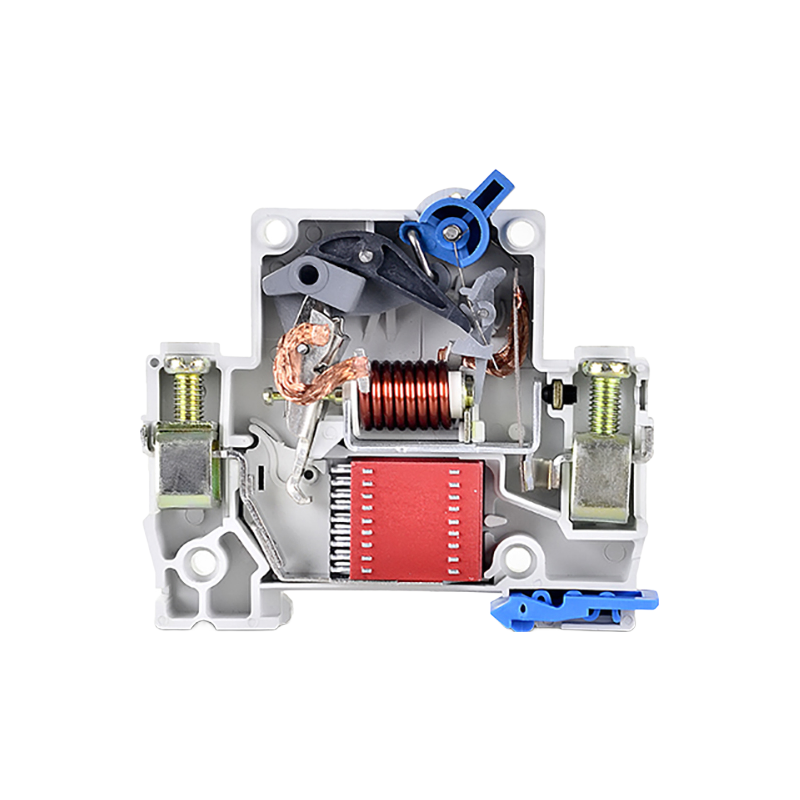
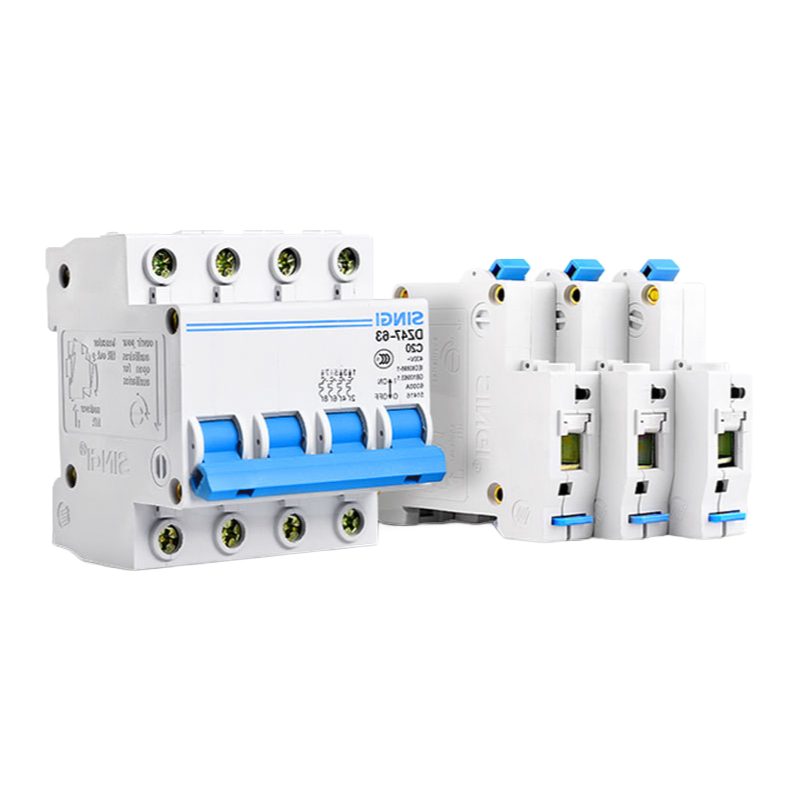
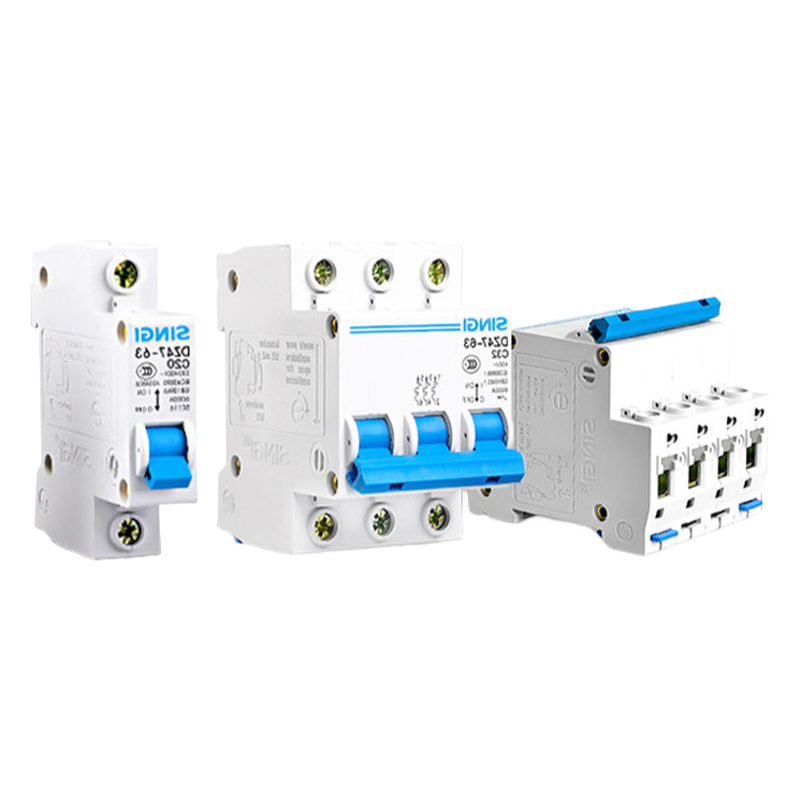
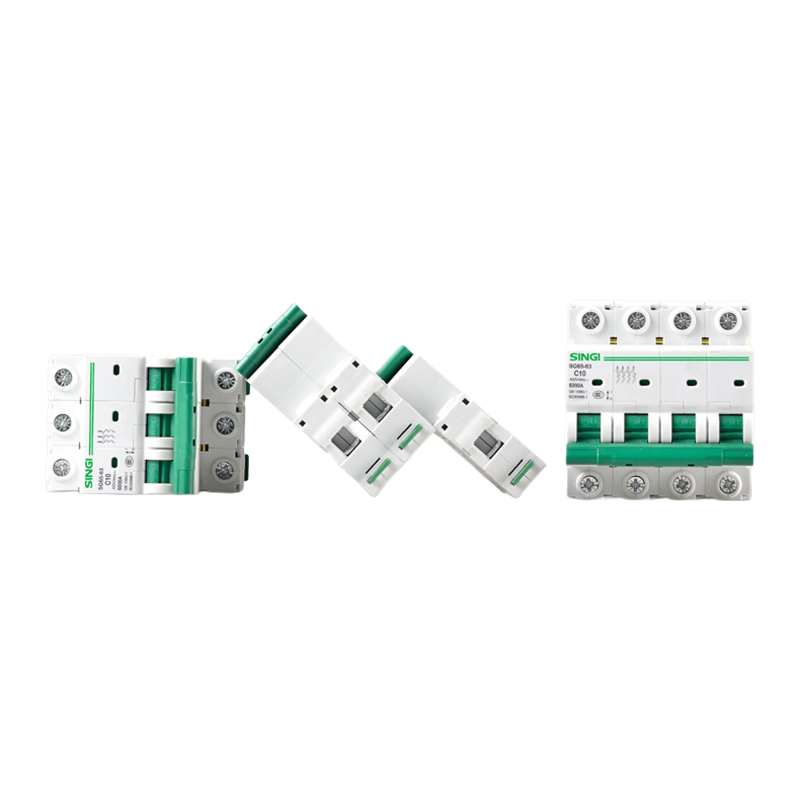
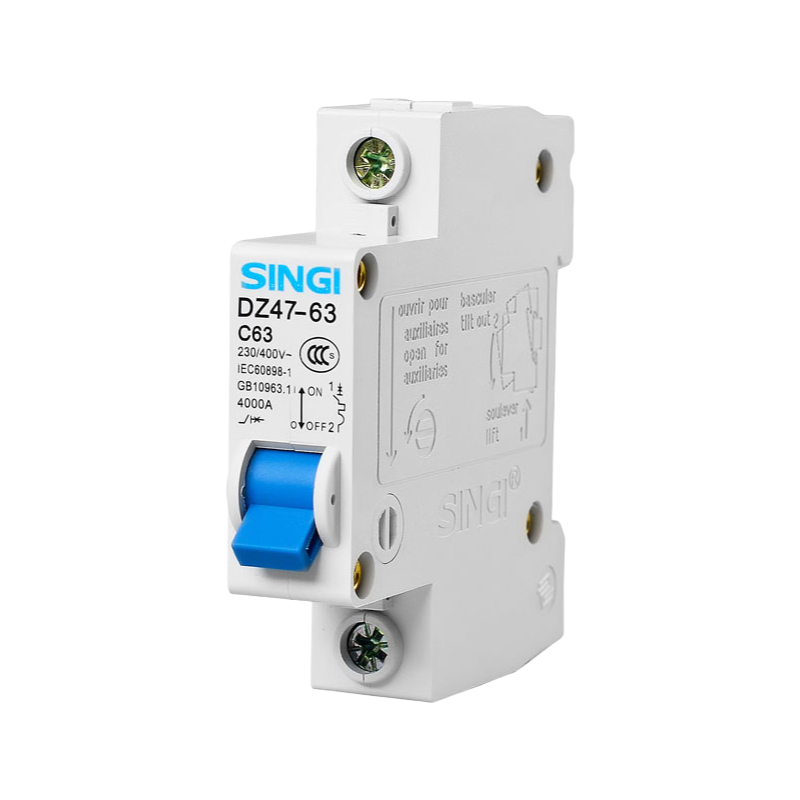
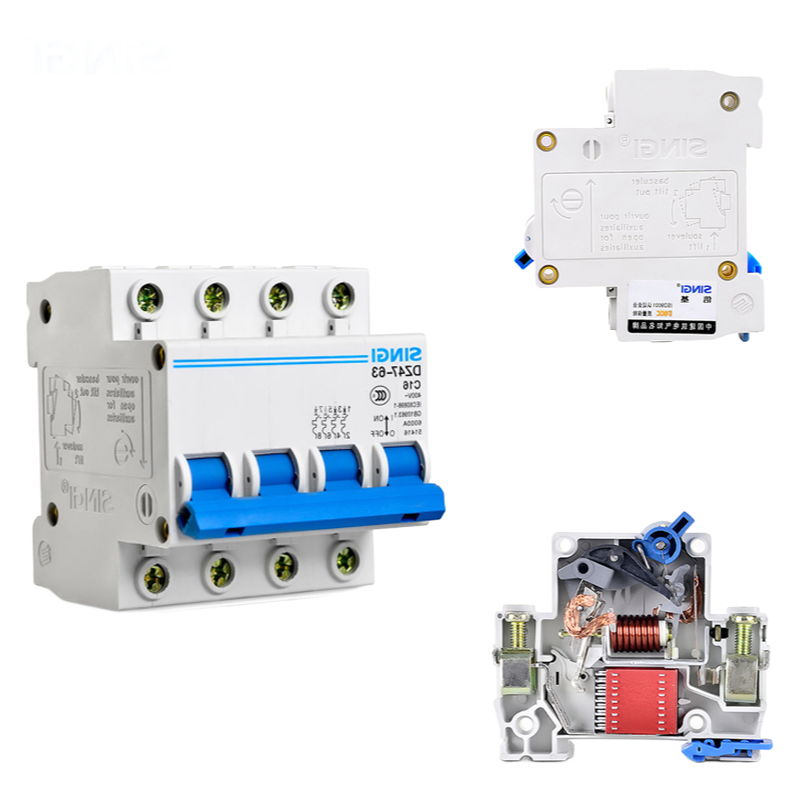
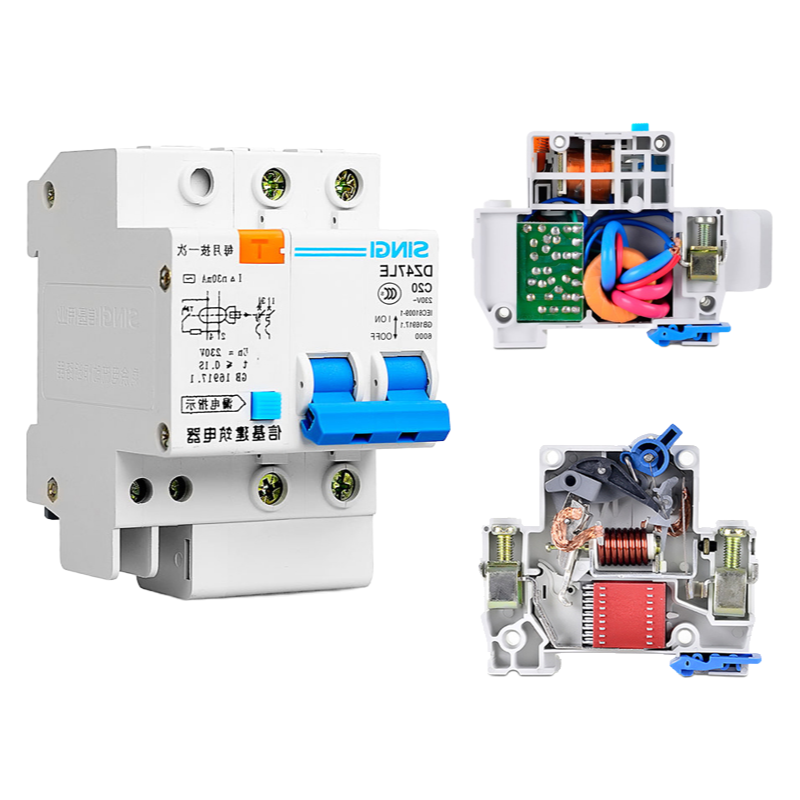
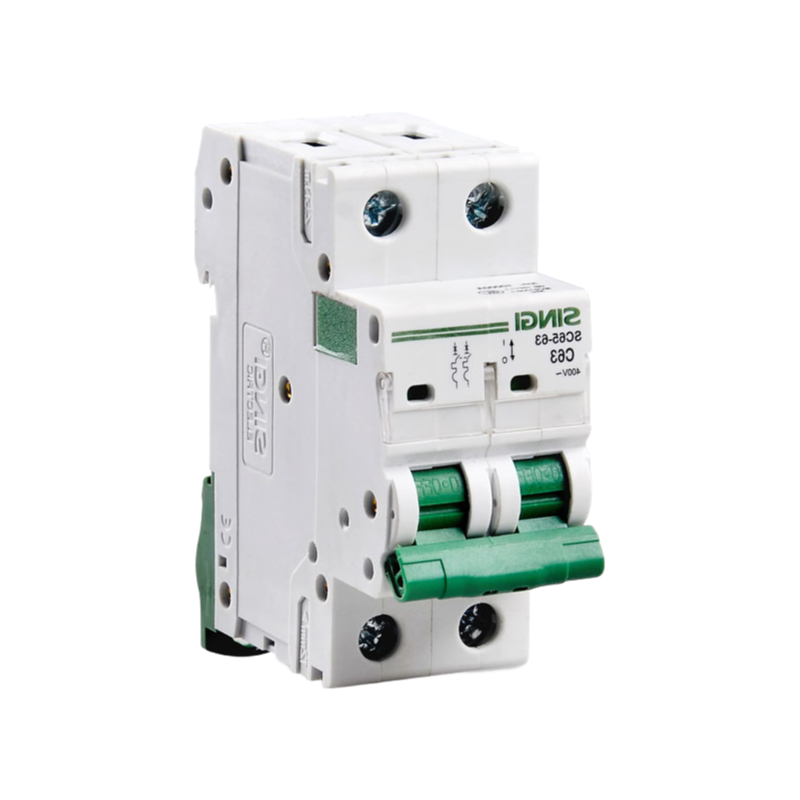
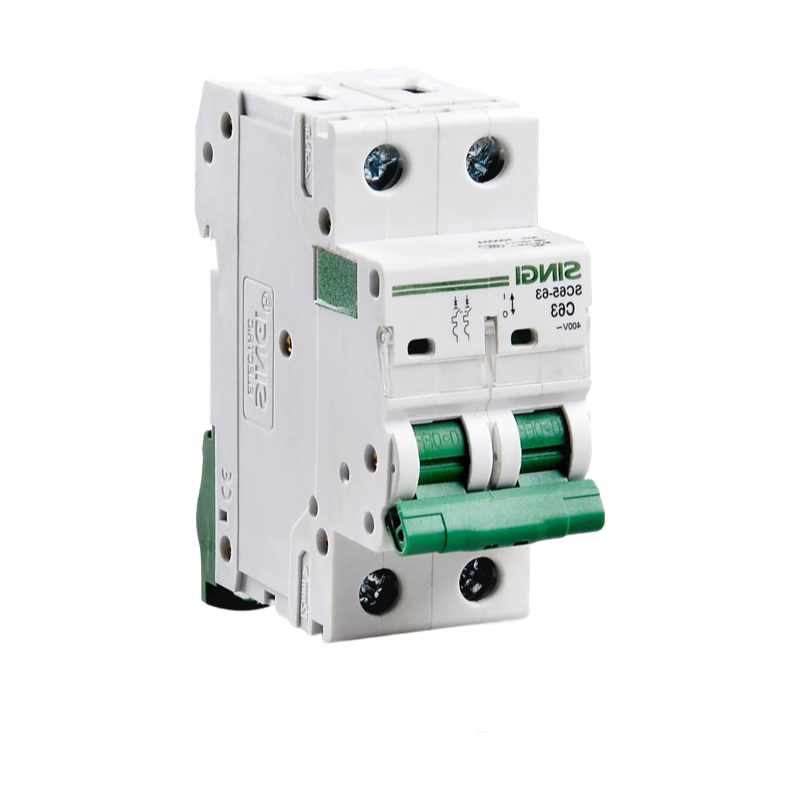
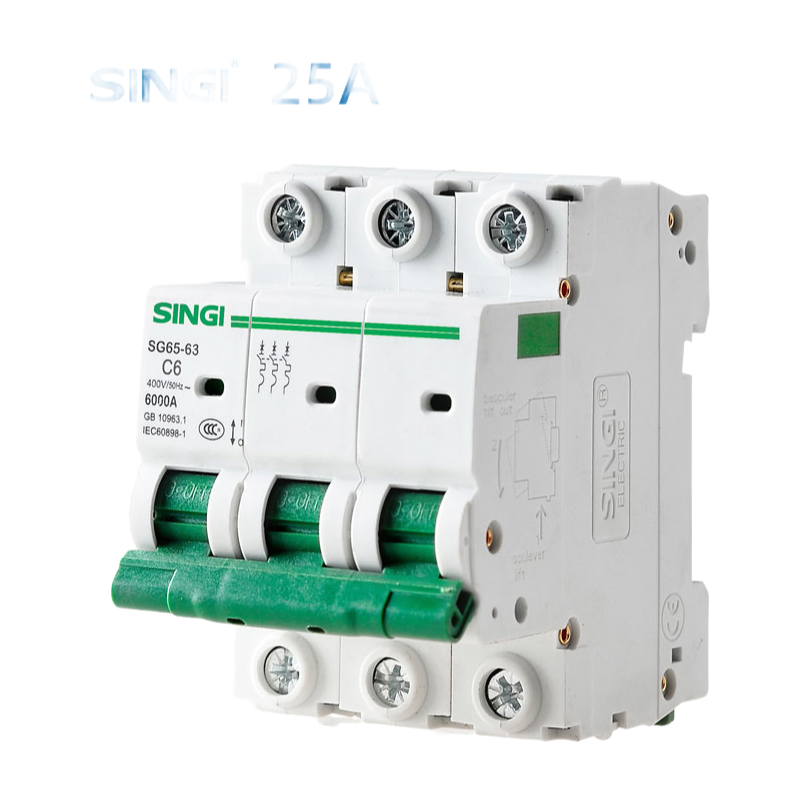
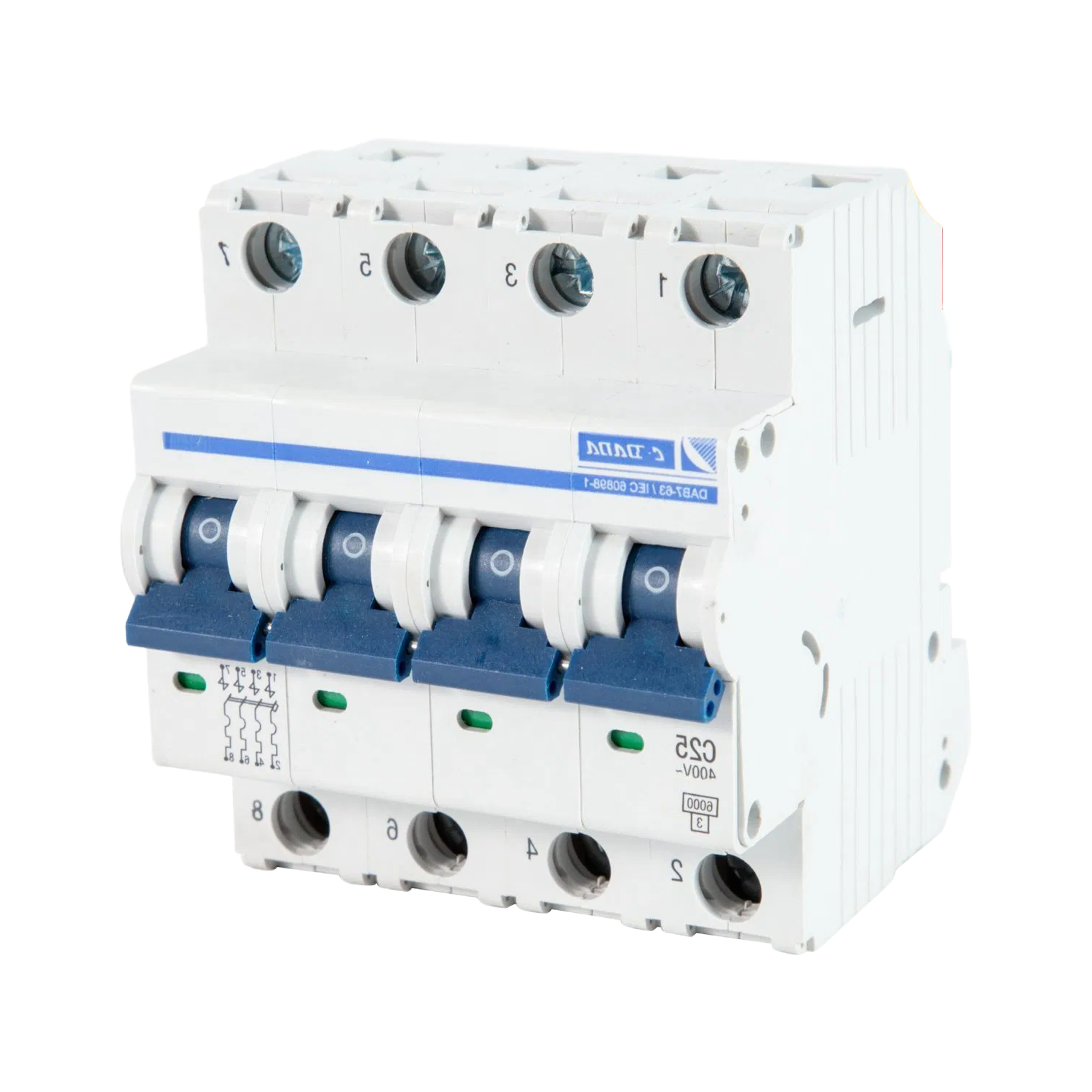
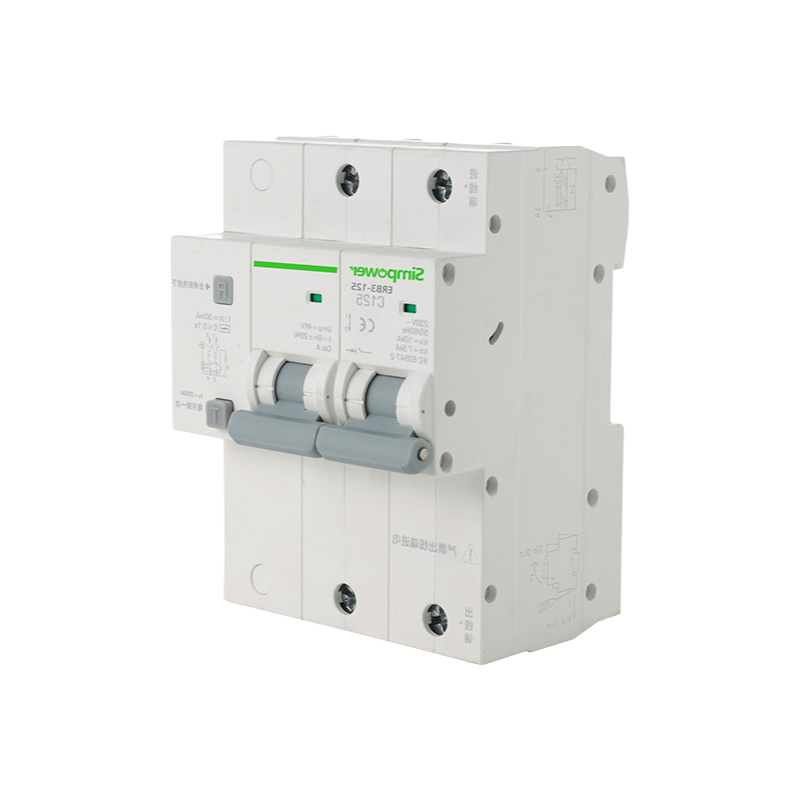
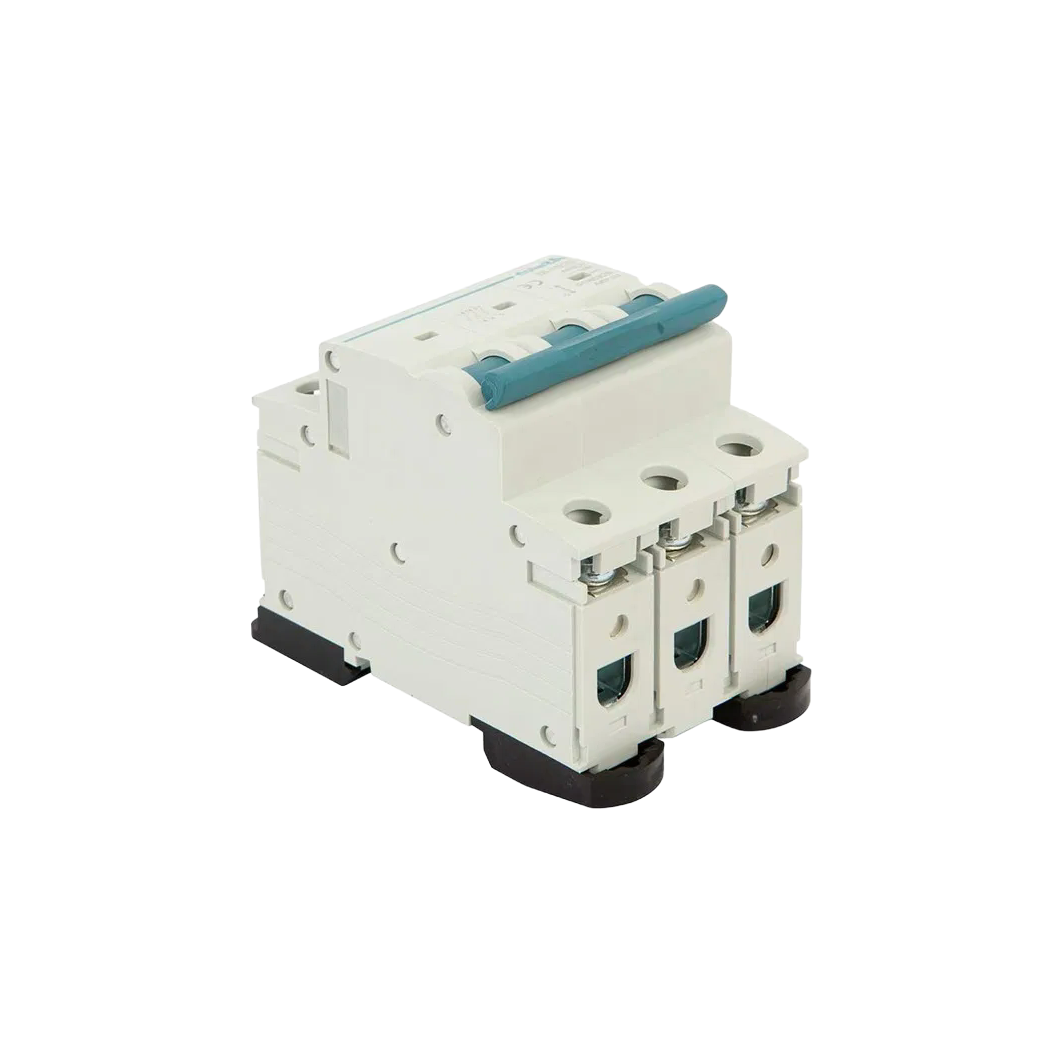
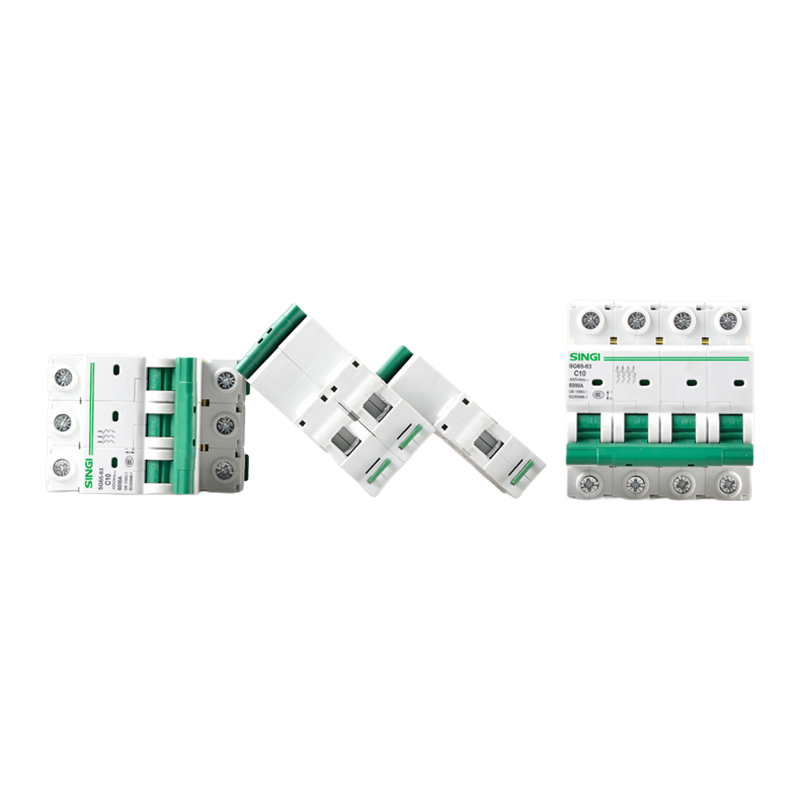
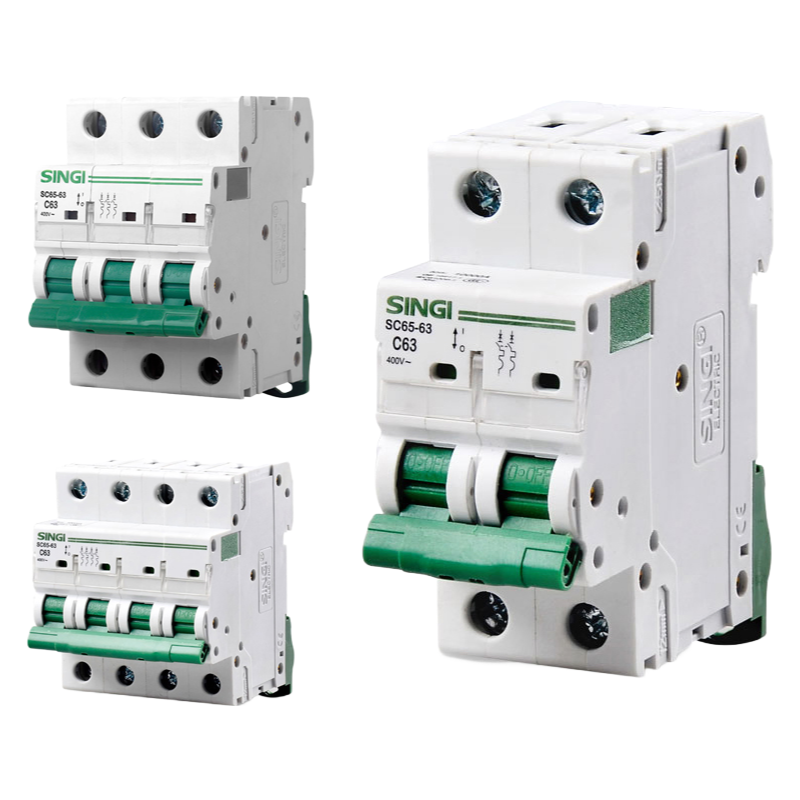
It trips fast when a motor or lighting circuit pulls too much current—overload and short-circuit protection, basically reliabel safety disconnect for building power distribution that mounts straight onto a 35mm DIN rail.
Rated up to 400V AC at 6 to 63 amps, with a 4kA or 6kA breaking capacity depending on the variant you pick, and we've tested these to 10,000 mechanicla operations or so before they give out.
Flame-retardant PA66 housing means it won't feed a fire if something arcs inside, though it's only IP20-rated—so don't put it in a damp panel without extra enclosure protection.
C curve is the typical go-to for lighting loads in office buildings, but if you're protecting motors with higher inrush currents, you'll want the D curve version instead.
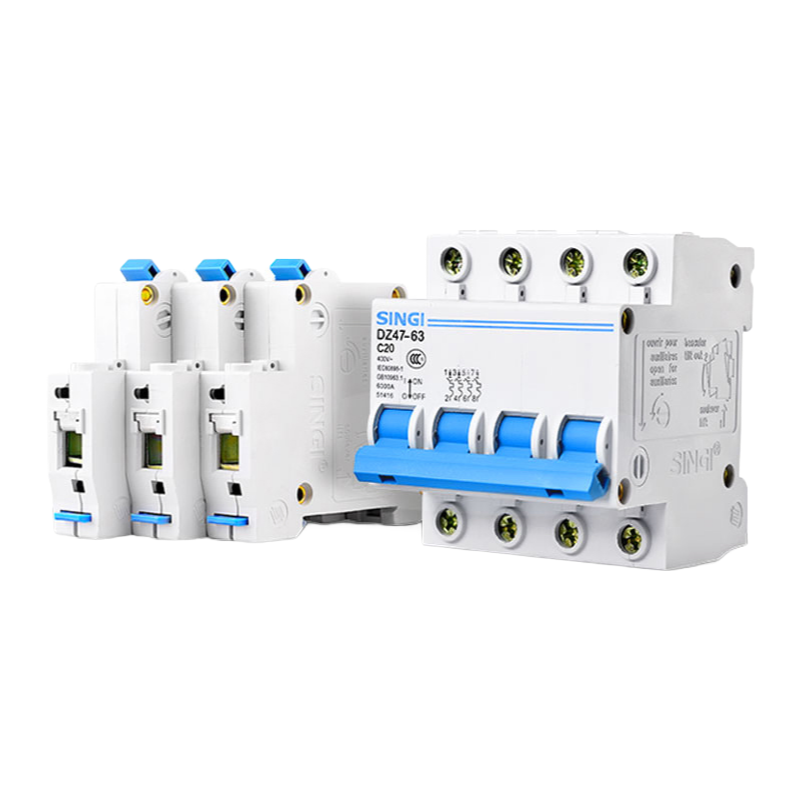
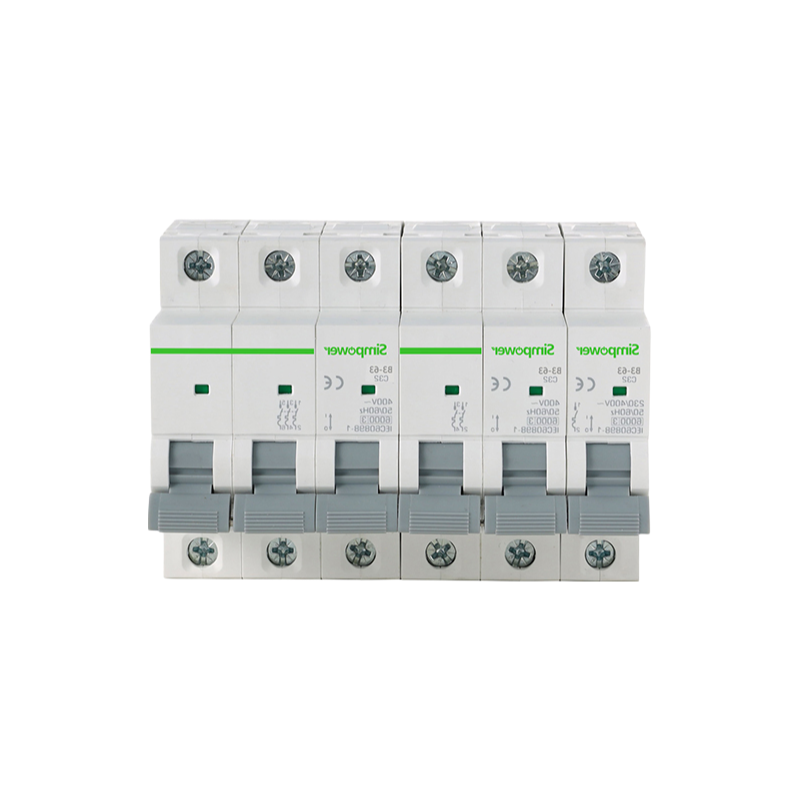
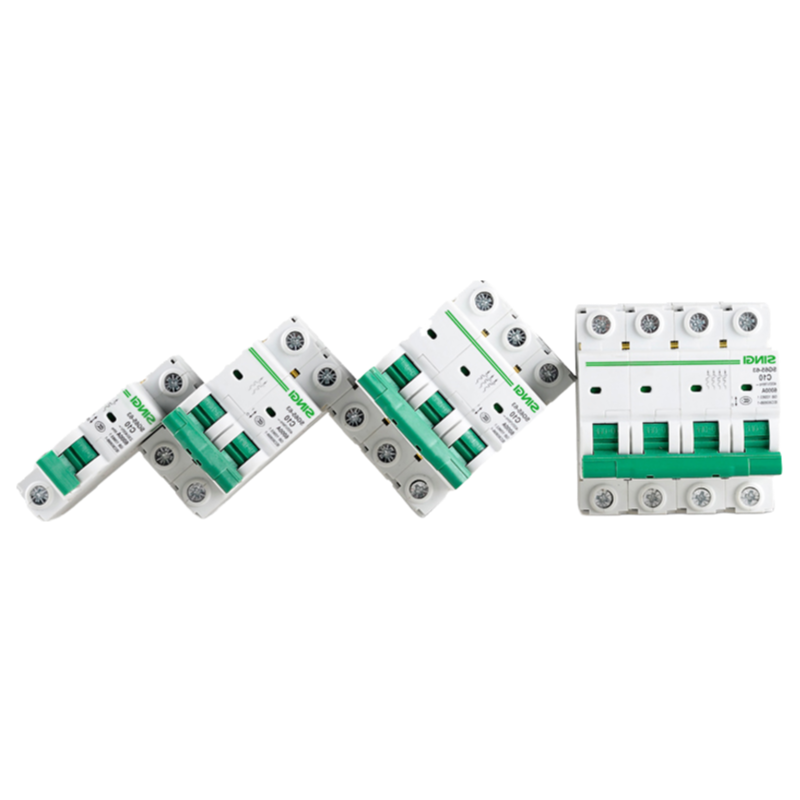
Ordering by teh pole often makes the most sense—1P, 2P, 3P, or 4P units, each pole runs about 0.1kg, and terminal capasity handles cables up to 25mm² without any force fit.
CE and CB certified, also CCC and ISO9001 backing, so compliance won't be a headache in most regions—usually stock common amp ratings, but confirm lead time for bulk orders (typically 2-4 weeks).
We offer 1P, 2P, 3P, and 4P options. Yes, you can mix different pole counts in a single order, as long as the total meets our MOQ. Just let us know the quantities for each configuration.
Yes, we include copies of CE, CB, ISO9001, and CCC certificates with every order. If you need specific test reports or declarations, just request them when placing the order.
Our MOQ starts at 500 pieces per specification. Lead time is usually 15–25 working days after order confirmation, depending on the quantity and customization details.
Yes, the D curve is designed for motor protection, handling higher inrush currents. For a typical 3-phase motor, we'd suggest a 16A or 20A D-curve MCB, but it depends on the motor's full-load current. We can help you pick the right rating.
The standard housing is flame-retardant PA66 for safety and durability. For custom OEM orders, we can discuss alternative materials, but PA66 is our default because it meets IEC60898 requirements and keeps costs down.
I initially had some concerns about the shipping timeline, but the logistics team exceeded my expectations. The package arrived well ahead of the estimated delivery window, which was a fantastic surprise. The items were packaged with exceptional care, using high-quality materials that prevented any damage during transit. Every component was securely fastened and clearly labeled, making the unpacking and inventory process incredibly smooth. Regarding the product quality, the breakers feel robust and are manufactured to precise specifications. The finish is professional, and they snap onto the DIN rail with a satisfying and secure click, indicating solid construction. The service provided throughout this transaction was outstanding. The support staff was proactive, sending clear shipping updates without me having to ask. When I had a pre-sale question about compatibility, the response was not only prompt but also detailed and helpful, demonstrating deep product knowledge. This level of service builds tremendous confidence. Overall, this was a seamless experience from order placement to delivery. The combination of efficient logistics, apparent product durability, and excellent customer support makes this supplier highly reliable. I am thoroughly impressed and would not hesitate to place future orders for our power system components. The attention to detail at every stage truly sets them apart in the industry.
Logistics were handled exceptionally well, with the order arriving ahead of schedule and in perfect condition. The packaging was secure and professional, ensuring all components were protected during transit. The communication regarding shipping updates was clear and timely, which made tracking the delivery very straightforward. Regarding quality, the breakers appear to be robust and well-manufactured, with a solid feel and precise construction that inspires confidence for their intended application in power systems. The finish and labeling are clear and professional. The service provided was outstanding from start to finish; the sales team was responsive, knowledgeable, and helpful in addressing pre-order inquiries. They provided all necessary documentation promptly and followed up to ensure satisfaction. The overall experience was smooth and efficient, reflecting a high standard of customer care and operational excellence. This transaction was hassle-free and met all expectations for a business procurement, making the process of integrating these components into our systems much simpler. The supplier demonstrated reliability and professionalism throughout.
The shipping was incredibly fast, arriving well ahead of schedule, which was a pleasant surprise. Top-notch packaging ensured everything was secure and undamaged. The build quality feels robust and reliable, with no visible defects or issues. Their customer service team was responsive and helpful, promptly addressing my inquiries. Thoroughly impressed by the overall experience from start to finish. This level of professionalism makes me confident in recommending them to others. Truly a seamless process that exceeded my expectations in every aspect.
Great experience overall with this purchase! The shipping was incredibly fast and well-handled, with the package arriving securely and ahead of schedule. Goods arrived in perfect condition, reflecting high-quality materials and solid construction. Service from the seller was outstanding—prompt responses and helpful support throughout the process. Genuinely impressed by the efficiency and care shown in every aspect. Highly recommend for anyone needing reliable components.
Naturally, I must commend the exceptional logistics involved in this order. The delivery was incredibly prompt and well-organized, arriving ahead of schedule without any delays or complications. Every item was securely packaged, ensuring that nothing was damaged during transit, which reflects a high standard of care. The quality of the products is outstanding; they feel robust and reliable, with a solid construction that inspires confidence for long-term use in power systems. Additionally, the customer service team was highly responsive and professional, providing clear communication and quick assistance whenever needed. Overall, a seamless experience from start to finish, making it a pleasure to do business with this supplier.
My order arrived much faster than anticipated, which was a pleasant surprise given the current global shipping delays. The packaging was secure and professional, ensuring all items were intact upon arrival. Each MCB breaker was individually wrapped, showing great attention to detail. Communication from the seller was prompt and helpful throughout the process, addressing my queries efficiently. The overall experience was smooth and reliable, making me confident in future purchases. I appreciate the effort put into ensuring customer satisfaction from start to finish.