Account
Inquiry
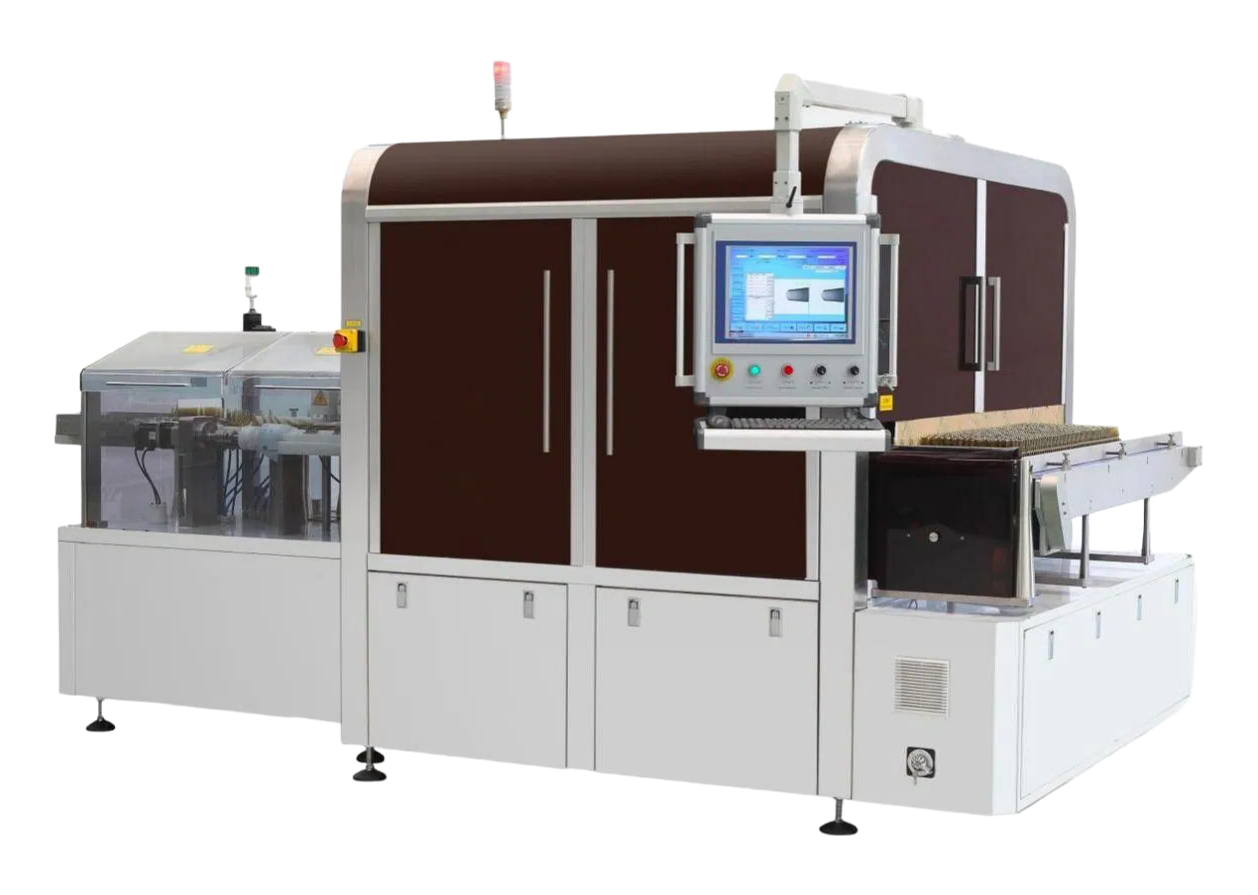
Pricing breaks nicely once you’re past the sample unit phase — figure roughly 15% lower per machine at ten units compared to a single buy, and the 380V specs make it non-negotiable for any mid-sized pharma line. The per-unit cost slice from multiple drums gives you real against continuous reject rates.
Detection kicks at ≥40μm on impurities like glass bits or fibers, and leaks down to 0.1μm pores — that’s tighter than most bench-top checkers manage. At 600 inspections a minute, you’re running two or three manual stations through one machine, about 4700kg of steel doing what a human eye misses every third shift. It’s also got computerized control, so the operator sets sensitivity per batch (usually 40-60μm) and the machine spits out pass-fail data straight to your line system.
Works for 1-20ml ampoules and vials, even oral liquids, but here’s catch — you need that 380V supply and about 4 meters of floor space (3920mm length). If your facility runs 220V single-phase standard, you’ll need a transformer, and that 11.5kW draw won’t share a circuit with much else. Some buyers use it only for final checks, not full production screening, because the initial setup for micro-leak detection takes half a shift to tune (around 2-4 hours for the sensor thresholds).
A two-year warranty and custom front-end software for different vial sizes come standerd — we’ve seen six-month repeat orders form the packaing ops people who swear by the thing. Lead time is 8-10 weeks depending on custom panel options, and teh MOQ sits at a comfortable minimum for trial buys.
We generally require a minimum order of 1 unit for the JAYL Series, but we can discuss if you need a trial or multiple units.
Typical lead time is around 30-45 days, depending on customization needs and current production load. We'll confirm once we have your specs.
Yes, it ships with CE, GMP, and ISO certification documents included. Just let us know if you need any specific formats or notarized copies.
The standard sensitivity is set at ≥40μm but is adjustable down to around 20μm depending on the product. We can fine-tune it for your specific ampoule size and quality requirements.
The system uses a high-voltage leak test method that detects pores and cracks down to 0.1μm. For smaller defects, we can discuss custom calibration or additional sensors.
Keenly impressed with the entire purchasing process for this industrial-grade pharmaceutical inspection machine. The logistics were handled exceptionally well; the shipment arrived ahead of schedule, securely packaged to prevent any damage during transit. Quality-wise, the construction feels robust and durable, meeting high standards for industrial use. Customer service was outstanding—responsive, knowledgeable, and very helpful in addressing all my inquiries promptly. Overall, a fantastic experience that I would highly recommend to others in the industry.