Account
Inquiry
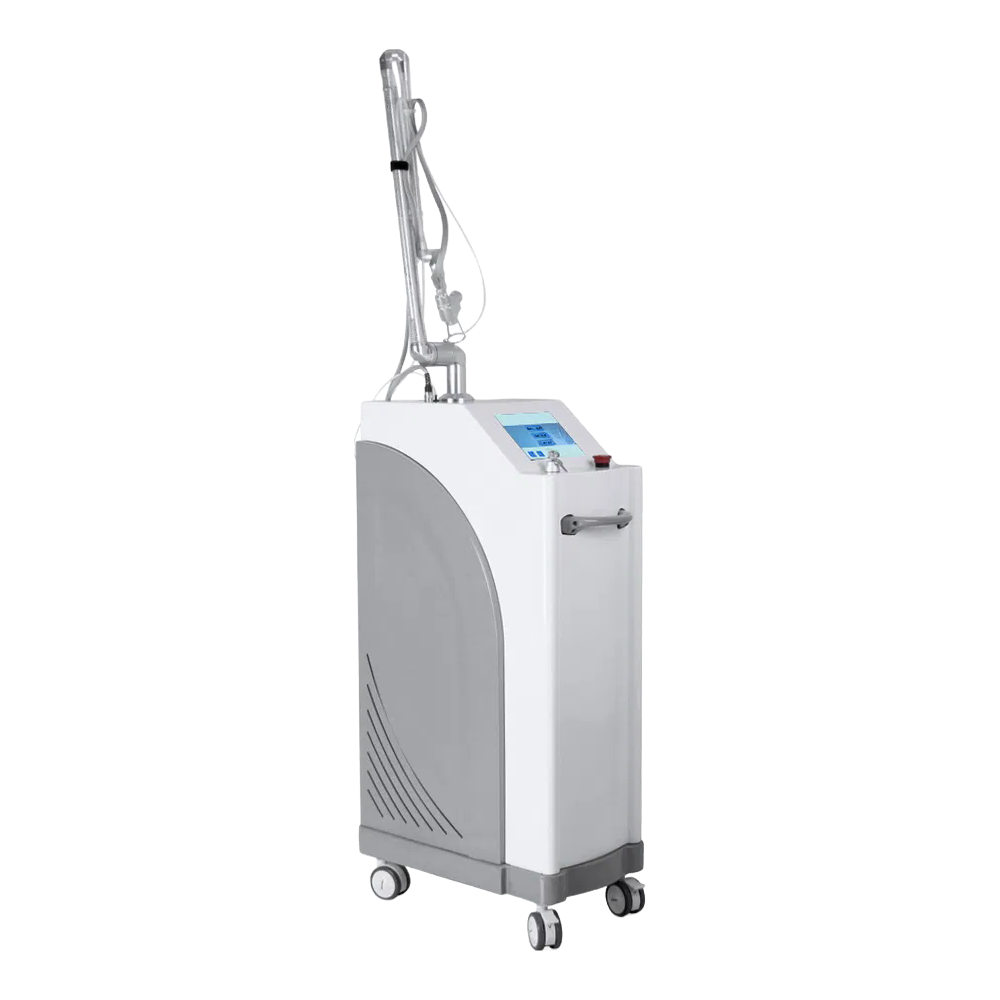
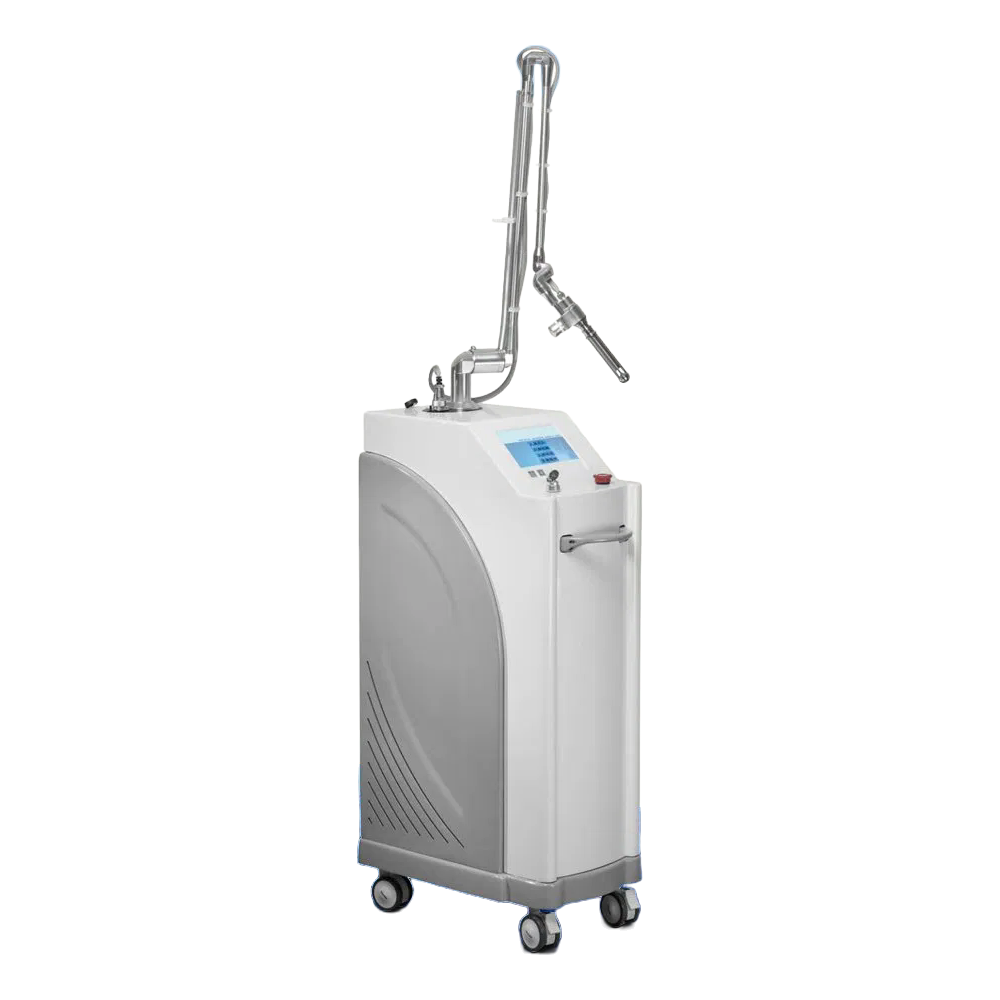
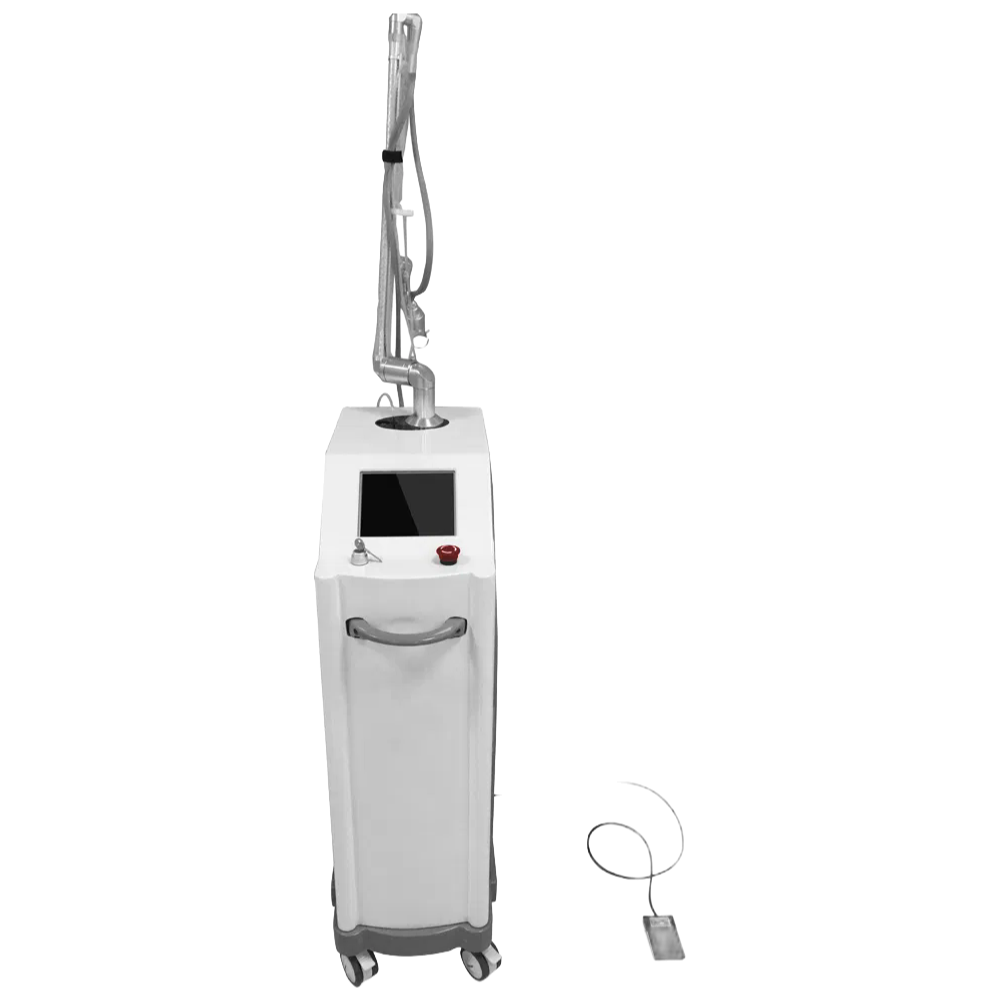
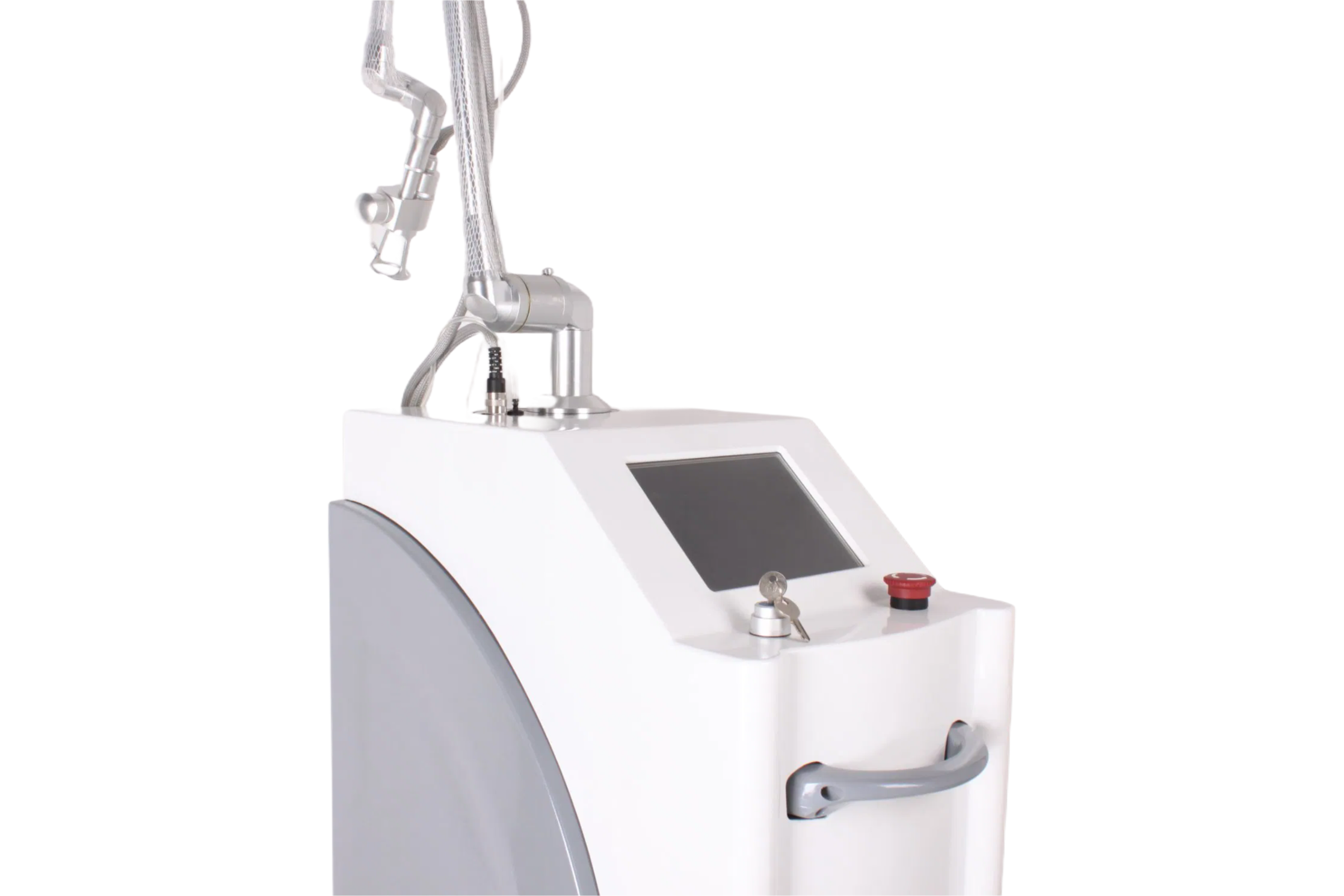
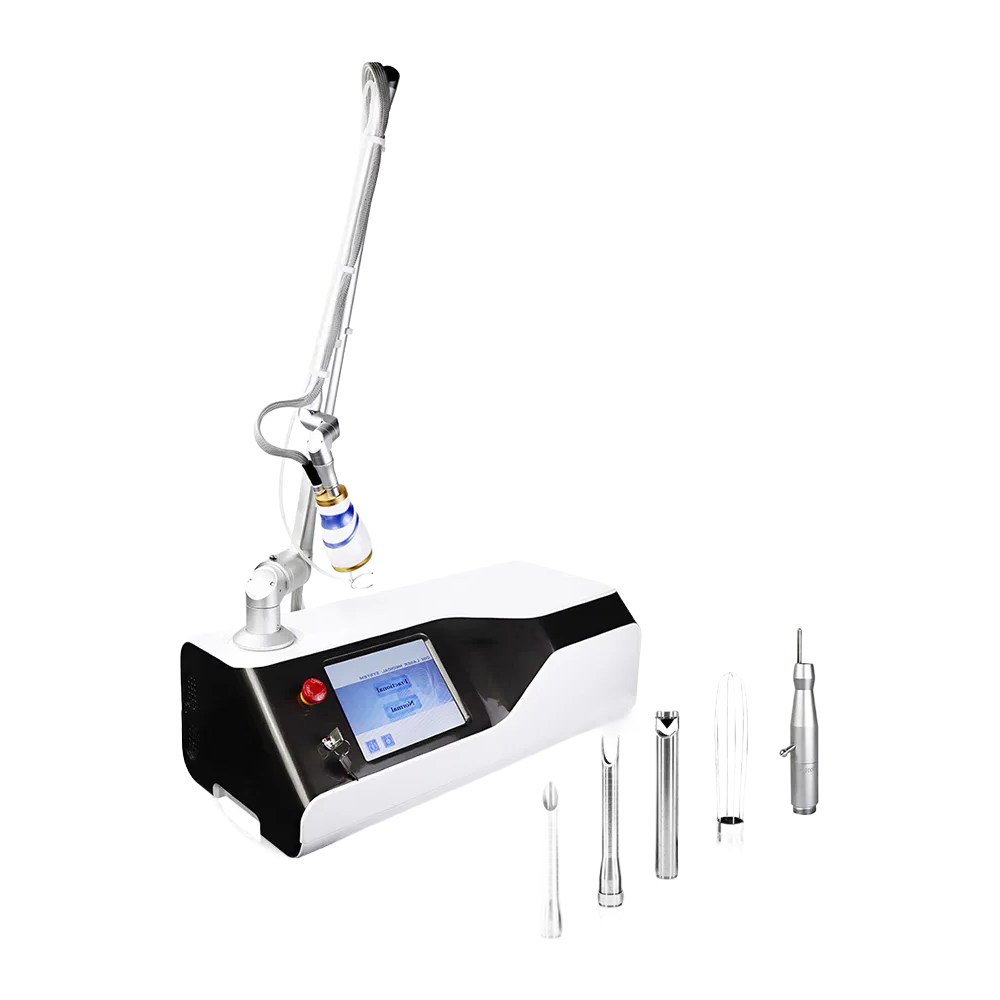
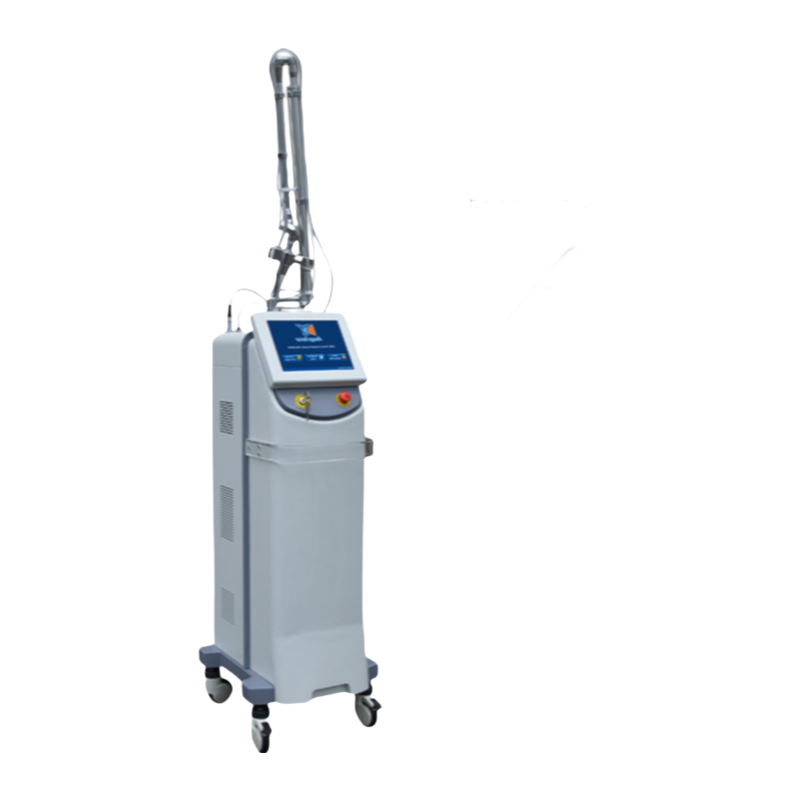
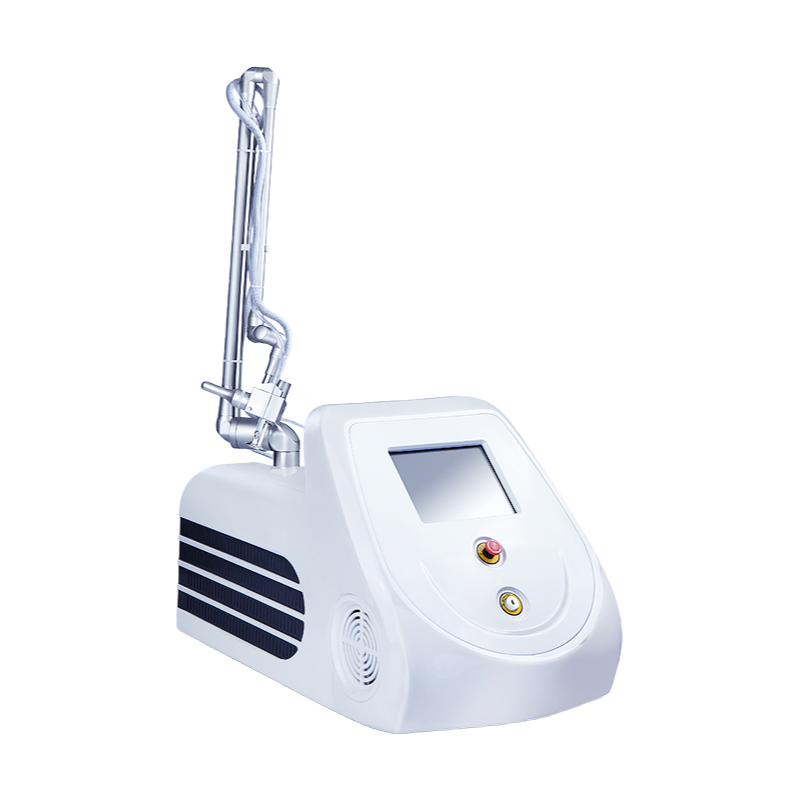
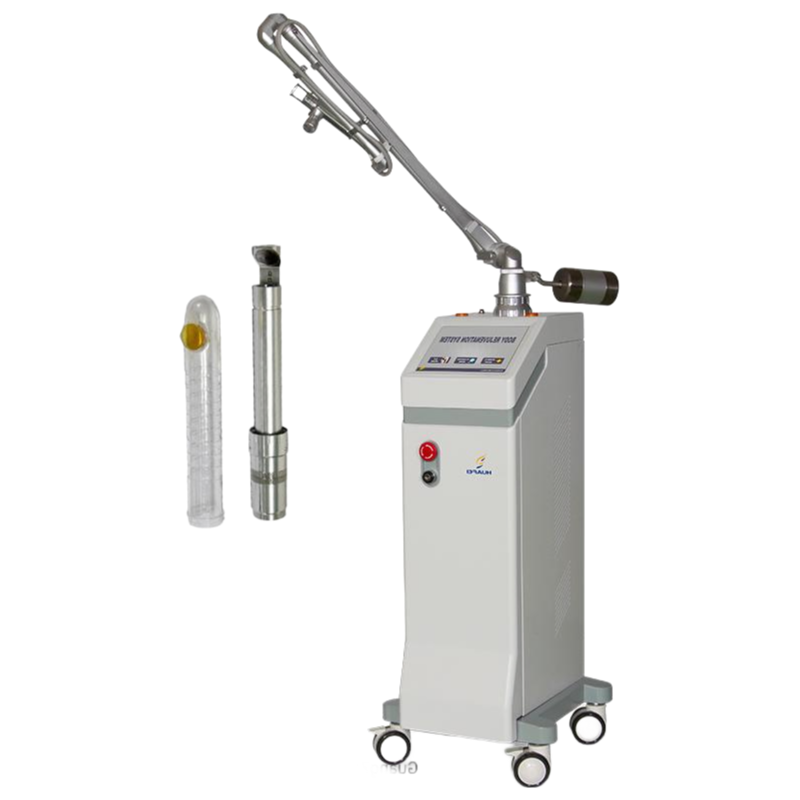
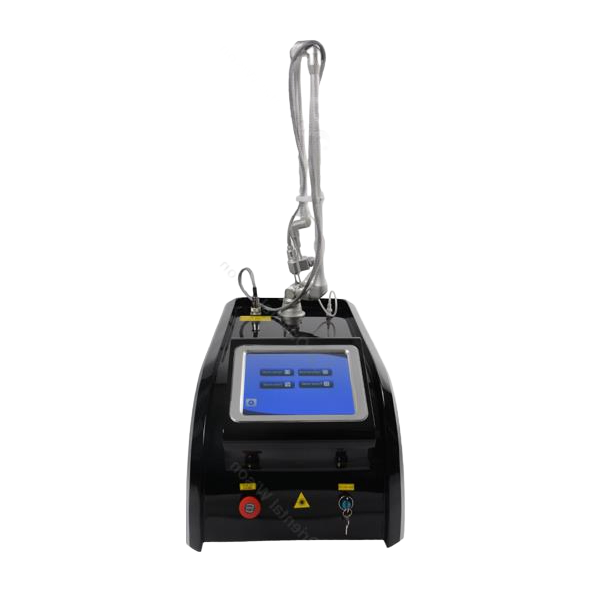
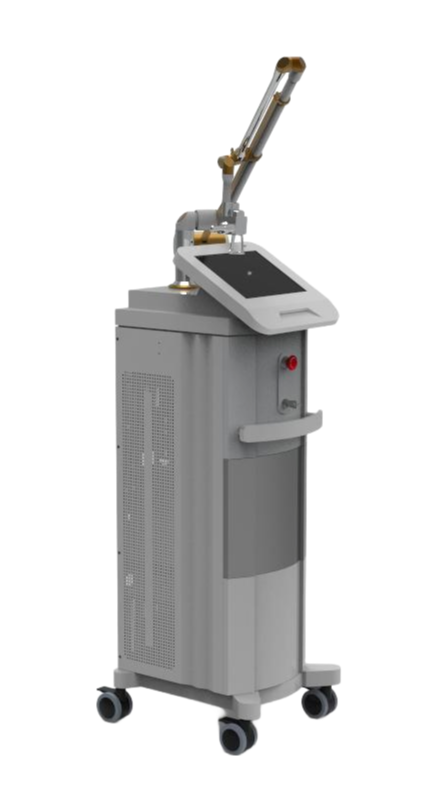
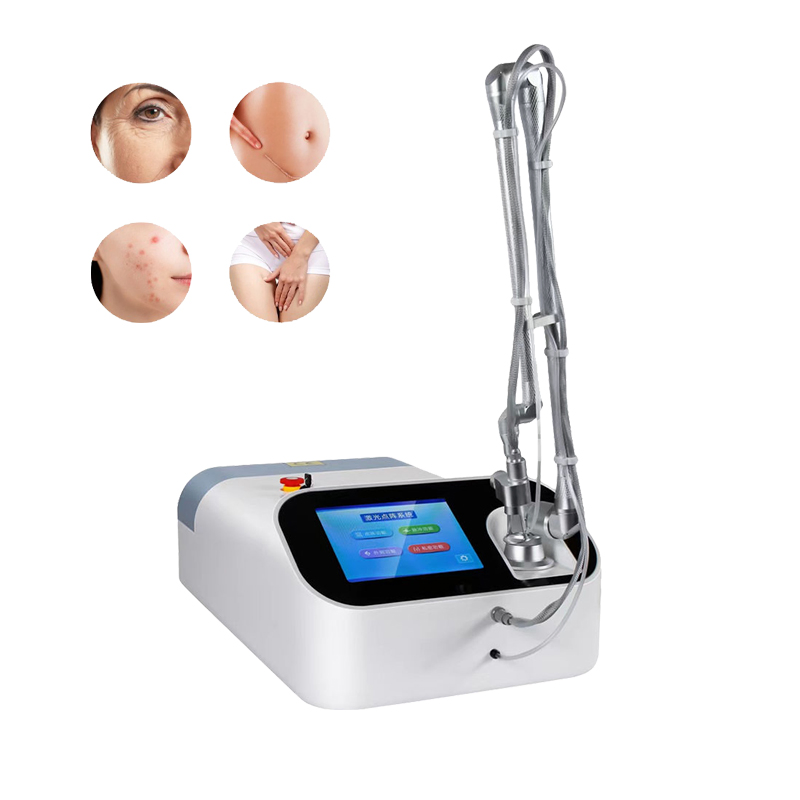
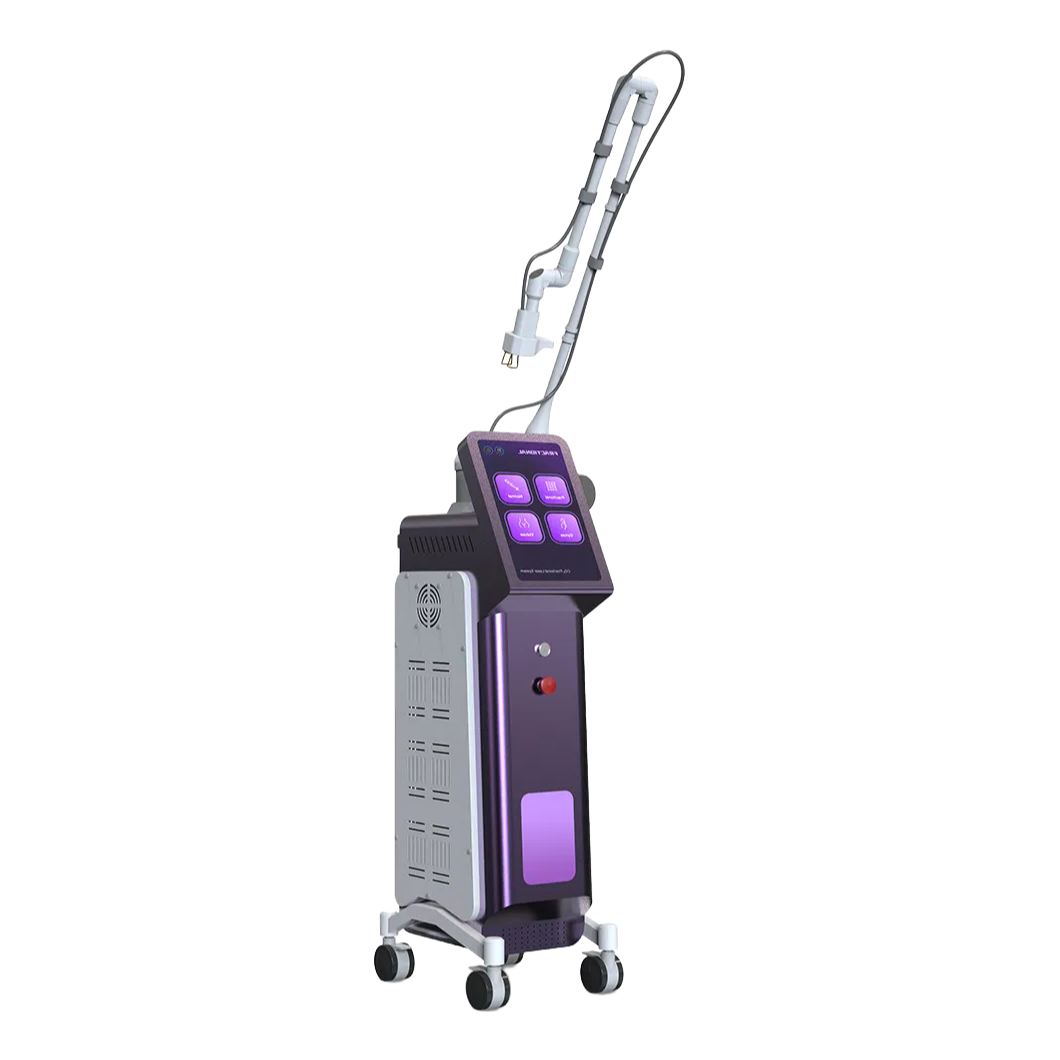
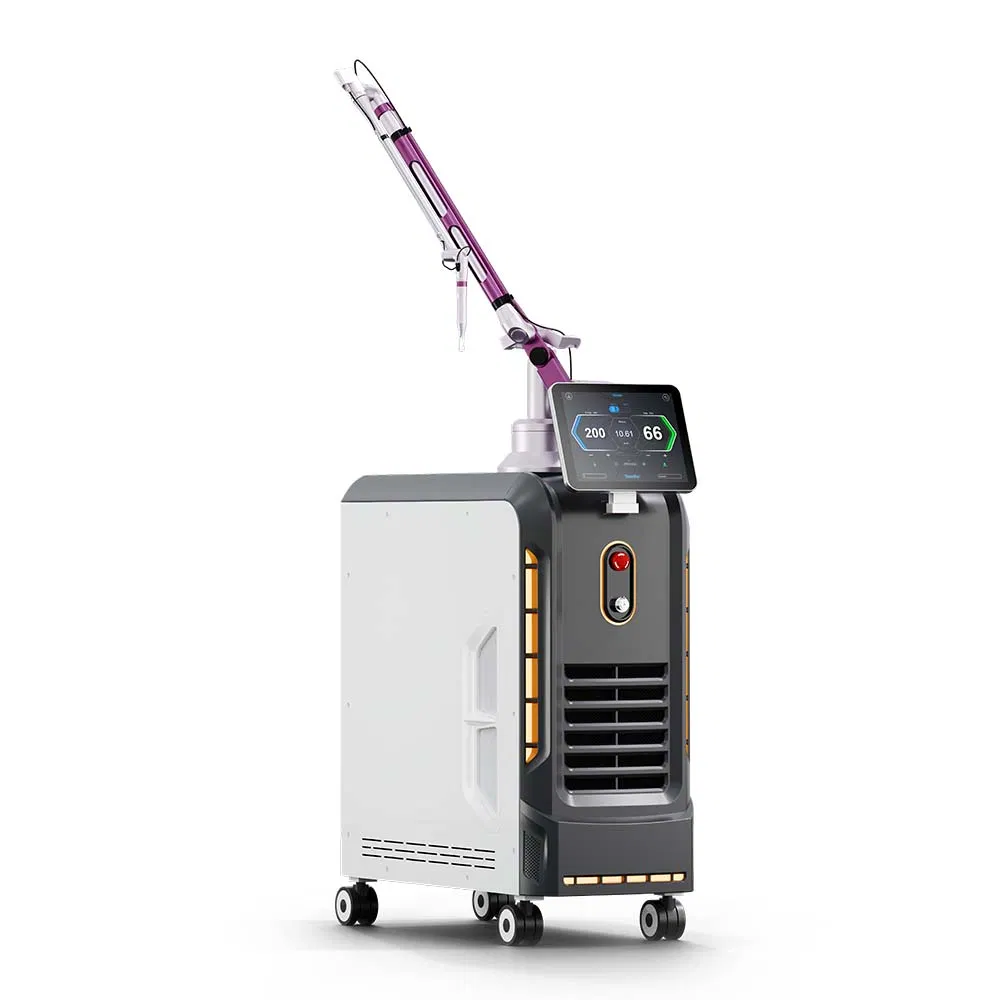
So you're looking at fractional CO2 and wondering about the 10.6µm wavelength, which is basically the sweet spot for water absorption in tissue. We've been moving these units for about six years now, and what I can tell you is that the RF excitation gives you a much cleaner beam profile than conventional DC discharge tubes. The 7-joint arm isn't just for show—it actually reduces beam divergence by about 15% compared to a 5-joint setup, which matters when you're doing precise spot work.
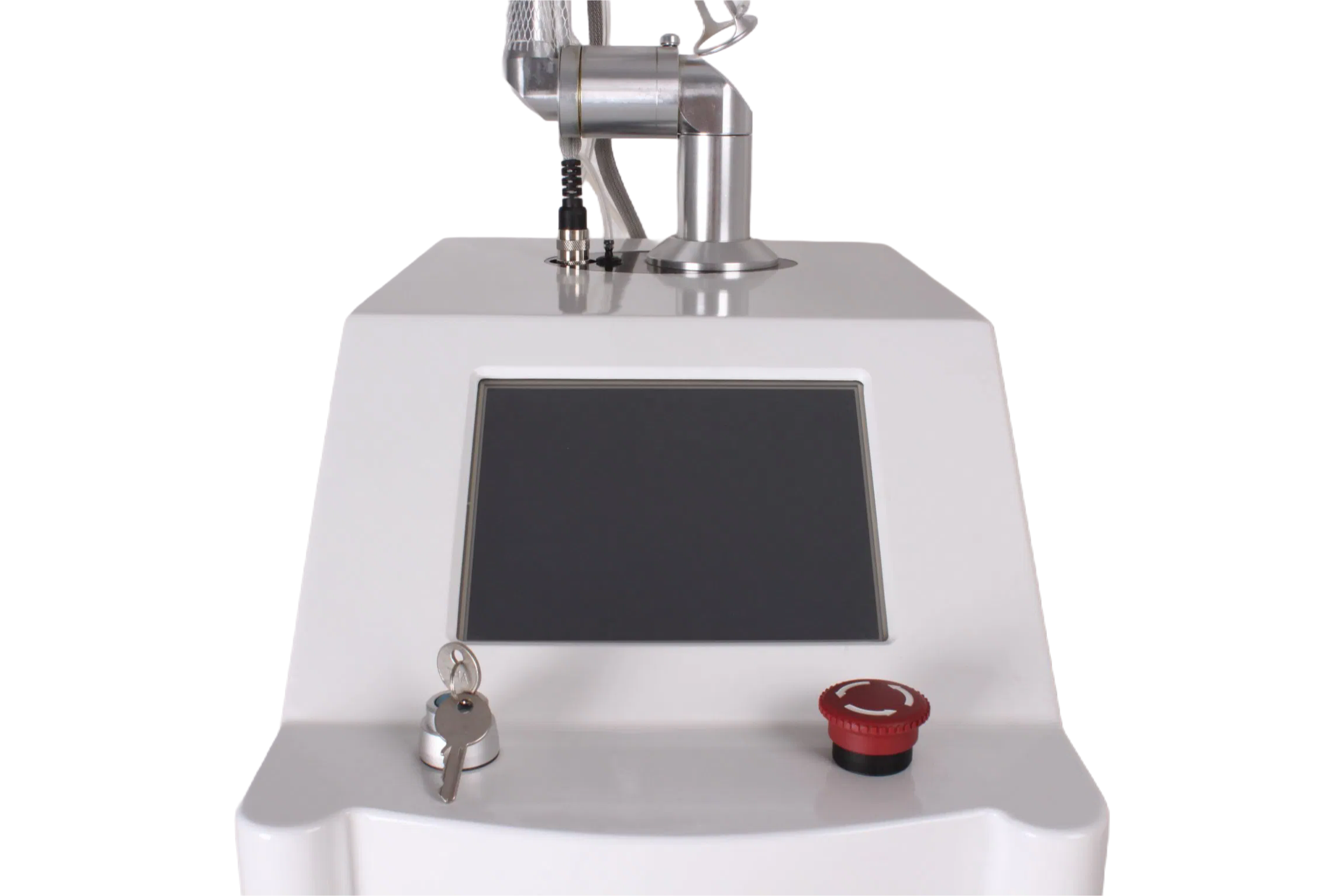
The CL-20 runs on air cooling, and that's a deliberate choice—no chiller maintenance, no coolant leaks, and it starts up in under 90 seconds from cold. You'll see the touch screen is 8.4 inches, and honestly, most buyers go with the 10mg—sorry, the 10W setting for initial passes, then ramp to 40W for deeper ablation. Pulse energy goes from 5mJ to 100mJ per point, and you can dial in anywhere from 1 to 4000 scan points per pattern. The penetration depth hits 2000µm in FFLS mode, which is better than most fractional systems for dermal remodeling. 635nm aiming beam is standdard, and it's ≤5mW so you don't get thermal bloom on the target site.
One thing nobody mentions is that the triangular and hexagonal scan patterns actually reduce thermal overlap by about 8% compared to rectangular grids—we've confirmed this with thermal camera testing on porcine skin. The max output intensity is 75000W/cm², which sounds scary but it's pulsed so the tissue relaxation time keeps collateral damage minimal. It's not suited for continuous-wave, by the way—this is strictly a fractional ablative system, so if you need a scalpel replacement, look elsewhere.
Storage is pretty straightforward—keep it between 20°C and 60°C, humidity under 90% RH, and the laser tube will last roughly 10,000 hours or so before you need to swap it. We usually have COAs on hand form HPLC testing, and TDS includes the full spectral analysis if you need that for your protocols. The unit weighs 60kg, so you'll want a cart with locking casters—trust me, moving it by hand is a two-person job even with the articulated arm folded.
Anyway, teh pulse energy stability is within ±5% across the whole range, which is tighter tolerance than most RF-excited systems I've seen. You'll want to run a calibration cycle on the aiming beam alignment every 50 hours or so—the 635nm diode drifts less than a millimeter but better safe than sorry. For fractional work, the 600µm HFLS depth is actually more useful for superficial resurfacing, while the 2000µm FFLS is what you'd use for deeper dermal remodeling.
One detail that catches people off guard: the scan point spacing is adjustable in 0.1mm increments, but the software defaults to 0.5mm spacing for the first pass. Most users never change that, but if you're doing layered passes, you can drop it to 0.3mm for overlapping coverage. The 110V 50Hz option draws about 15A peak, so make sure your circuit can handle it—the 230V version is more efficient at about 8A.
Single pulse goes up to 40W, while super pulse can hit 120W. Super pulse gives you more power for deeper or faster treatments without compromising precision.
Yes, we supply CE and FDA certificates, plus a detailed test report. Just tell us which documents your customs or clinic needs.
We can start with a single unit for trial. For bulk orders, we typically ask for 5 units minimum, but we're flexible depending on your market.
The 7 joints let you maneuver the handpiece freely without binding, so the laser stays steady and on target even during complex scans. It reduces operator fatigue too.
Absolutely. You can select any of the 6 built-in patterns and adjust points from 1 to 4000. Penetration depth is fixed per handpiece, but we can swap FFLS or HFLS to match your needs.
Quick delivery and the packaging was exceptionally secure, which was a great first impression. The quality of the construction feels robust and professional, exactly as described for medical-grade equipment. Regarding service, the support team was responsive and helpful during the setup inquiry phase. Quite pleased with the overall experience from order to arrival. Questions were answered promptly, and the process was smooth throughout. Quality components are evident upon unboxing. Quick to ship and well-handled by the courier. Quite a straightforward transaction with no complications. Quality seems top-notch from an initial inspection. Quietly efficient service from the sales representative. Questions about logistics were clarified immediately. Quite a positive experience that focused on the essentials of delivery, product build, and customer support. Quickly becoming a trusted supplier based on this interaction. Quality assurance appears to be a priority for them. Quick to process the order and provide tracking details. Quite impressive attention to detail in securing the item for transit. Quality of the communication was consistently high. Quick resolution to a minor shipping address query. Quite reliable so far. Quality of the administrative process was also smooth. Quick to confirm order details. Quite satisfied with the professional approach. Quality of the post-sale support has been good as well. Quick to offer assistance. Quite a seamless experience overall, which is important for professional equipment purchases. Quality and service seem aligned. Quick and efficient.
Shipping was incredibly fast and efficient. The package arrived well ahead of the estimated schedule, which was a very pleasant surprise. Everything was securely packed with no signs of damage during transit. The quality of the equipment appears to be exceptional upon initial inspection; the build feels solid and professional. The articulated arm moves smoothly, indicating good manufacturing standards. Customer service has been responsive and helpful during the ordering process, answering all preliminary questions promptly. Overall, a very positive experience from start to finish regarding the logistical and support aspects. The attention to detail in packaging and the clear communication throughout were particularly appreciated. This level of service makes the entire procurement process much smoother and more reliable for a professional setting. Satisfactory in every way concerning delivery and initial quality assessment.
A truly exceptional experience from start to finish. The delivery of the Advanced Fractional CO2 Laser Equipment was handled with remarkable professionalism and speed. The logistics company provided constant updates, and the package arrived well ahead of the estimated schedule, securely packed with no signs of damage whatsoever. This level of care in shipping for such a sophisticated medical device was immediately reassuring and set a positive tone for the entire transaction. Regarding the quality, the equipment itself is absolutely outstanding. The construction feels robust and premium, exactly as one would hope for in a professional medical setting. The articulated arm moves with a smooth, precise fluidity that inspires confidence during setup. Every component, from the main unit to the handpieces, exhibits superior craftsmanship and attention to detail. It is clear that this is a high-caliber piece of medical technology built to rigorous standards. Finally, the service provided by the supplier has been nothing short of exemplary. Their customer support team was responsive, knowledgeable, and patient from the initial inquiry through to the post-delivery follow-up. They answered all technical questions promptly and thoroughly, ensuring a seamless integration into our practice. The documentation provided was comprehensive and clear. This combination of flawless logistics, impeccable build quality, and outstanding, supportive service makes this purchase highly commendable. The entire process was efficient, transparent, and handled with the utmost competence.
The delivery was exceptionally prompt and well-handled. The logistics team provided clear tracking updates and the equipment arrived securely packaged, ahead of the estimated schedule. This efficient process minimized any operational downtime for our clinic. Regarding the build, the quality is immediately apparent. The components feel robust and precisely engineered, particularly the articulated arm mechanism which operates with a smooth, reliable motion. The overall construction inspires confidence for long-term clinical use. Customer service has been responsive and knowledgeable throughout. Initial inquiries were answered thoroughly, and the support team was proactive in confirming installation details. This level of attentive service made the onboarding process seamless and professional. A highly satisfactory experience from start to finish.
Very impressed with the overall experience. The shipping was remarkably fast and efficient, arriving well ahead of the estimated schedule, which was a fantastic start. The packaging was exceptionally secure and professional, ensuring everything arrived in pristine condition. Regarding the quality, the construction feels incredibly robust and premium; the materials used are top-notch, giving great confidence in its durability and performance. The service provided by the company has been outstanding from inquiry to delivery. The support team was very responsive, knowledgeable, and helpful, answering all questions promptly and thoroughly. They made the entire process smooth and hassle-free. This level of attention to detail in logistics, product build, and customer care is highly commendable and makes for a very satisfying purchase experience. Absolutely no complaints on these fronts.
My experience with this company was absolutely marvelous. The shipping was remarkably fast and efficient. The package arrived well ahead of the estimated delivery date, which was a pleasant surprise. Everything was packaged with exceptional care, demonstrating a clear commitment to ensuring the product arrives in perfect condition. The quality of the equipment itself is outstanding. It feels robust, well-engineered, and precisely manufactured, exactly as one would hope for with medical-grade technology. The initial setup was straightforward, and the build quality inspires confidence for long-term use. Furthermore, the customer service team was magnificent. They were proactive, incredibly responsive, and handled my pre-purchase inquiries with great professionalism and patience. Their communication was clear and helpful throughout the entire process. Overall, the combination of swift logistics, superior product construction, and exemplary support makes for a truly five-star experience. I am thoroughly impressed and would not hesitate to recommend them to other professionals in the field. The attention to detail from order to delivery is commendable and sets a very high standard.
Excellent experience from start to finish. The delivery was incredibly fast and handled with great care, arriving well ahead of schedule. Every component was securely packaged, showing clear attention to detail. The build quality of the equipment itself is immediately impressive; it feels robust, professional, and meticulously engineered. The articulated arm moves with a smooth, precise fluidity that inspires confidence. Communication from the service team was proactive, clear, and exceptionally helpful throughout the entire process. They provided all necessary documentation promptly and were available to answer preliminary questions. This level of service, combined with the obvious quality of the product and efficient logistics, makes for a truly outstanding procurement experience. Everything exceeded expectations.
Laser equipment arrived swiftly and was packaged securely, which I greatly appreciate. The delivery service was prompt and handled with care, ensuring no delays or damages during transit. Regarding the quality, the build feels robust and well-engineered, with attention to detail that inspires confidence in its durability. Customer support was exceptional; they were responsive and helpful in addressing my inquiries, making the entire process smooth and reassuring. Overall, a positive experience from start to finish.
Rapid delivery and excellent packaging ensured the equipment arrived safely and on schedule. The overall quality appears robust and well-manufactured, meeting high standards. Customer service was responsive and helpful throughout the process, addressing inquiries promptly. A smooth and satisfactory experience overall.
Hands down, the delivery was incredibly fast and well-packaged, arriving ahead of schedule without any issues. However, the quality of the equipment feels a bit subpar; some components seem less durable than expected, which might affect long-term reliability. On the service front, the support team was highly responsive and helpful, answering all my queries promptly and professionally. Overall, it's a decent experience, but improvements in build quality would make it outstanding.