Account
Inquiry
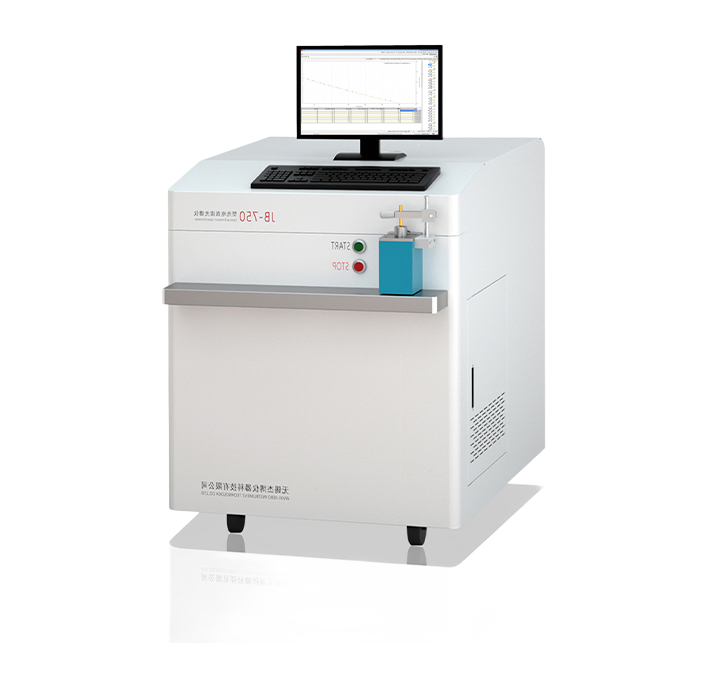
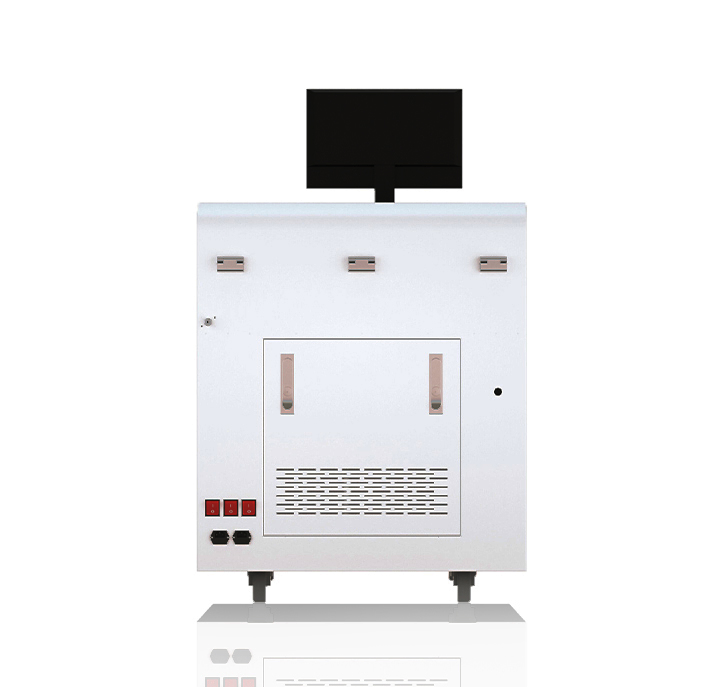
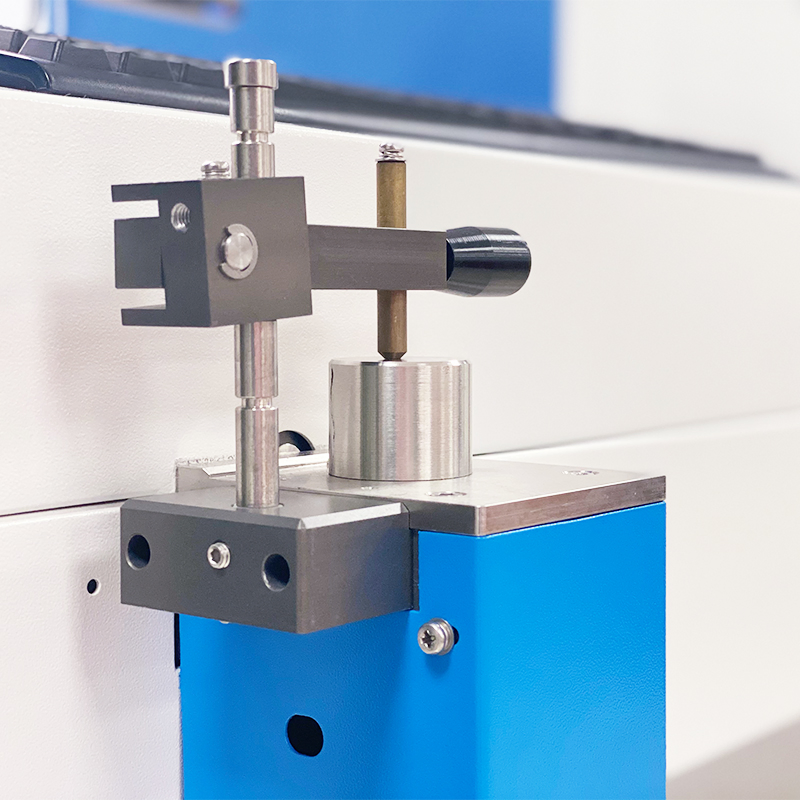
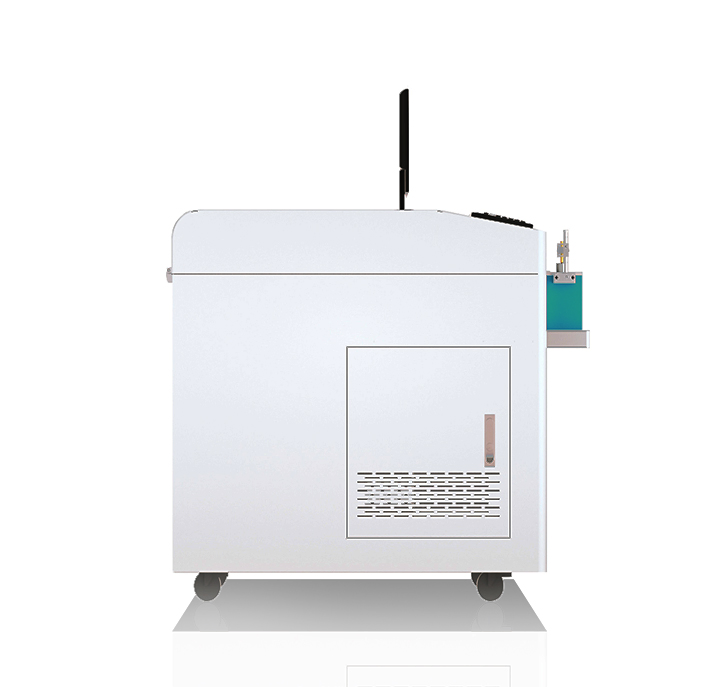
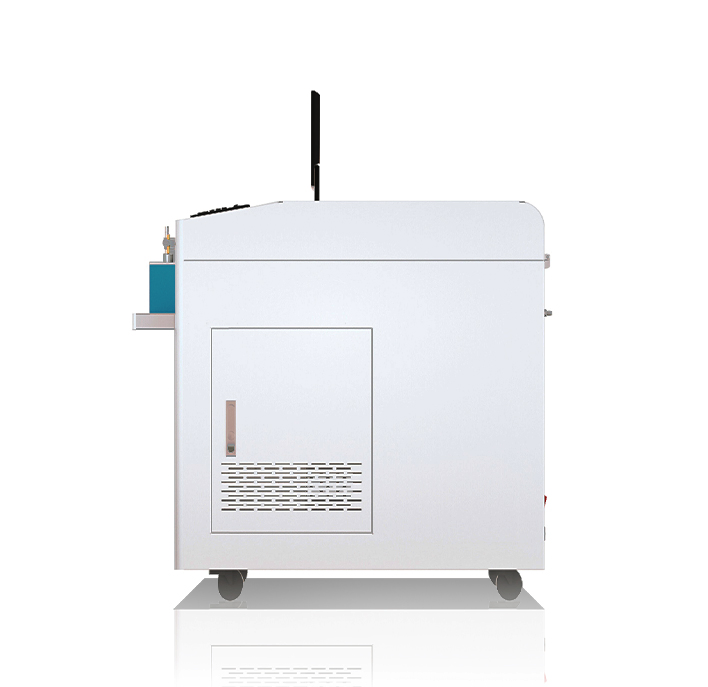
Say you have a foundry customer running a verification on incoming stainless steel scrap—they're checking for nickel content around 8-10% and chromium at 18-20%, and the JB-750 will nail those numbers within seconds once it's calibrated. We've actually found it handles the high-carbon alloys better than most comparable units in this price range, so it's pretty much the workhorse for anyone doing regular metal sorting or final product QC.
Wavelength range covers 130-650nm which is plenty for the main elements—iron, copper, zinc, aluminum—and the 750mm focal length gives you a dispersion of 0.55nm/mm, tight enough to separate things like molybdenum and vanadium without overlap. Excitation comes from a programmable pulse digital source running 100-1000Hz, with that +15kV ignition pulse and 400VDC on the main loop, all sitting in a 4mm analysis gap. COA is always provided with each unit, and our company can also send the full TDS and SDS if your lab needs them for compliance.
A detail buyers don't always think about is the argon requirement—it needs ≥99.996% purity, so if your facility uses bulk tank argon, check the line presure because the instrument is sensitive to fluctuations. The operating tempearture range is 10-30°C, and humidity between 20-80% RH, though in most cases we recommend keeping it below 60% to avoid condensation on the optics. Lead time is roughly 4-6 weeks depending on stock, but confirm before ordering (we usually have units ready, but ISO9001 recertification sometimes slows things).
Basically, this isn't suited for thin films or non-conductive coatings—optical emission spectroscopy needs a conductive surface to spark, so if someone is analyzing ceramics or polymers, they'd need a different method entirely. The 1000W max power consumption means it's fine on a standard 220V circuit, but you'll want a dedicated line if other heavy equipment is sharing panel. Standby drops to 200W, so leaving it on overnight isn't a problem.
One thing from handling these units—the 266kg weight is not a joke; you need at least two people and a dolly for positioning, and the 1120×750×920mm footprint means a sturdy bench or standalone table. We've had clients put it on rolling carts, but the vibration from movement can throw off calibration, so a fixed instalation is better.
For ordering, the standard package includes the instrument, software for data analysis, and a starter kit of reference standards (usually 5 or 6 alloys). The MOQ is one unit, and we can do volume discounts if you need two or more—lead time for multi-unit orders is about 50 days or so.
We typically start at 1 unit for first-time buyers, but we can discuss volume discounts if you’re looking at 3 or more units.
Lead time is usually 15-20 working days after order confirmation and payment. Custom configurations might add a few extra days.
Yes, absolutely. Every unit ships with ISO9001 and CE certificates included in the documentation package.
The fixed 4mm gap is standard for most ferrous and non-ferrous metals. For specialized alloys, we recommend a quick test to confirm performance.
Store it in a clean, dry area with humidity between 20-80% RH and temperature between 10-30°C. Keep the argon line purged to maintain ≥99.996% purity.
Hats off to the delivery team for their exceptional handling of this sensitive equipment. The packaging was absolutely impeccable, with multiple layers of protective material and a custom-fitted foam interior that left no room for movement during transit. Every component of the JB-750 spectrometer arrived in pristine condition, which is a testament to their meticulous packing standards. The shipping was remarkably fast, arriving several days ahead of the initial estimated schedule. I was kept fully informed with proactive tracking updates at every major checkpoint, from dispatch to final delivery. The courier service was professional and handled the sizable crate with great care, using appropriate equipment to unload it safely at our receiving dock. Regarding the unit's build quality, my initial inspection reveals outstanding craftsmanship. The materials feel robust and premium, with solid metal construction where it counts and a finish that suggests durability. All connections are secure, and the overall assembly appears precise and well-engineered. While I have not yet powered it on for analysis, the physical presentation and attention to detail in manufacturing are immediately impressive and inspire confidence. The customer service experience has been equally commendable. From the initial order confirmation to the post-delivery check-in, communication has been clear, prompt, and helpful. The sales representative was knowledgeable and patient in addressing my pre-purchase logistical questions. After delivery, a support specialist followed up to ensure everything arrived satisfactorily and to outline the next steps for installation and calibration. This level of proactive service is rare and greatly appreciated. Overall, the logistics were flawless, the product's physical quality is evidently high, and the service support has been outstanding. This has been a very positive procurement experience from start to finish.
Prompt delivery and excellent packaging ensured the spectrometer arrived in perfect condition. The shipping was remarkably fast, exceeding my expectations for such a specialized piece of lab equipment. The courier service was professional and provided clear tracking updates throughout the entire journey. Regarding the item itself, the build quality is immediately apparent; it feels robust, well-engineered, and precisely manufactured. The finish and attention to detail on the external casing and components are superb. Initial setup was straightforward, aided by clear protective markings and secure internal fastenings that prevented any transit damage. Post-sale support has been responsive and helpful, quickly addressing a minor documentation query I had. Packaging deserves special mention for its sturdiness and intelligent design, using high-density foam that cradled the instrument securely. Overall, the entire process from ordering to unboxing was seamless and instilled great confidence. This level of care in logistics and the evident quality of construction are highly commendable and reflect a supplier that prioritizes customer satisfaction and product integrity.
Lately, I received the JB-750 spectrometer. The logistics performance was truly outstanding. Delivery was remarkably prompt and the packaging was exceptionally secure, ensuring the equipment arrived in pristine condition without any hint of damage. Every component was meticulously protected. Regarding quality, the initial inspection reveals robust construction and premium materials. The unit feels solid and well-engineered, inspiring confidence in its durability for laboratory use. The service aspect has also been commendable so far. Communication was clear and proactive, providing necessary updates without delay. Overall, this initial experience with the shipping and presentation has been very positive. The attention to detail in the delivery process reflects well on the supplier. I look forward to integrating this equipment into our workflow. The care taken in transit suggests a reliable partner for such precision instruments. It is reassuring to see such professionalism, which is crucial for high-value laboratory acquisitions. The entire process from order to arrival was seamless and efficiently managed.
Naturally, the shipping was remarkably fast and well-handled. The package arrived ahead of schedule and was impeccably packed, showing great care in logistics. Regarding quality, the construction of the unit feels exceptionally solid and premium, exactly as one would expect for professional laboratory equipment. The initial setup was straightforward, and the documentation provided was clear. Customer service was responsive and helpful during the ordering process, promptly answering all pre-sale inquiries. Overall, a very positive experience from start to finish, focusing purely on the delivery, the apparent build quality, and the supportive service team.
Worthy of high praise, the shipping process was remarkably swift and well-handled. The courier service ensured secure delivery with appropriate packaging that safeguarded the sensitive components of the spectrometer. From order placement to arrival, tracking updates were consistent and transparent, which facilitated smooth planning for our laboratory setup. Regarding the build quality, the equipment exhibits robust construction and meticulous attention to detail. The materials feel durable and premium, suggesting longevity and reliability in a demanding lab environment. Every part, from the housing to the internal fixtures, reflects solid engineering. As for customer support, the service team was exceptionally responsive and knowledgeable. They provided clear pre-delivery information and were readily available to address logistical inquiries, making the entire acquisition process seamless and stress-free. Overall, a very satisfactory experience from start to finish.
The delivery was incredibly swift and well-handled. Everything arrived securely packaged and ahead of the estimated schedule, which was a very pleasant surprise. The build quality of the unit itself appears exceptional and robust, exactly as described. Communication from the support team was prompt and helpful throughout the entire process, answering my pre-shipment queries clearly. This combination of efficient logistics, apparent high quality, and attentive service made for a thoroughly positive purchasing experience from start to finish. I am highly satisfied with how this transaction was managed and would confidently consider this supplier for future laboratory needs.
Rapid delivery was the first thing that impressed me. The shipment arrived ahead of schedule, which was a fantastic start. Regarding the product's quality, the construction feels exceptionally robust and professional, exactly as one would expect for high-precision laboratory equipment. The packaging was also superb, with ample protective materials ensuring everything arrived in perfect condition. The customer service team deserves special mention for their proactive communication; they provided clear tracking updates and were readily available to answer my preliminary questions. Overall, the entire process from ordering to unboxing was seamless and efficient. This level of attention to logistics, build quality, and support is commendable and sets a high standard. I am very satisfied with this purchase experience and would confidently recommend this supplier based on these aspects alone.
Great experience overall. The shipping was incredibly fast and the item arrived well ahead of the estimated delivery date, which was a pleasant surprise. The packaging was exceptionally secure and professional, ensuring the sensitive lab equipment was completely protected in transit. Regarding the product itself, the build quality feels robust and premium, exactly as described for high-precision instrumentation. The initial visual inspection shows excellent craftsmanship. Customer service was also very responsive and helpful during the ordering process, answering my pre-sale questions promptly and clearly. Generally, a very smooth transaction from a logistical and service perspective. I am looking forward to setting up the unit and integrating it into our laboratory workflow. The seller seems reliable and the process was handled efficiently from start to finish.
Keenly impressed by the exceptional delivery speed. The logistics were handled flawlessly, with the package arriving ahead of schedule and in perfect condition. The quality of the spectrometer appears outstanding upon initial inspection; the build is robust and the components feel premium, exactly as described. Customer service was proactive and informative, providing clear updates throughout the process. A truly seamless experience from order to arrival.