Account
Inquiry
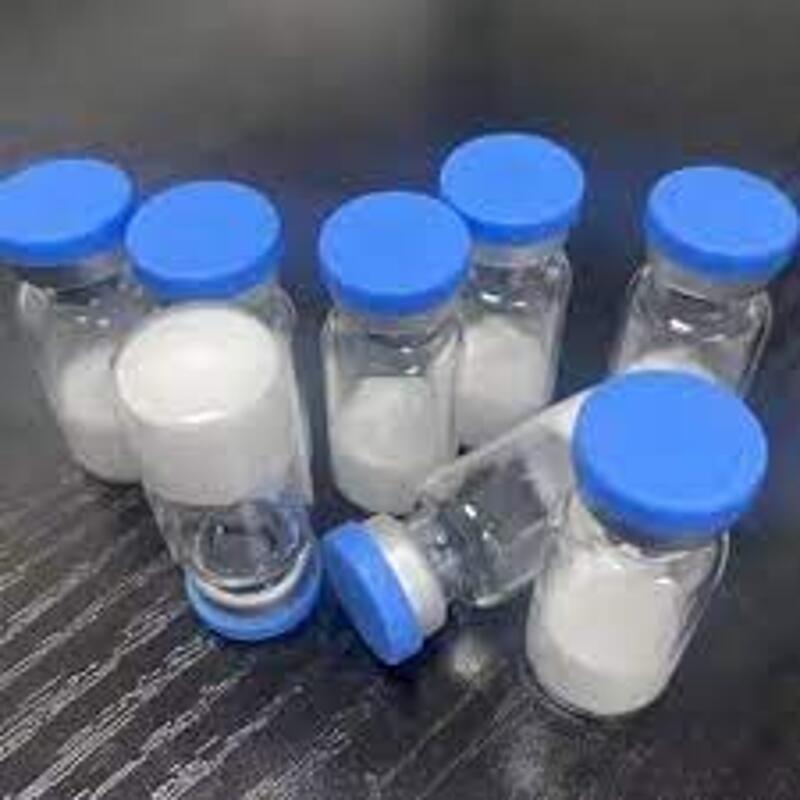
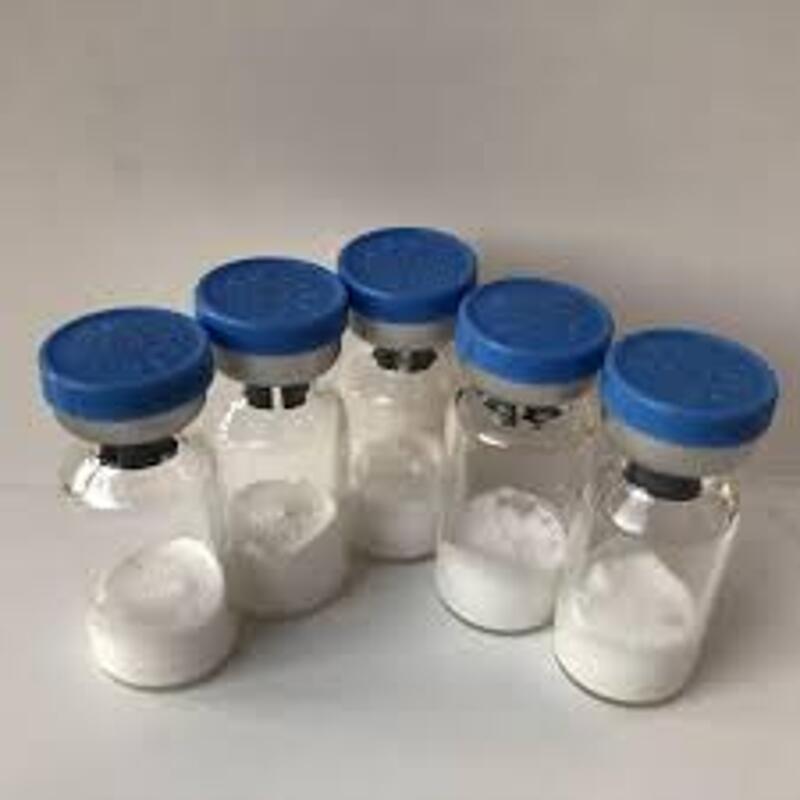
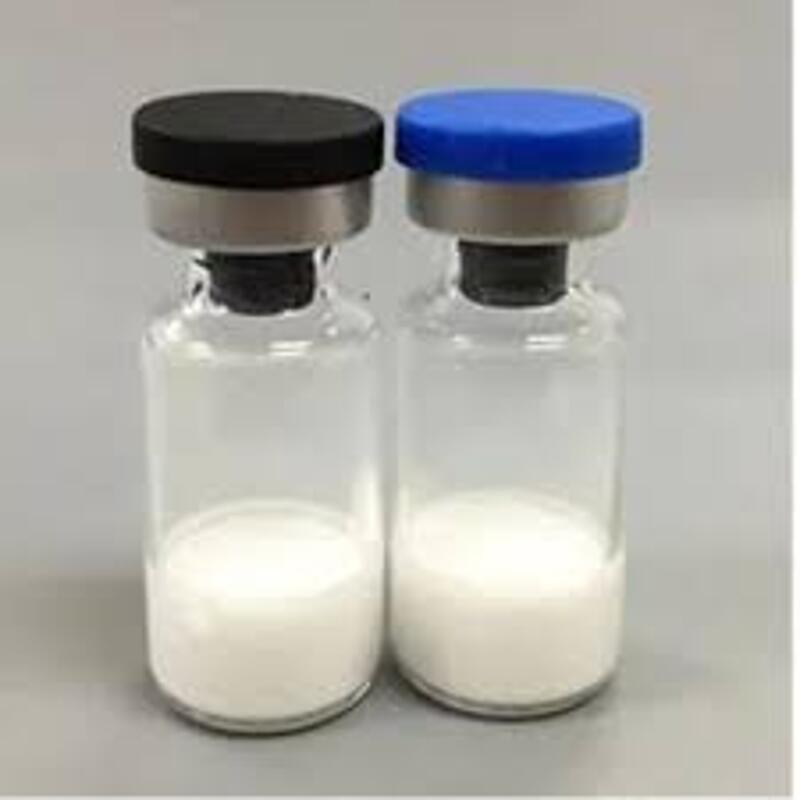
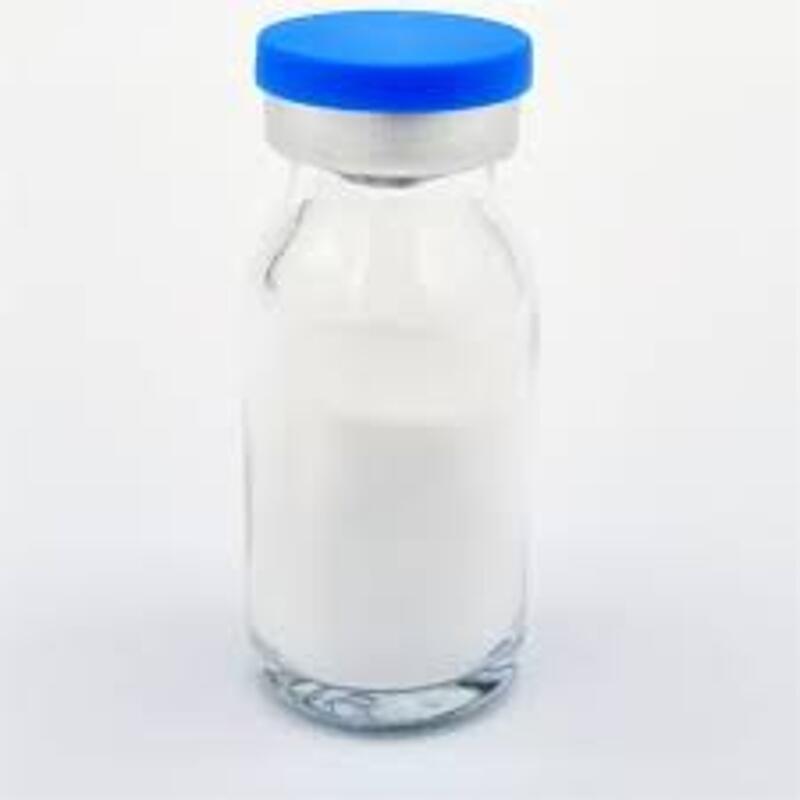
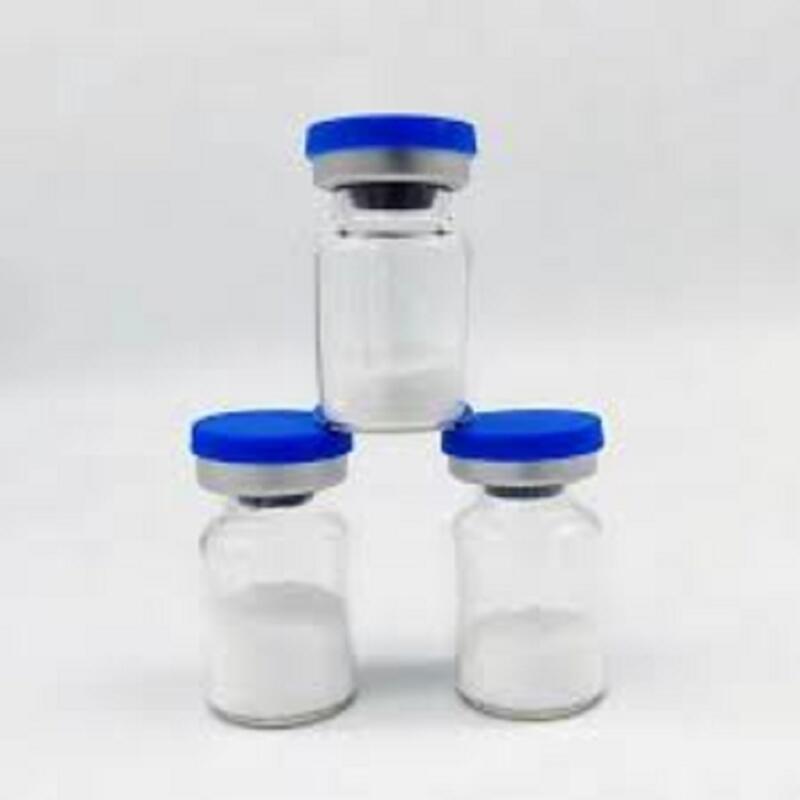
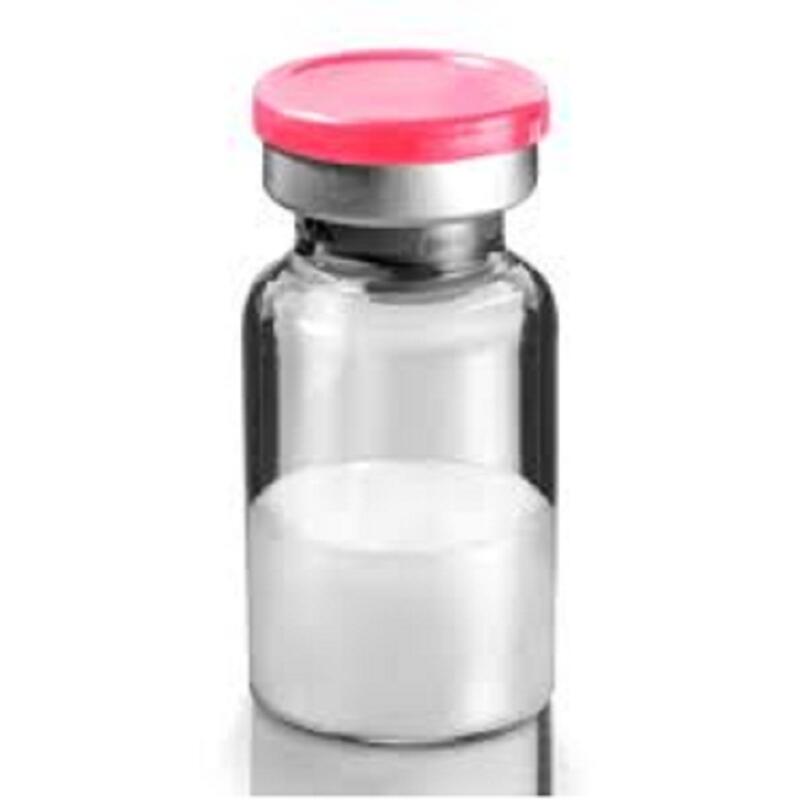
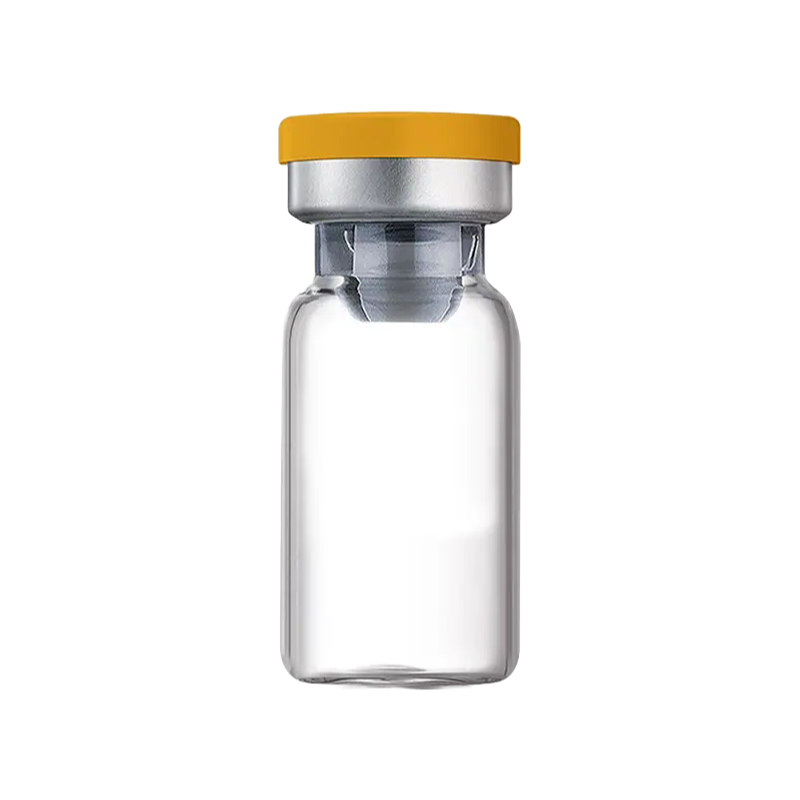
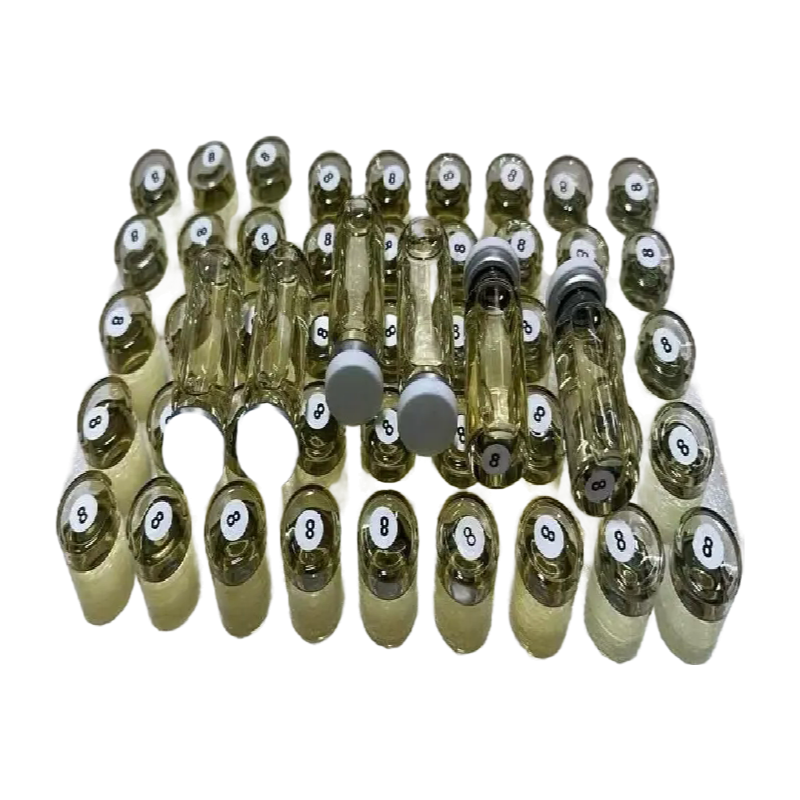
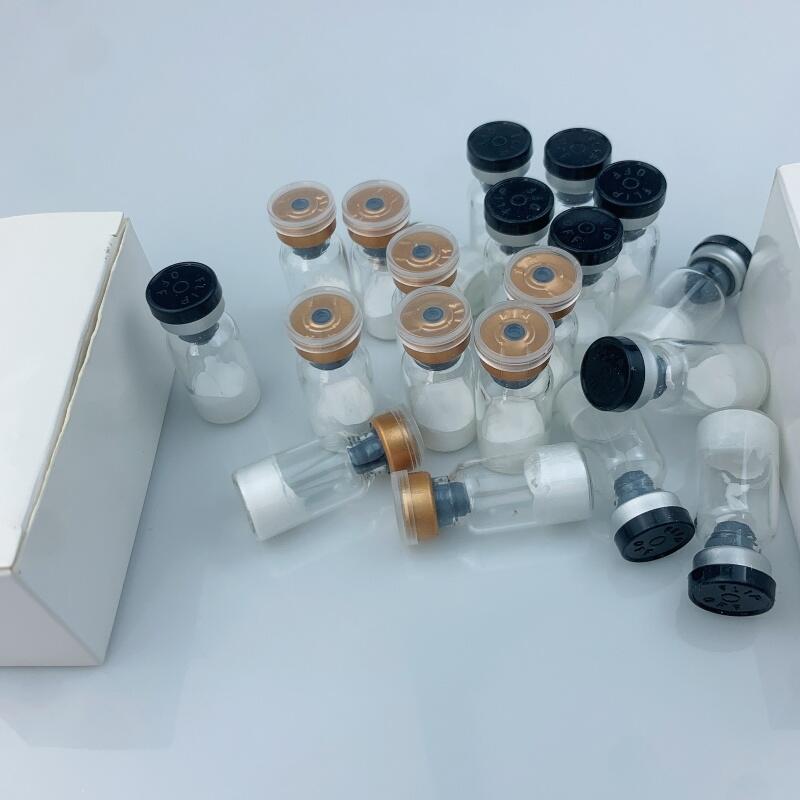
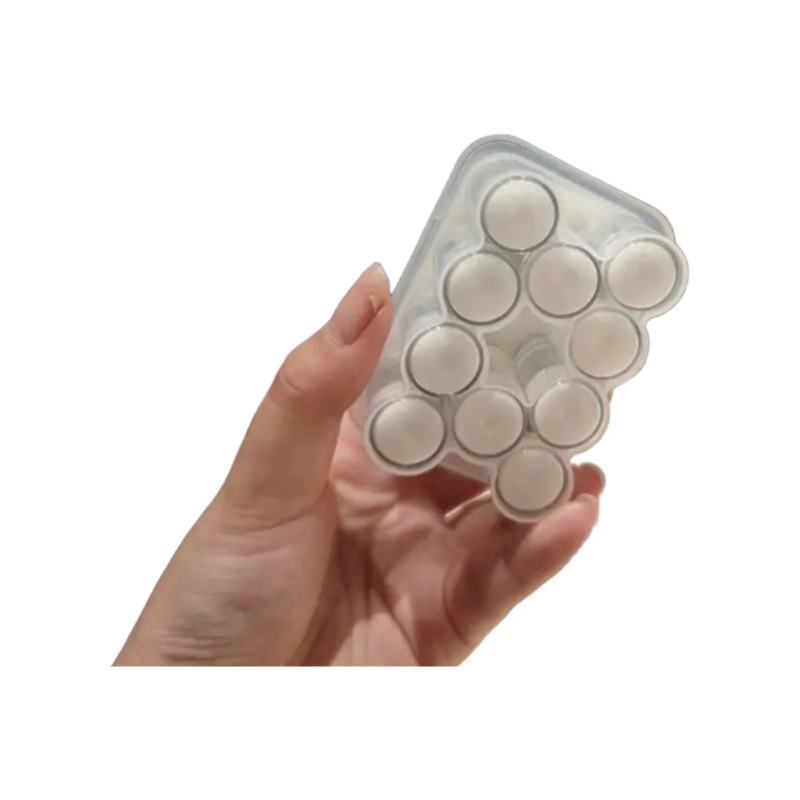
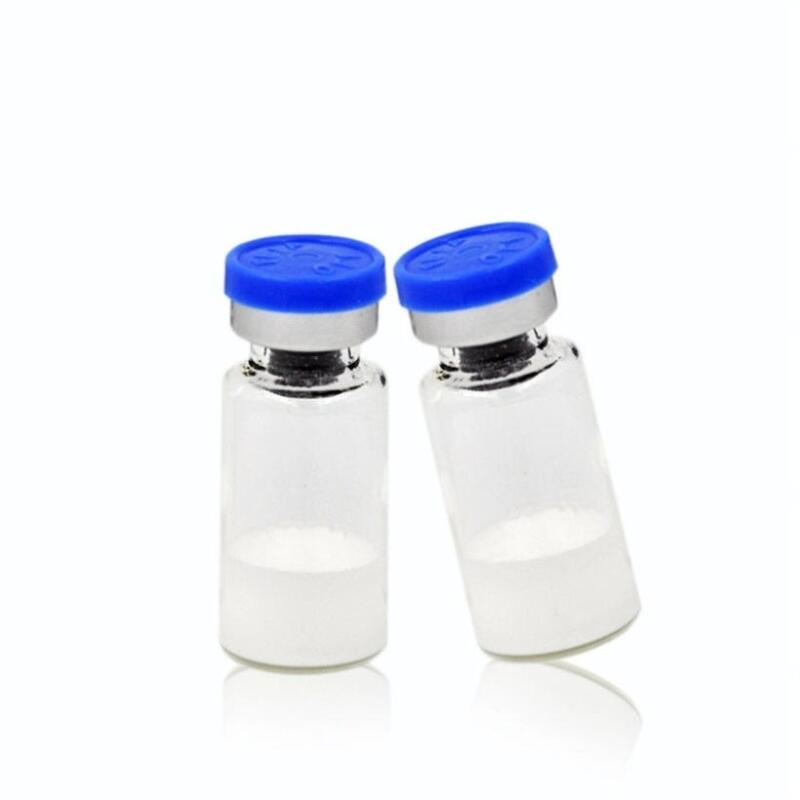
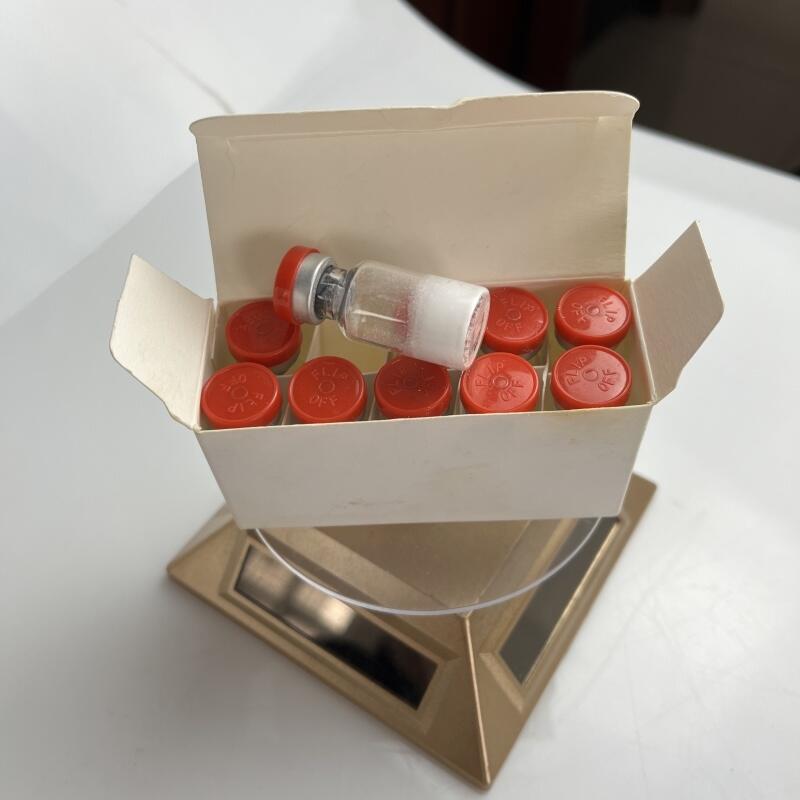
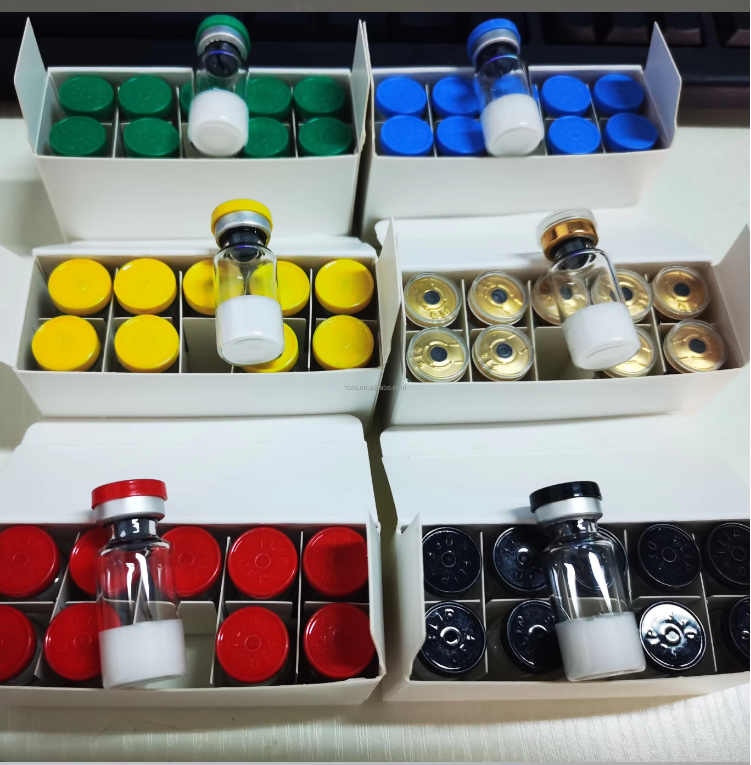
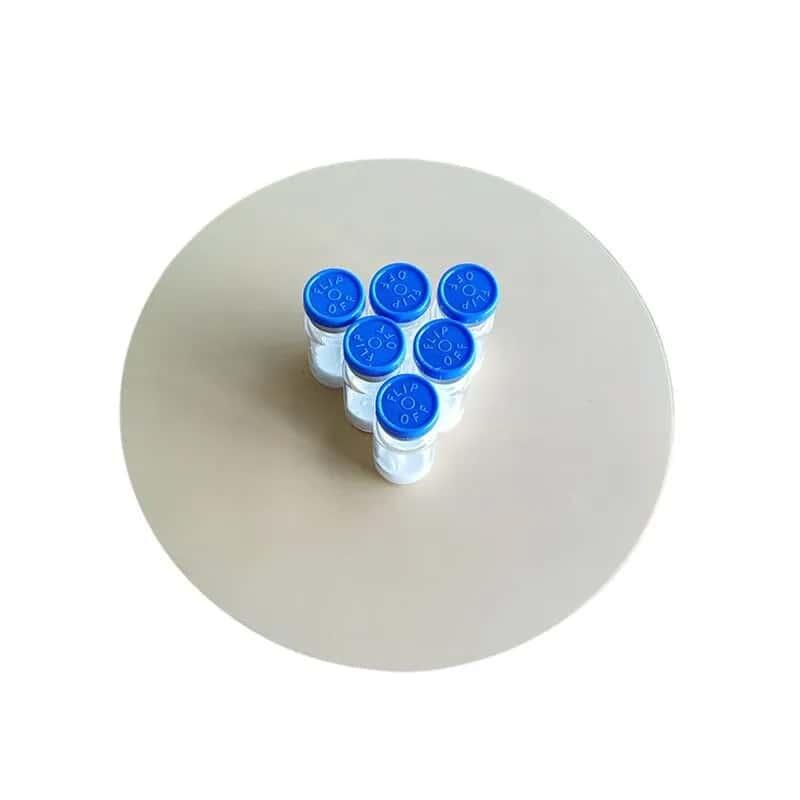
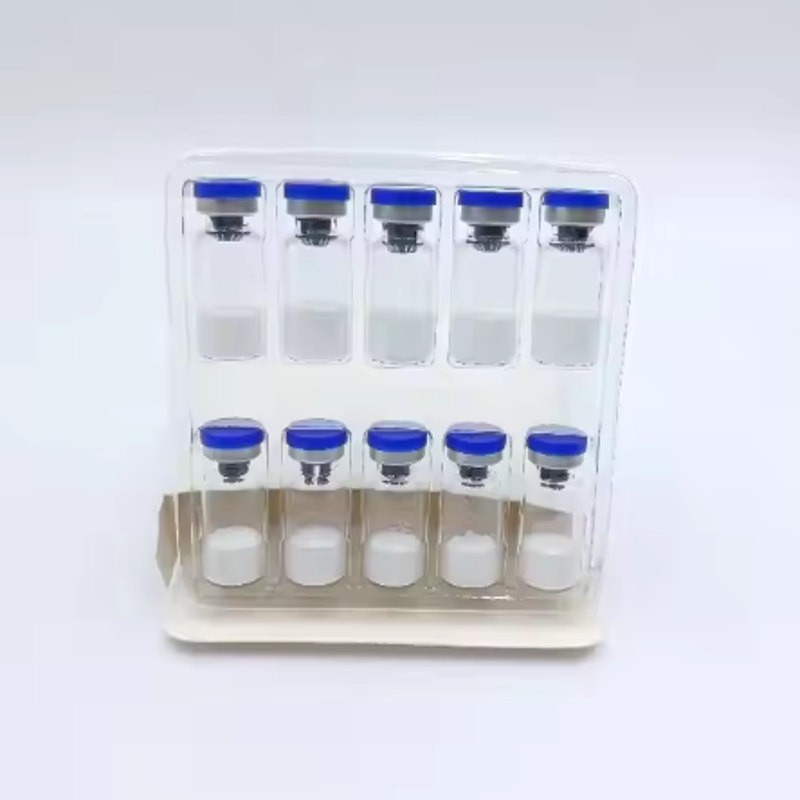
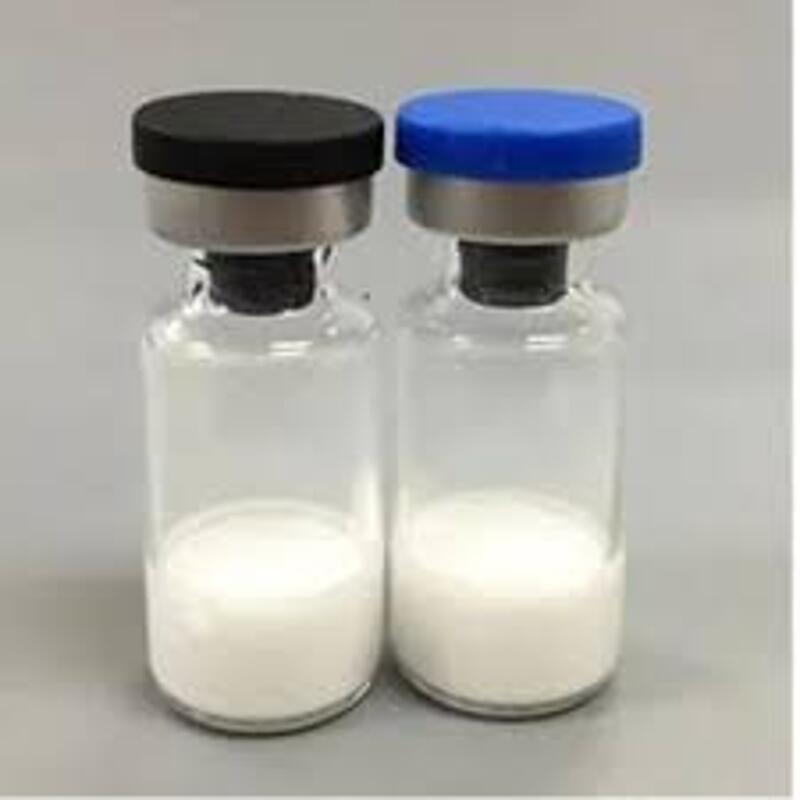
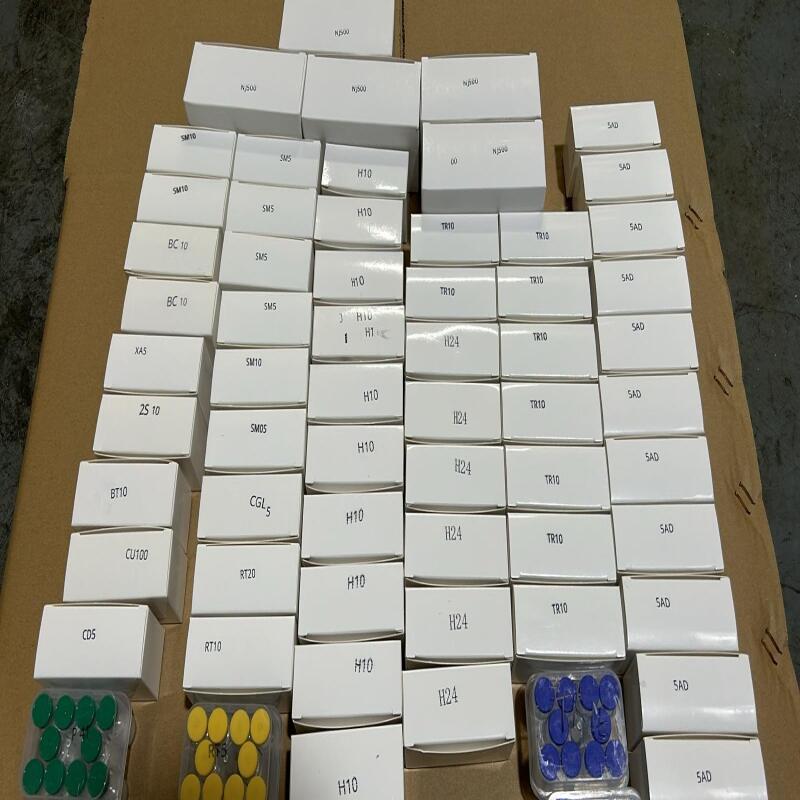
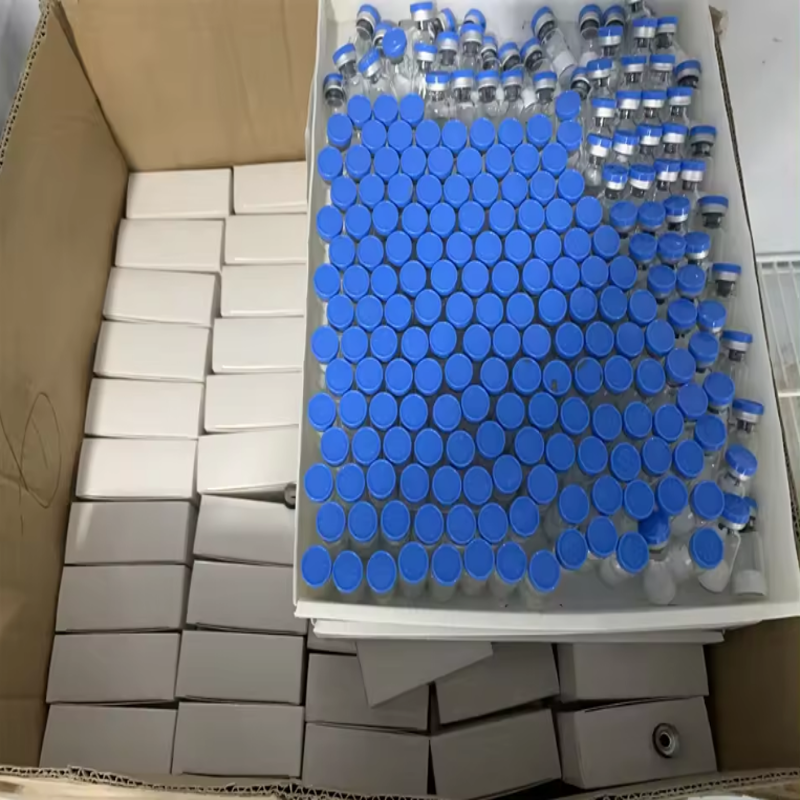
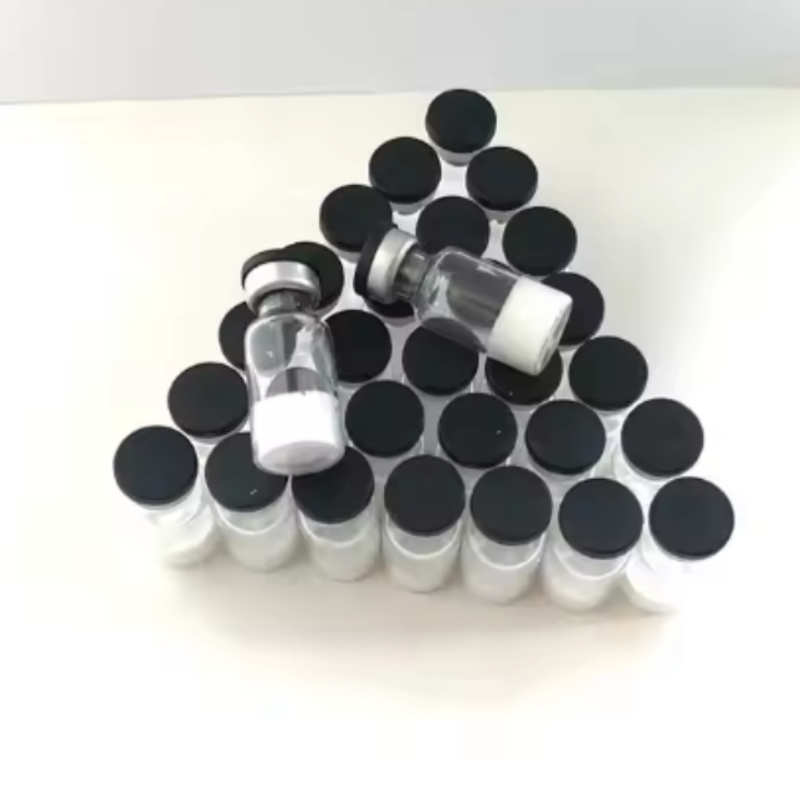
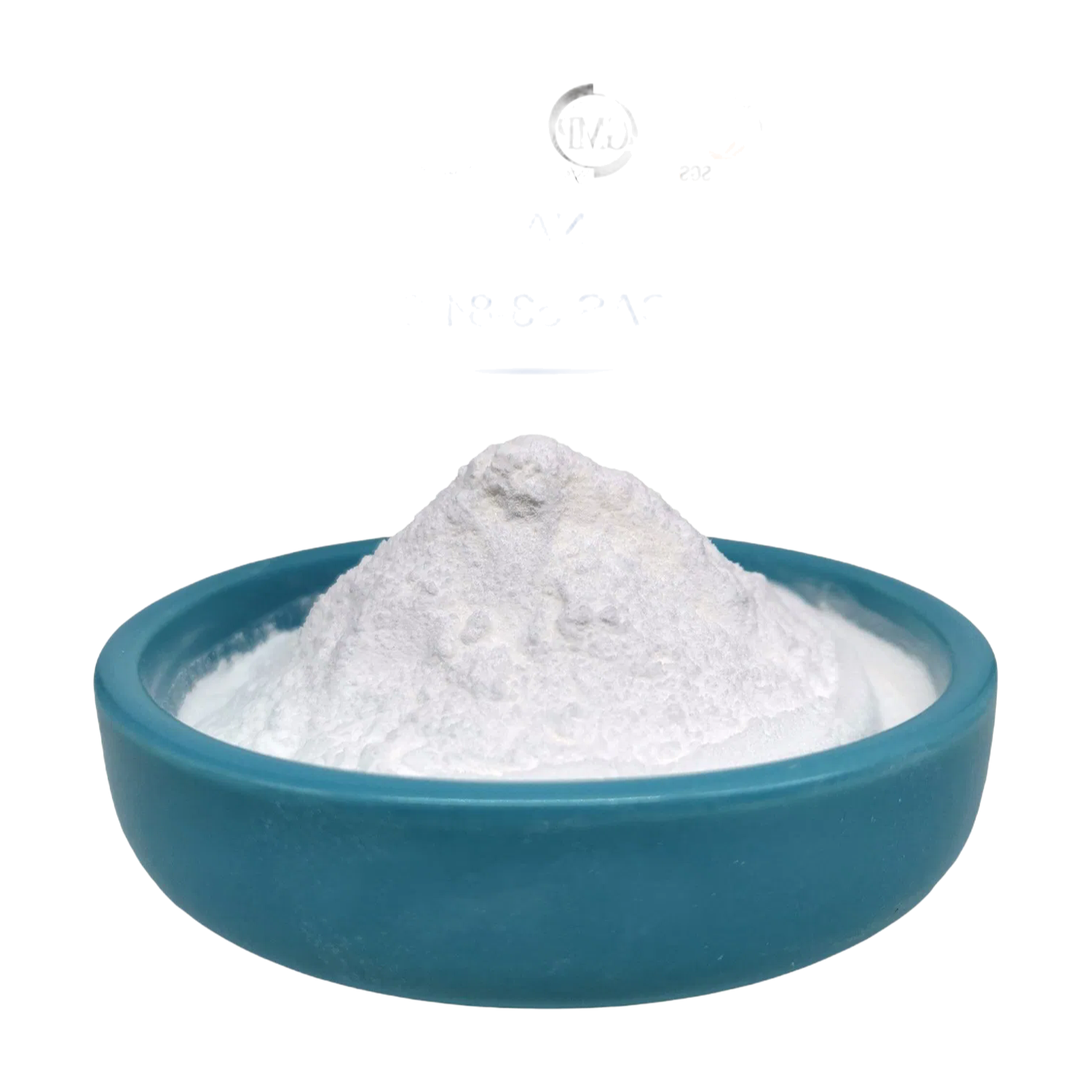
Your lab needs a specific vial size or custom labeling and we can handle that—whether it's 2mg for small-scale testing or 50mg for larger studies, the packaging flexes to your workflow. 2. This is a dual GIP and GLP-1 receptor agonist that's been getting serious attention in type 2 diabetes and metabolic disorder research, with a purity grade hitting ≥99% and a molecular weight just over 4813 g/mol. 3. Storing it at 2-8°C protected from light keeps it stable, and it dissolves in water up to 10 mg/mL—I've seen teams run solubility tests and it's consistent every time. 4. Research use only, no clinical application, but teh CAS number 2023788-19-2 makes it easy to cross-reference in protocols, and the white to off-white powder is exactly what you'd expect from pharmaceutical grade material. 5. For bulk orders, our company can scale up synthesis without sacrificing that purity spec, and the custom vial sizes mean you're not stuck with packaging that doesn't fit your experiment. 6. Real talk—if you're comparing suppilers, the batch-to-batch consistency here beats sourcing form random distributors because we control whole synthesis chain.
We don't have a strict MOQ on custom vial sizes—you can order as little as 10 vials for the smaller sizes like 2mg or 5mg. For larger sizes like 50mg, we'd prefer at least a 5-vial minimum to keep packaging efficient.
Yes, every batch comes with a COA that shows the actual purity (typically 99% or higher) and other specs like appearance and solubility. Just request it when you place your order, and we'll include it in the package.
Store it at 2-8°C in a fridge, protected from light, and keep the vial sealed tight. Under those conditions, it stays stable for at least 12 months—just avoid freezing or exposing it to moisture.
Absolutely, we can customize the vial size to anything between 2mg and 50mg. Just tell us your preferred amount, and we'll pack it accordingly—no extra fees for standard custom sizes.
Yes, it's pharmaceutical grade and dissolves easily in water at 10 mg/mL, making it suitable for in vivo studies. But remember, it's for research use only—not for human or veterinary use.