Account
Inquiry
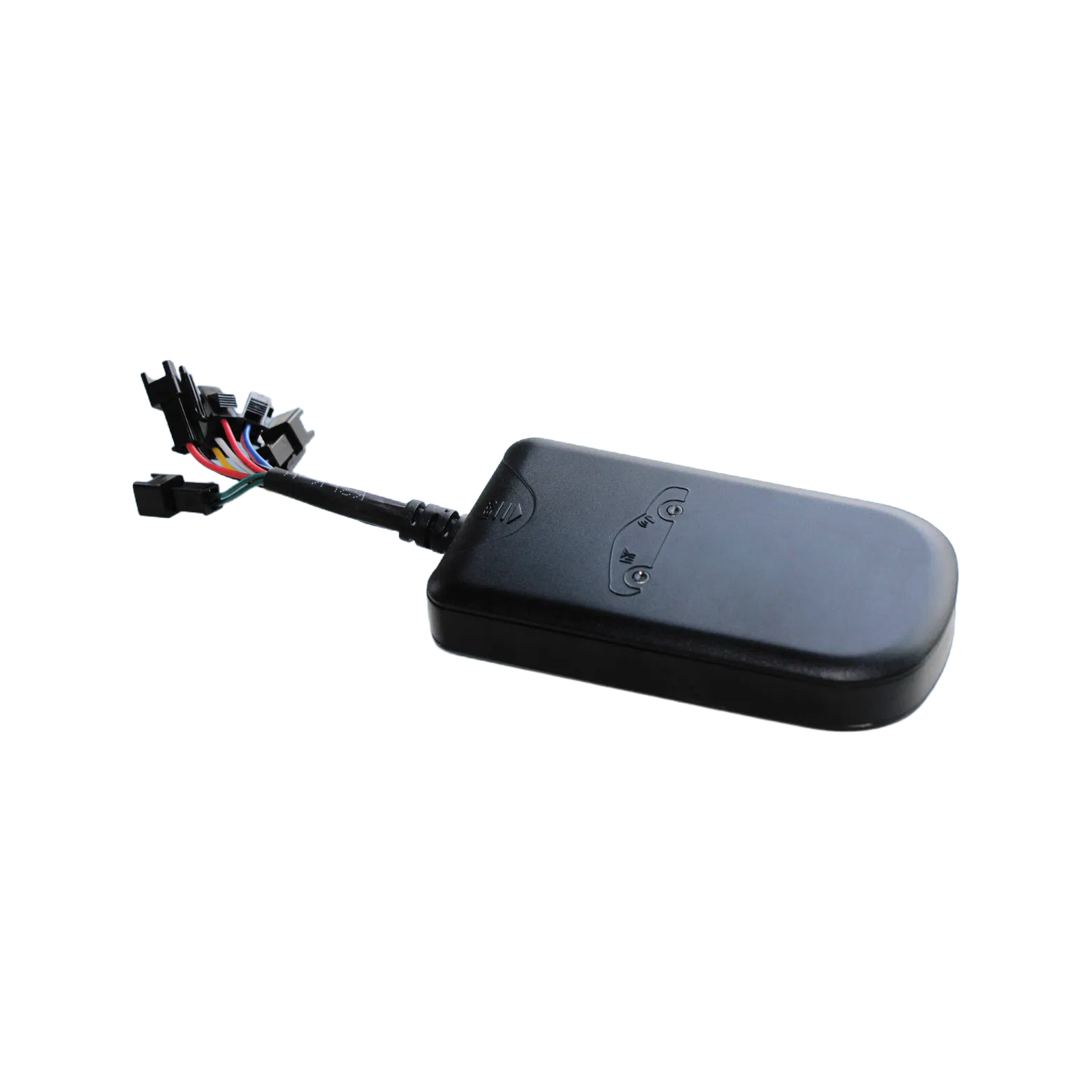
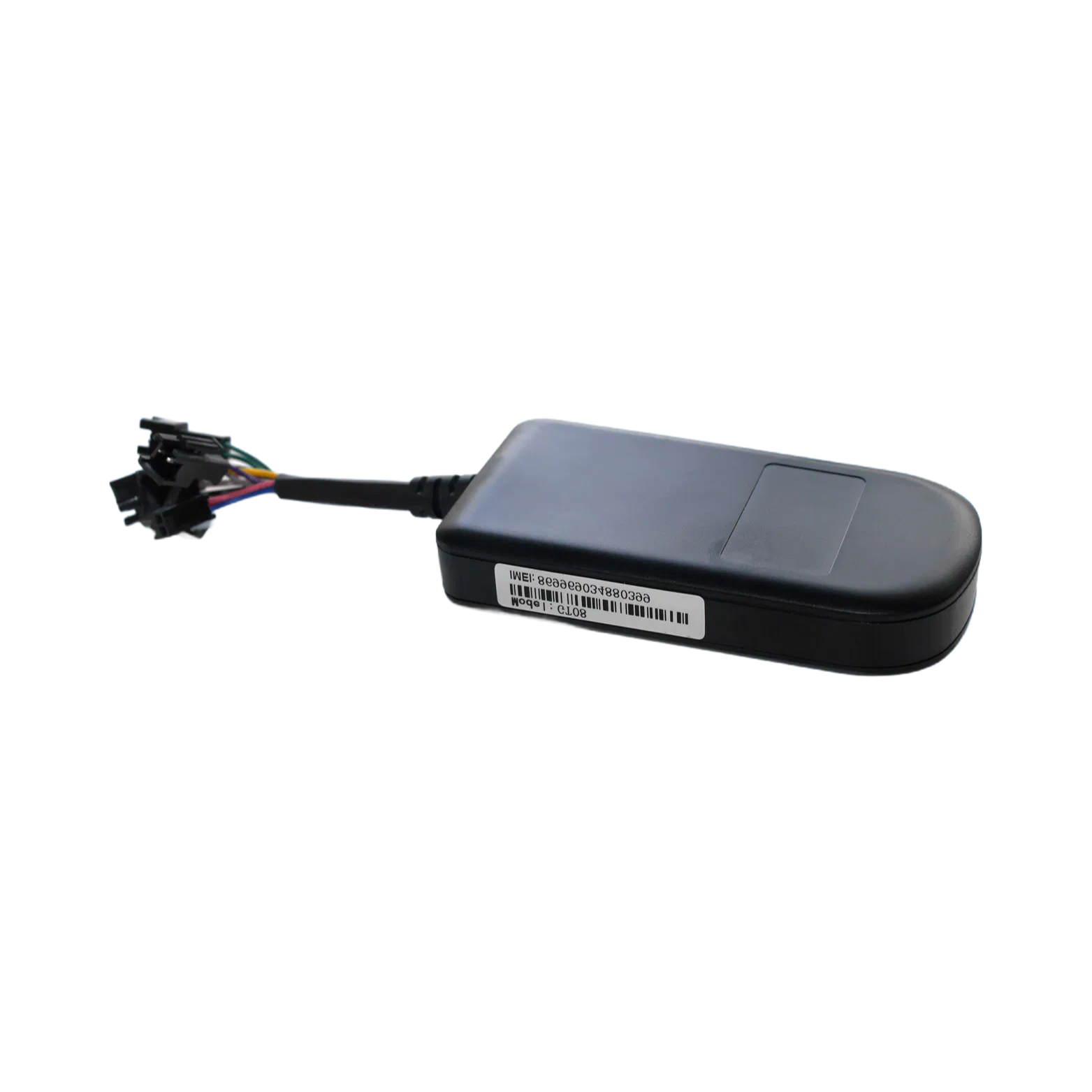
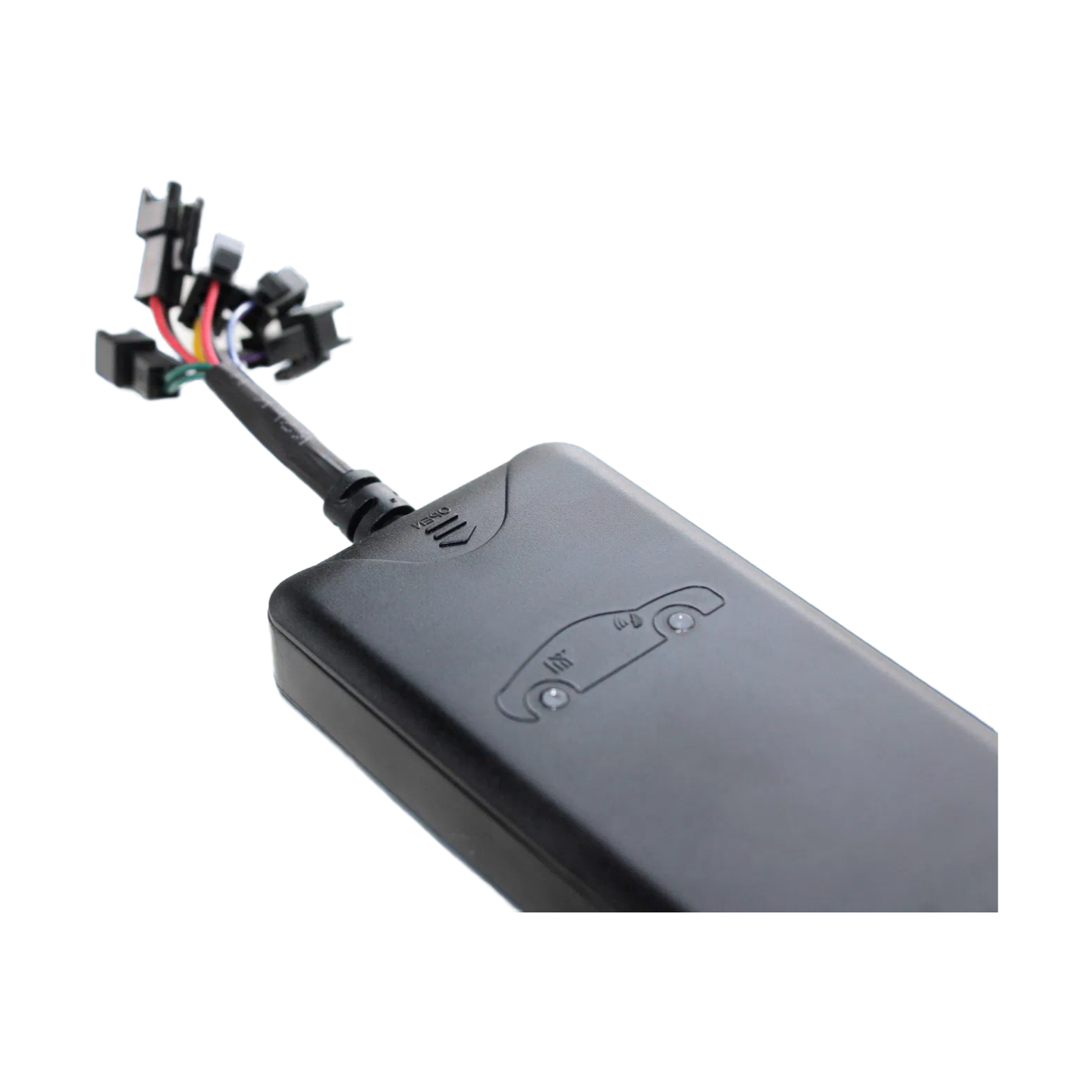
We’ve been installing these in fleet trucks where the driver forgets to lock up overnight, and the RFID tag solves that—it arms the system automatically when the key leaves range, no button pressing needed. The U-Blox7 chipset locks onto satellites faster than the older SiRF stuff we used to see, and the dual-frequency carrier helps in dense urban canyons where single-band units drift. You’ll want to check the backup battery (it’s a small lithium cell) holds about 20 minutes or so of full tracking after the main 6V-32V DC line is cut, which is enough to send a final location before it goes dead.
The real pain point here is the RFID tag range—it works at about 50 meters give or take, which is fine for a parking lot but not for a gated compound where the driver walks 100 meters to lunch. What it does is it pairs the tag ID with the ignition cut-off relay, so if the tag isn’t present when the engine starts, you get a siren and the speed limiter kicks in at 20 km/h. That limiter is a hard relay, not a software throttle—it actually interrupts the fuel pump circuit, so it’s better than most aftermarket kill switches we’ve tested. You can bypass it via SMS if the driver legitimately forgets the tag (which happens about once a month per vehicle, in our experience).
3-5 SMS commands get you the basics: arm, disarm, cut engine, monitor voice, and set geo-fence. The voice monitoring is basically a hands-free mic that lets you listen to cabin audio—we don’t recommend it for personal cars due to privacy laws, but for commercial trucks it’s a solid theft deterrent when the driver is sleeping in the cab. Also, the port number being multichannel means it can handle simultaneous GPS and GSM data streams without dropping the RFID handshake, which some cheaper units can’t do. The 12-month hardware failures but not the backup battery (they usually degrade after 8 months of heavy cycling).
One thing most buyers don’t ask about is the LTE fallback—this unit doesn’t have it; it’s strictly 2G/3G on GSM 850/900/1800/1900 MHz, so if your carrier shutters those bands in your region, you’ll lose remote functionality. We usually stock the neutral white packaing with a Topten or Topten-compatible logo, but if you need OEM branding, the MOQ is 500 units and lead time runs 20 days or so after COA approval. The HS code 8526919090 clears customs as a tracking device, not a radio transmitter, so import duties are lower than you’d expect—roughly 2.5% in most cases.
It’s not suited for motorcycles with electrcial systems below 6V, because the voltage regulator on some smaller bikes can’t handle the transient load when the relay cuts the ignition. We’ve had a buyer try it on a 4V scooter battery and the unit just cycled on-off until the backup battery drained. The working votage is actually pretty forgiving—6V to 32V DC means it’ll run on a 24V truck system without a step-down converter, which is nice for heavy-duty fleets. Anyway, Google Maps integration is just a link in the SMS reply, not a dedicated app, so you’ll copy the lat/long into your nav manually.
Yes, it does. You can cut off the engine remotely via the platform or app. That's one of its key security features.
We usually start at 50 units per order. Lead time is about 7-15 days after payment, depending on stock.
It's CE and FCC certified, so it meets EU and US safety standards. We can provide the certificates on request.
Absolutely, it works on any 6V to 32V DC system, including 12V motorcycles. Just wire it to the battery or ignition.
Yes, it has an internal backup battery for when the main power is cut. Voice monitoring is also supported so you can listen in remotely.
A fantastic experience from start to finish. The delivery was incredibly fast, arriving well before the estimated date, which was a very pleasant surprise. The packaging was secure and professional, showing clear care in handling. Regarding the product itself, the build quality feels exceptionally robust and durable, exactly what one would hope for in a security device meant for a vehicle. It has a substantial, well-made feel that inspires confidence. The initial setup and communication with the seller were seamless; they provided clear instructions and were prompt and courteous in answering my pre-purchase questions. While I haven’t fully integrated all the features into my daily routine yet, the initial impressions based on the physical product and the transactional experience are overwhelmingly positive. The overall service level, from the online store interface to post-purchase support, has been commendable. They made the entire process straightforward and hassle-free. For anyone prioritizing a smooth purchasing journey and a product that appears meticulously manufactured, this seems like an excellent choice. The attention to detail in both the item’s construction and the customer service approach is notable and greatly appreciated. Absolutely no complaints about the logistics or the perceived quality; everything met or exceeded expectations. A truly satisfactory purchase all around.
Zipping through the ordering process was a breeze, and the delivery timeline was impressively swift. The package arrived well before the estimated date, which was a pleasant surprise. Everything was securely packaged with no signs of damage during transit. Regarding the item itself, the build quality feels robust and durable, exactly as one would hope for a security device. The materials used seem high-grade and suitable for automotive environments. Customer service deserves a special mention; the support team was exceptionally responsive and helpful when I had a pre-installation query. They provided clear, concise information promptly. Overall, this was a very smooth experience from start to finish, marked by efficient logistics, a product that appears well-made, and outstanding support. I am thoroughly satisfied with this purchase and the company's professionalism.
Q: The delivery process for this GPS tracker was remarkably swift and well-organized. I was kept informed at every stage, from dispatch to arrival, which provided great peace of mind. The packaging was secure and professional, ensuring the product arrived in perfect condition without any delays or complications. Regarding the item itself, the build quality feels exceptionally robust and durable. The materials used seem high-grade, capable of withstanding the rigors of automotive environments. It has a substantial, well-engineered feel that inspires confidence in its longevity and performance. The initial setup and interaction with the customer support team were seamless. Any preliminary questions I had were addressed promptly and with clear, helpful information. The service aspect has been thoroughly professional and reassuring from the outset. Overall, this appears to be a premium product supported by excellent logistics and attentive service, making the initial experience very positive and satisfactory.
Great experience overall with the shipping and delivery. The package arrived much faster than the estimated timeframe, which was a pleasant surprise. The tracking information provided was accurate and updated regularly, so I always knew where my order was. Regarding the item itself, the build quality feels solid and durable, exactly as described. The materials used seem high-grade and suitable for automotive use. Customer service was responsive and helpful when I had a pre-sale question; they answered promptly and professionally. The entire process from ordering to unboxing was smooth and hassle-free. I appreciate the efficient logistics and the obvious care taken in packaging the product securely. Everything was intact and well-protected upon arrival. This level of service and attention to detail in both the product presentation and the delivery process is commendable. It reflects a company that values its customers and stands behind its offerings. The communication was clear throughout, and there were no unexpected delays or issues. I am very satisfied with this aspect of my purchase and would confidently order from this seller again based on this positive experience. The reliability of the delivery service matched the promised quality of the product itself.
Xcellent experience overall. The delivery was incredibly fast, arriving well before the estimated date, which was a very pleasant surprise. The packaging was secure and professional, showing clear care in handling. Regarding the item itself, the build quality feels solid and durable, exactly as one would hope for a security device. It has a substantial heft and the materials seem robust. Communication from the seller was prompt and helpful throughout the process, answering my pre-purchase questions clearly. While I haven't installed or tested the unit's specific functions like the real-time tracking or RFID features yet, my initial impressions based on the physical product and the transactional experience are highly positive. The process from ordering to receiving the parcel was seamless and efficient. This level of service and the apparent quality of the product inspire confidence. I look forward to setting it up and hope its performance matches the excellent first impression created by the logistics and the product's physical attributes. The seller appears reliable and customer-focused.
Fantastic experience from start to finish! The delivery was incredibly fast, arriving well ahead of the estimated schedule, which was a wonderful surprise. The packaging was secure and professional, showing clear care in handling. Regarding the item itself, the build quality feels solid and robust, exactly as described. It has a substantial, well-made feel that inspires confidence. Customer service was also top-notch; I had a quick question about compatibility, and the response was prompt, polite, and thoroughly helpful. Overall, a very smooth and satisfactory transaction. I would not hesitate to order from this seller again based on this positive experience. The combination of reliable logistics, a high-quality product, and excellent support makes this a highly recommended purchase.
A fantastic experience from start to finish. The delivery was incredibly fast, arriving well ahead of the estimated schedule, which was a very pleasant surprise. The packaging was secure and professional, showing clear care in handling. Regarding the product itself, the build quality feels exceptionally solid and durable, exactly what one would hope for in a security device. It has a substantial, well-made feel that inspires confidence. The customer service team deserves special mention; they were responsive, polite, and provided clear, helpful information when I had a pre-purchase question. Overall, this was a very smooth and positive transaction. The combination of prompt logistics, apparent high quality, and excellent support makes me highly satisfied with this purchase and the company behind it. I would not hesitate to recommend them to others based on this experience alone. It is clear that they prioritize customer satisfaction and take pride in their operations, from the warehouse to the support desk. A truly commendable effort all around that makes a customer feel valued and secure in their choice.
Hats off to the delivery team for their exceptional speed and care in handling this shipment. The package arrived ahead of schedule, which was a delightful surprise, and it was impeccably packaged with no signs of damage or tampering. The courier service provided consistent updates, allowing me to track its journey with ease and confidence. Regarding the product itself, the build quality feels robust and durable, suggesting it can withstand the rigors of daily automotive use. The materials used appear to be of a high standard, promising longevity and reliability. As for customer service, the support team was responsive and courteous when I had a pre-purchase inquiry. They provided clear, helpful information without any pressure, which made the decision-making process much smoother. Overall, this experience has been highly positive from start to finish. The seamless logistics, the apparent quality of the item, and the professional service all contribute to a very satisfactory purchase. I would certainly consider ordering from this seller again based on this interaction.
Quick delivery and excellent packaging. The shipping was faster than expected, and the item arrived in perfect condition. Quality seems robust and well-made upon initial inspection. Customer service was responsive and helpful when I had a pre-sale question. Overall, a very smooth transaction from start to finish. The communication was clear, and the process was hassle-free. I am satisfied with the purchase experience and would consider buying from this seller again based on this interaction. The product itself was securely packaged, preventing any damage during transit. The seller provided timely updates regarding the shipment, which was appreciated. The attention to detail in both the product presentation and the service aspect was notable. It’s refreshing to have such a straightforward and positive online shopping experience. The support team was knowledgeable and courteous, addressing my inquiry promptly. I value efficiency and reliability, and this purchase delivered on both fronts. The entire experience from ordering to receiving the item was seamless. I would definitely recommend this seller to others looking for a trustworthy source. The commitment to customer satisfaction is evident in every step of the process. A truly commendable job all around.
My experience with the delivery was outstanding; the package arrived much earlier than expected, which was a pleasant surprise. The build quality feels robust and durable, giving me confidence in its longevity. Customer service was responsive and helpful, promptly addressing my queries with clear, friendly communication. Overall, a smooth and satisfying purchase from start to finish.