Account
Inquiry
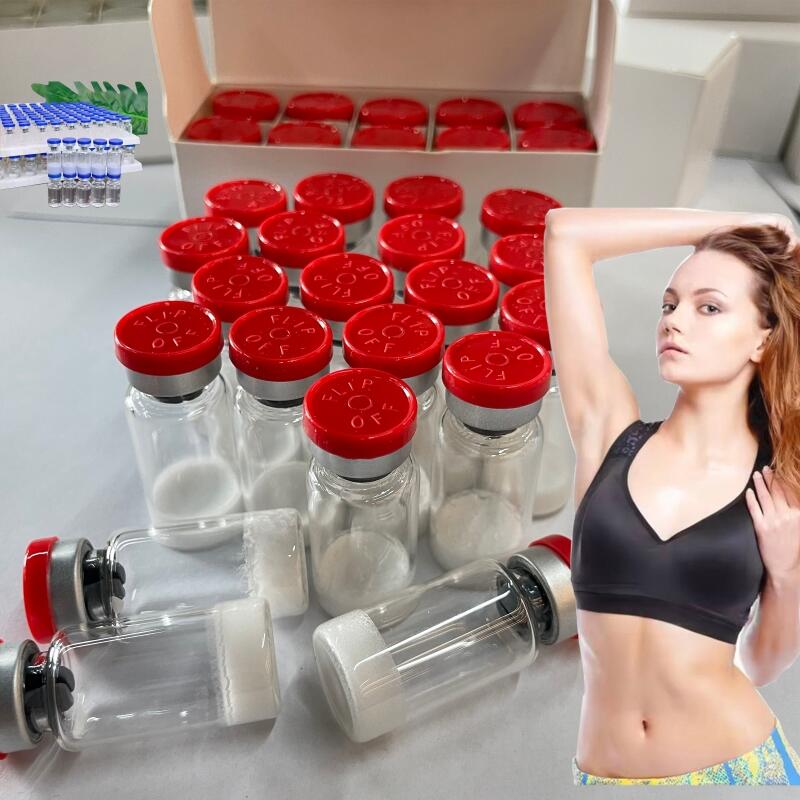
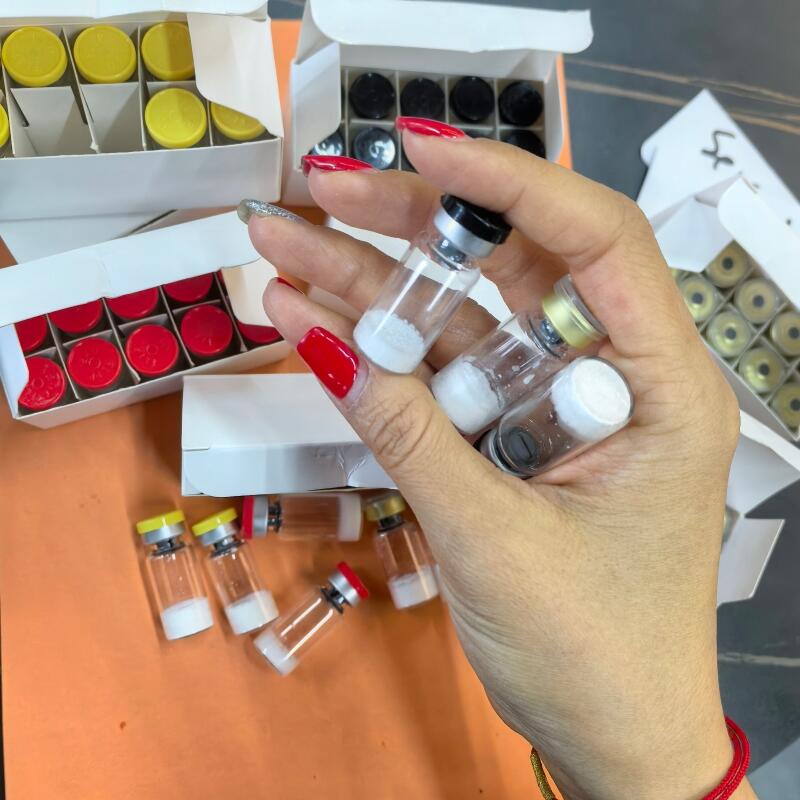
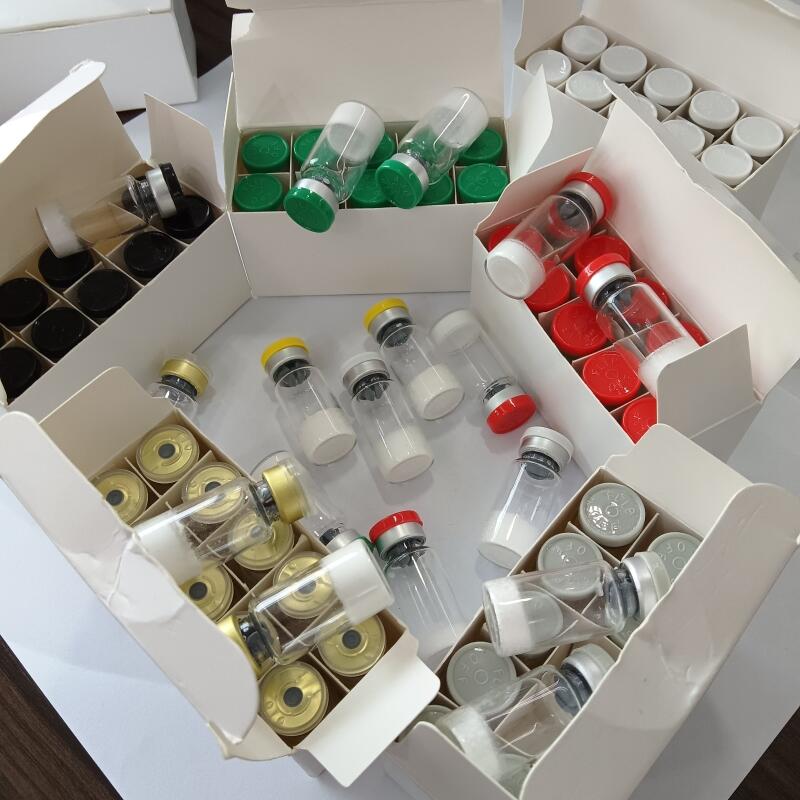
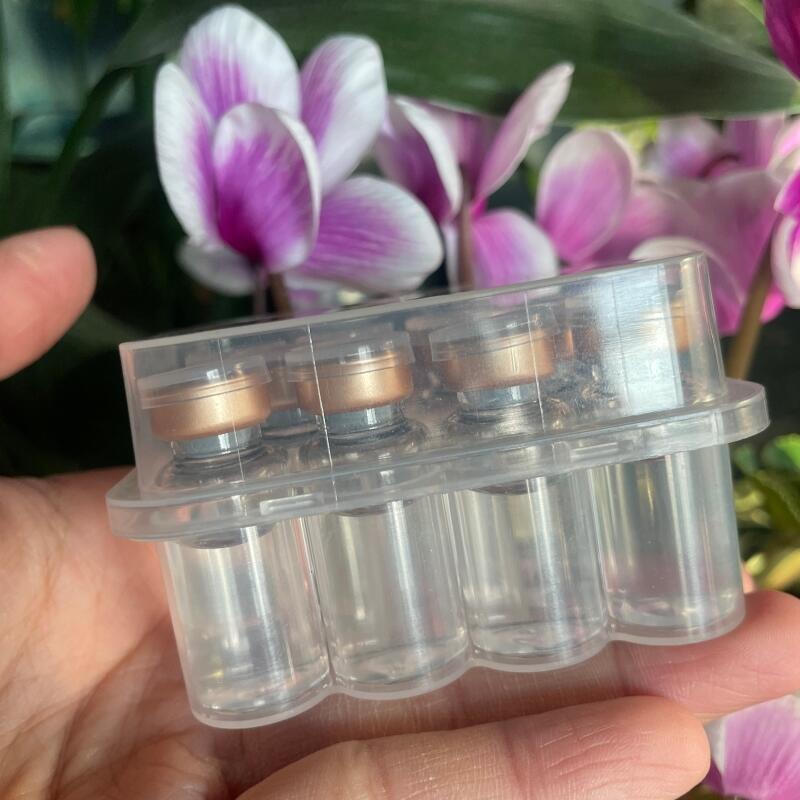
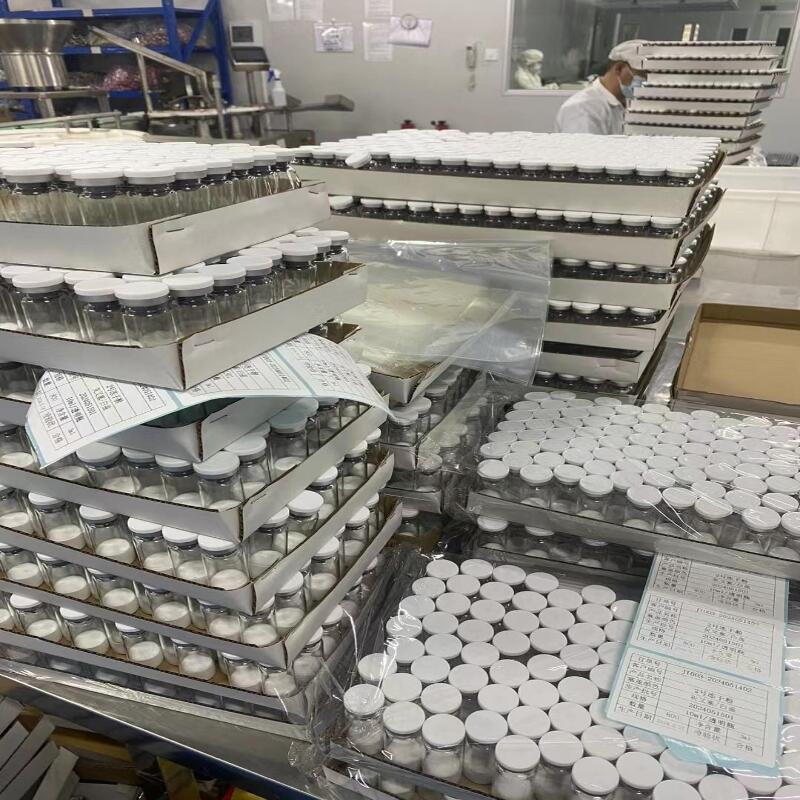
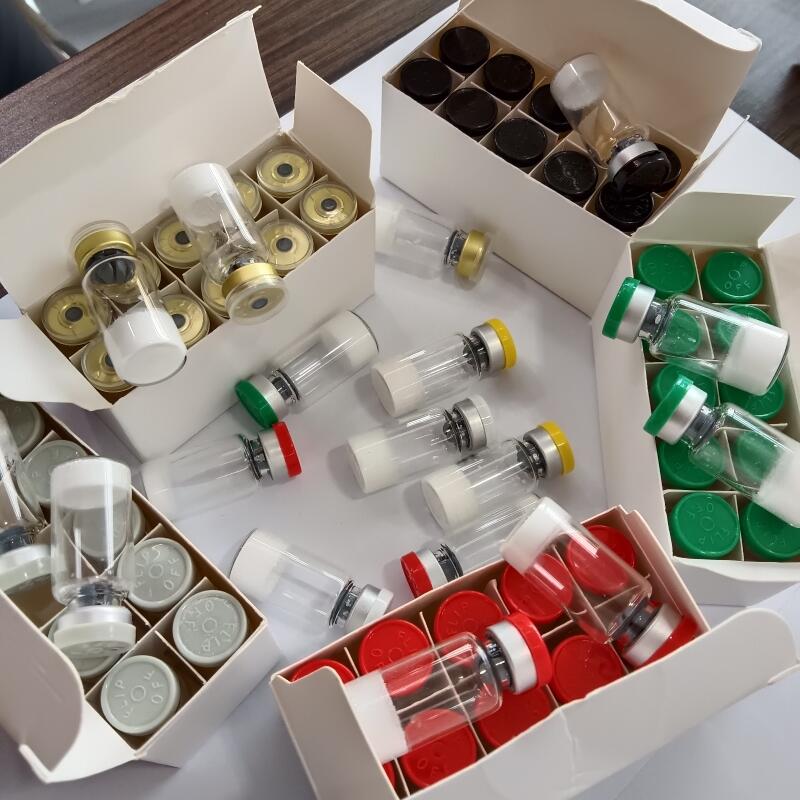
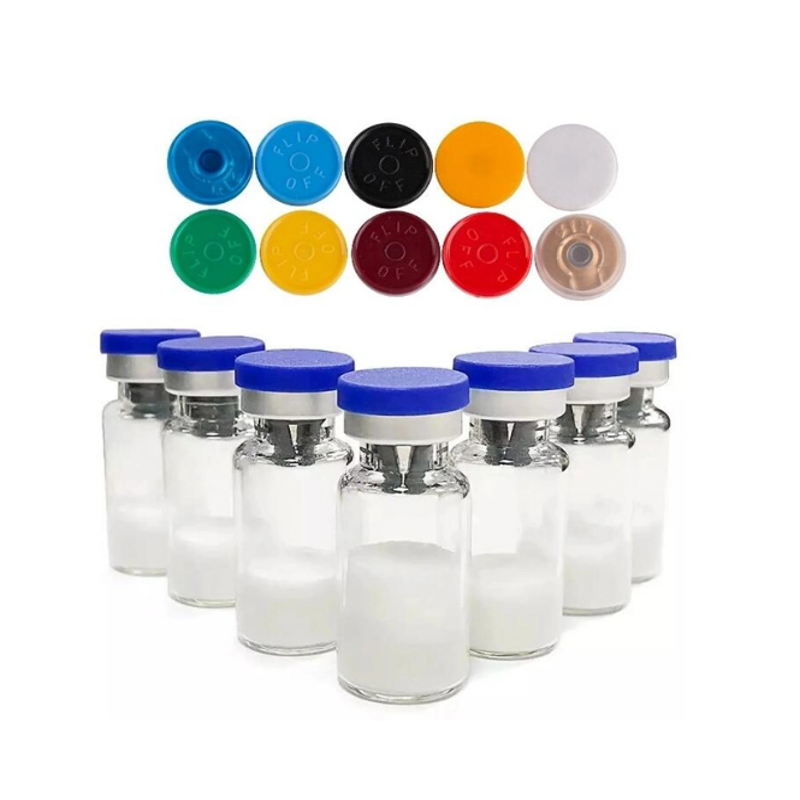
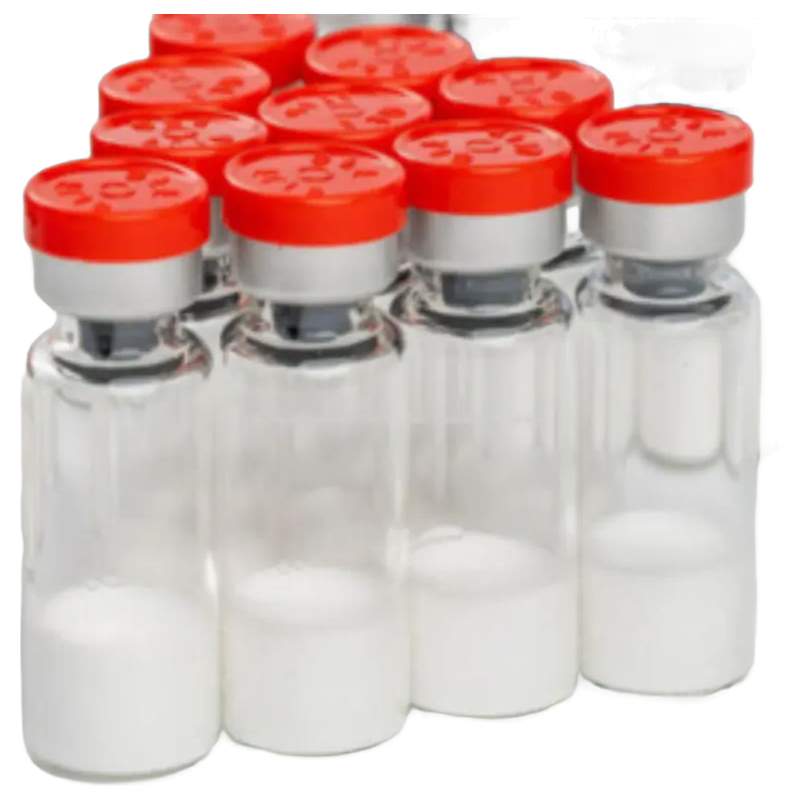
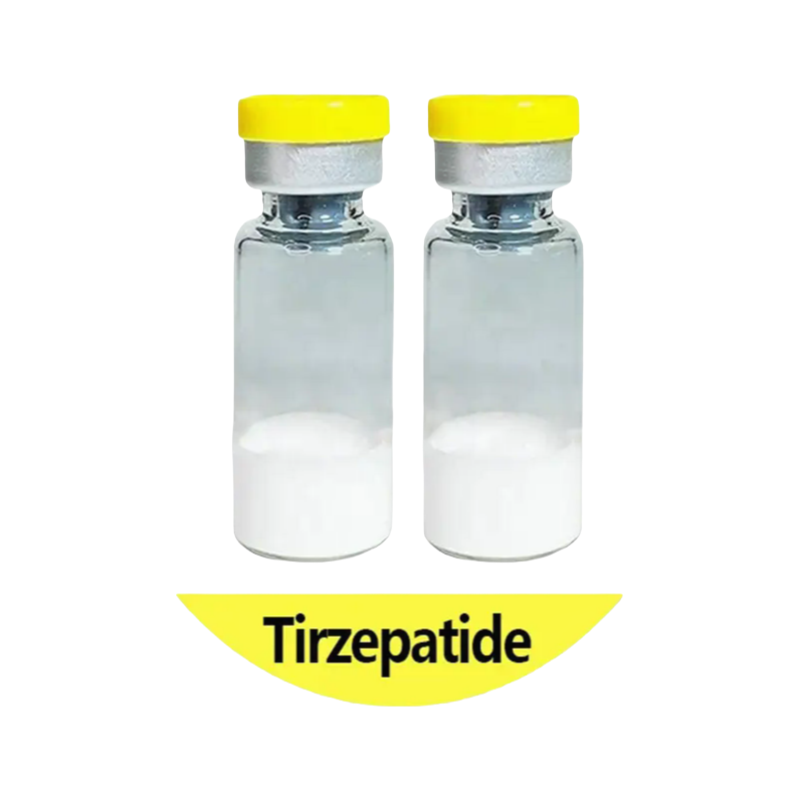
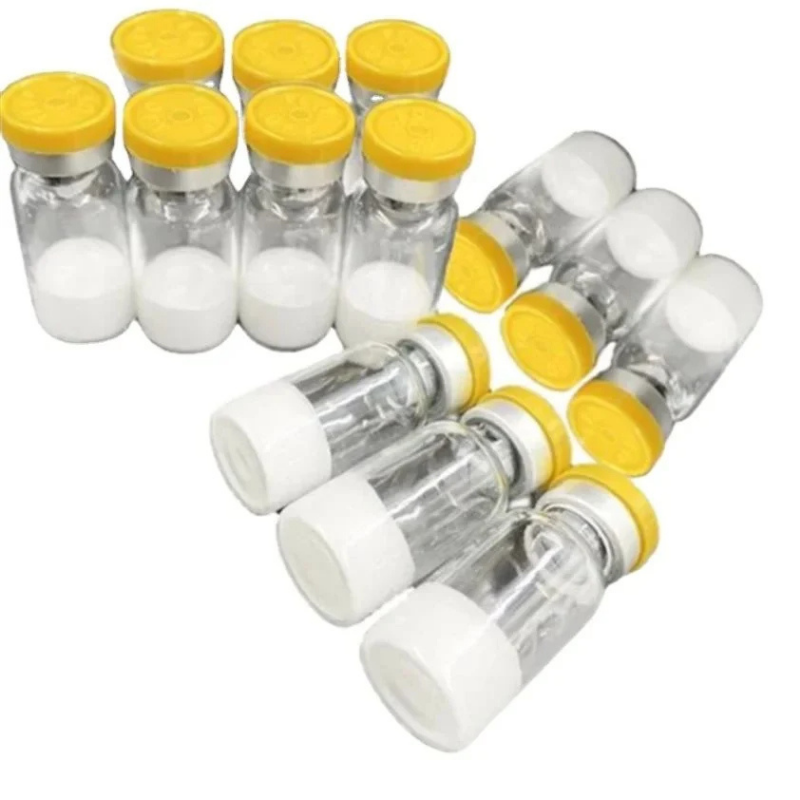
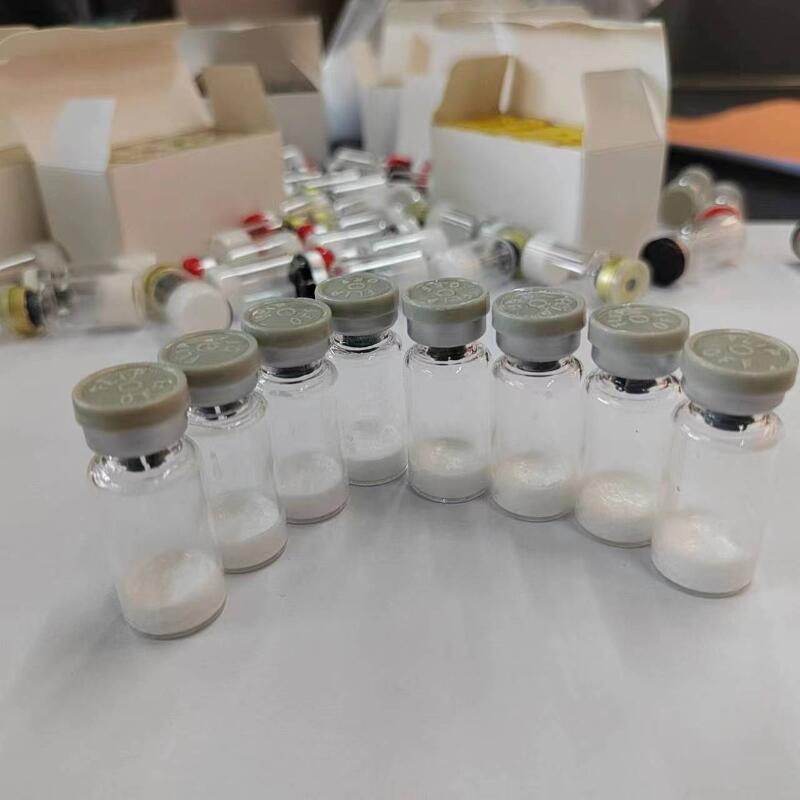
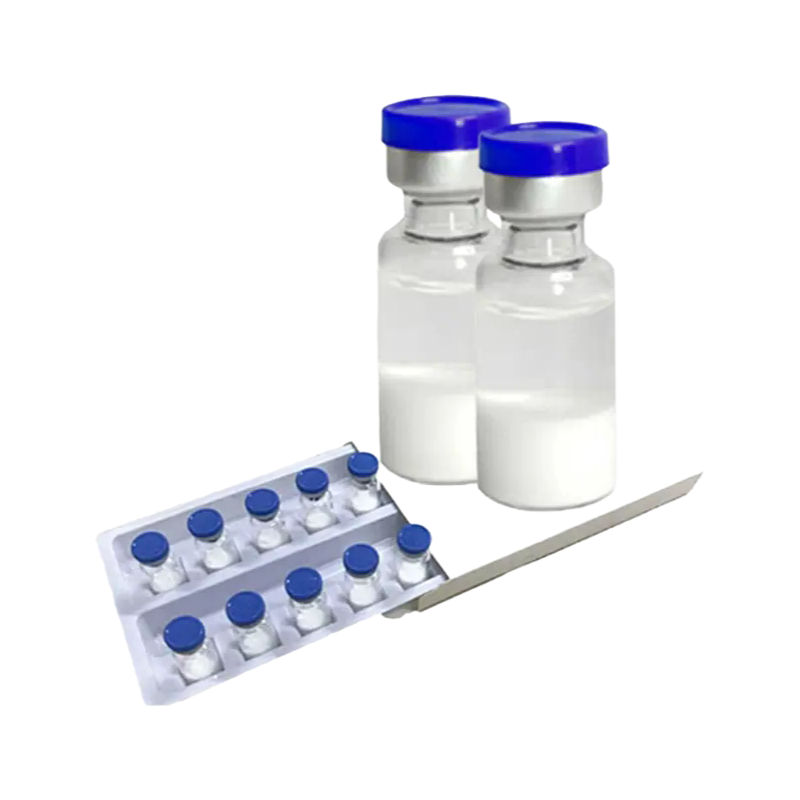
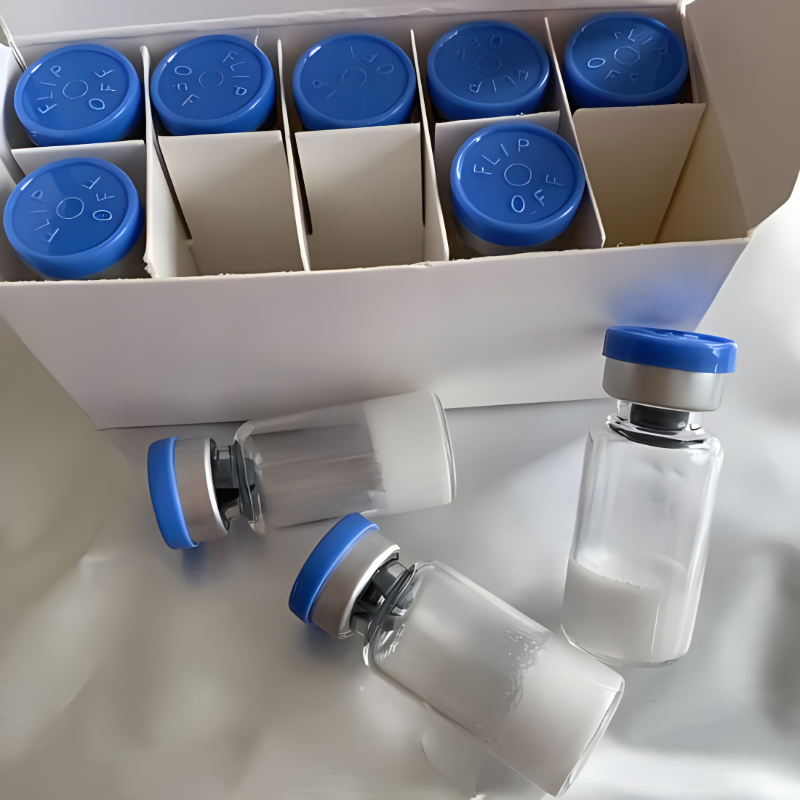
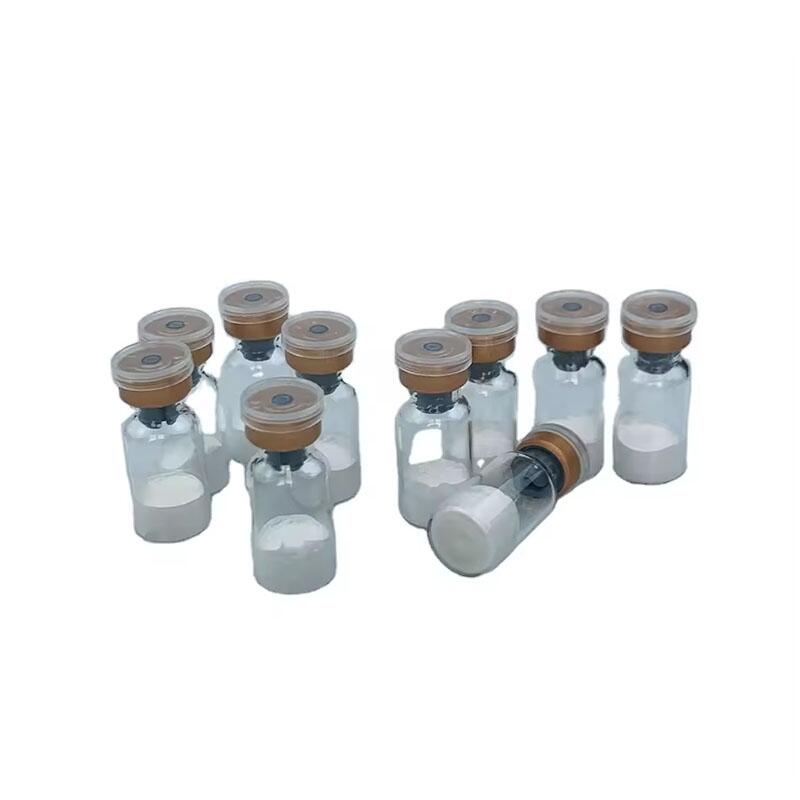
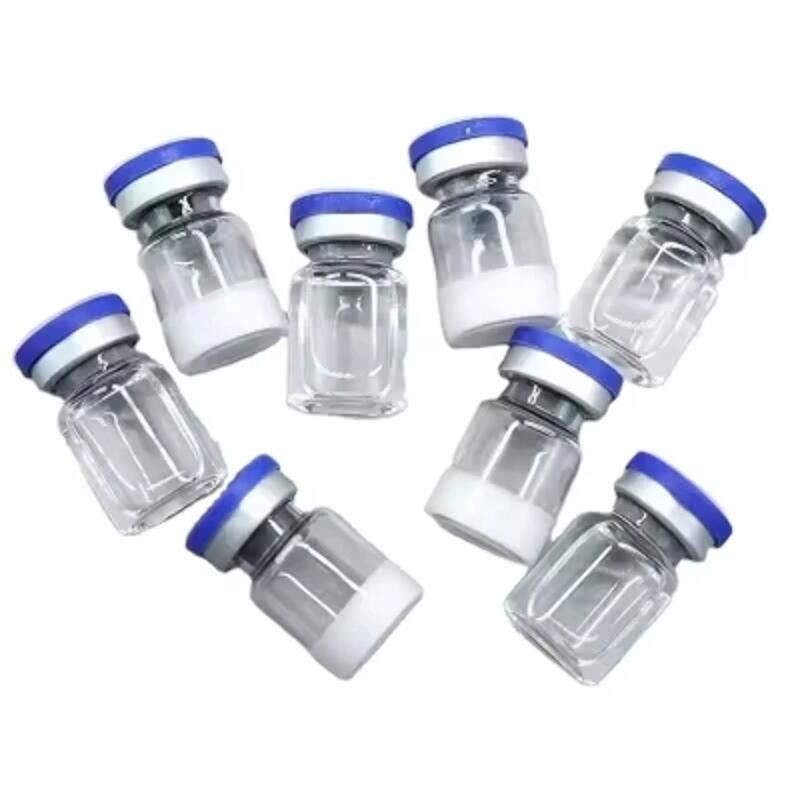
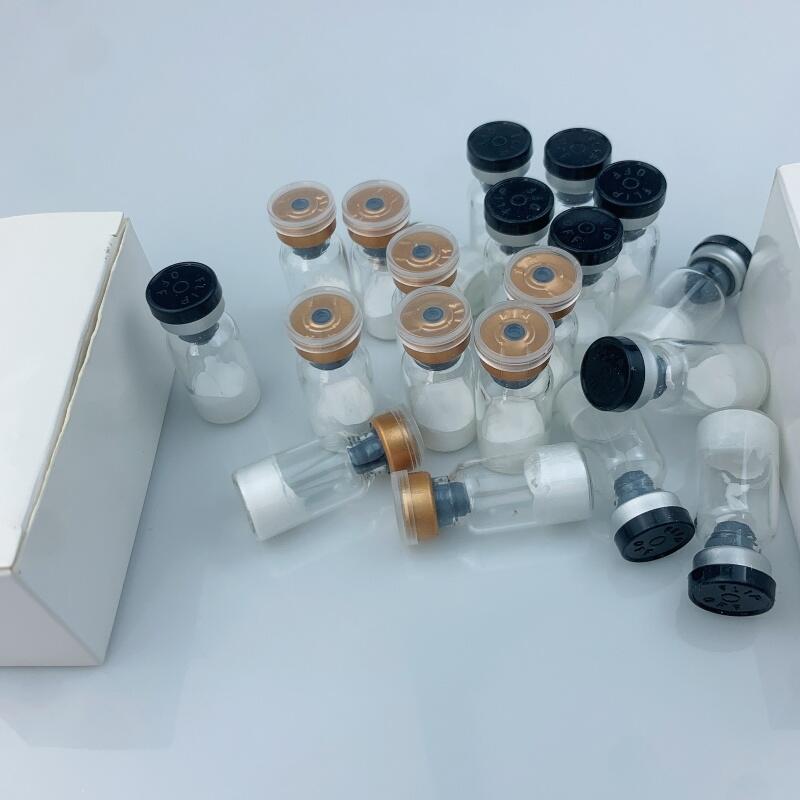
in the vial — basically a fluffy cake that reconstitutes without a fight, and we've run it through HPLC to confirm that ≥99.9% purity figure. You're looking at CAS 2381089-83-2, molecular weight right around 4113.6 g/mol, but what it does is mimic GLP-1 signaling for metabolic pathway studies. It sits nicely at -20°C in a dry enviornment, similar to way we'd store something heat-sensitive like insulin.
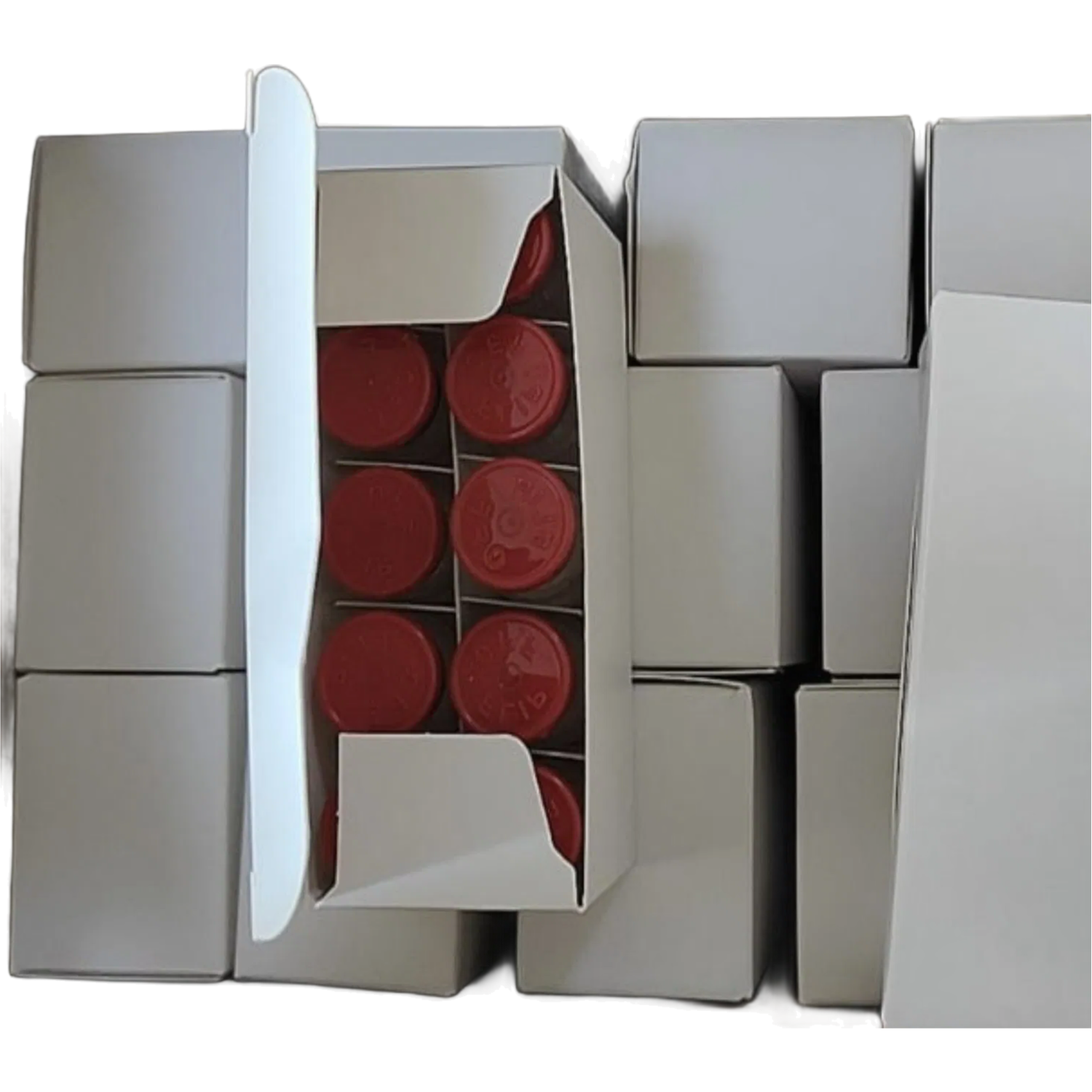
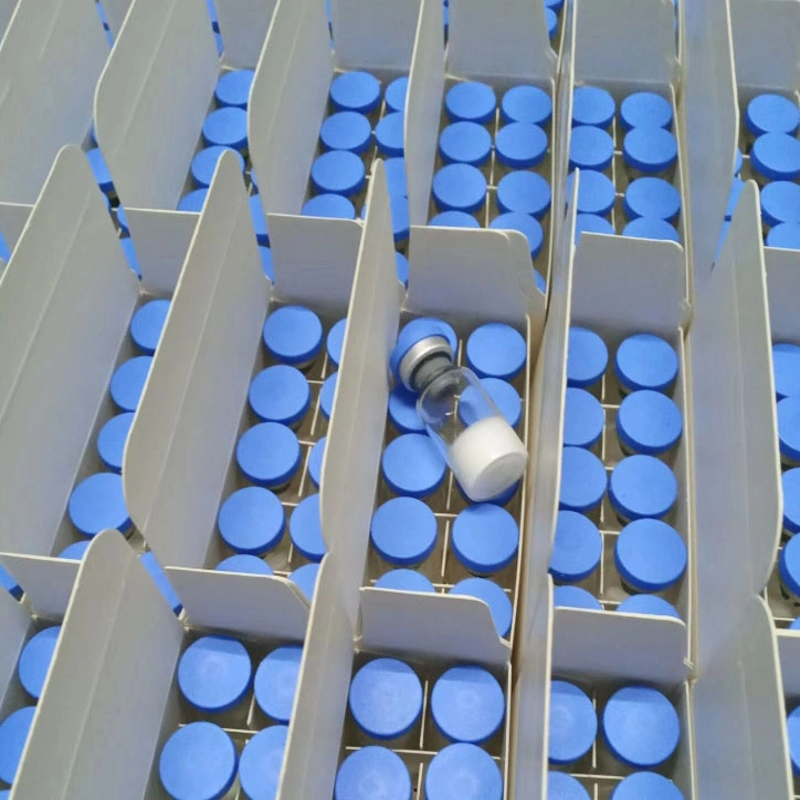
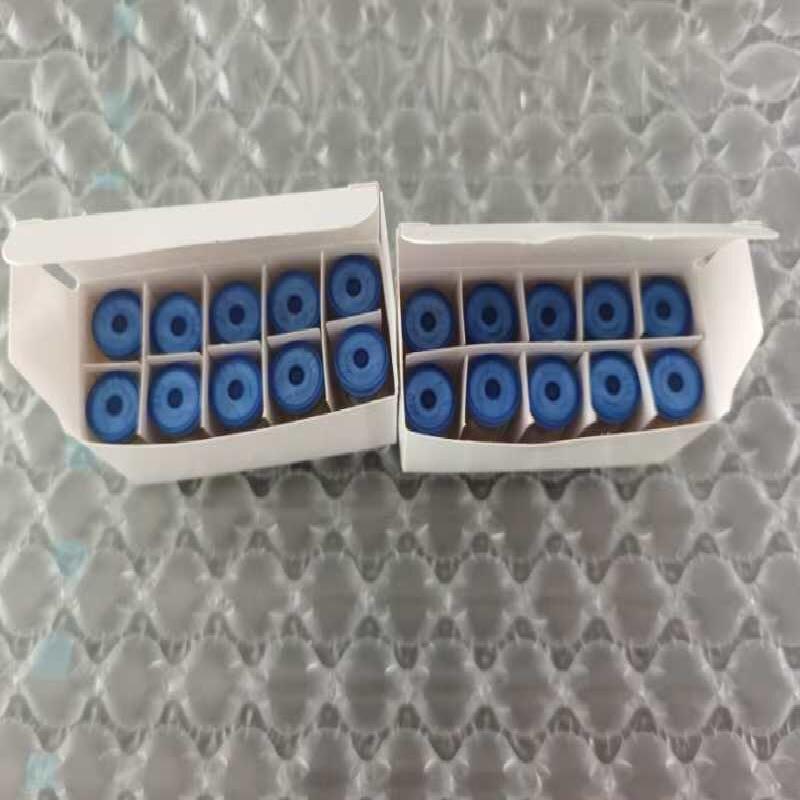
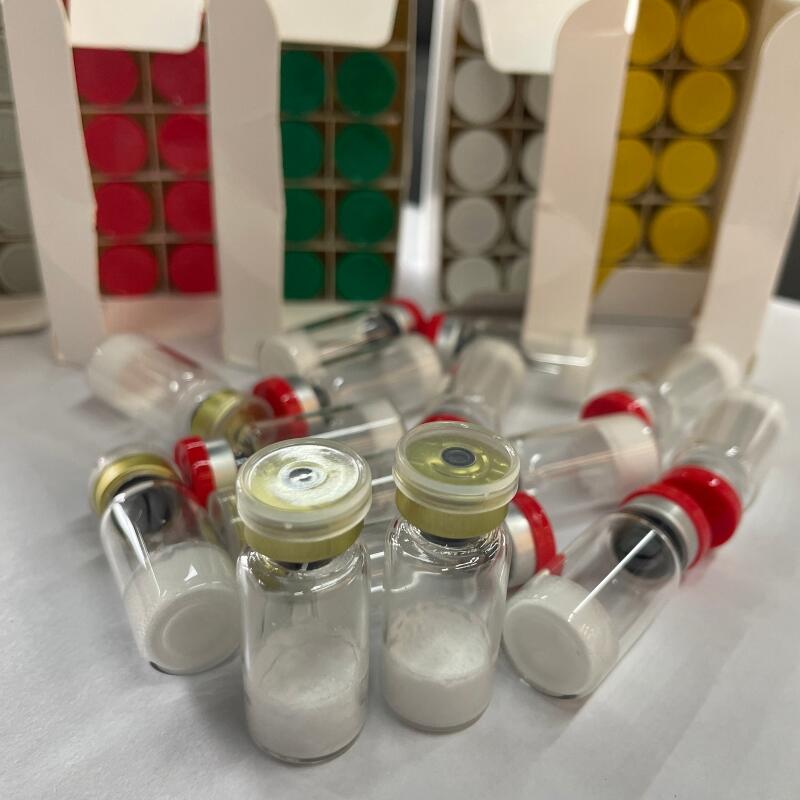
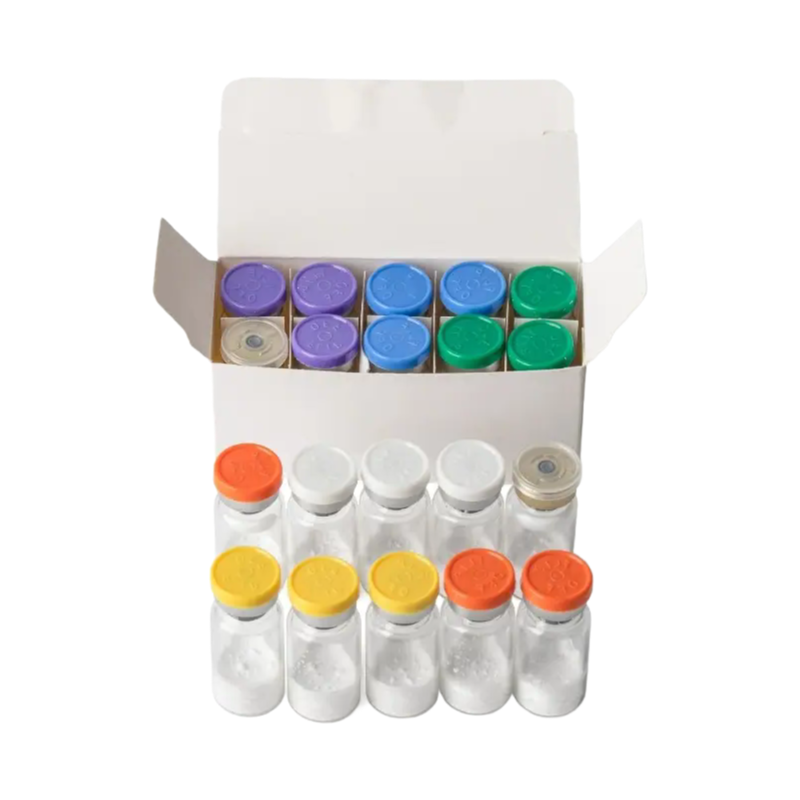
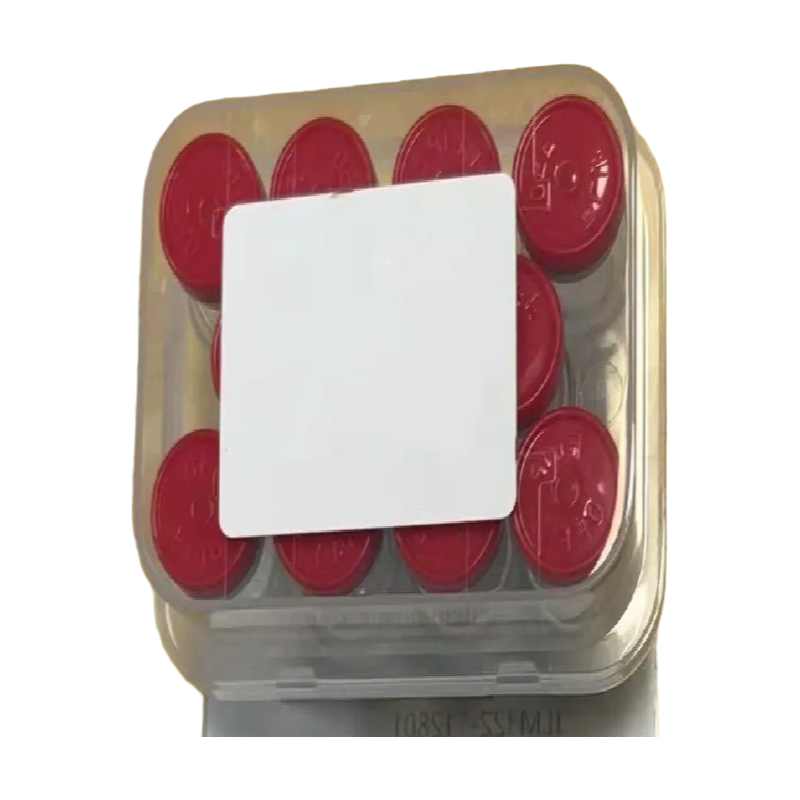
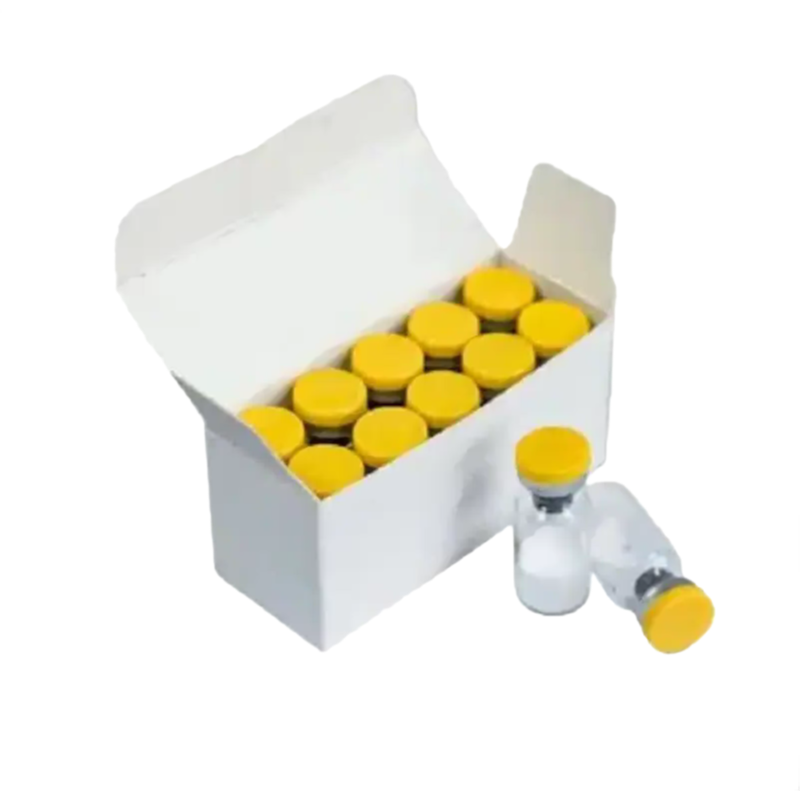
So a researcher form a contract lab almost complained about reconstitution rates once — turns out they'd let the vial sit out too long at room temp. Storage discipline matters here, we've found, because you'll be working with custom packaging options if you order the standerd case (10 vials/box) or want something else. Most buyers go with the 10mg per vial format, but verify availability for other sizes.
And it's really not for in vivo trials unless you've cleared your ethics board thoroughly — we supply strictly for research, and the pharma-grade claim means better consistency than reagent grade for this type of peptide work. The 5L drum of buffering solution on your shelf will work fine for solubility since it's soluble in water and these buffer systems anyway.
Typical lead time runs about 18 working days or so from order, but we usually have stock, so confirm when you're ready. You'll get full COA with each batch including HPLC traces and mass spec data — that's standard and something buyers sometimes don't think to ask about but absolutely should. The white powder appearance is uniform batch to batch, and we can provide custom vial labeling with no art or die charge.
For someone new to the field, this compound sits squarely in GLP-1 receptor agonist analog territory — used in diabetes and weight management research, but also metabolic disorder studies where you need a consistent reference standard. We don't do the filling or formulation for clinical use, so plan your reconstitution protocol carefully with sterile water and avoid freeze-thaw cycles. The exact purity spec (99.9%) is tighter than what some suppliers offer at 98%, and that matters if your assay demands minimal baseline noise from impurities
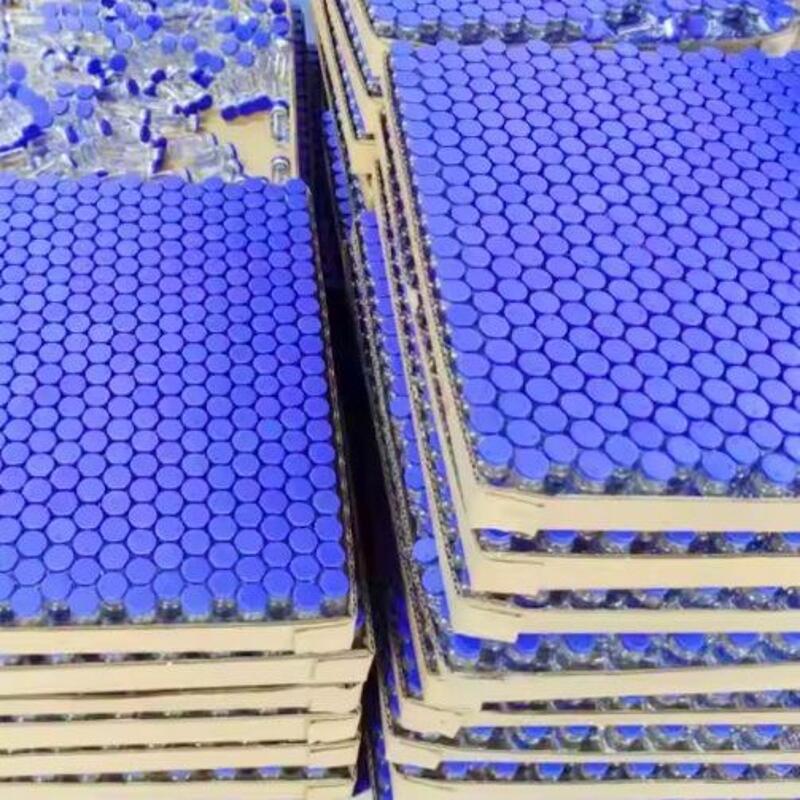
We typically start at 10 boxes (that's 100 vials), but we can work with you on smaller trial orders if you're just getting started. Just let us know your needs.
Yes, every batch comes with a CoA showing ≥99.9% purity by HPLC. We can also share third-party test results upon request.
Standard orders ship within 3-5 business days. For custom packaging, like branded labels or different vial sizes, expect 7-10 business days depending on the specs.
Keep it at -20°C in a dry environment, away from light. Stored properly, the powder stays stable for at least 12 months.
Yes, it's soluble in water and buffer solutions. We recommend reconstituting at 1-2 mg/mL for best results, but you can adjust based on your protocol.