Account
Inquiry
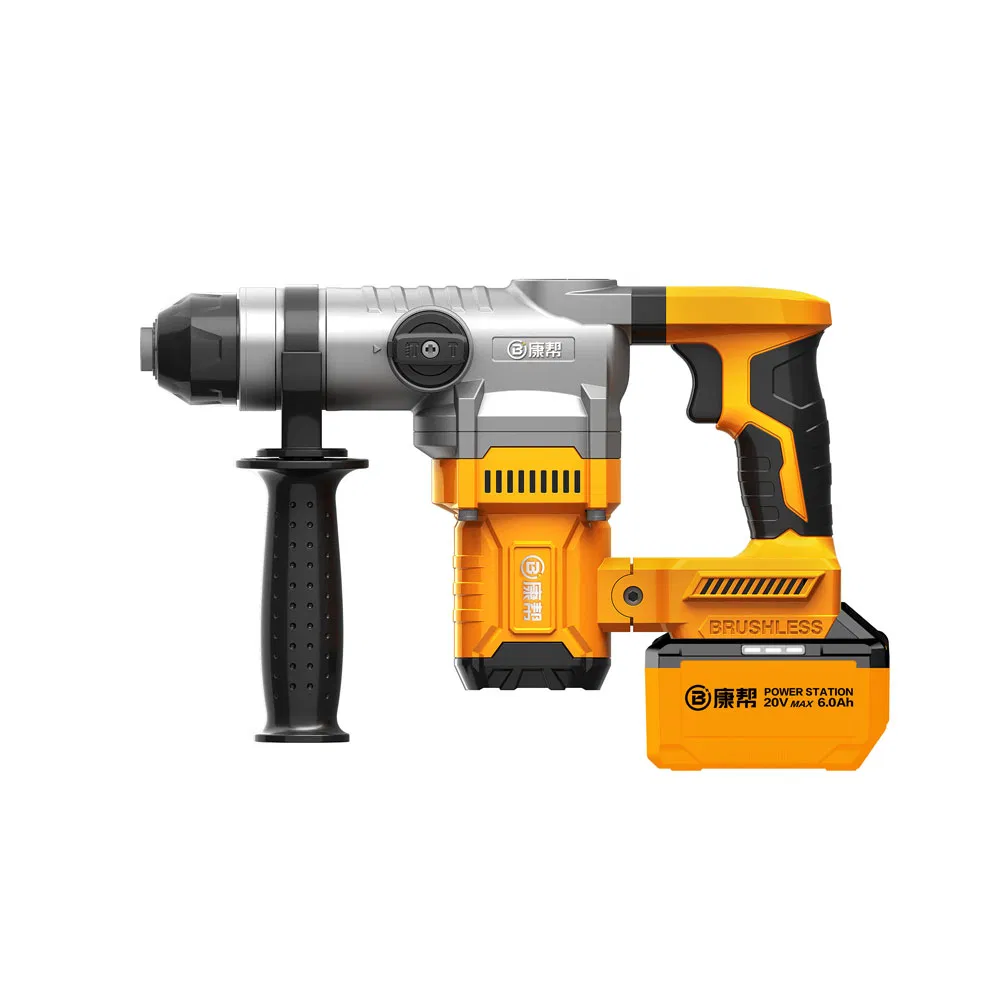
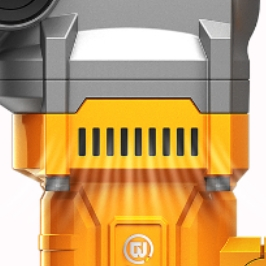
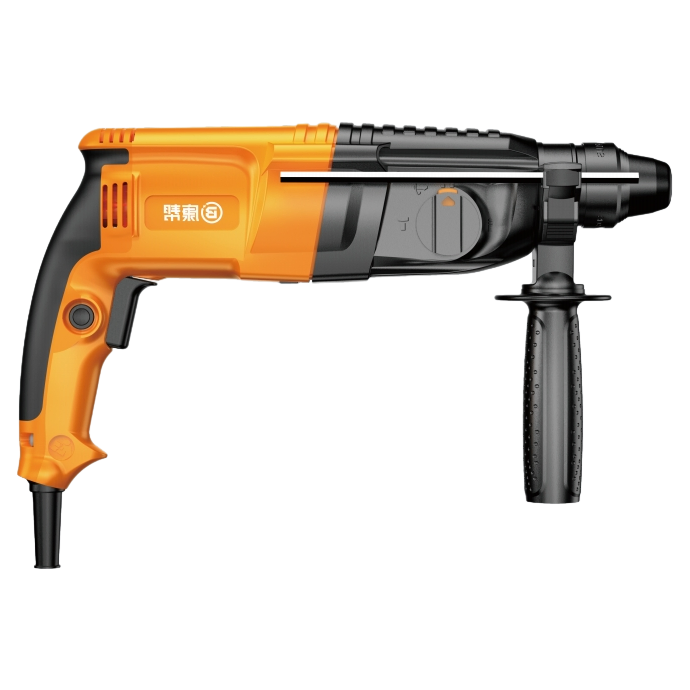
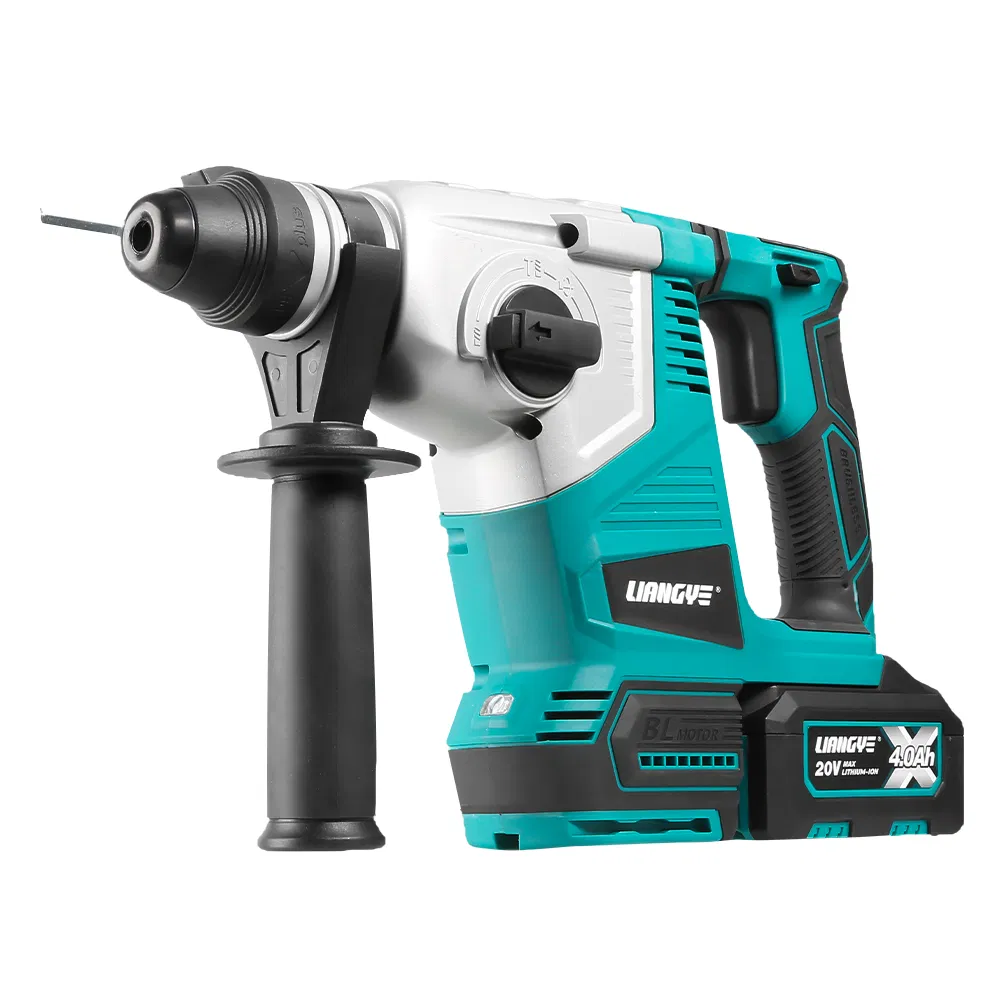
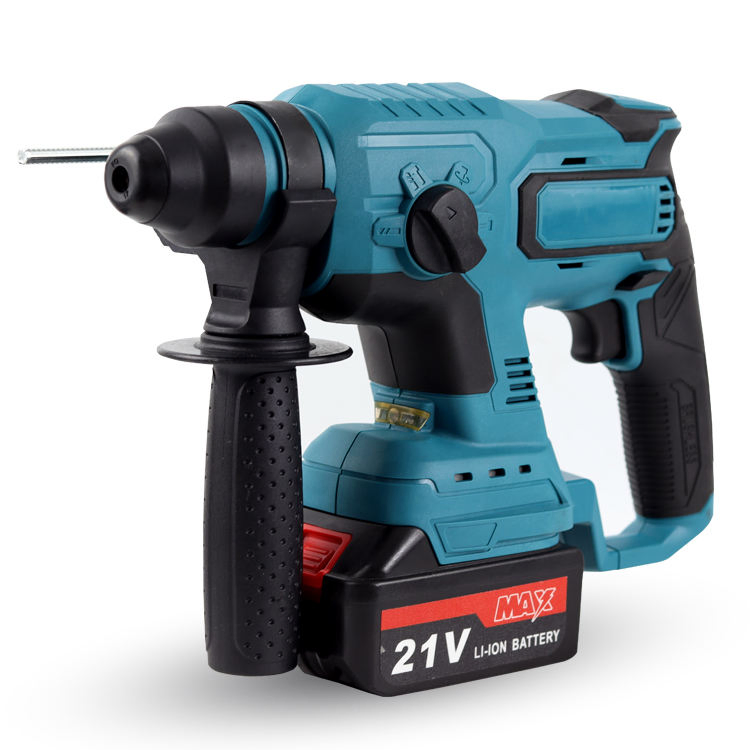
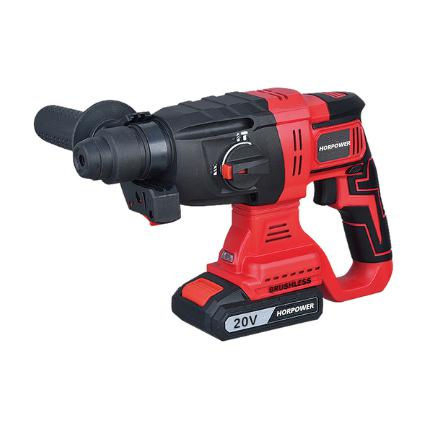
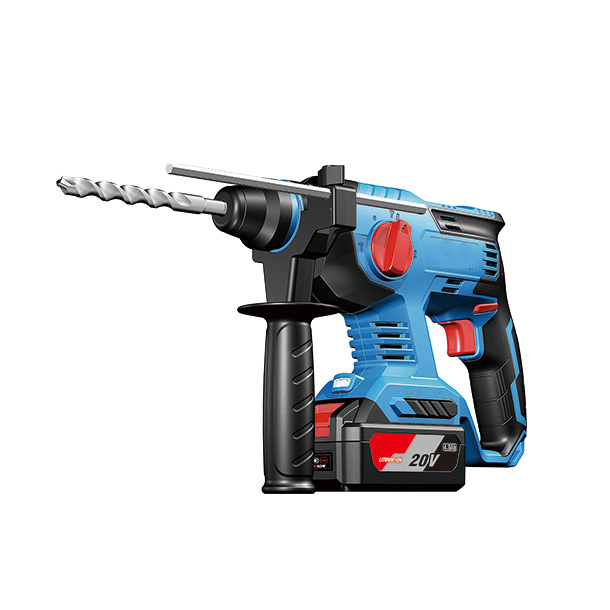
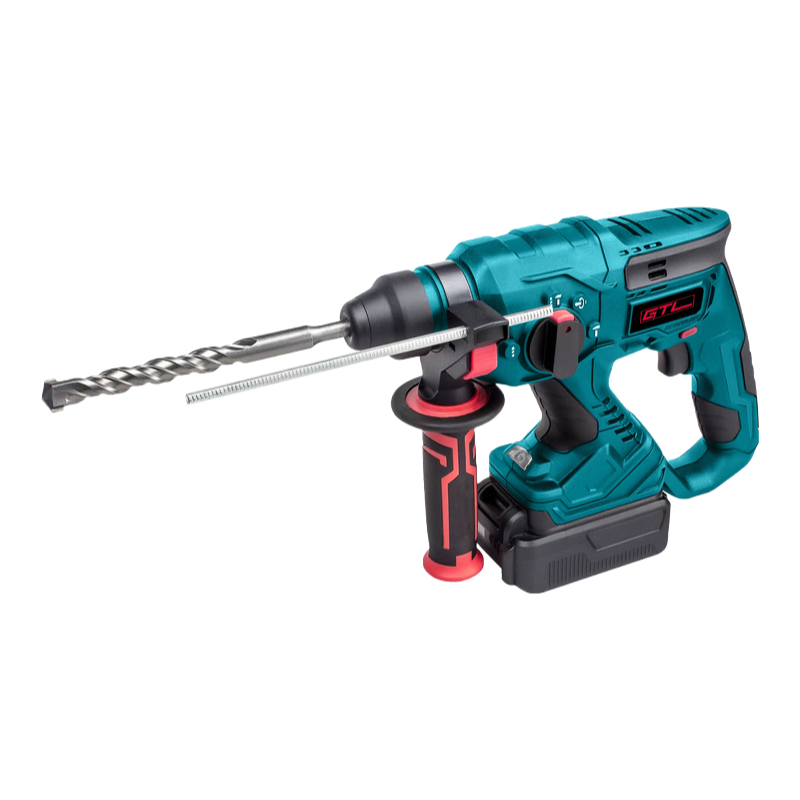
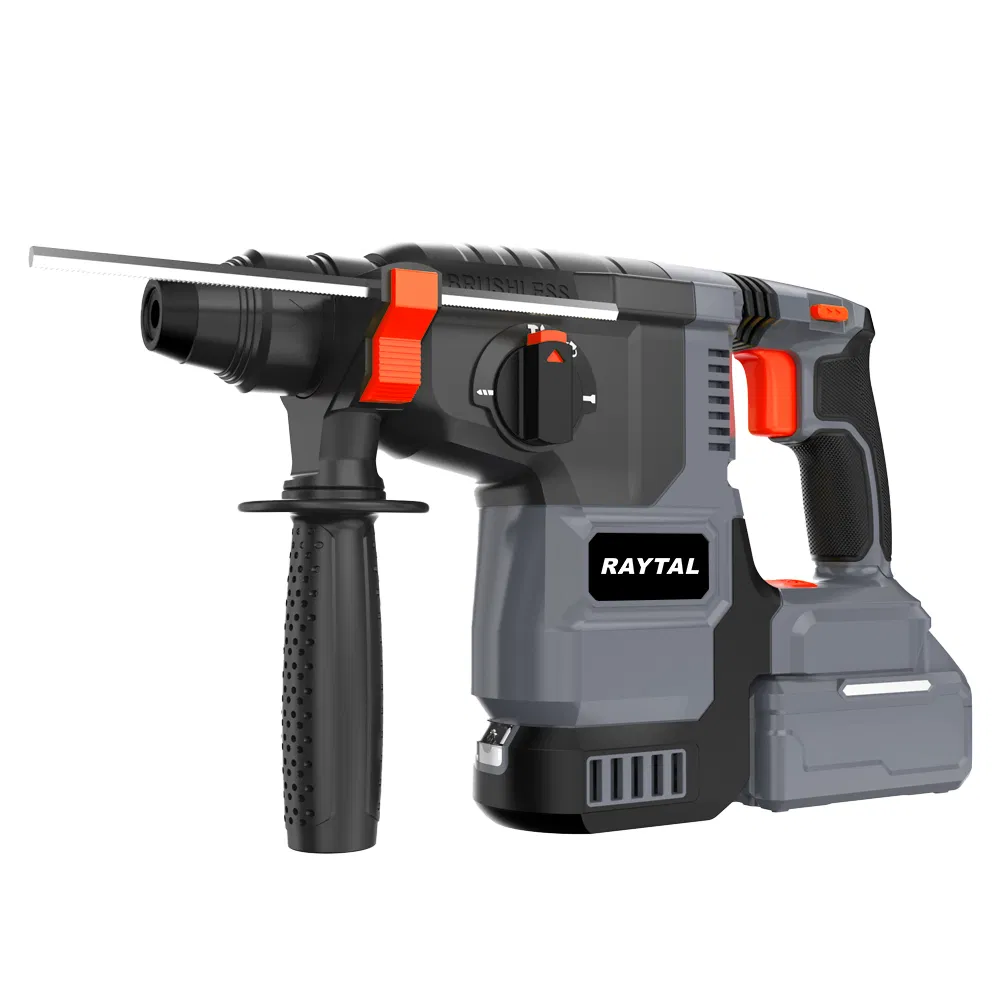
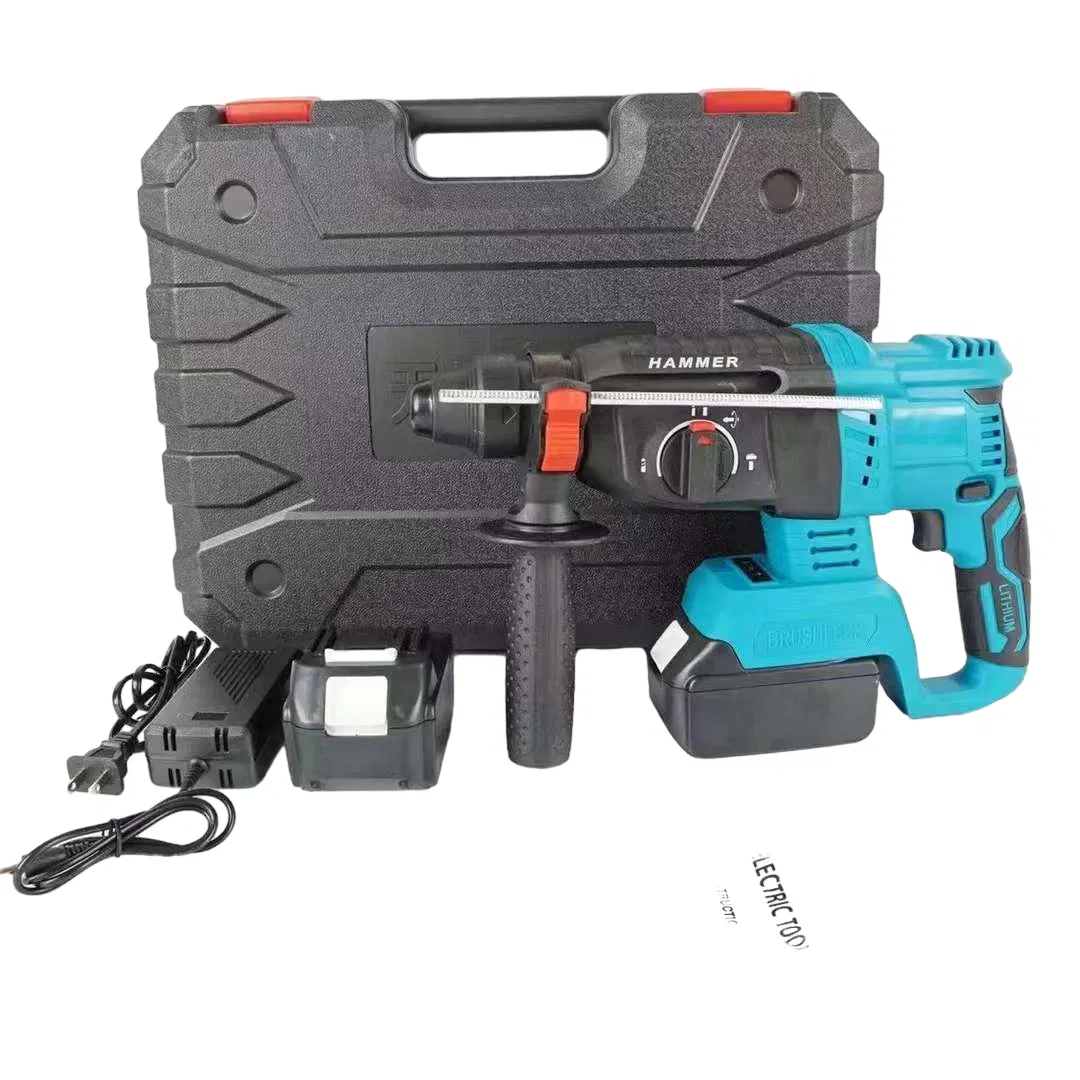
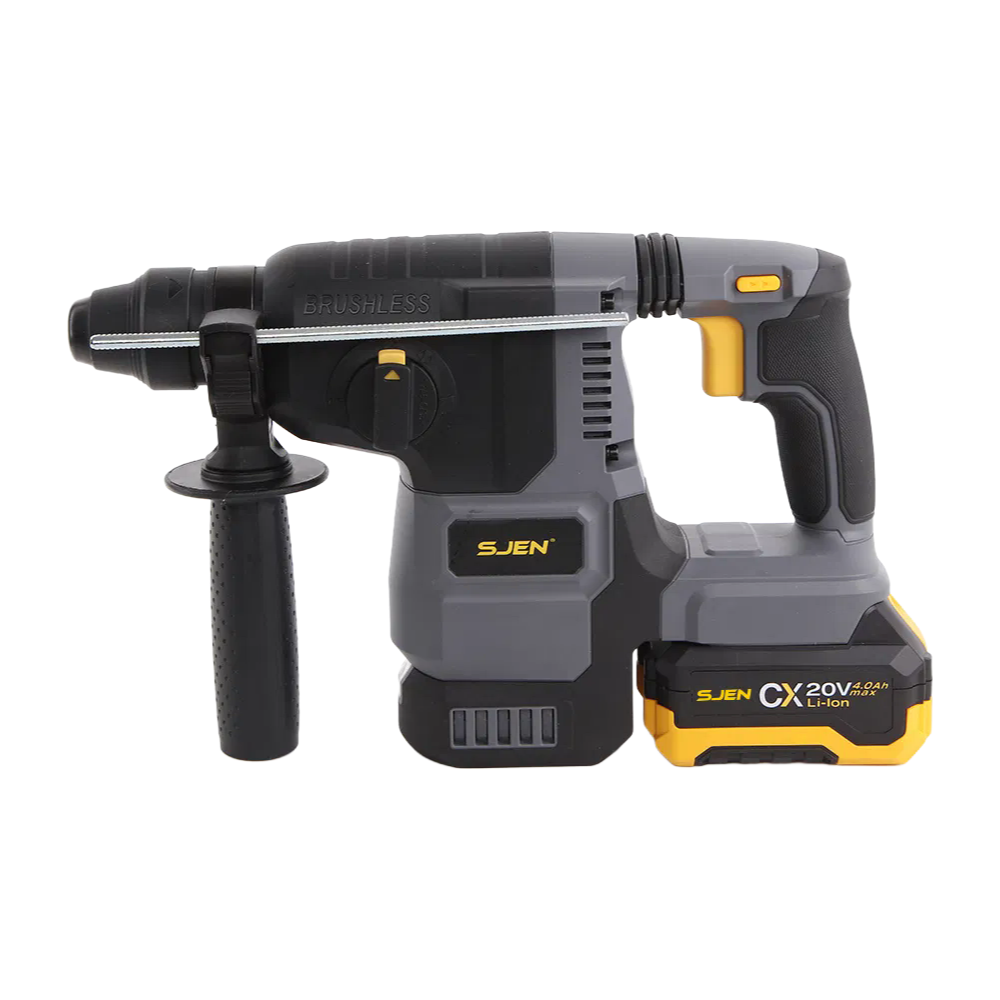
Basically you're getting a 500W brushless rotary hammer that does double duty as a drill and a pickaxe — we've had these through the warhouse for about two years now, and the 2.8J impact energy is what makes it actually useful for breaking up concrete without having to switch tools.
No-load speed runs 0-900 rpm, impact frequency hits 4800 bpm, and teh SDS-Plus chuck handles bits up to 30mm diameter for drilling. It's a 20V system with a 6.0Ah battery that charges in an hour, so you'll get a solid shift's work on one charge if you're not running it flat out the whole time.
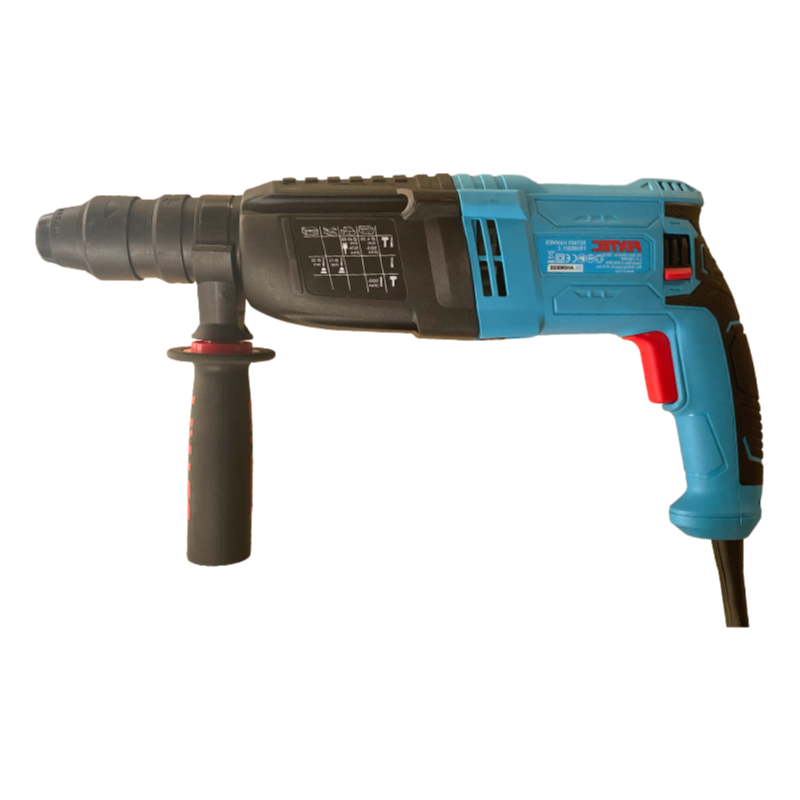
6kg isn't light (usually 50 units or so per pallet), but the vibration control helps when you're using pickaxe function for demolition. Most buyers we see go with this over corded models because the brushless motor cuts maintenance and gives better runtime — plus you're not tethered to a generator on site.
our company can do custom labeling and concentration adjustments on bulk orders, but the standdard battery config is what ships fastest (check lead time). It's better than the cheaper brushed units for sustained use, though if you need constant heavy breaking above 30mm diameter you'd probably want a corded SDS-Max instead.
MOQ is typically 10 units for custom work, and we include a COA with every batch. The 2-year motor and electronics, but not abuse from dropping it off scaffolding.
We typically require a minimum of 50 units per order, but we can discuss smaller quantities for first-time buyers or sample orders.
The KB-2808D comes with CE and RoHS certifications. We can also provide a material test report or performance data sheet upon request.
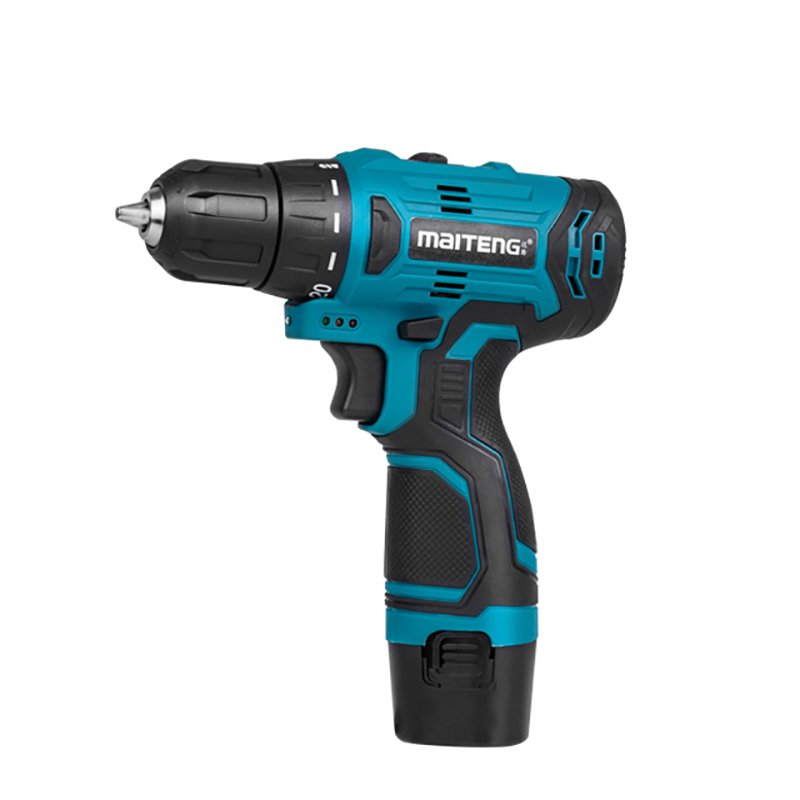
Yes, the 20V 6.0Ah battery is part of our standard battery platform and works with all our 20V brushless tools, including drills and saws.
Each unit comes in a color box with foam inserts, and the battery and charger are packed separately. Lead time is typically 15-25 days after order confirmation, depending on stock.
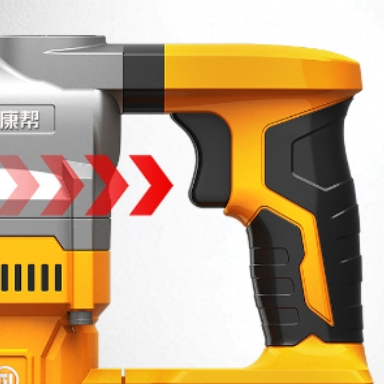
Yes, the variable speed trigger lets you control the rpm from 0-900, and the impact energy is fixed at 2.8J. For concrete, use higher impact; for wood, dial down the speed to avoid splintering.